
Top 25 Birds With Long Legs (With Images)
Did you know that some birds can run faster than the average human? In the world of avian wildlife, birds with long legs stand out not only for their striking appearance but also for their unique adaptations. Understanding these fascinating creatures reveals insights into their habitats, behaviors, and the ecosystems they inhabit. In this article, we’ll explore various species of long-legged birds, their surprising traits, and their importance to our environment.
List of Birds With Long Legs
Here is the list of animals that have long legs:
- Great Egret
- Sarus Crane
- Limpkin
- Scarlet Ibis
- Secretary Bird
- Purple Gallinule
- Green Heron
- Jabiru
- Purple Heron
- Shoebill
- Whooping Crane
- Reddish Egret
- Cattle Egret
- Flamingos
- Great Blue Heron
- Ostrich
- Black-winged Stilt
- White-faced Ibis
- Tricolored Heron
- Sandhill Crane
- Snowy Egret
- Roseate Spoonbill
- Gray Heron
- Wood Stork
- Emu
Great Egret
Scientific Name: Ardea alba
The Great Egret, with its striking white plumage and elongated legs, is a true icon of elegance in the avian world. Standing tall and poised, these birds command attention as they wade gracefully through shallow waters in search of fish, frogs, and other aquatic delicacies. Their long legs serve not only as tools for navigation but also as a striking adaptation, allowing them to walk quietly in muddy environments without disturbing their prey.
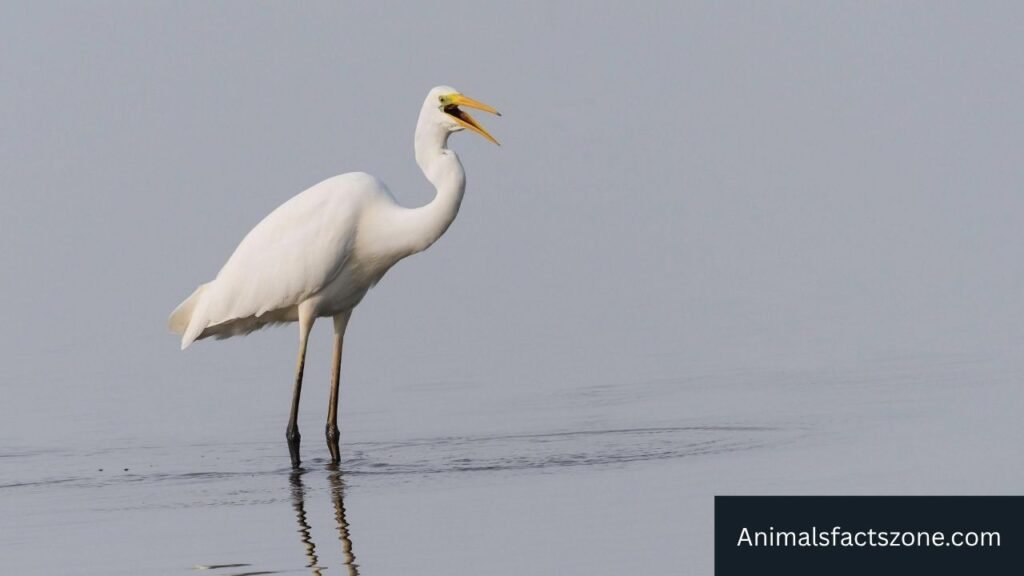
What sets the Great Egret apart is its remarkable hunting technique. With a patient demeanor, it often employs a “still hunting” strategy, standing motionless for long periods before swiftly striking with its razor-sharp bill. During the breeding season, the males showcase their beauty by flaunting elaborate feathers called aigrettes, turning their courtship into a spectacular display that captivates onlookers. Such rituals underscore the interplay between physical grace and survival instincts, making the Great Egret not just a bird to admire, but a symbol of nature’s intricate balance.
Capturing these stunning moments in their natural habitat offers not only a glimpse into their world but also highlights the delicate ecosystems they inhabit. Furthermore, observing the Great Egret prompts reflection on conservation efforts; as wetlands face increasing threats, these majestic birds remind us of the importance of protecting their environments for future generations
Sarus Crane
Scientific Name: Antigone antigone
The Sarus Crane, known for its remarkable height and striking appearance, stands as a symbol of grace in wetland ecosystems. With legs that can reach up to six feet long, these birds are not just visually stunning; their long limbs are a vital adaptation for navigating their often marshy habitats. This unique morphology allows them to wade through shallow waters, walking gracefully while foraging for aquatic plants, insects, and small fish. Observing a Sarus Crane in its natural habitat can feel like witnessing a balletic performance, where each movement is purposeful and fluid.
Their striking red head and the intricate dance they perform during mating season amplify their allure. These courtship displays are not just beautiful; they reflect a bond that speaks volumes about their social structure and commitment to family. Sarus Cranes mate for life, showcasing a rare depth of connection in the animal kingdom.
Limpkin
Scientific Name: Aramus guarauna
The Limpkin, often overshadowed by more flamboyant avian cousins, has a unique charm rooted in its adaptability and striking appearance. With long, slender legs and a slightly curved bill, this bird is perfectly designed for life in marshy wetlands, where it deftly searches for its primary prey — apple snails. Unlike many wading birds that rely on sight, the Limpkin employs a remarkable auditory skill, honing in on the soft sounds of snails retreating into their shells. This sensory adaptation not only sets it apart from others in its habitat but also highlights the intricate web of life in which these birds are enmeshed.
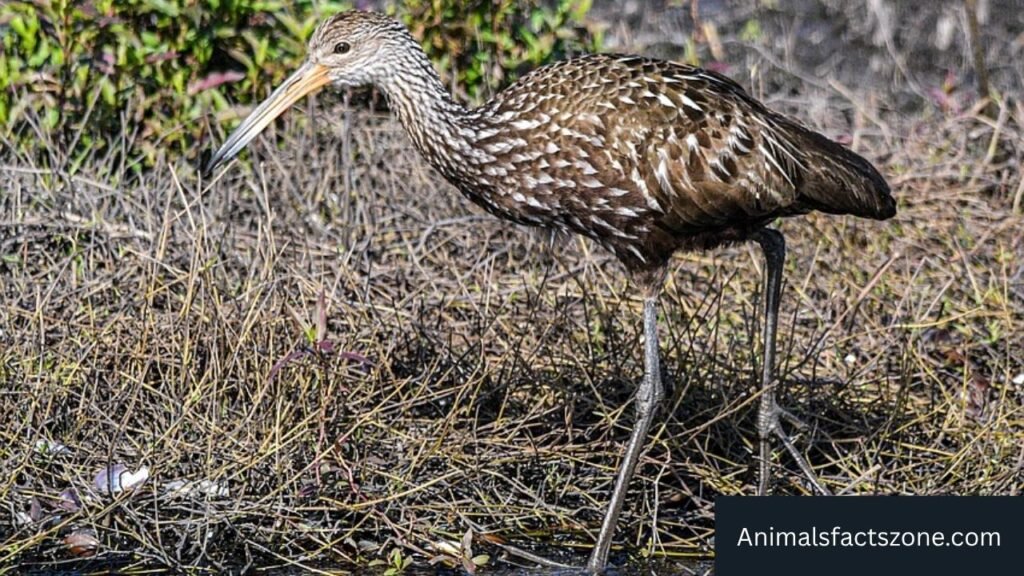
The Limpkin’s haunting, melodic calls echo across the wetlands, adding a haunting backdrop to the symphony of nature. Observing one of these birds in its natural habitat can be a mesmerizing experience; their movements, often fluid and deliberate, reveal a quiet confidence. While they may seem solitary, Limpkins often forage in pairs or small groups, showcasing the complex social interactions that define their world.
Readmore: Explore Top 14 Birds That Eat Fish.
Scarlet Ibis
Scientific Name: Eudocimus ruber
The Scarlet Ibis, a stunning avian marvel, captivates with its vivid red plumage and long, elegant legs, perfectly adapted for its wetland habitat. These striking birds thrive in mangroves and marshes, hunting for prey such as crustaceans and small fish. Their long legs not only provide the necessary reach to wade through shallow waters but also allow them to navigate the dense vegetation of their environment with grace. This adaptability underscores their role as both predator and prey in the intricate balance of their ecosystem.
Interestingly, the vibrant coloration of the Scarlet Ibis is a result of its diet, rich in carotenoids from the shrimp and other invertebrates it consumes. This natural pigment transforms the bird’s feathers into a radiant symbol of vitality, a concept that extends beyond mere aesthetics — it reflects the health of the habitats they occupy. Observing these birds in their natural setting offers a visual feast, highlighting the interconnectedness of diet, environment, and the dazzling adaptations that support survival in the wild.
As wetlands face threats from climate change and human intervention, these birds become vital indicators of environmental health. Spotting a flock of Scarlet Ibis gliding gracefully across the horizon evokes a sense of urgency to protect these ecosystems, not just for the birds themselves, but for the myriad of life forms that flourish alongside them.
Secretary Bird
Scientific Name: Sagittarius serpentarius
The Secretary Bird, with its striking long legs and elegant silhouette, is a fascinating creature that defies conventional bird traits. Native to the African savannas, this bird is not just about aesthetic appeal; it plays a crucial role in its ecosystem by controlling rodent and snake populations. With a wingspan that can reach up to 7.5 feet, the Secretary Bird is an adept hunter, employing a unique hunting technique known as “stomping.” By forcefully bringing its long legs down onto snakes and other small creatures, it effectively neutralizes threats, showcasing a remarkable blend of agility and strength.
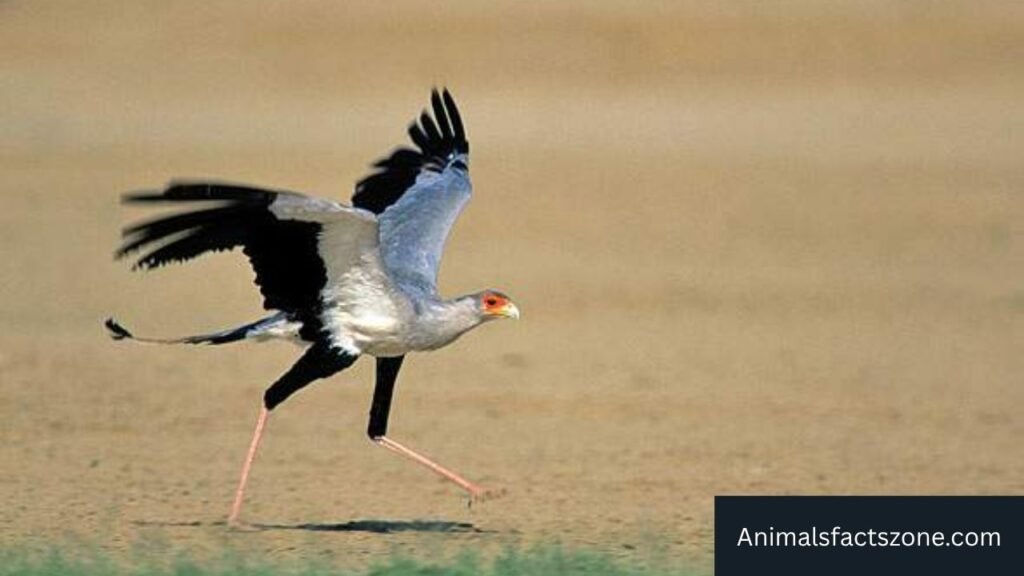
Beyond its hunting skills, the secretary bird’s mating rituals are a captivating spectacle. During courtship, pairs engage in elaborate dances, involving bowing and high-stepping movements that emphasize their striking stature. These displays are not just about attracting a mate; they also reinforce bonds between partners.
Purple Gallinule
Scientific Name: Porphyrio martinica
The Purple Gallinule, a striking waterbird, flaunts its vivid plumage and impressively long legs as it navigates marshy habitats. With its iridescent blue and green feathers, complemented by a vibrant yellow bill and red frontal shield, this bird is a true marvel of nature. Its long legs, almost disproportionately so, enable it to stalk through dense reeds and aquatic vegetation, showcasing an elegant grace that belies its clumsy appearance on solid ground.
What makes the Purple Gallinule particularly fascinating is its adaptability; it seamlessly weaves through its environment, often using its feet to grasp lily pads while foraging for insects and seeds. This unique behavior reflects an evolutionary advantage, allowing it to access food sources that many other birds can’t reach.
Green Heron
Scientific Name: Butorides virescens
The Green Heron, a master of stealth in wetlands, is a striking bird that captures attention not only for its vibrant plumage but also for its impressive long legs. These limbs are not merely for show; they are essential tools that allow this heron to wade gracefully through shallow waters in search of prey. With each careful step, the Green Heron exemplifies the art of patience, often standing still for long periods, showcasing a remarkable ability to blend into its surroundings while hunting.
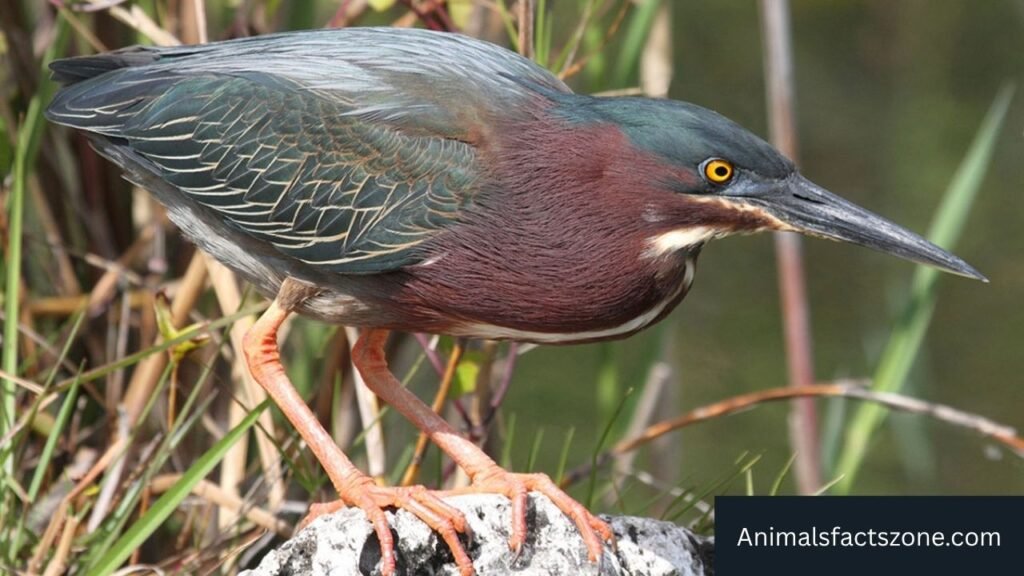
Interestingly, their long legs provide more than just physical advantages; they also symbolize adaptability in a constantly changing habitat. The Green Heron has developed unique hunting techniques, such as using bait items — like dropping bits of bread or insects — to lure fish closer. This clever behavior highlights an intelligence that parallels their grace, making them not only agile but strategic hunters as well.
Jabiru
Scientific Name: Jabiru mycteria
The Jabiru, a striking stork-like bird, boasts an impressive wingspan that can exceed a staggering 10 feet, making it a majestic figure against the backdrop of wetlands. Known for their long, slender legs, these birds are perfectly adapted for wading through shallow waters in search of fish, amphibians, and crustaceans. Their leggy stature not only enhances their elegance but also allows them to navigate through muddy landscapes with remarkable ease, often giving them a unique hunting advantage.
What sets the Jabiru apart from other long-legged birds is its captivating blend of features: a bold, black neck contrasts beautifully with its white body, while a distinctive red or pink pouch hangs beneath its beak, adding to its charisma. Observers are often left in awe as this bird performs its intricate courtship rituals, including a fascinating dance that showcases their graceful movements and intricate vocalizations. These behaviors not only embody the bird’s unique character but also highlight the intricacies of avian communication, offering insight into the complex social dynamics of the Jabiru nesting colonies. With their presence in both urban and rural wetlands, Jabirus serve as vital indicators of ecological health, reminding us of the delicate balance between nature and human encroachment.
Purple Heron
Scientific Name: Ardea purpurea
The Purple Heron is a remarkable avian marvel, distinguished not only by its striking plumage but also by its elegantly elongated legs, which make it a master of wading. These limbs are an adaptation that allows the heron to navigate the shallow waters of wetlands with astounding ease, utilizing their height to spot fish and other prey from a greater distance.
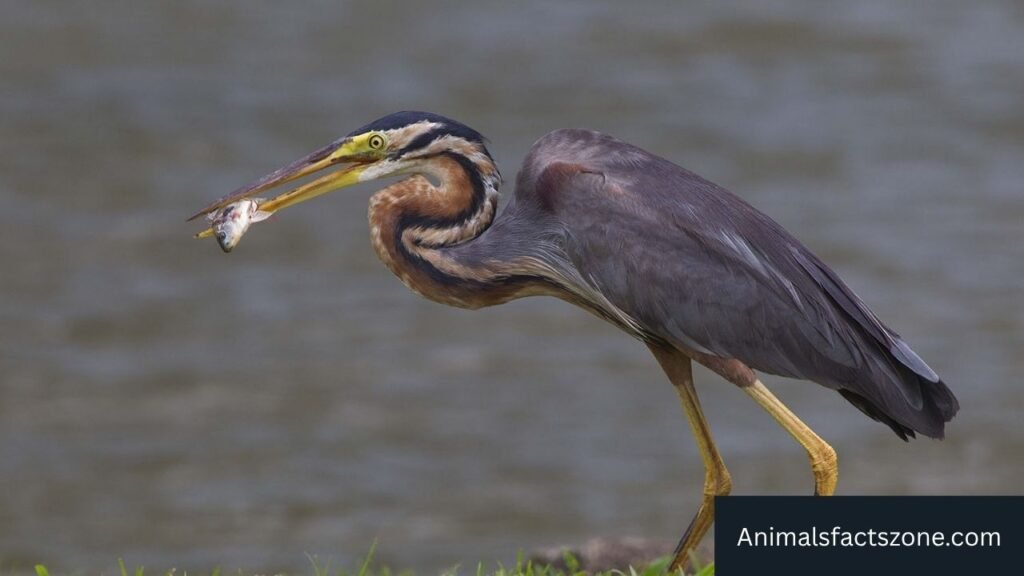
What sets the Purple Heron apart is its unique foraging strategy. Unlike many herons that rely solely on stealth, it combines patience with a calculated approach to hunting, often employing a startlingly swift neck extension to snatch prey unaware. This duality of calm observation and sudden action turns each moment into a dance of anticipation, showcasing nature’s artistry in the pursuit of sustenance. The heron’s striking violet and chestnut plumage provides camouflage among the reeds, allowing it to blend seamlessly into its environment, an advantage against both prey and predators alike.
Shoebill
Scientific Name: Balaeniceps rex
The shoebill, a captivating wader native to the swamps of East Africa, boasts a striking silhouette that can easily mesmerize any birdwatcher. Its long, gangly legs, perfectly adapted for wading through murky waters, enable it to navigate dense vegetation while hunting for prey like fish and amphibians. This remarkable bird’s name comes from its oversized, shoe-shaped bill, which serves as a powerful tool to grasp slippery catches. Observers often liken the shoebill to a living dinosaur, thanks to its formidable stature and prehistoric demeanor.
Despite its imposing appearance, the shoebill exhibits a surprisingly calm demeanor while hunting, often standing motionless for long periods. Its hunting technique is a masterclass of patience and precision; it waits for the perfect moment to strike, embodying a blend of stealth and grace. However, conservationists warn that habitat loss poses a significant threat to the shoebill’s survival. As wetlands disappear, this enigmatic bird’s future hangs in the balance, prompting urgent calls for preservation efforts to ensure that these living relics continue to grace our skies.
Whooping Crane
Scientific Name: Grus americana
The Whooping Crane, with its striking white plumage and long, elegant legs, stands as a symbol of resilience amidst the challenges of modern conservation. These majestic birds, reaching heights of up to five feet, have not only captivated birdwatchers but also serve as a poignant reminder of the delicate balance within our ecosystems. Their lengthy legs allow them to wade into shallow waters, where they forage for frogs, small fish, and aquatic plants, demonstrating an impressive adaptability to their wetland habitats.
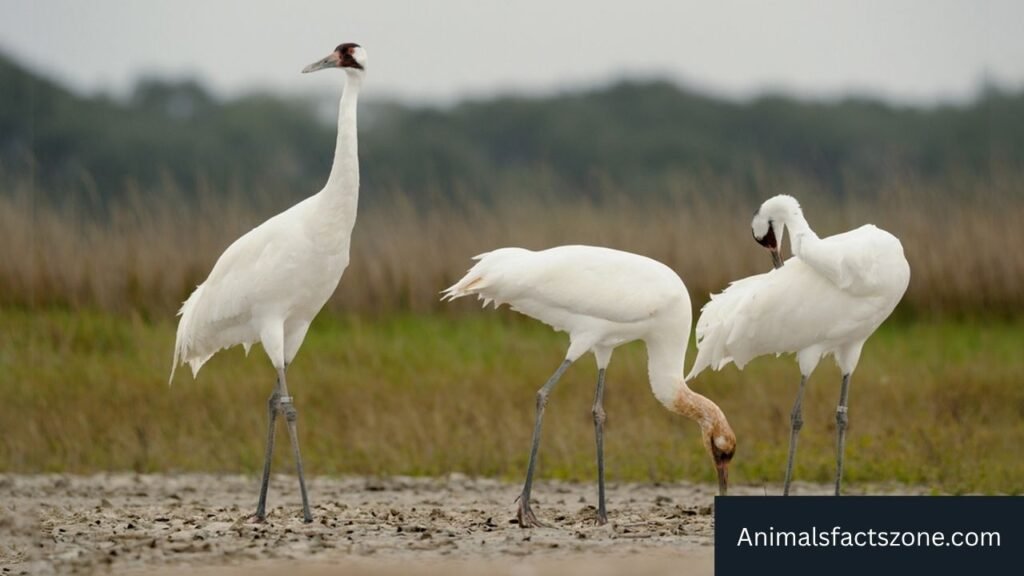
Remarkably, Whooping Cranes engage in complex courtship displays that involve graceful dances, showcasing both their physical prowess and social bonds. These rituals highlight the importance of teamwork in their survival, as the birds rely on each other for protection and mate selection. As we face environmental changes, the plight of the Whooping Crane compels us to consider the broader implications of habitat loss and climate change, inspiring efforts to protect their wetland homes. Observing these cranes in the wild not only is a breathtaking experience but also ignites conversations on conservation strategies needed to preserve such incredible species for future generations.
Reddish Egret
Scientific Name: Egretta rufescens
The Reddish Egret, with its striking plumage and poised stance, showcases nature’s artistic flair in avian design. Unlike its more ubiquitous relatives, this species flaunts a unique blend of gray and chestnut feathers, particularly enchanting during its elaborate hunting displays. As it wades through shallow waters, the Reddish Egret performs a captivating dance, using its long legs to stir up fish, creating ripples that reflect its vibrant hues. Each movement is a testament to its adaptability and grace, making it not just a predator but an artist of its environment.
What truly sets the Reddish Egret apart is its playful and sometimes whimsical behavior, which creates a vibrant interplay with its surroundings. While many herons adopt a more stoic approach to hunting, this egret engages in a dynamic game, often leaping and flapping to create chaos among fish schools. This unique strategy underscores its intelligence and resourcefulness, as it balances elegance with an almost childlike exuberance.
Cattle Egret
Scientific Name: Bubulcus ibis
With their striking white plumage contrasting against vibrant grasslands, cattle egrets embody elegance in the avian world. These long-legged birds, often seen foraging alongside grazing cattle, have developed a unique symbiotic relationship with livestock. As the cattle disturb insects while feeding, egrets capitalize on this opportunity, snatching up the startled bugs with their sharp beaks. This cooperative behavior not only showcases their adaptability but also highlights the interconnectedness of ecosystems, where one species can unknowingly support another.
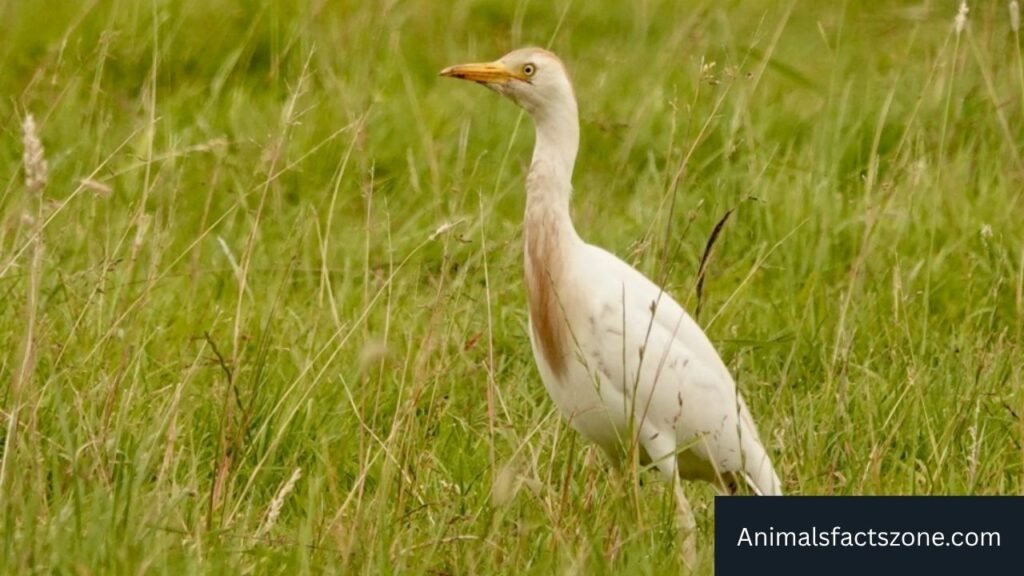
Beyond their foraging habits, cattle egrets possess remarkable resilience. They thrive in diverse habitats, from wetlands to coastal regions, displaying an impressive ability to adapt to changing environments. During the breeding season, the males sport vibrant ornamental feathers, transforming into captivating displays of courtship that draw potential mates. This transformation not only enhances their appeal but serves as a reminder that beauty in nature often comes with a purpose — whether it be survival or reproduction.
Flamingos
Scientific Name: Phoenicopteridae
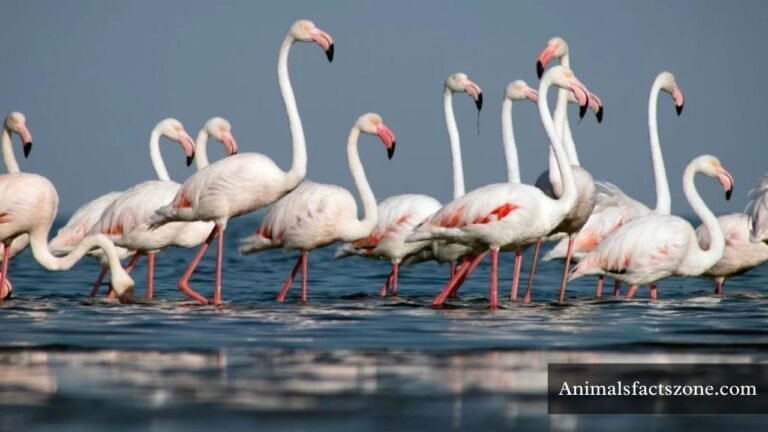
Flamingos, with their striking pink plumage and lanky limbs, are nature’s ballet dancers, gracefully wading through wetlands and shallow lagoons. Their legs, often three feet long or more, are not just for show; they are essential tools for survival. These elongated appendages allow flamingos to forage efficiently in deep waters, filtering tiny crustaceans and algae with their specialized beaks. It’s a fascinating adaptation that turns what might seem like a cumbersome feature into a marvel of evolutionary engineering.
Interestingly, the vibrant coloration of flamingos, derived from the carotenoids in their diet, also tells a story of resilience and adaptation. Young flamingos start off gray, but as they consume more of these pigments, their feathers transform into shades of brilliant pink. This striking hue serves a dual purpose: not only does it attract mates, but it also plays a role in social hierarchies within flocks, enhancing their chances of breeding success.
Great Blue Heron
Scientific Name: Ardea herodias
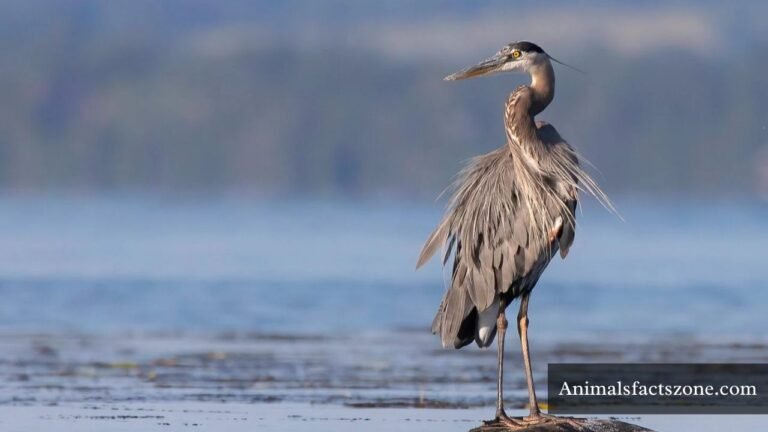
The Great Blue Heron, with its striking silhouette and elongated legs, is a master of elegance in the wetlands. Standing tall at nearly four feet, these birds wield their long limbs like a skilled dancer, moving gracefully through shallow waters while scanning for fish. Their height not only aids in spotting prey but also grants them a commanding view of their surroundings, making them expert foragers in complex ecosystems.

What sets the Great Blue Heron apart is its remarkable adaptability. They thrive in diverse habitats, from coastal marshes to urban ponds, showcasing their resilience in changing environments. Their hunting technique, characterized by patience and precision, reveals a deeper connection to nature; every movement is deliberate, reflecting a dance as old as time.
Ostrich
Scientific Name: Struthio camelus
The ostrich, the world’s largest living bird, boasts legs that are not only long but also remarkably powerful, allowing it to sprint at speeds up to 45 miles per hour. These long legs are perfectly adapted for their environment, enabling them to cover vast distances in search of food and water across the arid savannahs of Africa. Unlike their flighted avian cousins, ostriches have evolved to prioritize running over flying, a testament to the challenges they face from ground predators.
But there’s more than just speed in those legs; they also serve a crucial role in social dynamics. Ostriches use their powerful limbs in elaborate courtship displays, showcasing not just strength but also agility when evading threats. Furthermore, their unique adaptations allow them to thrive in a habitat that many other species find hostile. By observing their graceful movements and social interactions, we can appreciate how evolution shapes not just anatomy, but behavior and survival strategies as well.
Black-winged Stilt
Scientific Name: Himantopus himantopus
The black-winged stilt, with its striking contrast of glossy black wings and stark white body, embodies elegance on the water’s edge. These wading birds are often spotted in shallow wetlands, where their long, slender legs appear almost impossibly delicate, yet they serve a critical purpose. By wading into deeper waters than many of their avian counterparts, black-winged stilts can access a rich buffet of aquatic invertebrates, making them adept hunters in their environment.
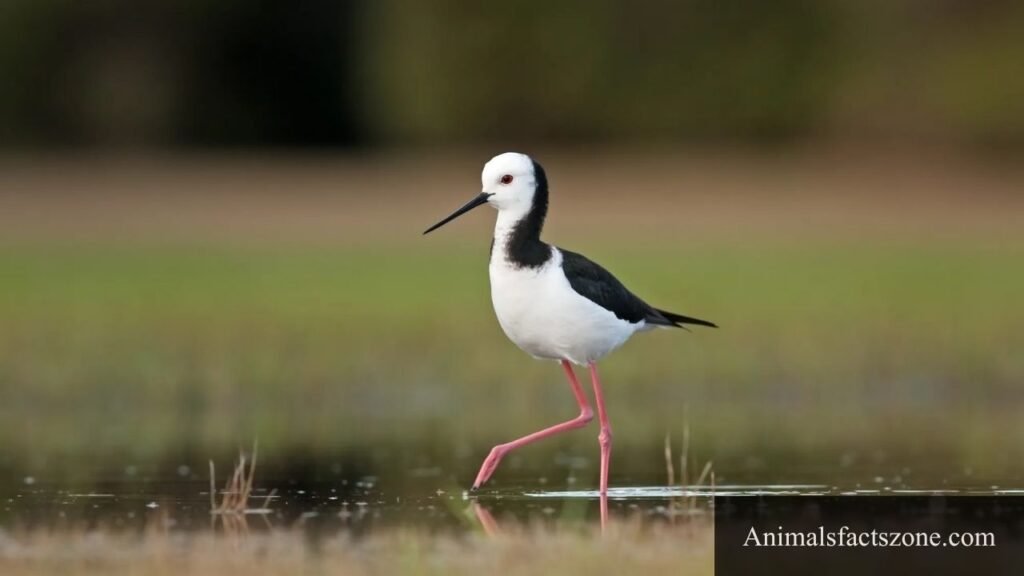
What truly sets the black-winged stilt apart is its unique breeding behavior. These social birds often nest in colonies, creating a mesmerizing spectacle as they perform synchronized displays, a captivating dance that not only strengthens pair bonds but also enhances protection from predators.
White-faced Ibis
Scientific Name: Plegadis chihi
The White-faced Ibis is a striking bird that draws immediate attention with its long, slender legs and shimmering plumage. Standing gracefully in shallow wetlands, it showcases a unique ability to navigate through murky waters, foraging for insects, crustaceans, and plants. Unlike many of its peers, the Ibis employs a rhythmic, sensory pecking motion, feeling its way through mud and silt — an ancient technique that speaks to its evolutionary adaptations over millennia.
Beyond its physical beauty, the White-faced Ibis has a compelling social life. These birds thrive in colonies, often seen in large, noisy flocks that create a lively symphony of calls and interactions. Observing their synchronized movements and courtship displays reveals complex social structures, with each bird communicating through a mix of visual cues and sounds. This intricate ballet of life in wetlands offers a glimpse into the hidden dynamics of avian communities, reminding us that beauty goes hand in hand with social complexity in the animal kingdom.
Tricolored Heron
Scientific Name: Egretta tricolor
The Tricolored Heron, with its striking plumage and elongated limbs, seamlessly embodies elegance in motion. Found primarily in wetland habitats across the southeastern United States, this bird astutely balances grace with a predatory instinct as it stalks through shallow waters in search of fish and crustaceans. Its slender legs, often submerged, make it a master of stealth, allowing it to blend into its surroundings while waiting for the perfect moment to strike.
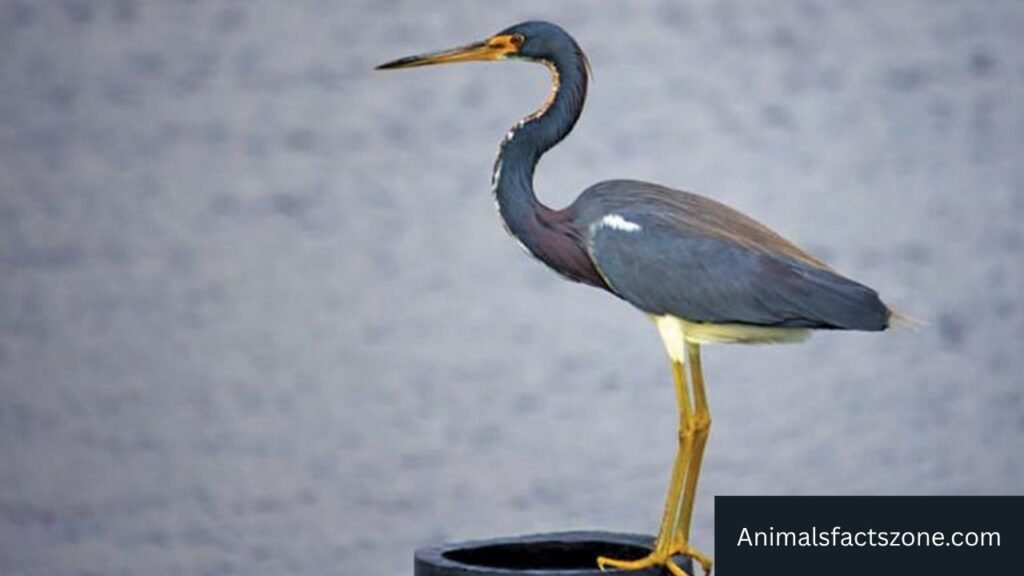
What sets the Tricolored Heron apart is not just its physical attributes but also its unique feeding behavior. Unlike many of its relatives, it often uses a method known as “fishing” where it employs a rhythmic, almost dance-like foot movement to stir up sediment, revealing hidden prey beneath the surface. This innovative technique showcases not just adaptability but also an understanding of the aquatic ecosystem, highlighting the intricate connections that exist beneath the water’s surface. Observing these herons in their natural environment offers a profound reminder of nature’s delicate balance and the role each species plays within it.
Sandhill Crane
Scientific Name: Antigone canadensis
Sandhill cranes are a striking example of form meeting function, with their long, elegant legs allowing them to traverse a variety of ecosystems, from wetlands to grasslands. These impressive birds stand tall, often reaching heights of up to four feet, and their long legs serve multiple critical roles, from wading through shallow waters to aiding in flight efficiency. Their unique adaptations make them masters of both foraging and escape, allowing them to stalk prey while remaining vigilant against predators.
What’s particularly fascinating is their social behavior during migration. Traveling in large, intricate flocks, sandhill cranes create a ballet in the sky, their long legs trailing behind as they communicate with trumpeting calls. This vocal prowess not only strengthens social bonds but also plays a crucial role in navigation during long-distance travel. Observing their synchronized movements can be mesmerizing, revealing the complexity of their interactions and the harmony of nature at play.
Snowy Egret
Scientific Name: Egretta thula
Among the avian inhabitants of wetlands, the Snowy Egret stands out with its striking presence and elegant long legs. These birds, cloaked in pure white plumage, embody grace as they stalk through shallow waters in search of fish and crustaceans. The contrast between their delicate bodies and long, slender legs creates a mesmerizing profile, perfect for both hunting and navigating their marshy environments.
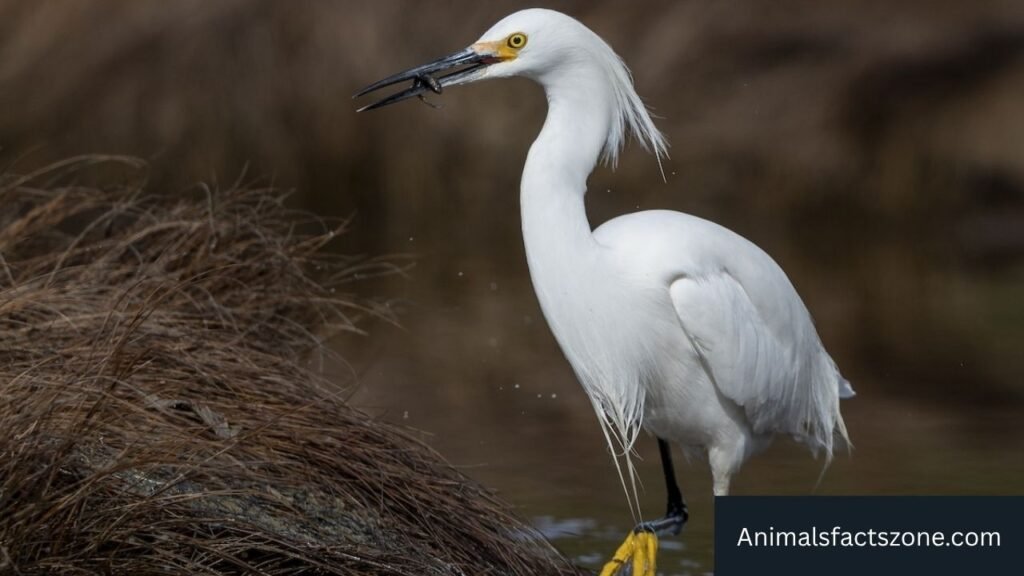
What is particularly fascinating about the Snowy Egret is its unique hunting technique — known as the “foot-stirring” method. By tapping their feet in the water, these birds can induce a frenzy among fish and other prey, making them an easy target. This innovative strategy highlights not just their physical adaptations but also an impressive behavioral intelligence suited for survival.
Roseate Spoonbill
Scientific Name: Platalea ajaja
The Roseate Spoonbill is a true marvel of the avian world, boasting not only its distinctive pink plumage but also its strikingly long legs that enable it to wade gracefully through wetlands. These birds often inhabit shallow coastal areas and marshes, using their elongated limbs to navigate through water while foraging for food. It’s fascinating how their legs are not just for support; they serve a vital purpose in hunting, allowing them to expertly probe the muddy substrate for crustaceans and small fish.
The spoon-shaped bill, another remarkable feature, works harmoniously with their long legs, creating a captivating feeding technique. As they sweep their bills side to side in the water, they actively hunt, often appearing to dance in a rhythm that reflects the ebb and flow of their watery habitat. This synergy highlights not only their adaptability but also the delicate balance of their ecosystem.
Gray Heron
Scientific Name: Ardea cinerea
The Gray Heron, with its striking silhouette and elongated limbs, embodies elegance in motion as it glides over wetlands and riverbanks. Its long legs serve not just for wading but also as tools for stealthy hunting. These avian contortionists expertly maneuver through shallow waters, effortlessly striking at fish, frogs, and crustaceans.
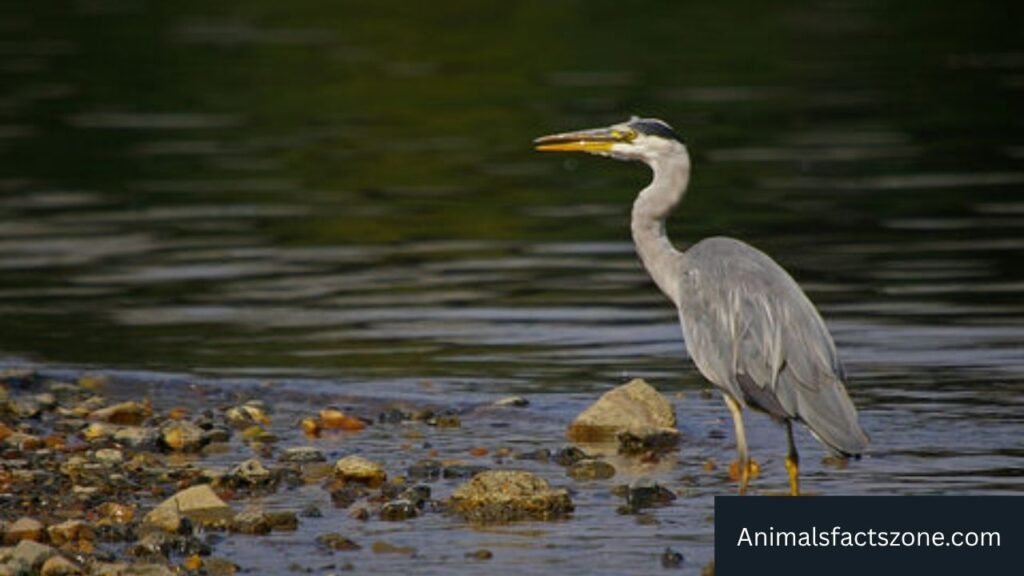
What truly sets the Gray Heron apart is its adaptability to various habitats. Found in both urban parks and undisturbed marshlands, these birds have mastered the art of cohabitation with humans, often seen foraging in fishing docks or serene lakesides. Their presence is a reminder of the delicate balance between nature and urban development, showcasing how wildlife can thrive even amid human constructs.
Wood Stork
Scientific Name: Mycteria americana
The wood stork, an enigmatic inhabitant of wetlands across the southeastern United States and parts of Central America, captivates onlookers with its long-legged silhouette and striking features. Unlike many other wading birds, the wood stork’s glossy black-and-white plumage contrasts beautifully with its long, gangly legs, which are perfectly adapted for stalking through shallow waters. These remarkable appendages allow the bird to navigate murky marshes with ease, hunting for fish and amphibians while remaining virtually invisible to its prey.
Beyond their striking appearance, wood storks play an integral role in their ecosystem, acting as indicators of environmental health. Their impressive roosting and nesting behaviors, often observed in large colonies, highlight the importance of community in their reproductive success. However, their increasing reliance on specific wetland habitats makes them vulnerable to climate change and habitat destruction. Efforts to conserve these unique ecosystems not only benefit the wood stork but also the rich diversity of life that thrives along with it, underscoring the interconnectedness of our natural world. Embracing this perspective invites us to appreciate not just the beauty of the wood stork but also the delicate balance of the ecosystems they inhabit.
Emu
Scientific Name: Dromaius novaehollandiae
The emu, a flightless bird native to Australia, stands out not only for its impressive height but also for its remarkably long legs. These legs, which can span over three feet, aren’t just for show; they are finely tuned for both speed and agility. Emus can reach speeds of up to 30 miles per hour, making them one of the fastest-running birds on the planet. This remarkable pace, combined with their long stride, allows them to navigate the diverse and often harsh Australian landscape with ease.
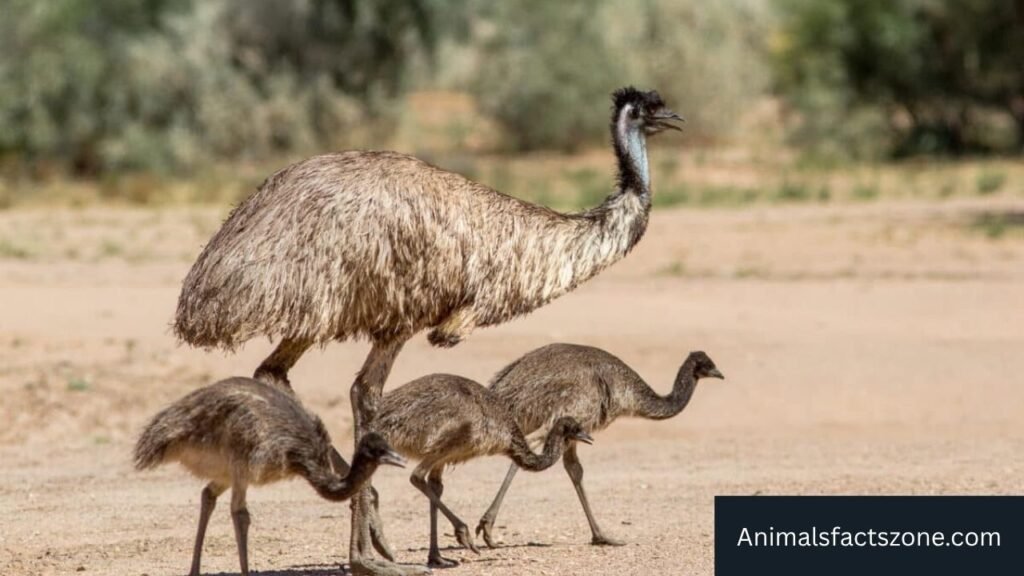
But beyond their ability to sprint, emus’ long legs play a crucial role in their survival. When threatened, they employ a fascinating defense mechanism: their powerful legs can deliver a swift kick strong enough to fend off predators. Moreover, their elevated stance and keen eyesight provide a strategic advantage, enabling them to spot danger from afar. This unique adaptation highlights how evolution has crafted a creature perfectly suited to its environment, allowing the emu to thrive in the wild.
Interestingly, these long legs are also tied to the bird’s social behavior. Emus often roam in small groups, and their height gives them an advantage when it comes to communication. Their towering stature allows them to maintain visual contact over long distances, facilitating social interactions and helping them remain cohesive as a group. This fascinating blend of speed, agility, and social dynamics makes the emu a captivating subject, showcasing how form and function intertwine in the natural world.
Readmore: Explore Top 15 Birds With Long Necks.
Final Thoughts
The long-legged birds of our world offer valuable insights into the diversity of avian species and their adaptations to various habitats. Their striking physical features are not merely for show; they serve functional purposes that help these birds thrive in their environments. From graceful storks to agile herons, each species uses its long legs for survival in unique ways, whether it’s hunting for prey or migrating thousands of miles. By understanding these adaptations, we can foster a deeper respect for wildlife and the ecosystems they inhabit. Let’s continue to support conservation efforts that protect these extraordinary birds and their habitats for future generations to enjoy.
FAQs
What are the birds with long legs and beaks?
Birds with long legs and beaks are typically wading birds and shorebirds. These adaptations help them forage in shallow waters and mudflats. Common examples include herons, egrets, and storks. They use their long legs to wade through water while their elongated beaks help them catch fish, crustaceans, and insects. Another notable group includes ibises and spoonbills, which also feature long legs and specialized bills. These birds often feed by probing in mud or water for food. Overall, their physical traits make them well-suited for life in wetland environments where they thrive.
Which bird has the longest legs?
The bird with the longest legs is the ostrich. These large, flightless birds have legs that can reach up to 9 feet in height when fully extended. Their long legs are adapted for speed, allowing them to run at impressive speeds of up to 45 miles per hour. Ostriches use their long legs not just for running but also for defense. With powerful kicks, they can fend off predators effectively.
What is a small bird with long legs?
The Black-winged Stilt is a small bird easily recognized by its long, slender legs and striking black and white plumage. Found in wetlands, marshes, and shallow coastal regions, this bird is adapted for wading in water while foraging for insects and small invertebrates.
What bird is white and has long legs?
One common bird that is white and has long legs is the great egret. These elegant birds are often found near water bodies like lakes, ponds, and marshes. They have long, slender legs that help them wade through shallow waters in search of fish and other small prey.
What is a grey bird with long legs?
A grey bird with long legs could likely be a heron, specifically the Great Blue Heron. They are often found near water bodies and are known for their tall stature and distinctive long necks. Their grey plumage helps them blend into their surroundings, especially in marshy areas.