Top 15 Animals like Weasels (Pictures Included)
In this article, we will explore fascinating creatures that share striking similarities with weasels, from their hunting techniques to their adaptive traits. Understanding animals like weasels not only broadens our knowledge of biodiversity but also emphasizes the importance of conserving these unique species. By the end, you’ll gain insights into the intriguing world of these small yet mighty animals.
List of Animals like Weasels
Here is the list of animals like weasels:
- Stoats
- Sables
- American Badger
- Tayra
- Minks
- Otters
- Fishers
- Zorilla
- European Polecats
- Grisons
- Wolverines
- Ferrets
- Skunks
- Martens
- Badgers
Stoats
Scientific Name: Mustela erminea
Class: Mammalia
Diet: Carnivore
Stoats, often overshadowed by their weasel cousins, showcase remarkable adaptability that sets them apart in the animal kingdom. With their sleek, elongated bodies and striking brown fur that transitions to a stunning white in winter, these creatures are a testament to nature’s ingenuity. Their seasonal camouflage is not just for show; it serves as a vital survival mechanism, allowing them to thrive in diverse environments from woodlands to snowy tundras.
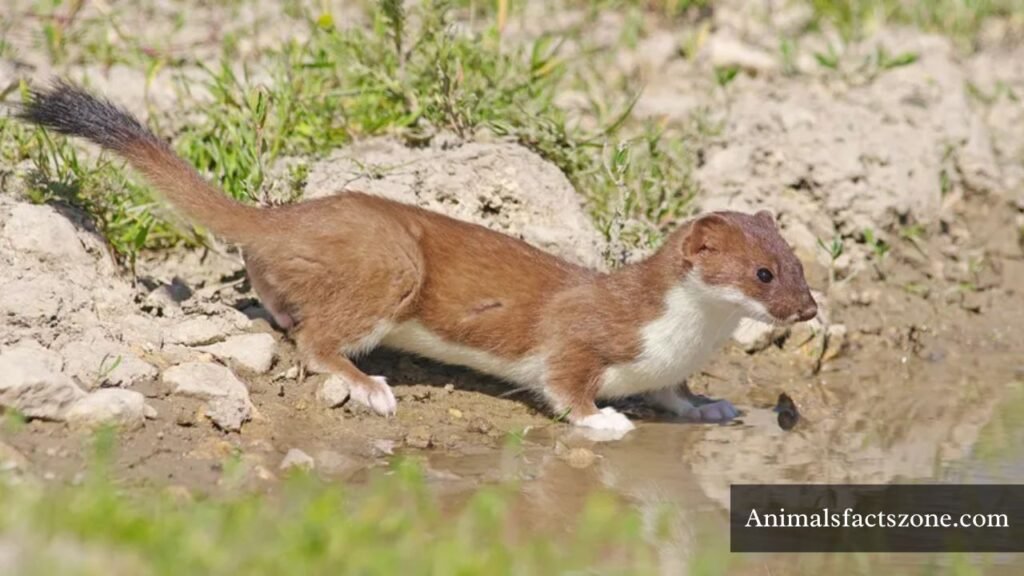
Beyond their physical attributes, stoats exhibit fascinating behavioral traits. They are known for their playful nature, often engaging in acrobatic antics that display both agility and intelligence. This playfulness is critical; it helps them hone their hunting skills, as they primarily prey on small mammals — making them efficient predators in any ecosystem. Intriguingly, stoats can even take down animals much larger than themselves, showcasing a fearless attitude that belies their small size. This fierce tenacity invites us to reassess our understanding of power dynamics in the animal world, illustrating that strength isn’t always about size.
Sables
Scientific Name: Martes zibellina
Class: Mammalia
Diet: Omnivore
Sables, closely related to weasels, are often overshadowed by their more famous relatives, yet they possess unique qualities that set them apart. These small mammals, primarily found in the dense forests of Siberia and parts of Eastern Europe, are expert hunters with an almost feline grace. Their glossy, dark fur not only makes them highly sought after in the fashion world but also serves as excellent camouflage amidst the underbrush, allowing them to ambush unsuspecting prey.
What makes sables particularly fascinating is their complex social structure. Unlike their solitary weasel cousins, sables often form small family groups, exhibiting behaviors that suggest a surprising level of emotional intelligence. Research suggests they communicate through a range of vocalizations and even engage in cooperative hunting, showcasing a level of teamwork that is rarely observed in mustelids. Observing these social dynamics not only enriches our understanding of sables but also prompts a reevaluation of how we perceive small carnivores in general — highlighting the intricate tapestry of relationships in the wild.
American Badger
Scientific Name: Taxidea taxus
Class: Mammalia
Diet: Carnivore
The American badger, with its stout body and distinctive facial markings, presents a fascinating study in both behavior and habitat. Unlike the elusive weasel, which relies on speed and agility to hunt, the badger is a master excavator, employing its strong claws to dig formidable burrows. These underground homes not only serve as refuge but also play a crucial role in maintaining the ecosystem; their digging aerates the soil, promoting healthier plant growth and providing habitats for other species.
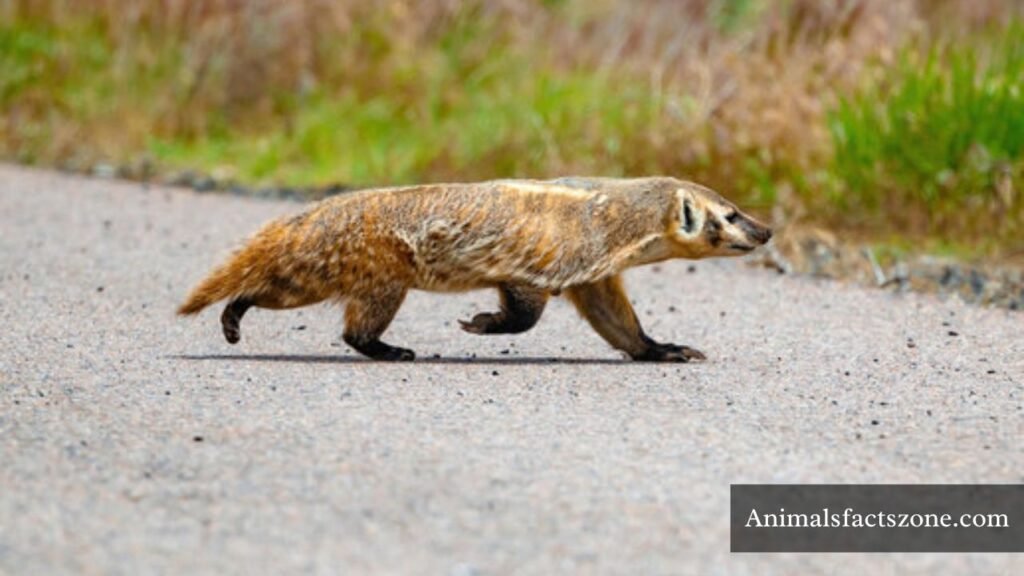
Beyond their physical adaptations, American badgers possess a unique social structure. While often solitary, they can exhibit intriguing communal behaviors, especially during mating season or when raising young. This adaptability showcases their intelligence and ability to navigate complex environments. The badger’s keen sense of smell and nocturnal activity lend it an edge in foraging, often leading it to prey such as small mammals, insects, and even the occasional snake. Observing these creatures in their natural environments reveals not just their survival strategies but also the intricate balance they maintain within their ecosystems.
Readmore: Explore Top 13 Animals Like Hamsters.
Tayra
Scientific Name: Eira barbara
Class: Mammalia
Diet: Omnivore
The tayra, a member of the weasel family, showcases a striking blend of agility and intelligence that sets it apart from its cousins. Found primarily across the tropical forests of Central and South America, these sleek, elongated creatures exhibit a graceful balance between size and strength, often measuring about two feet long. Their short legs and long bodies allow them to dart through the underbrush with surprising speed, making them both skilled hunters and elusive prey. This adaptability is not just physical; tayras display remarkable problem-solving skills, often using tools like sticks to access hard-to-reach snacks, showcasing a level of ingenuity that suggests a rich cognitive landscape.
Socially, tayras often live in small family groups, forging bonds that enable cooperative foraging. Their vocalizations, ranging from chattery calls to sharp barks, create a complex communication system that not only strengthens their social ties but also enhances their efficiency in hunting. Moreover, the tayra’s diet is impressively varied, including fruits, insects, and small mammals, revealing a flexibility that allows these animals to thrive in diverse environments. This omnivorous lifestyle underscores their role in the ecosystem as both predator and scavenger, contributing to a balanced food web. Observing a tayra in its natural habitat is a reminder of nature’s intricate design, where even the smallest players can have a profound impact on their surroundings.
Minks
Scientific Name: Neogale vison
Class: Mammalia
Diet: Carnivore
Minks, often overshadowed by their weasel relatives, possess a unique charm and cunning that make them standout predators in the wild. With their sleek, elongated bodies and luxurious fur, these semi-aquatic mammals thrive in diverse habitats ranging from wetlands to coastal regions. Their adaptability is remarkable; minks are not only agile on land but also impressive swimmers, utilizing their webbed toes to navigate waterways effortlessly. This duality allows them to hunt both terrestrial and aquatic prey, showcasing their versatility as opportunistic feeders.
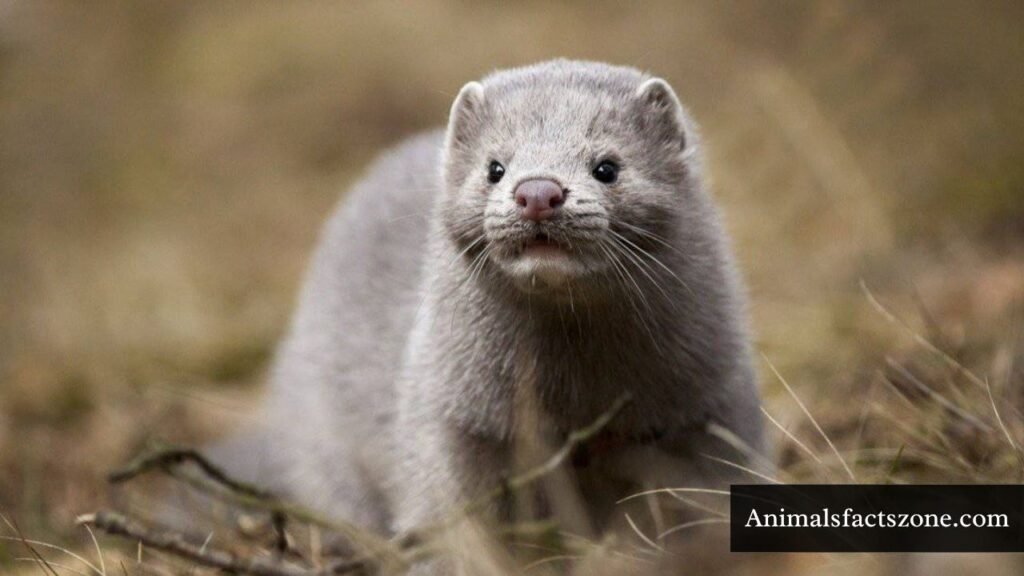
Moreover, minks have developed a complex social structure that can be surprisingly intriguing. While they are primarily solitary animals, studies have shown that they can exhibit fascinating behaviors during breeding seasons, forming temporary bonds to nurture their young in a shared den. This blend of independence and community underscores the complexity of their social interactions, challenging the stereotypical view of weasels and their kin as strictly solitary hunters. Through their playful antics and strategic hunting methods, minks not only contribute to the ecological balance but also remind us of the intricate web of life in the ecosystems they inhabit.
Otters
Scientific Name: Lutrinae
Class: Mammalia
Diet: Carnivore
Otters, often considered playful and charismatic, share several intriguing traits with their distant relatives, the weasels. Both belong to the Mustelidae family, showcasing a similar lithe body structure that aids in agility — both on land and in water. While weasels may evoke images of slyness as they dart through fields, otters captivate as they glide through rivers, their streamlined forms built for swimming agility. Their thick fur, adapted to keep them warm in chilly waters, highlights another fascinating aspect of their evolutionary parallel: the need to thrive in diverse environments.
Socially, otters exhibit behaviors that reflect a nuanced understanding of community, often forming tight-knit groups known as rafts. This contrasts with the typically solitary tendencies of weasels, adding layers to how these animals navigate their world. Otters engage in intricate play, using objects like stones to crack open shellfish, demonstrating problem-solving abilities that echo the cunning nature of their weasel kin. Such interactions create not just a survival tactic but also a form of bonding, offering a captivating glimpse into animal intelligence beyond mere survival instincts. The dynamic interplay of play, cooperation, and survival makes otters not only essential components of their ecosystems but also compelling subjects for those intrigued by the complexity of animal behavior.
Fishers
Scientific Name: Pekania pennanti
Class: Mammalia
Diet: Carnivore
The fisher, often mistaken for a larger relative of the weasel, is a remarkable predator that thrives in the dense forests of North America. Unlike its small relatives, the fisher possesses a unique blend of agility and strength that allows it to tackle prey much larger than itself, including porcupines, which are notoriously challenging adversaries. This extraordinary skill set positions the fisher as a key player in its ecosystem, helping to regulate prey populations and maintain ecological balance.
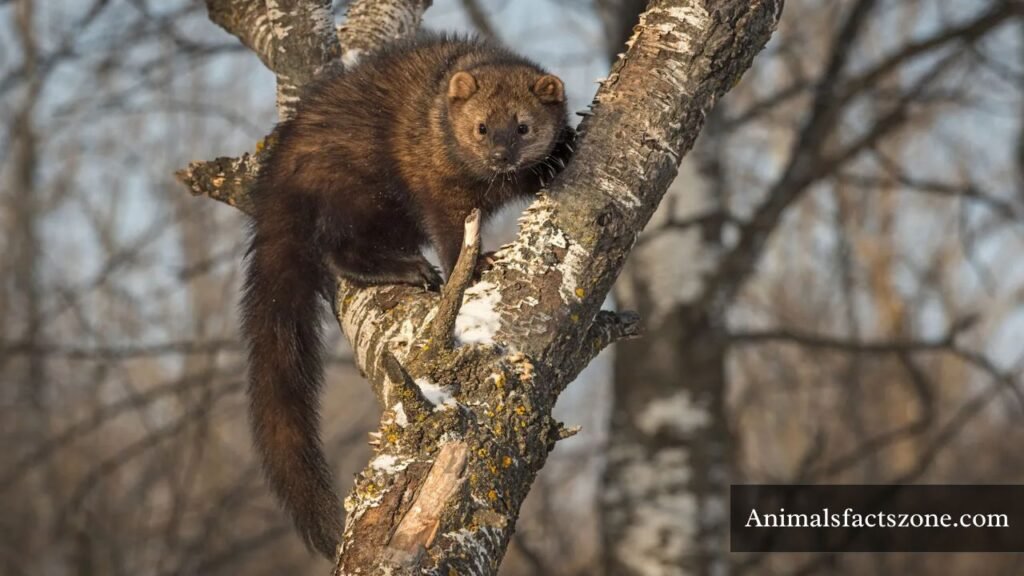
What sets the fisher apart is its striking adaptability; it can be found navigating both hardwood and coniferous forests, demonstrating a remarkable versatility in habitat preference. Its thick, dark fur is not just for show; it acts as insulation against the cold, allowing fishers to thrive in winter landscapes where they are often unseen, their dark coats melding seamlessly with the shadows. Moreover, fishers have a unique mode of communication, employing a series of high-pitched vocalizations that range from chirps to growls, signaling everything from territorial claims to mating readiness — an auditory tapestry that echoes through their forest domain.
Zorilla
Scientific Name: Ictonyx striatus
Class: Mammalia
Diet: Carnivore
The zorilla, often overshadowed by its more famous relatives, the meerkat and the ferret, is a fascinating member of the mustelid family. Native to the African savannas, this striking creature is easily recognizable by its bold black and white stripes, which serve as a warning to potential predators. Despite its small size, the zorilla possesses a fierce temperament and a remarkable ability to defend itself with a pungent spray reminiscent of the skunk, a talent that keeps many dangers at bay.
What makes the zorilla particularly captivating is its adaptability and hunting prowess. Unlike many of its mustelid cousins that primarily hunt for small mammals, the zorilla is an omnivorous scavenger, often foraging for fruits, insects, and even carrion. This dietary flexibility allows it to thrive in diverse environments, from dense forests to arid regions. Furthermore, the zorilla’s elusive behavior and nocturnal habits make it a challenging yet rewarding subject for wildlife enthusiasts and researchers alike, providing fresh opportunities to understand the intricate balance of ecosystems in which they play a crucial role.
European Polecats
Scientific Name: Mustela putorius
Class: Mammalia
Diet: Carnivore
The European polecat, often overshadowed by its more popular cousins, presents a fascinating case study in adaptability and cunning. With a body that exudes both grace and power, this mustelid displays an impressive combination of stealth and agility as it navigates its woodland and wetland habitats. Unlike many of its relatives, the polecat thrives not just in the wild; its resilience allows it to cohabit near human settlements, embracing the urban fringe while demonstrating surprising levels of intelligence.
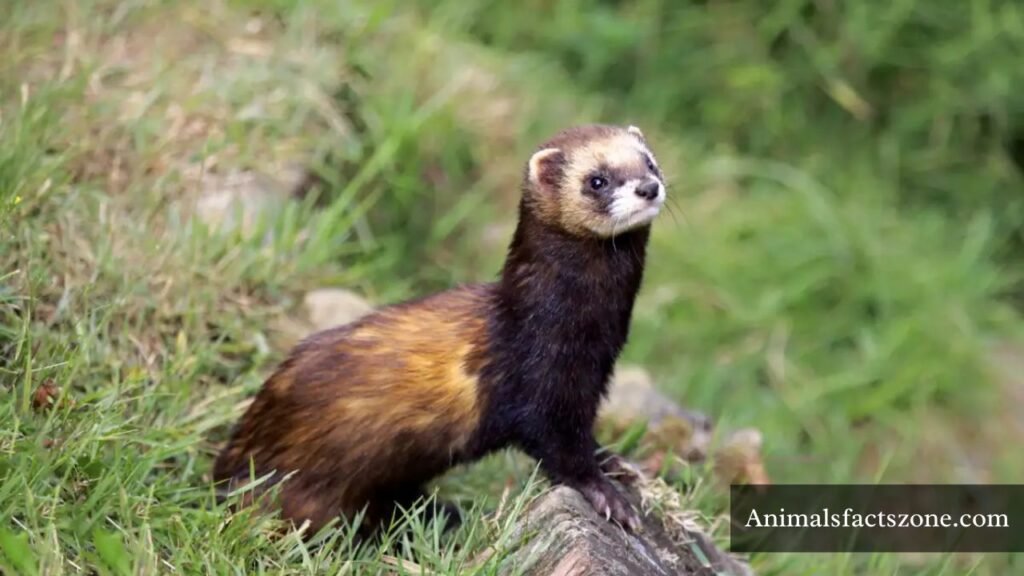
What sets the European polecat apart is its remarkable social structure and territorial behavior. Typically solitary, these creatures have been observed engaging in complex interactions during mating seasons, showcasing their flexibility in social dynamics. Their ability to communicate through a variety of vocalizations, along with intricate scent-marking techniques, adds layers to their social relationships. This social adaptability reflects an evolutionary strategy that enables them to thrive in fluctuating environments, making them a symbol of the wild’s ever-changing landscape. By embracing their surroundings, European polecats remind us that the wild is not just a place of survival but a canvas for interaction and evolution.
Grisons
Scientific Name: Galictis vittata
Class: Mammalia
Diet: Carnivore
Grisons, often overshadowed by their more renowned relatives like ferrets and weasels, are fascinating creatures that inhabit the dense forests and mountainous regions of Central and South America. With their sleek, elongated bodies and striking coats that range from grayish-brown to deep black, these members of the mustelid family have adapted beautifully to their habitats. Unlike the weasel’s more solitary nature, grisons often exhibit social behavior, forming small family groups that engage in cooperative hunting. This dynamic interaction not only enhances their foraging success but also showcases a level of community rarely seen in other carnivorous mammals.
What truly sets grisons apart is their remarkable dietary flexibility; they are omnivorous foragers, consuming everything from small mammals and birds to fruits and insects. This adaptability allows them to thrive in varied environments, making them resilient survivors amidst the challenges posed by habitat loss and climate change. Moreover, their effective communication through a series of chirps and growls adds a layer of complexity to their social structures, inviting us to reconsider the depth of animal relationships. Observing grisons in the wild reveals a captivating world of social interaction and survival strategies, reminding us that even lesser-known species can offer profound insights into the intricate tapestry of wildlife.
Wolverines
Scientific Name: Gulo gulo
Class: Mammalia
Diet: Carnivore
Wolverines are often overshadowed by their more famous relatives, yet these formidable creatures possess a resilience that commands attention. Residing primarily in cold, remote regions, their thick fur and stocky build enable them to thrive in the harshest environments. What sets wolverines apart is their insatiable curiosity and boundless energy, allowing them to cover vast territories — sometimes ranging from 300 to 700 square miles — in search of food. This relentless pursuit not only showcases their tenacity but also their key role as scavengers, helping to recycle nutrients back into the ecosystem.
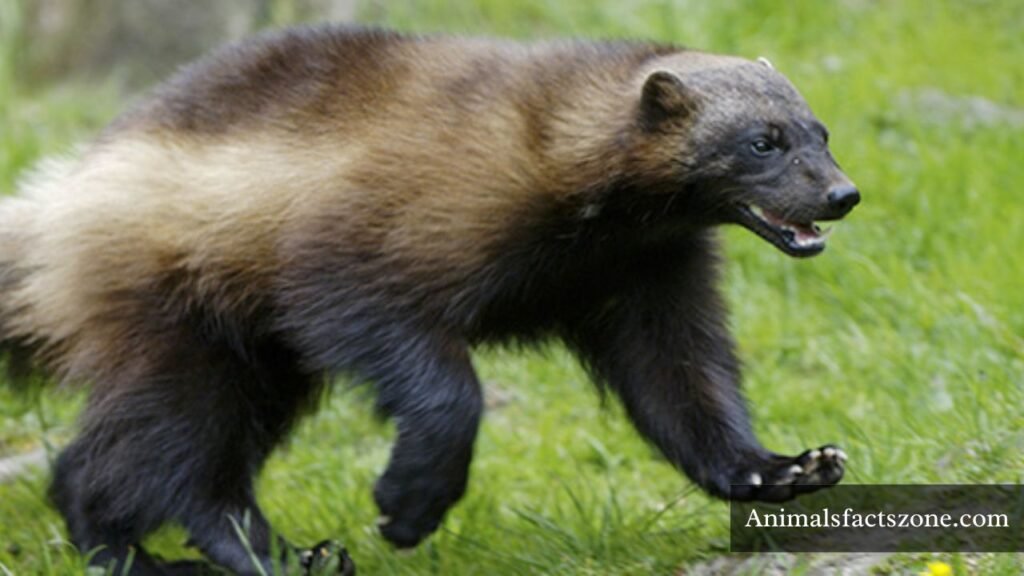
Interestingly, wolverines are solitary animals, which adds an air of mystery to their behavior. Their penchant for digging through snow to uncover hidden carrion speaks to their resourcefulness and adaptability, traits that echo the survival strategies of many small mammals. The social dynamics are intriguing as well; during the mating season, wolverines communicate through intricate vocalizations and scent markings, highlighting their territorial nature. As climate change continues to threaten their habitat, understanding wolverines’ role in the ecosystem becomes crucial — not just for their survival, but for the health of the wilderness they inhabit.
Ferrets
Scientific Name: Mustela furo
Class: Mammalia
Diet: Carnivore
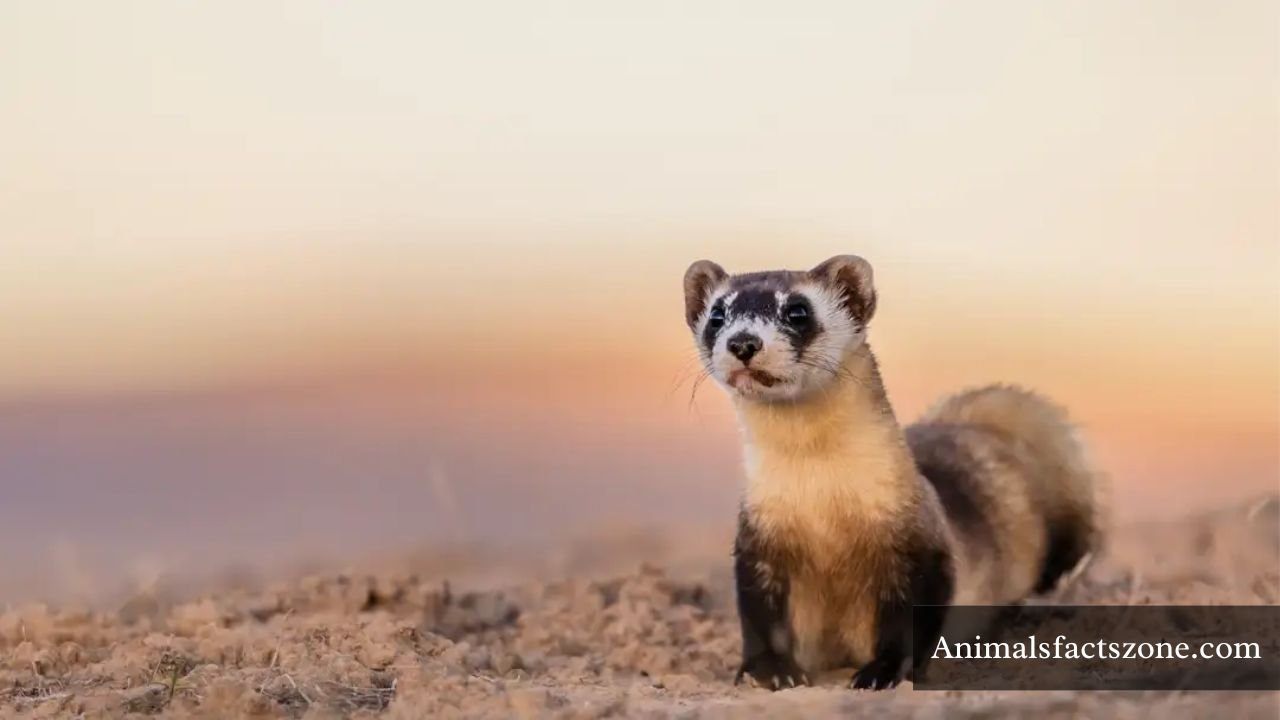
Ferrets, often mistaken for their wild relatives, offer a unique glimpse into adaptive evolution within the mustelid family. Unlike weasels, which are primarily hunters and roamers, ferrets have been domesticated for over 2,500 years, bringing them into the realm of human companionship. Their playful antics and insatiable curiosity make them not just pets but also small-scale explorers, constantly investigating every nook and cranny of their environment. This curious nature serves as a reminder of the wild instincts still lurking within their genes, even when they’re happily curled up on a lap.
What makes ferrets particularly fascinating is their social structure. They thrive in groups, forming complex bonds that mimic the small family units seen in their wild counterparts. This sociality leads to unique behaviors — like the “weasel war dance,” a series of hops and twists — which serve both as play and communication. Their ability to convey emotions through body language invites us to consider the depth of animal relationships, urging pet owners to engage more meaningfully with their furry friends. In essence, ferrets embody the bridge between wild and domesticated life, reminding us of the playful spirit we often overlook in our pets.
Skunks
Scientific Name: Mephitidae
Class: Mammalia
Diet: Omnivore
Skunks, often misjudged as mere nuisances, share intriguing similarities with weasels that extend beyond their small, elongated bodies. Both belong to the broader family of mustelids and exhibit a cunning nature in their behaviors and survival strategies. For instance, while weasels are known for their agility and stealth as they hunt small prey, skunks employ a different tactic: they leverage their remarkable scent defense mechanism to deter predators. This unique adaptative strategy illustrates their evolutionary finesse, allowing them to thrive in diverse environments while minimizing direct confrontations.
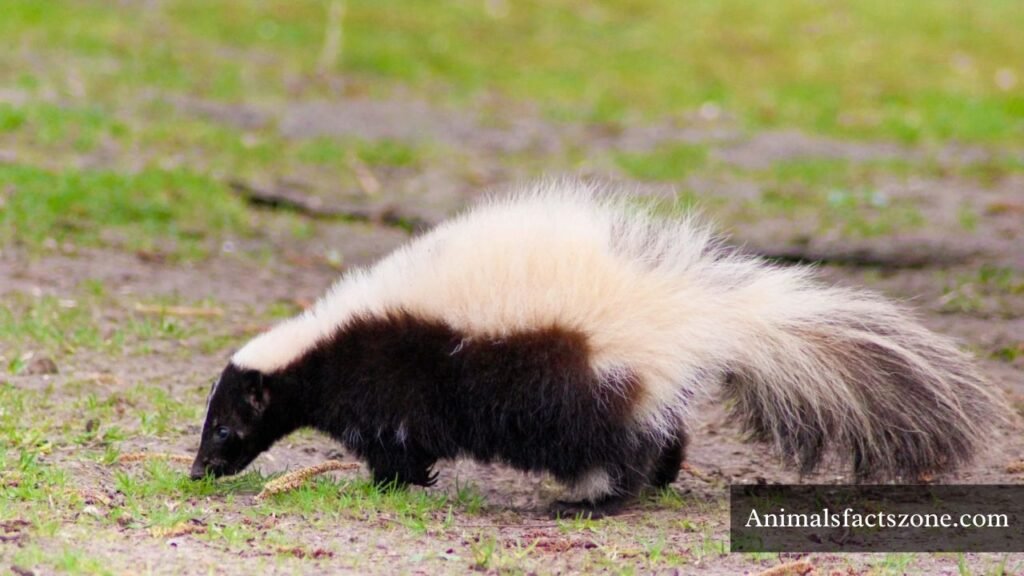
Moreover, skunks embody an unexpected charm in their social behaviors. Unlike the solitary nature seen in many weasel species, skunks often engage in a more communal lifestyle, forming familial groups during foraging. This social structure allows them to share resources and raise their young collectively, enhancing their chances of survival. They also exhibit playful interactions that showcase their intelligence and adaptability, reminding us that there’s far more to these creatures than their notorious odor. Embracing the complexity of skunks invites us to reconsider our perceptions, recognizing their essential role in the ecosystem as both scavengers and pest controllers.
Martens
Scientific Name: Martes
Class: Mammalia
Diet: Omnivore
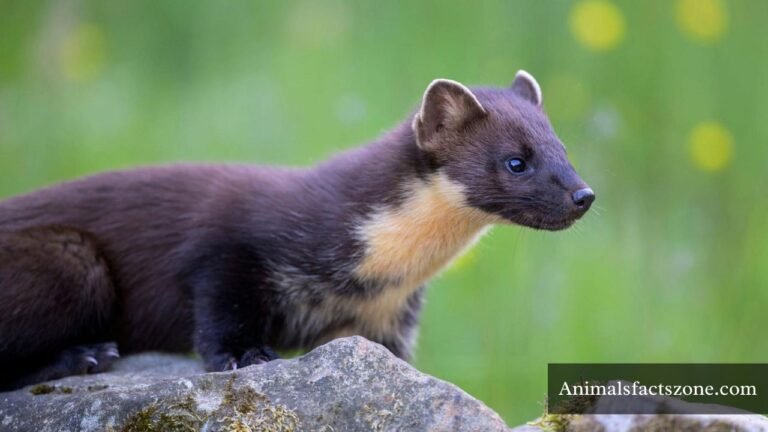
Martens are often overshadowed by their wilder cousins such as weasels, yet these enchanting creatures possess unique traits that deserve attention. With their slender bodies and bushy tails, martens are agile hunters, navigating through forest canopies with grace. They are not just skilled climbers; their impressive sense of smell allows them to locate food buried under snow, showcasing their adaptability in various habitats.
One fascinating aspect of martens is their social behavior; while they are primarily solitary, they engage in complex interactions during breeding seasons. Males will often establish territories, but their vocalizations, ranging from chirps to growls, signal intricate communication and rivalry. This layer of social dynamics adds to their charm and illustrates how even solitary creatures maintain a network of relationships. Observing a marten in its natural habitat offers a glimpse into a world filled with cunning intelligence, reminding us that these small predators are not just creatures of instinct, but true survivors in a constantly changing environment.
Badgers
Scientific Name: Meles meles
Class: Mammalia
Diet: Omnivore
Badgers, much like their weasel relatives, exemplify a unique blend of tenacity and adaptability, embodying the spirit of the wild in their burrowing lifestyles. These nocturnal creatures are often underestimated due to their stout bodies and unassuming appearance, but they are fearsome predators with a remarkable set of skills. Equipped with sharp claws, badgers are not just adept at digging intricate tunnel systems; they also manage to sustain a varied diet that includes everything from insects to small mammals, showcasing their resourcefulness.
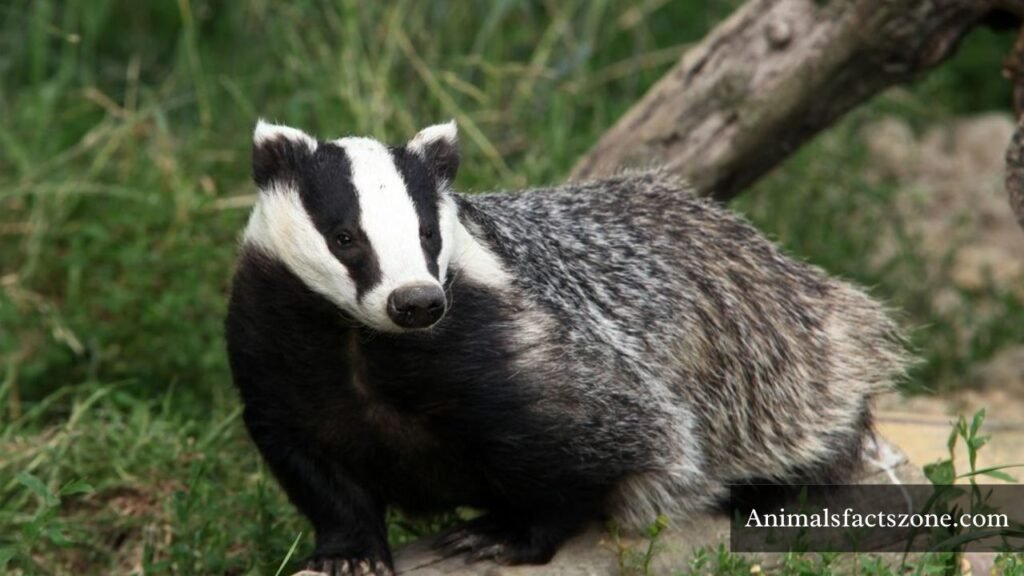
What truly sets badgers apart is their social structure; they often live in family groups known as clans. This cooperative style of living allows them to defend their territory and nurture their young more effectively. Observing badgers in their natural habitat reveals a fascinating dynamic of playfulness and rivalry, illuminating the complex relationships they maintain. Furthermore, their role in the ecosystem as both predators and prey provides vital balance, making them crucial players in the health of their environments.
Readmore: Explore Top 14 Animals That Eat Mice.
Final Thoughts
Animals that share similarities with weasels exhibit a fascinating range of adaptations and behaviors that pique our curiosity. From the agile ferret, known for its playful demeanor, to the elusive marten, each species offers unique insights into the diverse world of weasel-like creatures. Their roles in ecosystems, whether as predators or scavengers, highlight the importance of maintaining biodiversity. Understanding these animals enhances our appreciation for nature’s intricate web of life. Let’s continue to explore and protect these remarkable species, ensuring that future generations can marvel at their existence.
FAQs
What animals are similar to a weasel?
Weasels belong to the Mustelidae family, which includes a range of small to medium-sized carnivorous mammals. Animals similar to weasels include ferrets, martens, and minks. These creatures share similar body structures, often characterized by long, slim bodies and short legs, designed for agility and hunting. Other relatives in this family, like otters and badgers, also share some traits but differ significantly in size and habitat. While otters are more aquatic, badgers are larger and typically burrow in the ground.
What is a pet that looks like a weasel?
If you’re looking for a pet that resembles a weasel, consider the ferret. Ferrets have a long, slender body, short legs, and a curious disposition, making them quite weasel-like in appearance. They come in various colors and patterns, adding a bit of diversity to your choice.