Top 15 Birds With Long Necks (With Pictures)
Birds with long necks, like flamingos and emus, possess remarkable adaptations that help them thrive in diverse environments. In this article, we will explore how these avian marvels use their elongated necks for feeding, mating, and evading predators. By the end, you’ll not only understand their role in nature but also become more attuned to the extraordinary diversity of birds around us.
List of Birds With Long Necks
Below is the list of birds with long necks:
| Number of Birds | Names of Birds With Long Necks |
| 1 | Great Egret |
| 2 | Anhinga |
| 3 | Giant Ibis |
| 4 | Marabou Stork |
| 5 | Ostrich |
| 6 | Swan |
| 7 | Whooping Crane |
| 8 | Emu |
| 9 | Roseate Spoonbill |
| 10 | Goliath Heron |
| 11 | Cormorant |
| 12 | Greater Flamingo |
| 13 | Cassowary |
| 14 | Goose |
| 15 | Black-necked Stork |
Great Egret
Scientific Name: Ardea alba
The Great Egret, with its elegant, elongated neck, stands as a symbol of grace in the avian world. This majestic bird showcases a striking contrast between its pristine white feathers and the vibrant greens of its wetland habitat. As it glides through marshes or wades silently in shallow waters, the Great Egret embodies both beauty and functionality — its long neck allows it to reach deep into the water for fish, frogs, and other aquatic delicacies that many shorter-necked birds cannot access.
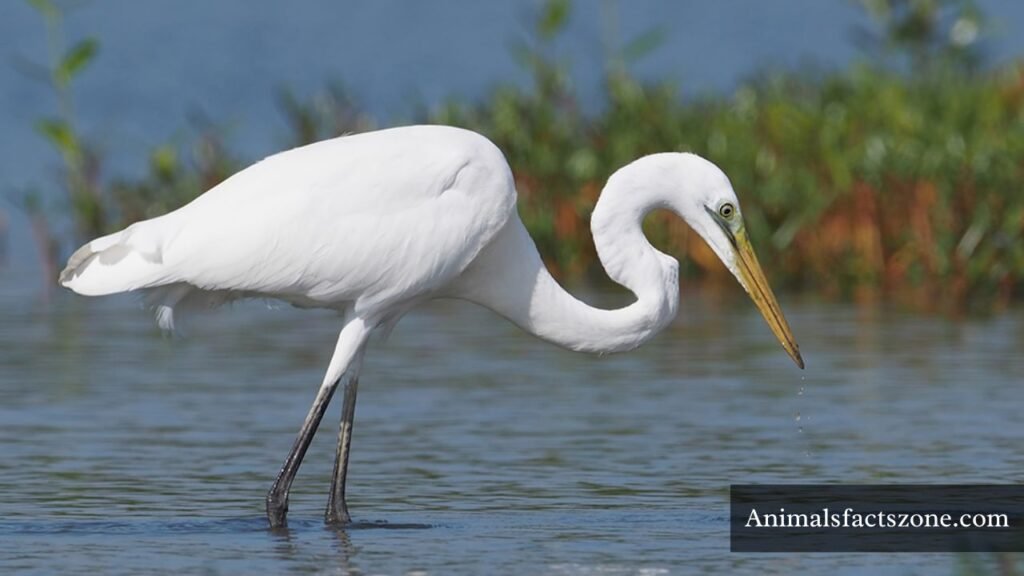
Interestingly, the Great Egret’s neck isn’t just for foraging; it also plays a crucial role in mating rituals. During breeding season, these egrets perform intricate displays, arching their necks and flaunting their plumage to attract partners. This flamboyant behavior underscores the delicate balance between survival and reproduction in the wild, emphasizing how adaptation and beauty intertwine in nature.
Anhinga
Scientific Name: Anhinga anhinga
The Anhinga, often referred to as the “snakebird,” captivates observers with its striking long neck and agile swimming abilities. Unlike most waterfowl, this bird often swims with only its neck and head above water, resembling a serpent gliding through its environment. This unique adaptation allows it to hunt deftly, targeting fish with remarkable precision. Dive into observing an Anhinga, and you’ll witness a fascinating display of its hunting technique, where it submerges entirely before resurfacing to shake off the water, showcasing just how it has adapted to its aquatic habitat.
Beyond its hunting prowess, the Anhinga boasts a remarkable mating ritual. During breeding season, males develop an impressive plumage and engage in elaborate displays to attract females, including stretching their necks and fanning their wings. This compelling mating behavior not only emphasizes their long neck but also reinforces the importance of physical appearance in their social dynamics. In a world filled with vibrant creatures, the Anhinga stands out, highlighting the intricate balance of beauty and survival in the animal kingdom.
Giant Ibis
Scientific Name: Thaumatibis gigantea
Among the diverse avian species, the Giant Ibis stands out not just for its impressive wingspan, but also for its remarkably long neck, which serves multiple purposes. This striking bird utilizes its elongated neck to forage in muddy wetlands, probing for crustaceans and small fish hidden beneath the surface. The elegance of its movements belies a highly specialized feeding technique; the Ibis expertly navigates through dense foliage and challenging terrain, showcasing an incredible adaptability that many birds lack.
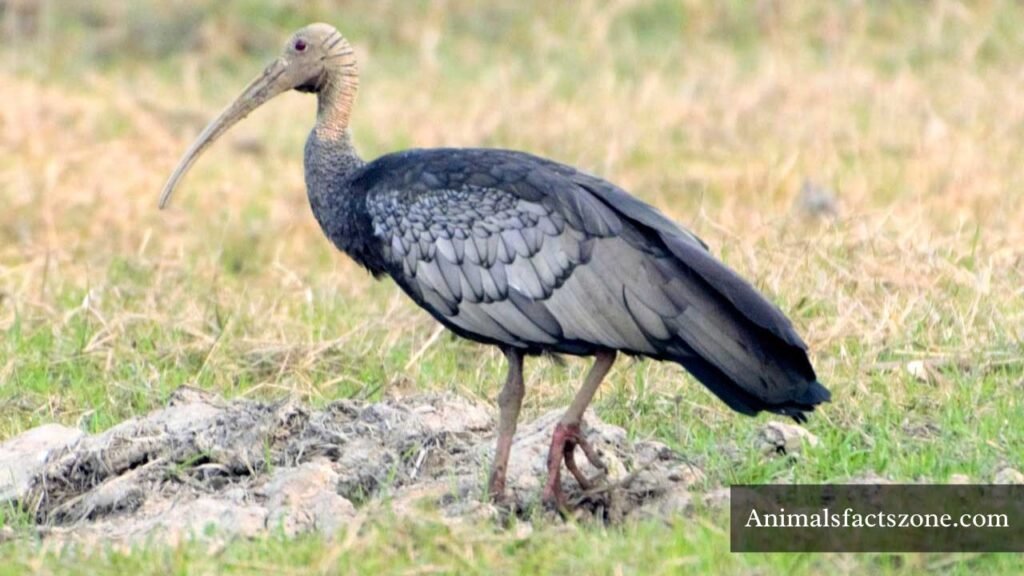
The Giant Ibis is more than just a forager; its unique morphology plays a role in social interactions and mating rituals. Long necks can be both an advantage and a display feature during courtship, where males may show off their graceful neck movements to attract potential mates. Sadly, the Ibis faces threats from habitat destruction and climate change, making their long-lived presence in ecosystems increasingly precarious. Conservation efforts are paramount, not just for the delicate balance of local ecosystems, but to ensure that future generations can marvel at the beauty and uniqueness of this extraordinary bird.
Readmore: Explore Top 14 Birds That Eat Fish.
Marabou Stork
Scientific Name: Leptoptilos crumenifer
The Marabou Stork is truly a marvel of adaptation, showcasing a unique blend of elegance and utility with its long neck. This striking bird, often found in sub-Saharan Africa, spends much of its time near wetlands and scavenging areas, aided by its impressive height that allows it to spot food from afar. With a wingspan that can reach over 10 feet, their aerial presence is as commanding as it is graceful, making them formidable hunters and efficient feeders.
What’s particularly fascinating is their role in the ecosystem; the Marabou Stork is often dubbed the “cleanup crew” of its environment. By feasting on carrion and waste, these birds help maintain ecological balance, preventing the spread of disease and encouraging healthier habitats. Their somewhat awkward appearance, combined with their keen survival instincts, challenges our perceptions of beauty in nature — reminding us that form often follows function in the wild. Observing these storks in their natural habitat can evoke a profound appreciation for the intricacies of avian life, as well as the diverse roles various species play in maintaining the delicate balance of our ecosystems.
Ostrich
Scientific Name: Struthio camelu
The ostrich, captivating in both stature and behavior, holds the title of the world’s largest bird, and with its long neck, it embodies a unique blend of grace and power. This remarkable adaptation allows the ostrich to spot potential predators from great distances, an essential survival tactic in the vast savannahs of Africa. Rather than flying, these flightless giants thrive on their remarkable speed, capable of reaching up to 45 miles per hour, thanks to their powerful legs and aerodynamic bodies.
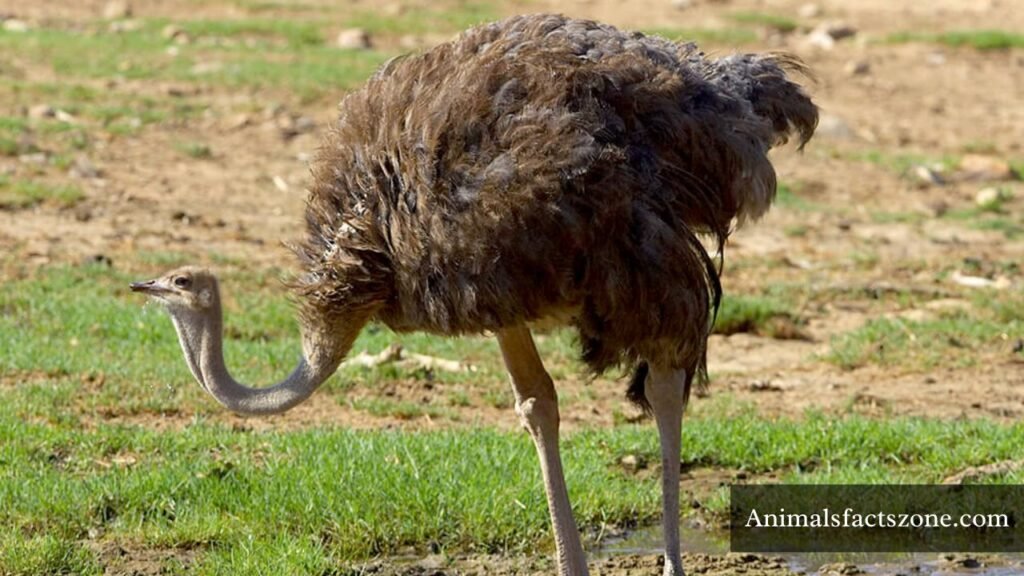
In addition to their physical prowess, ostriches exhibit a fascinating social structure. They often gather in groups, providing safety in numbers while also engaging in complex social behaviors. These birds employ an intriguing system of communication, using a combination of sounds, body language, and even dance-like movements to convey their feelings and establish hierarchies.
Swan
Scientific Name: Cygnus olor
Swans, with their elegant long necks and graceful movements, are often seen gliding serenely across lakes and rivers, embodying beauty and poise. Their necks not only contribute to their striking silhouette but also serve practical purposes. With their unique anatomy, swans can reach underwater vegetation, allowing them to forage in deeper waters, which is crucial for their diet. This adaptability to various habitats showcases their intelligence and resourcefulness, making them fascinating subjects of study in avian behavior.
Interestingly, swan necks are not just a symbol of grace; they play a significant role in their social dynamics. These birds engage in elaborate courtship displays, where their necks become instruments of attraction, entwining beautifully in a dance that symbolizes commitment and partnership. Such intricate rituals provide insight into the nuanced emotional lives of these birds. Observing swans interact can reveal much about their social structures and the bonds they create, reminding us that behind their tranquil demeanor lies a rich tapestry of relationships and communication.
You can also read: Explore Top 25 Birds With Long Legs.
Whooping Crane
Scientific Name: Grus americana
The Whooping Crane, with its strikingly long neck and stunning white plumage, is an emblem of grace and resilience in the avian world. Standing at over five feet tall, these cranes not only capture the eye but also symbolize the ongoing efforts in wildlife conservation. Their elegant stretch of neck serves a practical purpose, allowing them to forage in shallow waters for aquatic plants, crustaceans, and small fish, showcasing their adaptability and keen survival instincts in diverse habitats.
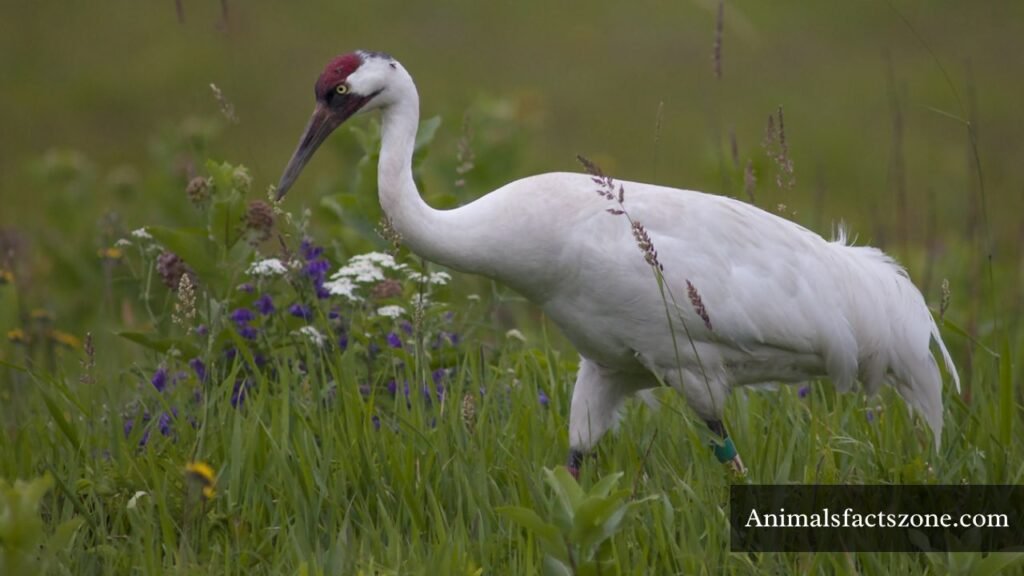
Incredibly, the Whooping Crane’s life journey is fraught with challenges, from habitat loss to the dangers of migration. They undertake an impressive annual trek of around 2,500 miles between their breeding and wintering grounds, relying on their incredible sense of navigation and social bonds within small family groups
Emu
Scientific Name: Dromaius novaehollandiae
The emu, with its strikingly elongated neck, is a fascinating embodiment of adaptability in the avian world. Standing up to 6.5 feet tall, these flightless birds are native to Australia and have evolved unique survival strategies that set them apart from other long-necked species. Their height not only aids in spotting potential predators from a distance but also helps them forage for food among the grasses and shrubs of their vast landscapes. This impressive perspective allows emus to navigate and thrive in diverse habitats, showcasing a remarkable connection between physical form and environmental adaptation.
What makes emus particularly intriguing is their social behavior. They are known to form family groups, and during breeding season, it’s the male that incubates the eggs and nurtures the chicks. This role reversal in parenting is a rare phenomenon in the avian kingdom, further emphasizing the emu’s unique place in the ecosystem. Their vocalizations — deep booming sounds that can echo for miles — add another layer to their enchanting presence, enriching the soundscape of their natural habitat. This combination of physical prowess and social intricacy invites us to appreciate the emu not just for its long neck, but as a symbol of resilience and adaptability in a changing world.
Roseate Spoonbill
Scientific Name: Platalea ajaja
The Roseate Spoonbill, with its striking pink feathers and distinctively long, spoon-shaped bill, is as fascinating as it is beautiful. This elegant bird isn’t just a visual delight; its long neck serves a crucial purpose. By allowing it to forage effectively in shallow waters, the spoonbill uses its specialized bill to sift through sediment for crustaceans, insects, and small fish. This adaptive feeding technique highlights not only its remarkable physical attributes but also its ecological role in maintaining the health of wetlands.
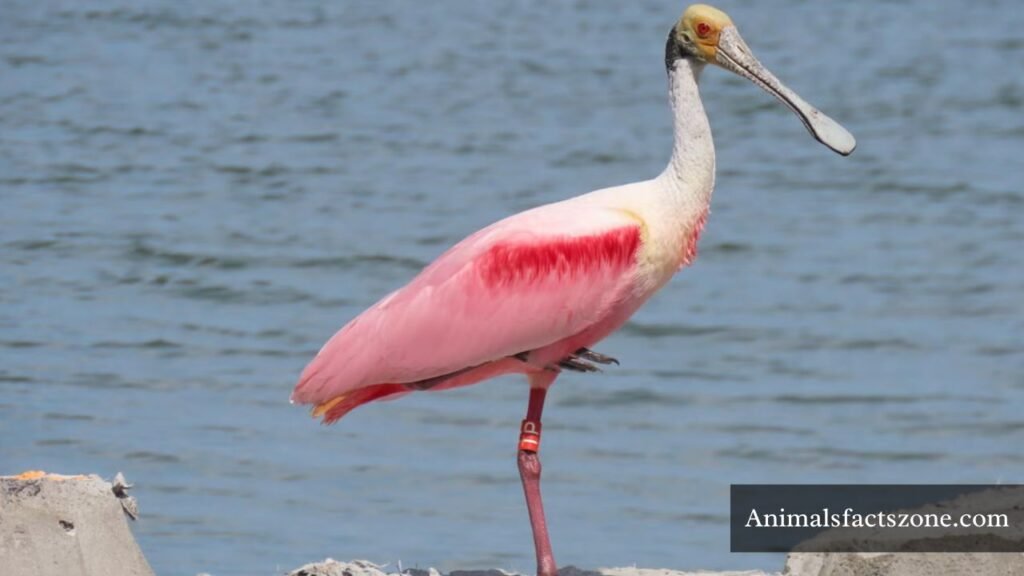
Beyond its physical attributes, the Roseate Spoonbill stands as a symbol of environmental health in its habitat. Its vibrant coloration, derived from the carotenoid pigments in its diet, reflects the quality of the ecosystem it inhabits. As climate change and habitat destruction pose increasing threats, the presence of these elegant birds signals a crucial need for conservation efforts. Observing them not only nurtures an appreciation for avian wonder but also instills a sense of urgency to protect the delicate wetlands that sustain them and countless other species.
Also read: Explore Explore Top 22 Most Docile Animals.
Goliath Heron
Scientific Name: Ardea goliath
The Goliath Heron, towering at nearly five feet tall, is not just a marvel of height but also of elegance and power. With its long, slender neck and striking plumage, this bird commands attention as it wades through lush wetlands and shallow waters in sub-Saharan Africa. Its hunting prowess is equally impressive; armed with a sharp beak, it can capture fish and amphibians with surprising speed. Observing a Goliath Heron executing a calculated strike is a reminder of nature’s raw beauty and precision.
What sets the Goliath Heron apart from other waterfowl is not merely its size, but its adaptability. While many herons are content to stalk prey in serene ponds, the Goliath often exhibits a unique hunting tactic: it will use its long neck to blend seamlessly into its surroundings, becoming nearly invisible as it waits patiently for the perfect moment to strike. This stealthy approach complements its impressive stature, making it a formidable predator among its peers.
Cormorant
Scientific Name: Phalacrocorax
The cormorant, with its elongated neck and striking silhouette, is an exemplary figure of adaptation among aquatic birds. This species boasts a remarkable ability to dive into the depths while maintaining a streamlined form, allowing it to pursue elusive fish with remarkable precision. Unlike many waterfowl, cormorants exhibit a unique fishing technique; using their long necks, they can maneuver skillfully through water and catch prey without breaking the surface, making their hunting style both efficient and mesmerizing.
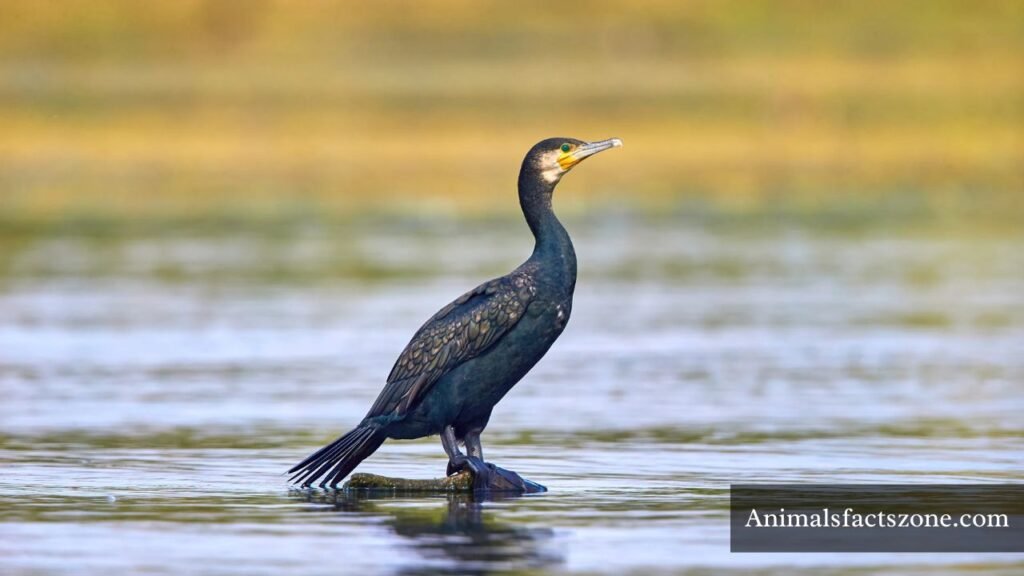
Beyond their hunting prowess, cormorants have a fascinating social structure. Often seen perched together on rocky outcrops or drying their wings in the sun, these birds communicate through a series of calls and displays that strengthen their bonds. Their unmistakable, serpentine necks not only serve a functional role but also play a vital part in their social dynamics, with prominent displays during mating season showcasing their long necks as a symbol of vitality and fitness.
Greater Flamingo
Scientific Name: Phoenicopterus roseus
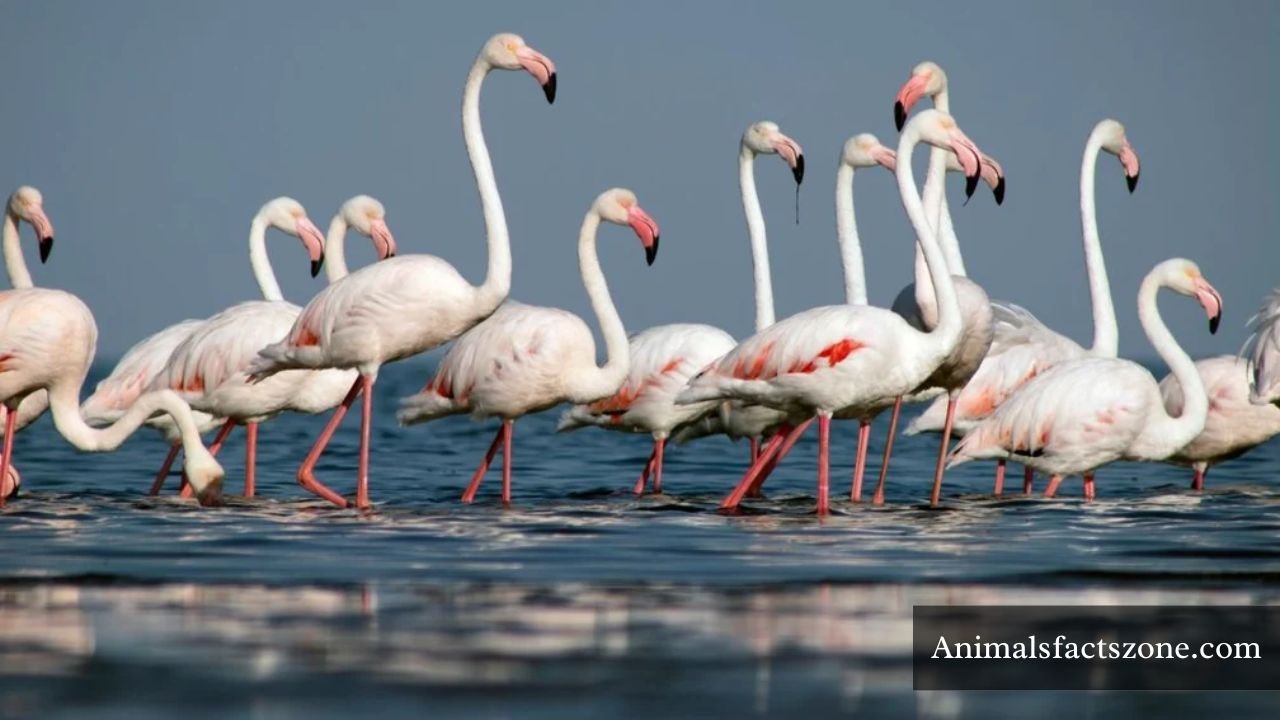
The Greater Flamingo, with its elegant and elongated neck, invites admiration and curiosity, standing out not just in its appearance but also in its intriguing behavior. This remarkable bird utilizes its neck as a sophisticated tool, navigating through shallow waters to filter-feed on algae and crustaceans. The flamingo’s unique feeding technique — known as “head-in-the-water” foraging — highlights its adaptability in diverse environments, showcasing how nature’s design can perfectly align with survival needs.
The vibrant pink hue of the Greater Flamingo, which intensifies with diet rich in carotenoids, is a testament to its cherished habitat. These birds are social creatures, often found in large colonies that can number in the thousands, creating a striking spectacle against the backdrop of tranquil wetlands. Their communal nesting and cooperative chick-rearing practices reflect a deep social structure, offering a glimpse into the complexities of avian life that transcend mere aesthetics.
You can also read: Explore Top 24 Most Skinny Animals.
Cassowary
Scientific Name: Casuarius
The cassowary, often dubbed the “living dinosaur,” captivates with its striking appearance and unique adaptations. Native to the rainforests of New Guinea, the cassowary’s long neck is not just for show; it’s a crucial tool in navigating the dense underbrush. With its vibrant blue and black plumage complemented by a striking casque atop its head, this bird uses its neck to reach high fruits and seeds, showcasing remarkable foraging skills that are vital to its ecosystem.
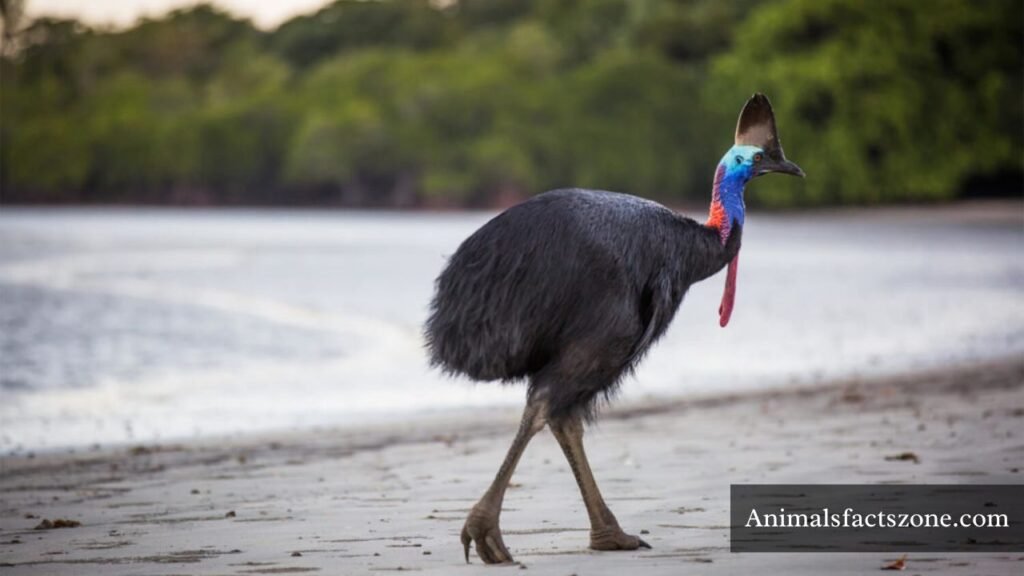
Beyond their foraging prowess, cassowaries play an essential role in seed dispersal, helping maintain the biodiversity of their forest homes. Their long necks enable them to thrive in dense vegetation, while their powerful legs allow them to sprint at speeds up to 30 miles per hour, making them one of the fastest birds on land. This combination of speed and agility, paired with their towering stature, makes cassowaries a true marvel of evolution, earning them a revered place in the realm of avian diversity.
Goose
The goose, often associated with serene lakes and pastoral landscapes, showcases its elongated neck as a fascinating adaptation. This feature isn’t merely aesthetic; it allows geese to forage for aquatic vegetation and reach high grasses that ground-dwelling birds might miss. In a world where competition for food is fierce, the goose’s versatility makes it a formidable player in diverse habitats.
Moreover, the long neck plays a crucial role in communication and social interaction within flocks. Geese are known for their vocalizations, which can range from soft honks to loud calls, creating a symphony that echoes across wetlands. Their necks help amplify these sounds, ensuring that messages of warning, companionship, or mating reach far and wide. This combination of physical adaptation and social behavior adds a layer of complexity to their existence, transforming these seemingly simple birds into intricate communicators of the avian world.
Black-necked Stork
Scientific Name: Ephippiorhynchus asiaticus
The Black-necked Stork, with its striking appearance, is a true marvel of avian adaptation. Standing tall with a long neck elegantly perched above a robust body, it thrives in the wetlands of India, Southeast Asia, and Australia. The contrast of its glossy black neck against bright white feathers creates an eye-catching profile, making it not just a master of camouflage in its habitat, but also a stunning sight for birdwatchers. These storks are quintessential opportunists; their long necks and sharp beaks allow them to expertly forage for fish, frogs, and crustaceans in shallow waters.
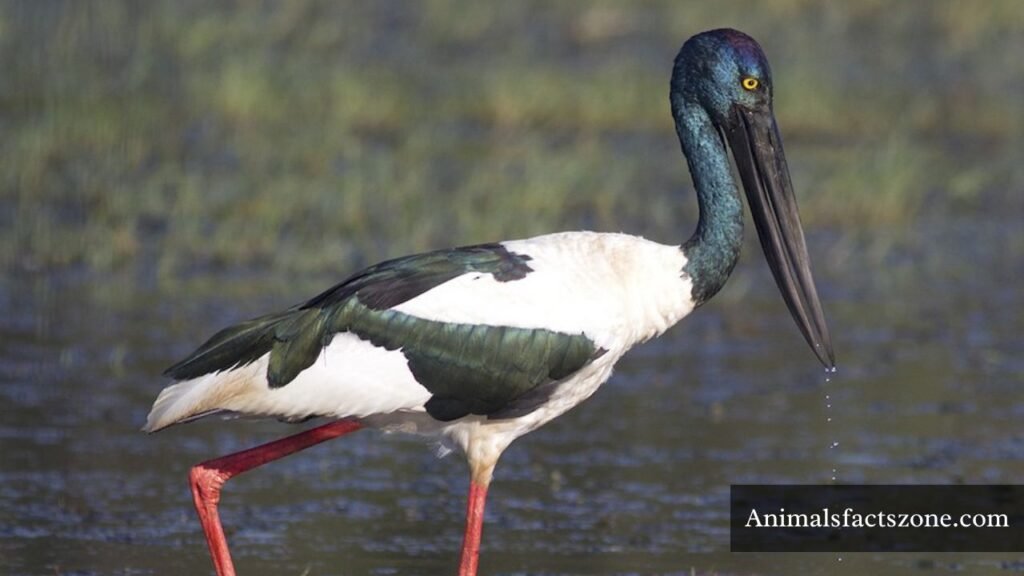
What truly sets the Black-necked Stork apart is not just its physical attributes, but its fascinating behavior. Often seen hunting solo or in pairs, these birds exhibit patience that mirrors the tranquility of their environments. They can stand motionless for extended periods, waiting for the slightest ripple to signal movement below the surface. This methodical approach not only demonstrates their keen hunting skills but also reveals an intriguing aspect of their nature — resilience and adaptability in the face of changing ecosystems. By understanding these majestic creatures, we gain insights into the delicate balance of our planet’s biodiversity and the importance of preserving their habitats for future generations.
Readmore: Explore Top 20 Scavenger Birds in The World.
Final words
Birds with long necks exemplify the incredible diversity of adaptation in the avian world. Their elongated necks serve not just for feeding, but also for mating displays and social interactions, showcasing the intricate relationships these creatures have with their environments. From the elegant swans gliding across lakes to the towering herons stalking through wetlands, these birds captivate observers with their unique physical characteristics and behaviors. As we continue to study and protect their habitats, we deepen our understanding of their roles in ecosystems and the delicate balance of nature. Let us appreciate and advocate for the preservation of these remarkable birds and their habitats, ensuring future generations can enjoy their beauty.
FAQs
What birds have the longest necks?
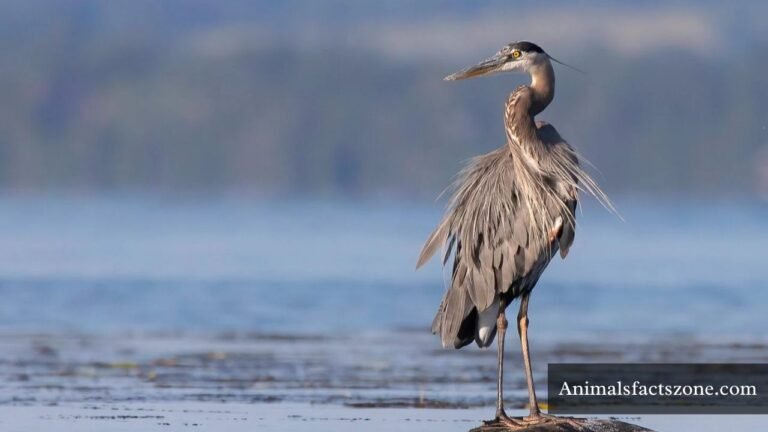
The birds with the longest necks are typically the herons and storks. Among them, the great blue heron stands out, boasting a neck that can stretch significantly when foraging for food. This adaptation helps them reach fish and other prey in water habitats. Another notable mention is the ostrich. While primarily known for its size and speed, its long neck allows it to spot danger from afar in the savannah.
Which bird that has a long neck?
The ostrich is one of the most well-known birds with a long neck. Native to Africa, these flightless birds can reach heights of up to 9 feet, with their long necks allowing them to spot predators from a distance. Their unique anatomy, including powerful legs and a relatively small head, helps them thrive in open savannahs. In addition to their impressive stature, ostriches are fascinating creatures. They are the fastest-running birds, capable of reaching speeds up to 45 miles per hour. Their long necks not only aid in visibility but are also essential for their social behaviors, helping them communicate within their flocks.