Explore Top 17 Animals With Bushy Tails (With Pictures)
Did you know that some animals can use their bushy tails for more than just balance? In the wild, these furry appendages serve as essential tools for communication, insulation, and even camouflage. In this article, we’ll delve into the fascinating world of animals with bushy tails, exploring their unique adaptations and behaviors. By the end, you’ll appreciate these creatures not only for their adorable looks but also for their amazing survival strategies.
List of Animals with Bushy Tails
Here is the list of animals with bushy tails
- Chinchilla
- Striped Skunk
- Red Panda
- Fisher
- Ringtail
- Giant Anteater
- Bushy-Tailed Mongoose
- Coyote
- Tayra
- Binturong
- Bushy-Tailed Woodrat
- North American Porcupine
- Squirrel
- Fox
- Maned Wolf
- Raccoon
- Ring-Tailed Lemur
Chinchilla
Scientific Name: Chinchilla lanigera
Class: Mammalia
Diet: Herbivore
Chinchillas are renowned not only for their ultra-soft fur but also for their impressively bushy tails. These luxurious appendages serve a practical purpose beyond aesthetics; they can aid in balance as these tiny creatures leap and maneuver through their rocky habitats. When their tails are fully fluffed, they also act as an essential rudder, allowing them to navigate with grace and agility in the wild. This adaptation is vital as chinchillas thrive in rugged terrains in the Andes, where agility is a key survival skill.
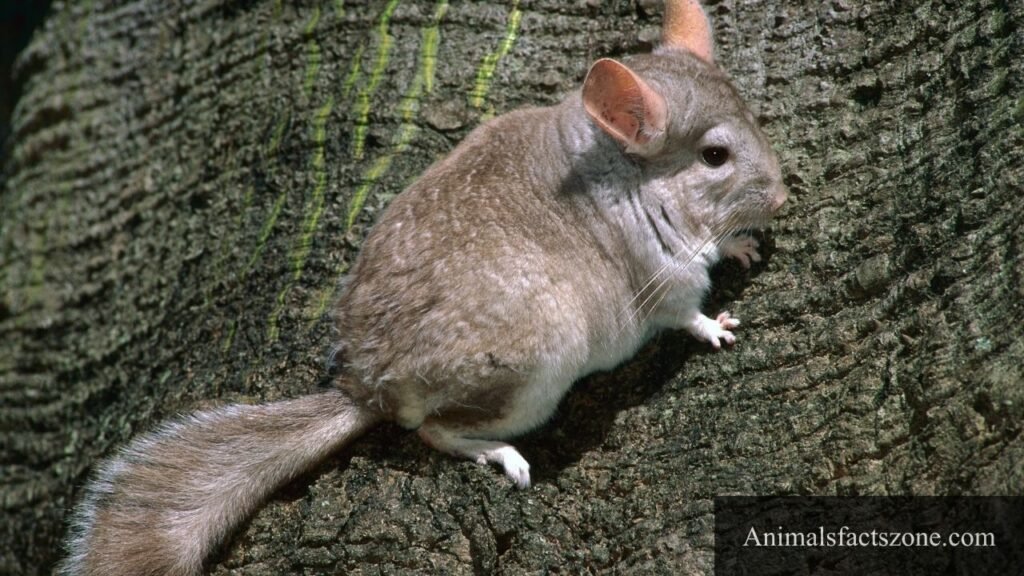
Beyond their functional utility, the bushy tail of a chinchilla carries a social significance within their colonies. A fluff-filled tail can signal calmness or playfulness to others, enhancing their social interactions. Interestingly, the tail also plays a role in thermoregulation, helping to maintain their body temperature in the cooler mountain climates. Observing a chinchilla’s tail in action offers a glimpse into their world — each movement is part of a complex behavioral dance that reflects not just their survival instincts but also their vibrant social lives.
Striped Skunk
Scientific Name: Mephitis mephitis
Class: Mammalia
Diet: Omnivore
The striped skunk, with its striking black and white fur, showcases a particularly bushy tail that plays a significant role beyond mere aesthetics. This prominent feature is not just a stunning visual; it serves as a signal to potential predators, indicating that the skunk is not an easy meal. When threatened, these animals will puff up their bushy tails in a dramatic display, warning others of their potent defense mechanism — powerful spray rich in sulfur compounds. This clever use of their tail combines both defense and communication, reinforcing the skunk’s presence in the wild.
Moreover, the bushy tail aids in balance and agility, crucial for navigating through dense brush and climbing to escape danger. As skunks often hunt for food at dusk, their tails help maintain stability while they forage for insects and fruit. These tails act as vital tools for social interactions, allowing skunks to convey feelings of confidence or panic to one another. Thus, the striped skunk’s bushy tail is not just a picturesque appendage but a multifunctional asset in its day-to-day survival and social dynamics.
Red Panda
Scientific Name: Ailurus fulgens
Class: Mammalia
Diet: Herbivore
The red panda, with its striking bushy tail, stands out in the animal kingdom not only for its charming appearance but also for the purpose that tail serves. This fluffy appendage acts as a crucial balancing tool as red pandas navigate through their arboreal habitats. With their tails stretching up to 20 inches, these agile creatures can perform acrobatic maneuvers among branches, effortlessly leaping and climbing. This adaptability allows them to escape predators and access food sources high in trees.
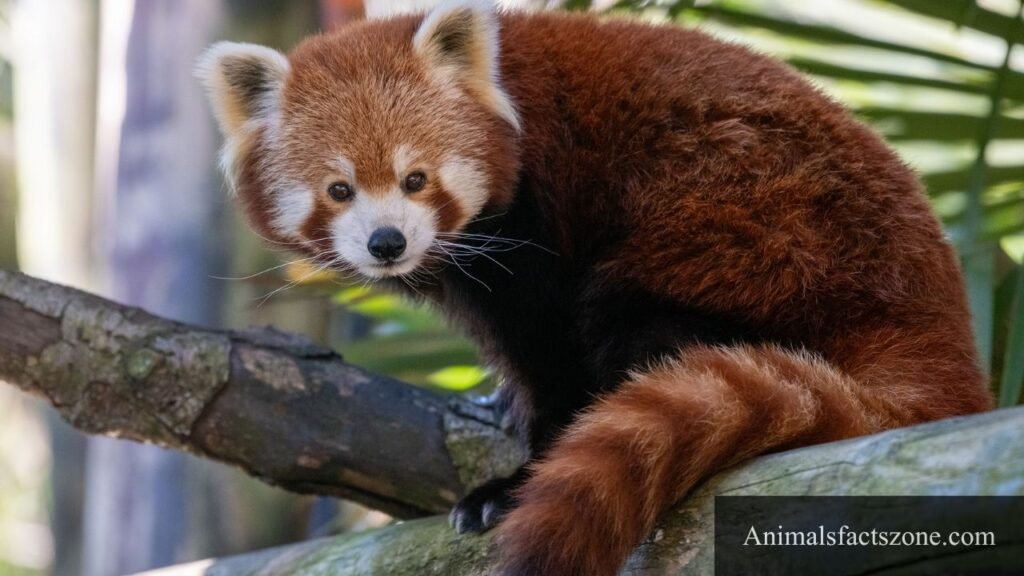
Beyond balance, the bushy tail of the red panda plays a vital role in thermoregulation. In the cool temperate forests they inhabit, their thick fur provides insulation, but when temperatures plummet, they curl up with their tails wrapped around them for additional warmth. This unique behavior not only conserves heat but also highlights their remarkable adaptation to their environment. The red panda’s tail, therefore, is more than a cute feature; it’s an essential tool for survival, marrying beauty with practicality in the lush landscapes they call home.
Readmore: Explore Top 17 Animals With Big Foreheads.
Fisher
Scientific Name: Pekania pennanti
Class: Mammalia
Diet: Carnivore
The fisher, a member of the weasel family, showcases a bushy tail that serves multiple purposes beyond mere aesthetics. This bushy appendage not only aids in balance while navigating the mountainous and densely forested terrains, but it also acts as a communication tool among these elusive creatures. The tail can highlight the fisher’s emotional state, signaling to others during key moments of social interaction, from courtship to territorial disputes.
Moreover, the fisher’s remarkable bushy tail plays a critical role in thermoregulation. When the temperature dips, these adaptable mammals utilize their tails to wrap around themselves, conserving body heat during chilly nights. This multifunctional feature exemplifies the fisher’s evolutionary prowess, allowing it to thrive in harsh northern climates filled with coniferous forests. In the grand tapestry of nature, the fisher’s bushy tail is a striking testament to the intricate connections between form, function, and survival.
Ringtail
Scientific Name: Bassariscus astutus
Class: Mammalia
Diet: Omnivore
The ringtail, often overshadowed by its cuter cousins like raccoons, boasts an impressively bushy tail that plays a pivotal role in its survival. This bushy appendage not only enhances the animal’s balance while navigating the rocky terrain of its desert habitat but also serves as a communication tool. Through various postures and movements, the ringtail conveys emotions ranging from playfulness to alertness, making its tail a living expression of its mood.
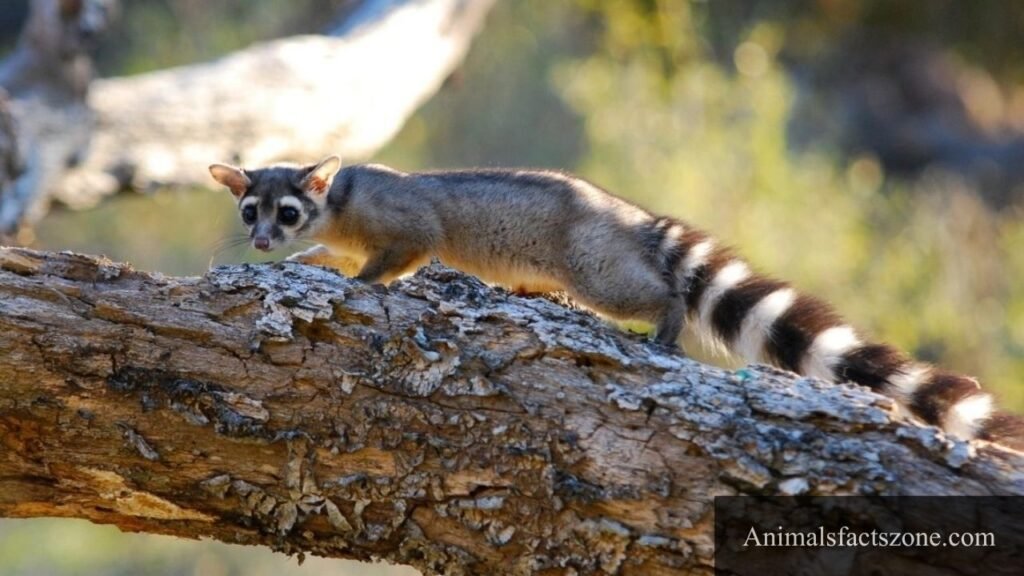
Interestingly, the ringtail’s bushy tail acts as a warm blanket during chilly desert nights. By wrapping its tail around its body while sleeping, the ringtail conserves heat — a remarkable adaptation to the fluctuating temperatures of its environment. The tail aids in its agility, allowing the creature to deftly scale trees and cliffs in pursuit of insects, fruits, and small prey. This multifunctional appendage not only enriches the ringtail’s life but also highlights nature’s ingenuity in crafting survival tools.
Giant Anteater
Scientific Name: Myrmecophaga tridactyla
Class: Mammalia
Diet: Carnivore
The giant anteater, with its distinctively bushy tail, is a fascinating example of nature’s design. This tail, often reaching up to three feet in length, serves purposes beyond mere aesthetics. While it provides balance as the anteater forages for ants and termites, it also acts as a cloak during cooler evenings, wrapping around the body like a warm blanket. In the wild, this bushy appendage can blend seamlessly with the surrounding foliage, effectively camouflaging the anteater from potential predators.
Yet, the tail is more than just practical; it’s a testament to the animal’s adaptability. In the lush habitats of Central and South America, the giant anteater relies on its bushy tail for communication. During confrontations or when signaling to others, the anteater can elevate its tail, using it to assert dominance or warn off rivals. This unique interplay between form and function highlights the intricate behaviors and survival strategies of these remarkable creatures, reminding us that even the simplest features can hold profound significance in the animal kingdom.
Bushy-Tailed Mongoose
Scientific Name: Bdeogale crassicauda
Class: Mammalia
Diet: Carnivore
The bushy-tailed mongoose is a fascinating example of nature’s ingenuity, showcasing how a bushy tail serves multiple purposes beyond mere aesthetics. One of the primary functions of this distinctive feature is communication. The bushy tail acts like a semaphore, waving through the air to signal other mongooses, especially during foraging or predator warnings. This visual language enhances their social interactions and cooperative behaviors, making them more adept at navigating their complex environments.
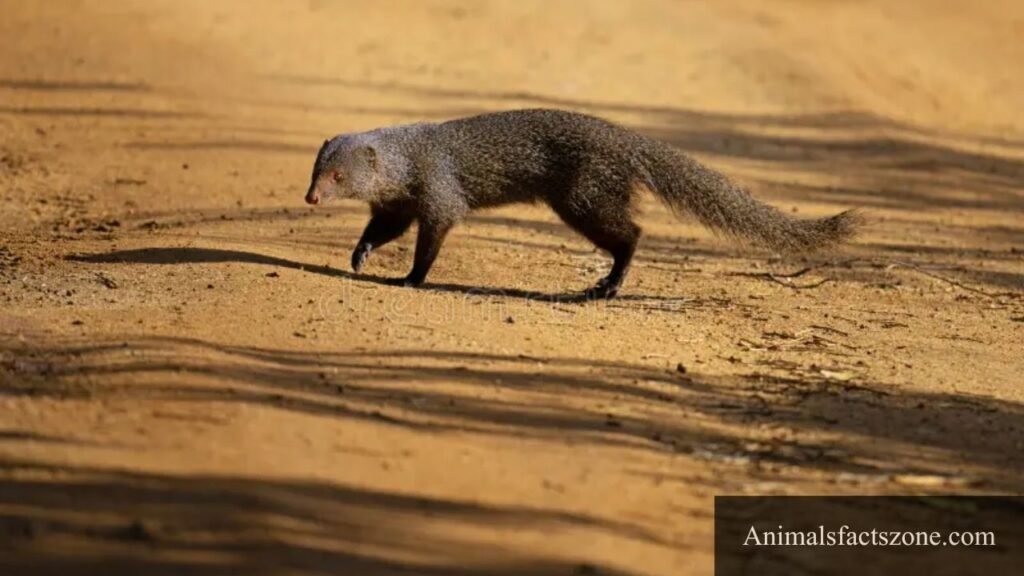
Moreover, the bushy tail aids in balance and agility. As these mongooses dart between dense underbrush and rocky terrains, their bushy tails function like a steering wheel, allowing for sharper turns and quicker maneuvers. This agility is crucial when evading predators or ambushing prey, highlighting the evolutionary advantages of their bushy appendages. During colder periods, the bushy tails provide extra warmth, acting as a cozy wrap, further illustrating the multifaceted advantages of such an adaptive trait in the wild.
Coyote
Scientific Name: Canis latrans
Class: Mammalia
Diet: Omnivore
The coyote, often seen as the quintessential wild canine of North America, sports a bushy tail that serves multiple purposes beyond its striking appearance. This tail, typically adorned with a mix of gray, brown, and cream fur, is not merely for show; it plays a vital role in communication and balance. When moving swiftly through varied terrains, the coyote uses its bushy tail to help steer, much like a rudder on a boat, allowing for agile navigation during high-speed chases or evasive maneuvers.
Moreover, the coyote’s tail is a key player in social interactions. During encounters with other coyotes, tail position and movement convey crucial messages about mood and intention. A high-held, bushy tail signals confidence and dominance, while a lowered tail indicates submission or caution. This form of non-verbal communication is essential within their complex social hierarchies, underscoring the tail’s importance beyond mere aesthetics. In essence, the bushy tail of a coyote is a testament to nature’s ingenuity, embodying both functionality and a captivating blend of beauty.
Tayra
Scientific Name: Eira barbara
Class: Mammalia
Diet: Omnivore
The Tayra, a small mammal native to Central and South America, captivates with its bushy tail that serves more than just an aesthetic purpose. This agile creature, part of the weasel family, uses its tail for balance as it navigates the dense canopies of its tropical habitat. Its bushy appendage acts like a rudder, enabling sharp turns while climbing or leaping between branches, showcasing its remarkable adaptability.
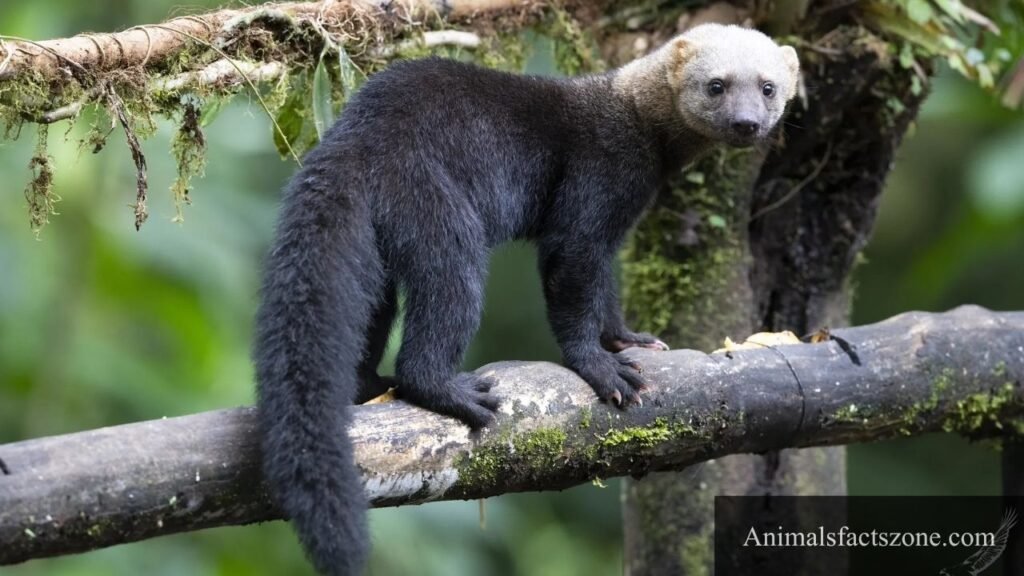
Beyond utility, the Tayra’s tail is also a key tool for communication. Through tail movements, these animals can convey emotions or intentions to others in their social group. The bushy tail’s presence can signal confidence or aggression, playing a pivotal role in interactions with potential threats and rivals. Thus, the Tayra embodies more than just an impressive physical feature; its bushy tail enhances its survival while also highlighting the intricate bonds within its ecosystem.
Binturong
Scientific Name: Arctictis binturong
Class: Mammalia
Diet: Omnivore
Binturongs, often whimsically referred to as “bearcats,” showcase strikingly bushy tails that are not merely for show. Unlike many creatures, their tails serve multiple important purposes. Measuring nearly as long as their bodies, these fluffy appendages play a crucial role in balance and agility as they navigate the forest canopy. The tail acts almost like a fifth limb, allowing binturongs to deftly traverse branches while foraging for fruits, leaves, and the occasional small animal.
But the bushy tail of the binturong isn’t just functional; it also plays a role in communication. These animals can express a range of emotions through the position and movement of their tails, sending signals to fellow binturongs about their mood or readiness to mate. Furthermore, the distinctive odor produced by their scent glands can be dispersed through their tails, marking territory and attracting potential mates. This fascinating blend of practicality and social interaction truly highlights the unique adaptations of the binturong, making it a captivating example of wilderness ingenuity.
Bushy-Tailed Woodrat
Scientific Name: Neotoma cinerea
Class: Mammalia
Diet: Herbivore
The bushy-tailed woodrat, often overlooked in the animal kingdom, serves as a fascinating example of adaptation in nature. Sporting a lush, bushy tail that can be almost as long as its body, this rodent has evolved not merely for aesthetic appeal but for practical purposes. The tail functions as a heat regulator; when the temperatures rise in arid environments, the woodrat can dissipate excess heat through its tail, maintaining a comfortable body temperature. This adaptation underscores the remarkable ways in which animals have evolved features that enhance their survival.
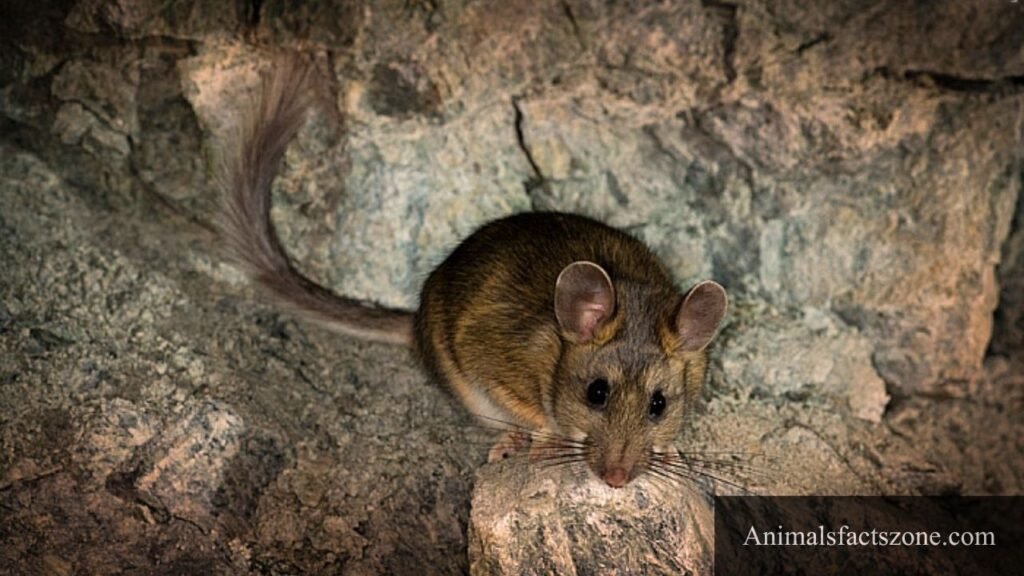
Moreover, the bushy tail serves as an essential communication tool among woodrats. In a world where social interaction can dictate access to food and mates, these expressive tails are often used in signaling during mating displays or territorial disputes. When combined with their nocturnal habits, the tail becomes a vital asset in navigating their complex, often challenging environments. Observing these woodrats in their natural habitats not only reveals the beauty of their bushy tails but also highlights the intricate connections between physical traits and survival strategies in the animal kingdom.
You can also read: Explore Top 20 Fish with Big Lips.
North American Porcupine
Scientific Name: Erethizon dorsatum
Class: Mammalia
Diet: Herbivore
The North American porcupine, often overlooked, sports a bushy tail that serves more than just a flamboyant flair. This tail, covered in thick fur and quills, acts as a balancing tool, allowing the porcupine to navigate its arboreal habitat with agility. When climbing trees, this bushy feature aids in stability, ensuring smooth ascents and descents as they forage for leaves, bark, and fruits.
Furthermore, the porcupine’s tail serves a vital defensive purpose. When threatened, it can make an impressive display, raising its quills to deter predators, while its bushy appearance can further bewilder would-be attackers. This unique adaptation underscores the fascinating duality of nature, where beauty and function intertwine in the most unexpected ways. Observing a porcupine in the wild is not just a picturesque moment; it’s a reminder of how every aspect of an animal’s design — like its bushy tail — plays a critical role in its survival.
Eastern Gray Squirrel
Scientific Name: Sciurus carolinensis
Class: Mammalia
Diet: Herbivore
The Eastern Gray Squirrel, a familiar sight in urban parks and wooded areas, captivates onlookers with its iconic bushy tail. This remarkable appendage serves multiple purposes: it acts as a parachute during daring leaps between tree branches, helping to stabilize their flight and reduce the risk of injury. The bushy tail functions as a warm blanket during chilly winters, providing insulation against the cold, while also serving as an umbrella in light rain.
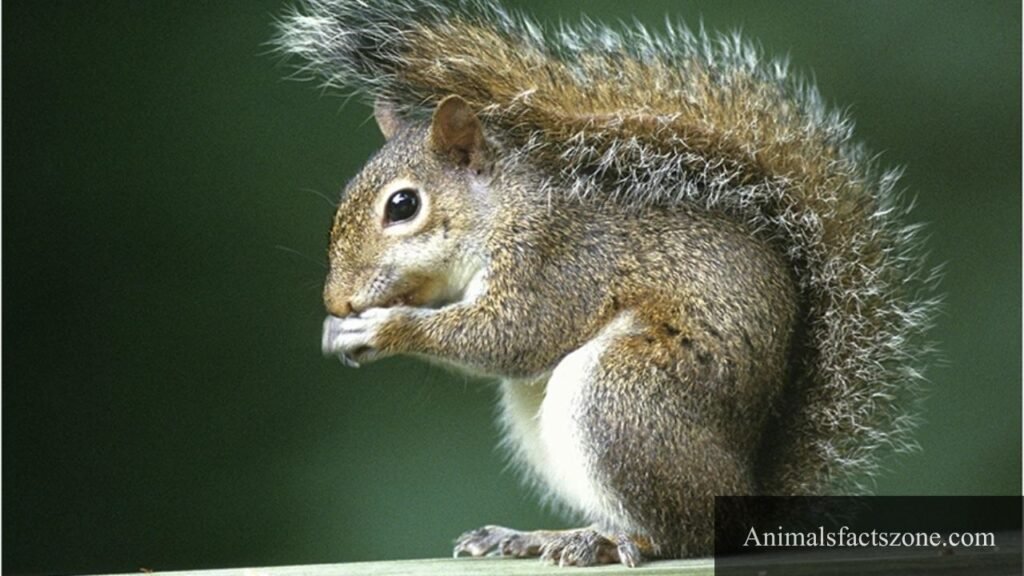
Beyond its practical applications, the Eastern Gray Squirrel’s tail plays a crucial role in communication. When threatened, they raise their tails to signal alarm to other squirrels, creating a visual alert system that enhances group safety. This feature not only emphasizes their social connections but also showcases their intelligence in navigating complex environments. Observing these agile creatures gracefully flicking their tails can evoke a sense of wonder, reminding us of the intricate ways nature crafts adaptations for survival and interaction.
Red Fox
Scientific Name: Vulpes vulpes
Class: Mammalia
Diet: Omnivore
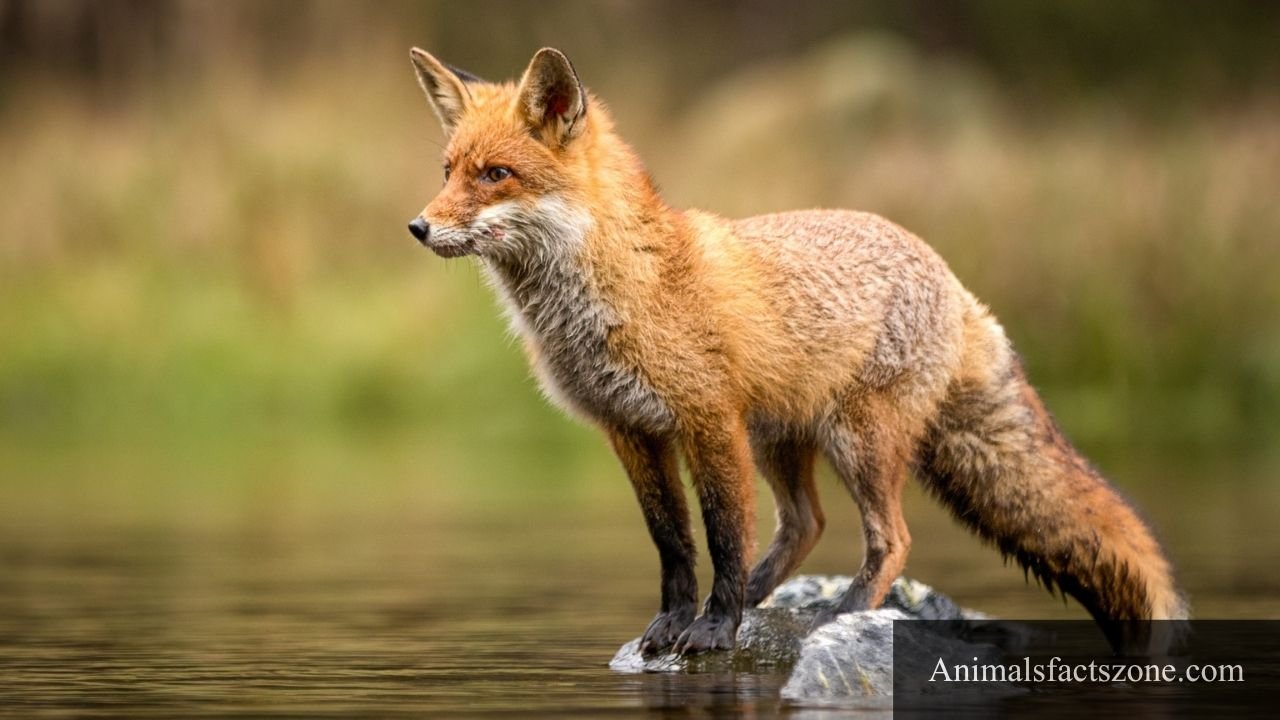
The red fox, unmistakable with its striking orange fur and iconic bushy tail, boasts this unique feature for more than just looks. Its tail, or “brush,” serves as a crucial tool for communication, balance, and insulation. When feeling threatened or communicating with others, a fox may use its bushy tail to convey signals, waving it as a banner of sorts to express aggression or submission to others in its territory.
Beyond its communicative functions, the tail plays a vital role in a red fox’s agility. As these clever canids dart through their habitats — be it forest, field, or urban landscape — the bushy tail helps stabilize their movements, allowing swift turns and jumps while hunting or evading predators. During colder months, the bushy tail acts as a natural blanket, helping to keep the fox warm as it curls up for rest in its den. This multifunctional appendage embodies both beauty and functionality, making the red fox an emblem of efficiency in the animal kingdom.
Maned Wolf
Scientific Name: Chrysocyon brachyurus
Class: Mammalia
Diet: Omnivore
The Maned Wolf, with its stunning bushy tail, is not only a striking presence in the grasslands of South America, but also a master of adaptation. Its tail, which can extend up to 16 inches, serves multiple purposes — it aids in communication and balance. This bushy appendage acts like a flag, waving behind as the wolf moves through its territory, helping to signal other wolves and provide visual cues during social interactions.
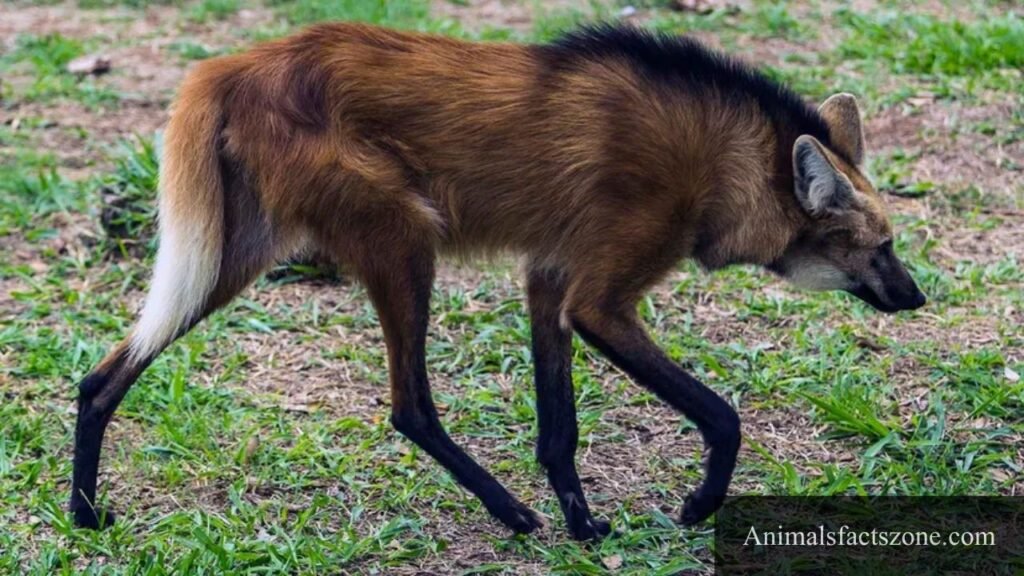
What’s fascinating is the Maned Wolf’s unique hunting strategy, where it uses its keen sense of smell to track prey while its bushy tail helps maintain orientation in its environment. Instead of pursuing the usual prey like other canids, it primarily feasts on fruits, particularly lobo fruit, highlighting its omnivorous diet. This balanced feeding habit, coupled with their striking appearance, makes the Maned Wolf a distinct and essential player in its ecosystem. Observing how the bushy tail serves both practical and social functions reveals the complex ways in which animals have evolved to thrive in their habitats.
Raccoon
Scientific Name: Procyon lotor
Class: Mammalia
Diet: Omnivore
Raccoons are often recognized by their striking appearance, particularly their bushy tails adorned with distinct black bands. These plumed appendages are not merely for show; they play a crucial role in a raccoon’s adaptive strategies. The bushy tail aids in balance as they navigate treetops and urban environments, showcasing their impressive agility. This fluffy feature serves as a communication tool, conveying messages to other raccoons through subtle movements and positions.
Functionally, the bushy tails of raccoons also contribute to their survival in the wild. When threatened, a raccoon can curl its tail over its body, creating the illusion of a larger size to deter potential predators. This savvy use of their bushy tails underscores an incredible adaptability that allows these creatures to thrive in diverse habitats, from forested areas to bustling city streets. Through play and social interaction, the tails weave a narrative of camaraderie and expression, making them a captivating part of raccoon behavior.
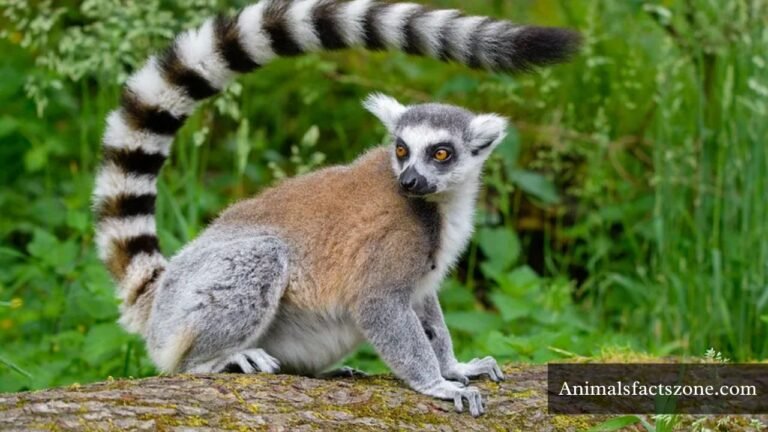
Ring-Tailed Lemur
Scientific Name: Lemur catta
Class: Mammalia
Diet: Omnivore
The ring-tailed lemur, native to Madagascar, showcases a distinctly bushy tail that serves multiple purposes beyond mere aesthetics. This striking tail, adorned with alternating black and white bands, is not just a tool for balance as these agile creatures leap from branch to branch; it also plays a pivotal role in social interactions. When competing for resources or attracting mates, ring-tailed lemurs elevate their tails high in the air, creating a visual signal that communicates dominance or availability to others in the troupe.
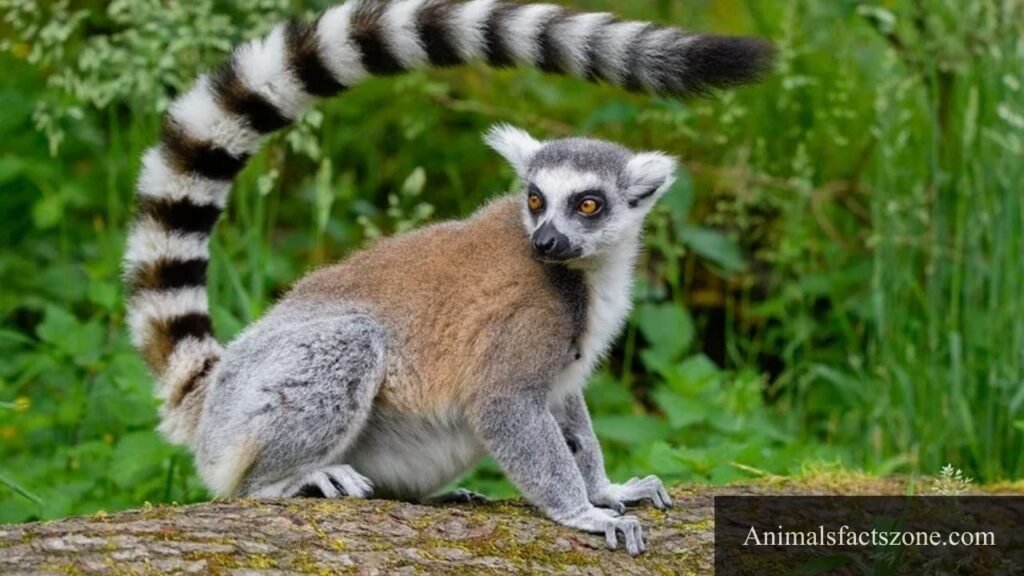
Moreover, their bushy tails are crucial for thermoregulation. In Madagascar’s fluctuating temperatures, the lemurs often utilize their tails as parasols, shading their bodies from the intense sun during midday. This clever adaptation highlights how the bushy tail is an essential asset in their daily survival, combining social signaling and environmental adaptation in one striking feature. Whether they’re frolicking in the trees or basking in the sun, the ring-tailed lemur’s tail underscores the intricate connection between appearance and functionality in the animal kingdom.
Readmore: Explore Top 23 Animals with Long Tails.
Final Thoughts
Animals with bushy tails not only capture our imagination with their striking appearances but also play crucial roles in their ecosystems. From the agile squirrels darting through trees to the majestic foxes prowling the underbrush, these creatures are fascinating examples of nature’s adaptability. Their bushy tails serve vital functions, including balance, communication, and even warmth during colder months. As we observe these remarkable animals, we are reminded of the intricate connections within our environment. Let’s cherish and protect their habitats so that future generations can enjoy and learn from these incredible beings.
FAQs
Does a wolf have a bushy tail?
Yes, wolves do have bushy tails. Their tails are thick and covered with fur, which helps them maintain balance while running and navigating through their natural habitats. Typically, a wolf’s tail can be about 12 to 16 inches long, adding to its overall bushy appearance. In addition to their practical function, a wolf’s tail also plays a role in communication. Wolves use their tails to convey emotions and intentions to other pack members, signaling everything from excitement to submission.
What animal has a puffy tail?
One animal known for its puffy tail is the fox. Particularly, the red fox has a bushy, fluffy tail that helps it balance and communicate. It often wraps its tail around itself for warmth, especially in colder climates. Another example is the squirrel. Squirrels have notably bushy tails that aid in steering while they jump between branches. Their tails also serve as a way to signal to other squirrels and provide a canopy against rain.