Top 23 Most Chubby Animals (Pictures Included)
In this article, we’ll explore the Most Chubby Animals and highlight the fascinating traits that make them beloved by all. From their quirky behaviors to their environmental significance, you’ll discover why these rotund creatures capture our hearts and inspire us to appreciate the diversity of wildlife. Prepare for a journey through some of the fluffiest beings on the planet!
List of Most Chubby Animals in The World
Here is the list of most chubby animals:
- Sea Otter
- Elephant
- Pallas’s Cat
- Giant Panda
- Wombat
- Hippopotamus
- Sea Lion
- Dolphin
- Manatee
- Walrus
- Penguin
- Gaur
- Hamster
- Polar Bear
- Hedgehog
- Guinea Pig
- Red Panda
- Seal
- Persian Cat
- Whale
- Capybara
- Rhinoceros
- Fat-tailed Lemur
Sea Otter
Scientific Name: Enhydra lutris
Class: Mammalia
Diet: Carnivore
Among the most chubby animals in the animal kingdom, the sea otter steals the spotlight with its endearing appearance and playful antics. These marine mammals boast an adorably round physique, which not only makes them look irresistibly cute but also plays a vital role in their survival. Their thick fur, the densest in the animal world, serves as both insulation and buoyancy, allowing them to thrive in chilly waters while appearing delightfully rotund.
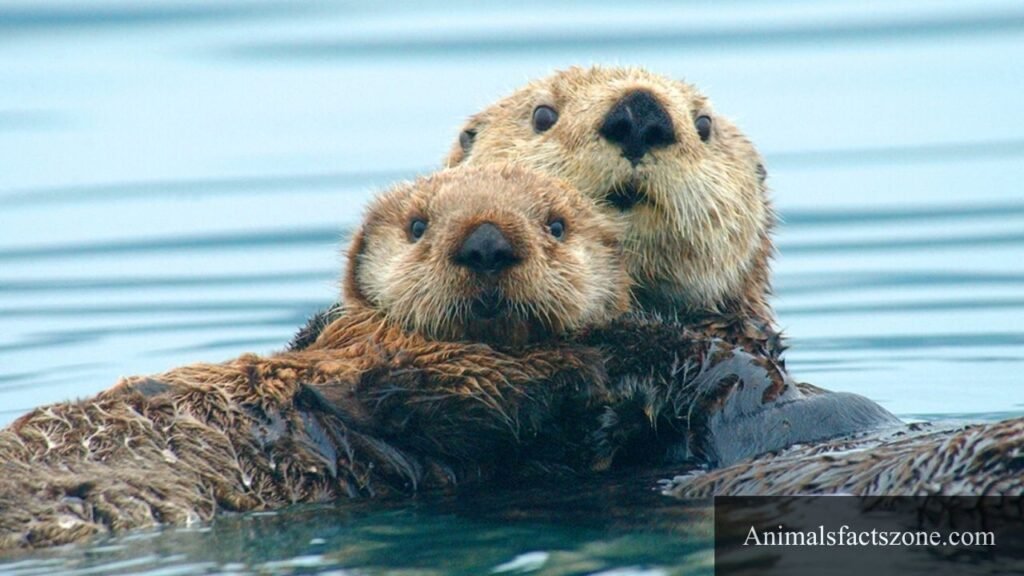
Beyond their charming exterior, sea otters are remarkable in their role as ecosystem engineers. By preying on sea urchins, they help maintain kelp forest health, preventing overgrazing and fostering biodiversity. Their social behavior, such as floating in groups and using tools to crack open shellfish, adds a layer of intelligence and charm that captivates anyone fortunate enough to observe them. These aspects remind us that chubby animals like the sea otter aren’t just cute; they are essential players in their ecosystems, embodying the intricate balance of nature.
Elephant
Scientific Name: Loxodonta
Class: Mammalia
Diet: Herbivore
Elephants, the gentle giants of the animal kingdom, embody both strength and tenderness, showcasing an astonishing level of intelligence and emotional depth. Their massive bodies, adorned with thick skin and large ears, serve practical purposes: the skin acts as an insulating barrier while those impressive ears help regulate body temperature. Beyond their sheer size, elephants exhibit a range of behaviors that endear them to both researchers and the public. They are known to show empathy, mourning their dead and even comforting one another in times of distress, a behavior rarely observed in the animal world.
The social structure of elephant herds is another fascinating aspect of their lives. Matriarchs, usually the oldest and wisest females, lead these groups, fostering tight-knit family bonds that transcend generations. This cooperative living allows them to navigate challenges together, whether it’s finding water in arid climates or protecting their young from threats. With their undeniable charm and complex social dynamics, elephants are a poignant reminder of the interconnectedness of life, inviting us to reflect on our own relationships and responsibilities toward nature.
Pallas’s Cat
Scientific Name: Otocolobus manul
Class: Mammalia
Diet: Carnivore
Pallas’s cat, or Manul, is a charismatic feline that effortlessly encapsulates the charm of chubby animals. Found in the rugged grasslands and steppes of Central Asia, this small, stocky cat has fluffy fur that makes it appear even rounder than it is. Their unique body structure, complete with a stocky build and rounded face, gives them an endearing, plush appearance that’s both captivating and comical. This chubbiness isn’t just aesthetics; it serves a purpose, providing insulation against the harsh climates they inhabit.
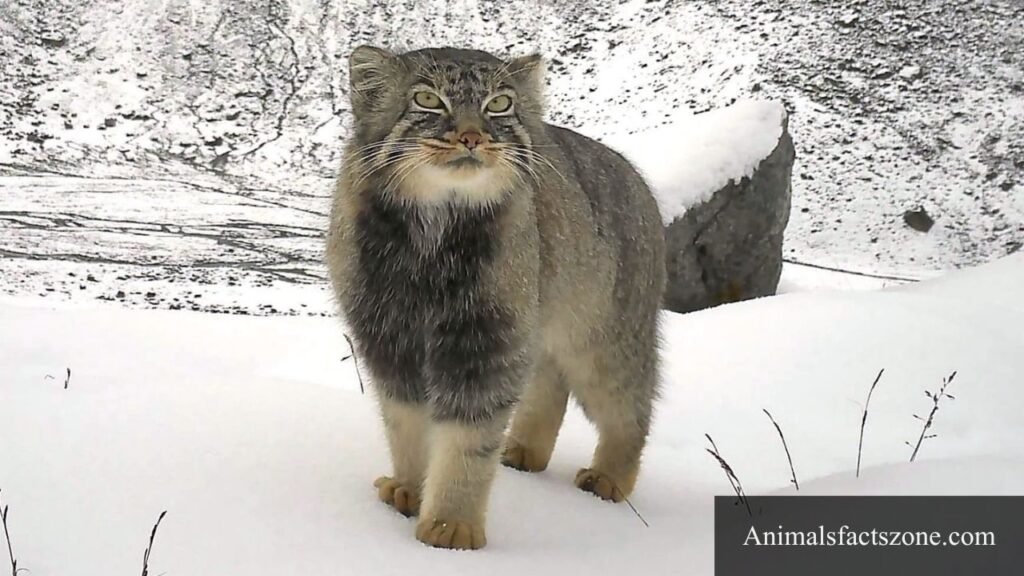
Beyond their adorable physique, Pallas’s cats possess a remarkable hunting prowess. Despite their seemingly laid-back demeanor, these cats are agile and possess incredible stealth, allowing them to hunt small prey like rodents and birds effectively. This combination of a cuddly appearance and fierce determination creates a fascinating dichotomy, inviting deeper reflections on the balance of aesthetics and survival in the animal kingdom. Understanding the Pallas’s cat reveals not only their physical adaptations but also the intricate ecosystems they inhabit, challenging our perceptions of what constitutes beauty in nature.
Readmore: Explore Top 22 Most Docile Animals.
Giant Panda
Scientific Name: Ailuropoda melanoleuca
Class: Mammalia
Diet: Herbivore
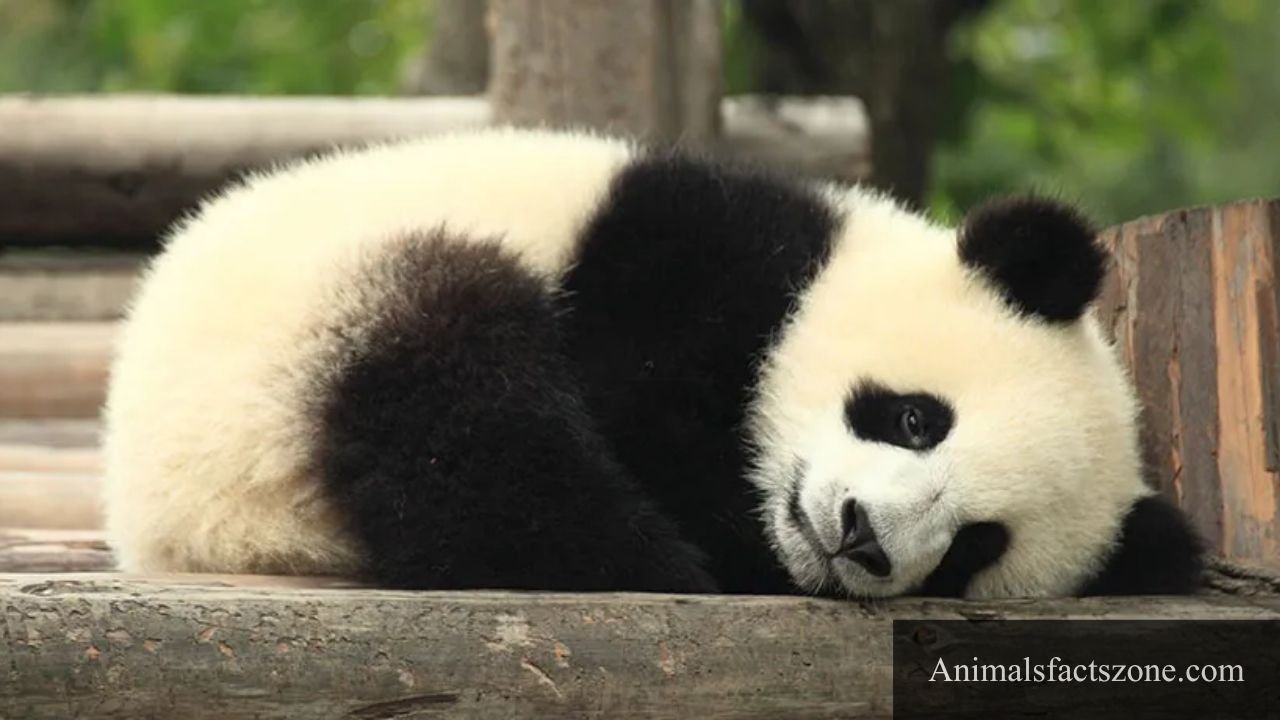
The giant panda, often a symbol of conservation efforts, boasts a rotund body that is as endearing as it is impressive. Weighing between 220 to 330 pounds, these bears are primarily herbivorous, with bamboo comprising over 99% of their diet. This unique dietary preference has led to their distinctively rounded physique, which serves as both a physical manifestation of their bamboo-centric lifestyle and a fascinating adaptation to a life largely devoid of protein-rich foods.
Beyond their adorable appearance, giant pandas exhibit remarkable behavioral quirks that further endear them to wildlife enthusiasts. They are known for their playful antics, often engaging in playful wrestling with one another or somersaulting down hills — an intriguing testament to their surprisingly agile nature despite their hefty frames. While they may seem like unintentional cuddle monsters, this chubbiness aids in thermoregulation, allowing them to thrive in their cool mountainous habitats.
Wombat
Scientific Name: Vombatidae
Class: Mammalia
Diet: Herbivore
Wombats, with their compact and stocky bodies, are Australia’s delightful burrowing marsupials that evoke both fascination and affection. These adorable creatures can weigh up to 110 pounds, and their round, sturdy physiques make them look like nature’s plush toys. Unlike the more commonly known marsupials, they have a unique backward-facing pouch, which keeps dirt from getting in while they dig elaborate burrow systems. This design not only showcases their evolutionary adaptation but also highlights their intriguing lifestyle beneath the surface.
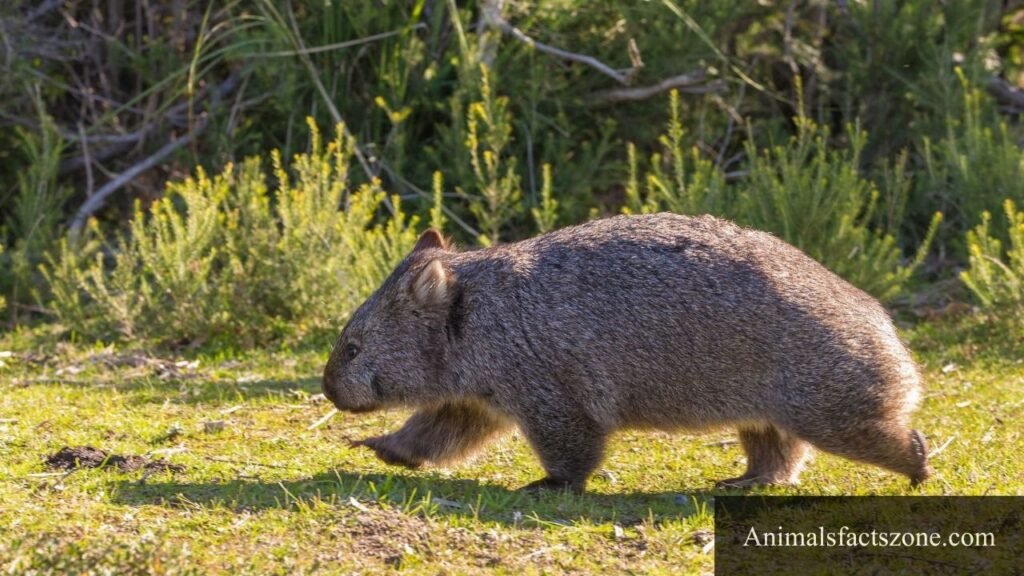
In their playful demeanor, wombats exhibit a charming blend of curiosity and wariness. These nocturnal animals often roam their habitats at night, foraging for nutrient-rich grasses and roots. Observers often note their adorable waddle, a testament to their compact, chubby form that adds to their overall appeal. While they might seem nonchalant, wombats are surprisingly strong; they can run at speeds of up to 25 miles per hour when threatened, showcasing that beneath their fluffy exterior lies a robust powerhouse.
Hippopotamus
Scientific Name: Hippopotamus amphibius
Class: Mammalia
Diet: Herbivore
The hippopotamus, often referred to as the “river horse,” is a fascinating blend of blubber and brute strength, embodying the rhythm of life in African waterways. Despite their hefty size, these mammals are surprisingly agile, capable of running up to 19 miles per hour on land. This paradox is not merely impressive; it showcases the adaptability of a creature that thrives both in murky waters and sun-drenched riverbanks. Their chubby forms, laden with thick skin and a layer of subcutaneous fat, not only protect them from the harsh elements but also play an essential role in buoyancy, allowing them to glide effortlessly beneath the surface.
Beyond their physical attributes, hippos possess a unique social dynamic. Relying on close-knit groups, or pods, they communicate through a series of grunts, bellows, and even a synchronized display of mouth-opening, revealing their formidable teeth. Interestingly, these seemingly benign giants can be incredibly territorial, which adds an intricate layer to their behavior. Observing a hippopotamus basking in the sun, it’s easy to romanticize their plumpness, yet understanding their fierce disposition and vital ecological role offers a deeper appreciation for these magnificent creatures.
Sea Lion
Scientific Name: Otariinae
Class: Mammalia
Diet: Carnivore
Sea lions, with their round bodies and playful antics, encapsulate the charm of marine life. These delightful creatures exhibit a unique blend of blubber and muscle, essential for their buoyant lifestyle. This fat layer not only keeps them warm in chilly ocean waters but also adds to their overall plump appearance, giving them a distinctly huggable quality that captures the hearts of many.
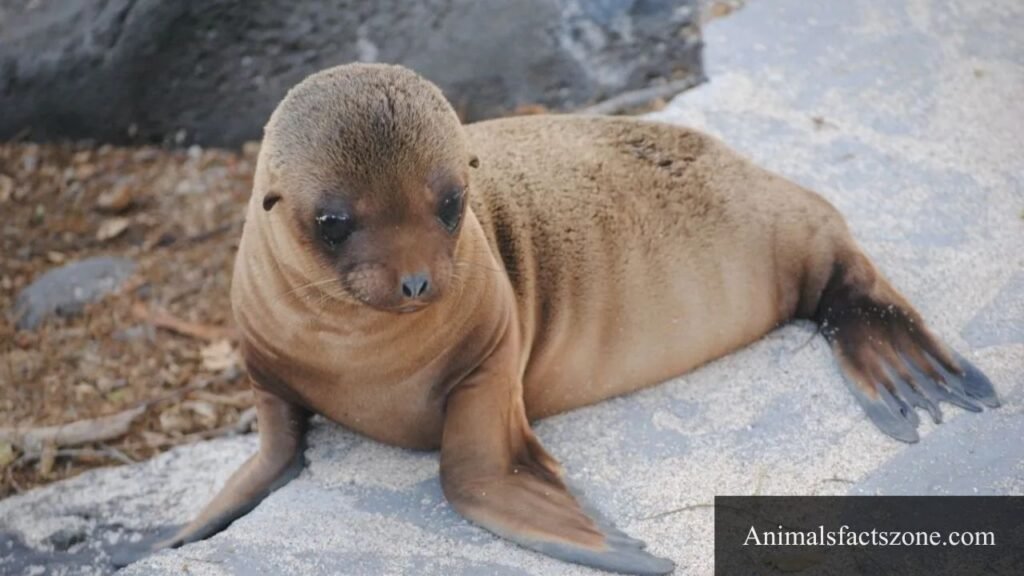
Their robust bodies enable sea lions to leap gracefully from the water, reminding us of their agility despite their chubbiness. In social settings, these animals are quite expressive, often engaging in playful behaviors that resemble a lively game of tag. It’s fascinating how their chubby figures, often seen as a mere aesthetic trait, play a crucial role in their survival, allowing them to thrive in diverse marine environments. Observing a sea lion basking on rocky shores, one can’t help but appreciate the harmony between their rotund shape and the dynamics of their ecosystem.
You can also read: Explore Top 17 Animals With Bushy Tails.
Dolphin
Scientific Name: Delphinidae
Class: Mammalia
Diet: Carnivore
Dolphins, often celebrated for their sleek bodies and playful antics, can sometimes surprise us with their charmingly chubby forms, especially in certain species or individuals. The playful bottlenose dolphin, for instance, has been observed sporting a more robust physique during certain seasons, presumably as it accumulates fat reserves to weather colder waters. This plump appearance adds a layer of whimsy to their already engaging personalities, making them even more endearing to onlookers.
Interestingly, the fat that adorns a dolphin’s body isn’t just for show. It’s a crucial adaptation, serving not only as insulation but also as a buoyancy aid, allowing these magnificent mammals to glide effortlessly through the waves. In some coastal regions, where food sources are plentiful, you’ll find dolphins that are markedly more well-fed, exhibiting an undeniable charm in their rotund shapes. This prompts us to reconsider our perceptions of “fitness” in the animal kingdom — after all, these chubby beauties thrive in their environments, showcasing a different kind of elegance that challenges our ideals of sleekness.
Manatee
Scientific Name: Trichechus
Class: Mammalia
Diet: Herbivore
The manatee, often affectionately dubbed a “sea cow,” is an embodiment of gentle charm beneath the waves. These aquatic herbivores, typically weighing between 880 to 1,200 pounds, have a rotund shape that many find irresistibly adorable. With their paddle-like flippers and squishy bodies, manatees glide gracefully through warm coastal waters, munching on seagrass and aquatic plants. Unlike many animals that embody agility, manatees showcase a unique, bumbling grace that serves as a reminder of the beauty in embracing one’s size.
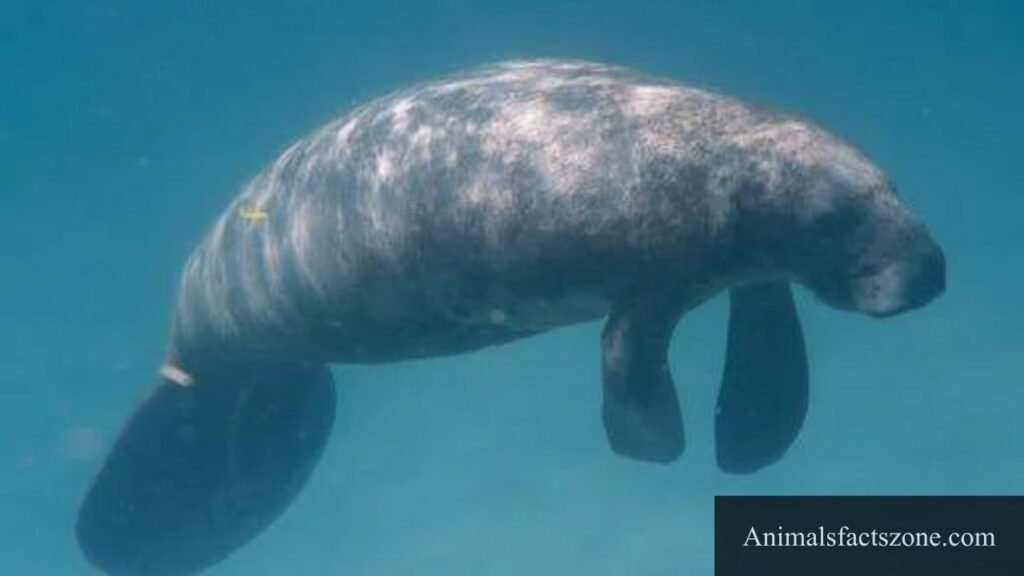
But there’s more to their chubby exterior than meets the eye. Manatees play a crucial role in maintaining the health of their ecosystems. By grazing on seagrass, they not only help control its growth but also promote a thriving habitat for various marine species. In a world often captivated by speed and sleekness, these rotund creatures teach us the value of stability and nurturing the environment they inhabit. Their endearing demeanor, often seen floating serenely at the surface, invites us to pause and appreciate the simple joys of life, reminding us that sometimes the more cuddly things in life, much like the manatee, carry significant weight in conservation and ecological balance.
Walrus
Scientific Name: Odobenus rosmarus
Class: Mammalia
Diet: Carnivore
The walrus, with its impressive girth and striking tusks, embodies a unique blend of charm and strength in the animal kingdom. These fascinating creatures, weighing up to 2,000 pounds, are not just living blimps; they play crucial roles in their Arctic ecosystems. Their thick layers of blubber protect them from icy waters, but this cushiony exterior also serves as insulation, enabling them to thrive in some of the most frigid conditions on Earth.
What truly sets the walrus apart is its social nature. Often seen lounging together on ice floes, they form close-knit communities that exhibit complex social behaviors. Their vocalizations, from barks to growls, hint at a rich communication system that researchers are just beginning to decode. Observing these blubbery behemoths in their natural habitats offers a captivating glimpse into the intricate dynamics of marine life, reminding us that even the chubbiest animals bear the weight of important environmental roles.
Penguin
Scientific Name: Spheniscidae
Class: Aves
Diet: Carnivore
Penguins, with their rounded bellies and waddling gait, epitomize the charms of chubby animals. These flightless birds, often found in icy habitats, have adapted to their environments in remarkable ways. Their robust bodies are not merely cute; they are finely tuned to conserve heat and navigate through frigid waters. The layer of blubber beneath their skin insulates them from the cold, enabling them to dive deep for fish while appearing adorably plump on land.
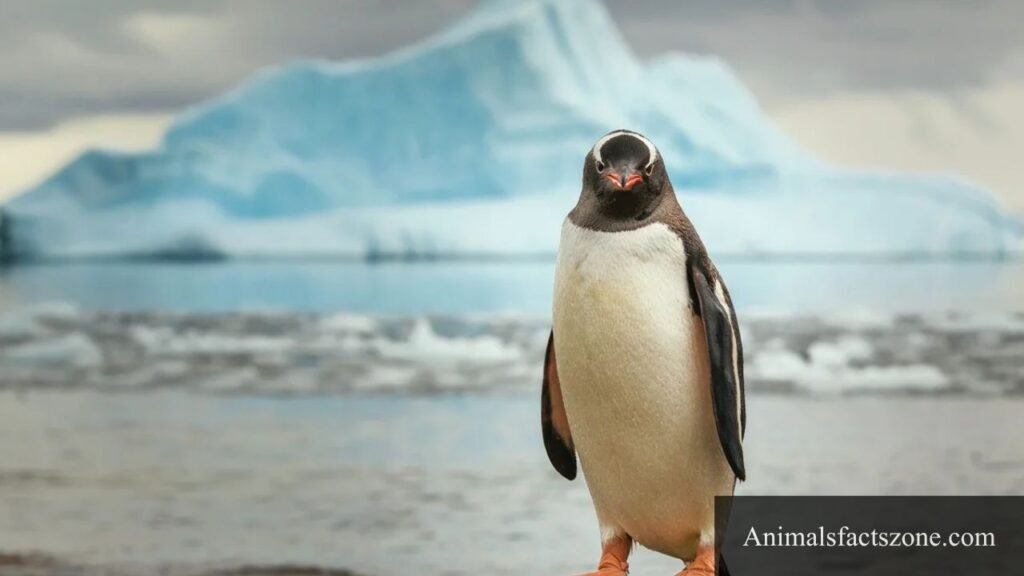
Beyond their physical attributes, penguins also embody a fascinating social structure. Their colonies thrive on cooperation; during the harsh Antarctic winters, they huddle together to share warmth and protect their young. This communal behavior also fosters an engaging dynamic, as they engage in vocalizations and intricate courtship dances. Observing the interactions of these chubby creatures offers a delightful glimpse into the complexities of animal behavior, showcasing that beneath their adorable exterior lies a world of social sophistication and survival instinct.
Also read: Explore Top 17 Animals With Big Foreheads.
Gaur
Scientific Name: Bos gaurus
Class: Mammalia
Diet: Herbivore
The gaur, or Indian bison, stands as a formidable yet surprisingly chubby creature found in the forests of South and Southeast Asia. With its substantial frame and muscular build, this majestic herbivore can weigh up to 2,200 pounds, making it one of the largest species of wild cattle. What sets the gaur apart, beyond its size, is its striking appearance: a glossy black coat contrasted by creamy white markings on its legs and face. These features not only enhance its majestic presence but also play a fascinating role in the ecology of its habitat.
Despite their bulk, gaurs are surprisingly agile. They navigate rugged terrains with relative ease, showcasing an unexpected gracefulness. This adaptability allows them to thrive in diverse environments, from dense forests to rocky hillsides. Moreover, their plant-based diet primarily consists of grasses, leaves, and fruits, reflecting a deep connection to the ecosystems they inhabit. As gentle giants, gaurs serve a crucial role in maintaining the balance of their habitats by facilitating seed dispersal, which ultimately contributes to the health of the forests they roam. The continued survival of these chubby marvels underscores the importance of conservation efforts, providing a poignant reminder of the delicate relationships within our natural world.
Hamster
Scientific Name: Cricetinae
Class: Mammalia
Diet: Omnivore
Hamsters, often regarded as the quintessential pet for children, embody the charm of chubby cuteness in the animal kingdom. With their round bodies and tiny paws, these small creatures are like little balls of fluff that seem to embody joy. Their cheeks can expand to astonishing sizes as they store food, making them look even more comically rotund. This remarkable adaptation not only helps them hoard snacks for later — a behavior rooted in their wild ancestry — but also showcases their ability to thrive in various environments.
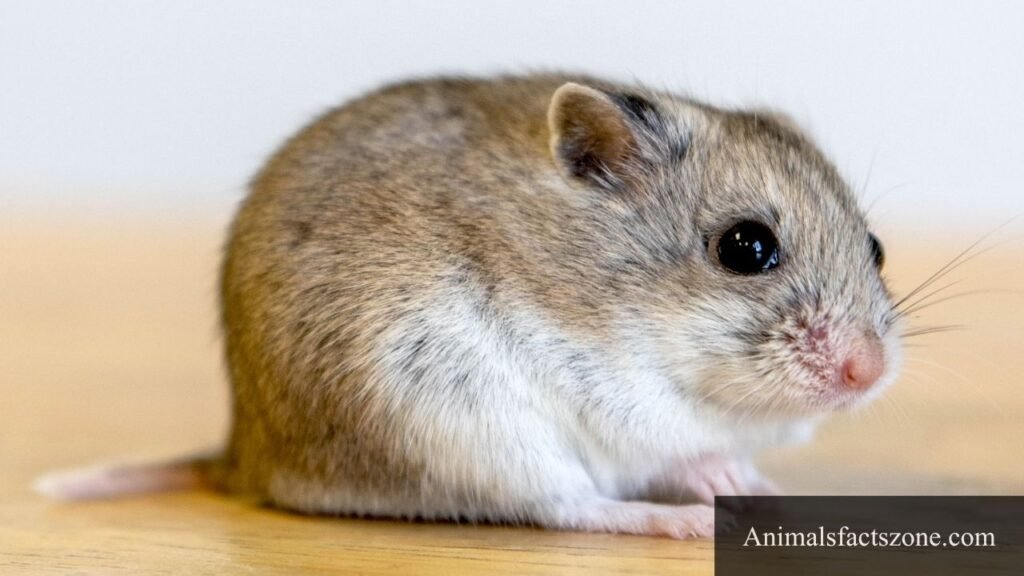
Beyond their adorable appearance, hamsters possess intriguing behavioral traits that make them multifaceted pets. When observed in their habitats, these little roly-polies engage in burrowing and nesting routines that echo their natural instincts. Watching a hamster scurry through a maze or tread a wheel, you can almost sense a playful spark in their tiny personalities. Their penchant for exploration highlights the critical balance between their chubby exterior and athletic abilities, reminding us that there is more to these delightful creatures than meets the eye.
Polar Bear
Scientific Name: Ursus maritimus
Class: Mammalia
Diet: Carnivore
Polar bears are a fascinating blend of brawn and blubber, showcasing a physical adaptation that speaks volumes about survival in one of the harshest environments on Earth. Weighing between 900 pounds to over 1,500 pounds, their impressive girth isn’t just for aesthetics; it’s nature’s built-in thermal insulation. This thick layer of blubber, often reaching four inches in thickness, helps them maintain warmth in freezing Arctic temperatures, making them masters of their icy realm.
What’s particularly striking is the agility these seemingly hefty giants possess. Underneath that blubber lies a powerful body, capable of swift movements across both ice and water. Polar bears’ hunting tactics are equally intriguing — they can swim for days, covering vast distances in search of seals, their primary food source. This blend of robustness and skill challenges our stereotypical view of chubbiness as a hindrance, revealing instead a remarkable strategy for thriving in a world where survival depends on every ounce of fat.
Hedgehog
Scientific Name: Erinaceinae
Class: Mammalia
Diet: Omnivore
Hedgehogs, with their adorable spines and plump bodies, embody a unique blend of elegance and cuteness. These nocturnal creatures often puff up when threatened, making them look even rounder and more precious. Their chubby appearance is not just endearing; it serves as a vital adaptation for their lifestyle. A thick layer of fat helps them survive harsh winters, allowing them to hibernate blissfully while conserving energy.
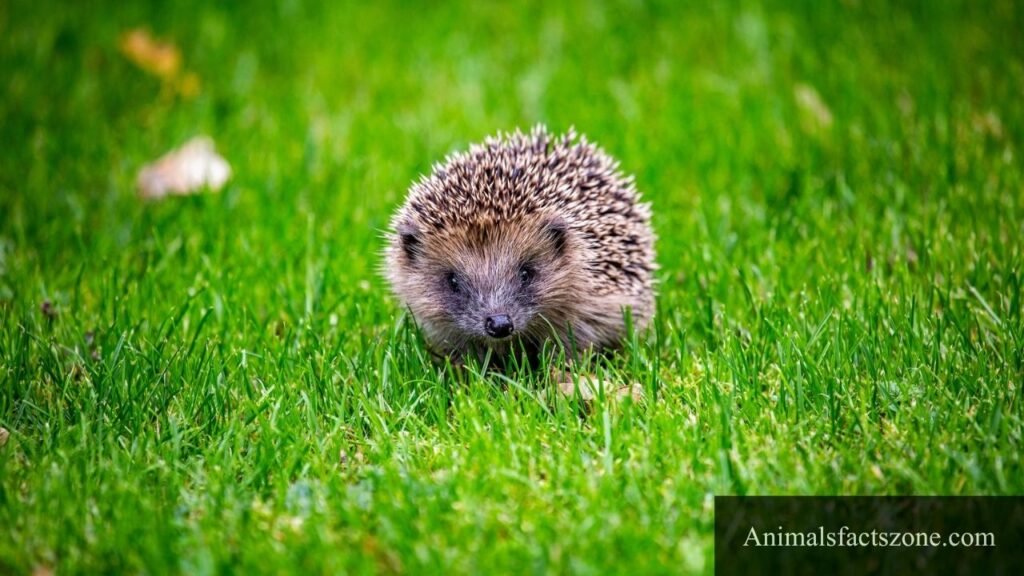
Interestingly, hedgehogs are natural pest controllers, snacking on an impressive range of insects and even small rodents. This diet not only keeps their weight in check but also plays a crucial role in maintaining ecological balance. As the popularity of hedgehogs as pets grows, they continue to capture hearts worldwide, charming us further with their quirky personalities. Observing their playful antics can be an unexpected source of joy, reminding us of the simple, delightful aspects of nature that can easily get overlooked.
Readmore: Explore Top 19 Most Muscular Animals in the World.
Guinea Pig
Scientific Name: Cavia porcellus
Class: Mammalia
Diet: Herbivore
Guinea pigs, with their plump bodies and delightful personalities, are a testament to nature’s love for roundness. These little rodents, native to the Andes in South America, capture hearts with their adorable squeaks and gentle demeanor. Their chubby appearance isn’t just charming; it’s also a reflection of their social nature and reliance on a balanced diet of hay, fresh veggies, and pellets. This diet not only keeps them healthy but contributes to their iconic shape, making them one of the most visually endearing companions among small pets.
Interestingly, these pudgy pals have cultivated a variety of breeds, each showcasing unique features and varying degrees of chubbiness. From the roly-poly American guinea pig with its smooth fur to the long-haired Peruvian variety that often resembles a fluffy, rounded cloud, each breed offers its own brand of charm. Their size is a conversation starter, often leading to discussions about their care, social habits, and the responsibility of pet ownership. Beyond their appearance, guinea pigs thrive in social environments and are known for their vocalizations — each sound tells a story of their mood, creating a delightful symphony for their human caretakers. In a world that often celebrates sleekness, these chubby companions remind us that roundness can be equally lovable and full of character.
Red Panda
Scientific Name: Ailurus fulgens
Class: Mammalia
Diet: Herbivore
With their round bellies and endearing faces, red pandas embody an irresistible charm that captivates animal lovers worldwide. These adorable creatures, often mistaken for raccoons, are native to the cool forests of the Himalayas and southwestern China. Their stocky bodies are not just for show; the extra weight helps them navigate their vertical habitat, allowing them to expertly climb trees in search of bamboo, their primary diet. Observing a red panda, you might be struck by the playful antics they display — rolling around and tumbling in the leaves, their chunky bodies turning every movement into an endearing spectacle.
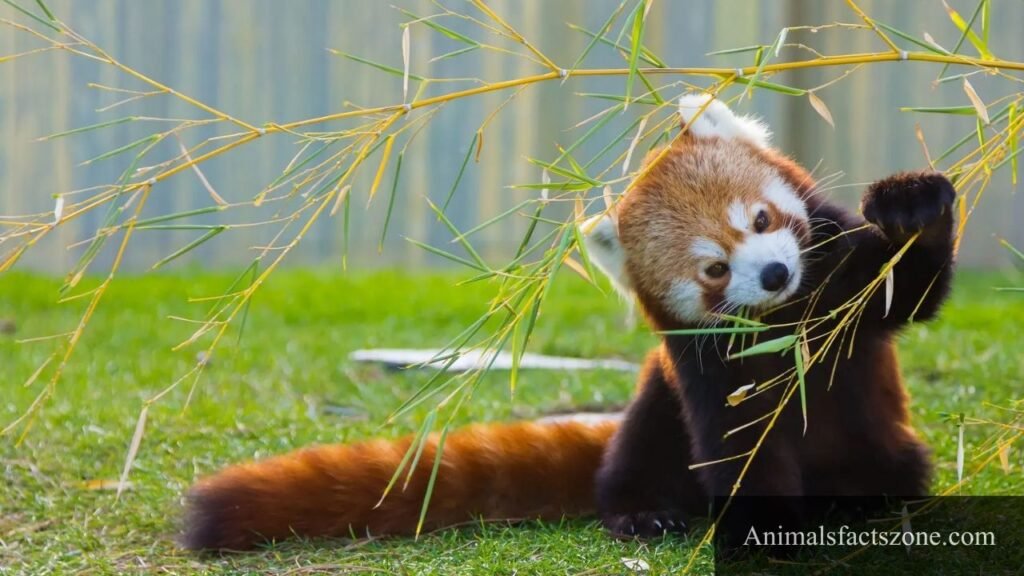
Beyond their physical allure, red pandas play a crucial role in their ecosystems. As they forage for bamboo, they help maintain the health of their forest habitats. However, their chubby allure belies an urgent conservation story. With habitat loss and climate change threatening their survival, these fluffy wonders are classified as vulnerable. By supporting initiatives that protect their environment, we not only preserve the red panda but also the delicate balance of the ecosystems they represent. Embracing their quirks and advocating for their survival allows us to appreciate the beauty in diversity and the importance of each species, no matter how round or furry they may be.
Seal
Scientific Name: Pinnipedia
Class: Mammalia
Diet: Carnivore
Seals, often regarded as the fluffy clowns of the ocean, have a charm that transcends their robust physiques. With round bodies and playful spirits, these chubby creatures have adapted beautifully to their aquatic environments. Their layer of blubber, while providing crucial insulation against cold waters, also showcases nature’s brilliance in crafting survival strategies. This adaptation allows seals to thrive in some of the harshest climates, reminding us of the resilience found in seemingly simple forms.
Beyond their physical attributes, seals possess an intriguing social structure. They can often be spotted lounging on rocky shores, basking in the sun, or engaging in playful antics with fellow seals, which highlights their social intelligence. Their communicative vocalizations, ranging from barks to chirps, resonate with a language that reveals deep connections within their communities. Observing seals in their natural habitat not only unveils the whimsical side of marine life but also emphasizes the importance of conserving their environments, as these lively, chubby animals serve as indicators of ocean health and biodiversity.
You can also read: Explore Top 23 Animals with Long Tails.
Persian Cat
Scientific Name: Felis catus
Class: Mammalia
Diet: Carnivore
The Persian cat, with its luxurious fur and distinctive flat face, has captured the hearts of feline enthusiasts worldwide. Known for its gentle and affectionate temperament, this breed often embodies the essence of cozy companionship, making it a cherished member of many households. However, beneath that plush exterior lies a world of breed-specific quirks that contribute to their delightful chubbiness — not just in size, but in personality.
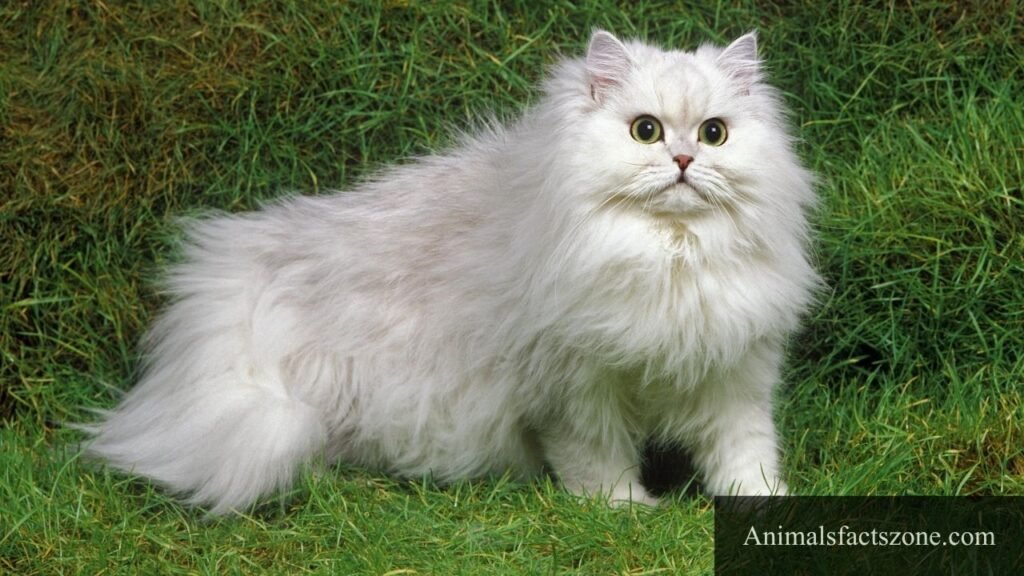
Persian cats are the epitome of relaxation, often preferring the warmth of a sunbeam over a rigorous play session. This laid-back lifestyle can lead to an adorably round silhouette, reflecting their love for lounging. Moreover, their round eyes and short, snub noses only enhance their cuddly appeal, giving them a doll-like appearance that invites endless cuddles. Yet, it’s crucial for owners to keep a watchful eye on their diet and exercise, as their charming plumpness can sometimes transition into health concerns.
Whale
Scientific Name: Cetacea
Class: Mammalia
Diet: Carnivore
Whales epitomize the beauty of chubbiness in the animal kingdom with their majestic, rounded forms that glide effortlessly through the oceans. These magnificent marine mammals, from the immense blue whale to the playful beluga, showcase a unique adaptation to their aquatic life. Their layers of blubber not only provide insulation in frigid waters but also serve as an energy reserve, critical for their long migrations and breeding cycles. Rather than mere size, it’s the combination of mass and grace that leaves observers in awe.
Beyond their physical characteristics, whales embody a social dynamic that challenges traditional views of intelligence and emotional depth in animals. They communicate with complex songs and exhibit behaviors indicating strong familial bonds, suggesting that their “chubbiness” may also serve a social purpose. The nurturing aspect of their size means that mothers can carry and protect their young with remarkable efficacy, fostering a deep connection that extends through pod dynamics. This remarkable fusion of form and function highlights that in the chubby world of whales, being big isn’t just about bulk — it’s a key element of their survival and rich social lives.
Capybara
Scientific Name: Hydrochoerus hydrochaeris
Class: Mammalia
Diet: Herbivore
The capybara, often hailed as the world’s largest rodent, is an unexpected delight in the realm of chubby animals. With their robust bodies and endearing expressions, these social creatures can weigh up to 150 pounds, embodying a smooth, serene confidence that often disarms onlookers. Found in the lush wetlands of South America, they thrive in communal living, which enhances their appeal. Witnessing a capybara lounging in a puddle or elegantly walking with a troop offers a glimpse into a zen-like lifestyle, celebrating the joys of leisure and companionship.
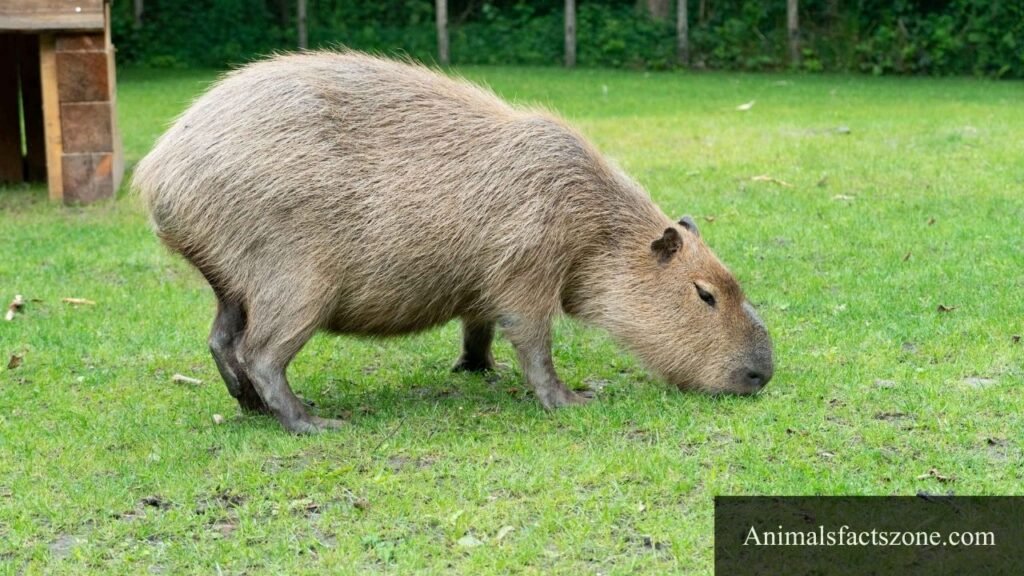
What sets capybaras apart is not just their size but their unique social behaviors. They often cohabitate with other species, such as birds and monkeys, forming unlikely friendships that are a testament to nature’s collaborative spirit. Observing capybaras in the wild or in sanctuaries provides insight into a world where coexistence reigns, reminding us of the benefits of diverse relationships. Their gentle nature has made them beloved companions in various petting zoos and sanctuaries, where they play the role of the gentle giant, captivating visitors of all ages. This intersection of charm, sociability, and sheer bulk makes capybaras a quintessential example of how weight can be embraced with grace, transforming the perception of what it means to be a “chubby” animal.
Rhinoceros
Scientific Name: Rhinocerotidae
Class: Mammalia
Diet: Herbivore
The rhinoceros, often celebrated for its impressive size and armored appearance, encapsulates a unique blend of strength and vulnerability that makes it an intriguing subject. With their bulky frames, these majestic creatures can weigh over a ton, presenting a formidable silhouette against the backdrop of their natural habitats. What many may not realize is that their stocky build is not merely a show of power; it’s a fascinating adaptation that allows them to thrive in diverse environments, from savannas to dense forests.
However, beneath that tough exterior lies a story of fragility. Rhinos are ironically some of the world’s most endangered species, primarily due to poaching and habitat loss. This contradiction — a creature built like a tank facing such dire threats — highlights the delicate balance of nature, where even the mightiest can find themselves on the brink of extinction. Observing these magnificent beings reminds us of our responsibility to protect them, ensuring that their impressive forms continue to roam our planet for generations to come. Each sighting becomes a poignant reminder of the urgent conservation efforts needed to safeguard our world’s biodiversity.
Fat-tailed Lemur
Scientific Name: Cheirogaleus medius
Class: Mammalia
Diet: Omnivore
The fat-tailed lemur is a fascinating creature that stands out not just for its striking appearance but also for its unique adaptations to life in a challenging environment. Found primarily in the arid regions of Madagascar, this chubby little primate shows how evolutionary quirks can lead to delightful outcomes. With a tail that stores fat — much like a camel stores water — these lemurs exhibit a remarkable strategy for survival, allowing them to thrive where resources can be scarce.
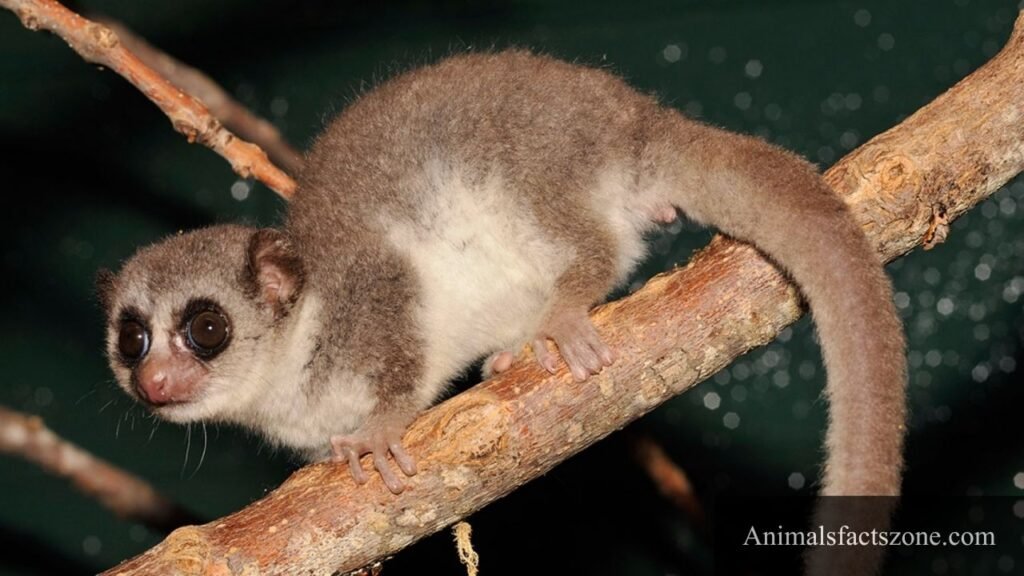
Beyond their rotund bodies, fat-tailed lemurs possess social structures that are as endearing as their physique. They live in groups where camaraderie and cooperation are vital for foraging and nurturing young ones. Their playful interactions offer a rare glimpse into the complexities of their social dynamics, shedding light on how these animals rely on one another for survival. Observing their behavior not only highlights the whimsy of nature but also emphasizes the importance of social bonds in the animal kingdom. By celebrating the chubby charm of the fat-tailed lemur, we are reminded of the diverse strategies life employs to flourish in even the harshest conditions.
Readmore: Explore Top 13 Small Animals with Big Eyes.
Final Thoughts
The world of chubby animals is not only adorable but also serves as a reminder of the diversity of nature. These plush creatures highlight the importance of body positivity in the animal kingdom and encourage us to appreciate different forms and sizes. Whether it’s a rotund panda or a hefty sea otter, their uniqueness captures our hearts while reminding us of the significance of their roles in various ecosystems. As we celebrate these charming animals, let’s also support efforts to protect their habitats and well-being. Embrace your love for these pudgy pals and consider visiting a local shelter or wildlife organization to contribute to their care and conservation!
FAQs
What animals are chubby?
Some common examples include the American Pika, which has a round body and fluffy fur, and the capybara, the world’s largest rodent, known for its plump physique. In the ocean, you’ll find the lovable manatee, often referred to as “sea cows” due to their robust, rounded bodies. Even pet animals like pugs or bulldogs can also be quite chubby, adding to their charm.
What is the chubbiest animal in the world?
The blue whale holds the title for the chubbiest animal in the world. These massive creatures can weigh up to 200 tons and stretch over 100 feet long. Their immense size comes from the thick layer of blubber that insulates them in cold ocean waters, providing energy reserves and buoyancy.