Top 25 Animals With Webbed Feet (With Pictures)
Animals with webbed feet have mastered the art of aquatic movement, giving them a distinct advantage in their watery habitats. This article will explore the diverse range of species equipped with this unique trait, illustrating their importance in biodiversity and ecosystem health. Join us as we uncover the wonders of these animals and what their adaptations reveal about survival in our planet’s ecosystems.
List of Animals With Webbed Feet
Here is the list of animals with webbed feet:
- North American Beaver
- Flying Frog
- Platypus
- Flamingo
- Albatross
- American Bullfrog
- Duck
- River Otter
- Crocodile
- Axolotl
- Puffin
- Antarctic Petrel
- Blue-Footed Booby
- Avocet
- Pelican
- Capybara
- Trumpeter Swan
- Cormorant
- Iguana
- Crab Plover
- Seagull
- Alligator
- Goose
- Loon
- Penguin
North American Beaver
Scientific Name: Castor canadensis
Class: Mammalia
Diet: Herbivore
The North American beaver, a true master of its watery domain, showcases webbed feet that are specifically designed for both swimming and land navigation. These remarkable appendages allow beavers to glide effortlessly through rivers and streams, propelling themselves with a powerful kick. Unlike many other aquatic animals, beavers balance their webbing with strong claws, enabling them not only to dig into the earth for lodges but also to maneuver through dense underbrush when foraging for food.
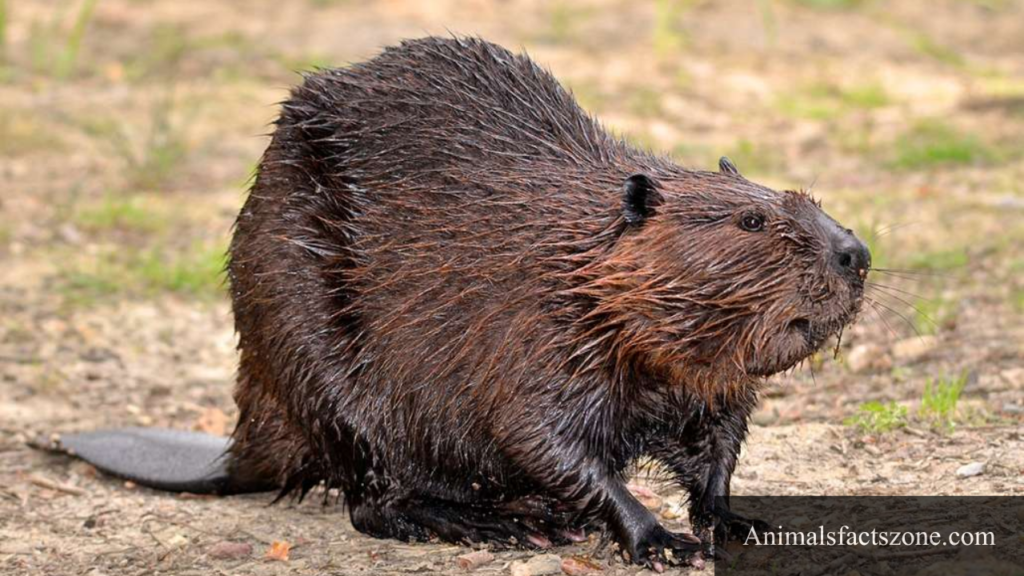
Beavers’ webbed feet are integral to their lifestyle. As semi-aquatic architects, they create complex dams that transform landscapes and promote biodiversity. This behavior underscores the beaver’s role as a keystone species, where their adaptations extend beyond personal survival to influence entire ecosystems. Thus, when we observe these industrious creatures, we recognize that their webbed feet are not just a physical trait but a pivotal element of their ecological legacy, shaping the waterways and habitats of North America.
Flying Frog
Scientific Name: Rhacophorus nigropalmatus
Class: Amphibia
Diet: Carnivore
The flying frog, known scientifically as Rhacophorus nigropalmatus, is a mesmerizing example of evolutionary ingenuity, prominently found in the lush rainforests of Southeast Asia. Its webbed feet are not merely an adaptation for swimming; they play a pivotal role in its remarkable gliding abilities. When threatened or hunting, this frog can leap from heights, spreading its webbed toes wide to catch the air and glide gracefully between trees. This unique adaptation allows it to evade predators while also navigating its arboreal habitat with ease.
What sets the flying frog apart from other tree-dwelling amphibians is the delicate balance it strikes between terrestrial and aerial life. Its vibrant green skin, combined with the striking black webbing of its hands and feet, not only camouflages it among leaves but also underscores its multifunctional extremities. The webbing enhances its swimming prowess in the rain-filled pools of its environment, demonstrating the interconnection of its dual ecosystems. Observing the flying frog in action inspires a deeper appreciation for how species adapt to their habitats, blending physical traits with survival strategies in a richly woven tapestry of life.
Platypus
Scientific Name: Ornithorhynchus anatinus
Class: Mammalia
Diet: Carnivore
The platypus, one of nature’s most extraordinary creations, showcases webbed feet that are not just adaptations for swimming but also serve multiple crucial functions. These unique appendages allow the platypus to navigate through water with incredible agility, making them exceptional foragers. While the webbing acts like a paddle when submerged, their feet retract the webbing when on land, revealing sharp claws that aid in burrowing. This dual capability epitomizes the platypus’s evolutionary finesse, allowing it to thrive in diverse environments.
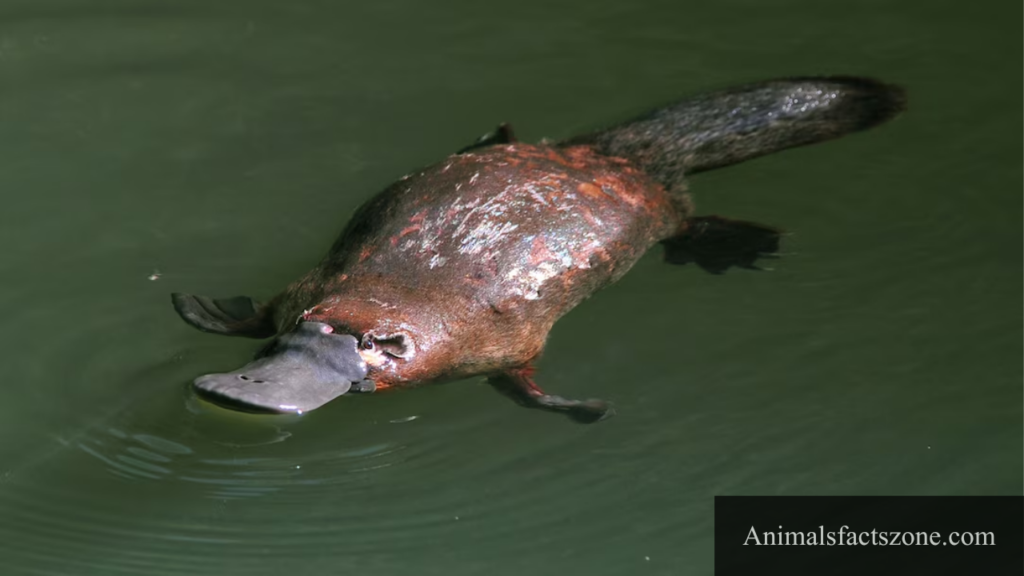
Platypus combines its webbed feet with an elaborate sensory system. Equipped with electroreceptors in its bill, it can hunt hidden prey even in murky waters, turning its feet into tools for exploring the underwater landscape. As the platypus swims, it stirs up sediment with its webbed feet, which not only aids in revealing food but also showcases a natural talent for environmental engineering. This clever blend of locomotion and sensory exploration highlights the platypus as a master of adaptation, reminding us of the intricate ties between form, function, and survival in the animal kingdom.
Readmore: Explore Top 15 Animals With Long Legs.
Flamingo
Scientific Name: Phoenicopterus
Class: Aves
Diet: Omnivore
Flamingos, with their striking pink plumage and long legs, are iconic birds that artfully illustrate the advantages of webbed feet. These specialized appendages are not just a stylish accessory; they are finely adapted tools for life in aquatic environments. When flamingos wade through shallow waters, their webbed feet act like paddles, allowing for graceful movement and efficient foraging as they sift through mud and sediment for food like algae and tiny crustaceans.
Flamingo feet also play a vital role in their social behavior. In large flocks, these birds engage in synchronized movements, creating stunning displays that are both mesmerizing and strategic. This collective rhythm, facilitated by their webbed feet, enhances their ability to communicate and bond with each other, promoting group cohesion. Understanding the dual purpose of their webbed feet — navigation in water and social interaction — highlights the intricate relationship between form and function in the animal kingdom, showcasing how evolution tailors adaptations to meet diverse needs.
Albatross
Scientific Name: Diomedeidae
Class: Aves
Diet: Carnivore
The albatross, well-known for its impressive wingspan, also boasts remarkable webbed feet that enhance its ability to navigate the open ocean. Unlike many birds, albatrosses don’t merely rely on their wings for flight; their webbed feet offer a unique advantage during takeoff and landing on the water’s surface. When these majestic birds prepare for flight, they use their feet to paddle against the waves, creating crucial momentum. This adaptation enables them to soar vast distances over the ocean with minimal effort, highlighting their evolutionary prowess.
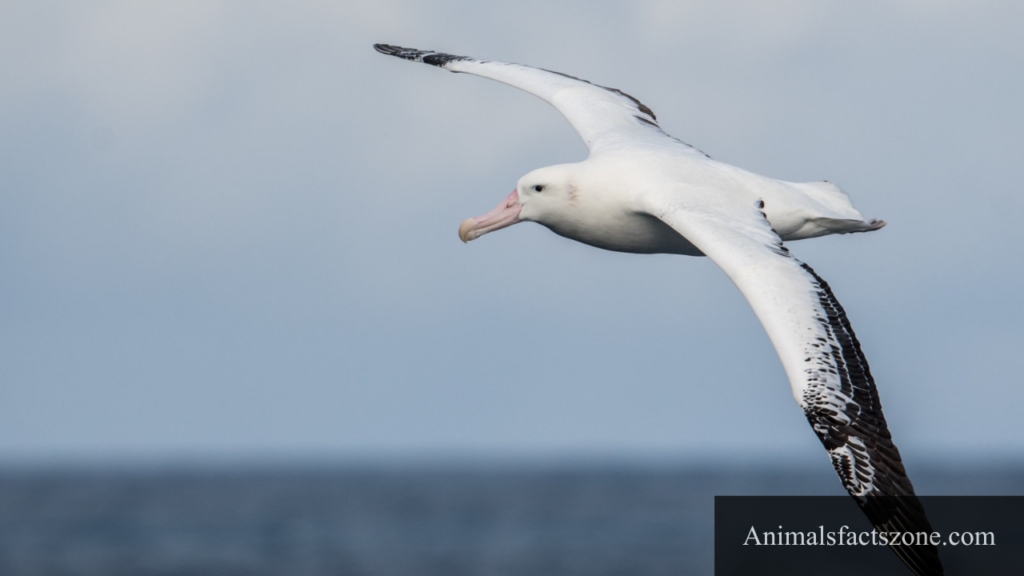
Albatross feet are not just functional; they play a significant role in their courtship rituals. During mating displays, the males will often use their webbed feet in elaborate dances, showcasing their strength and agility to attract a mate. This fascinating blend of functionality and beauty speaks to the albatross’s adaptation to life governed by the vast, unpredictable ocean. As these birds glide effortlessly over thousands of miles, their webbed feet remind us how evolution tailors traits not just for survival but also for the intricate dance of life.
American Bullfrog
Scientific Name: Lithobates catesbeianus
Class: Amphibia
Diet: Carnivore
The American bullfrog, a remarkable amphibian, showcases the unique adaptations that webbed feet can offer in the wild. These versatile appendages not only enhance swimming efficiency but also play a critical role in their terrestrial antics. With powerful strokes, the bullfrog glides through water, outpacing predators and partners alike during the thrilling breeding season, where male calls resonate through the marshes, signaling their dominance and desirability.
The webbing also serves as a tool for agility on land. As they navigate the muddy banks and lush vegetation, these webbed feet allow for better stability and traction — essential for their predatory lifestyle. Moreover, their keen eyesight complements their swimming prowess, making them formidable hunters, ready to snap up insects and even smaller amphibians. The American bullfrog demonstrates that the benefits of webbed feet extend beyond mere locomotion; they are a vital asset in the relentless dance of survival within their ecosystem.
Duck
Scientific Name: Anatidae
Class: Aves
Diet: Omnivore
Ducks are fascinating creatures, perfectly adapted for both aquatic and terrestrial life, and their webbed feet are a stunning example of nature’s engineering. These unique appendages act like paddles, allowing ducks to glide smoothly through water as they feed, escape predators, or court mates. The webbing, made up of thin skin that connects their toes, optimizes propulsion, providing an effortless swimming experience. This remarkable adaptation not only enhances their agility in aquatic environments but also contributes to energy efficiency, enabling them to travel long distances during migration.
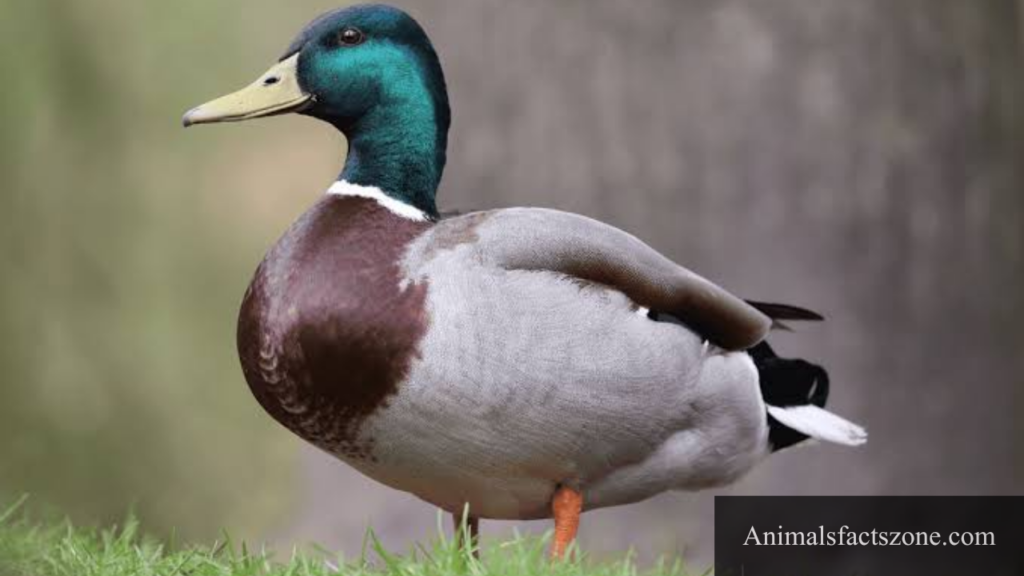
The versatility of duck feet extends beyond swimming. On land, they provide stability and balance, allowing ducks to forage for food and navigate diverse terrains with ease. Interestingly, the webbed structure doesn’t hinder their ability to walk or take off from the water; rather, it serves as a multifunctional tool. By observing how ducks interact with their environments, we gain insights into the broader themes of adaptation and survival in the animal kingdom, reminding us of the intricate relationships between species and their habitats. Ducks, with their charming demeanor and unique physiology, invite us to celebrate the marvels of evolution in action.
River Otter
Scientific Name: Lontra canadensis
Class: Mammalia
Diet: Carnivore
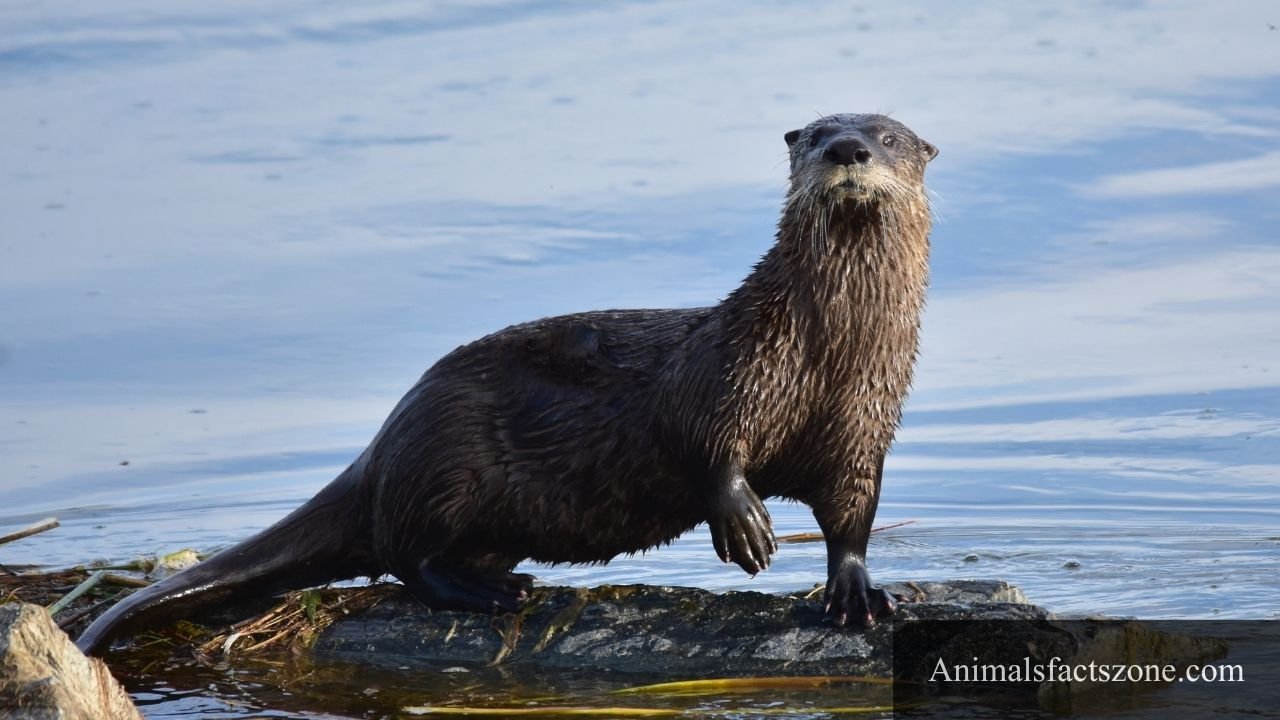
The river otter, an enchanting inhabitant of North America’s waterways, showcases how webbed feet are a remarkable adaptation for an aquatic life. Their feet, equipped with webbing between the toes, act like powerful paddles, enabling these playful mammals to glide effortlessly through rivers and lakes. As they dive and swim, river otters can reach speeds of up to 7 miles per hour, demonstrating the efficiency of their unique adaptations. But it’s not just about speed; their webbed feet allow them to perform acrobatic twists and turns underwater, making them agile hunters in pursuit of fish, crustaceans, and amphibians.
River otters exhibit an unexpected affinity for playfulness, often seen sliding down riverbanks or engaging in social games with family members. This behavior isn’t merely recreational; it plays a vital role in reinforcing social bonds and honing their skills for hunting and navigation. As stewards of their ecosystems, these otters also help maintain healthy fish populations, highlighting the interconnectedness of their habitat. By observing the river otter in action, one can’t help but appreciate how evolution has shaped not only their physical attributes but also their behavior, making them vital contributors to the wetlands they inhabit.
Crocodile
Scientific Name: Crocodylidae
Class: Reptilia
Diet: Carnivore
Crocodiles, with their powerful webbed feet, are prime examples of nature’s engineering marvels. These appendages not only serve as effective paddles when gliding through aquatic environments but also provide stability on land. Each web helps to maximize surface area, allowing these formidable reptiles to move swiftly through water, expertly hunting their prey or evading threats.
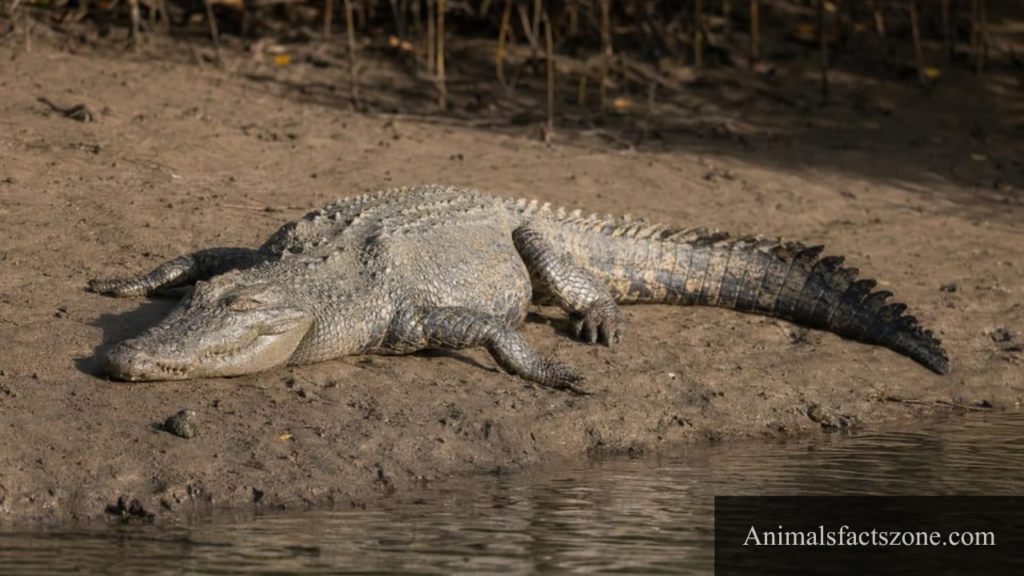
The unique adaptation of webbed feet goes beyond mere mobility. It plays a crucial role in their thermoregulation strategies; as cold-blooded creatures, crocodiles often sunbathe on riverbanks to maintain their body temperature. The webbing helps them efficiently navigate between sun-soaked basking spots and deeper waters, ensuring they can regulate their heat without expending much energy. This dual capability showcases the intricate balance of evolution, where anatomy and lifestyle synergize for survival in varied habitats. In essence, the crocodile’s webbed feet are not just an adaptation for swimming — they are a testament to how evolution optimizes creatures for a life split between land and water.
Axolotl
Scientific Name: Ambystoma mexicanum
Class: Amphibia
Diet: Carnivore
The axolotl, also know as the “Mexican walking fish,” exhibits a fascinating adaptation with its webbed feet, setting it apart in the amphibian world. This unique trait is not just for aesthetics; the webbing serves a practical purpose in its aquatic habitat, enabling the axolotl to navigate through its underwater environment with grace. Unlike most amphibians that undergo metamorphosis and transition to a terrestrial life, the axolotl retains its juvenile characteristics, or neoteny, including these webbed feet. This adaptation showcases the creature’s evolutionary strategy of thriving entirely in water, as its feet facilitate efficient movement among the rocks and plants of its lake habitat.
The axolotl’s webbed structure holds a deeper significance in the ecosystem, helping it to secure various prey while minimizing energy expenditure. This efficiency is essential in the murky waters of Lake Xochimilco, where vision is limited, and tactile exploration becomes a survival skill. In a world struggling with habitat loss, these captivating creatures highlight the intricate balance of evolution and adaptation. Observing their unique lifestyle offers a glimpse into the resilience of life forms that thrive in specialized environments, reminding us of the rich biodiversity that our ecosystems hold.
Puffin
Scientific Name: Fratercula
Class: Aves
Diet: Carnivore
Puffins are remarkable seabirds that showcase the beauty and functionality of webbed feet in a truly unique way. Their striking black and white plumage, complemented by vibrant orange beaks, makes them a favorite among bird watchers. However, it’s their webbed feet that play a crucial role in their ability to thrive in marine environments. These specialized adaptations allow puffins to navigate effortlessly through the water, propelling themselves with agility while hunting for fish.
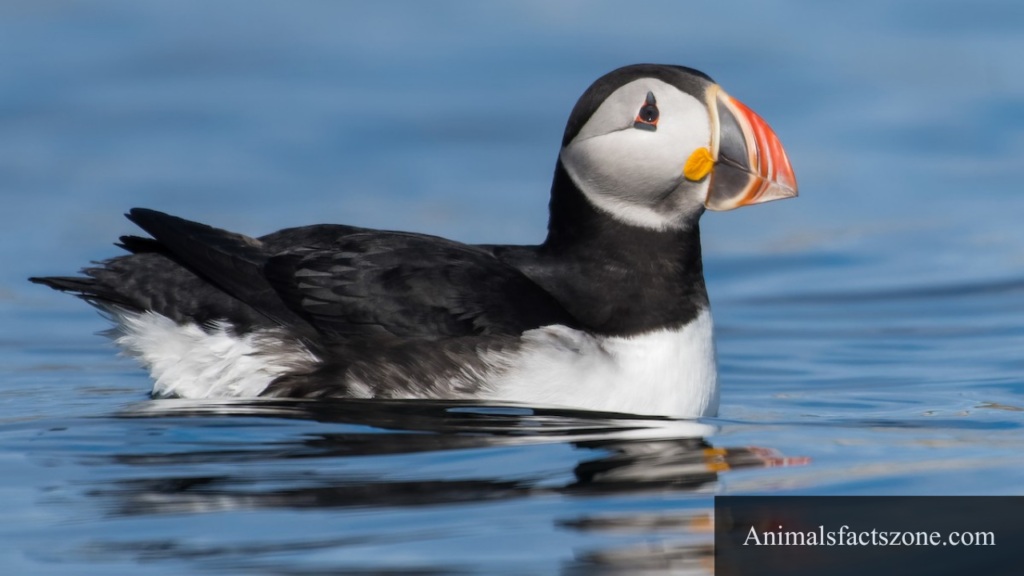
The webbed feet of puffins also illustrate a fascinating aspect of evolution. These birds have adapted to a life that intertwines aerial prowess and aquatic agility, needing to effectively transition between flying and swimming. Puffins use their wings to “fly” underwater, while their webbed feet act as rudders, helping them steer through currents and evade predators. Observing puffins dive into the ocean, you can’t help but marvel at how their anatomy is a testament to nature’s ingenuity, perfectly designed for a life spent between air and sea.
Antarctic Petrel
Scientific Name: Thalassoica antarctica
Class: Aves
Diet: Carnivore
The Antarctic petrel, with its striking black and white plumage, embodies the elegance of adaptability in one of the harshest environments on Earth. Its webbed feet are not merely a byproduct of evolution, but a crucial adaptation allowing this seabird to thrive in the icy waters of the Southern Ocean. As it glides effortlessly over frigid waves, the webbing enhances its swimming abilities, making it a proficient hunter of krill and fish beneath the surface.
What sets the Antarctic petrel apart is not just its physical traits but its unique breeding habits. Nesting on remote, rocky cliffs, they engage in fascinating courtship displays, showcasing their loyalty and connection to mates. Their ability to navigate vast oceanic expanses relies on both their keen sense of smell and remarkable memory, allowing them to return to the same nesting sites year after year. As climate change disrupts their icy habitat, studying these resilient creatures offers vital insights into the health of marine ecosystems and the intricate balance of life in our planet’s polar regions.
Blue-Footed Booby
Scientific Name: Sula nebouxii
Class: Aves
Diet: Carnivore
The blue-footed booby is one of nature’s most striking examples of adaptation, showcasing how distinctive features can serve critical survival functions. Their vibrant blue feet are not just a spectacle for observers; they play a crucial role in courtship displays. Males perform elaborate foot-stamping dances to attract females, with deeper blue hues indicating better health and genetic fitness. This vivid coloration, a result of carotenoids in their diet, is a vivid reminder of how the natural world often wields beauty as a tool for selection.
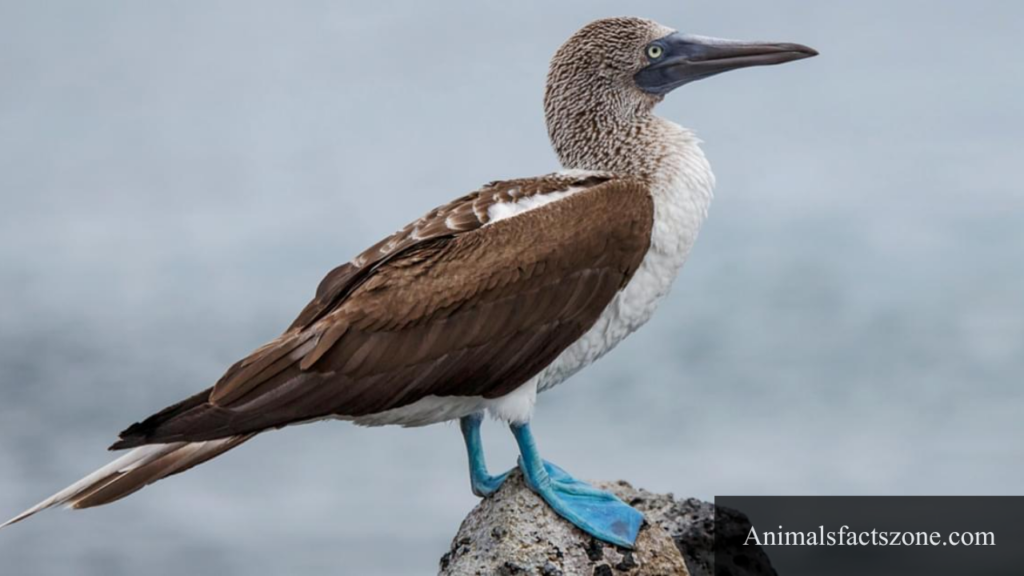
Webbed feet enhance their prowess as both skilled divers and agile swimmers, allowing them to plunge into the ocean with precision as they hunt fish. Observing a blue-footed booby in action reveals their impressive technique: they dive from great heights, folding their wings back to streamline their bodies, a spectacular sight that combines grace and innate skill. Through their unique adaptations, these birds remind us of the intricate interconnections of nature, where beauty and functionality coexist harmoniously in the quest for survival.
Avocet
Scientific Name: Recurvirostra
Class: Aves
Diet: Carnivore
The avocet is another remarkable example of adaptation in the wild. One of the most fascinating aspects of this wading bird is its webbed feet, which enable it to traverse both wetland habitats and muddy shorelines with grace and agility. These unique appendages provide stability in soft sediments, allowing the avocet to forage effectively for the invertebrates that compose much of its diet.
But the avocet’s webbed feet serve a purpose beyond mere navigation. During the breeding season, these birds engage in elaborate courtship displays, often wading through shallow water while creating intricate patterns in the sand. This behavior showcases not only their physical prowess but also their ability to manipulate their environment, demonstrating a deeper connection to their ecosystem. As they sift through mud and shallow waters, avocets play a vital role in maintaining the health of their habitats, highlighting the interdependence of species within the delicate balance of nature.
Pelican
Scientific Name: Pelecanus
Class: Aves
Diet: Carnivore
Pelicans are fascinating representatives of the animal kingdom’s web-footed wonders. Their name derives from the Greek “pelicannos,” meaning “to pluck,” a nod to their unique feeding strategy. Equipped with oversized, flexible bills and a remarkable throat pouch, pelicans are expert hunters, diving from impressive heights to scoop up fish with astonishing precision. This adaptive trait not only showcases their physical prowess but also highlights the evolutionary advantage of webbed feet — ideal for navigation through both water and air.
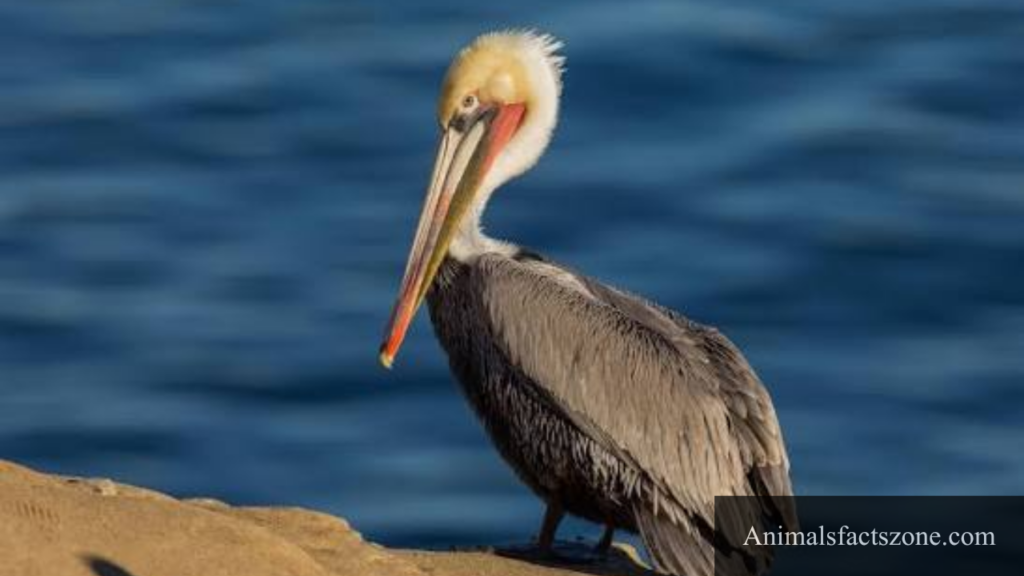
These social birds engage in elaborate courtship rituals, often forming large, noisy colonies. Observing their synchronized flying and cooperative feeding reveals a world of communication and camaraderie, reminding us that survival is as much about teamwork as it is about individual skill. Pelicans are also indicators of environmental health; their populations reflect the impact of climate change and habitat loss. Thus, appreciating these remarkable creatures extends beyond their striking appearance; it invites a deeper contemplation of biodiversity and our role in safeguarding the habitats they rely upon.
Capybara
Scientific Name: Hydrochoerus hydrochaeris
Class: Mammalia
Diet: Herbivore
Capybaras, the largest rodents in the world, are often seen by the water bodies in their native South American habitats. Their webbed feet are an evolutionary marvel, perfectly suited for both life on land and in water. This unique adaptation not only helps them swim with surprising agility but also enables them to navigate muddy banks that line their riverine homes. Unlike many animals with webbed feet, capybaras are social creatures, often found in groups that enhance their safety from predators while they enjoy their time in or near the water.
These gentle giants have an interesting survival strategy; their webbed feet help them remain stealthy in the water, allowing them to evade predators like jaguars and caimans. When submerged, only their nostrils and eyes peek above the surface, making them almost invisible to threats. Moreover, their ability to swim effectively allows them to forage for aquatic plants, expanding their diet and ensuring they thrive in their habitat. Observing these animals, you’ll notice how their relaxed demeanor and social dynamics are intertwined with their environment, creating a unique ecosystem where adaptation and community coexist harmoniously.
Trumpeter Swan
Scientific Name: Cygnus buccinator
Class: Aves
Diet: Herbivore
The trumpeter swan boasts striking webbed feet that are perfectly adapted for life on the water. These large birds, with their graceful necks and pure white plumage, glide effortlessly across lakes and rivers, thanks in part to their unique foot structure. Unlike most birds, the webbing helps them propel through the water, allowing for impressive speed and agility during both swimming and take-off. This adaptation not only supports their aquatic lifestyle but also plays a vital role in their foraging behavior.
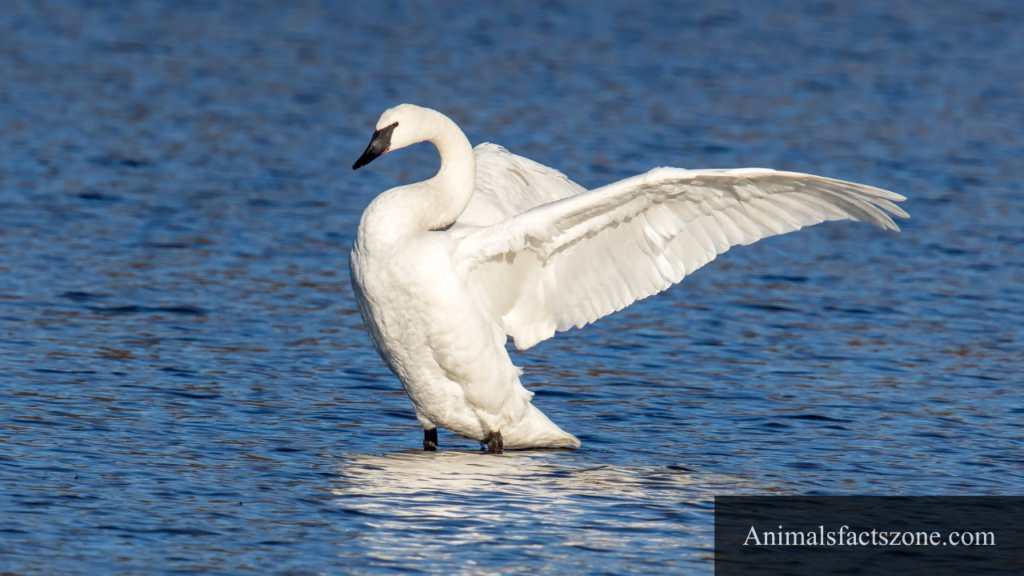
The trumpeter swan’s webbed feet are an evolutionary marvel that facilitates their primary diet of aquatic vegetation. By effectively navigating submerged plants, they can find nutrient-rich foods that contribute to their impressive size and striking plumage. Furthermore, these webbed feet are crucial during mating rituals and territorial displays, where the swans engage in elaborate movements that showcase their strength and grace. Understanding these adaptations offers a deeper appreciation for the interconnectedness of anatomy and behavior in the natural world, revealing how even a simple feature like webbed feet can have profound implications for survival and reproduction.
Cormorant
Scientific Name: Phalacrocoracidae
Class: Aves
Diet: Carnivore
The cormorant, a fascinating bird often found along coastlines and inland waterways, possesses remarkable webbed feet that enhance its swimming prowess. These unique adaptations allow it to glide effortlessly through water, making it a master fisherman. With its long neck and streamlined body, the cormorant dives deep to hunt, using its wings to propel itself beneath the surface in pursuit of slippery prey. Its webbed feet act like paddles, enabling quick bursts of speed as it maneuvers through aquatic environments.
The cormorant’s feet are not just functional; they also play a role in its social behavior. These birds often gather in large colonies, where their webbed feet help them socialize and engage in elaborate courtship displays. Moreover, the stark contrast of their dark plumage against the vibrant blues of their aquatic habitats adds a visual allure to these creatures, making them a favorite subject for birdwatchers and photographers alike. Observing a cormorant drying its outstretched wings post-fishing is a reminder of nature’s intricate designs, where form meets function in the most captivating ways.
Iguana
Scientific Name: Iguanidae
Class: Reptilia
Diet: Herbivore
Iguanas, often celebrated for their vibrant colors and fascinating behaviors, also possess a unique adaptation in their webbed feet that aids in their semi-aquatic lifestyle. While many envision iguanas lounging on sunlit rocks, many species, especially the Green Iguana, demonstrate remarkable swimming capabilities. Their webbed toes allow them to paddle efficiently through water, whether seeking refuge from predators or basking in warmer temperatures. This adaptation not only enhances their mobility but also contributes to their ability to forage for aquatic plants, making them versatile omnivores in their native habitats.
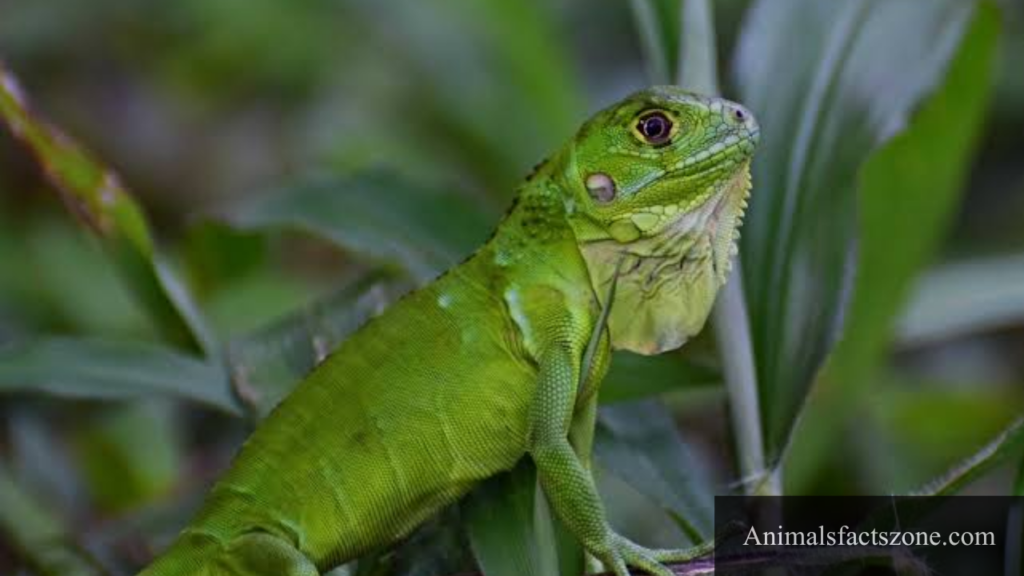
The structure of an iguana’s feet is as much about survival as it is about style. The webbing provides stability on treacherous terrain, from slick riverbanks to dense foliage. By expanding their toes during swimming, iguanas become aquatic agile, seamlessly transitioning between terrestrial and aquatic realms. This duality in their lifestyle showcases evolution’s genius — where beauty meets functionality, allowing these reptiles to thrive in diverse environments. Through this lens, iguanas exemplify not just adaptability but also the intricate balance of nature’s design, inviting us to appreciate their often-overlooked amphibious prowess.
Crab Plover
Scientific Name: Dromas ardeola
Class: Aves
Diet: Carnivore
The Crab Plover, a striking shorebird native to the coasts of the Indian Ocean, showcases nature’s marvel of adaptation. With its long legs and uniquely webbed feet, this avian predator is perfectly sculpted for life along sandy shores and tidal flats. Unlike many waders, these webbed feet serve a dual purpose: they not only enable effortless movement over soft, shifting sand but also provide stability during hunting. The Crab Plover primarily feeds on crustaceans, particularly crabs, using its elongated bill to expertly probe sand and mud, making it a master of its coastal domain.
A fascinating aspect of the Crab Plover’s behavior is its distinctive nesting technique. Instead of building traditional nests, these birds dig tunnels in the sandy substrate, creating a safe haven for their eggs. This unconventional method protects their young from predators, showcasing their unique ecological niche. Furthermore, the Crab Plover exhibits remarkable fidelity to its nesting sites, returning to the same location year after year, which highlights its deep connection to the fragile ecosystems it inhabits. Observing these elegant birds as they navigate their realm reveals the intricate balance of beauty and survival in the natural world.
Seagull
Scientific Name: Laridae
Class: Aves
Diet: Omnivore
The seagull, often seen gliding effortlessly along coastal waters, showcases an incredible adaptation with its webbed feet. Unlike many birds, the webbing between their toes allows for exceptional maneuverability in both air and water. These adaptable appendages enable seagulls not only to skim the surface while hunting for fish, but also to walk comfortably on wet, sandy shores, blending the aquatic and terrestrial worlds seamlessly.
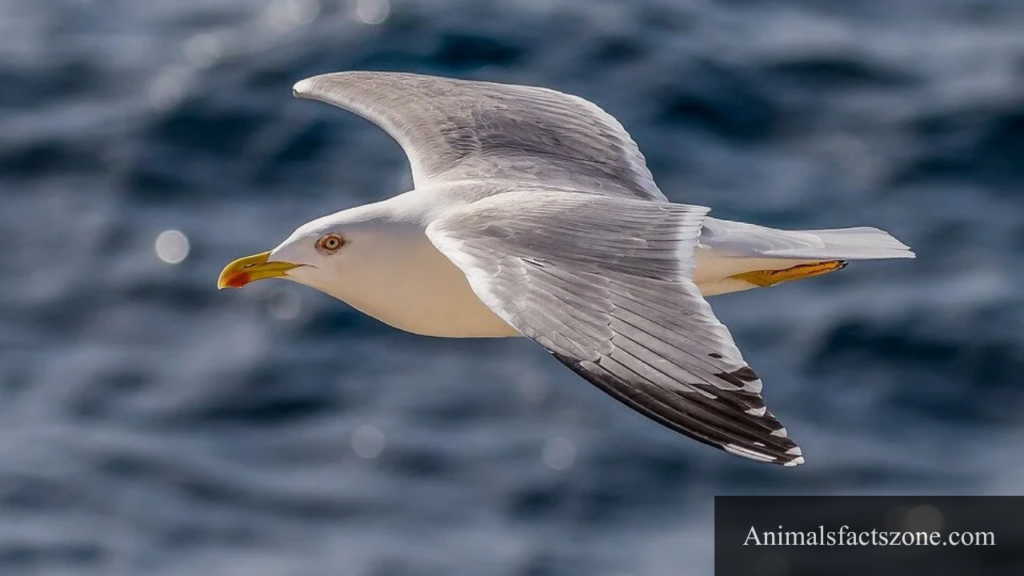
Their webbed feet serve a dual purpose; while they are formidable at paddling through waves, they also function as remarkable tools for balance and stability in unpredictable coastal environments. Observing how seagulls navigate strong winds and shifting tides can illuminate nature’s ingenuity — the birds not only master the art of flight but also embody the essence of adaptability. Their social structures and behaviors are fascinating; groups of seagulls often gather to forage, displaying a complex communication system honed by generations, demonstrating that their webbed feet are just one part of their overall connection to the ecosystem they inhabit.
Alligator
Scientific Name: Alligator
Class: Reptilia
Diet: Carnivore
Alligators showcase a remarkable adaptation in their webbed feet that enhances their prowess in aquatic environments. Unlike the delicate flippers of a seal, an alligator’s webbed toes are formidable paddles, enabling them to glide with surprising grace through murky waters. This feature is not merely for locomotion; it plays a critical role in their hunting strategy, allowing them to stealthily approach prey while minimizing disturbance on the water’s surface.
The structure of the alligator’s webbed feet is a testament to evolutionary efficiency, striking a balance between power and agility. The webbing extends between their toes, providing an expansive surface area that works harmoniously with their muscular legs, propelling them with remarkable speed and propulsion. Moreover, when on land, the webbing folds back, showcasing their versatility as they transition seamlessly between their aquatic and terrestrial realms — an impressive survival trait. This dual capability underscores the alligator’s ancient lineage, a living reminder of nature’s ingenious adaptations to life in both water and on land.
Goose
Scientific Name: Anserini
Class: Aves
Diet: Herbivore
Geese are fascinating creatures, particularly when you consider the role their webbed feet play in their daily lives. These distinctive appendages aren’t just a quirk of evolution; they serve as a remarkable adaptation for life both on land and in water. When you observe a flock gliding across a serene lake, it’s easy to take for granted the efficient propulsion provided by those webbed feet. As they paddle through the water, the webbing acts like a natural oar, allowing them to navigate with grace while conserving energy.
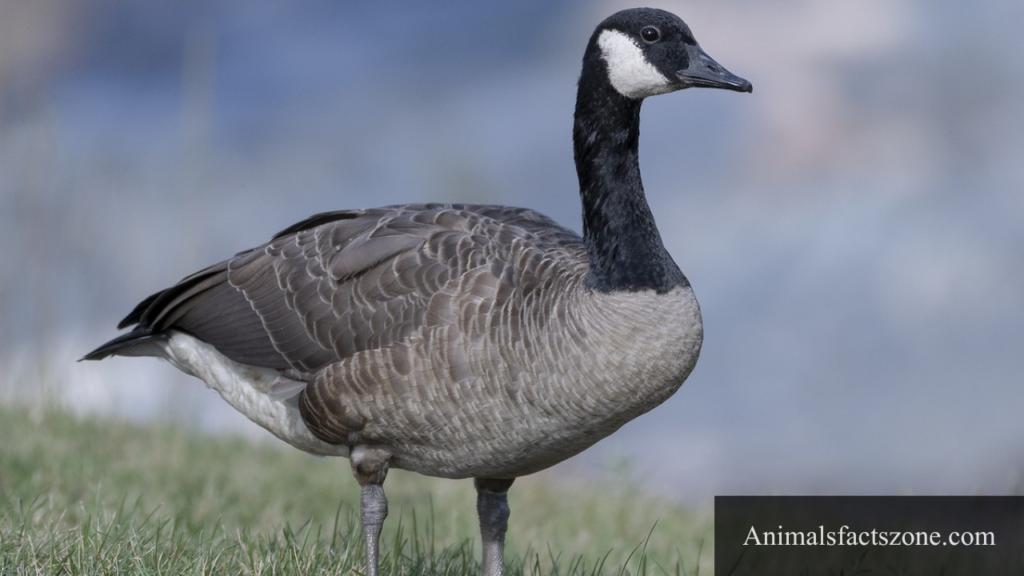
Geese also utilize their webbed feet for unique behaviors beyond swimming. On land, their feet provide stability and support as they forage for food, from grasses to aquatic plants. This adaptability allows them to thrive in various environments, from urban parks to wild wetlands. Moreover, these birds showcase a social dynamic that reflects a profound understanding of their surroundings, as they employ their webbed feet not only for mobility but also as a means of communication and even as a display of dominance during mating rituals. It’s these intricate connections between their physical traits and their behaviors that truly highlight the awe-inspiring intricacies of nature.
Loon
Scientific Name: Gavia
Class: Aves
Diet: Carnivore
The common loon, with its striking black and white plumage, is a master of aquatic agility, perfectly adapted to life on the water. Its webbed feet serve as powerful paddles, allowing it to dive deep underwater in search of fish, its primary diet. When submerged, the loon can reach depths of over 200 feet, using its aerodynamic body to glide silently in pursuit of prey. This unique adaptation not only enhances their hunting skill but also plays a crucial role in their migratory patterns, as they traverse vast lakes and rivers with ease.
Moreover, loons are renowned for their haunting, melodic calls that echo across pristine northern lakes. These vocalizations are essential for establishing territory and attracting mates, underscoring the importance of communication in their social structure. Interestingly, the loon’s call is not just a charming serenade; it also serves as a way to navigate the often foggy waterways, reinforcing their reliance on sound in an environment where visibility may be limited. Observing these mesmerizing birds can deepen our appreciation for the intricate connections between anatomy, behavior, and their stunning, natural habitat.
Penguin
Scientific Name: Spheniscidae
Class: Aves
Diet: Carnivore
Penguins, often seen waddling on icy landscapes, possess a unique webbed feet that allows them to thrive both in water and on land. These specially designed flippers are not just for swimming; they are a testament to the penguin’s evolutionary journey. When submerged, their webbed feet act like powerful paddles, propelling them through the water with astounding agility, enabling them to chase after fish and evade predators. Each stroke is a demonstration of both strength and grace, leaving behind little more than a ripple in their wake.
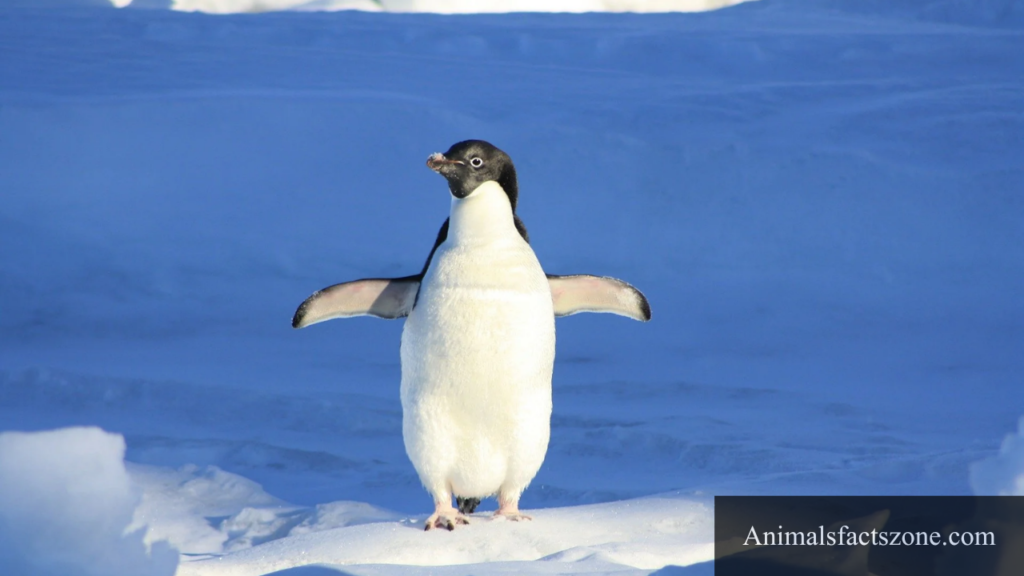
On land, however, these webbed feet take on a different role, providing stability on the slick, icy surfaces where penguins often reside. The webbing helps them maintain balance and navigate the rocky terrain of their breeding grounds. Beyond functionality, there’s an unspoken allure in watching these charming creatures as they move. Their endearing waddle offers a glimpse into their social behavior, showcasing how they interact in colonies, often supporting one another in their quest for survival. This dual functionality of their webbed feet encapsulates the penguin’s remarkable adaptability, allowing them to embody resilience in one of the planet’s harshest climates.
Readmore: Explore Top 18 Animals That Walk On Two Legs.
Final Thoughts
Animals with webbed feet are remarkable adaptations to their environments, showcasing nature’s ingenuity. These unique appendages not only aid in swimming but also enhance mobility in various habitats, from wetlands to oceans. Whether it’s the playful otter or the elegant duck, webbed feet play a vital role in each species’ survival and success. Understanding the evolutionary significance of these features can deepen our appreciation for biodiversity and ecological balance. Let’s continue to explore and protect these fascinating creatures and their habitats.
FAQs
What animals have webbed feet?
Webbed feet are primarily found in aquatic animals, as this adaptation helps them swim more efficiently. Ducks, swans, and geese are classic examples; their webbed feet act like paddles, allowing for smooth movement through the water. Other birds like penguins also possess webbed feet, aiding in diving and swimming. Otters and beavers are well-known examples, using their webbing for swift swimming. Even some reptiles, like certain species of turtles, exhibit this feature.
Can mammals have webbed feet?
Yes, some mammals can and do have webbed feet! One of the most well-known examples is the platypus. This unique creature has webbing between its toes, which helps it swim efficiently in the water while foraging for food. Other mammals with webbed feet include certain types of otters and various species of frogs and rodents.
Is a frog have webbed feet?
Not all frogs have webbed feet, but many species do. Webbing helps them swim efficiently in water, which is essential for their survival as they often live in aquatic or semi-aquatic environments. The webbed toes allow them to paddle and navigate through their habitats with ease.