Explore Top 15 Animals With Long Legs (With Pictures)
Animals with long legs possess remarkable physical traits that enable them to excel in speed and agility, playing crucial roles in their habitats. This article delves into the impressive anatomy of these creatures, examining how their elongated limbs contribute to survival strategies like evasion from predators and efficient movement in diverse terrains. Join us as we uncover the secrets of these long-legged wonders, revealing not just their beauty but also their ecological significance.
List of Animals with Long Legs
Here is the list of animals with long legs:
- Shire Horse
- Giant Sea Spider
- African Elephant
- Ostrich
- Japanese Spider Crab
- Secretary Bird
- Flamingo
- Giant Pacific Octopus
- Red Kangaroo
- Arabian Camel
- Alaskan Moose
- Maned Wolf
- Black-Winged Stilt
- Giraffe
- Gerenuk
Shire Horse
Class: Mammalia
Diet: Herbivore
The Shire horse, renowned for its majestic stature and gentle temperament, commands attention not just for its size but for its impressive leg length, which can reach up to 91 cm. This remarkable height contributes to their striking presence and functional prowess. Originally bred for heavy farm work and as war horses, their long legs afford them the ability to navigate challenging terrains, from muddy fields to rocky paths, making them indispensable in rural landscapes.
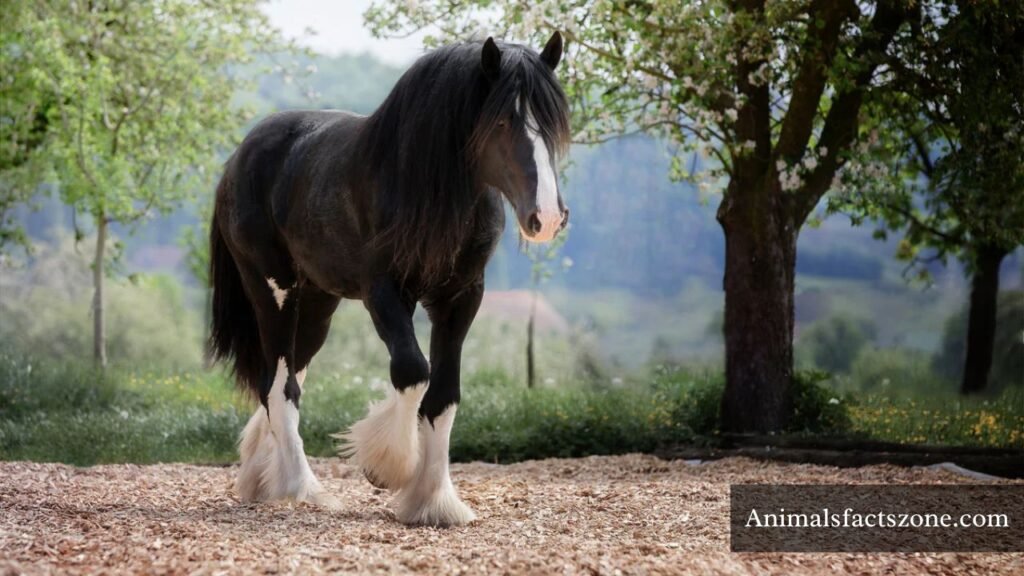
These towering giants embody more than strength; their leg length also enhances their graceful gait, allowing them to move with an elegant ease that belies their bulk. Observing a Shire horse in motion reveals the fluid harmony of power and beauty, a dance facilitated by their long, sturdy legs. In modern contexts, they serve as therapy animals, reminding us that strength isn’t solely about physical capability but also about the gentleness with which one carries that strength. The Shire horse continues to captivate hearts, a beautiful testament to the harmonious blend of utility and grace in the animal kingdom.
Giant Sea Spider
Scientific Name: Colossendeis colossea
Class: Pycnogonida
Diet: Carnivore
The giant sea spider, often overlooked in the marine ecosystem, boasts legs that can stretch an astonishing 100 cm, making it a true marvel of nature. These remarkable arachnids are not technically spiders in the traditional sense but belong to an ancient group of invertebrates known as pycnogonids. Their elongated limbs not only facilitate movement across the ocean floor but also allow them to occupy a significant ecological niche, as they can reach into crevices and crevasses that other creatures cannot.
What’s fascinating is how the giant sea spider’s long legs help in nutrient absorption, as they grasp onto soft-bodied prey like sea anemones and sponges, pulling nutrients directly into their bodies. The sheer length of these limbs provides a unique advantage in a world where camouflage and speed are crucial for survival. With their delicate and intricate designs, they also perform a remarkable dance among corals and kelps, showcasing nature’s artistry in motion. Such adaptations make the giant sea spider a compelling example of evolution’s ingenuity, reminding us of the extraordinary diversity that thrives beneath the waves.
African Elephant
Scientific Name: Loxodonta africana
Class: Mammalia
Diet: Herbivore
The African elephant, known for its majestic presence and impressive leg length of up to 120 cm, is a testament to nature’s design. These long legs not only provide the elephants with stunning stature but also enable them to traverse diverse terrains, from savannas to rugged landscapes. The height assists in reaching leaves high above, giving them an advantage over shorter herbivores and allowing them to thrive in their habitat.
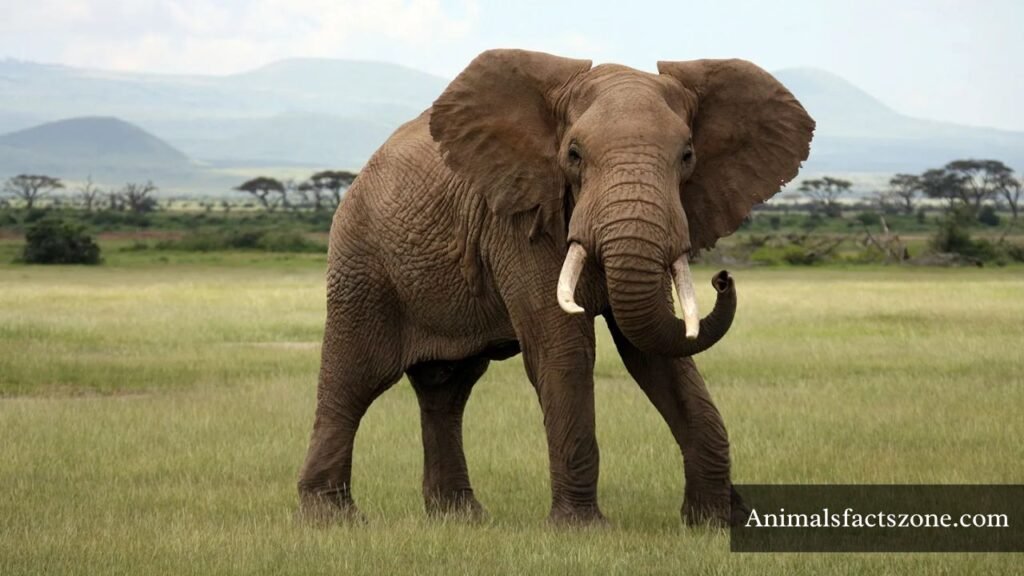
What’s fascinating is how their long legs contribute to their unique social dynamics. Elephants use their height to watch over their herds, keeping a vigilant eye out for predators. This elevated perspective also plays a role in communication; the sounds they make can travel farther thanks to their elevated position, ensuring that family members remain connected even over great distances. Through their long legs, African elephants embody a blend of strength, grace, and intelligence that speaks to the intricate balance of their ecosystem.
Readmore: Explore Top 24 Most Skinny Animals.
Ostrich
Scientific Name: Struthio camelus
Class: Aves
Diet: Omnivore
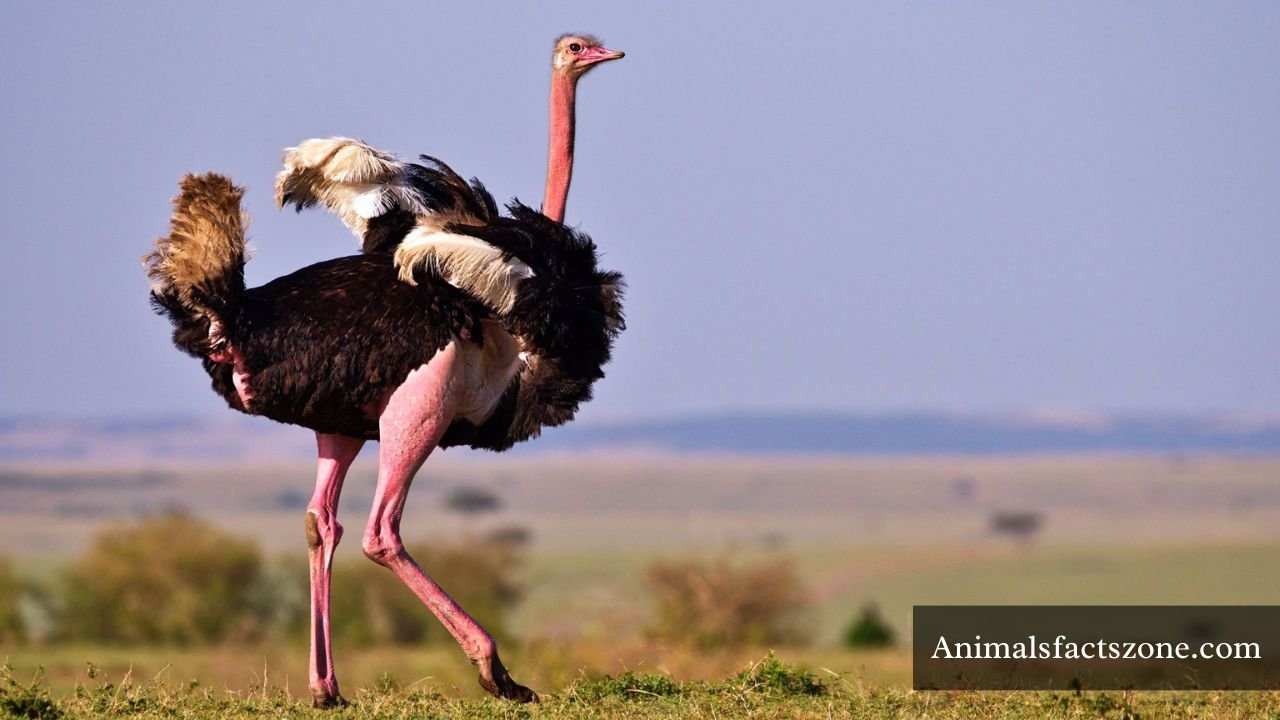
The ostrich, with its impressive leg length of up to 100 cm, is not just the world’s largest bird; it’s a marvel of evolutionary design. These long limbs, which can propel the ostrich at speeds exceeding 70 km/h, serve a dual purpose: they are both tools for swift escape from predators and efficient appendages for navigating the African savannah. It’s fascinating to think about how these towering legs allow the ostrich to maintain a bird’s-eye view of its surroundings, spotting danger long before it becomes a threat.
Moreover, the ostrich uses its remarkable leg length not only for speed but also for unique courtship displays. During mating season, males perform an elaborate dance that showcases their powerful legs, drawing attention with both charm and spectacle. This behavior highlights the interconnection between physical attributes and social interactions within the animal kingdom. The ostrich exemplifies how adaptations we might perceive solely as functional can also play integral roles in communication and attraction among species.
Japanese Spider Crab
Scientific Name: Macrocheira kaempferi
Class: Malacostraca
Diet: Omnivore
The Japanese Spider Crab, known for its astonishing leg length that can reach up to 3.7 meters, is a marvel of nature, blending both beauty and evolutionary adaptation. With such elongated appendages, this crustacean not only navigates the ocean floor with grace but also leverages its impressive reach to defend itself against predators. The spindly legs, equipped with sharp pincers, allow it to create an intimidating presence, signaling to potential threats that this creature is not to be trifled with.
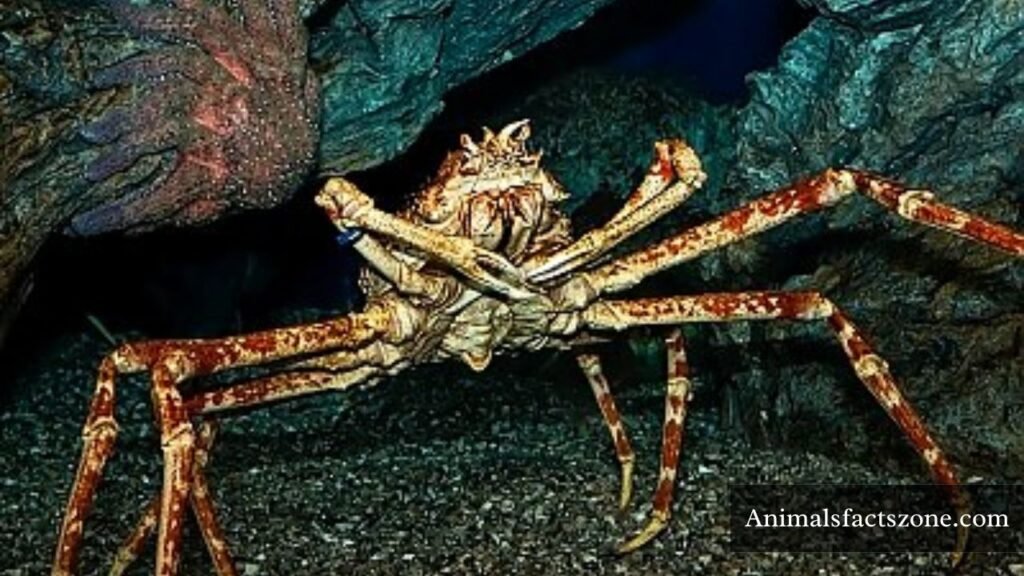
What’s particularly fascinating is how the leg length of the Japanese Spider Crab plays a role in its ecological niche. These crabs can use their long limbs to forage for food in crevices and beneath rocky surfaces, extending their reach far beyond what many other creatures can manage. Their legs facilitate swimming, allowing them to rise into the water column for a faster escape when danger lurks. In this way, their astonishing proportions are not merely for show; they are a vital component of their survival strategy in the dynamic marine ecosystem of the Japanese waters.
Secretary Bird
Scientific Name: Sagittarius serpentarius
Class: Aves
Diet: Herbivore
With its striking appearance, the Secretary Bird stands out as one of nature’s most unusual predators. Known for its elegant, long legs — each measuring around 90 cm — the bird is uniquely adapted for hunting in the African savannas. Its impressive height allows it to elegantly stalk through tall grasses, scanning for prey like snakes and rodents. When the moment strikes, the Secretary Bird employs a distinctive technique: using its powerful legs to deliver lethal kicks, showcasing a combination of grace and raw power that is breathtaking to witness.
Beyond its hunting prowess, the Secretary Bird embodies deeper ecological significance. As a top predator, it plays a crucial role in maintaining the balance of its ecosystem by controlling the population of smaller creatures. This magnificent bird is a symbol of resilience, often navigating the challenges posed by habitat loss and climate change. Observing these birds in their natural habitat invites reflection on the interconnectedness of species and the importance of conservation efforts. The Secretary Bird is not just a striking figure in the wild; it serves as a reminder of the dynamic relationships within our ecosystems.
You can also read: Explore Top 22 Most Docile Animals.
Flamingo
Scientific Name: Phoenicopterus roseus
Class: Aves
Diet: Omnivore
The flamingo, with its striking cerise plumage and uniquely elongated legs, can measure up to 120 cm in leg length, captivating observers with its grace and elegance. These long limbs are not just for show; they are vital tools for wading through shallow waters and scavenging for food. Flamingos are known for their filter-feeding technique, using their specialized beaks to sift through mud and water for crustaceans and algae, which are often vibrant hues due to carotenoids — a phenomenon that leads adults to exhibit their vivid colors.
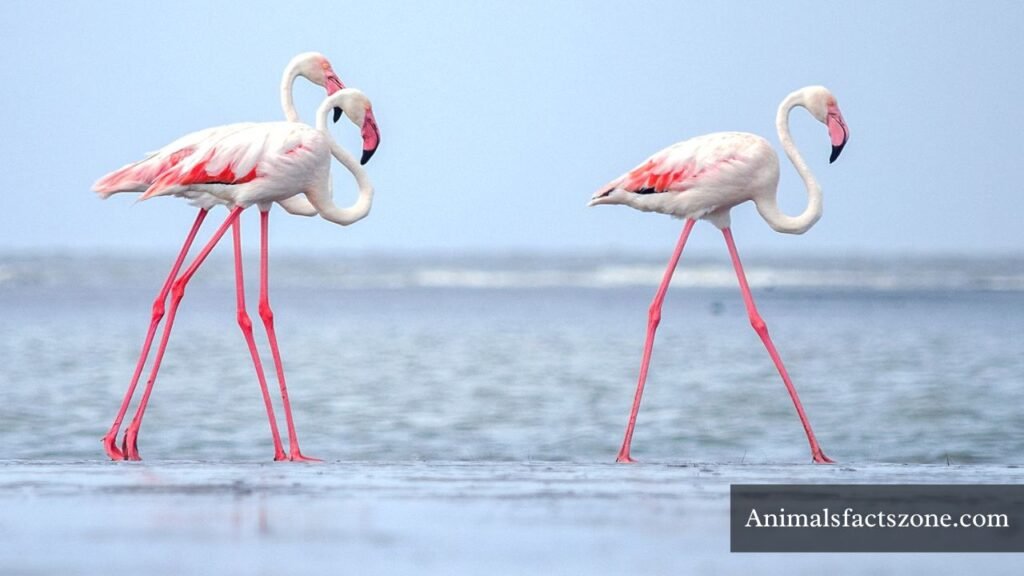
Interestingly, flamingos’ long legs also play a crucial role in thermoregulation. By standing in deeper waters, they can maintain a cooler body temperature during scorching days, effectively balancing their need for food with the necessity of staying cool. Their long-legged silhouette has become an iconic representation of beauty and elegance in nature, often inspiring art and literature. Observing a flock of flamingos wading in unison is a mesmerizing reminder of how evolutions in limb length can adapt a species to thrive in their specific environments.
Giant Pacific Octopus
Scientific Name: Enteroctopus dofleini
Class: Cephalopoda
Diet: Carnivore
The Giant Pacific Octopus, renowned for its impressive leg length, can stretch up to 2 meters when fully expanded, showcasing an incredible adaptability in its underwater environment. This remarkable appendage length, averaging around 1 to 1.5 meters for each arm, allows the octopus to navigate complex seafloor terrains with grace and dexterity. These long, flexible limbs are not just for movement; they are crucial tools for exploration, enabling the octopus to maneuver through crevices, grasp prey, and execute intricate escapes from predators.
Moreover, the Giant Pacific Octopus employs its long legs in a fascinating exhibit of intelligence. Each limb contains a network of neurons, allowing for autonomous actions, meaning the octopus can multitask in the hunt while still keeping a wary eye on potential threats. This unique trait highlights an intriguing aspect of cephalopod evolution: their limbs serve not just as physical extensions but also as vital contributors to their intelligence and survival strategies. In a world where adaptability is key, the combination of intelligent behavior and impressive leg length makes the Giant Pacific Octopus a true marvel of the ocean.
Red Kangaroo
Scientific Name: Osphranter rufus
Class: Mammalia
Diet: Herbivore
The red kangaroo, standing tall with legs that can reach up to 120 cm in length, is a marvel of adaptation in the Australian outback. These powerful limbs are not just for show; they are finely tuned for remarkable agility and endurance. With the ability to travel up to 8 meters in a single bound, the red kangaroo utilizes its long legs to cover vast distances in search of scarce water sources and food. This impressive leaping ability allows them to navigate their arid environment efficiently, showcasing a fascinating blend of power and grace.
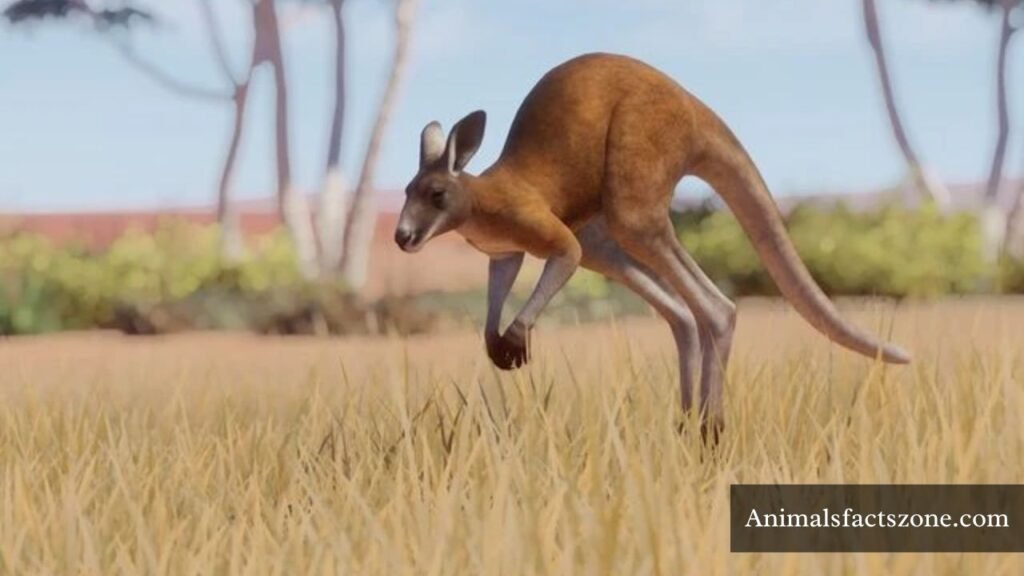
But it’s not just their mobility that captivates; it’s how their long legs are integral to their survival. During the scorching summer months, these majestic creatures can conserve energy and maintain hydration by moving minimally and using their elongated limbs to exploit a wide range of vegetation. Furthermore, their unique muscle structure enables them to hop at speeds of up to 70 km/h, a staggering feat that not only aids in escaping predators but also positions them as one of the most iconic symbols of the wild Australian landscape. The red kangaroo exemplifies how evolution shapes physical traits to enhance survival, offering a stunning glimpse into the intricate balance of nature.
Also read: Explore Top 15 Birds With Long Necks.
Arabian Camel
Scientific Name: Camelus dromedarius
Class: Mammalia
Diet: Herbivore
The Arabian Camel, also known as the dromedary, boasts impressive leg lengths of up to 120 cm, making it a marvel of adaptation in arid landscapes. These elongated limbs allow the camel to traverse the vast deserts of the Arabian Peninsula with grace and efficiency. The design of their legs not only supports their significant body weight but also enables them to maintain stability on soft sands, preventing them from sinking while they wander in search of food and water.
What’s particularly fascinating is how the camel’s long legs are intricately linked to its evolutionary success. Their height offers a strategic advantage, as it allows them to reach higher vegetation and enhances their field of vision, which is crucial for spotting predators and guiding their herds. The elasticity in their joints helps absorb shocks, reducing strain during long treks across the challenging terrain. As these resilient creatures continue to thrive in some of the harshest environments on Earth, the relationship between their leg length and survival is a testament to nature’s ingenuity.
Alaskan Moose
Scientific Name: Alces alces gigas
Class: Mammalia
Diet: Herbivore
The Alaskan moose, with its towering stature and impressive leg length averaging around 100 cm, is a stunning example of nature’s adaptations. These woodland giants, often weighing over 1,200 pounds, have long legs not just for show; they serve crucial functions in their survival. Their elongated limbs allow them to traverse deep snow with grace, giving them an advantage in foraging for food during harsh winter months. Imagine a creature that can effortlessly navigate through snowy landscapes, foraging for tender twigs and aquatic plants hidden beneath layers of ice.
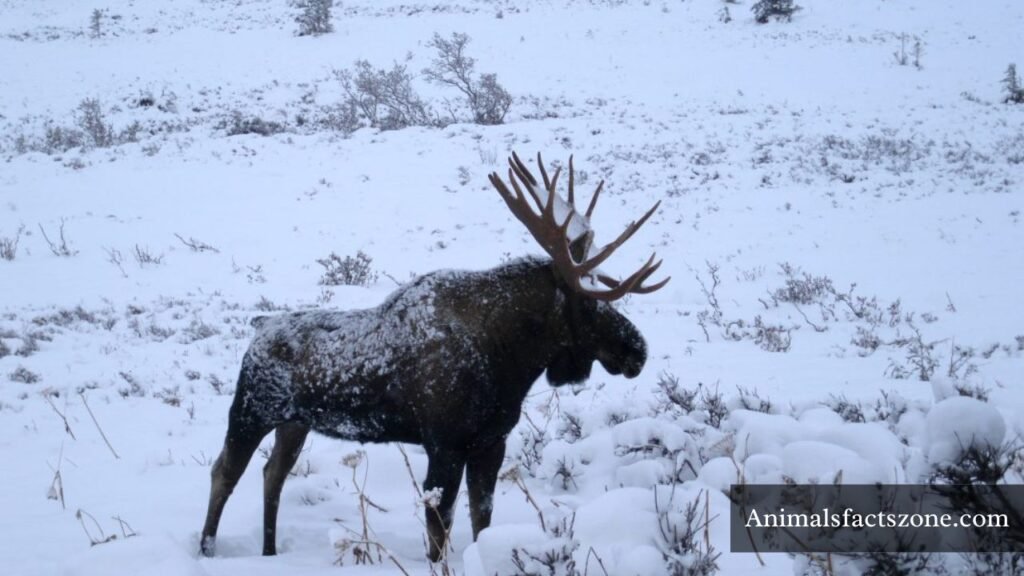
Moose are also surprisingly agile despite their size, able to sprint up to 35 mph when threatened. Their long legs contribute to their speed and provide a unique advantage in escaping predators. Moreover, these magnificent animals are equipped with a special mechanism in their knee joints that allows for greater flexibility and mobility, adding to their adaptability in the Alaskan wilderness.
Maned Wolf
Scientific Name: Chrysocyon brachyurus
Class: Mammalia
Diet: Omnivore
The Maned Wolf, a unique canid native to South America, boasts an impressive leg length of up to 90 cm, making it one of the tallest wild canines. This extraordinary limb length allows the Maned Wolf to navigate the tall grasses of the Brazilian savannas and pampas with remarkable ease. Unlike its more traditional relatives, this striking creature has a slender build and long, elegant legs that not only enhance its speed but also help it spot prey from a distance.
What truly sets the Maned Wolf apart is how it has adapted to its environment. Its elongated legs serve a purpose beyond mere height; they elevate the wolf above the dense foliage, giving it a distinct advantage in scanning for food, such as small mammals and fruit. Interestingly, their long legs also contribute to their distinctive gait, which can appear almost graceful as they trot across the plains. This adaptation is vital, allowing them to thrive in a habitat where visibility and agility are key to survival. In that sense, their long limbs are more than just a physical trait; they symbolize a harmonious relationship between form and function in the wild.
Readmore: Explore Top 19 Most Muscular Animals in the World.
Black-Winged Stilt
Scientific Name: Himantopus himantopus
Class: Aves
Diet: Carnivore
The Black-Winged Stilt, with its striking long legs measuring up to 30 cm, is a true marvel of avian elegance. This bird’s slender frame allows it to wade gracefully in shallow waters, where it expertly forages for insects and crustaceans. Often seen in large, noisy colonies, the stilt’s social dynamics are fascinating; their vocalizations serve not just as calls but as a means of establishing territory and coordinating nesting efforts.
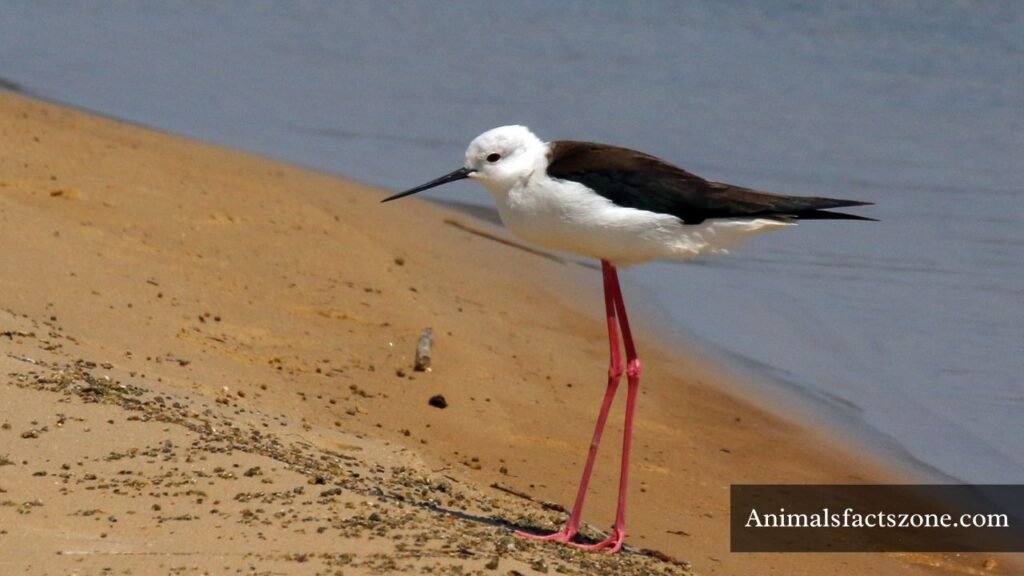
Their glossy black wings create a stunning contrast against the white body, making them an eye-catching presence along lakes and marshes. Beyond their aesthetic appeal, these birds play a crucial role in their ecosystems by controlling insect populations. Furthermore, observing their courtship displays, with males showcasing their plumage and intricate movements, reveals deeper layers of social interaction and mating strategies that merit further research. The Black-Winged Stilt isn’t just a bird; it’s a testament to evolution’s artistry and the delicate balance of wetlands’ ecosystems.
Giraffe
Scientific Name: Giraffa camelopardalis
Class: Mammalia
Diet: Herbivore
The giraffe, towering as the world’s tallest land animal, is an extraordinary example of evolution’s creativity, with legs that can reach lengths of up to 18 feet. This remarkable height not only allows them to graze on leaves high above the ground but also provides a unique vantage point from which to spot predators. The giraffe’s legs, paired with its elongated neck, create a striking silhouette, often regarded as an emblem of the African savanna.
Interestingly, the giraffe’s long legs also play a crucial role in their social interactions. While they may seem clumsy, these majestic creatures have adapted their movement and posture to maintain balance and grace. When running, they can reach speeds of up to 60 km/h, a feat made possible by their long, powerful legs. Moreover, their unique locomotion, known as “pacing,” allows them to move both legs on one side of their body and then the other, presenting a fluid and mesmerizing motion that captivates observers. Overall, the giraffe embodies not just height, but also a sophisticated harmony between form and function.
Gerenuk
Scientific Name: Litocranius walleri
Class: Mammalia
Diet: Herbivore
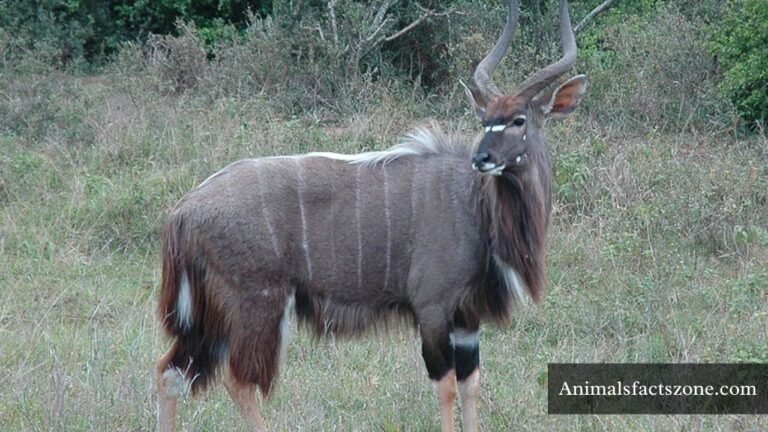
The gerenuk, with its strikingly elongated limbs and graceful posture, stands out among antelope species. Adult gerenuks typically measure about 90 to 100 cm in shoulder height, with their legs adding an impressive length that enhances their ability to browse on vegetation otherwise out of reach for smaller herbivores. This adaptation not only sets them apart visually but also demonstrates their evolution in the arid savannas of East Africa, specifically designed to thrive in environments where competition for food can be fierce.
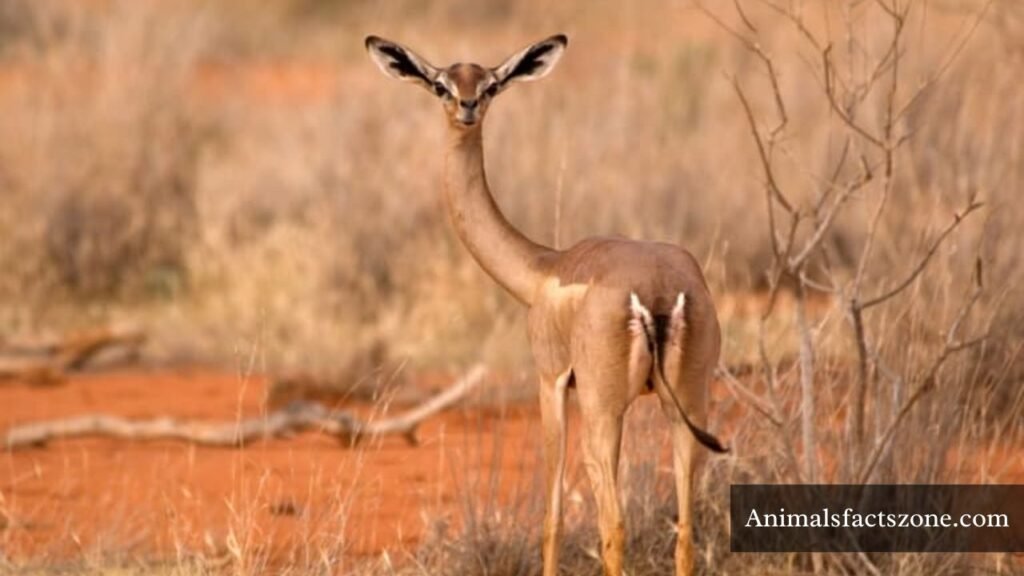
Another fascinating aspect of the gerenuk is its unique browsing behavior. Unlike many other antelopes, these slender creatures are adept at rearing up on their hind legs to access leaves and twigs. It’s a remarkable sight, as they stretch their necks and elevate their bodies to maximize foraging. This not only showcases their incredible flexibility and strength but also highlights their niche role in the ecosystem.
Readmore: Explore Top 23 Animals with Long Tails.
Final Thoughts
Animals with long legs have evolved these unique adaptations for a variety of reasons, from enhancing their running speed to improving their ability to forage in tall grass. Species such as the giraffe and the ostrich exemplify how long legs confer advantages in their respective habitats, whether it’s for reaching high foliage or covering vast distances efficiently. These adaptations can also be observed in different ecosystems, illustrating the incredible diversity of life on our planet. As we continue to study these fascinating creatures, we gain a better understanding of the complex interplay between physical traits and survival strategies. Let us appreciate the wonders of nature and consider how we can protect these animals and their habitats for future generations.
FAQs
What animal has the longest legs?
The animal with the longest legs is the giraffe. These majestic creatures can have legs that measure up to six feet long! Their long legs help them run quickly in the wild and reach high branches for food.
What animals have long legs?
Many animals are noted for their long legs, primarily those adapted for speed and height. For instance, the giraffe stands out with its extremely long legs, allowing it to reach high foliage and run swiftly when necessary. Similarly, the ostrich boasts long legs designed for rapid movement, making it one of the fastest birds on land. Other examples include kangaroos, which use their long hind legs for powerful jumps, and certain species of wading birds, like herons, that have long legs suited for stalking prey in shallow water. These adaptations help them thrive in their respective environments, whether for reaching food or evading predators.