Top 20 Scavenger Birds in The World (With Pictures)
From the majestic vultures soaring high above to the resilient ravens scrounging on the ground, these remarkable creatures contribute to environmental health in ways many people overlook. In this article, we’ll explore the fascinating world of scavenger birds, their ecological importance, and the challenges they face today. By understanding these avian clean-up crews, you’ll gain a deeper appreciation for their roles and the need to protect them.
List of Scavenger Birds in The World
Below is the list of birds that are scavenger:
| Number of Birds | Names of Scavenger Birds |
| 1 | Andean Condor |
| 2 | Turkey Vulture |
| 3 | Griffon Vulture |
| 4 | Crested Caracara |
| 5 | Lappet-faced Vulture |
| 6 | Himalayan Griffon |
| 7 | Eurasian Jackdaw |
| 8 | Egyptian Vulture |
| 9 | Black Vulture |
| 10 | Marabou Stork |
| 11 | White-backed Vulture |
| 12 | Common Raven |
| 13 | King Vulture |
| 14 | Bearded Vulture |
| 15 | Northern Giant Petrel |
| 16 | Red Kite |
| 17 | Rüppell’s Vulture |
| 18 | Bald Eagle |
| 19 | Herring Gull |
| 20 | Carrion Crow |
Andean Condor
Scientific Name: Vultur gryphus
The Andean Condor, one of the largest flying birds in the world, epitomizes the rugged beauty of the South American Andes. With a wingspan that can reach up to 10 feet, these magnificent scavengers glide gracefully on thermal updrafts, showcasing an effortless prowess that seems almost dreamlike. Their immense size belies a delicate ecological balance; these birds play a crucial role in their environment by cleaning up carrion and preventing the spread of disease. Observing them in flight, one might notice how they masterfully navigate their rocky terrain, illustrating their adaptation to an environment that is as unforgiving as it is breathtaking.
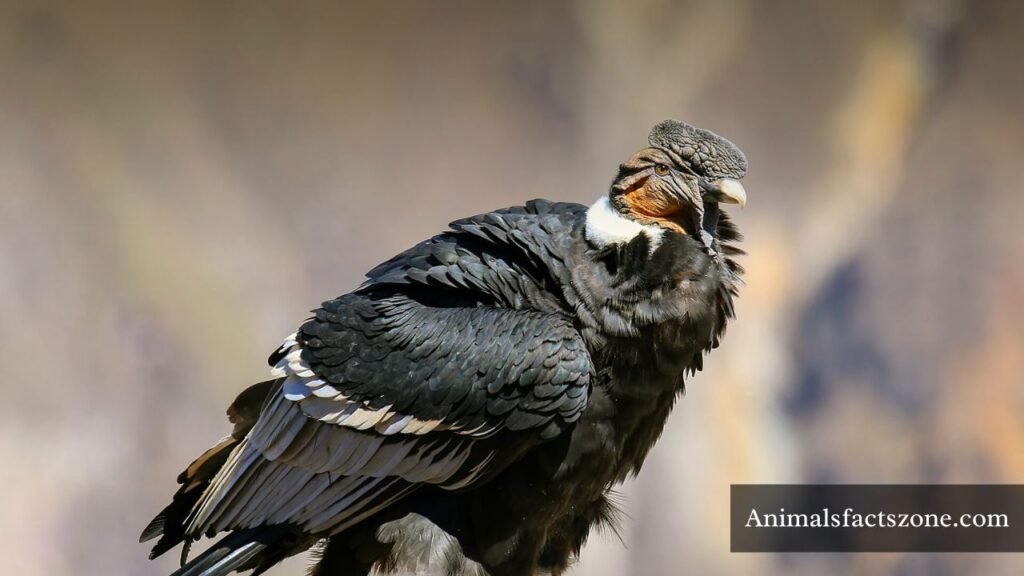
While many associate scavengers solely with decay, the Andean Condor embodies a deeper narrative of interdependence within nature. Their striking black and white plumage, marked by the majestic white collar of the mature birds, serves not only as a visual spectacle but also as a reminder of the delicate ecosystems they inhabit. Unfortunately, their populations face threats from habitat loss and poisoning, prompting conservation efforts that emphasize the intricate connection between culture and ecology in Andean regions.
Turkey Vulture
Scientific Name: Cathartes aura
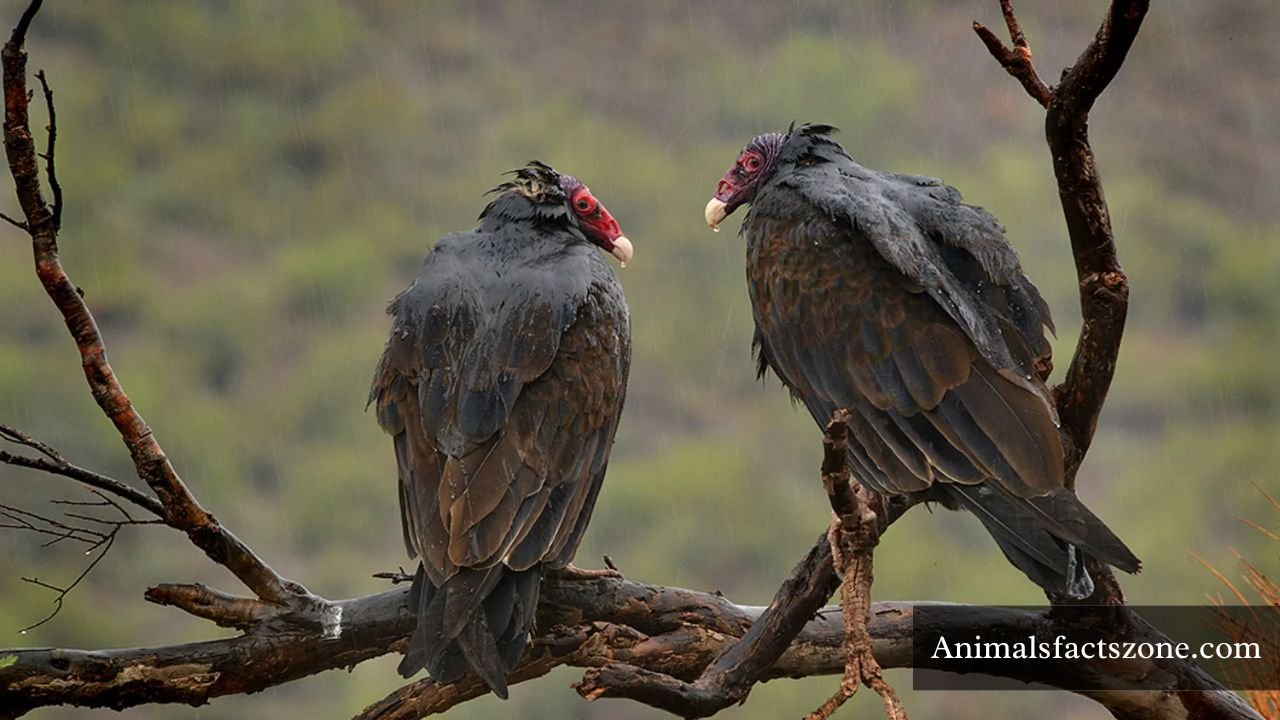
Turkey vultures, with their iconic wingspan and keen sense of smell, play a crucial role in our ecosystem as nature’s clean-up crew. Unlike many scavengers, they possess a unique anatomical feature that allows them to detect the scent of decaying flesh from over a mile away, making them master foragers in the wild. This ability not only showcases their evolutionary adaptation but also highlights their environmental contribution — reducing the spread of disease by consuming carrion that would otherwise pose health risks.
Often misunderstood for their appearance, turkey vultures are surprisingly graceful flyers. They are known for their soaring, gliding flight as they ride thermal updrafts, conserving energy while scanning the ground below. Observing them in flight can evoke a sense of awe; their presence signals that the ecosystem is balanced, as they fill in a crucial ecological niche.
Griffon Vulture
Scientific Name: Gyps fulvus
Griffon vultures, with their impressive wingspans reaching up to 10 feet, are not just iconic scavengers; they are essential to their ecosystems. These majestic birds possess an incredible sense of sight, allowing them to detect carcasses from great heights, sometimes up to 10 miles away. This keen vision is complemented by their impressive social structure, often seen soaring in groups, communicating through a series of calls and body language that reinforces their communal living and foraging strategies.
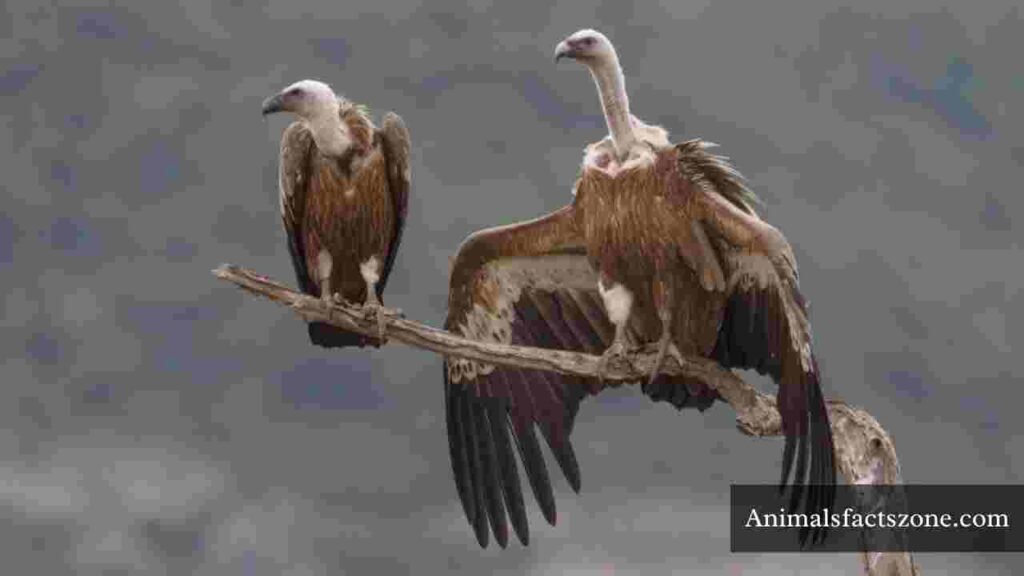
Moreover, the Griffon vulture plays a crucial role in maintaining environmental health. By consuming dead animals, they prevent the spread of disease and recycle nutrients back into the ecosystem. This natural process exemplifies a fascinating aspect of nature’s balance, showcasing how interconnected life can be and emphasizing the significance of scavengers in a world that often values the more glamorous species. Despite facing threats from habitat loss and poisoning, conservation efforts are gaining ground, championing the Griffon vulture as a symbol of resilience in the face of modern challenges, reminding us that every creature has its place in the intricate tapestry of life.
Crested Caracara
Scientific Name: Caracara plancus
The Crested Caracara, often dubbed the “Mexican Eagle,” is not just an ordinary scavenger bird; it’s a masterclass in adaptability and opportunism. Unlike many raptors that soar high in search of prey, the Crested Caracara can frequently be spotted strutting across open fields, showcasing its striking black and white plumage alongside the iconic crest that gives it its name. This bird is fascinating for its unique feeding behavior, often foraging alongside roadways, where it’ll snatch up carrion with an unparalleled confidence, proving that survival often comes from the most unexpected sources.
What truly sets the Crested Caracara apart, however, is its intelligence and social structure. These birds are often seen in small groups, engaging in cooperative feeding strategies that underscore their cleverness. They use their keen eyesight not only to locate food but also to exploit the actions of other birds, swooping in once a larger raptor has made a kill. In this way, the Crested Caracara exemplifies the intersection of smarts and resourcefulness, reminding us that in the wild, success is often about survival strategies as much as it is about brute strength.
Lappet-faced Vulture
Scientific Name: Torgos tracheliotos
The Lappet-faced Vulture, with its striking appearance and impressive wingspan, plays a crucial yet often overlooked role in the ecosystem. Unlike many birds of prey that hunt for live animals, this scavenger’s specialty lies in consuming carcasses, making it a key player in waste management in African landscapes. Its large, robust beak is perfectly designed to tear through tough hides and access nutrient-rich entrails, contributing to the health of the environment by preventing disease spread and fostering nutrient cycling.
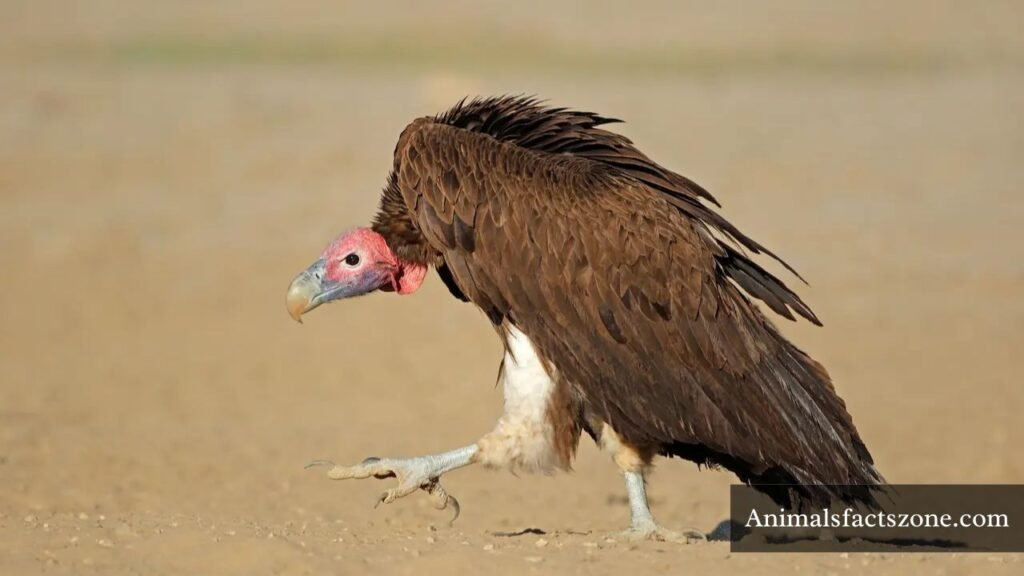
What’s particularly fascinating about these birds is their social behavior. Lappet-faced Vultures often engage in cooperative feeding, where they share the spoils of a kill with other scavengers, but they are also known for their assertiveness, often claiming their territory and food from smaller birds. Their distinctive lappet flaps on the face not only give them a unique aesthetic but also serve a practical purpose: they help keep their faces clean while they feed, an essential adaptation for a bird whose lifestyle revolves around carrion.
Yet, these magnificent birds face significant threats from habitat loss and poisoning. Conservation efforts are crucial, as the decline of vulture populations can have cascading effects on the ecosystem, from increasing disease rates to disrupting the balance needed for healthy scavenger communities.
Himalayan Griffon
Scientific Name: Gyps himalayensis
The Himalayan Griffon, a majestic scavenger bird, embodies the rugged spirit of the high-altitude landscapes of the Himalayas. With its impressive wingspan stretching over ten feet, this bird is not just a testament to nature’s design but also an ecological powerhouse. As they soar gracefully through the thin mountain air, their keen eyesight allows them to spot carrion from miles away, ensuring that they play a vital role in maintaining the balance of their ecosystem.
What’s particularly fascinating about the Himalayan Griffon is its social behavior. They often gather in large groups around a carcass, where their complex hierarchy comes to life. Observing their interactions offers insights into the nuanced dynamics of scavenger relationships. These birds also face challenges from habitat loss and climate change, provoking discussions about the fragility of high-altitude ecosystems. By understanding and protecting the Himalayan Griffon, we not only preserve a remarkable species but also safeguard the intricate web of life that sustains these breathtaking landscapes.
Eurasian Jackdaw
Scientific Name: Coloeus monedula
Renowned for their striking metallic plumage and piercing gaze, Eurasian Jackdaws are more than just scavengers; they are intelligent foragers that reveal the marvels of avian problem-solving. Their ability to adapt to changing environments is extraordinary. In urban landscapes, these birds have mastered the art of social learning, watching and imitating their peers to navigate the complexities of human-made habitats. This phenomenon not only showcases their cognitive prowess but also deepens our understanding of animal behavior.
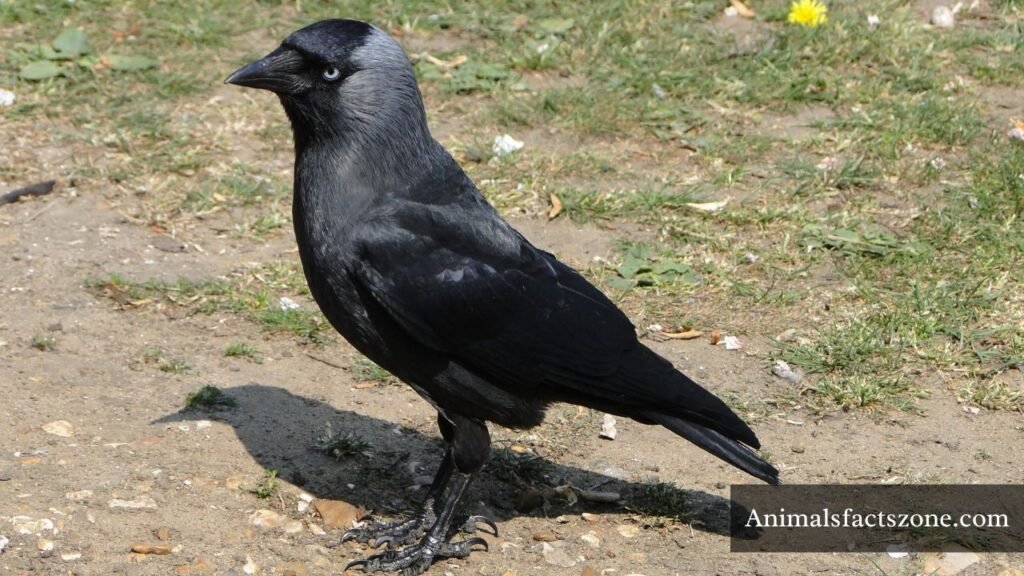
In addition to their scavenging skills, Eurasian Jackdaws are known for their strong social bonds. Their vocalizations, a blend of cawing sounds, serve as a sophisticated communication system that fosters cooperation. Observing them foraging in groups highlights a remarkable dynamic where individual actions contribute to the survival of the flock. This social structure not only aids in finding food but also provides clues about the intricate relationships within bird communities, challenging traditional views on competition in nature.
Egyptian Vulture
Scientific Name: Neophron percnopterus
The Egyptian Vulture, a striking scavenger bird, is often overlooked in the grand narratives of wildlife. With its distinctive yellow face and striking white plumage, it stands out in the arid landscapes of North Africa and parts of Southern Europe and Asia. Unlike its more infamous relatives like the griffon vulture, the Egyptian Vulture possesses a unique adaptability that catches the eye of researchers. Known for its problem-solving skills, this bird has been observed using tools, such as throwing stones to crack open ostrich eggs, showcasing a remarkable level of intelligence.
Interestingly, these vultures play a crucial role in their ecosystems. Their scavenging keeps the environment clean by consuming carrion, which helps inhibit the spread of disease. However, their populations face threats from habitat loss, poisoning, and hunting. Conservationists are now focusing on the Egyptian Vulture, considering it a vital indicator species; its health reflects the overall state of its ecosystem.
Black Vulture
Scientific Name: Coragyps atratus
The Black Vulture, often maligned for its scavenging reputation, plays a crucial role in maintaining ecological balance. These impressive birds possess an exceptional sense of smell, enabling them to locate decomposing carcasses that other scavengers might overlook. While many birds of prey rely solely on sight, the Black Vulture’s olfactory prowess allows it to thrive in varied environments, from urban landscapes to expansive rural settings, showcasing its adaptability.
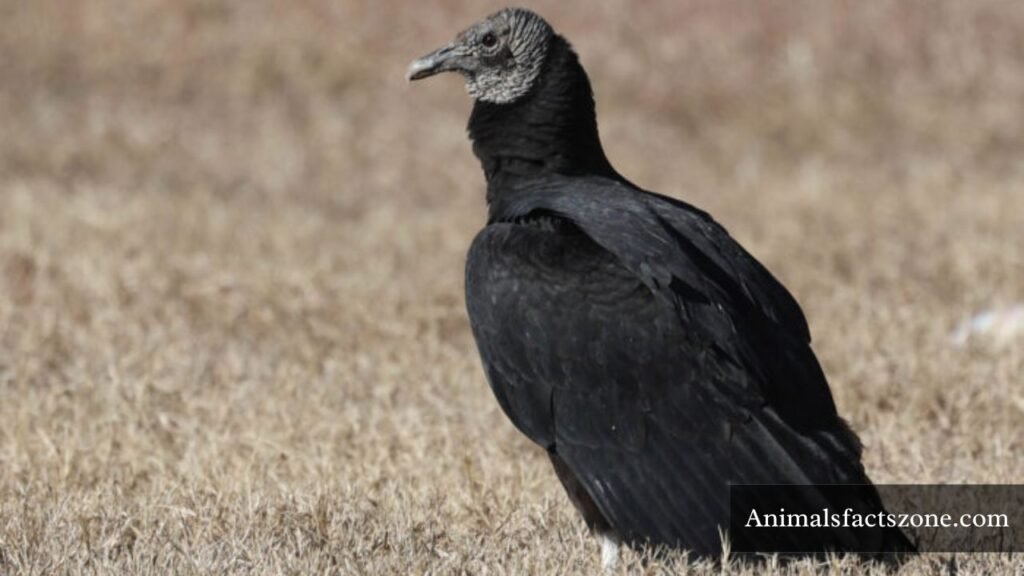
Beyond their scavenging habits, Black Vultures are social creatures, often seen soaring in flocks that communicate through a series of vocalizations and body language. This social structure not only improves their foraging efficiency but also ensures the survival of younger members by teaching them vital skills. Observing these birds can reveal complex interactions that mirror elements of human social dynamics, as they work together to find food and navigate the challenges of their environment.
Marabou Stork
Scientific Name: Leptoptilos crumenifer
The marabou stork, often overshadowed by its more glamorous avian relatives, has a vital role in the ecosystem as a scavenger. Characterized by its long legs and impressive wingspan, this bird boasts a unique adaptability that allows it to thrive in urban areas and rural landscapes alike. While its appearance may evoke mixed feelings — some find it majestic, others deem it grotesque — there’s an undeniable charm in its resilience and societal importance.
What sets the marabou stork apart is its remarkable hunting strategy; it effortlessly follows predators like lions and hyenas, waiting patiently to claim any leftovers. This opportunistic behavior not only showcases its survival skills but also maintains the balance of its habitat by cleaning up carrion that could otherwise spread disease. Surprisingly, these birds are also known for their social structures, often gathering in large, raucous colonies that foster community and cooperation, ensuring that everyone gets a share of the feast.
White-backed Vulture
Scientific Name: Gyps africanus
The White-backed Vulture, often seen soaring effortlessly across the African savannah, is a vital player in the ecosystem, acting as nature’s clean-up crew. With their distinctive white feathers on the back contrasting against a dark plumage, these majestic birds are not only remarkable for their appearance but also for their crucial role in maintaining environmental balance. Unlike many predators, they feast on carcasses, preventing the spread of disease and allowing nutrients to return to the soil, showcasing a fascinating example of how nature cleverly utilizes every creature.
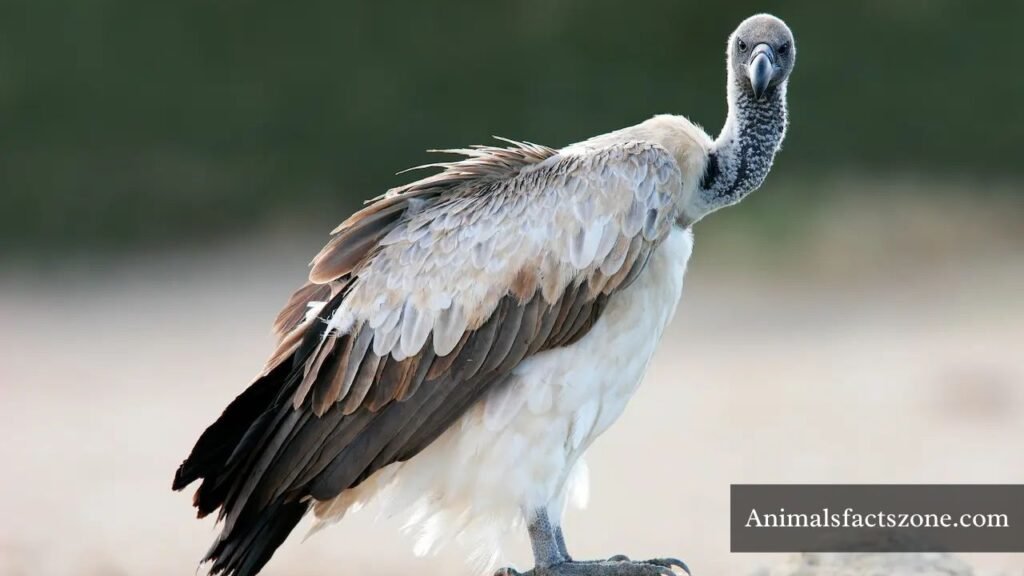
In recent years, however, the plight of the White-backed Vulture has underscored the fragility of ecosystems. They face significant threats from habitat destruction, poisoning, and poaching, leading to alarming declines in their populations. This decline prompts an urgent call to action, highlighting the interconnectedness of wildlife conservation and human health. By safeguarding these scavengers, we not only help an iconic species but also protect landscapes rich in biodiversity. Their presence signals a healthy environment, echoing the profound truth that the loss of one species can ripple through the entire fabric of nature.
Common Raven
Scientific Name: Corvus corax
The common raven, with its glossy black plumage and piercing intellect, often evades the stereotypes associated with scavenger birds. While many see them merely as opportunistic feeders, ravens display a remarkable adaptability that highlights their survival genius. Their ability to thrive in diverse environments, from dense forests to arid deserts, showcases not just their scavenging prowess but also their innovative problem-solving skills, often remembered as one of the most intelligent avian species.
Recent studies have revealed that ravens are not only scavengers but also strategic collaborators, engaging in intricate social dynamics to enhance their foraging success. They can learn from one another, signaling a level of social intelligence that rivals even primates. Observations of raven behavior illustrate their capacity for planning and foresight, such as hiding food in one location while watching for potential thieves. This multifaceted approach to survival not only underscores their adaptability but also highlights their role as keystone species in ecosystems, facilitating scavenging and nutrient cycling.
Moreover, the common raven’s vocal repertoire, ranging from melodic calls to eerie caws, is a testament to its complex communication skills. These vocalizations are not mere sounds but carry nuanced meanings, allowing ravens to convey information about food sources, threats, or social interactions with remarkable precision. This intricate interplay of behavior, adaptability, and communication enriches our understanding of these birds, inviting us to reconsider their place in nature — not just as scavengers but as intelligent, social beings that continuously adapt and thrive.
King Vulture
Scientific Name: Sarcoramphus papa
In the realm of scavenger birds, the King Vulture stands out with its striking appearance and essential ecological role. Sporting a vibrant array of colors — rich oranges, yellows, and deep blacks — this bird is more than just a feast for the eyes; it plays a vital role in maintaining the health of its environment. Found primarily in the tropical forests of Central and South America, the King Vulture thrives where decay and renewal dance closely together, efficiently recycling nutrients back into the ecosystem.
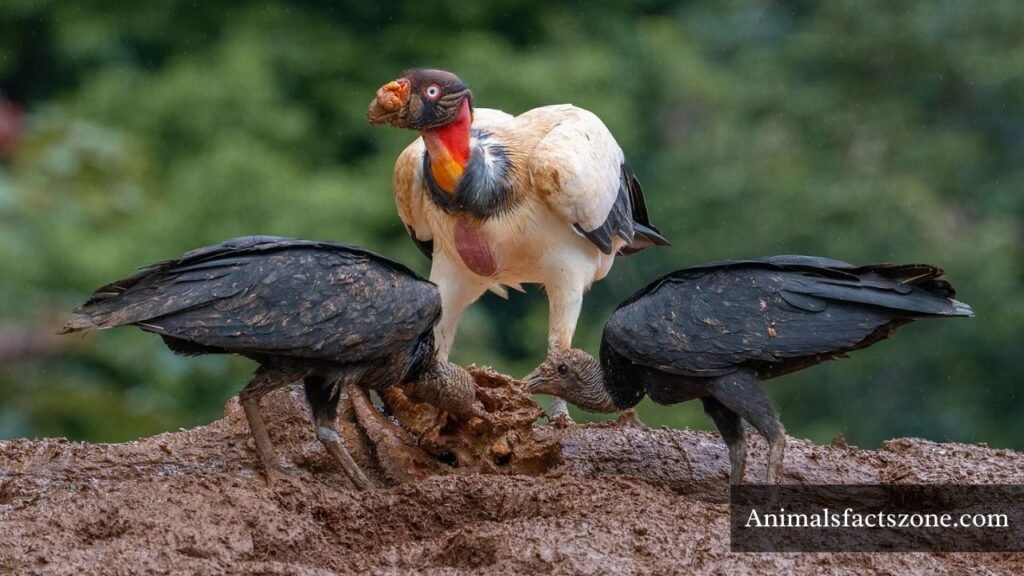
What truly sets the King Vulture apart is its extraordinary sense of smell, which rivals that of many mammals, enabling it to locate decaying carcasses from miles away. This skill not only helps it tap into a resource that few other birds can find, but it also ensures that the remnants of dead animals contribute to a cycle of life rather than rot in isolation. Furthermore, the King Vulture often finds itself in the company of other scavengers, including eagles and smaller vultures, demonstrating a unique social dynamic that underscores cooperation in the wild.
Bearded Vulture
Scientific Name: Gypaetus barbatus
The Bearded Vulture, or Lammergeier, is a unique scavenger bird that stands out not just for its impressive wingspan but for its extraordinary feeding habits. Unlike many other vultures, which primarily consume carrion, the Bearded Vulture’s diet revolves around bones. They have evolved a fascinating technique: soaring high above the mountains, they drop large bones onto rocky surfaces to shatter them, then consume the nutritious marrow inside. This distinct behavior showcases not only their intelligence but also their intimate connection to the rugged landscapes they inhabit.
What truly captivates the imagination is their striking appearance. Their juvenile plumage is pale, but as they mature, they develop the iconic dark reddish-brown feathers complemented by a distinctive beard-like tuft of feathers beneath their beak. This striking coloration isn’t just for show; it plays a role in camouflage against the rocky cliffs. Bearded Vultures are known for their elaborate courtship rituals, which include aerial dances and pair-bonding behaviors that highlight their strong social structures.
Northern Giant Petrel
Scientific Name: Macronectes halli
The Northern Giant Petrel, often overshadowed by its more glamorous seabird relatives, is a remarkable testament to nature’s resilience and adaptability. With a wingspan of up to six feet, these formidable scavengers glide effortlessly over the tumultuous Southern Ocean, showcasing an incredible mastery of wind currents. Despite their somewhat ungainly appearance on land, where their long neck and heavy bill seem out of place, these birds are exquisitely adapted for life at sea, perfectly equipped for the marine buffet of carrion that they regularly patronize.
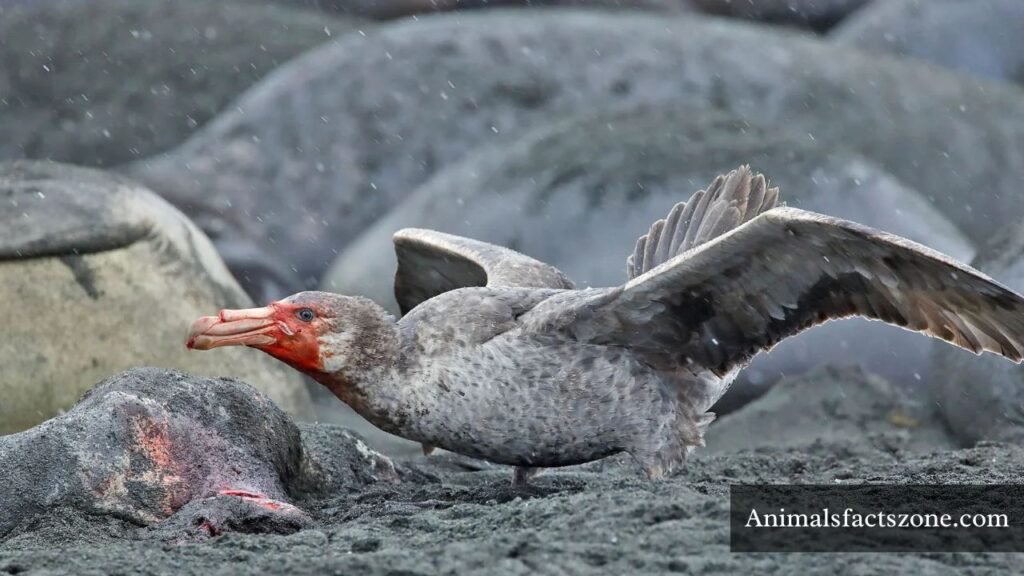
What makes the Northern Giant Petrel particularly fascinating is its role in the ecosystem as a cleanup crew. By feasting on the remains of seals, fish, and even whale carcasses, they help maintain the delicate balance of their environment. Their unique feeding habits not only reduce the risk of disease spread from decomposing bodies but also illustrate the interconnectedness of oceanic life.
Red Kite
Scientific Name: Milvus milvus
The Red Kite, with its striking forked tail and impressive wingspan, is more than just a beautiful bird gliding gracefully over the landscape; it serves as a crucial environmental asterisk. Unlike typical scavengers that rely solely on carrion, these raptors exhibit a versatile diet that includes small mammals and invertebrates. Their keen eyesight allows them to spot food from remarkable heights, giving them an advantage in both hunting and scavenging. Often seen soaring in pairs, their aerial acrobatics not only highlight their dexterity but also establish a sense of partnership in their foraging methods.
Beyond their foraging prowess, Red Kites play an essential role in maintaining ecological balance. By consuming dead animals, they prevent the spread of disease, acting as nature’s clean-up crew. Their presence is also indicative of a healthy environment, signaling biodiversity and a stable ecosystem.
Rüppell’s Vulture
Scientific Name: Gyps rueppelli
Rüppell’s Vulture, soaring gracefully at altitudes up to 37,000 feet, holds the title for the highest-flying bird in the world. This remarkable scavenger has adapted to life in the rugged terrains of the African savanna, using its keen eyesight to spot carrion from great distances. Unlike many birds, Rüppell’s Vulture thrives in a unique niche; it plays an essential role in the ecosystem by consuming dead animals, thereby preventing the spread of disease.
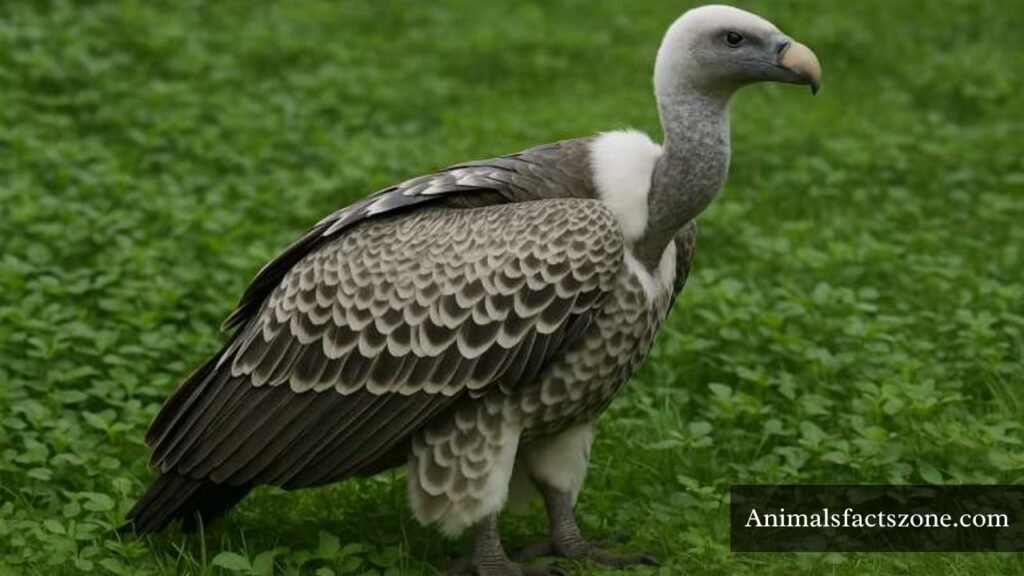
These vultures are not just remarkable scavengers; they also showcase fascinating social behaviors. Often seen in large flocks, Rüppell’s Vulture participates in a dramatic communal feeding ritual, where their hierarchy is established through displays of dominance and negotiation. Despite their critical ecological role, they face increasingly dire threats from habitat loss and poisoning, emphasizing the urgent need for conservation efforts.
Bald Eagle
Scientific Name: Haliaeetus leucocephalus
The bald eagle, a symbol of strength and resilience, possesses an intriguing duality in its behavior that often surprises those who view it solely as a majestic predator. While it is celebrated for its hunting prowess, the bald eagle also plays the role of a scavenger, showcasing nature’s intricate balance. These birds often capitalize on the hard work of other predators, following them to feast on leftover carcasses. This scavenging behavior not only highlights their adaptability but also underscores their critical ecological role in the food chain.
Observation of bald eagles reveals a fascinating dynamic in their social behavior, especially when it comes to feeding. They are known to exhibit a remarkable intelligence; for instance, a solitary eagle might soar overhead, assessing whether another raptor has made a kill before swooping down to claim a share. This opportunistic feeding strategy showcases their resourcefulness, adapting to the availability of food in their environment. Moreover, witnessing a bald eagle engage in spirited aerial dances with its kin over a recently found meal reveals intricate social interactions, blending competition with community.
Herring Gull
Scientific Name: Larus argentatus
Herring gulls, often dismissed as mere scavengers, possess a remarkable adaptability that belies their reputation. Found thriving along coastlines and urban areas alike, these intelligent birds have honed their foraging skills, displaying a keen ability to exploit human waste and natural resources alike. Their opportunistic feeding habits serve as a stark reminder of nature’s resilience amidst environmental change.
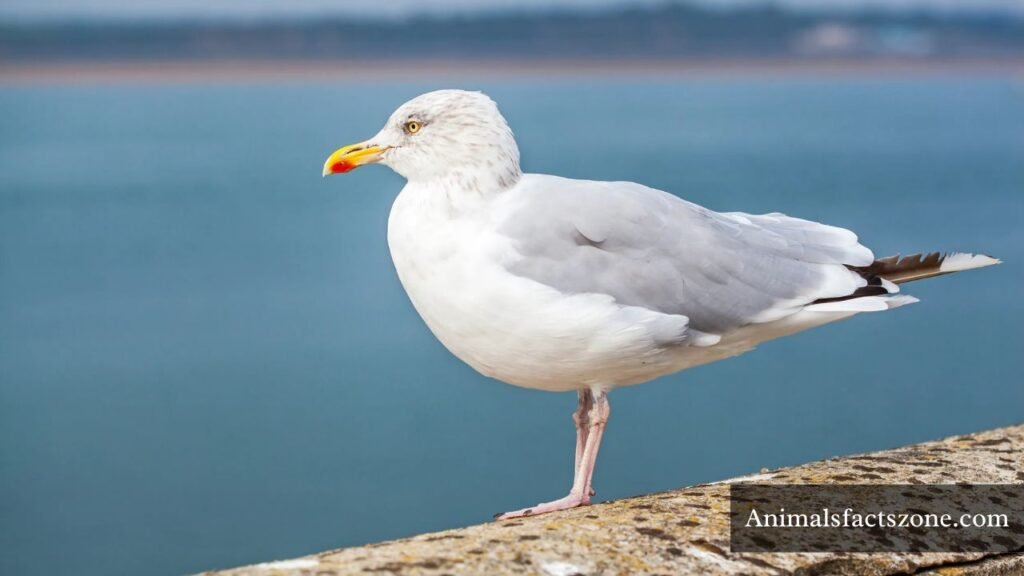
Beyond their scavenging prowess, herring gulls exhibit complex social behaviors that offer a glimpse into their avian society. They communicate through a sophisticated array of vocalizations and body language, forming bonds that aid in survival. Observing their interactions reveals a hierarchy that is both intricate and dynamic, showcasing their unique personalities and problem-solving capabilities.
Carrion Crow
Scientific Name: Corvus corone
These intelligent scavengers are nature’s cleanup crew, actively contributing to the health of their habitats by consuming carrion, which prevents the spread of disease. Their keen senses and adaptability allow them to thrive in diverse environments, from urban landscapes to remote woodlands, where they deftly navigate human activity and natural obstacles alike.
Beyond their scavenging prowess, carrion crows possess remarkable social intelligence. They are known to engage in complex problem-solving and exhibit behaviors like tool use, further demonstrating their cognitive capabilities. Observing a group of crows can reveal a rich social structure, with individuals forming alliances and exhibiting communication skills that many other birds lack.
Readmore: Explore Top 25 Most Quiet Animals (With Pictures).
Final Thoughts
Scavenger birds play a crucial role in maintaining the balance of our ecosystems by efficiently cleaning up waste and decaying matter. From vultures to crows, these remarkable avian species are perfectly adapted to thrive in diverse environments. Their unique feeding habits not only prevent the spread of disease but also contribute to nutrient cycling within ecosystems. As we continue to encroach on their habitats, it’s essential to recognize their importance and protect these vital creatures. Let’s commit to preserving their environments and ensuring that scavenger birds continue to thrive in the wild.
FAQs
Which bird is known as a scavenger?
The bird most commonly recognized as a scavenger is the vulture. These birds are highly specialized for a scavenging lifestyle, primarily feeding on the remains of dead animals. Their keen eyesight allows them to spot carcasses from great heights, making them efficient scavengers in various ecosystems.
What is the largest scavenger bird?
The largest scavenger bird is the Andean condor. With a wingspan that can exceed 10 feet, it’s one of the heaviest flying birds in the world. These majestic birds are native to the Andes Mountains and are known for gliding effortlessly at high altitudes.