

Interesting Facts: Why do Foxes Laugh?
Have you ever heard a fox’s laugh echoing through the woods and wondered, “Why do foxes laugh?” This peculiar sound is more than just a whimsical noise; it reveals a wealth of information about these fascinating creatures and their social behaviors. Understanding this phenomenon not only deepens our appreciation for wildlife but also sheds light on communication patterns in the animal kingdom. In this article, we’ll explore the reasons behind fox laughter and what it tells us about their world.
Can Wild Foxes Laugh?
Scientific Name: Vulpes
Class: Mammalia
Diet: Omnivore
The idea of wild foxes chuckling amidst the underbrush sparks curiosity. While they don’t laugh in the human sense, their vocalizations — often resembling high-pitched barks or yips — can convey a range of emotions. These sounds often surface during playful interactions, suggesting a type of joyful communication much like laughter.
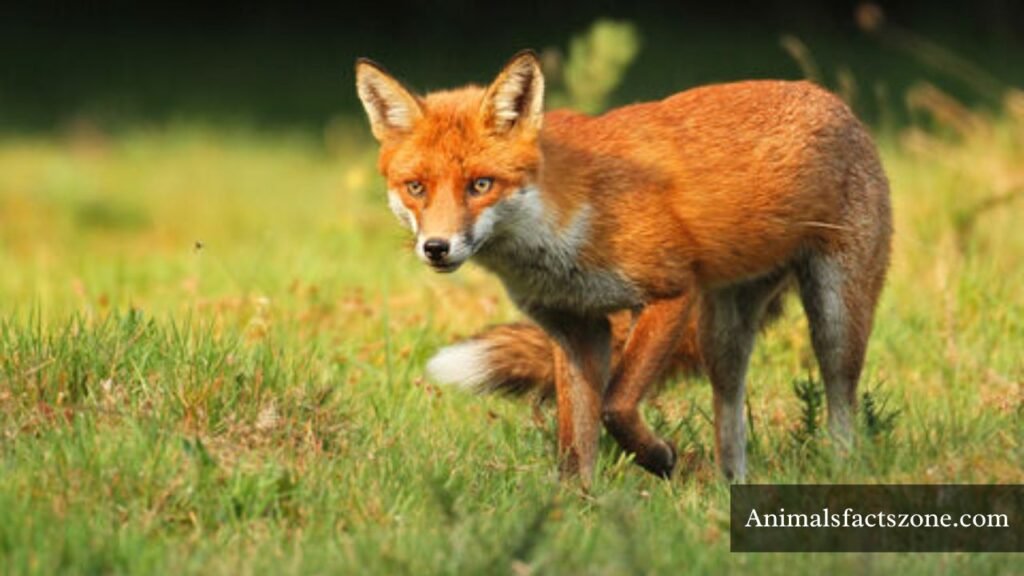
Observing foxes in their natural habitat reveals playful behavior that can be interpreted as a form of social bonding. When young kits frolic, tumbling over one another, their sounds might echo playful glee. Some researchers speculate this behavior enhances their social cohesion, ensuring survival through stronger family ties.
Foxes possess an impressive repertoire of vocalizations that can express everything from alarm to intimacy. This complexity makes their “laughter” less about a singular sound and more about a spectrum of expressions. Ultimately, while wild foxes may not laugh, they communicate joy and connection — an echo of what we experience in our own laughter.
Are Foxes People-Friendly?
Foxes, often portrayed as cunning and elusive, have recently been the subject of intrigue when it comes to their interactions with humans. While they are generally wild animals and not domesticated like dogs, anecdotal evidence suggests some species, particularly the red fox, may exhibit unexpected social behaviors when they encounter people. In urban environments, foxes often become accustomed to human presence, leading to fascinating instances where they appear unbothered, even curious, about their human neighbors. This adaptability reflects their intelligence, allowing them to thrive in diverse habitats.
However, it’s crucial to approach these encounters with caution. While some foxes might seem friendly, they remain wild beasts, capable of displaying stress or aggression if they feel threatened. There’s an ongoing debate among wildlife experts regarding the ethical implications of human interaction; regular feeding or close contact can disrupt their natural behaviors and ecosystems. Understanding the delicate balance of coexistence not only deepens our appreciation for these clever creatures but also encourages responsible wildlife observation, ensuring that foxes remain a vibrant part of our natural landscape without losing their wild essence.
You can also read: Explore Top 23 Animals Like Foxes.
Why Do Foxes Make Laughing Sounds?
Foxes are renowned for their wide range of vocalizations, one of the most intriguing being their distinctive laughing sounds. While some may interpret this laughter as mere playfulness, it serves a more profound purpose in the fox’s social interactions. These sounds often emerge during courtship or when communicating with kits, functioning as a bonding mechanism that strengthens family ties and social cohesion within a group.
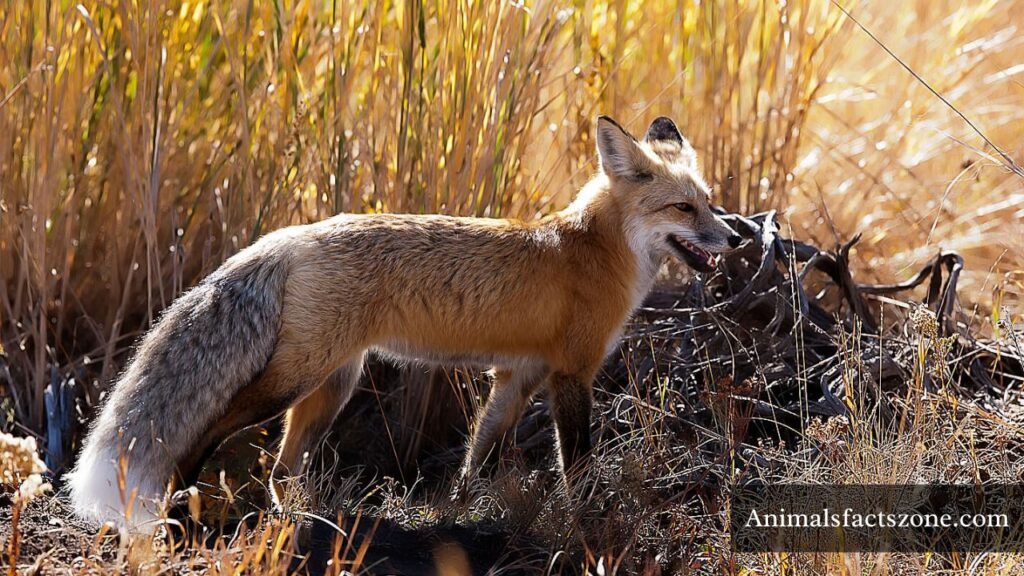
Interestingly, the laughing calls can also be a strategic tool for foxes in the wild. When faced with potential threats, these sounds can mislead predators or rival foxes, creating confusion and offering an escape route. This clever vocal tactic illustrates the fox’s adaptability, using laughter not only for social connection but also as a survival strategy in a competitive ecosystem.
Do Gray Foxes Laugh?
Gray foxes, often overlooked in the wild, possess a fascinating vocal repertoire that can easily be mistaken for laughter. Their unique vocalizations range from barks to screams, often echoing through the night. When gray foxes engage in playful behavior, their sounds can resemble joyous yelps, which some observers interpret as a form of laughter, hinting at their social and communicative nature.
This playful side often comes to light during interactions with their kits, where their sounds blend playful barks with curious yips, creating an atmosphere akin to delight. This vocal play suggests a complex emotional landscape that challenges the traditional understanding of animal communication.
Why Do Foxes Look Like They’re Smiling?
Foxes, with their sleek bodies and large, expressive eyes, often appear to wear a perpetual smile, stirring both curiosity and affection among observers. This seemingly cheerful expression results from their unique anatomical features — particularly the shape of their snouts and the positioning of their lips. Unlike many animals, foxes have a delicate tapering face that enhances their playful demeanor, while the corners of their mouths curl slightly upwards, creating an illusion of a grin. These traits are not just endearing; they also serve ecological purposes. A fox’s facial anatomy helps them communicate a wide range of emotions and intentions, making them social creatures adept at navigating their complex environments.
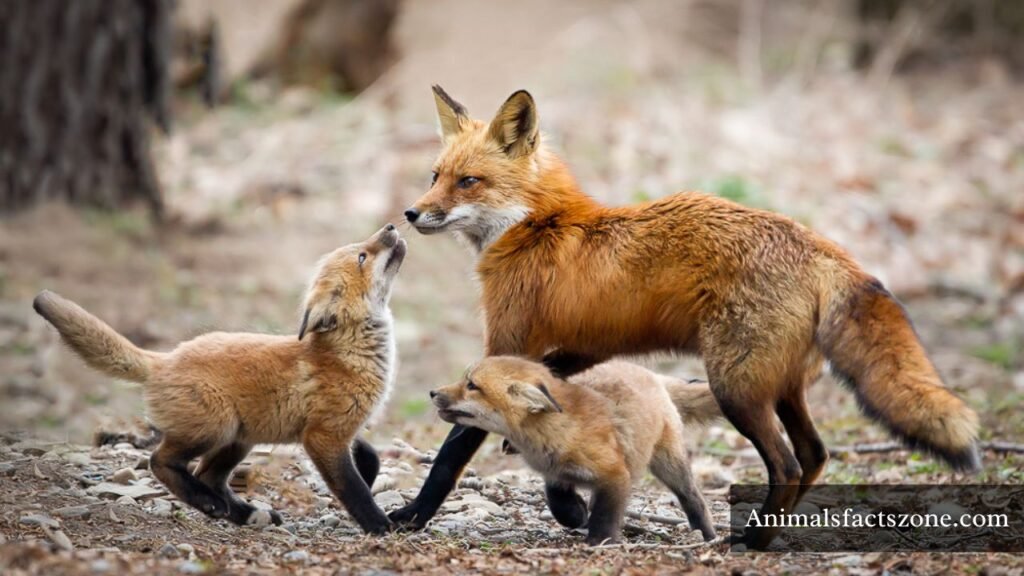
Moreover, the “smile” can be a form of social signaling, indicating a non-threatening demeanor to other animals or potential predators. When foxes engage in playful behavior, their relaxed facial features reinforce a sense of camaraderie, allowing them to bond with their pack. This emotive display is not merely an aesthetic marvel, but an evolutionary advantage that aids in survival and social interaction — demonstrating just how much depth lies beneath their seemingly simple smile.
Readmore: Explore Do Wolves Purr?
Conclusion
The phenomenon of foxes laughing serves as a fascinating reminder of the complexities of animal behavior. These vocalizations not only provide insight into their social interactions but also highlight the adaptability and intelligence of these remarkable creatures. By observing the laughter of foxes, we can gain a deeper appreciation for their role in the ecosystem and the intricate ways they communicate. Understanding this behavior encourages us to be more mindful of the wildlife around us and the importance of preserving their natural habitats. Let’s keep exploring the wonders of nature and support conservation efforts for these enchanting animals.
FAQs
Why do Foxes Laugh?
Foxes don’t actually laugh in the human sense, but they do make a variety of sounds that can resemble laughter. These vocalizations are part of their communication repertoire, often used during social interactions or to express excitement. When they’re playing or interacting with each other, you might hear a series of yips and barks that can sound quite similar to laughter. This behavior serves a purpose in their social structure. It helps strengthen bonds between individuals and can signal playfulness, indicating that they’re feeling safe and comfortable with one another.
Do foxes laugh when happy?
Foxes don’t laugh in the same way humans do, but they do express joy through various vocalizations and behaviors. When happy or excited, they might emit high-pitched yips or barks that resemble laughter. This playful chatter is often heard during social interactions, especially among kits that are playing.
What do foxes sound like when they laugh?
Their “laughing” noise is often described as a series of high-pitched yips or barks, sometimes resembling a cackling sound.