Top 14 Birds That Eat Fish (With Pictures)
When it comes to feasting on fish, some birds are true masters of the hunt. Birds that eat fish not only capture our imagination but also play crucial roles in maintaining aquatic health. By examining their feeding behaviors and ecological significance, we can gain a deeper appreciation for these unique species. Join us as we navigate the world of fish-eating birds and discover the surprising facts behind their fascinating lives.
List of Birds That Eat Fish
Below is the list of animals that eat fish:
- Osprey
- Great Blue Heron
- Cormorants
- Kingfishers
- Mergansers
- Penguin
- Bald Eagle
- Gannet
- Loons
- Atlantic Puffins
- Shoebill Stork
- Pelicans
- Albatross
- Common Tern
Osprey
Scientific Name: Pandion haliaetus
The osprey, often dubbed the “fish hawk,” exhibits remarkable hunting prowess, making it one of nature’s most efficient piscivores. With specialized feet equipped with reversible outer toes and sharp spicules on their talons, these birds are adept at grasping slippery prey mid-flight. Their keen eyesight allows them to spot fish from impressive heights, often diving into water at speeds exceeding 30 miles per hour. This combination of speed, precision, and optimized anatomy creates a breathtaking spectacle as ospreys plunge into the water with incredible accuracy.
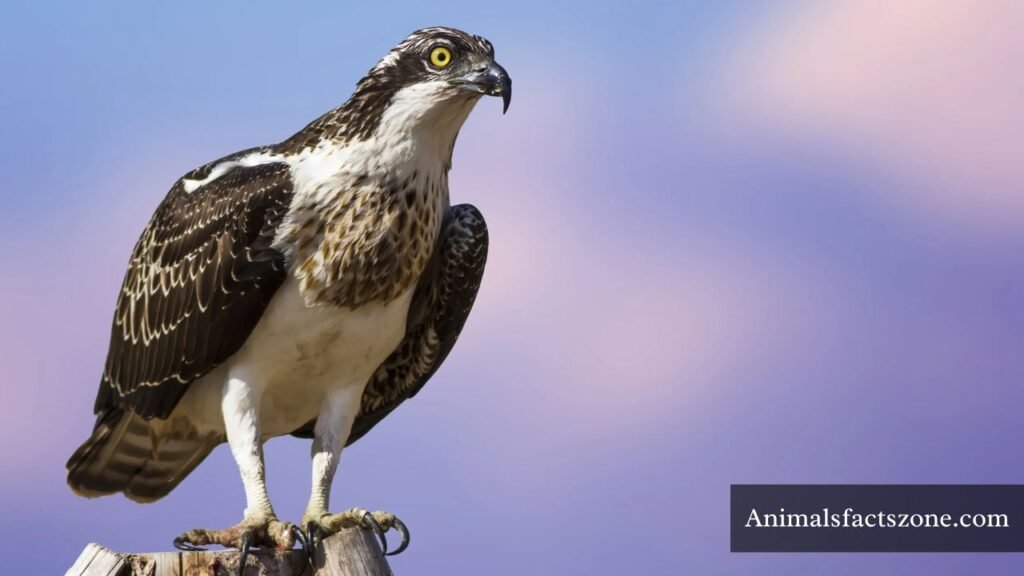
Beyond their impressive hunting skills, ospreys also play a vital ecological role. By preying on fish, they help maintain the balance of aquatic ecosystems, regulating fish populations and promoting biodiversity. Their migratory habits further emphasize their significance; traveling thousands of miles between breeding and feeding grounds, ospreys connect diverse ecosystems. Observing an osprey fishing not only highlights nature’s beauty but also serves as a reminder of our interconnectedness within the food web. In understanding these magnificent birds, we gain deeper insights into the well-being of aquatic habitats and the delicate threads that bind nature together.
Herons
Scientific Name: Ardea herodias
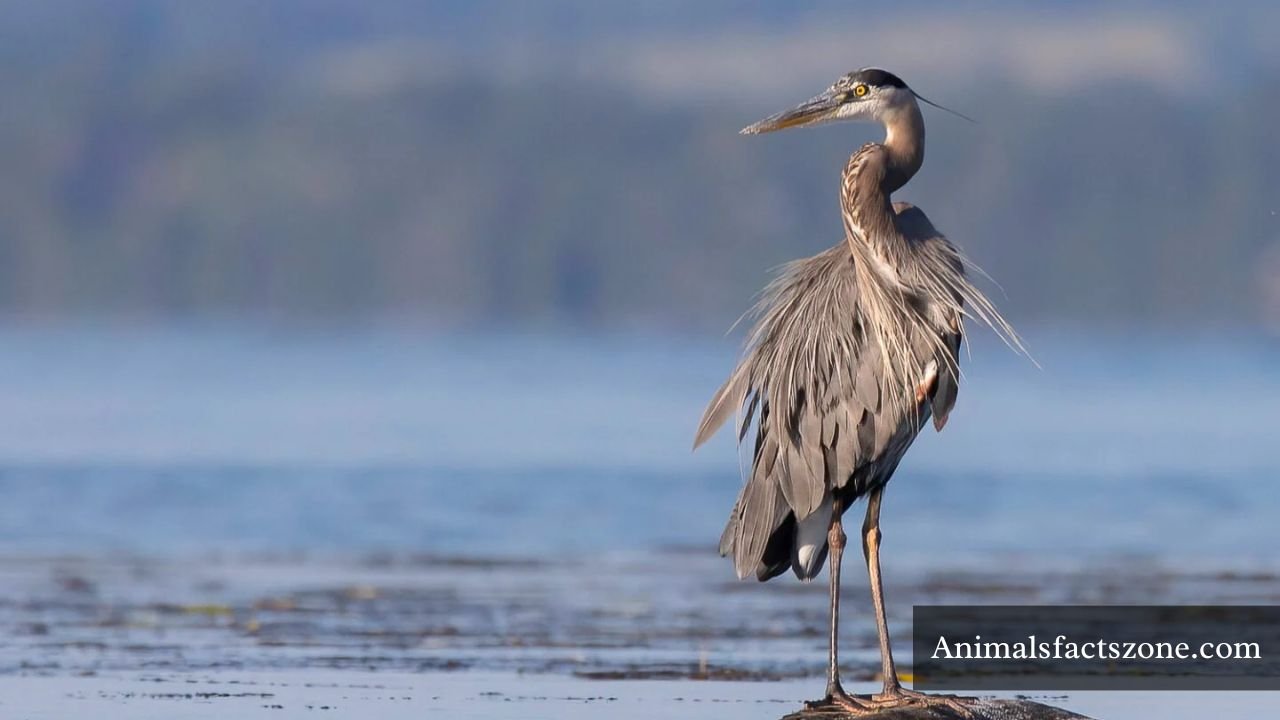
Herons are masterful hunters, combining elegance with a strategic approach to fishing. With their long, slender legs, they wade silently in shallow waters, creating a striking contrast against the shimmering surface. What makes herons particularly captivating is their ability to remain utterly still for long periods, a technique that heightens the thrill of the hunt. When the moment is right, they strike with astonishing speed, using their sharp beaks to snatch their prey — often small fish — before it even realizes danger is near.
Beyond their hunting prowess, herons play a crucial role in aquatic ecosystems. As apex predators, they help maintain fish populations, ensuring a balanced environment. Their choice of habitat also reflects their adaptability; from urban parks to remote wetlands, herons thrive wherever water meets land. This adaptability is not just a survival tactic but a reminder of nature’s intricate web — how individual species contribute to the health of their surroundings, even in the unlikeliest of settings.
Cormorants
Scientific Name: Phalacrocorax
Cormorants are fascinating birds, known for their remarkable fishing prowess and distinctive appearance. Their long necks and sleek bodies make them agile hunters, able to dive deep into the water in pursuit of fish. Unlike many birds, cormorants have a unique adaptation: they lack the waterproofing oils found in other seabirds, which allows them to become heavy and submerged, enhancing their diving capabilities. This characteristic, while a disadvantage for buoyancy, enables them to chase prey underwater with surprising speed and agility.
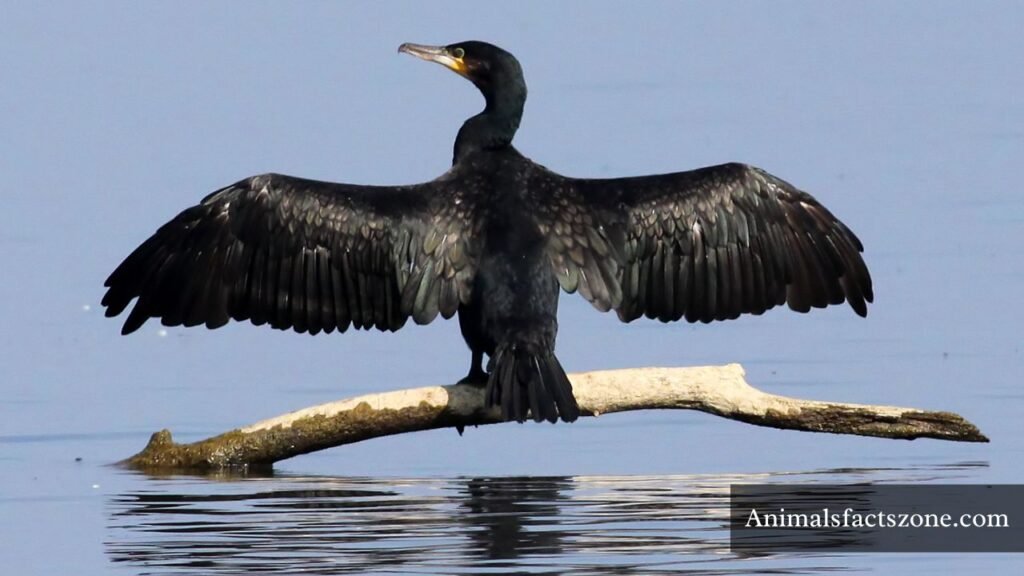
Watching cormorants feed is a spectacle of nature. They often hunt in groups, coordinating with one another to herd schools of fish, showcasing a level of teamwork that is both intriguing and effective. After a successful catch, you’ll often see them perch on rocks or docks, wings spread wide to dry in the sun — a sight that reflects their need for post-dive maintenance. This behavior not only highlights their unique physiology but also emphasizes the balance they maintain within their ecosystems, acting as both predator and prey in a finely tuned natural order. By understanding the role of cormorants in their habitats, we gain a deeper appreciation for the intricate relationships that sustain aquatic life.
You can also read: Explore Top 20 Scavenger Birds in The World.
Kingfishers
Scientific Name: Alcedinidae
Kingfishers, with their vivid plumage and agile prowess, are not just a delight to the eyes but also skilled hunters of the aquatic realm. These birds possess extraordinary adaptations for fishing, including their exceptional eyesight, which allows them to spot small fish from considerable heights. Their streamlined bodies enable swift dives, resembling arrows piercing the water’s surface, a spectacle that never fails to captivate observers.
Equally fascinating is the kingfisher’s hunting technique; they often employ a method known as “hovering,” where they suspended in mid-air, scanning for movement just below the water. Once a target is identified, these birds plunge headfirst, showcasing an impressive precision that speaks to their evolution as master anglers. Interestingly, many species of kingfishers are monogamous, partnering not only for breeding but also for sharing hunting territories, exemplifying a unique social structure among birds of prey.
Mergansers
Scientific Name: Mergus
Mergansers, often dubbed the “fish ducks,” are a remarkable group of waterfowl that captivate birdwatchers and nature enthusiasts alike. Unlike many other duck species, mergansers have evolved slender, serrated bills specifically designed for catching slippery fish. This unique adaptation allows them to dive gracefully beneath the surface, where they maneuver with remarkable agility. Observing a merganser in action — its head plunging underwater, then resurfacing with a flash of scales — can feel like witnessing a masterful dance of precision and intent.
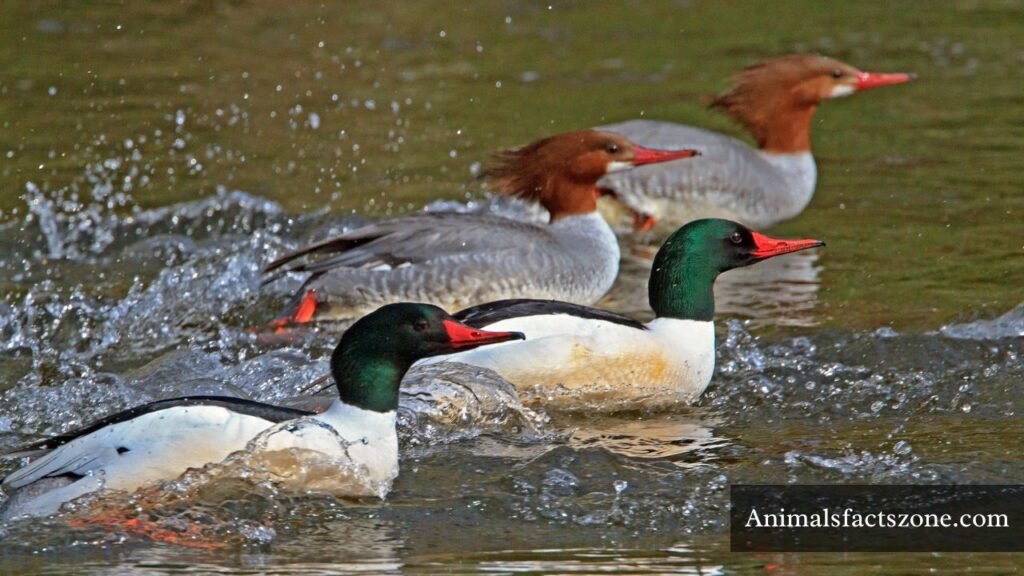
Interestingly, the merganser’s diet is not limited to fish alone. They also indulge in a variety of aquatic invertebrates, and even smaller crustaceans, showcasing their versatility in feeding habits. This dietary flexibility is particularly crucial in varying habitats, where fish populations may fluctuate. As they face environmental changes, such as habitat loss or climate shifts, mergansers exemplify the delicate balance required for survival.
Penguin
Scientific Name: Spheniscidae
Penguins, often associated with cold environments and charming waddles, are fascinating fish-eaters that showcase unique adaptations for hunting. Their streamlined bodies and powerful flippers allow them to glide swiftly through icy waters, reaching depths that most birds can only dream of. With remarkable eyesight, penguins spot fish even in dimly lit underwater conditions, navigating their way to schools of sardines and krill with an impressive finesse.
While many might think of penguins simply basking on icebergs, their feeding behavior is a captivating display of teamwork. Notably, when hunting in groups, they employ a technique called “bubble-net feeding,” where they blow bubbles to corral fish into tight clusters. This social dynamic not only enhances their hunting success but also showcases the intelligent and strategic nature of these remarkable birds. As climate change and melting ice alter their habitats, the adaptability of penguins in finding new sources of food becomes increasingly vital — not just for their survival, but also for maintaining the delicate balance of their aquatic ecosystems.
Bald Eagles
Scientific Name: Haliaeetus leucocephalus
Bald eagles, with their iconic white heads and impressive wingspans, are not just symbols of America; they are formidable fishing experts. Their keen eyesight allows them to spot fish from high altitudes, often surveying vast stretches of water before swooping down with impressive speed. These birds utilize a technique called “plunge diving,” making them agile hunters capable of plunging into the water with precision. While often associated with coastal areas, bald eagles can thrive near rivers, lakes, and reservoirs, showcasing their adaptability to various freshwater environments.
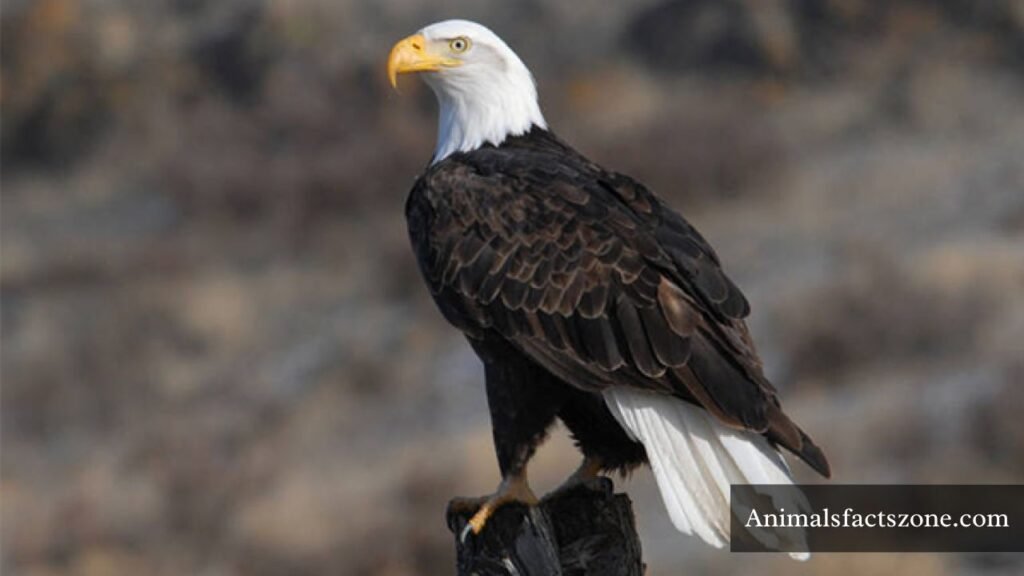
Interestingly, the diet of bald eagles is not limited to fish; they are opportunistic feeders that will scavenge seagull nests or dine on carrion when fish are scarce. This versatility speaks to their survival instincts and ability to capitalize on available resources. Watching a bald eagle wrestle with a large catch is a testament to their strength and skill, highlighting the balance of power within ecosystems. The presence of these majestic birds often indicates a healthy aquatic environment, reminding us of the delicate interconnectedness of nature and the importance of conservation efforts.
Gannet
Scientific Name: Morus
The gannet is a striking seabird known for its remarkable fishing prowess. With a wingspan that can exceed six feet, it’s built for dramatic plunges into the ocean, often diving from heights of up to 100 feet. This breathtaking acrobatics isn’t just for show; the gannet’s streamlined body and specialized air sacs cushion its impact as it pierces the water in pursuit of fish, showcasing a blend of power and precision that captivates observers.
Beyond their impressive diving capabilities, gannets also exhibit fascinating social behaviors when hunting. These birds often hunt in groups, creating a spectacle as they plunge simultaneously into schools of fish. This communal approach not only increases their success rate but also minimizes the energy spent on individual hunts. Their striking plumage, which transitions from a golden hue on the head to pure white along the body, further enhances their visibility against the shimmering sea, making them a captivating sight for anyone lucky enough to witness a gannet colony in action. Through their elegant movements and social dynamics, gannets reveal the intricacies of life at sea, reminding us of the delicate balance that exists within marine ecosystems.
Loons
Scientific Name: Gavia
Loons are mesmerizing creatures that draw our attention with their haunting calls and striking plumage, yet their prowess as fish-eaters is equally fascinating. Known for their exceptional diving abilities, loons can plunge to depths of over 150 feet in search of their aquatic meals, showcasing an impressive versatility in hunting techniques. Typically relying on acute eyesight and agility, these birds can swiftly pursue schools of fish beneath the surface, often emerging victoriously with their catch.
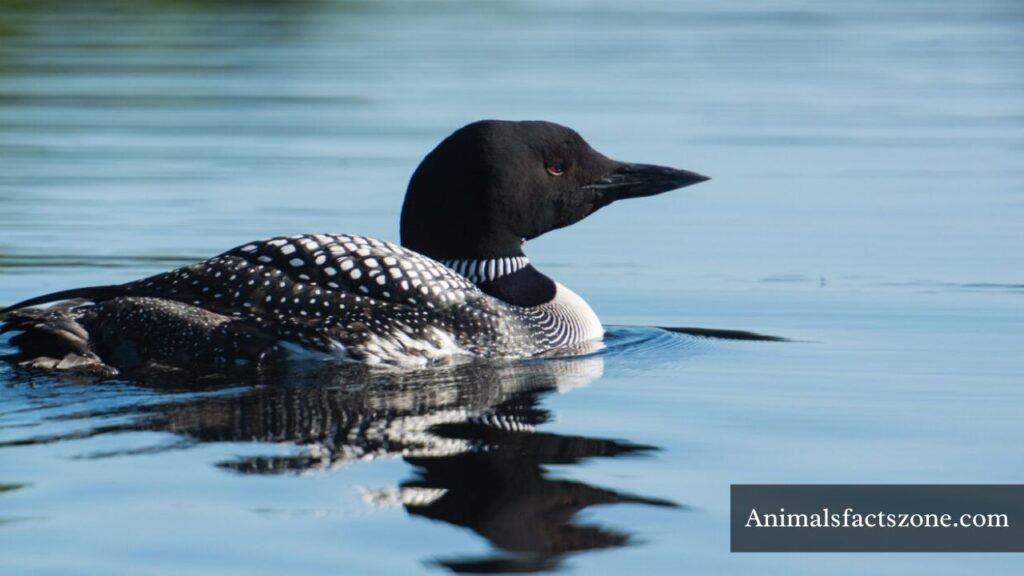
Their diet primarily consists of fish like perch and trout, but loons are also opportunistic feeders, occasionally snatching up smaller aquatic animals. Interestingly, they are highly territorial, often establishing a strong bond with specific foraging areas that are rich in fish populations. This dedication to their habitat not only helps maintain their survival but also underscores an important ecological balance, as loons play a role in controlling fish populations in lakes and rivers.
Atlantic Puffins
Scientific Name: Fratercula arctica
Atlantic puffins, often dubbed “clowns of the sea” for their strikingly colorful beaks, are masters of marine foraging. These agile birds dive into the ocean, reaching depths of up to 60 feet in search of their favorite delicacies: small fish such as sand eels and herring. Their remarkable ability to catch multiple fish at once — sometimes even up to 10 at a time — showcases not only their skill but also their vital role in the marine ecosystem. Puffins strategically use their powerful bills to hold onto slippery prey, a technique that has evolved over millennia and demonstrates their adaptability in a competitive food environment.
What makes these seabirds fascinating is their seasonal nesting behavior. During the breeding season, puffins return to coastal cliffs and islands, where they create burrows to lay their eggs. The unconditional commitment of adult puffins towards their young is a heartwarming spectacle, as both parents take turns feeding their chicks the catch of the day. However, climate change and overfishing pose significant threats to their feeding grounds, revealing the delicate balance of marine life.
Shoebill Stork
Scientific Name: Balaeniceps rex
The Shoebill Stork, a remarkable inhabitant of Africa’s swamps and wetlands, is not just striking in appearance but also astute in its hunting methods. Standing at nearly five feet tall, its massive, shoe-like bill is perfectly designed for snatching fish from the water, showcasing an intriguing adaptation that highlights the interplay between form and function in nature. This formidable predator primarily feeds on lungfish and tilapia, remaining motionless for extended periods, almost like a statue, before launching into action with breathtaking precision.
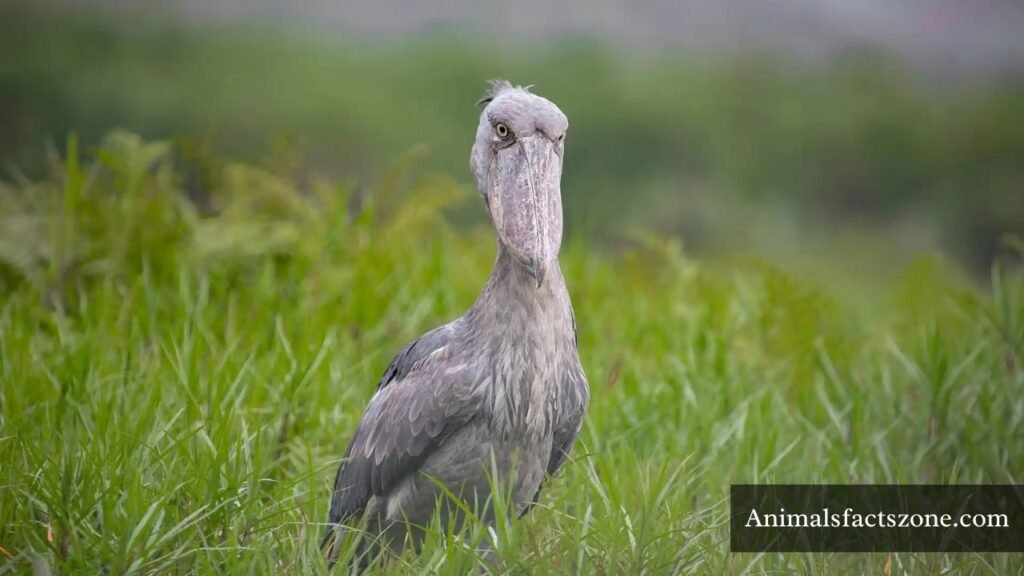
What truly captivates enthusiasts about the Shoebill, however, is its extraordinary behavior beyond mere hunting. Often described as one of the most enigmatic birds, it exhibits a unique blend of curiosity and intelligence that allows it to adapt to its environment. Observing a Shoebill carefully examines its surroundings or engages in courtship displays provides a rare glimpse into the complex social dynamics of these majestic creatures.
Pelicans
Scientific Name: Pelecanus
Pelicans, with their strikingly large bills and unique throwing technique, are quite the spectacle when they hunt for fish. Unlike many fish-eating birds that simply plunge or dive, pelicans employ a cooperative strategy, often working in groups to herd schools of fish into shallow waters. This teamwork not only increases their chances of a successful catch but also showcases a level of intelligence and adaptability rarely seen in avian species.
Their impressive bills act like natural nets, capable of scooping up not just fish but also various aquatic creatures. What’s fascinating is how pelicans can regulate the size of their catch, adjusting the opening of their throat pouch based on the size of the fish they are targeting. This ability highlights their sophisticated feeding behavior and demonstrates an intriguing aspect of evolution — how species adapt their physical traits to enhance survival in specific ecosystems.
Albatross
Scientific Name: Diomedeidae
The albatross, with its vast wingspan stretching up to 12 feet, is an aerial marvel elegantly designed for life over the open ocean. Known for their incredible gliding abilities, these remarkable birds can travel thousands of miles with minimal energy expenditure, often covering vast expanses of water in search of their primary prey: fish. But it isn’t just their size that makes them fascinating; it’s their hunting techniques that epitomize nature’s ingenuity.
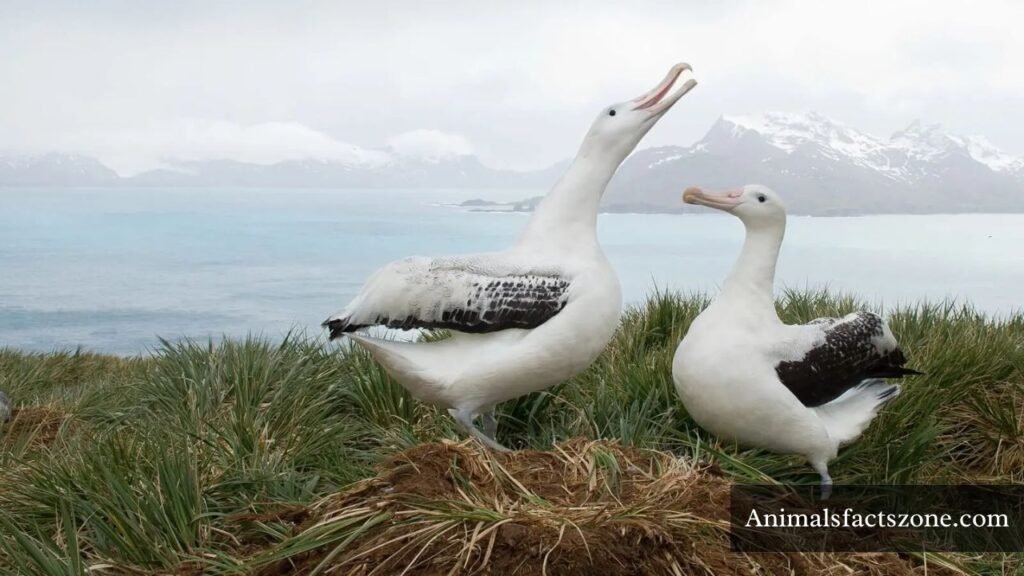
Using their keen eyesight, albatrosses can spot fish swimming close to the surface from high altitudes, then dive or swoop down in a graceful arc to seize their meal. They also employ a unique technique called “dynamic soaring,” effortlessly exploiting wind gradients above the waves to sustain long flights without tiring. This method not only enhances their foraging efficiency but also showcases the delicate balance of energy conservation in the animal kingdom.
Common Tern
Scientific Name: Sterna hirundo
The Common Tern, with its sleek body and striking black cap, is a master of fishing, often seen diving with precision into water from impressive heights. These birds possess remarkable eyesight, allowing them to spot their aquatic prey from a distance. Their diet primarily consists of small fish, such as sand eels and minnows, but their adaptability enables them to shift to other food sources when necessary. This nimbleness is a testament to their survival skills, especially in changing environments.
Interestingly, the Common Tern engages in a fascinating social behavior when hunting. They often hunt in groups, where one individual’s successful dive can signal a feeding frenzy for the others. This cooperative dynamic not only increases their chances of a successful catch but also showcases the intricate relationships within their colonies.
Readmore: Explore Top 15 Birds With Long Necks.
Final Thoughts
Birds that eat fish play a vital role in maintaining the balance of aquatic ecosystems. Their specialized hunting techniques and adaptations make them fascinating subjects for study and observation. From the elegant dive of the osprey to the strategic patience of the heron, these birds showcase the intricate relationships within their food chains. Understanding their behaviors and habitat needs can aid in conservation efforts, ensuring that these remarkable species continue to thrive. Let’s take a moment to appreciate these magnificent creatures and consider how we can support their environments for future generations.
FAQs
Do birds eat fish?
Yes, many birds eat fish! Various species, like herons, egrets, and ospreys, have adapted to hunting aquatic prey. They often dive or wade into water to catch fish, utilizing their sharp beaks and swift movements. In addition to these specialist hunters, other birds may scavenge fish scraps or opportunistically catch smaller fish. Seagulls and kingfishers, for example, are known to include fish in their diets.
What birds eat fish?
Many birds are adept at fishing, making them skilled hunters in aquatic environments. Notable examples include eagles, particularly the bald eagle, which often snatches fish from the water with its sharp talons. Ospreys are another prime fish-eating bird, known for their impressive diving skills to catch their slippery prey. Herons and egrets also play a significant role in the ecosystem, wading through shallow waters to catch fish with their long beaks. Seabirds like gulls and pelicans are famous for their fish-catching techniques, whether it’s diving from the air or scavenging from the surface.
What bird mostly eats fish?
The bird that mostly eats fish is the osprey. Ospreys are specifically adapted for hunting aquatic prey, with sharp talons and keen eyesight that allow them to spot fish from great heights. They dive down to catch fish near the surface of the water, making them highly skilled predators.
Do eagles eat fish?
Yes, eagles do eat fish, and it’s actually a significant part of their diet, especially for species like the Bald Eagle and the Osprey. They are skilled hunters, using their keen eyesight to spot fish swimming near the surface of the water. Once they identify a target, they can swoop down at impressive speeds and catch it with their powerful talons.