Top 17 Animals With Big Foreheads (Images Included)
Did you know that the shape of an animal’s head can reveal fascinating secrets about its lifestyle and behavior? In this article, we’ll explore the intriguing world of animals with big foreheads, dissecting how their unique cranial features help them adapt to their environments. From impact-absorbing structures to social signaling tools, understanding these animals sheds light on the diversity of life on our planet. Join us as we uncover the significance of forehead size and how it can influence survival and interactions in the wild.
List of Animals With Big Foreheads
Here is the list of animals with big foreheads:
- Beluga Whale
- Sperm Whale
- Asian Elephant
- Humphead Wrasse
- Midas Cichlid
- Napoleon Fish
- Flowerhorn Cichlid
- Green Sea Turtle
- Bison
- Muskox
- Elephant Seal
- Orangutan
- Gorilla
- Saki Monkey
- Bald Uakari
- Beluga Sturgeon
- Domestic Ram
Beluga Whale
Scientific Name: Delphinapterus leucas
Class: Mammalia
Diet: Carnivore
The beluga whale, often referred to as the “canary of the sea,” boasts an astonishingly prominent forehead, known as the melon. This unique feature is not merely for show; it plays a critical role in the whale’s echolocation abilities. The melon is a fatty organ that aids in focusing sound waves, allowing these marine mammals to navigate their icy habitats and hunt for fish with remarkable precision. Unlike many cetaceans that possess streamlined skulls, the rounded forehead of the beluga gives it a distinctive appearance that reflects its social nature.
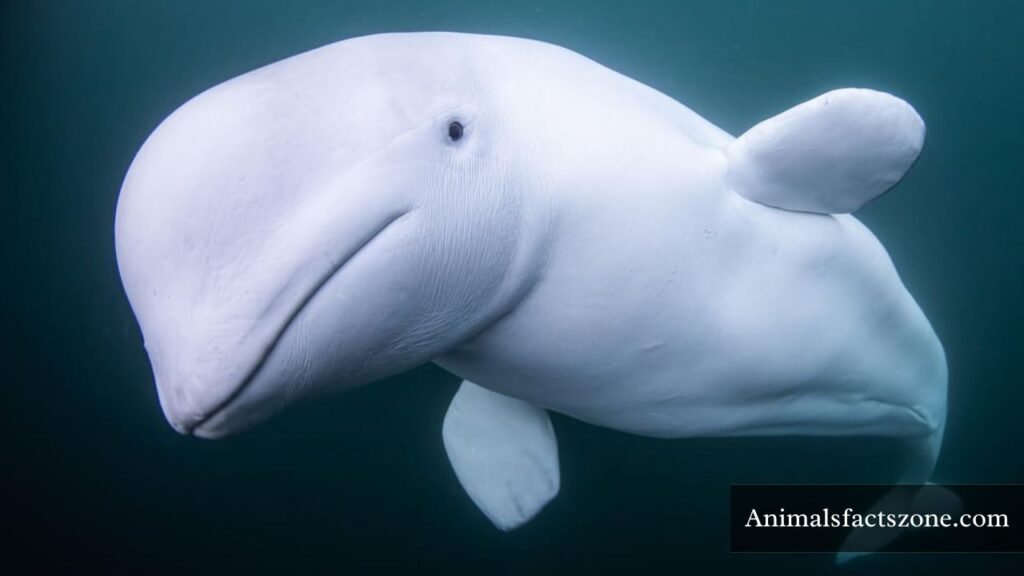
Beyond its functional benefits, the beluga’s forehead serves as a canvas of expression, showcasing the whale’s moods and social interactions. The varying shape and size of the melon can communicate emotions, functioning almost like a postural language in human communication. Observing these whales in their natural habitat reveals a dynamic interplay of playfulness and curiosity, often marked by their inquisitive nature and vocalizations. This adaptability not only highlights their intelligence but also emphasizes the importance of preserving their vulnerable Arctic environments, where changes due to climate can impact these iconic creatures and their unique adaptations.
Sperm Whale
Scientific Name: Physeter macrocephalus
Class: Mammalia
Diet: Carnivore
The sperm whale, known for its unmistakable, massive forehead, captivates researchers and enthusiasts alike. This distinctive feature isn’t just for show; it serves as a crucial component in their sophisticated echolocation system. The spermaceti, a waxy substance found within the large melon-shaped forehead, acts as a powerful sonar transmitter, allowing these giants to navigate the dark depths of the ocean with remarkable precision. Imagine the intricate underwater symphony created by these whales as they pulse sounds to locate schools of squid and communicate with one another across vast distances.
Beyond their impressive foreheads, sperm whales boast a fascinating social structure rooted in matriarchy. Females and their young often form tight-knit pods, using their collective skills to forge a life in the mysterious, pitch-black ocean. Such social dynamics are strengthened by the ability to share knowledge about hunting strategies and foraging techniques, highlighting the cognitive complexity of these mammals. This interconnectedness not only underscores the significance of their formidable foreheads but also invites us to reconsider the roles of physical traits in the evolution of social behavior among marine species. The sperm whale’s physique is not just a testament to survival; it is an integral thread in the intricate tapestry of life beneath the waves.
Asian Elephant
Scientific Name: Elephas maximus
Class: Mammalia
Diet: Herbivore
The Asian elephant, with its prominent forehead, not only captivates with its physicality but also with its intelligence and emotional depth. Their large foreheads house a richly developed brain, enabling complex social structures and communication skills. Interestingly, these elephants use low-frequency sounds, often below the range of human hearing, to communicate over long distances — a testament to their acute awareness of their environment and each other.
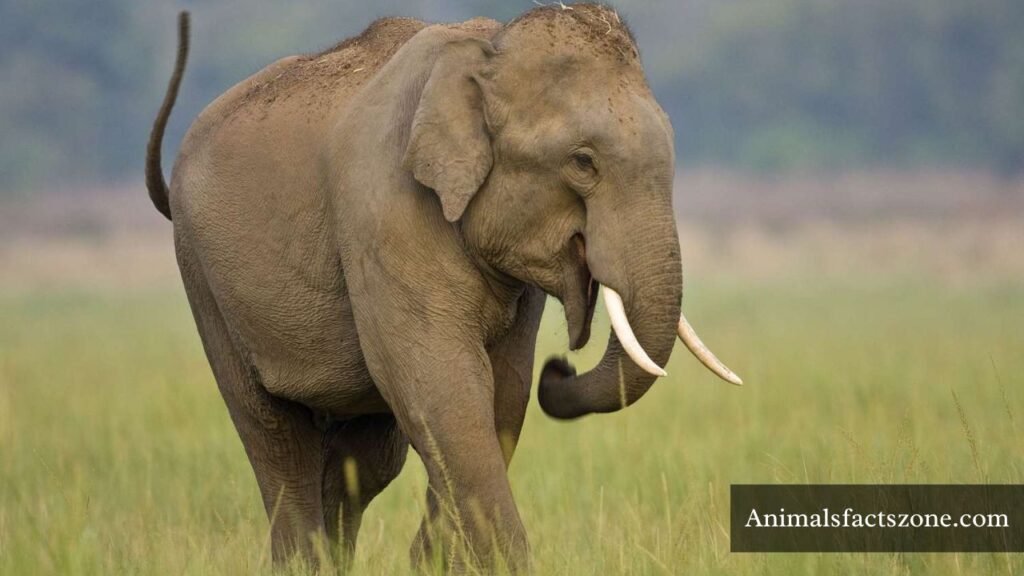
Beyond mere size, the forehead serves a vital role in their daily lives. It acts as an anchor for important sensory organs, like the trunk, which is central to foraging and social interactions. A uniquely flexible appendage, the trunk can pick up delicate grass or uproot entire trees, showcasing an intricate combination of strength and finesse. The relaxed flexibility seen in the contour of their foreheads may also reflect their calm, gentle demeanor, starkly contrasting the wild energy often associated with their African counterparts. In understanding the Asian elephant’s forehead, we gain insight into a creature that marries power with grace, embodying the profound harmony of the natural world.
Readmore: Explore Top 20 Fish with Big Lips.
Humphead Wrasse
Scientific Name: Cheilinus undulatus
Class: Actinopterygii
Diet: Carnivore
The Humphead Wrasse, or Napoleon fish, captivates divers not only with its striking appearance but also its intriguing behaviors. This remarkable fish boasts a prominent bump on its forehead, which is more than just a distinctive feature; it’s a vital part of its social structure. Researchers believe that this pronounced forehead signals strength and maturity, allowing individuals to establish dominance in crowded coral reefs.
Moreover, the Humphead Wrasse plays a surprising role in marine ecosystems. As a voracious predator of mollusks, it helps maintain the balance within the reef. Interestingly, this fish also engages in a unique symbiotic relationship with cleaner wrasses, which feast on parasites lodged within its skin. This alliance showcases not only the complexity of underwater interactions but also the mutual benefits that sustain marine life. Observing these majestic creatures in their natural habitat can reveal the delicate connections that shape our oceans, reminding us of the intricate tapestry that is life beneath the waves.
Midas Cichlid
Scientific Name: Amphilophus citrinellus
Class: Actinopterygii
Diet: Omnivore
The Midas Cichlid, renowned for its striking appearance and impressive forehead, boasts a physical feature that sets it apart in the aquatic world. This forehead prominence, known as a nuchal hump, is not just for show; it plays a pivotal role in social dynamics and mating signals. As these fish mature, their foreheads can swell dramatically, becoming a visual symbol of dominance among males, which can be fascinating to observe in community tanks or breeding setups.
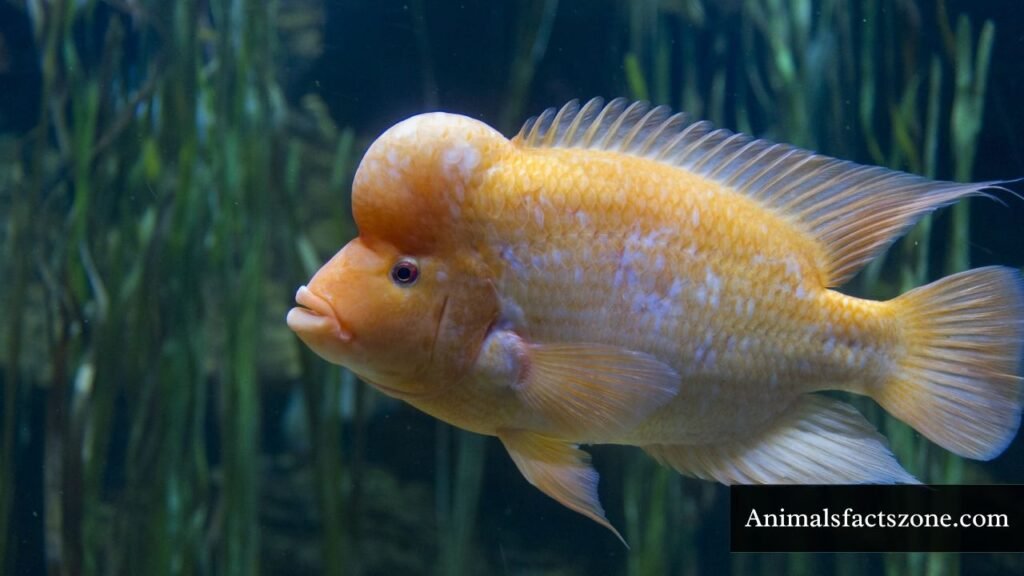
Beyond their impressive physique, Midas Cichlids are endowed with captivating personalities. They are known for their bold and curious behavior, often establishing territories and displaying intricate rituals to attract mates or ward off rivals. Their intelligence and adaptability allow them to thrive in various environments, making them popular choices for aquarists. Engaging with these vibrant creatures reveals a nuanced understanding of interspecies interactions, highlighting how such seemingly simple features can have complex social implications beneath the surface.
Napoleon Fish
Scientific Name: Cheilinus undulatus
Class: Actinopterygii
Diet: Carnivore
The Napoleon fish, or humphead wrasse, is a spectacular marine creature that boasts not just vibrant colors but also an impressive forehead. This distinct feature isn’t just for show; it plays a critical role in the fish’s mating rituals and social interactions. Males often flaunt their prominent foreheads during courtship displays, but it also serves a functional purpose in combat with rivals, where size and strength can be pivotal for dominance.
Moreover, the Napoleon fish is known for its remarkable intelligence and complex behaviors. It uses its large forehead to navigate the intricate reefs of the Indo-Pacific, showcasing its adaptability in one of the ocean’s most diverse ecosystems. Sadly, the increasing threat of overfishing and habitat degradation puts this unique species at risk, urging conservation efforts to preserve not only its striking appearance but also its essential role in marine biodiversity. As stewards of the oceans, we have a responsibility to protect such extraordinary animals that symbolize the vibrant tapestry of life beneath the waves.
Flowerhorn Cichlid
Class: Actinopterygii
Diet: Carnivore
The Flowerhorn Cichlid is a living testament to the wonders of nature’s adaptations, boasting an impressive nuchal hump that gives it a distinctive profile. This prominent forehead isn’t just for show; it plays a crucial role in the fish’s overall health and breeding success. The size and prominence of this bump can indicate the genetic quality of the fish, making it a sought-after characteristic among aquarists. The vibrant colors that adorn these fish only enhance their striking appearance, with patterns that can shift and shimmer, captivating anyone who gazes into their tank.
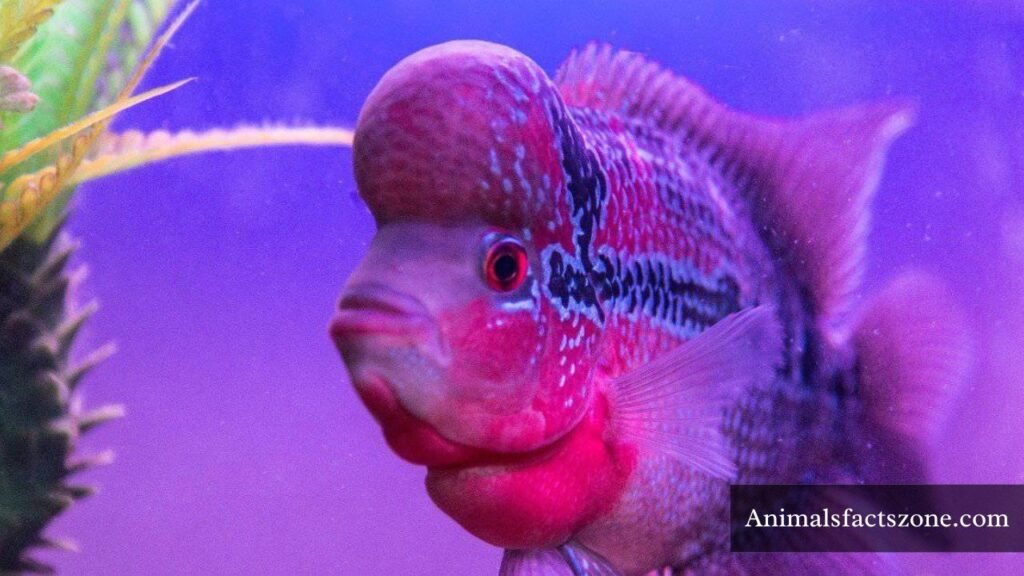
Behaviorally, the Flowerhorn Cichlid is just as intriguing. Known for its territorial instincts and intelligence, this species exhibits complex social dynamics that often involve displays of aggression and courtship rituals. Their bold personalities make them both challenging and rewarding to keep. Observing these fish as they strategize around their environment offers a glimpse of a fascinating world where beauty and brains coexist, proving that the allure of big foreheads goes far beyond mere aesthetics. Each interaction provides insights into their unique character, solidifying the Flowerhorn’s status as a captivating pet for both novice and experienced aquarists alike.
Green Sea Turtle
Scientific Name: Chelonia mydas
Class: Reptilia
Diet: Herbivore
The Green Sea Turtle is a striking example of nature’s unique adaptations, especially with its prominent forehead that sets it apart from other marine creatures. This distinguishing feature isn’t just for show; rather, it serves a vital purpose in their life. The larger forehead houses powerful jaw muscles that allow these turtles to effectively graze on the lush sea grasses and algae that form their primary diet. This adaptation is particularly interesting as it highlights the evolutionary pressures faced by species adapting to their environments.
Moreover, the forehead’s shape can offer insights into the turtle’s age and health. As Green Sea Turtles mature, the forehead often becomes more pronounced, which can be a telltale sign of a turtle’s reproductive status. Observing these turtles in their natural habitat reveals a deeper story about their social interactions and behaviors, as the forehead’s prominence is often complemented by their graceful movements through the water. It’s a reminder of how each intricate feature plays a role in survival and adaptation, making the Green Sea Turtle not just a beautiful creature, but a fascinating subject for marine biology enthusiasts.
Bison
Scientific Name: Bison bison
Class: Mammalia
Diet: Herbivore
Bison, with their impressive foreheads and formidable presence, embody a unique blend of strength and majesty. Their large, dome-like heads serve a vital role beyond mere aesthetics; they are instrumental in social dynamics and environmental adaptation. During mating season, males engage in fierce displays of dominance, but their pronounced foreheads also allow them to absorb impacts during these head-to-head contests without sustaining severe injury, showcasing both evolutionary advantage and resilience.
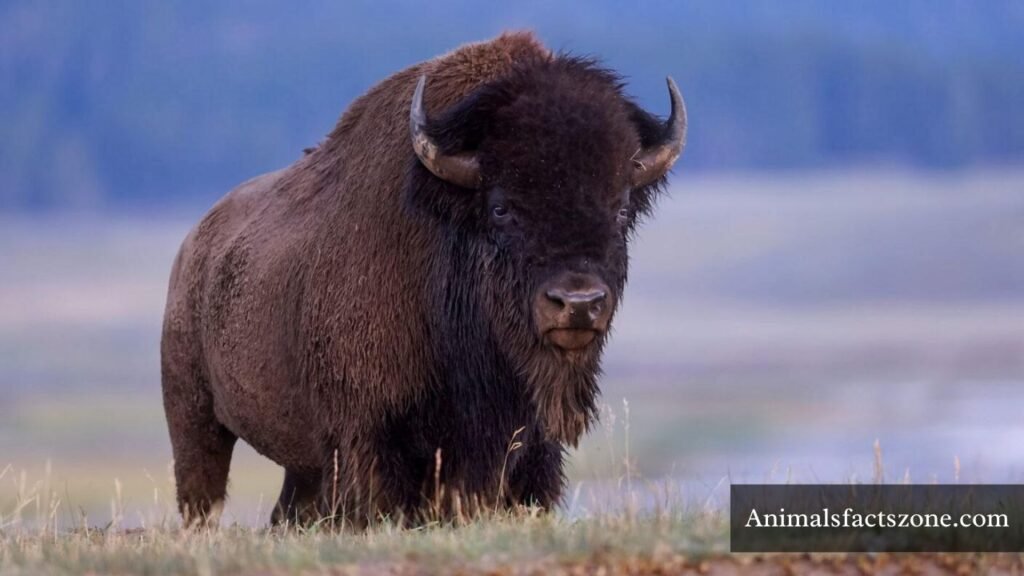
Moreover, bison’s striking foreheads enhance their grazing capabilities. When foraging in winter snow, they use their massive heads to dig through drifts to access grasses beneath. This behavior not only highlights their adaptability in harsh climates but also plays a crucial role in maintaining ecosystem health. With every hoofprint and excavation, bison help to aerate the soil and disperse seeds, creating a more biodiverse environment. Thus, their powerful foreheads are not just a testament to their physicality but also a reminder of their vital role as ecosystem engineers in the American plains.
Muskox
Scientific Name: Ovibos moschatus
Class: Mammalia
Diet: Herbivore
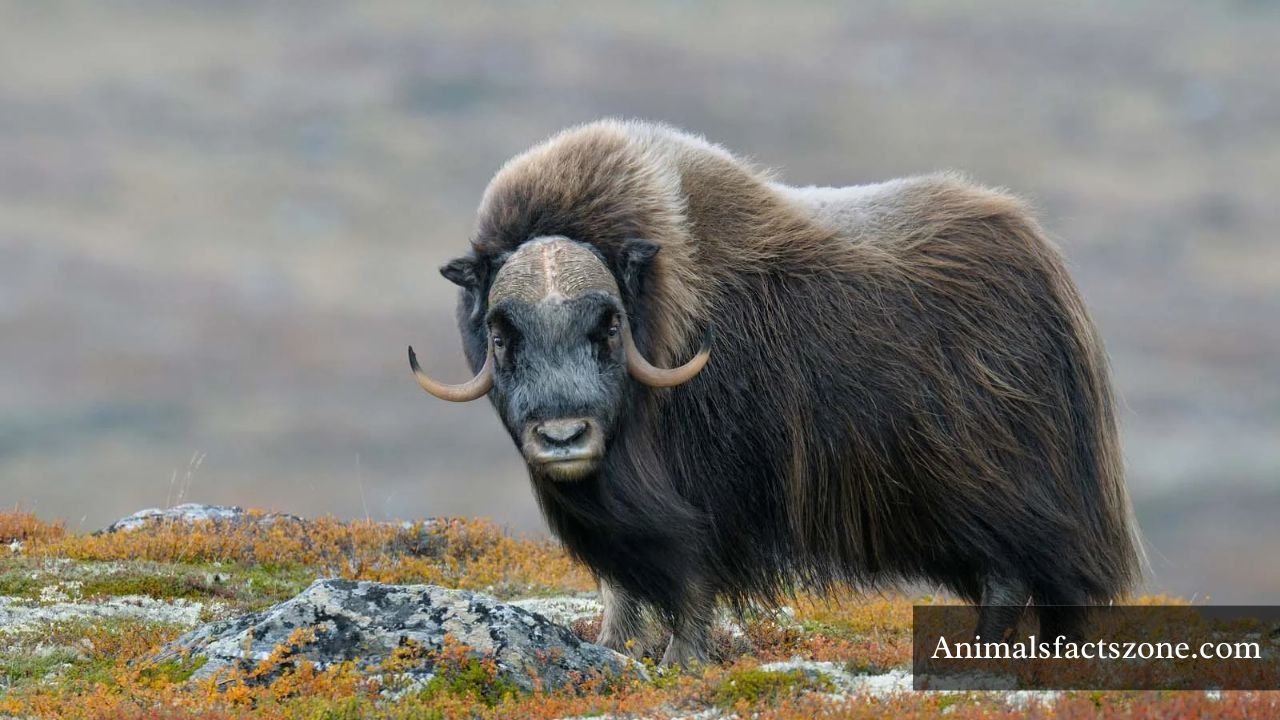
Muskoxen, with their distinctive big foreheads, offer a fascinating glimpse into the evolutionary adaptations of Arctic wildlife. These hefty creatures possess a thick layer of wool, known as qiviut, that not only insulates them against frigid temperatures but also provides a unique canvas for studying natural selection. Their pronounced foreheads play a crucial role during the mating season, serving as a visual signal of strength and vitality. Males engage in head-butting contests, using their robust foreheads to assert dominance and attract potential mates.
Beyond their physical attributes, muskoxen exhibit intriguing social dynamics that underscore the importance of their forehead structure. Living in herds, they often position themselves in defensive formations against predators, using their impressive size to create a protective barrier. This behavior highlights their foreheads as more than mere anatomical features; they symbolize resilience and community strength. Observing these majestic animals in their natural habitat reveals a depth of interdependence that challenges our understanding of survival in harsh ecosystems.
Elephant Seal
Scientific Name: Mirounga leonina
Class: Mammalia
Diet: Carnivore
The elephant seal, with its formidable forehead, is a fascinating creature that embodies both strength and vulnerability. Males can inflate their large, fleshy noses, creating a striking visual that not only serves as a display during mating season but also amplifies their vocalizations. This oversized feature gives them a distinctive presence on the beaches where they haul out, asserting dominance and attracting mates while simultaneously reflecting their social hierarchies.
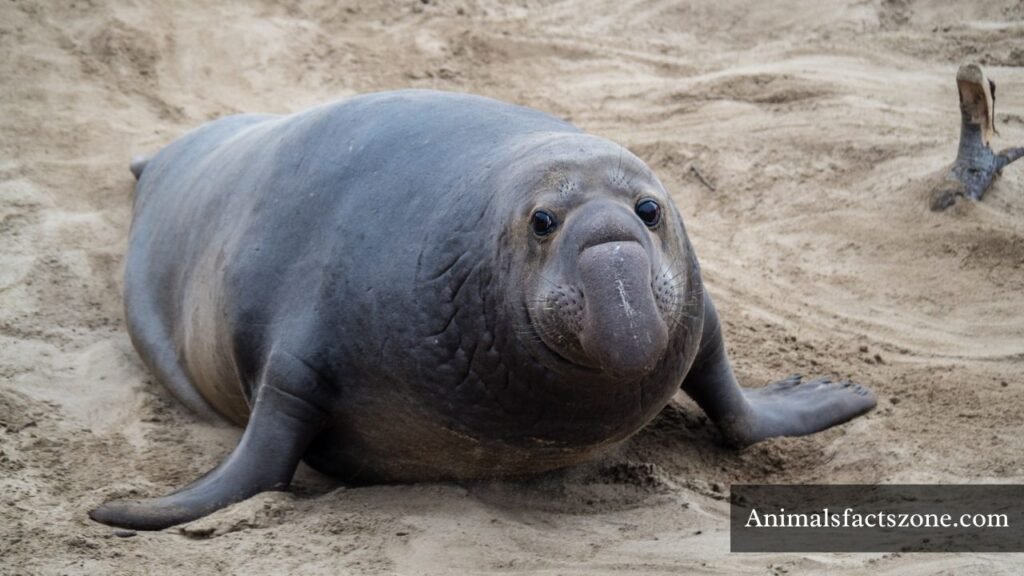
Beyond their imposing appearance, these seals are marvels of adaptation. Their thick blubber acts as insulation in frigid waters, allowing them to dive to astounding depths in search of food. Interestingly, the larger the male’s forehead, the more likely he is to successfully mate, linking physical attributes directly to evolutionary success. While they might seem robust and intimidating, the elephant seal also faces significant threats from climate change and human activity, highlighting the delicate balance of their existence. Each surge of their massive bodies on the shore tells a story of resilience, reminding us that even the most formidable creatures are not invincible.
Orangutan
Scientific Name: Pongo pygmaeus
Class: Mammalia
Diet: Herbivore
Orangutans are not just known for their remarkable intelligence and striking red fur; their big foreheads serve as a fascinating adaptation. This prominent feature is more than just a striking characteristic — it plays a crucial role in their communication and social structure. The size of an orangutan’s forehead suggests maturity and dominance, signaling their status within the complex hierarchy of their communities. This physical trait can be a key factor in mating behaviors, where potential partners gauge the strength and experience of candidates, fostering genetic diversity and survival of the fittest.
Interestingly, the forehead’s prominent development also provides insight into the species’ cognitive abilities. With a substantial brain housed beneath that broad forehead, orangutans exhibit problem-solving skills that are often compared to those of young human children. Their use of tools, such as sticks to extract termites or leaves as umbrellas, highlights their advanced reasoning and adaptability. This intelligence, combined with their social depth, makes them not just a marvel of nature but also a poignant reminder of the ecological intricacies that’s essential for their survival in the lush forests they call home.
Gorilla
Scientific Name: Gorilla gorilla
Class: Mammalia
Diet: Herbivore
Gorillas are fascinating not only for their immense size but also for their prominent foreheads, which serve a purpose beyond mere aesthetics. In adult males, the pronounced brow ridge is a hallmark of sexual maturity and plays a crucial role in social dynamics within gorilla troops. These prominent foreheads enable gorillas to display subtle signals of strength and dominance, making them essential for establishing hierarchy and attracting mates.
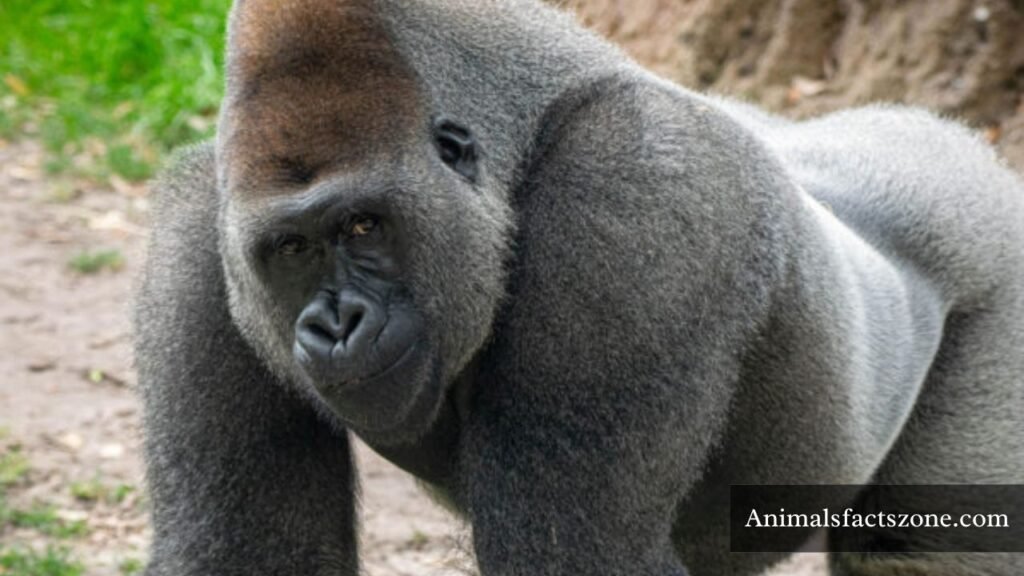
Interestingly, the unique forehead structure is also a testament to their evolutionary journey. The thick bones not only protect their brains but also serve as attachment points for powerful jaw muscles. This helps gorillas maintain their herbivorous diet, which primarily consists of tough vegetation. As they crunch through foliage, the robustness of their skull allows them to thrive in their dense forest habitats, showcasing how form and function blend seamlessly in these magnificent creatures. The gorilla’s forehead, then, is more than just a physical trait; it encapsulates their social life, evolutionary adaptations, and survival strategies, reflecting the intricate web of life in which they exist.
Saki Monkey
Scientific Name: Pithecia pithecia
Class: Mammalia
Diet: Herbivore
The Saki monkey, with its strikingly prominent forehead, is a fascinating representation of evolution’s quirky design choices. Found primarily in the canopies of South America’s rainforests, this primate uses its large cranium not just for aesthetics but as a powerful tool for navigating its arboreal world. The elongated skull houses a complex brain, instrumental in social dynamics and foraging techniques, showcasing an impressive array of vocalizations that enhance communication within its troupe.
Moreover, the Saki monkey’s forehead serves a tactile purpose; it aids in balance, allowing these agile creatures to deftly maneuver through the trees. Their distinctive facial features draw attention to their expressive eyes, reflecting a high degree of emotional intelligence and social bonding. Understanding the significance of their unique morphology enriches our appreciation of how physical attributes can influence behavior and survival. Essentially, the Saki monkey isn’t just a marvel of nature; it’s a testament to the intricate relationship between form and function in the animal kingdom.
Bald Uakari
Scientific Name: Cacajao calvus
Class: Mammalia
Diet: Herbivore
The Bald Uakari is a striking figure in the animal kingdom with its distinctive, pronounced forehead that adds an unexpected charm to its appearance. Found primarily in the flooded forests of the Amazon River basin, these playful primates are not just notable for their looks; their bald, crimson heads reflect a captivating evolutionary tale. This unique feature is more than skin deep; with little fur, the skin tone can communicate health and vitality to potential mates. A vibrant red facilitates social interactions, signaling genetic fitness to fellow Uakaris.
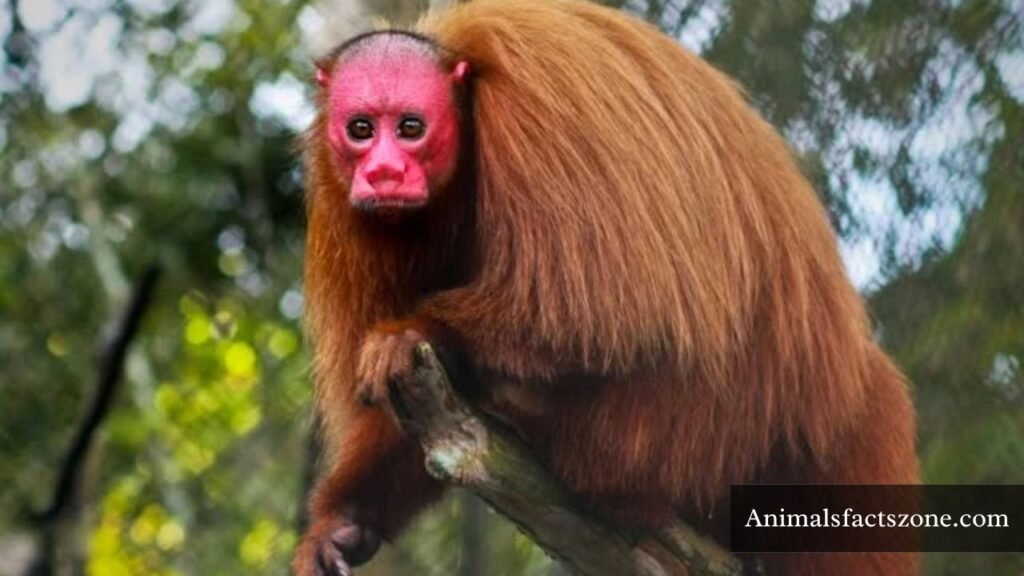
Yet, the Bald Uakari’s large forehead serves a purpose beyond attraction. This expansive cranium houses an impressive brain, which plays a crucial role in their complex social structures. With a lifestyle relying heavily on group dynamics, these monkeys display sophisticated behaviors that challenge our understanding of primate intelligence. Their ability to navigate the intricate labyrinths of their forest habitat showcases not only their physical agility but also their cognitive prowess, hinting at a world of communication and social bonding that we are only beginning to comprehend. In studying these creatures, we gain insights into the intricate connections between physical traits, social structures, and survival.
Beluga Sturgeon
Scientific Name: Huso huso
Class: Actinopterygii
Diet: Carnivore
The beluga sturgeon, a true marvel of the aquatic world, boasts an impressive forehead that sets it apart from its fellow fish. This distinctive feature isn’t just for show; it plays a crucial role in the fish’s ability to navigate the murky depths of rivers and lakes. The beluga’s large, flattened head houses a complex range of sensory organs that allow it to detect vibrations and chemical signals in the water, providing a sophisticated way to hunt and communicate.
Beyond its striking appearance, the beluga sturgeon carries a rich history, often referred to as a “living fossil.” With origins tracing back over 200 million years, this ancient species has endured significant environmental changes, which makes its conservation paramount. As the beluga’s habitat faces threats from pollution and dam construction, understanding its unique adaptations — like its remarkable forehead — becomes essential not just for survival but for the continued health of aquatic ecosystems. With ongoing research, we can hope to unveil even more fascinating secrets hidden within this majestic creature, capturing the essence of life that has thrived in our waters since the age of dinosaurs.
Domestic Ram
Scientific Name: Ovis aries
Class: Mammalia
Diet: Herbivore
The domestic ram, often characterized by its strikingly prominent forehead, serves as a perfect example of how evolution can shape not just physical traits but also behavior and social dynamics. This distinct feature is not merely for show; it plays a crucial role in the ram’s life, especially during mating season. The size and shape of the forehead indicate health and genetic fitness, making it a visual cue that influences social hierarchy within the flock. Rams engage in dramatic head-butting displays, where their robust foreheads serve as formidable weapons in contests for dominance and access to mates.
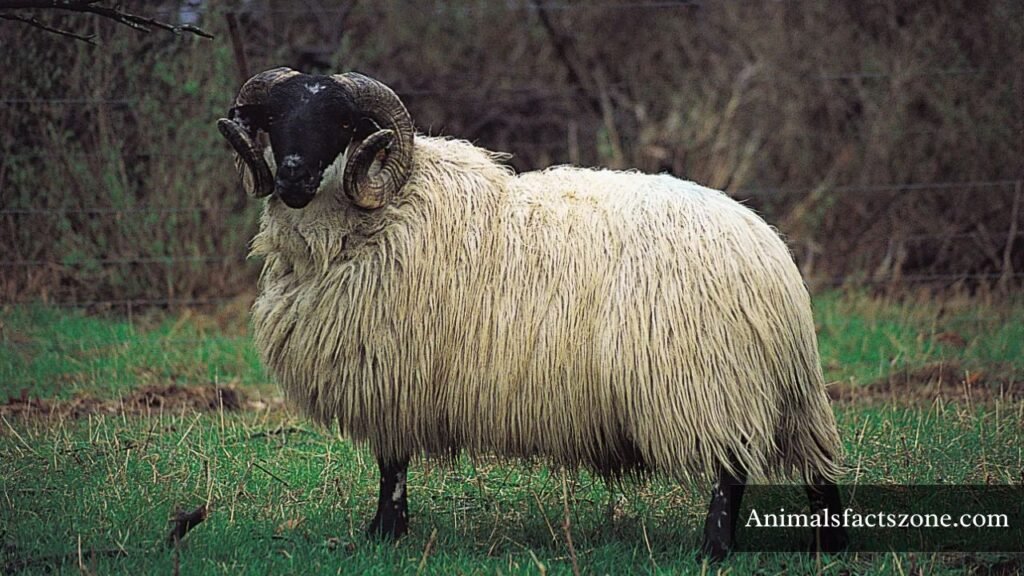
Interestingly, the evolutionary significance of such a pronounced forehead extends beyond competition. Research suggests that rams with larger foreheads may also have better spatial awareness, allowing them to navigate their environments more effectively. This adaptation can lead to enhanced foraging opportunities, as rams with adept spatial skills are more likely to locate food sources in rugged terrains. Moreover, these impressive foreheads might symbolize strength and resilience in difficult climates, giving rams an edge in survival. Thus, the seemingly simple aspect of a ram’s anatomy, its forehead, can open up a broader conversation about the intriguing interplay between physical traits and the intricate lives of animals.
Readmore: Explore Top 13 Small Animals with Big Eyes.
Final Thoughts
The significance of pronounced foreheads in the animal kingdom cannot be underestimated, as they play crucial roles in communication, social hierarchy, and species-specific behaviors. Whether it’s the striking visage of a walrus or the expressive features of a gorilla, these attributes tell us stories of adaptation and survival. Understanding these features also enriches our knowledge of evolution and the ecological dynamics of various habitats. As stewards of the planet, it is our responsibility to protect these unique animals and their habitats. Embrace the wonders of wildlife, and join the movement to ensure their preservation for future generations.
FAQs
What sea animal has a big forehead?
One sea animal known for its prominent forehead is the sperm whale. Males can have heads that account for about one-third of their body length, and their large, block-shaped heads are filled with a substance called spermaceti, which helps with buoyancy and echolocation. This unique anatomical feature contributes to their ability to dive deep into the ocean in search of squid, their primary food source. Another fascinating sea creature with a notable forehead is the dolphin, specifically the bottlenose dolphin. While not as pronounced as the sperm whale’s, their forehead, or “melon,” plays a crucial role in communication and navigation. The melon can change shape to focus and direct their echolocation clicks, helping them locate prey and interact with pod members efficiently.
What animal has the biggest forehead?
The sperm whale has the largest forehead of any animal. Its massive, block-shaped head can account for about one-third of its entire body length. This unique structure contains spermaceti, a waxy substance that aids in buoyancy and echolocation. Interestingly, the size of their forehead contributes to their deep diving abilities. The sperm whale can dive over 3,000 feet in pursuit of squid, using its impressive melon-shaped forehead for sonar navigation.