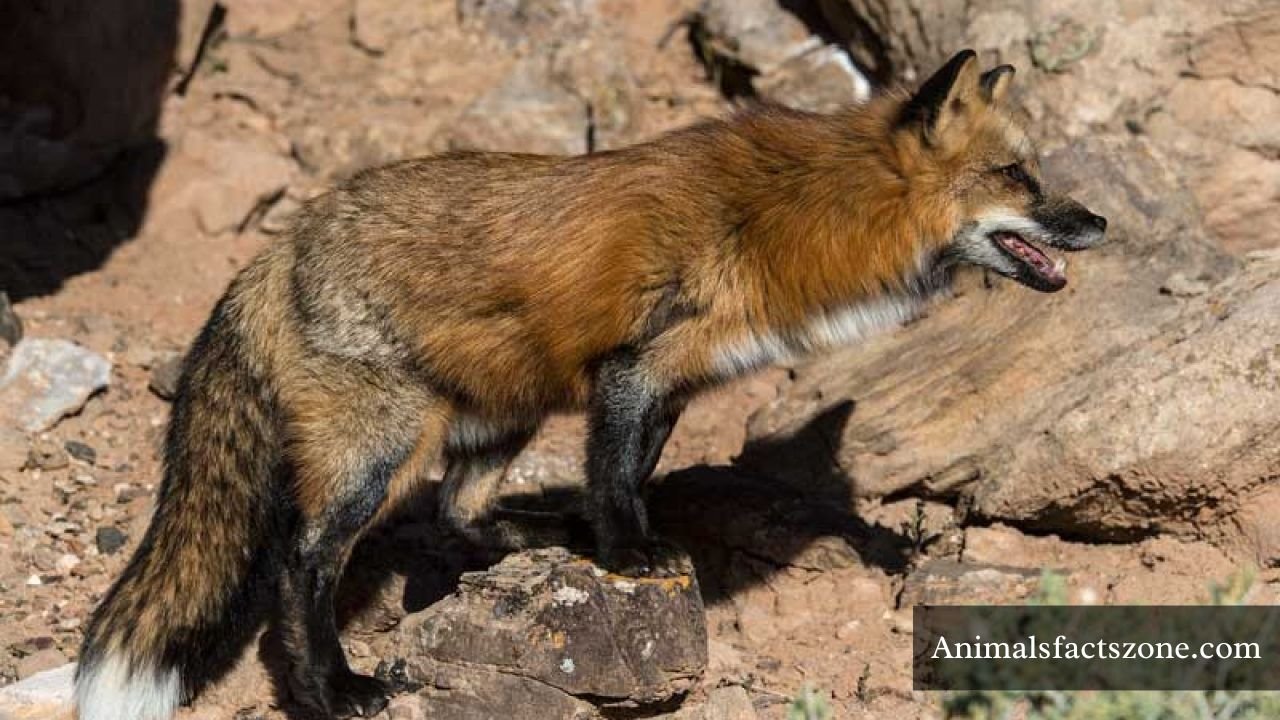
Explore Top 23 Animals Like Foxes (Images Included)
In this article, we’ll embark on a journey to discover various animals like foxes, each displaying unique adaptations and behaviors. Understanding these connections sheds light on the intricate web of life and the role each species plays in our ecosystem. By the end, you’ll walk away with newfound knowledge that enriches your appreciation for these incredible creatures.
List of Animals Like Foxes
Here are the names of animals like foxes :
- Red Pandas
- Mole Rats
- Dholes
- Dingoes
- Fennec Fox
- Coyotes
- Culpeo
- Mountain Lions
- Jackals
- Civets
- Domestic Dogs
- Margay
- Raccoon
- Wolves
- Skunks
- African Wild Dogs
- Cats
- Bat-Eared Fox
- Bobcats
- Maned Wolf
- Mongooses
- Weasels
- Raccoon Dogs
Red Pandas
Scientific Name: Ailurus fulgens
Class: Mammalia
Diet: Omnivore
Red pandas, often considered the elusive cousins of foxes, embody a unique blend of charm and intrigue. With their striking rust-colored fur and playful demeanor, they evoke a sense of whimsy reminiscent of foxes, yet they possess a distinct personality all their own. These adorable creatures, native to the eastern Himalayas, have adapted to life high in the trees, showcasing remarkable climbing skills and a diet primarily composed of bamboo. However, what sets them apart is their aptitude for using their robust, flexible wrists to grasp branches, a trait that adds to their captivating behavior.
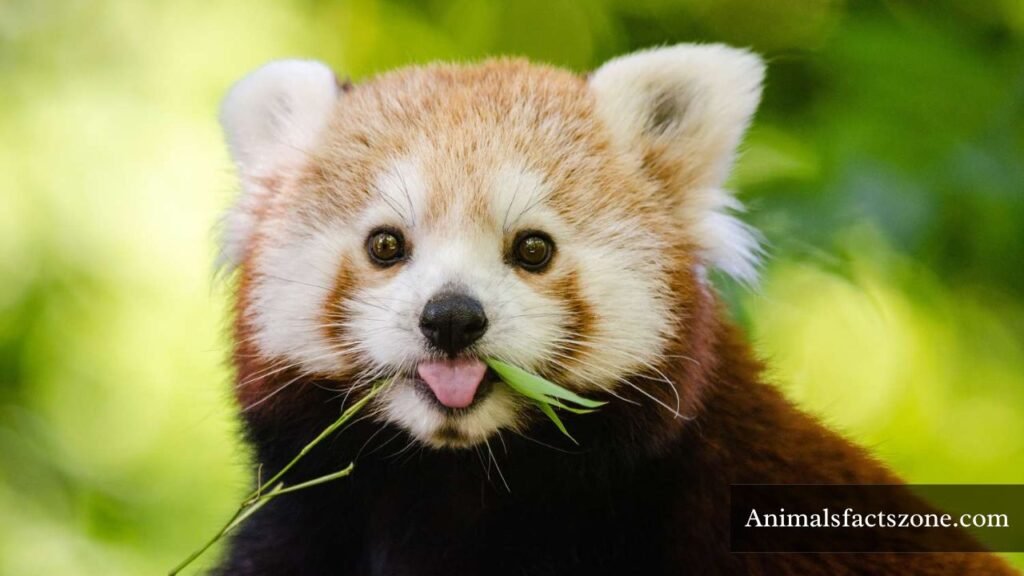
Beyond their physical allure, red pandas play a crucial role in their ecosystem. As they traverse the forest canopy, they help to maintain vegetation and promote biodiversity. Their foraging habits can influence the growth patterns of bamboo, which impacts other species in their environment. Unfortunately, despite their ecological importance, red pandas face significant challenges, including habitat loss and poaching, underscoring the need for conservation efforts. Embracing their quirky nature also sheds light on the broader issues affecting wildlife — making the plight of red pandas a poignant reminder of our responsibility to protect these charming inhabitants of our planet.
Mole Rats
Scientific Name: Heterocephalus glaber
Class: Mammalia
Diet: Herbivore
Mole rats present a fascinating glimpse into the complexities of subterranean life. These remarkable rodents, particularly the naked mole rat, have evolved to thrive in harsh underground environments, showcasing a range of adaptations that challenge our understanding of social structures among animals. Unlike the solitary fox, which roams the surface, mole rats exhibit an intricate social organization, living in colonies that resemble those of bees and ants. This unique dynamic raises intriguing questions about cooperation and survival, as they share roles of foraging, nursing, and protection.
Moreover, mole rats possess a stunning biological toolkit, including resistance to cancer and an unusual form of social behavior where altruism flourishes. Their extraordinary ability to live in low-oxygen, high-carbon dioxide environments speaks to nature’s ingenuity, enabling them to navigate a world few creatures dare to explore. By studying these elusive rodents, scientists unlock secrets that may offer insights into aging, disease resistance, and even the social dynamics of our own species. Each glimpse into the underground world of mole rats not only deepens our appreciation for biodiversity but also reminds us that remarkable adaptations often lie hidden beneath the surface.
Dholes
Scientific Name: Cuon alpinus
Class: Mammalia
Diet: Carnivore
Dholes, having almost identical appearance to their more famous relatives, the foxes, are an intriguing blend of wild dog charm and fox-like agility. Found in the forests and grasslands of Asia, these highly social canids live in packs that can number up to 12 individuals, showcasing a fascinating complexity in their social structures. Their vocalizations, often likened to a series of whistles and chirps, create a captivating symphony in the wild, distinguishing them from other canids and enhancing their pack dynamics.
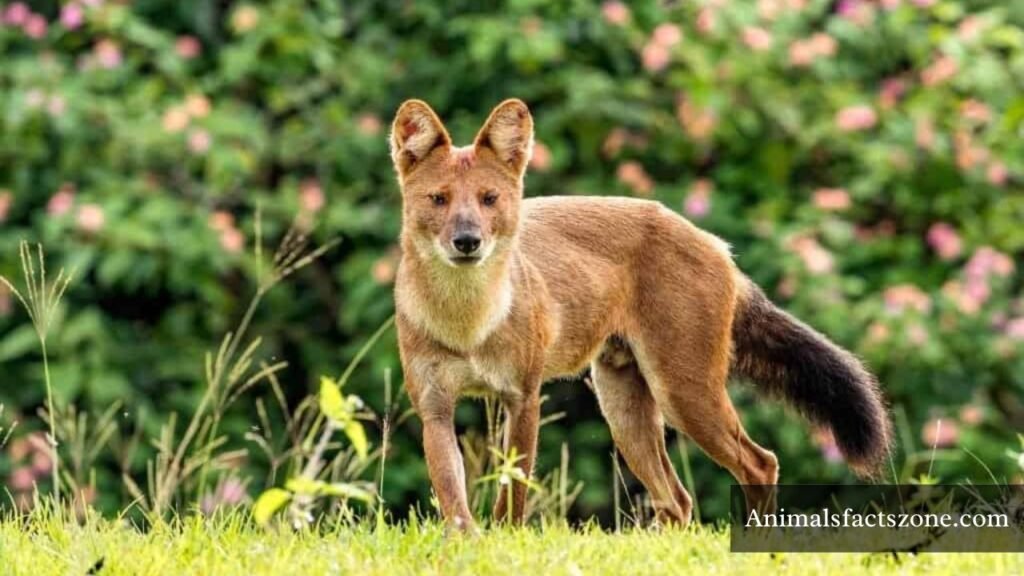
One striking aspect of dholes is their cooperative hunting technique. Unlike many solitary hunters, they rely on teamwork to take down prey, which ranges from small mammals to large ungulates. This collective behavior not only boosts their efficiency but also enriches their social bonds. Dholes display a remarkable adaptability in their diet and habitat, allowing them to thrive in various ecosystems, from dense jungles to open savannas. As apex predators, their presence plays a crucial role in maintaining the ecological balance, reminding us that even lesser-known species have profound impacts on their environments.
Readmore: Explore Top 13 Animals Like Hamsters.
Dingoes
Scientific Name: Canis familiaris dingo
Class: Mammalia
Diet: Carnivore
Dingoes, often regarded as Australia’s wild canines, share a striking resemblance to foxes, particularly in their cunning demeanor and bushy tails. These agile predators have adapted to a variety of ecosystems, showcasing a remarkable resilience that parallels that of the fox in diverse habitats. While both exhibit a knack for resourcefulness, dingoes are uniquely social animals, forming tight-knit packs that enhance their hunting strategies and survival skills. This social structure not only aids in their efficiency as hunters but also offers fascinating insights into their communication methods and social dynamics.
Dingoes’ vocalizations create a rich tapestry of sounds, from howls to yips, reflecting their complex social interactions much like the various calls found in fox family groups. However, their evolutionary journey diverges significantly from that of foxes. As descendants of domesticated dogs brought to Australia thousands of years ago, dingoes have adapted to an environment teeming with unique challenges, leading to behaviors that are intriguingly different from their European counterparts. This intertwining of history and adaptation raises compelling questions about how environmental pressures shape the social and physical traits of these canids, inviting us to reconsider our understanding of canine evolution as a whole.
Fennec Fox
Scientific Name: Vulpes zerda
Class: Mammalia
Diet: Omnivore
The Fennec fox, a small nocturnal creature native to the sandy deserts of North Africa, captivates with its enormous ears that can measure up to six inches long. These ears not only contribute to its adorable appearance but also serve a practical purpose; they help regulate body temperature in the scorching heat and enhance the fox’s acute hearing, allowing it to detect prey beneath the sand. Imagine wandering through the desert at night, illuminated by moonlight, and hearing the faint rustle of a mouse unaware of its impending doom.
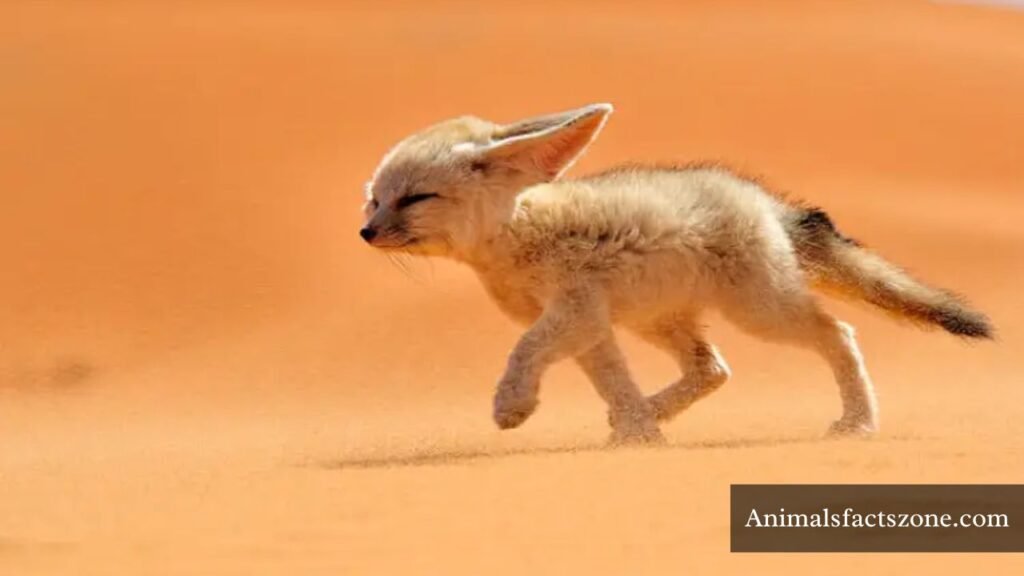
Despite their small size, Fennec foxes possess a remarkable blend of agility and playfulness. They engage in dynamic social interactions, often playing together, which strengthens their bonds and improves their hunting skills. Unlike other fox species, Fennecs thrive in tight-knit family groups, offering a glimpse into their complex social structures. Observing these interactions can evoke awe for how nature fosters cooperation in survival, reminiscent of the intricate dances seen in other social animals.
Coyotes
Scientific Name: Canis latrans
Class: Mammalia
Diet: Omnivore
Coyotes, often dubbed the “tricksters of the wild,” share an intriguing kinship with foxes, exhibiting a remarkable blend of adaptability and cleverness. While foxes are celebrated for their cunning and playful demeanor, coyotes take that intelligence to a whole new level, thriving in diverse environments — from urban landscapes to remote deserts. Unlike their bushy-tailed counterparts, coyotes are social animals, often seen in small family groups that enhance their hunting strategies and provide safety in numbers.
One fascinating aspect of coyotes is their vocal repertoire, which includes an array of howls, yips, and barks that not only communicate with pack members but also serve to ward off competitors. This vocalization enhances their role as apex predators in various ecosystems, allowing them to thrive where other species might struggle. Their omnivorous diet showcases their versatility — they can eat everything from rodents and rabbits to fruits and even human food scraps, making them true survivors in an ever-changing world. This adaptability not only keeps them one step ahead in the wild but also paints a portrait of resilience that invites admiration.
Culpeo
Scientific Name: Lycalopex culpaeus
Class: Mammalia
Diet: Carnivore
Culpeos, often referred to as the Andean fox, embody a fascinating blend of adaptability and unique characteristics that make them stand out in the wild. Unlike their more commonly known relatives, the red foxes, Culpeos have an impressive ability to thrive in diverse habitats ranging from high-altitude grasslands to dense forests in the Andes mountains. This remarkable versatility not only showcases their resilience but also invites a deeper look at how such adaptability influences their role in the ecosystem.
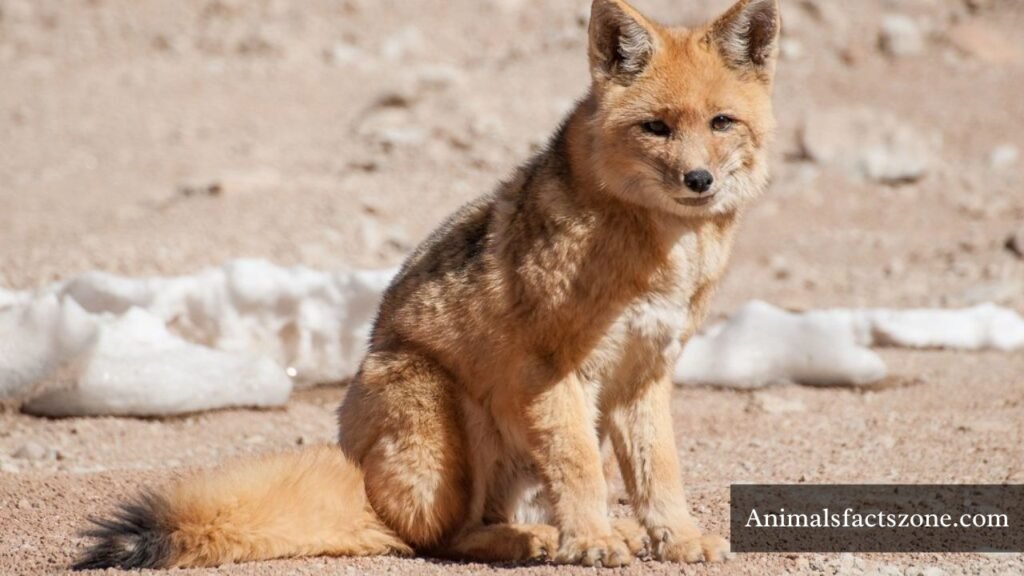
One striking feature of Culpeos is their dietary habits, which extend beyond the usual carnivorous preferences of many fox species. These animals possess a highly varied diet, incorporating fruits, carrion, and even small rodents, reflecting their opportunistic foraging behavior. This ecological flexibility is crucial, especially considering the changing environments they inhabit. As climate shifts and human encroachment alter their landscapes, the Culpeo’s ability to adjust its diet helps ensure its survival, providing a blueprint for other wildlife facing similar pressures. Such traits remind us of the intricate relationships within ecosystems, where the survival of one species can significantly impact the overall health of the biosphere.
You can also read: Explore Top 15 Animals Like Ferrets.
Mountain Lions
Scientific Name: Puma concolor
Class: Mammalia
Diet: Carnivore
Mountain lions, often referred to as cougars or pumas, share intriguing similarities with foxes that extend beyond their predatory prowess. Both animals exhibit remarkable adaptability, thriving in diverse habitats — from dense forests to arid mountains. This flexibility allows them to navigate their environments with a blend of stealth and agility, showcasing their skills as skilled hunters. Just like foxes, mountain lions are solitary creatures, relying on their acute senses to stalk prey under the cover of darkness, embodying a blend of grace and power.
Furthermore, the social behaviors of both species reveal a fascinating layer of their existence. While foxes engage in playful interactions, often forming strong family bonds, mountain lions are more elusive, opting for solitary escapades. Yet, both animals demonstrate a strong territorial instinct, marking their domains with scent to ward off competitors. Both embody a spirit of resourcefulness; foxes utilize clever tactics to outsmart their prey, while mountain lions display raw strength and agility, highlighting the diverse strategies within the animal kingdom that ensure survival in the wild. As apex predators, both play vital roles in maintaining ecological balance, reminding us of the intricate web of life that connects these seemingly disparate species.
Jackals
Scientific Name: Canis aureus
Class: Mammalia
Diet: Omnivore
Jackals, often overshadowed by their more famous cousin, the fox, offer a fascinating glimpse into the diverse adaptability of canids. Like foxes, jackals are cunning, resourceful, and exhibit remarkable behaviors that help them thrive in a variety of environments, from savannas to arid deserts. Known for their distinctive vocalizations, jackals communicate with a haunting harmony that echoes through their territories, much like the way foxes share their presence with sharp yips and howls.
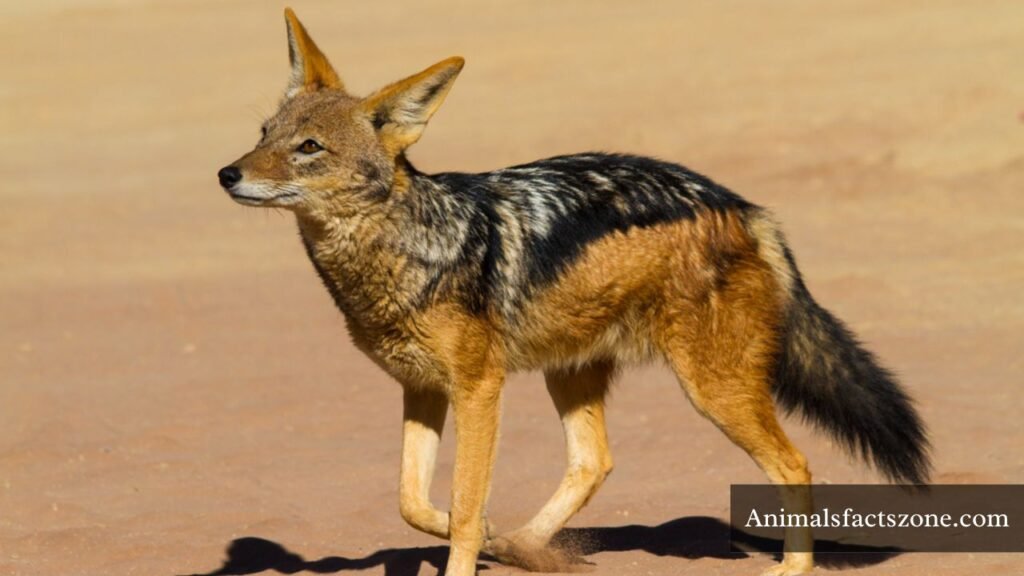
What truly sets jackals apart is their social structure; unlike the typically solitary fox, jackals often form small family groups or packs that work cohesively to hunt and defend their territory, resembling the dynamics of wolves. This cooperative behavior allows them to exploit different food sources, from scavenging on carcasses to hunting rodents and birds, demonstrating their versatility as omnivores. Their keen intelligence and ability to adapt to human-altered landscapes reveal an unexpected parallel to foxes, which have also flourished alongside urban development. In exploring the world of jackals, one uncovers a rich tapestry of survival strategies that echo the cleverness of foxes, while also revealing the unique niche these remarkable animals occupy in the natural world.
Civets
Scientific Name: Civettictis civetta
Class: Mammalia
Diet: Omnivore
Civets, often overlooked in the animal kingdom, share an intriguing resemblance to foxes, both in their sleek bodies and elusive nature. Found primarily in the forests and grasslands of Africa and Asia, these creatures are more than just a visual echo of their canid counterparts. With their distinctive markings and expressive faces, civets possess an undeniable charm that can easily capture the attention of wildlife enthusiasts. Unlike foxes, which are predominantly terrestrial, civets are adept climbers, showcasing a unique blend of agility and stealth as they navigate through the trees to hunt or evade predators.
A fascinating aspect of civets is their role in ecosystems. As omnivores, they contribute to seed dispersal, helping maintain the balance of their habitats. Their diet primarily consists of fruits, insects, and small mammals, offering a glimpse into their adaptable nature. This dietary flexibility not only highlights their resilience but also reflects their importance in controlling insect populations. Moreover, civets are famous for producing kopi luwak, a gourmet coffee made from beans that have passed through their digestive systems, adding an unexpected twist to their cultural significance and economic value. In a world where wildlife often fades into the background, civets remind us of the complexity and interconnectedness of nature, drawing a subtle yet distinct line between familiarity and the unknown.
Domestic Dogs
Scientific Name: Canis lupus familiaris
Class: Mammalia
Diet: Omnivore
Domestic dogs, like their wild counterparts, share more than just a familial bond with foxes; they both exhibit remarkable adaptability and intelligence. This connection isn’t just genetic; it’s mirrored in behavior. For instance, the playful spirit found in many dog breeds echoes the cunning and agile nature of foxes. Whether it’s the way pups playfully dart around or the sharp focus displayed during a game of fetch, there’s an undeniable kinship in their capacity for joy and mischief.

Moreover, dogs and foxes both possess keen problem-solving abilities, a trait that underscores their evolutionary success. This intelligence is vividly displayed in their social interactions, where dogs, akin to foxes, navigate complex hierarchies within packs or families. The way a domestic dog forms bonds and communicates with humans reflects the social intelligence that foxes utilize in the wild, showcasing the depth of their emotional connections. Observing these parallels can offer us a renewed appreciation for our canine companions, highlighting how much of their essence comes from those wild ancestors.
Readmore: Explore Top 17 Animals Like Raccoons.
Margay
Scientific Name: Leopardus wiedii
Class: Mammalia
Diet: Carnivore
Margays, often dubbed the “tropical equivalent of the fox,” showcase a blend of agility and elegance that captivates wildlife enthusiasts. Unlike their more common cousins, the margay has an extraordinary ability to maneuver through treetops, thanks to their remarkable limb structure and prehensile tails. This skill allows them to hunt small birds and mammals in their arboreal habitats, reflecting a striking adaptation that sets them apart in the feline family.
Despite their small size, margays exhibit a playful and curious nature reminiscent of foxes, making them equally fascinating companions in the wild. Their distinctive markings, with spots and stripes that provide excellent camouflage among the dappled sunlight of the rainforest, serve as a reminder of nature’s artistry. Insights into their behavior reveal a solitary lifestyle, yet they communicate through a unique array of vocalizations, showcasing their social complexity. In appreciating the margay, one uncovers the intricate links between adaptability, habitat, and survival in the animal kingdom, all while observing a creature whose charm parallels that of the elusive fox.
Raccoon
Scientific Name: Procyon lotor
Class: Mammalia
Diet: Omnivore
Raccoons, often mistaken for their distant relatives, the foxes, display a blend of cleverness and charm that captures the fascination of many. These masked bandits are notorious for their dexterous paws, which allow them to manipulate objects and open containers, much like a whiskered Houdini. This dexterity, paired with their keen problem-solving abilities, showcases a level of intelligence that rivals some of the most cerebral animals in the wild. In urban environments, raccoons have adapted astoundingly well, often seen rummaging through garbage in search of a midnight snack, embodying a spirit of resourcefulness reminiscent of foxes foraging through forested areas.
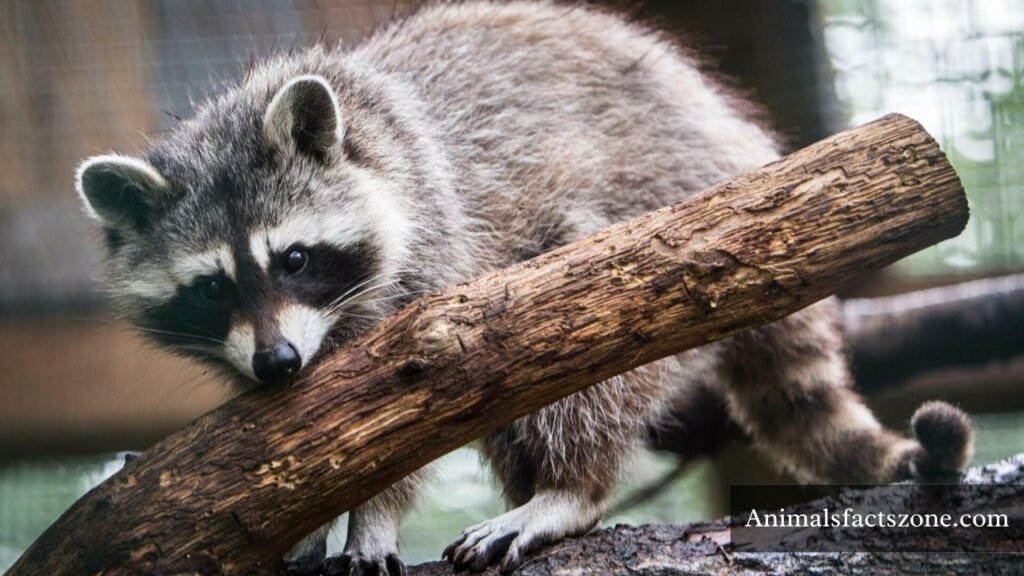
Moreover, their curiosity drives them into social interactions that are as intriguing as they are playful. Raccoons often engage in playful behavior, not just with their kin but also with other species, hinting at a social complexity that transcends mere survival. They communicate using a variety of vocalizations, from purring to screeching, adding layers to their interactions that echo the complex vocal arrays of foxes. With their striking appearance and nuanced behaviors, raccoons invite us to explore themes of adaptability and survival that resonate deeply in our shared ecosystems.
Wolves
Scientific Name: Canis lupus
Class: Mammalia
Diet: Carnivore
Wolves, often perceived as the enigmatic rulers of the wilderness, share a surprising number of traits with their smaller, cunning cousins, the foxes. Both belong to the Canidae family, yet their social structures dramatically diverge. While foxes are often solitary or form small family units, wolves thrive in packs that epitomize cooperation and intricate social hierarchies. This pack mentality allows wolves not only to hunt more effectively but also to cultivate deep bonds and communal responsibilities, showcasing a level of social sophistication that highlights adaptability in the wild.
Interestingly, the hunting techniques of wolves reflect a blend of strategy and teamwork reminiscent of a well-rehearsed dance. They communicate with a range of vocalizations, body language, and even facial expressions, fostering a degree of cooperation that enhances their hunting prowess. In contrast, foxes rely more on stealth and cunning individual tactics, demonstrating incredible resourcefulness in their pursuit of smaller prey. Both animals, magnificent in their own rights, illustrate the diverse survival strategies that mammals can employ, reminding us of the unpredictability and wonder of nature. This rich tapestry of behaviors and interactions offers insights into the evolutionary paths that highlight the uniqueness of each species while underscoring their shared lineage.
Skunks
Scientific Name: Mephitis mephitis
Class: Mammalia
Diet: Omnivore
Skunks, often overlooked for their notorious odor, share several intriguing similarities with foxes that highlight the diversity of adaptations in the animal kingdom. Both skunks and foxes belong to the Carnivora order, showcasing a remarkable ability to thrive in varied environments. While foxes are celebrated for their cunning and clever nature, skunks possess their own unique adaptations, particularly their remarkable defense mechanism. Rather than relying on speed or stealth like foxes, skunks use their distinctive spray to deter predators, proving that there’s more than one way to navigate threats in the wild.
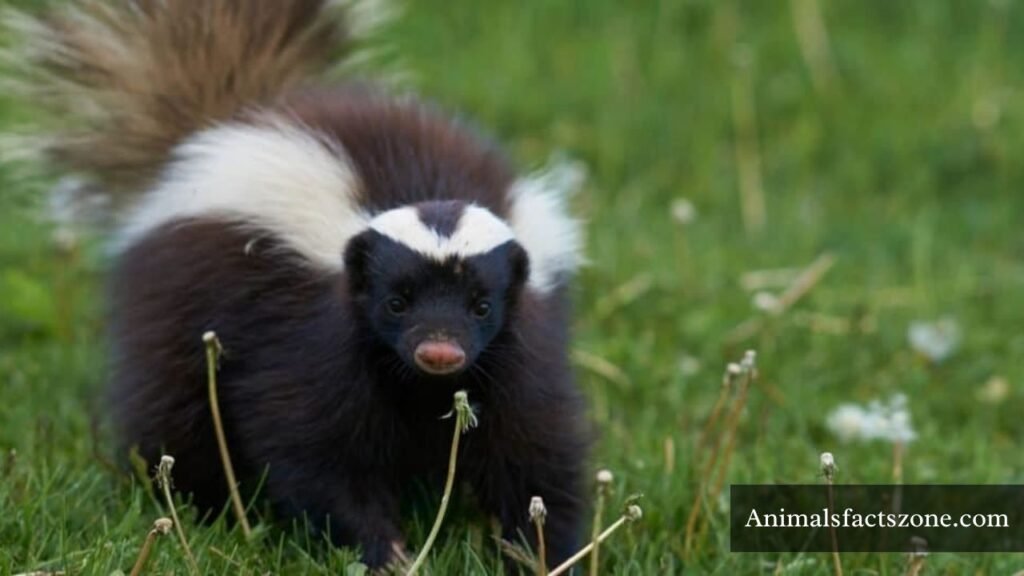
Socially, skunks and foxes also exhibit fascinating behaviors. While foxes are known for their solitary or small family units, skunks display a surprising degree of social interaction. They often live in loose colonies, especially in urban areas, where they utilize communal den sites. This adaptability speaks to their cleverness in resource acquisition, much like their fox counterparts who are known to ingeniously exploit food sources. By exploring these similarities, we can gain a deeper appreciation for how different species evolve strategies to survive and thrive in the wild, making both skunks and foxes compelling subjects in the tapestry of nature.
Readmore: Explore Top 13 Animals Like Groundhogs.
African Wild Dogs
Scientific Name: Lycaon pictus
Class: Mammalia
Diet: Carnivore
African Wild Dogs, also known as painted wolves, share remarkable similarities with foxes, particularly in their social structures and hunting strategies. Like foxes, they are known for their keen intelligence and adaptability, traits that enable them to thrive in diverse environments across sub-Saharan Africa. Their striking coat patterns not only serve as a camouflage in the wild but also facilitate social interactions within their packs, much like the variegated hues of a fox’s fur can indicate health and vitality.
While foxes are often solitary hunters, African Wild Dogs epitomize the power of teamwork. Their intricate hunting technique involves a coordinated effort, showcasing a level of sophistication reminiscent of a fox’s cunning. In their pursuit of prey, these canids display remarkable endurance and stamina, running down animals over long distances. This collaborative approach not only enhances their hunting success but also solidifies the bonds within the pack, much like the familial ties observed in fox communities. The African Wild Dog’s social dynamics and communal rearing of pups offer a window into the complexities of canine behavior, highlighting how these magnificent creatures embody both the wild spirit of the fox and the communal essence of pack life.
Cats
Scientific Name: Felis catus
Class: Mammalia
Diet: Carnivore
Cats and foxes share more than just a striking resemblance; they embody a whimsical connection between wildness and domesticity. Both possess agile bodies, sharp senses, and a natural curiosity that drives them to explore their surroundings. While foxes are often seen as clever tricksters in folklore, domestic cats carry their own share of mystique, known for their aloofness and enigmatic behavior. This shared intelligence and adaptability allow them to thrive in diverse environments, whether hunting in the wild or cozying up in a living room.
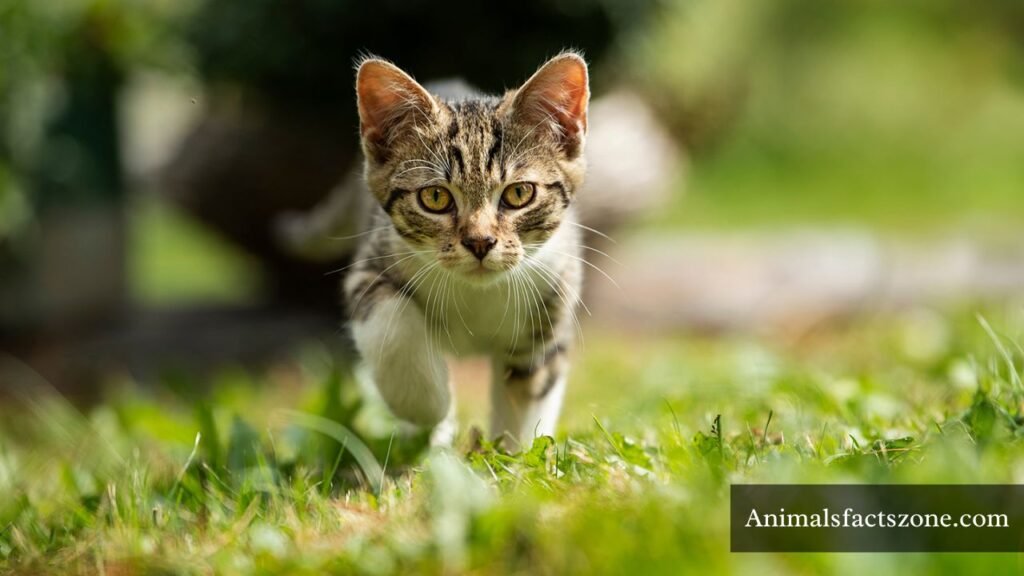
Interestingly, the social structures of both animals paint a rich picture of their behaviors. Foxes typically live in small, family units, showcasing nurturing bonds much like those seen in feline mothers and their playful kittens. Each species also relies heavily on communication — foxes communicate through a range of vocalizations and body language, while cats often use subtle movements and purring to express their feelings. This duality of independence and connection opens a fascinating dialogue about the instinctual drives that bind them to their environment and to each other, enchanting pet lovers and wildlife enthusiasts alike.
Bat-Eared Fox
Scientific Name: Otocyon megalotis
Class: Mammalia
Diet: Insectivore
The Bat-Eared Fox, with its strikingly large ears and slender frame, offers a fascinating glimpse into the adaptability of life in Africa’s savannas and grasslands. These ears, which can be up to six inches long, are not just for show; they serve a vital role in thermoregulation and keen hearing. With their ability to pick up the subtlest of sounds, Bat-Eared Foxes can detect insect larvae scuttling underground, making them expert foragers in a diet that primarily consists of termites and grasshoppers.
What makes these creatures particularly intriguing is their social structure and cooperative behavior. Living in family groups, they exhibit a remarkable level of social bonding and communication, often sharing food and grooming one another. This communal lifestyle not only enhances their survival rates against predators but also promotes a sophisticated social hierarchy. Observing their interactions can reveal a world of complex relationships, making the Bat-Eared Fox much more than just another charming mammal; it showcases the intricate dance of life in the wild where teamwork and strategy are just as critical as speed and stealth.
Bobcats
Scientific Name: Lynx rufus
Class: Mammalia
Diet: Carnivore
Bobcats are fascinating creatures that share intriguing similarities with foxes. Both bobcats and foxes belong to the family Felidae and Canidae, respectively, yet they exhibit remarkable adaptability in their natural habitats. Like foxes, bobcats have a keen sense of hearing, allowing them to detect prey from a distance, and their stealthy hunting style reflects the cunning nature often attributed to foxes. This shared adaptability enables both species to thrive in a variety of environments, from forests to suburban areas, showcasing their resilience.
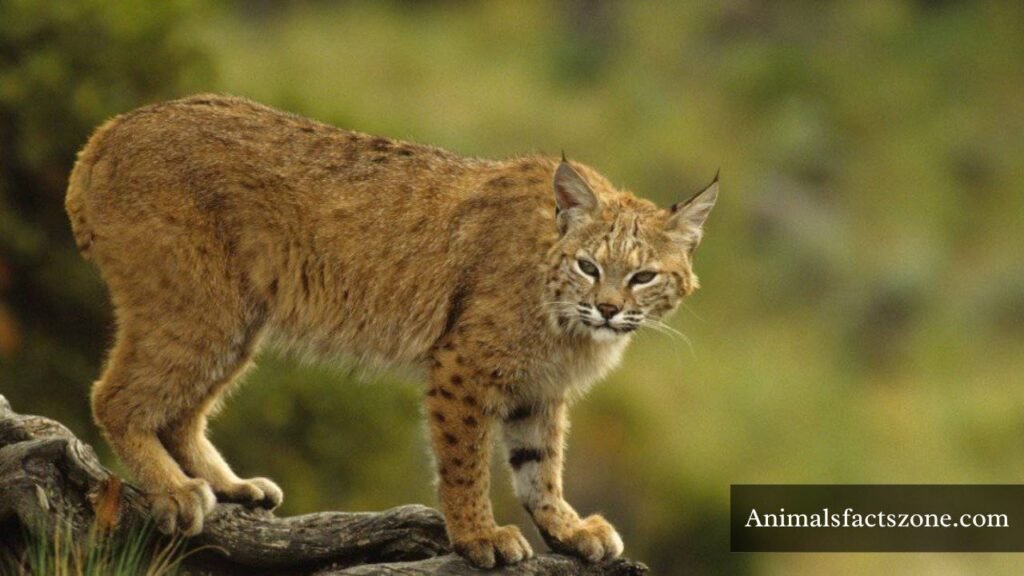
Moreover, bobcats are known for their secretive behavior and elusive movements, drawing parallels to the sly demeanor of foxes. Both animals communicate through a range of vocalizations, but bobcats also engage in a unique form of territorial marking through scratch marks and scent markings, a behavior less pronounced in foxes. This distinctive method of leaving their mark highlights the bobcat’s solitary nature and territorial instincts, contrasting with the more social fox. In essence, while bobcats and foxes may hail from different families, their survival strategies and behaviors reveal a shared spirit of cunning and adaptability that captivates wildlife enthusiasts and casual observers alike.
Maned Wolf
Scientific Name: Chrysocyon brachyurus
Class: Mammalia
Diet: Omnivore
The maned wolf, often mistaken for a fox due to its slender legs and bushy tail, presents a unique blend of characteristics that sets it apart in the canid family. Residing primarily in the grasslands and savannas of South America, these majestic creatures are intriguing not only for their looks but also for their behavior. Their long, lanky limbs, ideal for navigating tall vegetation, hint at an evolutionary adaptation that allows them to thrive where many other canids struggle. Unlike traditional foxes, maned wolves are known for their solitary habits, often foraging alone rather than in packs, which offers them a distinct niche in their ecosystem.
What truly sets the maned wolf apart is its diet, which leans heavily on an array of fruits and small mammals. This omnivorous tendency is rare among similar species and showcases their adaptability in diverse habitats. The maned wolf’s preference for the lobeira fruit — also known as the wolf apple — exemplifies a fascinating relationship with the environment, as these fruits play a vital role in seed dispersal. Owing to their unique vocalizations, which can range from deep howls to high-pitched barks, they communicate in ways that are particularly suited to their sparsely populated territories. Observing these remarkable animals in their natural habitat offers a deeper appreciation for their role in maintaining ecological balance, and the ongoing conservation efforts to protect them underline the importance of preserving unique wildlife in an ever-evolving world.
Mongooses
Scientific Name: Herpestes edwardsi
Class: Mammalia
Diet: Carnivore
Mongooses and foxes share a surprising number of traits that make them fascinating in their own right. Both are small, agile mammals known for their cunning and adaptability, yet mongooses present a unique twist on the narrative of clever survival. With over 30 species, mongooses exhibit a remarkable range of social structures — from the solitary to the highly social, like the meerkat — revealing that intelligence and cooperation can manifest in diverse ways.
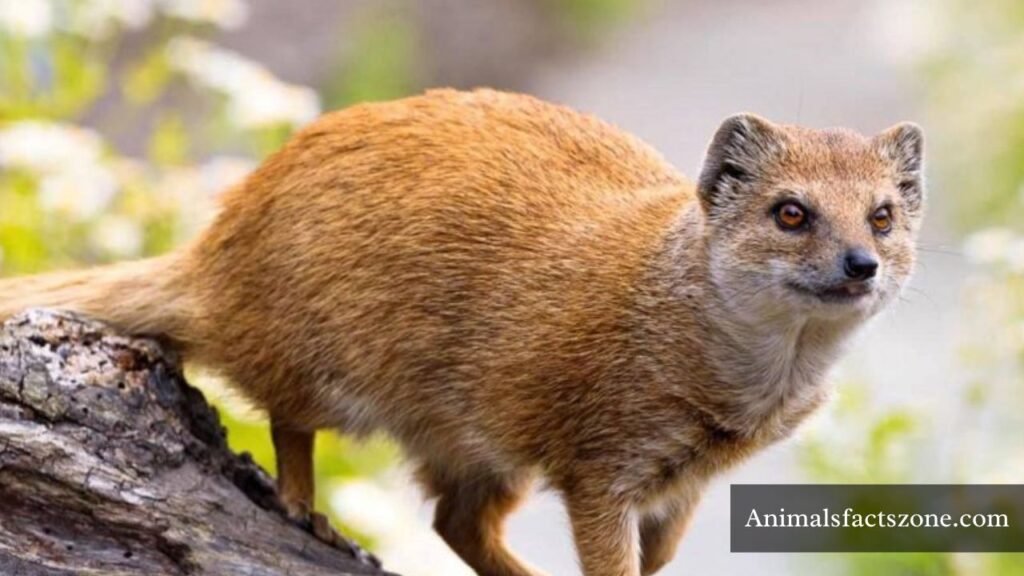
Their distinctive ability to take on venomous snakes offers an exhilarating glimpse into the world of predator and prey. Unlike foxes, which often rely on stealth and evasion, mongooses use agility and fearless coordination to confront threats head-on. This combative prowess, coupled with their keen reflexes, enables them to thrive in environments fraught with danger, from arid deserts to lush rainforests. Observing their dynamic interactions within their groups, especially in species like the meerkat, can provide profound insights into social behavior and communal living that echo across the animal kingdom.
Weasels
Scientific Name: Mustela nivalis
Class: Mammalia
Diet: Carnivore
Weasels, often overlooked in favor of their more glamorous relatives, embody a blend of adaptability and cunning that rivals that of foxes. With their slender bodies and sharp features, weasels are masters of stealth, capable of slipping through the tiniest of openings in search of prey. Their keen hunting skills are not merely a result of physical prowess; they demonstrate remarkable intelligence and problem-solving abilities, reminiscent of how foxes navigate their environments.
What sets weasels apart is their unique social structure. Unlike the generally solitary fox, some weasel species display a fascinating social dynamic, living in small family units. This behavior allows them to coordinate hunting strategies and share resources, showcasing a level of cooperation that deepens our appreciation for their complexity. When weasels engage in playful sparring, it offers a glimpse into their social lives, revealing that there’s more than meets the eye behind their mischievous facade. As you explore the world of these agile creatures, you’ll find that weasels are not just echoes of foxes but unique symbols of adaptability and wit in the wild.
Raccoon Dogs
Scientific Name: Nyctereutes procyonoides
Class: Mammalia
Diet: Omnivore
Raccoon dogs, or tanukis, provide a fascinating parallel to foxes, despite being distinct members of the canid family. These charming creatures, native to East Asia, exhibit a unique combination of characteristics that blur the lines between dogs and foxes. With their fluffy tails and raccoon-like facial markings, raccoon dogs capture the imagination, evoking the playful essence of a fox while maintaining a more down-to-earth demeanor.
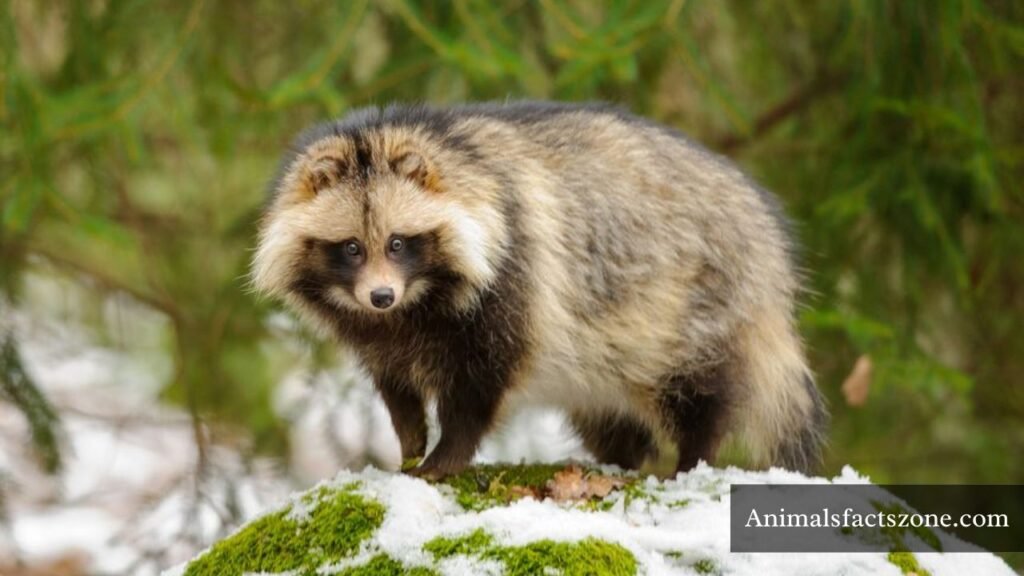
One of the most intriguing aspects of raccoon dogs is their adaptability. Unlike their more solitary fox relatives, they often form monogamous pairs and can even exhibit a pronounced social structure within their communities. This adaptability extends to their diet as well; raccoon dogs are omnivorous, consuming fruits, insects, and small animals, which allows them to thrive in diverse environments. Their keen sense of curiosity mirrors that of foxes, making them adept at scavenging and exploring their surroundings, yet their more social behaviors offer a fascinating contrast that highlights the rich tapestry of canid animal behavior.
Readmore: Explore Top 20 Anxious Animals in The World.
Final Thoughts
The animal kingdom offers a fascinating array of species that share remarkable similarities with foxes, from their cunning behavior to their playful nature. Creatures such as raccoons, coyotes, and even some domestic pets exhibit traits that resonate with our beloved foxes. These animals not only thrive in diverse habitats but also demonstrate the adaptability and intelligence typically associated with their foxy counterparts. As we learn more about these intriguing beings, we grow to appreciate the intricate connections within ecosystems and the roles each species plays. Let’s continue to explore and protect these amazing animals, ensuring their survival for generations to come.
FAQs
What animal is similar to foxes?
Foxes belong to the family Canidae, which makes them relatives of several other animals. One of the closest relatives is the coyote, known for its adaptability and cunning nature. Both foxes and coyotes share similar physical traits, such as a long snout and bushy tail, and they often inhabit overlapping territories. Coyotes are slightly larger and more social, often seen in packs, whereas foxes are generally solitary. Another animal similar to foxes is the domestic dog. Dogs, having been domesticated from wolves, share a common ancestry with foxes and exhibit various behavioral traits, such as curiosity and playfulness. Breeds like the Shikoku or Finnish Spitz closely resemble foxes in appearance, showcasing similar fur patterns and facial structures.
What animal look like foxes?
Jackals resemble foxes in several ways, particularly in their slender bodies and bushy tails. Both animals belong to the Canidae family, which contributes to their similar appearance. Jackals typically have longer legs and a more elongated snout than most foxes, but their overall shape creates a striking resemblance.