Top 13 Most Agile Animals in the World (With Images)
Did you know that some animals can change direction mid-air while escaping predators? In the world of evolution, agility is a vital trait that not only aids survival but also fascinates us. This article will explore the Most Agile Animals in the World, showcasing their remarkable adaptations and skills. By understanding these agile creatures, you’ll appreciate the incredible diversity of life and the secrets of nature’s best athletes.
List of Most Agile Animals in the World
Here is the list of animals that are agile:
- Grey foxes
- Swordfish
- Mexican Free-tailed Bats
- Peregrine falcons
- Thomson’s Gazelles
- Cheetahs
- Dragonflies
- Golden Eagles
- Sailfish
- Ostriches
- Cape hunting dogs
- Pronghorns
- Spinner Dolphins
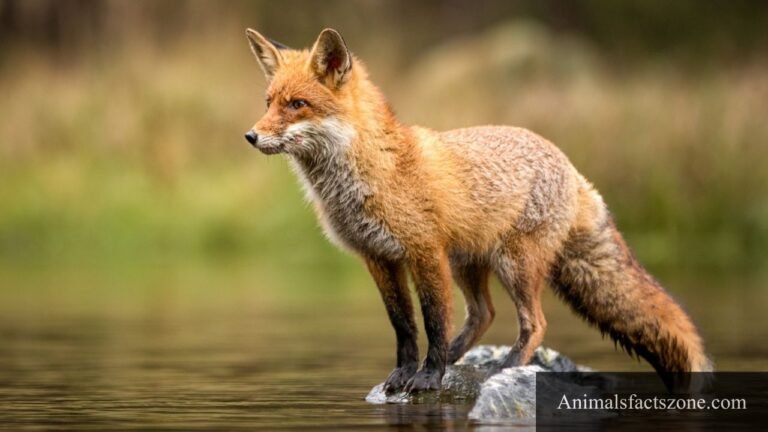
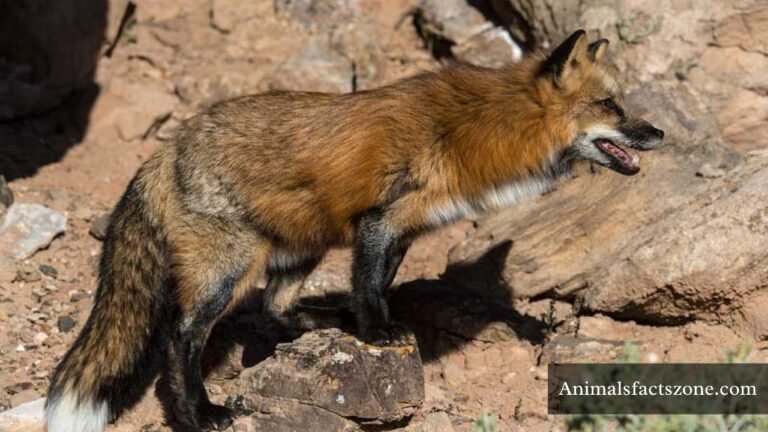
Grey Fox
Scientific Name: Urocyon cinereoargenteus
Class: Mammalia
Diet: Omnivore
Grey foxes are remarkable not only for their adaptability but also for their astonishing agility. Capable of reaching speeds up to 30 miles per hour, these nimble creatures can easily navigate diverse terrains, from dense forests to rocky landscapes. Their unique climbing ability sets them apart from other canids; grey foxes can ascend trees, using their sharp claws to grasp bark and branches. This skill not only aids in escaping predators but also allows them to access food sources such as fruits and birds’ nests, demonstrating their versatility as foragers.
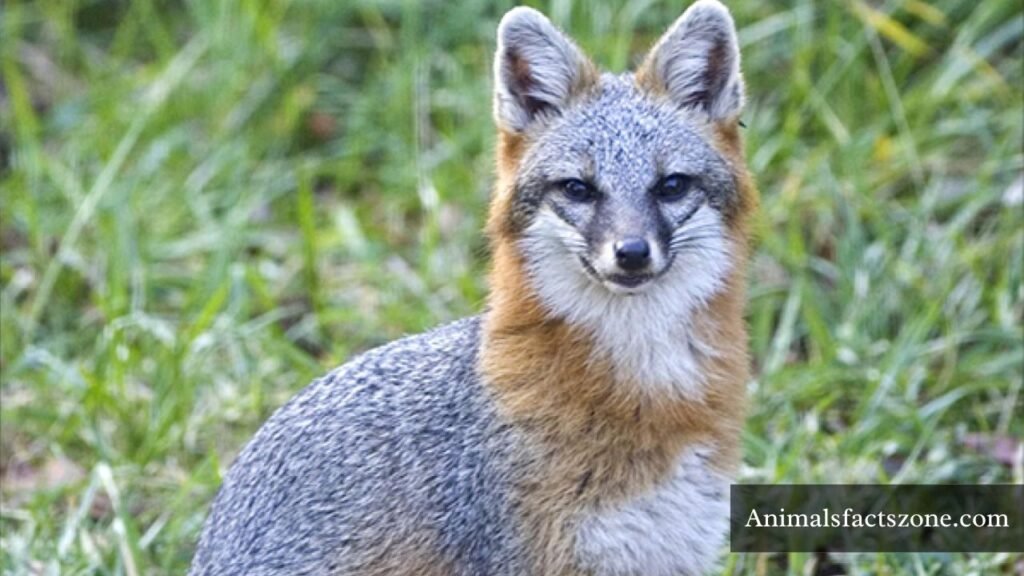
What truly captivates about grey foxes is their remarkable blend of stealth and speed. They often rely on their keen senses to stalk prey quietly, using their agility to make swift, calculated movements. This behavioral finesse is enhanced by their flexible spines, enabling sharp turns that are essential for quick escapes and sudden pounces — qualities that truly highlight their evolutionary advantage. In a world increasingly dominated by urban sprawl, grey foxes’ adaptability showcases a unique ability to thrive alongside human developments, often seen foraging in backyards and city parks.
Swordfish
Scientific Name: Xiphias gladius
Class: Actinopterygii
Diet: Carnivore
Swordfish, known for their impressive speed and agility, are among the ocean’s most formidable predators. Reaching speeds up to 60 miles per hour, these sleek creatures slice through water like living torpedoes. Their streamlined bodies and long, flattened bills provide both propulsion and precision, allowing them to navigate complex underwater terrain with remarkable grace. This unique combination of physical attributes not only makes them swift hunters but also helps them evade larger predators, showcasing nature’s design for survival.
Beyond their speed, swordfish are known for their incredible hunting techniques. They can display bouts of acrobatic behavior, leaping out of the water to catch prey or evade threats. This burst of energy, coupled with their keen eyesight, allows them to spot potential meals from distances other predators might miss. Intriguingly, their dorsal fins can be raised to an extended position, creating a profile that can intimidate rivals or lure curious prey — a fascinating tactic that highlights their intelligence in the marine ecosystem. Observing these majestic creatures in action sheds light on the intricate web of life beneath the waves, reminding us of the wonders that lie hidden in our oceans.
Mexican Free-tailed Bat
Scientific Name: Tadarida brasiliensis
Class: Mammalia
Diet: Carnivore
The Mexican free-tailed bat, often overlooked in discussions of agility, embodies an astonishing elegance in flight that sets it apart in the animal kingdom. Capable of reaching speeds over 99 miles per hour, these bats don’t just zoom through the night; they perform acrobatic feats that rival those of the most skilled aviators. Utilizing echolocation with remarkable precision, they navigate through complex landscapes, deftly avoiding obstacles and capturing insects mid-air with a grace that ignites awe.
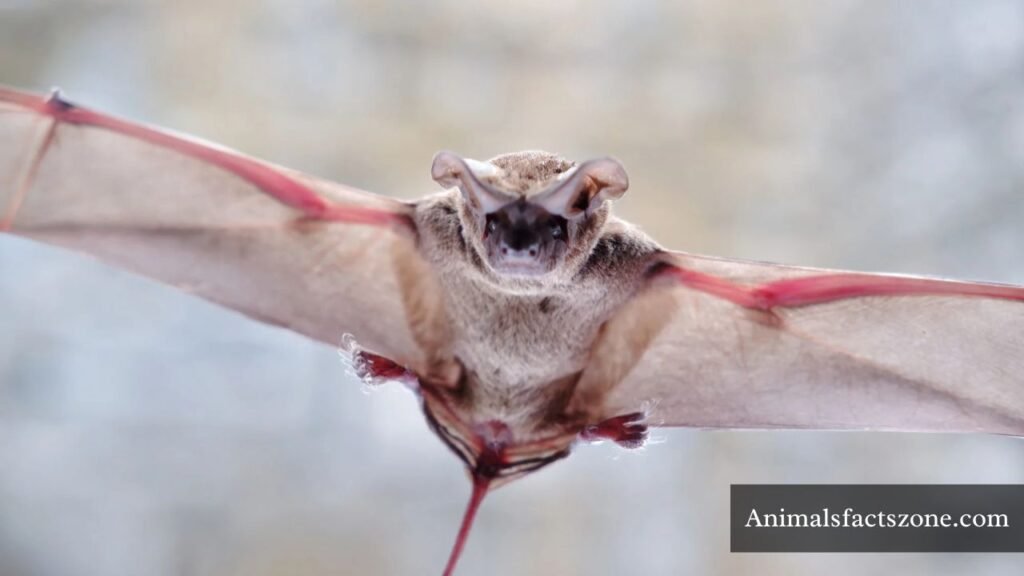
What makes their agility particularly fascinating is their social structure. Roosting in massive colonies, these bats create vibrant communities that enhance their hunting strategies. As they soar in unison, their synchronicity amplifies their efficiency, allowing them to cover vast areas in search of food. This collective agility not only ensures survival but also helps maintain ecosystems by controlling insect populations, showcasing a balance between grace and ecological responsibility that is essential in today’s environment.
Readmore: Explore Top 15 Cleanest Animals in The World.
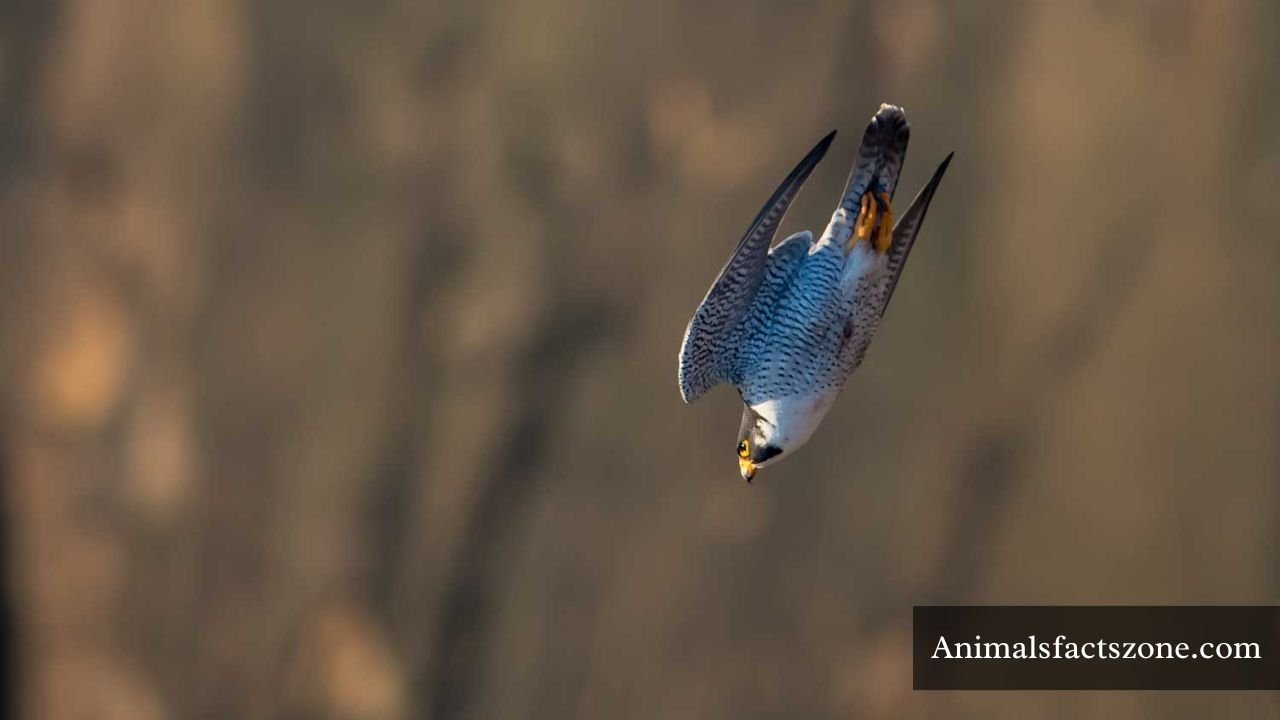
Peregrine Falcon
Scientific Name: Falco peregrinus
Class: Aves
Diet: Carnivore
The Peregrine Falcon, often hailed as nature’s ultimate aerial acrobat, epitomizes agility in the animal kingdom. With its remarkable ability to dive at speeds exceeding 240 miles per hour, this avian predator has redefined the concept of speed and maneuverability. It employs a unique hunting strategy known as stooping, where it tucks in its wings and plummets towards unsuspecting prey, showcasing an aerodynamic prowess that is nothing short of breathtaking. This precision diving technique not only allows it to catch prey mid-air but also demonstrates a masterful understanding of wind currents, making it a true artist in the sky.
Beyond sheer speed, the Peregrine Falcon exhibits extraordinary navigational skills. With keen eyesight that can spot prey from over a mile away, it seamlessly adapts to various environments — urban landscapes, coastal areas, and open fields. This adaptability speaks volumes about its survival capabilities, but it is the falcon’s incredible reflexes and quick thinking during flight that truly set it apart. It can effortlessly maneuver through complex aerial challenges, dodging both obstacles and rival birds, illustrating a level of agility that captivates birdwatchers and nature enthusiasts alike, reminding us of the evolutionary wonders that exist within our ecosystems.
Thomson’s Gazelle
Scientific Name: Eudorcas thomsonii
Class: Mammalia
Diet: Herbivore
Thomson’s Gazelle, often considered a marvel of agility, showcases a remarkable combination of speed and precision. In the vast savannas of East Africa, these animals dash at speeds reaching up to 50 miles per hour, making them one of the fastest animals on land. Their unique adaptations, such as flexible spines and powerful legs, allow them to turn sharply while evading predators, a testament to their evolutionary prowess. Observing a Thomson’s Gazelle in full flight is akin to witnessing a master dancer perform; each leap and bound is executed with breathtaking grace.
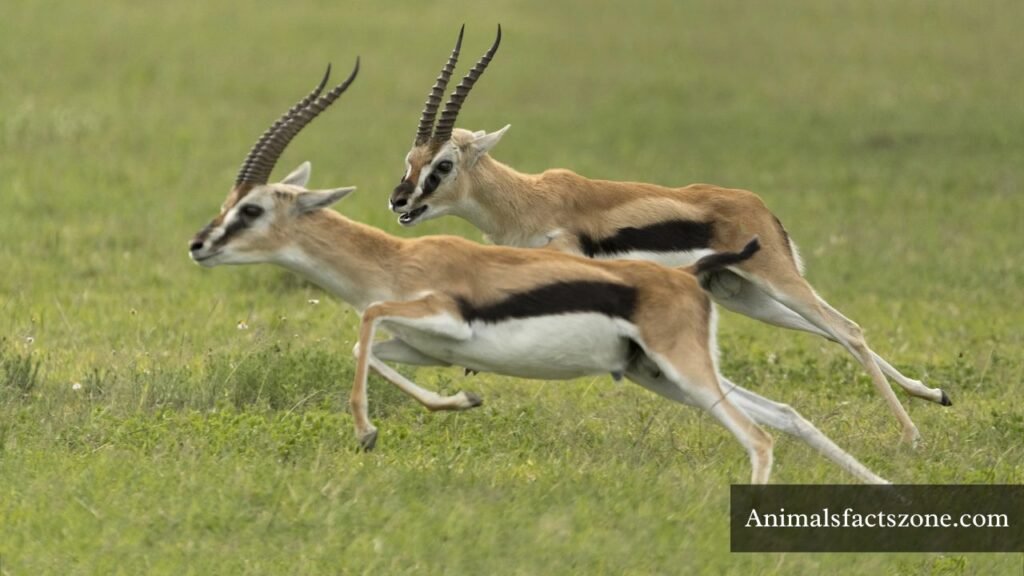
Beyond their physical attributes, these gazelles possess an acute awareness of their environment. Their large, expressive eyes can spot danger from great distances, and their social structure contributes to this vigilance. By forming herds, they not only increase their chances of spotting predators but also create a dynamic network that enhances survival. This tight-knit community spirit, combined with their agility, gives Thomson’s Gazelles a unique edge in the relentless competition for survival on the African plains, proving that speed is not just about physical capability, but also about awareness, strategy, and coordination.
Cheetah
Scientific Name: Acinonyx jubatus
Class: Mammalia
Diet: Carnivore
The cheetah is often celebrated as the fastest land animal, but its agility is equally remarkable. With a lightweight frame, long legs, and a flexible spine, this feline doesn’t just sprint; it exhibits an unparalleled ability to maneuver at high speeds. When chasing prey, it can change directions in an instant, weaving through obstacles with uncanny precision. This combination of speed and agility allows it to outsmart and outpace its competitors in the wild.
Beyond their physical abilities, cheetahs embody a unique hunting strategy that highlights their nimbleness. Unlike other big cats that rely on stealth and strength, cheetahs harness explosive acceleration to cover ground quickly, reaching speeds of up to 60 miles per hour in just a few seconds. This burst of energy, however, comes with a cost; it requires exceptional stamina management, forcing the cheetah to rely on its agile physique during the critical moments of the chase. By understanding these dynamics, we gain a deeper appreciation for the cheetah’s role in its ecosystem and the evolutionary adaptations that make it a marvel of natural agility.
Dragonfly
Scientific Name: Anisoptera
Class: Insecta
Diet: Carnivore
Dragonflies are the acrobats of the insect world, captivating observers with their unparalleled agility and grace. With the ability to hover, soar, and even fly backward, these remarkable insects showcase a unique flight strategy that combines power and precision. Their two pairs of wings operate independently, allowing for intricate maneuvers mid-air, making them formidable hunters and dancers of the skies. A dragonfly can change direction in an instant, making it a master of aerial pursuit, evading predators while effortlessly catching prey.
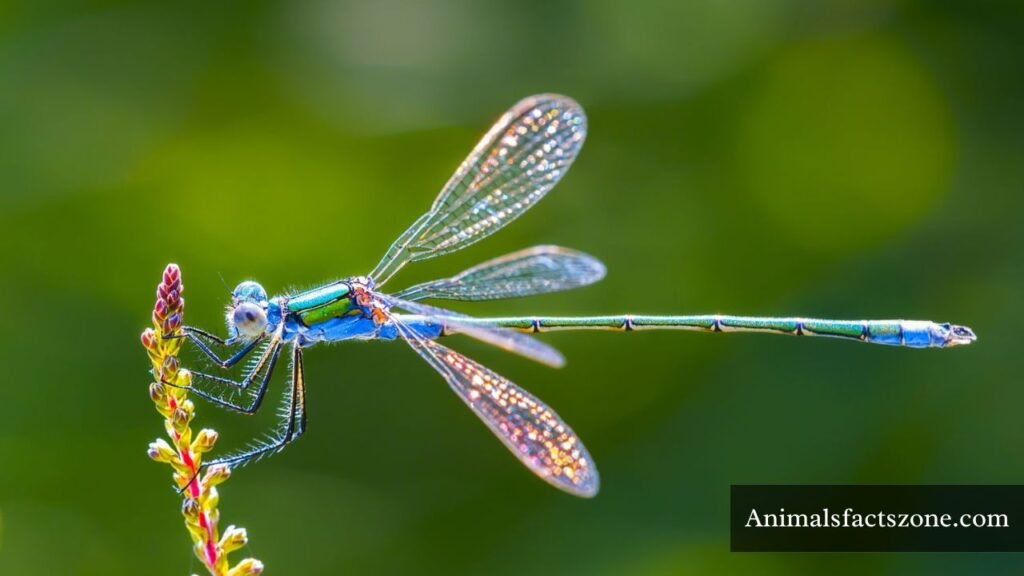
What sets dragonflies apart is not just their impressive physical abilities but also their sensory adaptations. Equipped with nearly 30,000 individual facets in their eyes, they enjoy nearly 360-degree vision. This extraordinary sight aids them in detecting movement and navigating quickly through complex environments, ensuring success in both capturing food and avoiding danger. Their life cycle further adds depth to their agility; beginning as aquatic nymphs, they transition from water to the air, exemplifying a stunning transformation of adaptability and resilience, emphasizing their role as both hunters in the sky and indicators of a healthy ecosystem.
Golden Eagle
Scientific Name: Aquila chrysaetos
Class: Aves
Diet: Carnivore
The Golden Eagle is not just a bird of prey; it’s an emblem of agility. With wingspans reaching up to seven feet, these magnificent creatures possess unparalleled aerial maneuverability, allowing them to dive at speeds exceeding 150 miles per hour. Imagine witnessing this avian athlete as it swoops down with precision, snatching prey from the ground with an accuracy that often feels like a well-rehearsed performance rather than chance.
What sets the Golden Eagle apart is not merely its speed but its adaptability and intelligence. In the rugged terrains it often inhabits, these eagles employ a remarkable strategy of soaring high and utilizing thermal currents to conserve energy, allowing them to cover vast distances in search of food. Furthermore, their keen eyesight enables them to spot movements from nearly two miles away — showcasing a fusion of agility and sharp instincts that rivals even the most agile of terrestrial predators. Observing a Golden Eagle in action offers a glimpse into a world where agility is not just about rapid movement, but a complex interplay of skill, strategy, and innate prowess.
Sailfish
Scientific Name: Istiophorus platypterus
Class: Actinopterygii
Diet: Carnivore
The sailfish is a marvel of nature, famed for being the fastest fish in the ocean, capable of reaching speeds over 68 miles per hour. Its streamlined body is perfectly adapted for swift movements, featuring a slender, elongated form that reduces drag in the water. What makes the sailfish truly remarkable is not just its speed, but its incredible agility. Unlike many other fast swimmers, it uses its large, retractable dorsal fin, or sail, to maneuver sharply and elude predators or catch prey with astonishing precision.
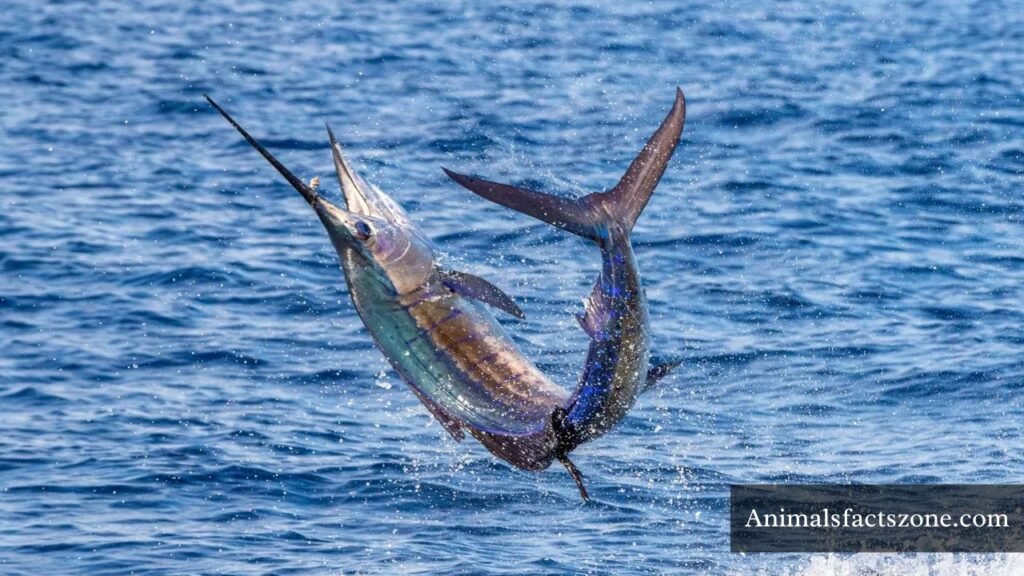
Beyond its physical adaptations, the sailfish’s hunting techniques reflect its agility. It employs a method known as “striped hunting,” where it uses its sail to herd schools of smaller fish, coordinating bursts of speed and sharp turns that create confusion and vulnerability among its targets. This intelligent strategy showcases not just brute force, but a deep understanding of its environment and the behaviors of other species. Observing the sailfish in action offers a rare glimpse into the captivating interplay between speed, strategy, and survival in the ocean’s depths.
Ostrich
Scientific Name: Struthio camelus
Class: Aves
Diet: Herbivore
The ostrich, often overshadowed by its flightless stature, is a marvel of agility on land, capable of reaching speeds up to 45 miles per hour. With its long, powerful legs, this large bird not only outruns potential threats but also executes sharp turns and sudden sprints, showcasing an impressive combination of speed and agility. Their unique body structure, featuring a lightweight frame and muscular legs, allows them to maintain such swiftness, challenging the conventional idea that size inhibits mobility.
Ostriches are masterful at navigating their environment. Their keen eyesight enables them to spot predators from miles away, allowing them to react swiftly while on the move. When threatened, they utilize a fascinating tactic: a rapid, zigzagging motion that confounds pursuers, illustrating that agility isn’t just about speed; it’s also about strategic movement. Coupled with their ability to cover large distances without tiring easily, ostriches redefine what it means to be agile in the animal kingdom.
Cape Hunting Dog
Scientific Name: Lycaon pictus
Class: Mammalia
Diet: Carnivore
The Cape Hunting Dog, also known as the African Wild Dog, epitomizes agility in the animal kingdom. With a body designed for speed, its lean frame and long legs enable bursts of swiftness that are crucial for hunting in the vast savannas of Africa. Unlike many canids, these dogs have a unique strategy: their extraordinary endurance allows them to chase prey over long distances rather than relying solely on short sprints. Observing them in action reveals a dance of athleticism, their coordinated pack movements showcasing not just agility but also an advanced level of communication and teamwork.
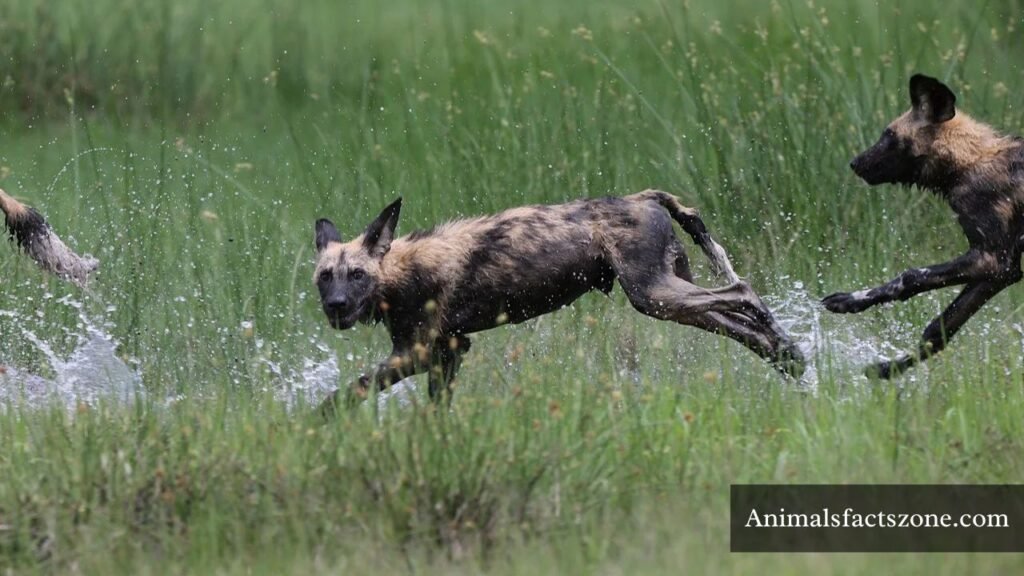
Beyond physical prowess, the Cape Hunting Dog’s adaptability is a testament to its survival instincts. They thrive in diverse environments, from grassy plains to woodlands, demonstrating remarkable versatility in their hunting strategies. Their success rate is significantly higher than that of other predators, often exceeding 80%, a striking example of how agility and coordination translate into effective predation. This ability to outmaneuver both prey and rival predators underscores their place as one of nature’s most agile creatures, and their complex social structures further add to their allure, revealing how agility extends beyond mere physicality into the realm of social intelligence.
Pronghorn
Scientific Name: Antilocapra americana
Class: Mammalia
Diet: Herbivore
The pronghorn, often mistaken for an antelope, is a remarkable creature boasting incredible agility and speed. Found in the open plains of North America, it can reach speeds of up to 55 miles per hour, making it the second-fastest land animal after the cheetah. Interestingly, unlike the cheetah, pronghorns can sustain high speeds over longer distances — up to 4 miles — allowing them to outlast many predators. This endurance reflects their adaptation to an environment where they need to navigate wide open spaces while evading threats.
What sets pronghorns apart is not just their speed but also their unique physiological traits. Their large eyes grant them exceptional vision, enabling them to spot danger from miles away. They have a unique tiered system of muscle fibers that allows them to switch between speed and endurance seamlessly. This adaptability has made them survivors in the face of rapid environmental changes, showcasing nature’s ingenuity. Ultimately, the pronghorn exemplifies a blend of beauty and functionality, solidifying its place as one of nature’s most agile and fascinating animals.
Spinner Dolphin
Scientific Name: Stenella longirostris
Class: Mammalia
Diet: Carnivore
The spinner dolphin, with its remarkable athleticism, is an awe-inspiring example of agility in the animal kingdom. These playful marine mammals can launch themselves up to 15 feet in the air, spinning multiple times before gracefully splashing back into the ocean. This acrobatic display, often seen in pods, serves not just for sheer enjoyment but also as a means of communication and social bonding within their groups. The sheer joy of watching these dolphins dance through the air evokes a sense of freedom that resonates deeply with onlookers.
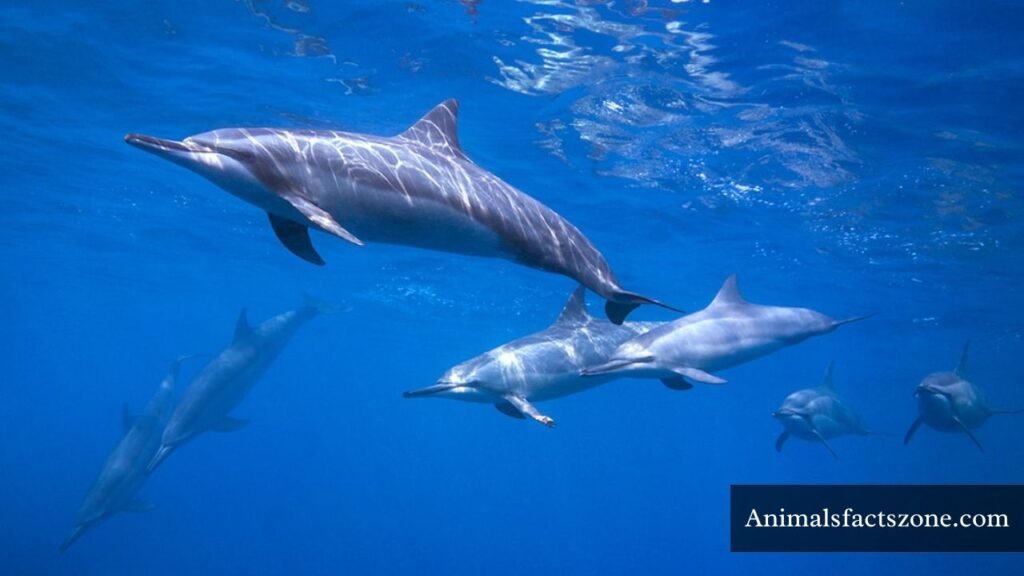
Their agility is not limited to their stunning aerial performances; spinner dolphins are also adept at navigating complex underwater environments. They can swiftly zigzag through schools of fish, utilizing their echolocation skills to outmaneuver prey and evade predators. This dual mastery of air and water showcases their evolutionary adaptations, allowing them to thrive in diverse marine habitats. Observing these dolphins in their natural habitat reminds us of the intricate connections between agility, play, and survival, highlighting the beauty of life beneath the waves.
Readmore: Explore Top 13 Animals that Sleep the Most.
Final Thoughts
The agility found in the animal kingdom is a testament to the incredible diversity and adaptability of life on Earth. The dynamic movements of animals like the gazelle and the dolphin not only serve practical purposes for survival but also captivate the imagination of those who study them. Understanding these agile creatures helps us appreciate the intricate balance of ecosystems and the significance of conserving their habitats. We are reminded that agility is not just about speed but also about the ability to navigate challenges effectively. Join us in celebrating these extraordinary animals and advocating for their preservation, ensuring that future generations can witness their remarkable prowess.
FAQs
Which animal is most agile?
Determining the most agile animal depends on how we define agility, but a strong contender is the cheetah. Known for its incredible speed, reaching up to 60 miles per hour in short bursts, the cheetah combines agility with acceleration. Its lightweight frame, flexible spine, and specialized leg muscles allow it to make sharp turns and rapid movements while chasing prey, showcasing impressive agility in action.
Which animal has the highest agility?
When considering the animal with the highest agility, the peregrine falcon often takes the title. This remarkable bird can reach speeds over 240 miles per hour during its characteristic hunting stoop. Its aerodynamic body, keen eyesight, and precise control allow it to navigate effortlessly through the air, making it an unparalleled predator when it comes to agility in flight.