Top 25 Most Quiet Animals (With Pictures)
Have you ever wondered which animals lead the most silent lives? The world is teeming with creatures that communicate subtly, often going unnoticed in their natural habitats. In this article, we’ll explore the Most Quiet Animals, uncovering their unique adaptations and the importance of their silence in the ecosystem. By the end, you’ll gain a deeper appreciation for the delicate balance of communication in the animal kingdom.
List of Most Quiet Animals
Here is the list of most quiet animals in the world:
- Sloths
- Llama
- Rabbits
- Worms
- Deer
- Giraffes
- Octopus
- Manatee
- Lizards
- Spiders
- Jellyfish
- Hedgehogs
- Owls
- Eels
- Butterfly
- Starfish
- Snakes
- Turtles
- Snow leopard
- Goldfish
- Snails
- Koala
- Sharks
- Crabs
- Bat
Sloths
Scientific name: Folivora
Class: Mammalia
Diet: Herbivore
Sloths are often perceived as the poster child of laziness, but their lifestyle is a fascinating adaptation to their environment. Living in the lush canopies of Central and South American rainforests, they are masters of energy conservation, moving so slowly that algae often grows on their fur. This green coat not only serves as camouflage against predators but also supports a vibrant ecosystem of microorganisms, illustrating a unique symbiotic relationship in nature.
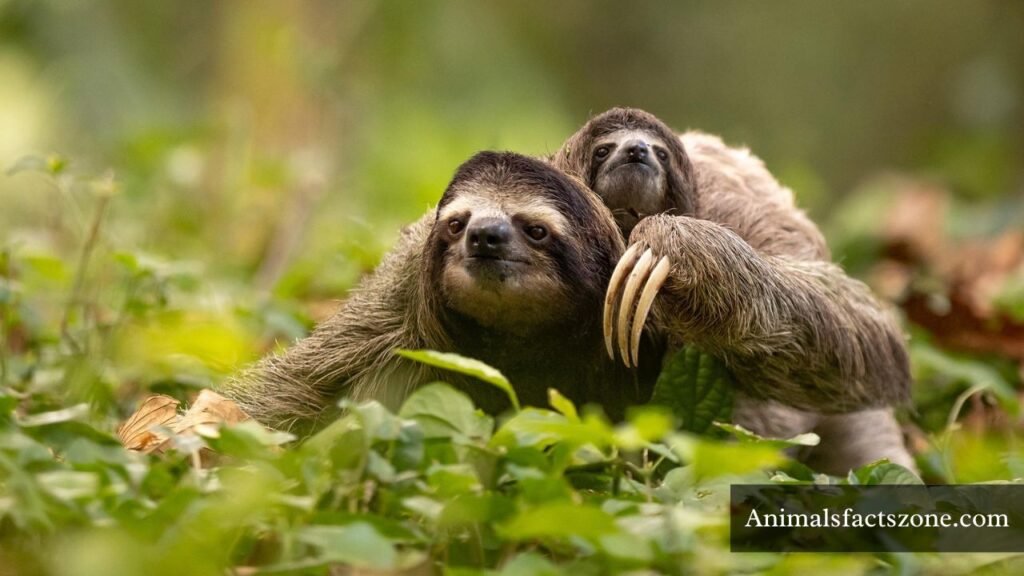
Contrary to their lethargic image, sloths possess remarkable strength and agility when necessary. Their powerful limbs allow them to navigate their arboreal habitats with surprising grace, showcasing an efficient blend of strength and precision. Moreover, sloths’ slow metabolism, which can take days to digest a single meal, underscores a deeper rhythm of life that’s in harmony with the forest’s slower cycles. This deliberate pace encourages a mindful existence, offering a refreshing perspective on the frenetic lifestyles many of us lead. In a world that often prizes speed and productivity, sloths remind us of the beauty in stillness and the art of taking life one deliberate move at a time.
Llama
Scientific name: Lama glama
Class: Mammalia
Diet: Herbivore
Llamas, often celebrated for their unique appearance, possess a surprisingly calm demeanor that sets them apart in the animal kingdom. Unlike their more boisterous counterparts, these gentle giants communicate through subtle body language and soft vocalizations, making them a soothing presence in any environment. Their original purpose as pack animals in the Andes offers a fascinating lens into their quiet strength and resilience, showcasing their ability to navigate rugged terrains while remaining unflappable.
Moreover, llamas are known for their remarkable social structure. They thrive in herds, where mutual grooming and gentle interactions create a serene atmosphere, effectively minimizing stress. This social dynamic is not only crucial for their well-being but also highlights their role in emotional support systems, making them popular therapy animals.
Rabbits
Scientific name: Oryctolagus cuniculus
Class: Mammalia
Diet: Herbivore
Rabbits, often seen as mere symbols of cuteness, possess a world of complexity under their soft exteriors. As herbivores, they play a crucial ecological role, helping to shape the vegetation in their habitats. However, it’s their social structures that are particularly fascinating. Living in groups, or colonies, they communicate through a combination of body language and subtle sounds — like soft grunting or purring when content. This non-verbal communication reveals their emotional depth, suggesting an intelligence that transcends traditional perceptions of these animals.
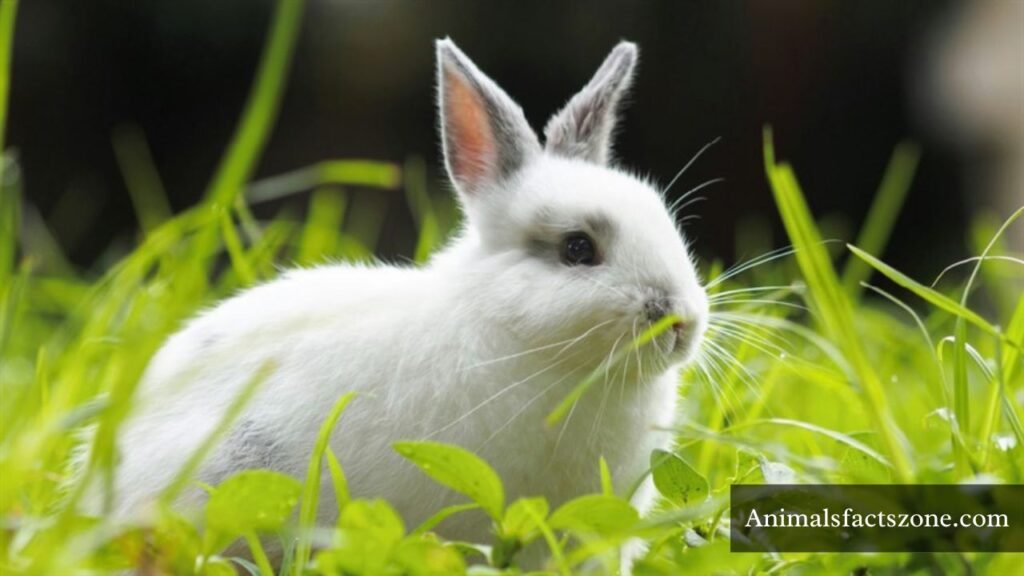
Interestingly, rabbits possess a unique survival strategy that emphasizes both silence and alertness. Their large ears, capable of rotating independently, enable them to detect potential dangers from all directions. This acute sense of hearing aids their quiet lifestyle, where staying inconspicuous is vital. But when threatened, they exhibit rapid bursts of speed, showcasing an incredible adaptive ability that balances their gentle nature with primal instincts.
Worms
Scientific name: Lumbricus terrestris
Class: Clitellata
Diet: Detritivore
Worms, often overlooked and dismissed as simple soil dwellers, play a crucial role in our ecosystem, acting as nature’s silent architects. Their burrowing habits aerate the soil, enhancing its structure and promoting healthier plant growth. This underground engineering also helps with water retention, which is vital during dry spells, revealing how intricately these quiet creatures contribute to agricultural productivity and sustainability.
Moreover, worms possess a fascinating ability to decompose organic matter, turning waste into nutrient-rich humus. This process not only enriches the soil but also fosters a thriving microbial community, essential for maintaining ecological balance. Watching worms in action offers a profound reminder of how interconnected life is, even at its most unassuming levels.
Deer
Scientific name: Cervidae
Class: Mammalia
Diet: Herbivore
Deer embody a serene grace in nature, often blending seamlessly into their surroundings. Their quiet demeanor is not just a passive trait; it serves as a survival strategy. Equipped with acute senses, particularly their exceptional hearing and keen eyesight, deer navigate their environments with a silent elegance, often evading predators while remaining inconspicuous among rustling leaves and shadows. This stealthy existence sparks curiosity about their social structures, particularly in how they communicate without the usual vocalizations.
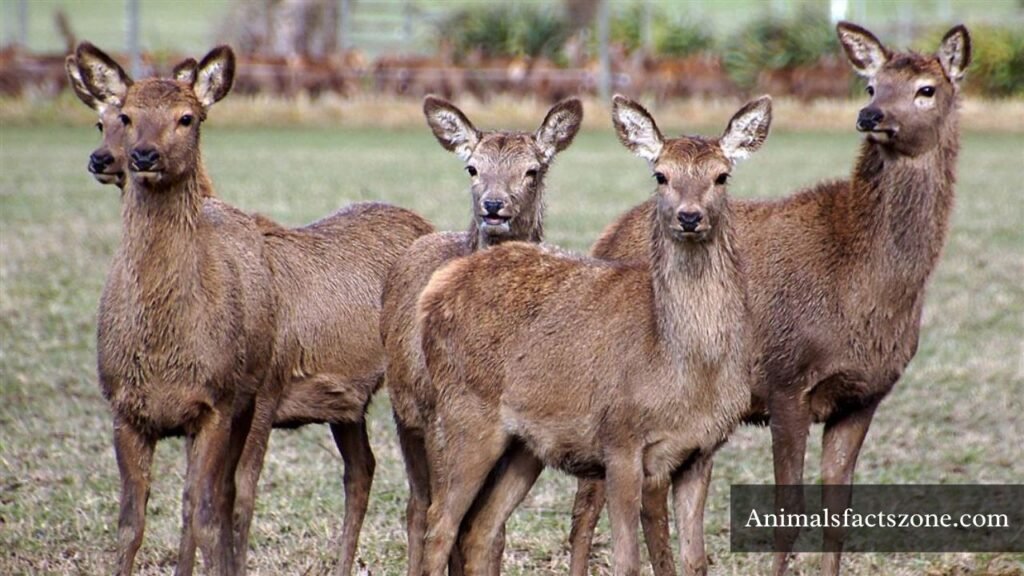
Interestingly, deer utilize subtle body language and scent marking to convey messages within their herds. These gentle creatures form tight-knit groups, often with females leading the charge in nurturing fawns. The nurturing instinct is surprisingly complex, with mothers engaging in behaviors that foster not only immediate safety but also long-term survival skills in their young. As they thrive in diverse habitats — from forests to open plains — their adaptability speaks volumes about their resilience, offering a stunning glimpse into the delicate balance of life’s ecosystems.
You can also read: Top 18 Animals That Walk On Two Legs.
Giraffes
Scientific name: Giraffa camelopardalis
Class: Mammalia
Diet: Herbivore
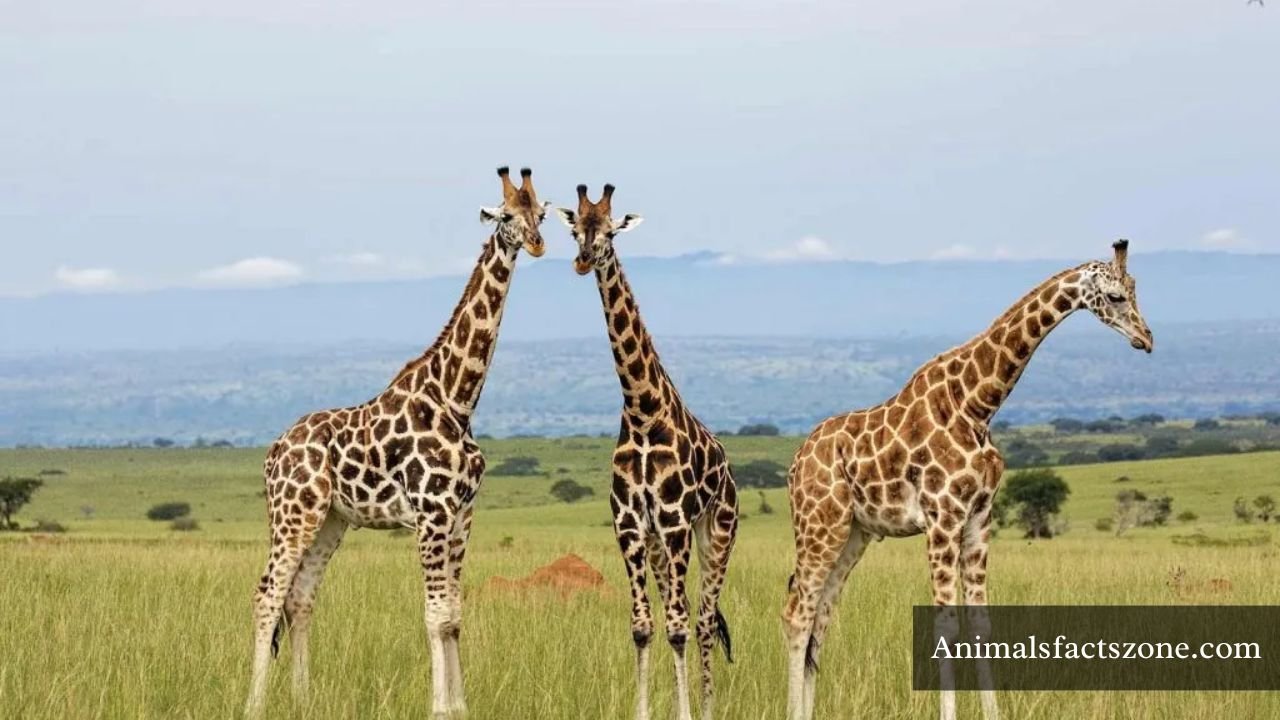
Giraffes, often celebrated for their towering stature and iconic long necks, are also fascinatingly quiet creatures. In the wild, they communicate primarily through body language, subtle movements, and a limited range of low-frequency sounds that are difficult for humans to detect. This silent mode of communication isn’t just a quirk of their biology; it serves a practical purpose, allowing them to stay alert and aware of predators while maintaining social bonds within their herds.
Interestingly, research suggests that giraffes possess a unique sense of hearing, enabling them to perceive sounds over great distances, which helps them stay connected in the sprawling savannas they inhabit. Their tranquility can be further attributed to their herbivorous diet, which necessitates a calm demeanor; foraging for leaves in tall trees requires patience and a peaceful approach. In a world often filled with noise, the gentle presence of these majestic animals reminds us of the quiet strength found in silence and subtle connection.
Octopus
Scientific name: Octopus vulgaris
Class: Cephalopoda
Diet: Carnivore
The octopus, often revered for its intelligence, showcases a remarkable blend of introversion and mastery in the aquatic world. Unlike many creatures that rely on vocalizations, octopuses communicate through an impressive palette of colors and patterns. Their ability to change color and texture not only serves as a mode of camouflage against predators but also as an intricate form of non-verbal conversation with potential mates or rivals. This visual dialogue reveals a depth of character that often goes unnoticed.
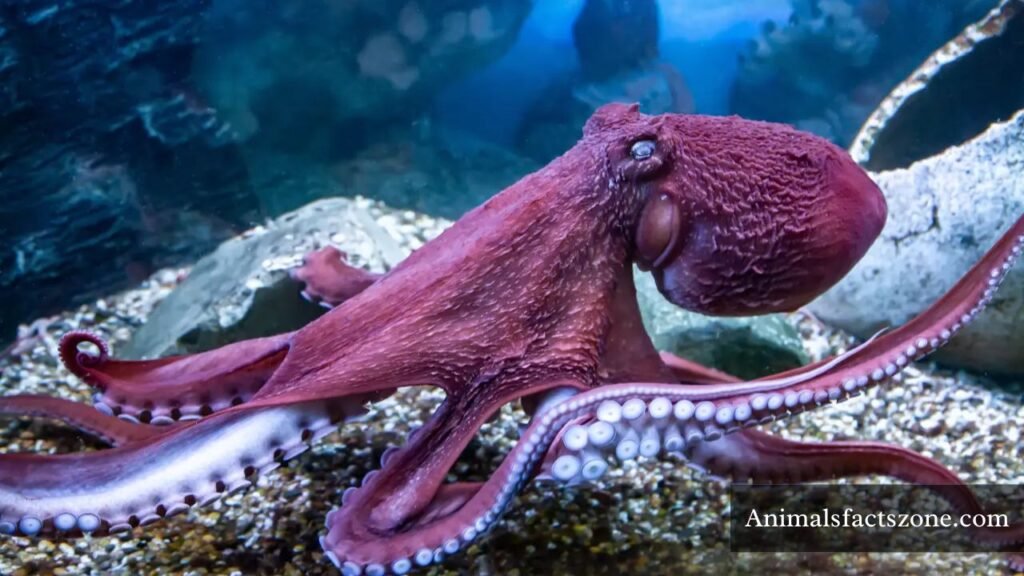
Moreover, octopuses are solitary beings, thriving in the quiet depths of the ocean. Their penchant for solitude does not signal weakness; instead, it reflects a profound independence and adaptability. With eight highly dexterous arms, they skillfully navigate their environment, showcasing effortless grace while hunting or exploring crevices. The octopus’s quiet nature allows it to blend seamlessly into the surroundings, providing a striking reminder of how silence can be a powerful survival tool in a world filled with noise.
Manatee
Scientific name: Trichechus
Class: Mammalia
Diet: Herbivore
Manatees, often dubbed “sea cows,” are fascinating creatures that embody the gentle rhythms of their aquatic homes. With their large, rotund bodies and paddle-like flippers, these gentle giants glide through warm coastal waters and rivers, showcasing a grace that belies their size. Unlike more boisterous marine life, manatees communicate primarily through subtle body language and low-frequency sounds, creating a serene atmosphere in their habitats. This quiet approach to life is a striking contrast to the bustling ecosystems surrounding them, allowing for a unique perspective on the significance of calmness in nature.
Ecologically, manatees play a crucial role in their environments, often referred to as “ecosystem engineers.” By feasting on seagrasses and other aquatic plants, they help maintain healthy underwater habitats, promoting plant diversity and offering refuge for other marine species. Interestingly, their peaceful grazing habits foster the growth of seagrass beds, which in turn stabilize sediments and improve water quality.
Lizards
Scientific name: Lacertilia
Class: Reptilia
Diet: Mostly insectivore / omnivore
Lizards, often overshadowed by more dynamic creatures, offer a fascinating glimpse into the quieter realms of nature. With over 6,000 species, these reptiles have adapted to a stunning variety of environments, from lush rainforests to arid deserts. Their subtlety lies in their remarkable ability to blend into their surroundings — many species possess incredible camouflaging skills that not only keep them safe from predators but also allow them to stalk their prey undetected. This silent dance between hunter and hunted showcases a mastery of stealth that challenges our typical perception of survival strategies.
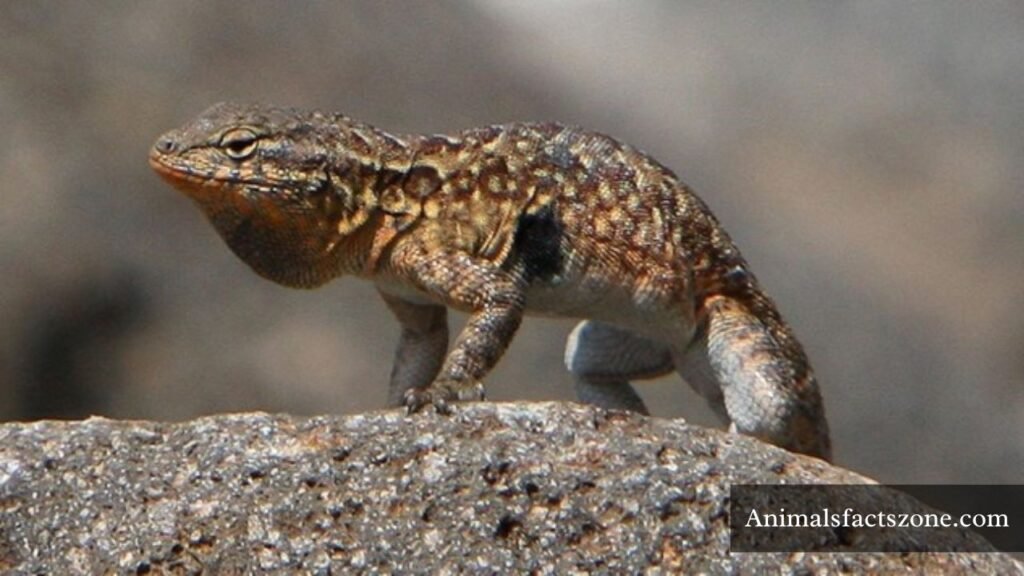
Moreover, lizards’ social interactions reveal an intriguing layer of complexity. While some species are solitary, others engage in subtle forms of communication through body language, such as tail movements or color changes. Take the anole, for instance; during courtship, males perform elaborate displays, puffing out their throats and executing intricate head bobbing to attract mates. It’s a quiet yet vibrant spectacle that underscores the often-missed nuance in lizard behavior, inviting us to appreciate their rich lives beneath the surface of stillness.
Spiders
Scientific name: Araneae
Class: Arachnida
Diet: Carnivore
Spiders, often dismissed as creepy and crawly, embody a fascinating blend of artistry and cunning. Their silken webs are not just traps for unsuspecting prey; they are intricate masterpieces that showcase the spider’s ability to manipulate materials with precision. The diverse patterns and designs of webs across species reflect not only aesthetics but also evolutionary adaptations to their environments, optimizing their chances of survival. Each thread spun tells a story of biological engineering, with some webs even incorporating moisture to ensnare tiny insects more effectively.
Moreover, spiders play a crucial yet understated role in our ecosystems as natural pest controllers. With the capability to consume thousands of insects in their lifetime, they maintain the delicate balance in food webs, offering a less visible but significant solution to pest-related issues without the need for chemical interventions.
Jellyfish
Scientific name: Scyphozoa
Class: Scyphozoa
Diet: Carnivore
Jellyfish glide through the ocean, embodying a silent grace that’s both mesmerizing and perplexing. Their ethereal bodies, composed of 95% water, attract attention with their translucent, pulsating forms. Unlike many creatures, they lack a brain, heart, or bones, yet they thrive in oceans worldwide, showcasing nature’s ingenuity. This simplicity allows them to thrive in diverse environments, from tropical reefs to frigid Arctic waters.
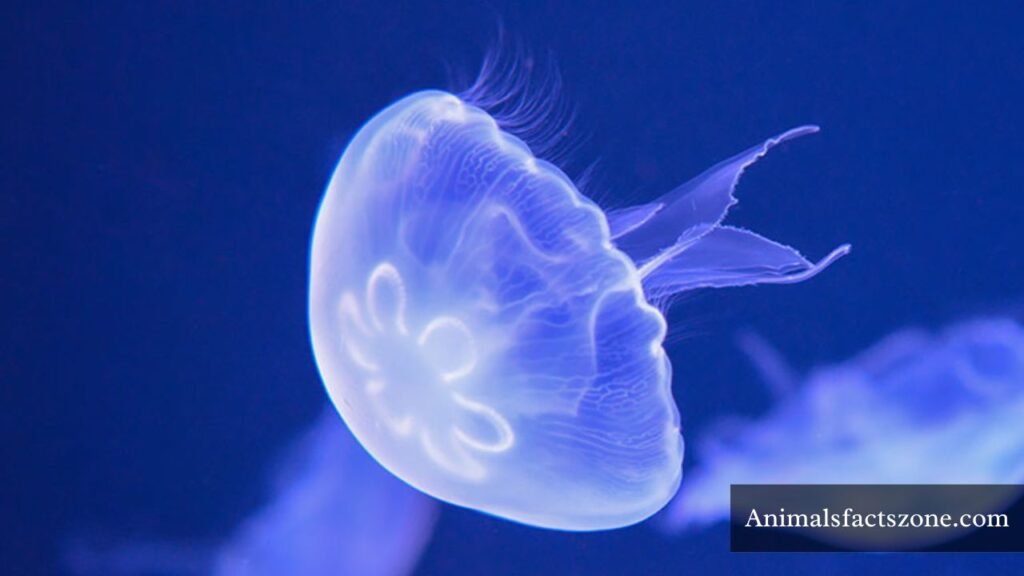
What’s particularly fascinating is their unique method of navigation. Instead of swimming actively, jellyfish rely on the currents, pulsating their bell-shaped bodies to move lazily through the water. This passive lifestyle mirrors their tranquil existence, as they drift through the world with a beauty that often goes unnoticed. Their bioluminescence adds another layer to their quiet charm; some species glow in the dark, illuminating the depths of the ocean like stars scattered across a night sky.
Hedgehogs
Scientific name: Erinaceus europaeus
Class: Mammalia
Diet: Omnivore
Hedgehogs, often underestimated in their quietude, embody a remarkable blend of charm and resilience. These nocturnal creatures, with their adorable prickly exteriors, employ a unique self-defense mechanism: when threatened, they roll up into a spiky ball, showcasing an evolutionary marvel. This endearing behavior not only protects them but also highlights their intriguing adaptation to environments where predators lurk. Observing hedgehogs in their natural habitat reveals a wealth of personality, from their curious foraging antics to their gentle, almost clumsy, movements.
One of the most intriguing aspects of hedgehogs is their foraging behavior. They meticulously search for insects, earthworms, and other delicacies in complete silence, emphasizing their role as significant contributors to pest control in gardens. This unassuming nature extends to their communication; they use soft grunts and snuffles rather than loud calls, fostering a unique bond with the tranquil environments they inhabit.
Owls
Scientific name: Strigiformes
Class: Aves
Diet: Carnivore
Owls, often seen as symbols of wisdom, are fascinating creatures that defy our conventional understanding of birds. Their silent flight is a marvel of evolutionary engineering, thanks to specialized wing feathers that muffle the sound of air rushing over them. This stealth allows them to swoop down on unsuspecting prey with astonishing precision, showcasing nature’s remarkable adaptations for survival.
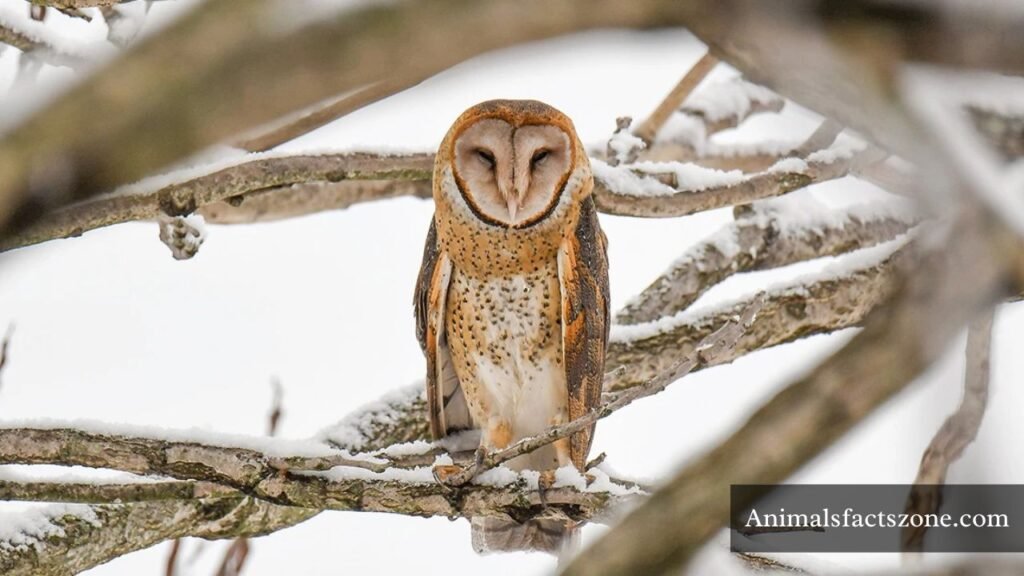
Beyond their hunting prowess, owls possess a unique social structure that is often overlooked. While many species are solitary, some engage in intricate vocalizations and rituals, particularly during mating season. Their hoots and calls serve not just as communication tools but also as territorial markers, echoing through the night and contributing to the ambient symphony of their woodland homes. This blend of solitude and social interaction offers a profound insight into the complexity of their lives, illuminating the delicate balance they maintain in our ecosystems.
Eels
Scientific name: Anguilla anguilla
Class: Actinopterygii
Diet: Carnivore
Eels, often seen as mysterious denizens of deep waters, possess an enigmatic charm that captivates both researchers and casual observers alike. Their elongated, serpentine bodies glide silently through aquatic environments, making them masters of stealth in the hunt for prey. What many don’t realize is that these creatures engage in fascinating migratory behaviors; for example, the European eel travels thousands of miles to spawn in the Sargasso Sea, a journey that has puzzled scientists for centuries.
Beyond their physical adaptations, eels exhibit remarkable survival skills. With a unique ability to breathe through their skin, they can thrive in low-oxygen environments that would suffocate many other species. This adaptive trait underscores their evolutionary resilience, allowing them to inhabit a variety of ecosystems from freshwater rivers to murky coastal areas. Furthermore, their natural camouflaging abilities enable them to evade predators, highlighting their understated yet effective strategies for survival in a world that often favors the loud and flamboyant.
Butterfly
Scientific name: Lepidoptera
Class: Insecta
Diet: Herbivore
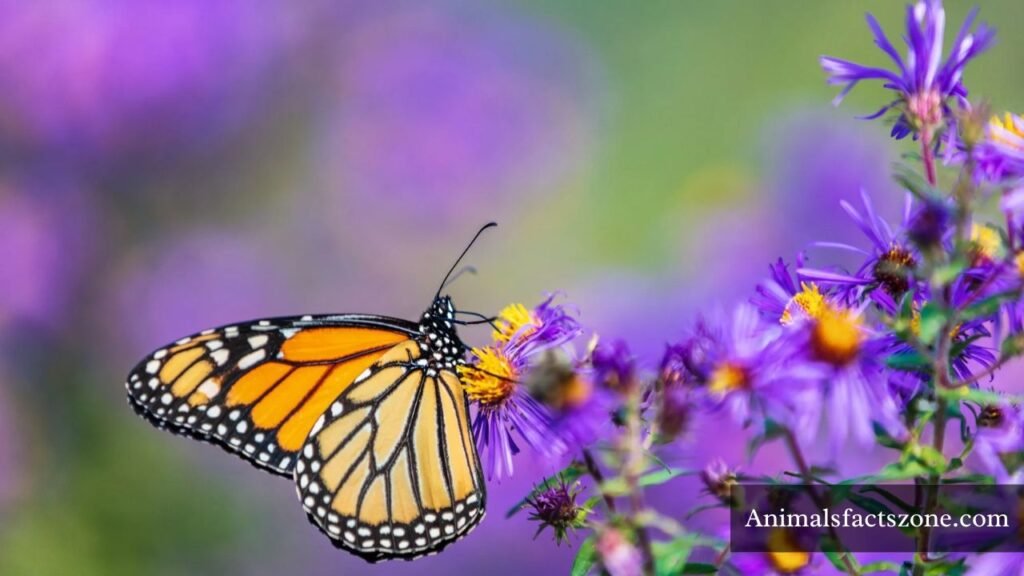
In a world bustling with sound, butterflies emerge as silent messengers of beauty, weaving through gardens and meadows with grace. Their delicate wings, often adorned with intricate patterns, tell a story of evolution that highlights their survival in a noisy ecosystem. While many creatures might rely on vocalizations to communicate and assert their presence, butterflies showcase a different kind of strength: the ability to move quietly, effectively evading predators while captivating the eyes of onlookers.
Starfish
Scientific name: Asteroidea
Class: Asteroidea
Diet: Carnivore
Starfish, also known as sea stars, may not have the charming vocalization of birds or the playful antics of dolphins, but their silent existence is a testament to nature’s elegance. Found in diverse marine environments, these echinoderms have an extraordinary ability to regenerate lost limbs, a feature that not only captivates scientists but also serves as a reminder of resilience in the face of adversity. With their mesmerizing hues and intricate textures, starfish embody the quiet artistry of the ocean floor, becoming living canvases painted by the sea itself.
Delving into their unique feeding habits reveals another layer of intrigue. Starfish possess a remarkable ability to evert their stomachs, essentially digesting prey like mollusks from the inside out. This fascinating method of consumption is not just a display of biological innovation; it underscores an intricate relationship with their environment, showcasing the interconnectedness of marine life.
Snakes
Scientific name: Serpentes
Class: Reptilia
Diet: Carnivore
Snakes are the epitome of quiet strength in the animal kingdom. With their stealthy movements and near-silent presence, these reptiles embody a fascinating blend of grace and intimidation. Many species, like the Eastern Diamondback Rattlesnake, utilize their unique adaptations not just for survival but also for communication, often signaling danger through subtle body language rather than vocal threats. This non-verbal communication adds layers to their mystique, painting them as misunderstood creatures rather than mere predators.
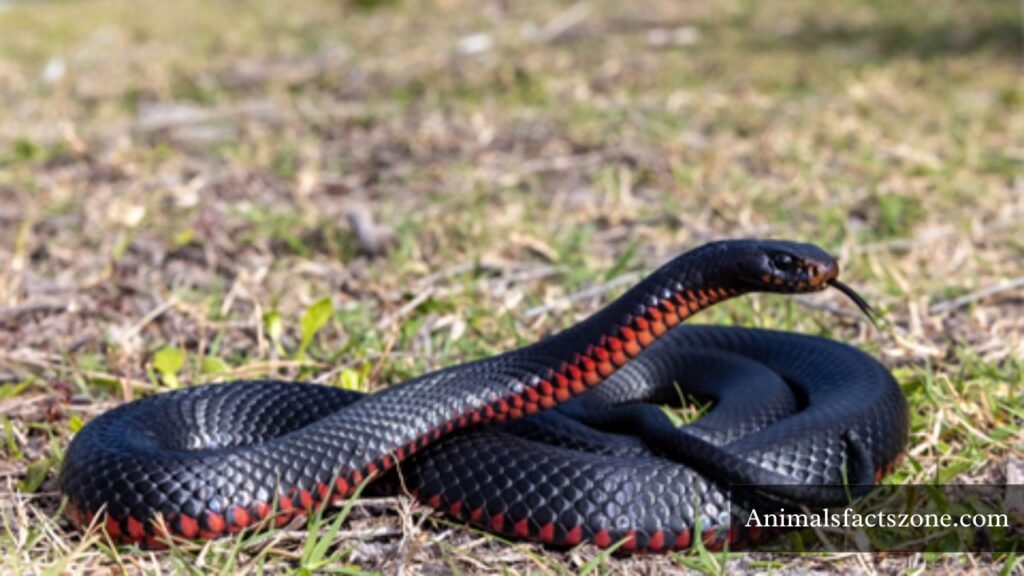
Their ability to blend seamlessly into their surroundings allows them to become masters of ambush. The intricate patterns of their scales serve as natural camouflage, enabling them to remain unseen while they await the perfect moment to strike. This silent waiting game underscores their role in the ecosystem as both predator and prey. Observing a snake in its natural habitat can be a lesson in patience and observation, revealing how the quietest creatures can have the loudest impact on their environment.
Turtles
Scientific name: Testudines
Class: Reptilia
Diet: Omnivore / herbivore
In the world of quiet animals, turtles embody a unique blend of resilience and grace. These ancient creatures have traversed the Earth for over 200 million years, adapting to varied habitats from lush wetlands to arid deserts. What makes them particularly intriguing is their remarkable ability to remain calm and collected, even in stressful situations. Unlike many species that react chaotically to threats, turtles often retreat into their shells, a behavior that symbolizes their deep-seated wisdom in navigating life’s challenges.
Beyond their tranquil demeanor, turtles possess intriguing social dynamics, often overlooked due to their slow movements. Recent studies reveal that some species exhibit complex vocal communications, using low-frequency sounds to communicate with one another, particularly during mating seasons.
Snow leopard
Scientific name: Panthera uncia
Class: Mammalia
Diet: Carnivore
The snow leopard, an elusive inhabitant of the rugged Himalayas, possesses an aura of mystery that captivates wildlife enthusiasts and researchers alike. Cloaked in a beautiful coat of smoky grey and adorned with rosettes, this feline is a master of stealth, blending seamlessly into the rocky terrain. Unlike their roarful relatives, snow leopards communicate through a series of soft calls, making them one of the quieter big cats. This subtlety not only heightens their enigmatic presence but also serves as a strategic advantage for hunting in the harsh, high-altitude environment where sound carries easily.
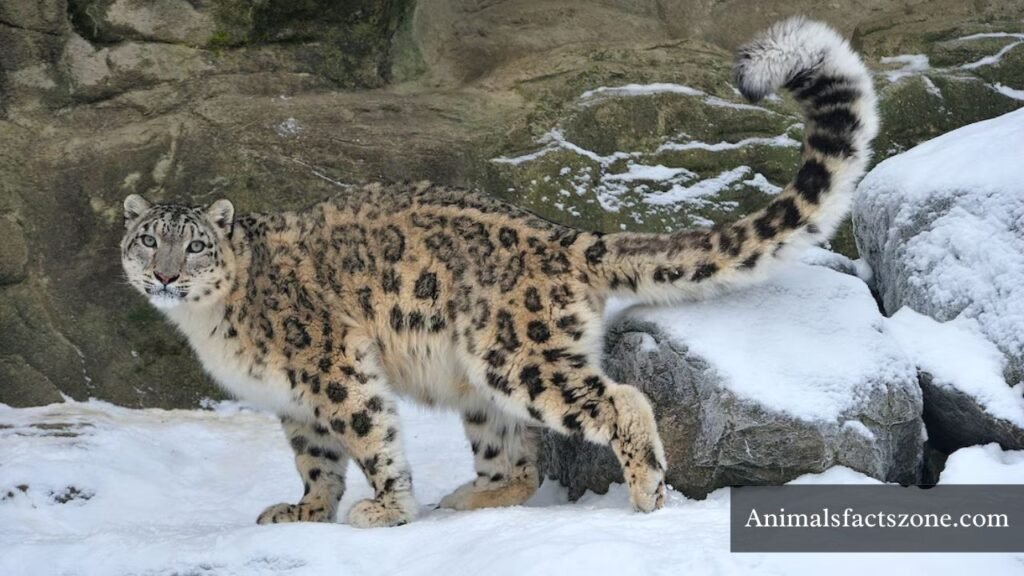
What’s fascinating about these quiet creatures is their adaptability to extreme conditions. With specialized respiratory systems that allow them to thrive at elevations up to 18,000 feet, snow leopards showcase a remarkable resilience to climate challenges. Their wide, padded paws act like natural snowshoes, aiding silent movement over snow and rocky surfaces. As climate change threatens their habitat, the snow leopard symbolizes the fragility of mountain ecosystems, underscoring the urgent need for conservation efforts.
Related article: Explore Top 6 Animals That Are Deaf.
Goldfish
Scientific name: Carassius auratus
Class: Actinopterygii
Diet: Omnivore
Goldfish, often perceived as mere decorations in bowls, hold a fascinating tapestry of behavior and intelligence that invites deeper exploration. These aquatic creatures have a remarkable memory span — myth-busting the common belief that they remember only a few seconds of their surroundings. Research indicates that goldfish can retain information for months, showcasing their ability to learn and adapt to their environment. This intelligence allows them to navigate mazes and even recognize their owners, which adds a personal touch to their seemingly simplistic existence.
Moreover, goldfish are incredibly sensitive to their surroundings. Their vibrant colors can change in response to various stimuli, indicating stress or comfort. This adaptability exemplifies their resilience in captivity as they interact with the ever-changing dynamics of light, temperature, and water quality. By creating a serene environment for goldfish, not only do we enhance their quality of life, but we also experience an enriching bond with these quiet yet complex companions, reminding us of the profound life lessons they silently impart.
Snails
Scientific name: Gastropoda
Class: Gastropoda
Diet: Herbivore / detritivore
Snails are the ultimate embodiment of quiet perseverance in the animal kingdom. With their slow, deliberate movements, these mollusks remind us that there is beauty in taking one’s time. Each snail carries its intricately designed shell, a precious home that it constructs throughout its life. This slow pace allows them to be incredibly observant, navigating their environment with a level of attentiveness we often overlook in our fast-paced world.
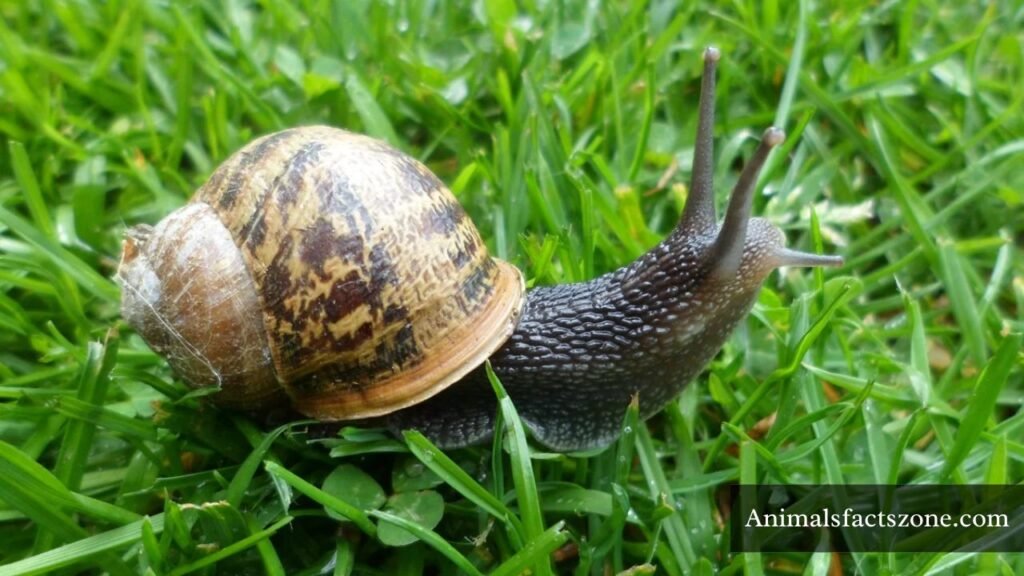
In addition to their serene demeanor, snails play vital roles in ecosystems. As natural decomposers, they break down organic materials, enriching the soil and promoting plant health. Their unique ability to secrete mucus allows them to glide over surfaces, a skill that serves as both a tool for mobility and a defense mechanism, leaving behind a shiny trail that signifies their journey.
Koala
Scientific name: Phascolarctos cinereus
Class: Mammalia
Diet: Herbivore
Koalas, often synonymous with Australia’s unique wildlife, are fascinating not only for their iconic appearance but also for their remarkable adaptations. These marsupials spend most of their lives in eucalyptus trees, their diet consisting almost exclusively of eucalyptus leaves, which are toxic to most animals. Remarkably, koalas possess a specialized digestive system that allows them to detoxify these leaves, consolidating their place as expert foragers in an otherwise hostile environment. This specialization has shaped their lifestyle into one of leisure; they sleep upwards of 18 hours a day to conserve energy, indulging in slow and deliberate movements that reflect their tranquil existence.
However, the koala’s quiet nature speaks volumes about the fragility of their habitat. As urban sprawl and climate change continue to threaten their eucalyptus forests, their very survival hinges on conservation efforts. While they may appear serene, koalas communicate with a range of vocalizations, including the booming, grunting calls of the males during mating season, revealing a hidden layer of social interaction that contrasts sharply with their typically reserved demeanor.
Sharks
Scientific name: Selachimorpha
Class: Chondrichthyes
Diet: Carnivore
Sharks, often portrayed as the ferocious rulers of the ocean, possess a surprisingly quiet demeanor that belies their fearsome reputation. Their unparalleled ability to remain undetected in the aquatic realm allows them to thrive in various environments, from vibrant coral reefs to the depths of the open sea. This stealthy approach is largely attributed to their acute sensory systems, particularly their electroreceptors, known as ampullae of Lorenzini. These specialized organs enable them to detect the faintest electromagnetic signals emitted by potential prey, making them silent hunters that glide through the water with grace.
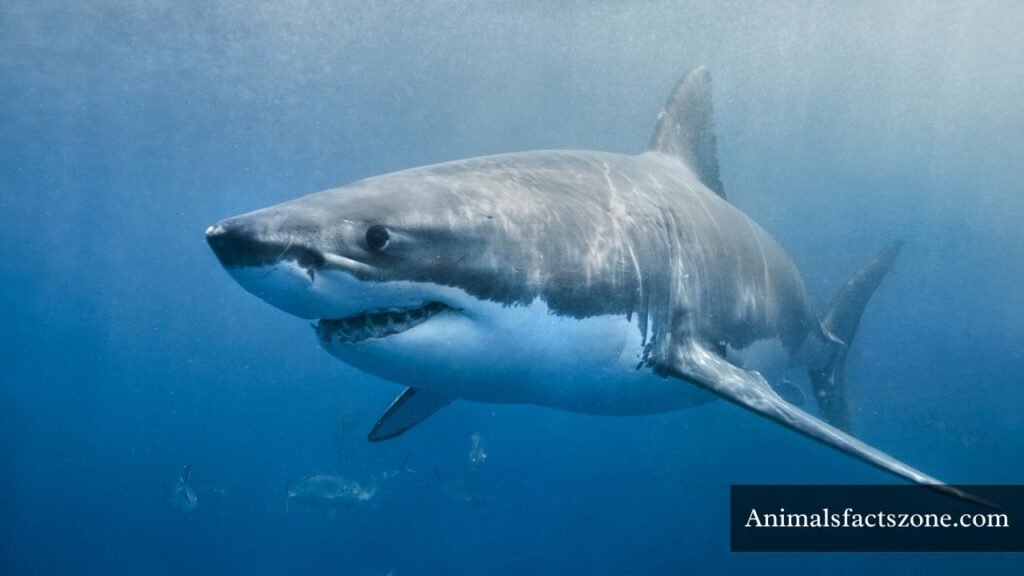
Interestingly, sharks communicate far differently than most animals. Instead of vocalizations, they rely on subtle body movements and changes in their skin coloration to convey messages, demonstrating a level of sophistication that is seldom acknowledged. Furthermore, their generally solitary nature adds to this quiet mystique; while they may occasionally gather in schools, many species prefer the serene solitude of the deep ocean, interacting primarily during mating seasons.
Crabs
Scientific name: Brachyura
Class: Malacostraca
Diet: Omnivore
Crabs, often thought of as simple scavengers, embody a fascinating tapestry of behaviors and adaptations that reveal their intricate worlds beneath the waves. These creatures communicate less through sound and more through subtle body language and pheromones, orchestrating silent interactions that are crucial for mating and conflict resolution. For instance, the way a fiddler crab waves its oversized claw is a striking visual signal to attract a mate, showcasing both strength and fitness without uttering a sound.
Beneath the surface, crabs are masters of disguise and camouflage, expertly blending into their surroundings to evade predators. Some species, like the decorator crab, take this silent strategy a step further by adorning themselves with bits of seaweed or coral, transforming them into almost invisible sentinels of the ocean floor. Their ability to navigate varied environments — from sandy shores to rocky crevices — underscores not just survival, but a rich complexity in their social structures, where collaboration becomes key in foraging and defense.
Moreover, crabs play a vital role in their ecosystems, often referred to as ecosystem engineers. Their burrowing enhances soil aeration, fostering healthier marine environments and promoting biodiversity. In this unique role, they serve as a critical balance to both terrestrial and aquatic habitats, signaling the importance of quieter beings like crabs in the vibrant chorus of life that often goes unnoticed.
Bat
Scientific name: Chiroptera
Class: Mammalia
Diet: Insectivore / frugivore
Bats might often be perceived as mere nocturnal flyers, but they possess a rich tapestry of behaviors and adaptations that place them among nature’s quiet enigmas. These fascinating creatures live in intricate social structures, often forming colonies that can number in the thousands. In these colonies, bats communicate through a sophisticated language of echolocation, emitting ultrasonic calls that help them navigate and hunt in the dark. This ability not only makes them effective predators but also showcases their extraordinary adaptation to the night, allowing them to thrive when most other animals rest.
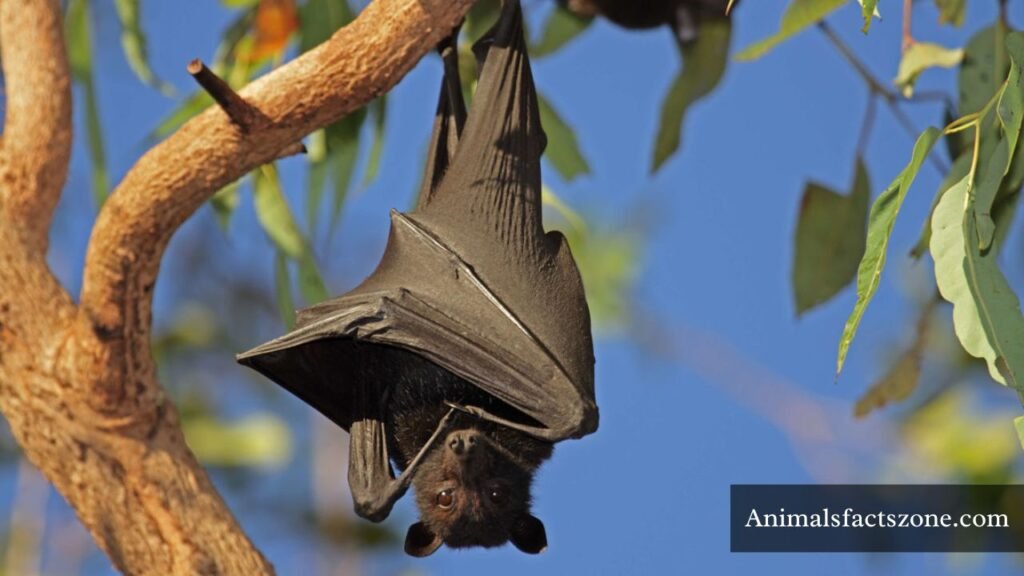
What sets bats apart is their vital role in ecosystems, acting as unsung heroes in pollination and seed dispersal. Many fruit bat species consume nectar, contributing to the growth of various plants and maintaining biodiversity in their habitats. Moreover, they play a crucial role in insect control; a single bat can eat thousands of mosquitoes in just one night.
Readmore: Explore Top 24 Most Skinny Animals.
Final Thoughts
The world of quiet animals reveals the remarkable adaptations and survival strategies that exist among non-vocal species. From the stealthy sloth to the elusive sea turtle, these creatures remind us that communication does not always require sound. Their unique behaviors and low-key lifestyles provide fascinating insights into the diversity of animal life on our planet. By learning more about these silent yet captivating beings, we can foster a deeper appreciation for biodiversity and the importance of preserving their habitats. So, let’s take a moment to observe and respect the quiet wonders of the animal kingdom around us.
FAQs
What is the quietest animal in the world?
The quietest animal in the world is often considered to be the giraffe. These long-necked mammals are generally silent, relying on their body language to communicate. They do make low-frequency sounds, but these are rarely heard by humans.
What animal is quiet but smart?
One animal that fits the description of being quiet but smart is the octopus. These fascinating creatures are known for their intelligence and problem-solving abilities. They can navigate complex mazes, use tools, and even escape from enclosures — all while remaining mostly silent as they rely on their environment and instinct rather than vocal communication.
What animal is calm and quiet?
Rabbits are often considered calm and quiet animals. They have a gentle demeanor and tend to be relatively peaceful when in a safe environment. Unlike some pets that can be loud or hyperactive, rabbits usually prefer to chill in their space, nibbling on hay or exploring their surroundings. Their soft, thumping feet provide a subtle way to communicate rather than making noise.
What animal is quiet but strong?
The snow leopard is a prime example of a quiet but strong animal. These elusive big cats thrive in rugged mountain terrains, where they blend seamlessly into their surroundings. Their spotted fur provides excellent camouflage, allowing them to move silently while stalking prey like ibex and blue sheep. Despite their stealthy nature, snow leopards are surprisingly powerful. With strong legs and large paws designed for maneuvering rocky slopes, they can leap up to six times their body length in a single bound.
What animal is quiet and observant?
The perfect example of a quiet and observant animal is the owl. Known for their silent flight and keen eyesight, owls spend much of their time perched silently, observing their surroundings. Their ability to blend into their environment makes them exceptional hunters, and they often go unnoticed until they’re ready to make their move.