Top 19 Most Muscular Animals in the World (With Images)
From the relentless strength of the gorilla to the powerful physique of the hippo, the animal kingdom is home to incredible displays of muscle and power. This article delves into the fascinating world of the most muscular animals, exploring their unique adaptations and the roles these muscles play in their survival. By the end, you’ll not only appreciate the sheer strength of these creatures but also understand their significance in the natural world.
List of Most Muscular Animals in the World
Here is the list of most muscular animals in the world:
- Grizzly Bear
- Rhinoceros
- Lion
- Belgian Blue
- Green Anaconda
- African Elephant
- American Bison
- Giraffe
- Tiger
- Musk ox
- Boer Goat
- Hippopotamus
- Draft Horse
- Indian Bison
- Mountain Gorilla
- Chimpanzee
- Red Kangaroo
- Beluga Whale
- Bulldog
Grizzly Bear
Scientific Name: Ursus arctos horribilis
Class: Mammalia
Diet: Omnivore
The grizzly bear, a formidable force of nature, boasts a muscle structure that is as impressive as it is functional. Weighing up to 1,500 pounds and standing up to 8 feet tall when on hind legs, these majestic creatures are not merely large; they are built for survival. Their powerful limbs enable them to run up to 30 miles per hour, and their strong claws can dig deep into the earth or tear through the thickest of bark, illustrating their versatility as foragers and hunters alike.
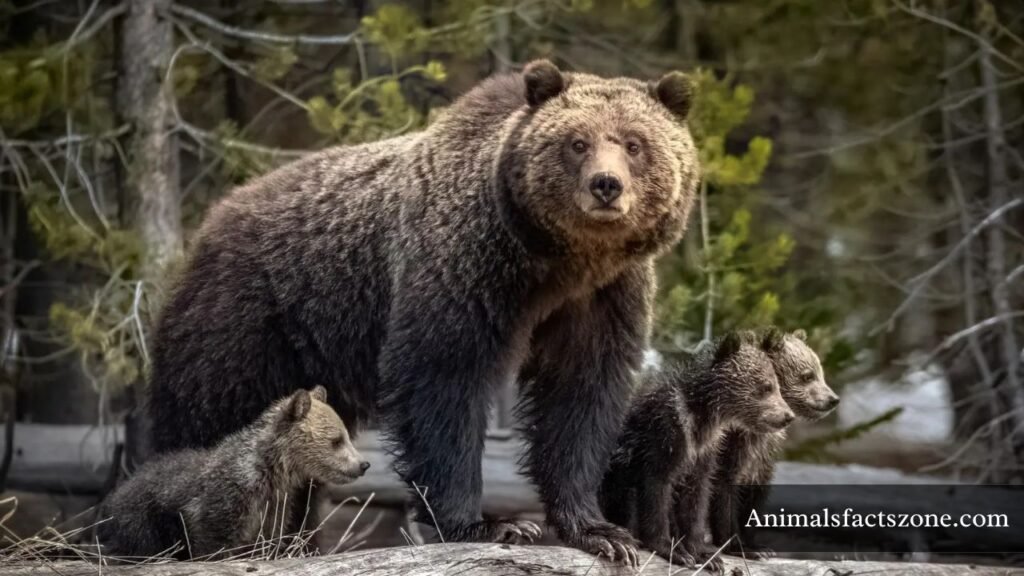
Beyond sheer size, the grizzly bear’s musculature reflects a fascinating adaptability to its environment. Their powerful shoulders, coupled with a robust chest, allow them to excel in various activities, from climbing trees to swimming across rivers in search of salmon. The grizzly’s strength serves not just to defend itself but also plays a vital role in the ecosystem, as they help regulate populations of prey species and distribute nutrients through their foraging activities. It’s easy to see why this mammoth creature commands both awe and respect, embodying the raw power and resilience of the wild.
Rhinoceros
Scientific Name: Rhinocerotidae
Class: Mammalia
Diet: Herbivore
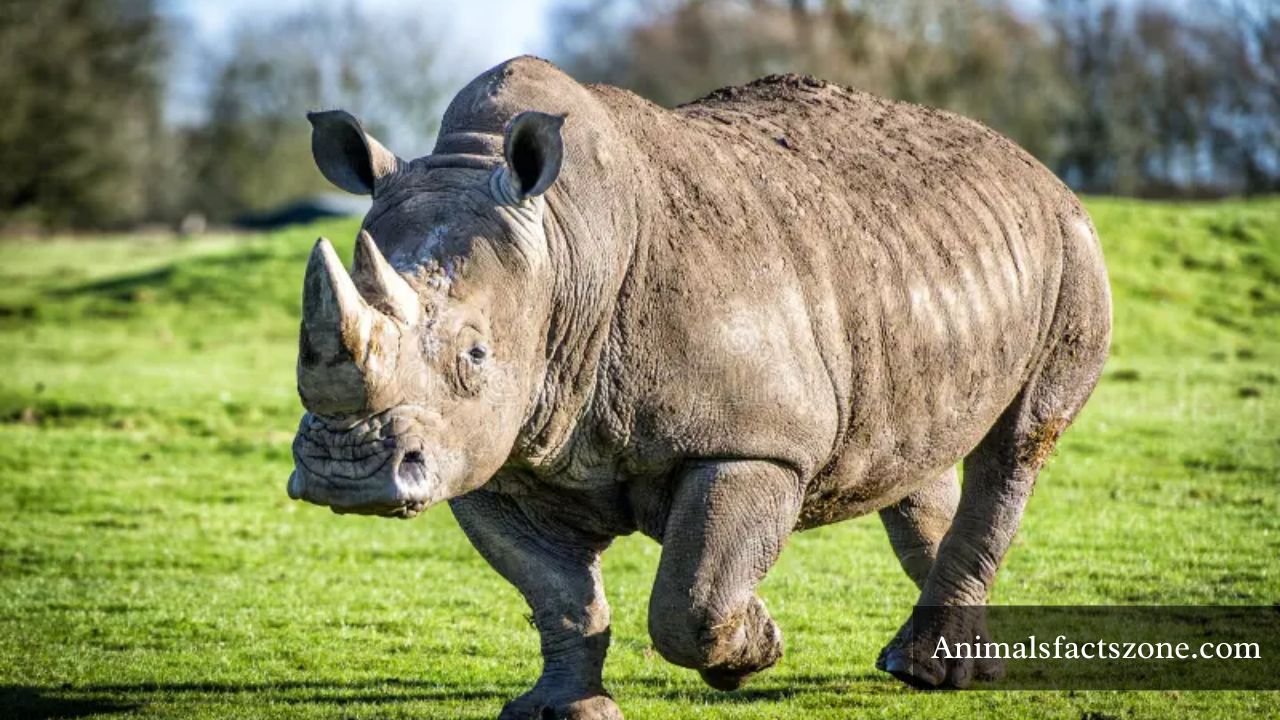
The rhinoceros, often overshadowed by its more popular counterparts in the animal kingdom, showcases an undeniable muscular prowess that commands respect. With a body composition that can weigh over a ton, rhinos are not just heavyweights; they are embodiments of raw power. Each muscle in their massive bodies serves a purpose, enabling them to sprint up to 30 miles per hour when threatened. This combination of weight and speed is a fascinating paradox, highlighting their unexpected agility despite their bulky appearance.
While we commonly associate strength with fierce predators, the rhino’s muscular build allows it to exist in a delicate balance with the ecosystem. Their powerful jaws not only break down tough vegetation but also play a vital role in shaping their habitats. Their grazing habits contribute to the health of their environment, allowing lighter species to thrive in the same landscape. Each rhinoceros, with its formidable physique, thus stands as a living testament to the intricate connections within the natural world, reminding us that muscularity is not merely about brute force but also about the role it plays in sustaining life around it.
Lion
Scientific Name: Panthera leo
Class: Mammalia
Diet: Carnivore
The lion, often dubbed the “king of the jungle,” boasts a muscular physique that is more than just a symbol of power. With a body honed for both endurance and explosive speed, lions can add weight through sheer muscle mass, reaching up to 420 pounds. This robust build is crucial for their hunting strategy; they rely on strength to tackle large prey, such as buffalo and zebra, while also maintaining the agility required to take off in short, rapid bursts during an ambush.
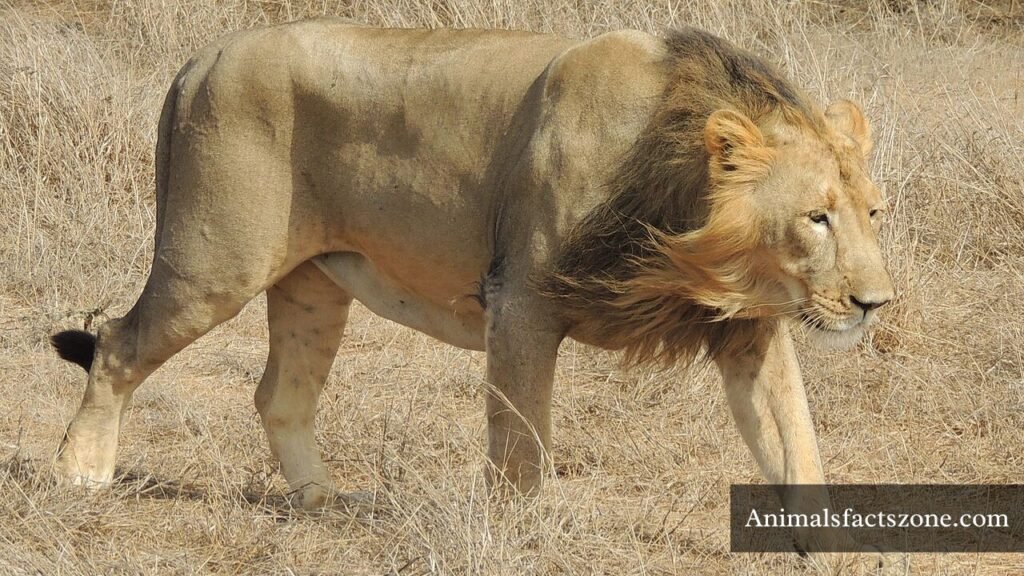
What truly sets lions apart is their social structure. Living in prides allows them to conserve energy, enhancing their muscular capabilities over time. Each lion’s physical prowess is amplified by the cooperative hunting techniques employed by the pride, where teamwork elevates their collective strength and speed. Observing a lion in action reveals a perfect blend of power and grace: they can sprint at speeds of up to 50 miles per hour for short distances, showcasing the elite combination of raw muscle and tactical finesse that truly makes them one of the most formidable terrestrial predators on the planet.
Belgian Blue
Scientific Name: Bos taurus
Class: Mammalia
Diet: Herbivore
The Belgian Blue is an extraordinary testament to nature’s ability to sculpt sheer muscle mass. Known for its remarkable hypertrophy, these cattle can add weight at an astonishing rate, resulting in a physique that stands out in the animal kingdom. This breed showcases a unique genetic mutation that promotes lean muscle development, transforming them into some of the most muscular animals on the planet. Their bodies are a marvel of evolutionary adaptation, where muscle density far exceeds that of typical cattle, enabling them to thrive in various farming environments.
Speed is another facet where the Belgian Blue surprises. Despite their hefty build, these animals exhibit agility that belies their size. This combination of power and quickness makes them efficient foragers, capable of covering ground while seeking out food. Farmers appreciate not just their impressive weights but also their ability to navigate diverse terrains swiftly, embodying both strength and speed. The Belgian Blue is not merely a muscle-bound beast; it represents a balance of brute force and agility that captivates viewers and scientists alike.
Green Anaconda
Scientific Name: Eunectes murinus
Class: Reptilia
Diet: Carnivore
The green anaconda is a marvel of muscular engineering, often regarded as the heaviest snake in the world. These colossal serpents can reach lengths of over 29 feet and can weigh over 550 pounds, making them not only formidable in size but also incredibly powerful in their movements. The sheer mass of an anaconda adds weight that allows it to exert immense pressure, especially during a strike; they can constrict their prey with such force that it can effectively suffocate even large animals, like capybaras and caimans, with relative ease.
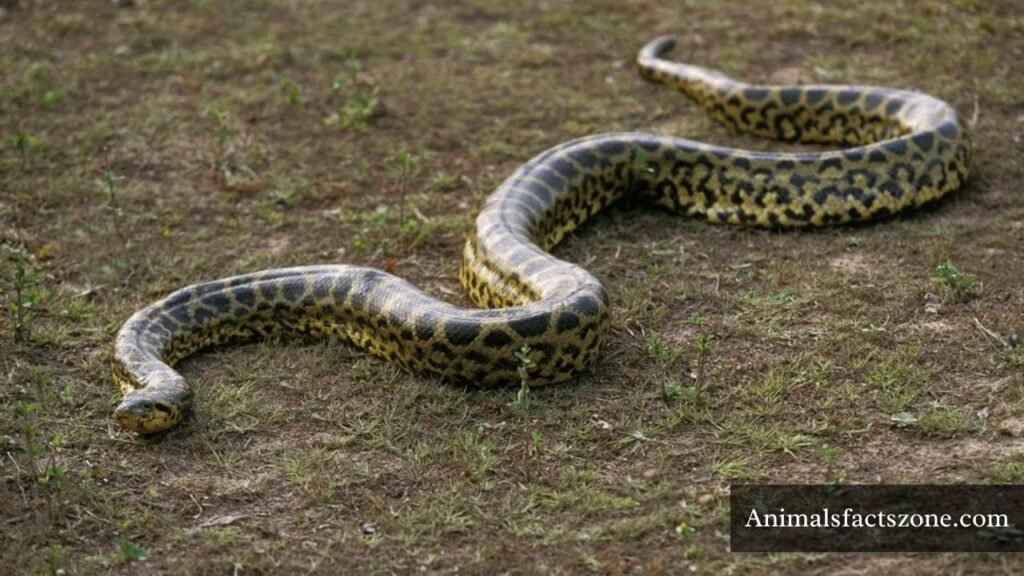
Despite their bulk, green anacondas possess a surprising amount of speed, especially in water, their preferred hunting ground. Their streamlined bodies enable them to glide swiftly, blending seamlessly into their aquatic environment. This combination of power and speed creates a unique dynamic; it allows them to ambush unsuspecting prey with a stealthy grace that belies their size. This adaptability not only secures their position as apex predators in the Amazon but also emphasizes the fascinating balance between muscle mass and agility, showcasing how evolution has shaped the green anaconda into a creature of both brute strength and incredible finesse.
African Elephant
Scientific Name: Loxodonta africana
Class: Mammalia
Diet: Herbivore
The African elephant stands as a testament to nature’s extraordinary engineering, combining immense weight with surprising grace. These magnificent creatures can weigh up to 12,000 pounds, making them not only the largest land animals but also the most muscular. Their massive trunks — capable of lifting up to 800 pounds — alongside their strong legs contribute to their unique blend of power and agility, allowing them to navigate through dense forests and open savannahs with surprising speed despite their bulk.
What’s truly fascinating about the African elephant is how its muscular structure enhances not just brute strength but also social dynamics. These animals can communicate over vast distances using low-frequency sounds that resonate through their durable bodies, establishing connections with other herds. Their muscled build isn’t just for show; it plays a vital role in their survival, enabling them to uproot trees and forage for food, all while demonstrating that strength and speed, even in the most robust mammals, can harmoniously coexist. The African elephant teaches us that real power comes balanced with finesse, reshaping our perceptions of muscularity in the animal kingdom.
American Bison
Scientific Name: Bison bison
Class: Mammalia
Diet: Herbivore
The American Bison, often overshadowed by larger wildlife like elephants or rhinoceroses, commands attention with its sheer power and muscular build. Rugged and robust, these giants can weigh over 2,000 pounds, demonstrating an impressive combination of strength and agility. Despite their bulk, American Bison can reach speeds of up to 35 miles per hour in short bursts, a surprising feat for such a hefty animal.
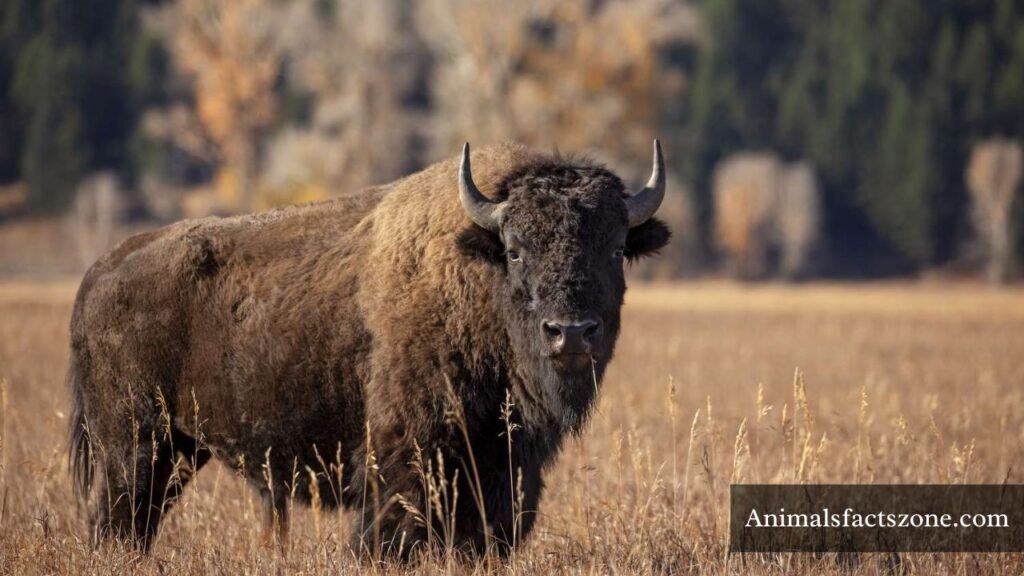
Their muscular bodies are not merely for show; they play a crucial role in their survival. The bison’s strength enables it to navigate rough terrain and fend off predators, while its massive frame allows it to resist harsh weather conditions. Their herbivorous diet, primarily consisting of grasses, aids in the maintenance of their muscle mass, ensuring they remain powerful guardians of the plains. The sight of a charging bison, muscles rippling under its thick coat, is a testament to nature’s ability to blend weight and speed in one magnificent package.
Giraffe
Scientific Name: Giraffa camelopardalis
Class: Mammalia
Diet: Herbivore
The giraffe, while often celebrated for its towering height and unique neck, possesses an unexpected muscularity that adds to its striking presence. Contrary to the perception of a lanky creature, the giraffe’s powerful legs are designed not only for support but also for impressive speed. When threatened, these graceful giants can sprint at speeds of up to 37 miles per hour, demonstrating that their long limbs are more than just for show. The sheer strength in their muscular structure allows them to maintain balance while navigating rough terrains, a survival advantage in the wild.
Moreover, the giraffe’s muscularity plays a critical role in its feeding habits. With the ability to reach high branches, their robust neck muscles enable them to extend and forage for leaves that are otherwise inaccessible to many other herbivores. This unique adaptation not only helps them thrive in their environment but also showcases a remarkable blend of strength and elegance, redefining the conventional image of what a muscular animal can be. In a world where size often dictates strength, the giraffe proves that adding weight doesn’t always mean losing speed or agility; instead, it can create a perfect harmony of power and grace.
Tiger
Scientific Name: Panthera tigris
Class: Mammalia
Diet: Carnivore
The tiger, often revered as the epitome of strength in the animal kingdom, is a muscular powerhouse that seamlessly combines sheer weight with incredible speed. Weighing up to 600 pounds, these apex predators sport elongated, sinewy muscles that enable them to launch their massive frames into a sprint, reaching speeds of up to 30 miles per hour in short bursts. This combination of bulk and agility equips tigers perfectly for their roles as hunters, allowing them to ambush prey with startling efficiency.
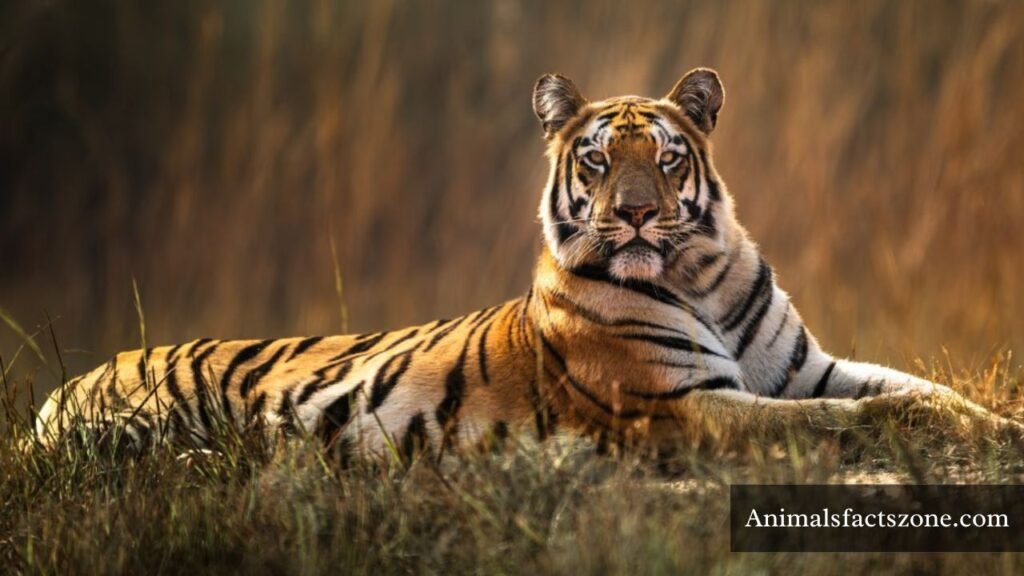
Moreover, tigers exhibit a unique physical versatility; their muscular structure allows them not only to run but also to climb and swim exceptionally well. This adaptability enhances their hunting strategies, as they can pursue prey in diverse environments — from dense forests to open waters. While their raw power is frequently celebrated, it’s their precision in using that strength to navigate various terrains that truly sets tigers apart in the muscular realm of the animal world. Through the synergy of weight and speed, these majestic creatures command respect and leave an indelible mark in the wild.
Musk Ox
Scientific Name: Ovibos moschatus
Class: Mammalia
Diet: Herbivore
The musk ox, a formidable herbivore from the Arctic tundra, showcases an unexpectedly muscular physique that aids its survival in one of the harshest environments on Earth. With their dense, shaggy coats, these animals can weigh up to 900 pounds, evoking a sheer power that belies their peaceful grazing nature. Despite being stocky and not particularly fast — typically moving at a sedentary pace of only 3 to 5 miles per hour — musk oxen boast impressive strength, allowing them to fend off predators like wolves with surprising agility when needed.
What sets the musk ox apart is its remarkable ability to add weight while retaining mobility, an adaptation critical for navigating snow-covered landscapes. Their broad hooves are perfectly designed to dig through snow to reach lichens, their primary food source. Moreover, during the harsh winters, musk oxen display social strength by forming protective circles, using their robust bodies to shield calves from the cold and potential threats. This combination of physical might and social behavior makes the musk ox a striking example of nature’s ingenuity in evolving muscularity for survival.
Boer Goat
Scientific Name: Capra aegagrus hircus
Class: Mammalia
Diet: Herbivore
The Boer Goat stands out as one of the most muscular animals in the world, renowned for its impressive physique and adaptability. Originating from South Africa, these goats were bred specifically for meat production, showcasing powerful muscles that add significant weight and bulk. Their robust frame allows them to thrive in various environments, making them a favorite among farmers aiming for both efficiency and quality in livestock.
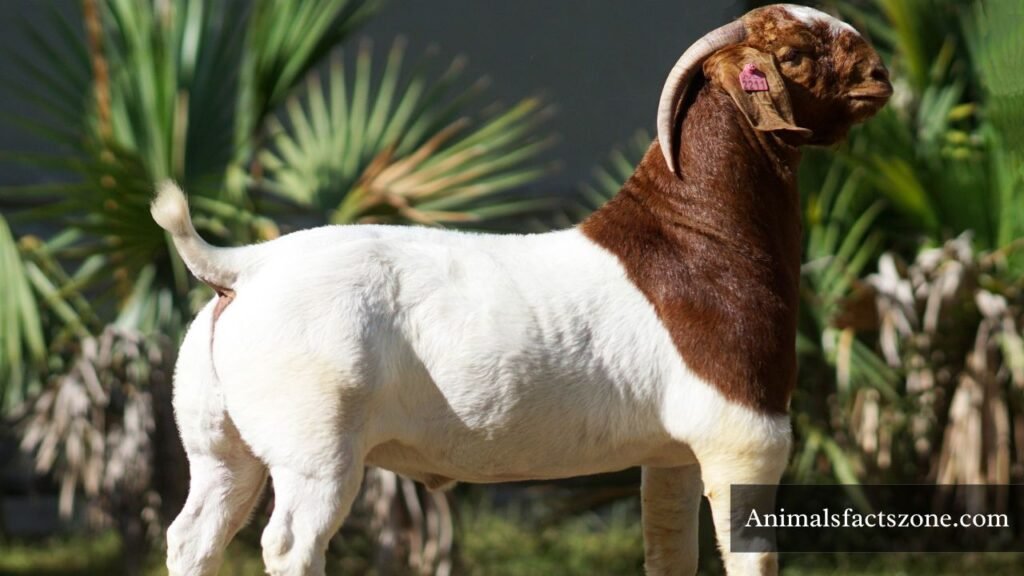
Beyond their physical prowess, Boer Goats possess remarkable speed and agility, often surprising observers with their quick reflexes, despite their hefty build. This combination of strength and speed not only enhances their foraging abilities but also makes them formidable in various terrains. Their muscular stance and confidence give them a commanding presence, often captivating those who encounter these remarkable creatures, highlighting the unique blend of functionality and beauty in nature.
Hippopotamus
Scientific Name: Hippopotamus amphibius
Class: Mammalia
Diet: Herbivore
The hippopotamus, often underestimated in the animal kingdom, boasts one of the most muscular bodies on the planet. With a hefty weight that can reach up to 4,000 kg, these colossal creatures are more than just their size. Their muscle density allows them to maneuver surprisingly well in water, providing both speed and agility despite their bulk. When fully submerged, a hippo can trot along the riverbed, reaching speeds of around 8 km/h (about 5 mph) while effortlessly gliding through the currents.
Beyond their physical prowess, hippos possess unique adaptations that enhance their strength. Their massive jaws, equipped with razor-sharp teeth capable of gauging and crushing, are not just tools for defense; they signify their status as apex herbivores. Interestingly, hippos spend up to 16 hours a day submerged to keep their body temperature regulated, yet when they emerge on land, they can run at surprising speeds of up to 30 km/h (about 19 mph) over short distances. This juxtaposition of bulk and velocity makes the hippo not just muscular but also a fascinating blend of power and agility in the animal world.
Draft Horse
Scientific Name: Equus caballus
Class: Mammalia
Diet: Herbivore
The draft horse, a true symbol of strength and endurance, showcases remarkable muscle development that is unparalleled in the animal kingdom. These majestic creatures, often utilized for heavy pulling and farm work, possess a build that enables them to add weight seamlessly while maintaining incredible stability and agility. Unlike their lighter counterparts, draft horses are designed to harness power, allowing them to perform laborious tasks without compromising speed or efficiency.
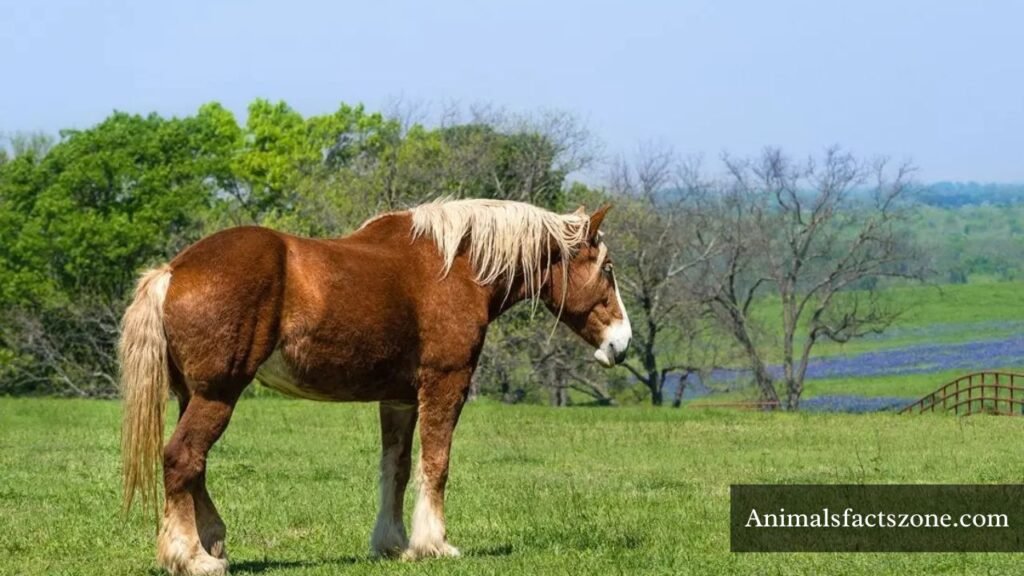
What sets the draft horse apart is not just its sheer size, but the balance of muscle and finesse that contributes to its impressive performance. Their broad chests and powerful hindquarters enable them to accelerate quickly while still being able to pull substantial loads. Moreover, the muscle density seen in these animals affords them endurance, making them suitable for long hours of labor under strenuous conditions. As we admire these muscular marvels, we gain insight into the harmonious blend of strength and grace, showcasing nature’s ability to mold animals for specific purposes, all while reinforcing the delicate interplay between weight, speed, and usability.
Indian Bison
Scientific Name: Bos gaurus
Class: Mammalia
Diet: Herbivore
The Indian Bison, or gaur, is a remarkable beast that exemplifies raw strength and muscularity in the animal kingdom. Standing up to six feet tall at the shoulder, these massive creatures can weigh as much as 2,200 pounds, showcasing a powerful build designed for both agility and endurance. Their muscularity is not just for show; the sheer weight combined with their ability to sprint at speeds of 30 miles per hour makes them a formidable presence in the jungles and grasslands of South Asia.
What truly sets the Indian Bison apart is its social structure; they often travel in herds, creating a dynamic that leverages their collective strength. This herd mentality is advantageous, especially when facing predators. The muscular frame of a gaur is not merely about size; it signifies adaptability in various habitats, from dense forests to open plains. Observing these majestic creatures in their natural environment can be an awe-inspiring experience, revealing the intricate balance between muscle power and speed in the wild.
Mountain Gorilla
Scientific Name: Gorilla beringei beringei
Class: Mammalia
Diet: Herbivore
The mountain gorilla, a symbol of strength and resilience, showcases an impressive muscularity that belies its gentle demeanor. Weighing in at up to 440 pounds, males boast robust physiques, featuring powerful limbs and broad shoulders that enable them to traverse the rugged terrains of their mountainous habitats with surprising agility. This added weight doesn’t slow them down; instead, it enhances their capacity for speed, especially when navigating dense forests or climbing steep slopes.
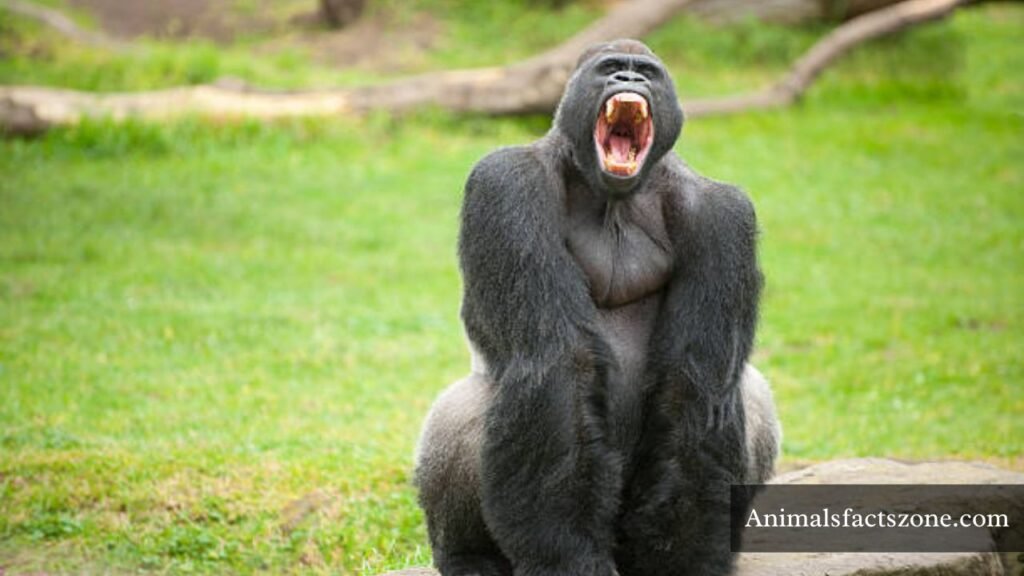
Their muscular build serves critical functions beyond aesthetics — it aids in foraging and defending their groups. Mountain gorillas possess formidable upper body strength that allows them to easily break branches and access vegetation, making them essential for their survival in the nutrient-scarce environment of the Virunga Mountains. These magnificent creatures epitomize the idea that true power is not solely measured in size, but in the ability to thrive in challenging conditions, a testament to their adaptability and resilience in the wild.
Chimpanzee
Scientific Name: Pan troglodytes
Class: Mammalia
Diet: Omnivore
The chimpanzee might not be the first animal that comes to mind when discussing muscularity, yet its sheer power belies its deceptively agile appearance. With a body composition that allows them to lift nearly 1.5 times their body weight, these primates possess incredible strength that is often attributed to their evolutionary adaptations. A typical male can weigh up to 150 pounds, but what sets them apart is not just their weight; it’s the fast-twitch muscle fibers that give them remarkable speed and explosive power, enabling them to traverse their forest habitats with ease and agility.
Their muscular development has practical implications in the wild, particularly in social dynamics and foraging. Strong chimps are often top contenders in their groups, using their power to assert dominance and gain access to food resources. Moreover, their ability to add weight through muscle mass enhances their capacity for climbing and navigating rough terrains, making them formidable opponents whether they’re battling for dominance or simply escaping predators. Observing these fascinating creatures reveals that muscularity in the animal kingdom isn’t just about brute strength; it’s a synthesis of evolutionary fitness and environmental adaptability.
Red Kangaroo
Scientific Name: Macropus rufus
Class: Mammalia
Diet: Herbivore
The Red Kangaroo, a symbol of Australia’s rugged landscapes, stands out not just for its iconic presence but for its remarkable musculature. These animals are built for endurance and agility, possessing powerful hind legs that enable them to leap distances up to three times their body length. With this impressive strength, they can cover vast stretches of land at astonishing speeds, reaching up to 44 miles per hour in short bursts. This innate ability to add weight to their athleticism allows them to navigate through their arid habitats with unmatched finesse.
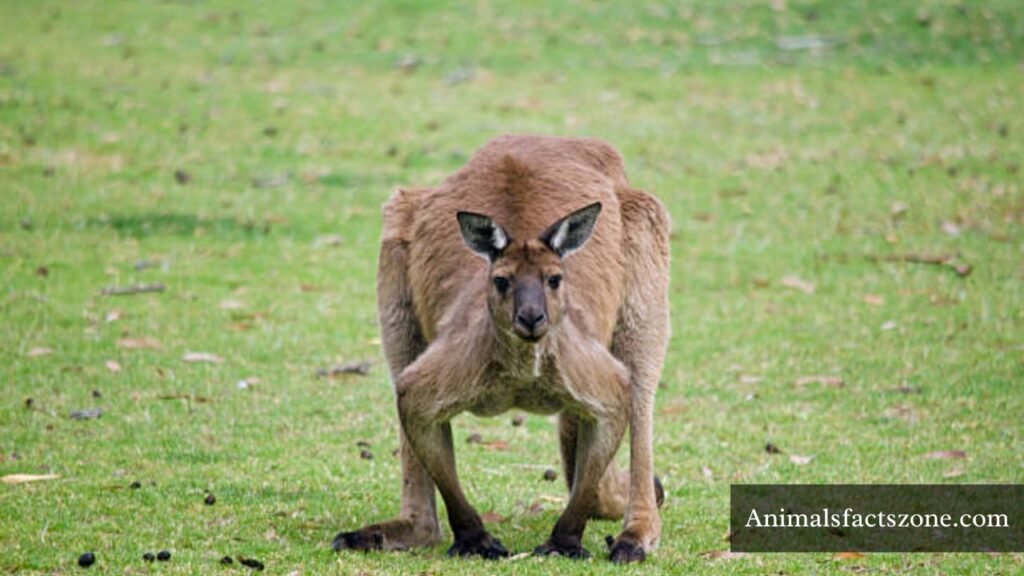
Their muscular build is complemented by a robust tail, which acts as a counterbalance during impressive hops and helps them maintain stability. Beyond sheer physical prowess, their muscled frame plays a crucial role in survival, enabling them to evade predators and effectively compete for resources. Engaging with the Red Kangaroo not only provides insight into the wonders of natural selection but also showcases how strength and speed are intricately woven into the fabric of their existence, making them one of the most extraordinary animal athletes on the planet.
Beluga Whale
Scientific Name: Delphinapterus leucas
Class: Mammalia
Diet: Carnivore
The Beluga whale, often referred to as the “canary of the sea,” is not just known for its vocalizations and striking white appearance; it also boasts impressive muscularity that belies its seemingly gentle demeanor. Beneath the surface, these marine mammals are built for weight and speed, with a streamlined body that allows them to navigate the frigid Arctic waters with remarkable agility. Their layer of blubber, while offering insulation, also contributes to their powerful physique, enabling them to take swift dives to evade predators or chase after schools of fish.
What’s fascinating about the Beluga is its unique adaptation to various marine environments. Unlike many other cetaceans, Belugas can add weight rapidly, allowing them to thrive in icy waters where agility is just as crucial as strength. This muscle mass not only supports their physical prowess but also plays a vital role in their social structures. Their ability to work in groups, or pods, showcases the interplay between their strength and social intelligence, making them some of the most fascinating creatures in the oceanic ecosystem. With each graceful swim, the Beluga represents an extraordinary blend of muscle, speed, and adaptability in a world where survival demands both brawn and brains.
Bulldog
Scientific Name: Canis lupus familiaris
Class: Mammalia
Diet: Carnivore
The bulldog, often seen as a symbol of stubborn resilience, is a powerhouse packed with muscular strength beneath its wrinkled exterior. Despite their compact size, bulldogs come equipped with an impressive musculature that belies their appearance. Built for stability, these dogs have a broad chest and thick legs that add weight to their solid frame, enabling them to exhibit both strength and endurance. Their muscular build is not just about aesthetics; it provides the bulldog with an agile prowess, allowing them to pivot quickly when needed.

Interestingly, while bulldogs may not possess the speed of sprinting breeds, their muscularity allows them to excel in activities requiring bursts of power and explosive movement. This combination of strength and tenacity makes them remarkable companions for those who appreciate a dog that exhibits loyalty and determination. The bulldog’s bulk isn’t just for show; it serves as a reminder that true power often lies in a dog’s heart and spirit, rather than merely in their physical capabilities. This unique blend of attributes makes the bulldog not just a breed to admire, but a living testament to the idea that strength comes in many forms.
Readmore: Explore Top 13 Most Agile Animals in the World.
Final Thoughts
The exploration of the most muscular animals on Earth reveals the astounding diversity in nature’s design and function. Whether it’s the intense physical prowess of the hippo or the muscular build of the American bison, these animals inspire awe and respect. Their strength not only aids in survival but also illustrates the remarkable evolutionary paths they have taken. As we learn more about these powerful creatures, we gain insights into the interconnectedness of life on our planet. Now more than ever, it is crucial to support wildlife conservation initiatives to ensure that such magnificent beings continue to roam our Earth for generations to come.
FAQs
What is the most muscular animal in the world?
The title of the most muscular animal in the world is often attributed to the American Pit Bull Terrier. This breed is known for its exceptional strength, agility, and well-defined muscle structure, especially given its size. Their robust build allows them to be highly active and agile, making them excellent working dogs in various roles, from search and rescue to companionship.
Who is the fittest animal?
The pronghorn is often considered one of the fittest animals due to its incredible speed and endurance. Native to North America, it can reach speeds of up to 55 mph, making it the second-fastest land animal after the cheetah. Unlike the cheetah, however, pronghorns can maintain a high pace over long distances, allowing them to outrun predators like wolves and coyotes.