Explore Top 22 Most Docile Animals (With Pictures)
In a world often associated with ferocity and survival, the concept of docility can be both surprising and captivating. Understanding the most docile animals not only highlights the beauty of nature but also sheds light on the importance of kindness and peaceful coexistence. In this article, you’ll discover a range of animals that embody tranquility, offering insights into their unique behaviors and how they can inspire us to embrace compassion in our daily lives.
List of Most Docile Animals
Below is the list of most docile animals in the world:
- Dogs
- Horse
- Rabbits
- Cow
- Quokka
- Sheep
- Elephants
- Giant Panda
- Llama
- Guinea Pig
- Capybara
- Dolphins
- Manatee
- Cats
- Giant Tortoise
- Sloth
- Domestic Goat
- Doves
- Swans
- Deer
- Bats
- Bearded Dragons
Dogs
Scientific Name: Canis lupus familiaris
Class: Mammalia
Diet: Omnivore
Dogs, often heralded as “man’s best friend,” exemplify docility through their unwavering loyalty and adaptability. Their ability to bond with humans transcends mere companionship, offering emotional support and even therapeutic benefits. For instance, therapy dogs are trained to gently interact with individuals in hospitals or nursing homes, showcasing how their gentle nature can aid in healing and comfort, making them invaluable in therapeutic settings.
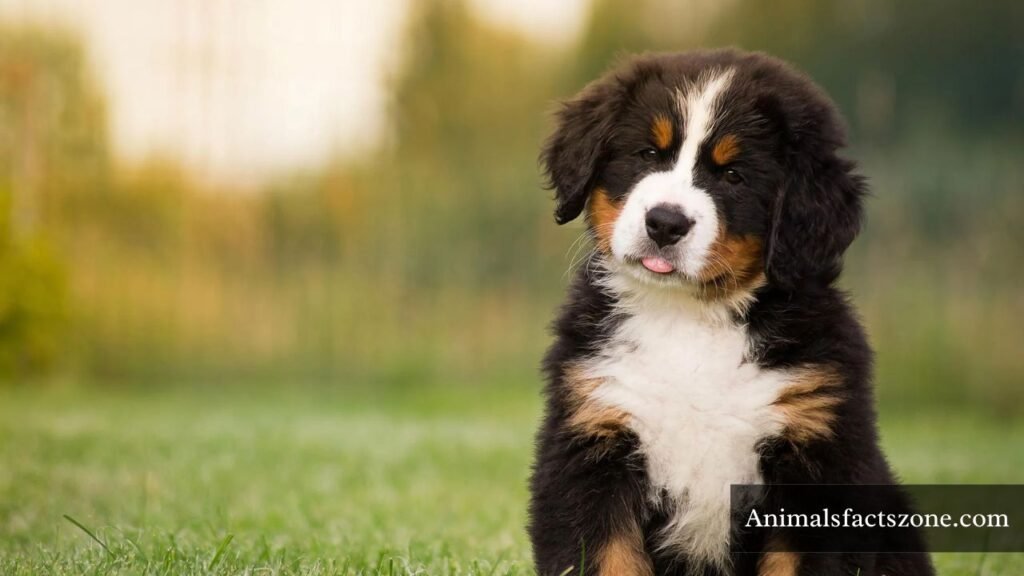
Moreover, the diversity within canine breeds presents a fascinating spectrum of temperament. Breeds like the Labrador Retriever and Golden Retriever are renowned for their calm demeanor and sociability, while others, like the Bichon Frise, combine playfulness with affectionate traits. This adaptability means that while one dog may thrive in a bustling family environment, another may find joy in the serenity of a single-adult household. Understanding these nuances not only enriches our relationships with these animals but also highlights the importance of choosing a dog that aligns with our lifestyle and emotional needs, further reinforcing the bond between dog and owner.
Horse
Scientific Name: Equus ferus caballus
Class: Mammalia
Diet: Herbivore
Horses have long captivated humans with their elegance and temperament, making them one of the most docile animals in the world. What truly sets these majestic creatures apart is their remarkable ability to form deep bonds with humans. This connection often transcends mere companionship; many riders and caretakers report a profound sense of understanding shared between them and their horses. These animals are highly sensitive to human emotions, responding not just to commands but to the feelings resonating within their handlers, creating a unique dialogue that enhances the partnership.
In addition to their bond with humans, horses exhibit remarkable emotional intelligence among themselves, often displaying nurturing behaviors within their herds. A mother horse will fiercely protect her foal while encouraging curiosity and confidence, showcasing a nuanced social structure that promotes empathy and cooperation. This collective awareness extends beyond their immediate family, as horses can recognize and respond to the distress of other herd members, reinforcing their role as compassionate beings in the animal kingdom
Rabbits
Scientific Name: Oryctolagus cuniculus
Class: Mammalia
Diet: Herbivore
Rabbits are often celebrated for their gentle nature and playful antics, making them one of the most beloved docile animals. Their inherent curiosity and sociability allow them to bond closely with humans, often forming strong emotional connections that can be both heartwarming and enriching. Unlike many pets, rabbits have unique personalities; some are shy and reserved, while others are adventurous and outgoing. Understanding these nuances can enhance the relationship between rabbit and owner, transforming the dynamics of companionship.
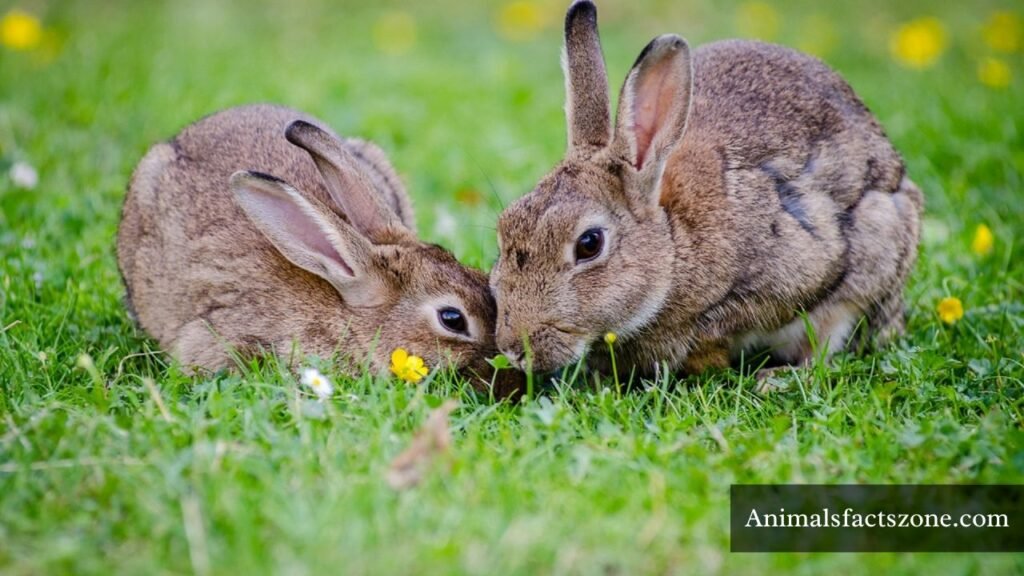
An interesting aspect of rabbits is their communication style, which is often overlooked. They express emotions through a series of subtle body language cues — ear position, nose twitching, and even their hopping patterns can indicate contentment or distress. Engaging with your rabbit on this level can foster a deeper understanding and appreciation for their gentle spirit. Moreover, rabbits are social animals that thrive in pairs or small groups, which speaks to the importance of companionship, not just for their wellbeing but also enriching the lives of those around them.
Their natural behaviors, such as burrowing and foraging, can be replicated in a domestic setting, allowing owners to create engaging environments that cater to their instincts. By providing interactive toys or designated play areas, you can stimulate a rabbit’s mind and keep them healthy both physically and mentally.
Cow
Scientific Name: Bos taurus
Class: Mammalia
Diet: Herbivore
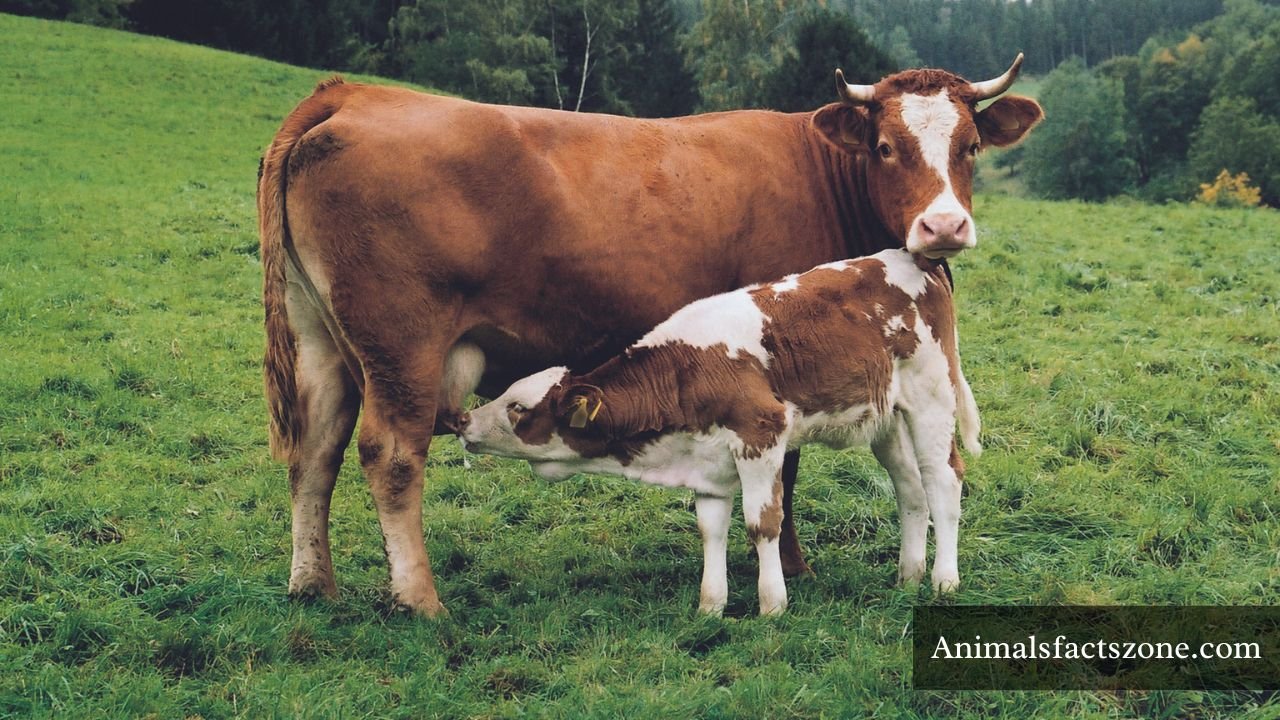
Cows, often seen as gentle giants of the agricultural world, embody a blend of quiet strength and nurturing disposition that makes them remarkably docile. Their social nature is one of the most fascinating aspects of their behavior, as these animals form strong bonds with one another and even with their human caretakers. Researchers have found that cows communicate using a variety of vocalizations and body language, revealing a complexity to their social interactions that often goes unnoticed. This emotional depth highlights a need for empathy in our approach to livestock, reminding us that these creatures are sentient beings deserving of care and respect.
Beyond their placid demeanor, cows are surprisingly intelligent. They exhibit problem-solving skills and can navigate mazes, indicating a level of cognitive ability often underestimated in farm animals. This intelligence, combined with their natural curiosity, leads to unique behaviors, such as investigating new environments and forming play groups. As more people recognize the intrinsic value of cows, movements advocating for better treatment and welfare standards gain momentum, paving the way for a deeper appreciation of these remarkable creatures.
Quokka
Scientific Name: Setonix brachyurus
Class: Mammalia
Diet: Herbivore
The quokka, often dubbed the “world’s happiest animal,” is a small marsupial native to Australia, specifically found on Rottnest Island. With its endearing smile and social nature, it has captured the hearts of many, both in the wild and across social media platforms. Despite its size — about the dimensions of a domestic cat — the quokka exhibits an astonishing level of curiosity and approachability, often allowing humans to engage closely without fear. This docility is not primarily instinctual but rather a result of its relatively predator-free environment, fostering a sense of safety that encourages exploration and interaction.
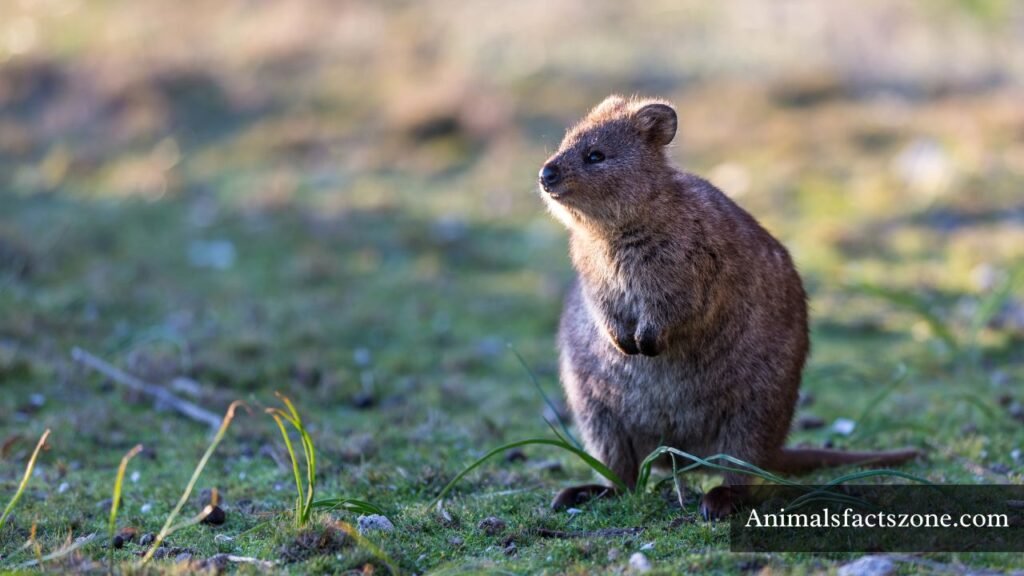
Interestingly, the quokka’s gentle disposition serves as a vital asset in promoting wildlife conservation. As awareness grows about their plight due to habitat loss and climate change, the quokka has become a symbol for conservation efforts in Australia. Tourists flock to Rottnest Island not just for their attractions but to experience a moment of joy and connection with these charming creatures. By engaging in responsible tourism, visitors can help raise funds and awareness for protective measures, turning fleeting encounters into enduring support for their habitat and the ecosystems that rely on it.
Sheep
Scientific Name: Ovis aries
Class: Mammalia
Diet: Herbivore
Sheep, often seen as the quintessential symbol of docility, possess a remarkable social intelligence that goes unnoticed by many. With their penchant for forming strong bonds within their flocks, these animals exhibit an intricate social hierarchy, demonstrating loyalty and fidelity to their companions. Research indicates that sheep can recognize individual faces, not only of their fellow sheep but also of humans, showcasing their ability to form attachments and navigate complex social networks, much like us.
Moreover, sheep possess a surprising level of adaptability. Their grazing habits allow them to thrive in various environments, from rolling pastures to arid landscapes. This resilience is indicative of their evolutionary success, allowing them to coexist harmoniously with humans for thousands of years.
Elephants
Scientific Name: Loxodonta africana (African), Elephas maximus (Asian)
Class: Mammalia
Diet: Herbivore
Elephants, often lauded for their gentle nature, are remarkable not just for their size but also for their emotional intelligence and social structures. These majestic creatures form complex family bonds, often led by matriarchs who guide their herds with wisdom gathered over decades. Their communicative prowess is astonishing; elephants use low-frequency sounds, known as infrasound, to convey messages over vast distances, highlighting their deep social networks. This ability to communicate even in the darkest of times illustrates an innate understanding of community and connection that many species lack.
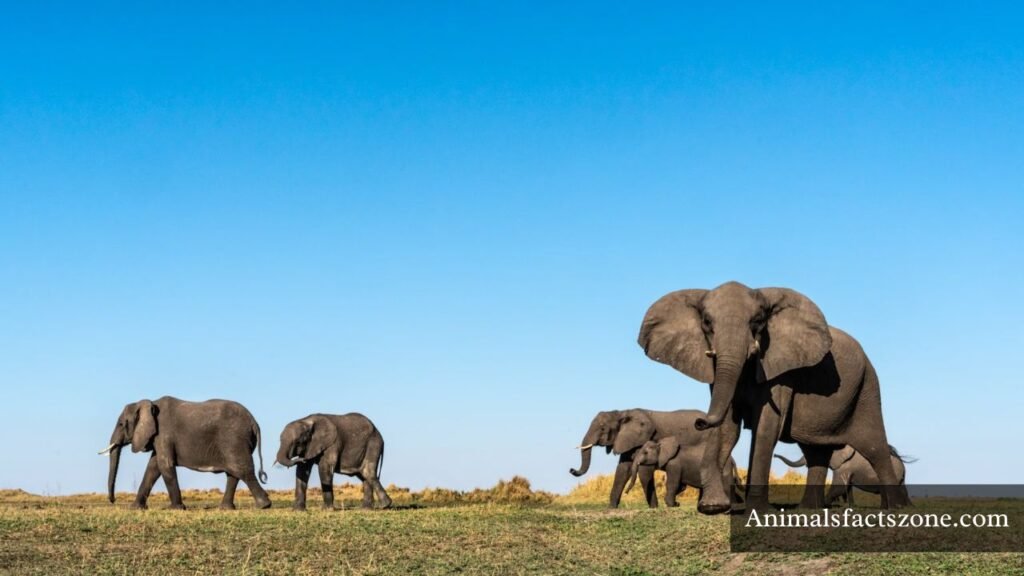
Moreover, elephants demonstrate an uncanny capacity for empathy. They have been observed mourning their dead, touching their deceased companions with trunks and paying silent respect in poignant rituals. This profound emotional awareness invites us to rethink our perceptions of intelligence and sentience, prompting us to see elephants as more than mere beasts of burden or spectacles. With their gentle demeanor and intricate social behaviors, elephants remind us of the delicate balance between strength and compassion in the animal kingdom, challenging us to reflect on our human impact on their lives and habitats.
Giant Panda
Scientific Name: Ailuropoda melanoleuca
Class: Mammalia
Diet: Herbivore
The giant panda, often seen as the epitome of cuteness, possesses an unexpected layer of complexity beneath its seemingly docile demeanor. While they may appear gentle, these black-and-white bears are equipped with strong jaws and powerful teeth designed to crush bamboo, their primary food source. This dietary preference speaks not only to their unique adaptations but also to their role in promoting biodiversity. By consuming vast amounts of bamboo, they inadvertently help maintain the health of their ecosystem, as their foraging habits encourage new growth and regeneration.
Engaging with pandas in a sanctuary reveals a captivating side to their personality. Observers often marvel at their playful antics — rolling down hills or play-fighting with one another. These behaviors not only highlight their social dynamics but also reflect their need for play as a crucial aspect of development, much like human children. Despite their reputation for being solitary creatures, young pandas often form playful bonds before venturing out on their own, reminding us that even the most docile animals thrive in connection and companionship. Through understanding their nature, we gain insights into conservation efforts, underscoring the importance of protecting not just the giant panda but the intricate web of life they represent.
Llama
Scientific Name: Lama glama
Class: Mammalia
Diet: Herbivore
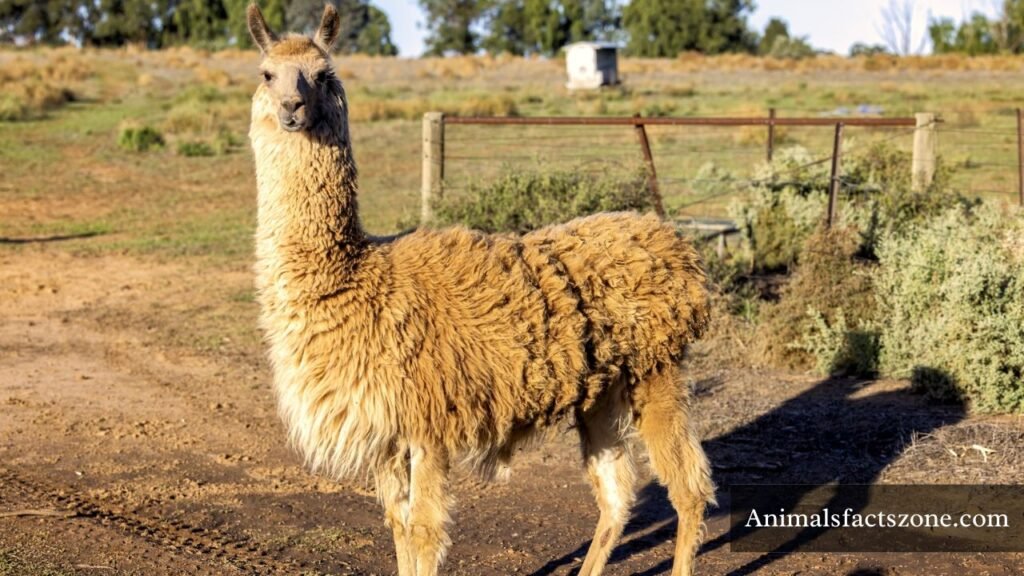
Llamas, often celebrated for their gentle demeanor, are the unsung heroes of the animal kingdom. With their expressive eyes and long necks, they exude a calm presence that instantly puts onlookers at ease. Originating from the Andean mountains of South America, these social creatures thrive in herds, forming deep bonds with both fellow llamas and humans alike. Their ability to communicate through soft humming and a variety of body language gives them a unique edge, allowing them to express emotions and needs effectively.
Guinea Pig
Scientific Name: Cavia porcellus
Class: Mammalia
Diet: Herbivore
Guinea pigs, often celebrated for their gentle demeanor, are more than just adorable companions; they are social creatures with a rich tapestry of communication. Their soft chirps and soothing purrs reflect a range of emotions, from contentment to curiosity. Surprisingly, these small rodents can form deep bonds with their owners, demonstrating an understanding of their environment that adds a layer of depth to their seemingly simple existence.
Caring for guinea pigs offers a unique blend of joy and responsibility. They thrive in pairs, emphasizing the importance of companionship — whether with another guinea pig or through interaction with their human caregivers. This fosters social skills and encourages a lively, engaging atmosphere. By observing their interactions, owners unveil a world of playful antics and personality quirks, reminding us that even the smallest animals can have vibrant lives and profound impacts on our own.
Capybara
Scientific Name: Hydrochoerus hydrochaeris
Class: Mammalia
Diet: Herbivore
Capybaras, the world’s largest rodents, are often seen basking in the sun by water bodies in their native South American habitats. These gentle giants exude a remarkable calmness, often leading them to be dubbed as the ultimate symbol of docility. Their social nature is a fascinating aspect, as they thrive in groups of 10 to 20, showcasing their strong community bonds. Watching a capybara interact with its peers reveals an intricate social hierarchy and a deep affinity for companionship — traits that are surprisingly reminiscent of our own familial connections.
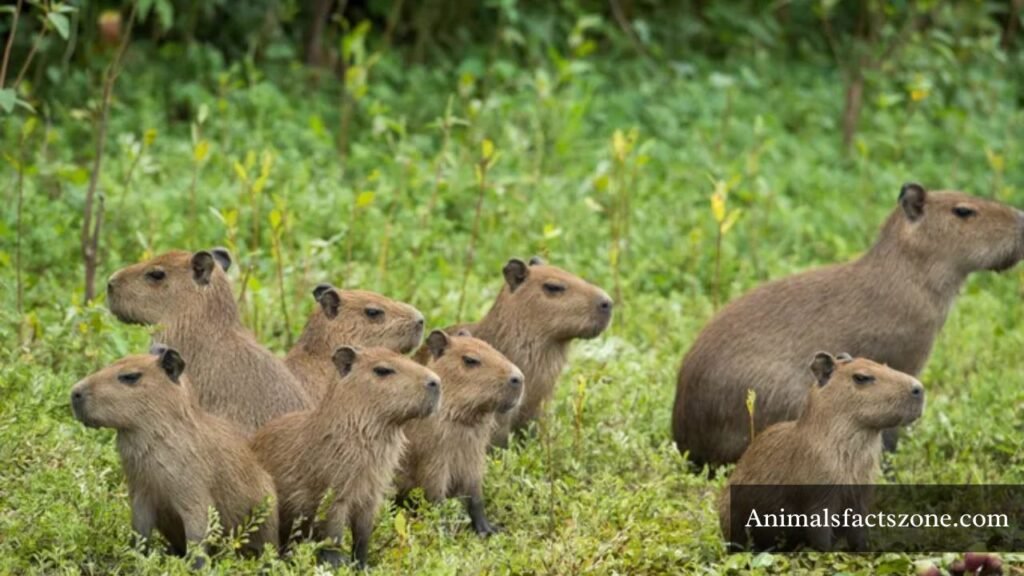
Interestingly, capybaras are often found in the company of various animal species, from birds to monkeys, which highlights their non-confrontational demeanor and ability to coexist harmoniously in the wild.
Dolphins
Scientific Name: Delphinus delphis
Class: Mammalia
Diet: Carnivore
Dolphins, often regarded as the ocean’s gentle giants, exhibit an astonishing level of intelligence and social complexity that captivates both researchers and marine enthusiasts alike. Known for their playful demeanor, they engage in acrobatic displays, surfing on waves, and even playing games with each other, showcasing an innate curiosity that speaks to their docile nature. Their sociability extends beyond their pods, as dolphins have been observed aiding injured individuals, guiding lost swimmers to safety, and even befriending other species.
Furthermore, dolphins possess a sophisticated form of communication that includes a variety of clicks, whistles, and body language, reflecting an emotional depth that may rival that of humans. Their ability to form strong bonds within their pods highlights their innate empathy, making them not just docile but incredibly social creatures.
Manatee
Scientific Name: Trichechus manatus
Class: Mammalia
Diet: Herbivore
Manatees, often nicknamed “sea cows,” embody a tranquil presence beneath the waves. These gentle giants glide through coastal waters with an almost ethereal grace, their large, paddle-like flippers allowing them to navigate effortlessly among seagrasses and mangroves. What sets manatees apart is not just their laid-back demeanor, but their intriguing social behavior; they are known to engage in playful interactions with one another, showcasing their intelligence and curiosity.
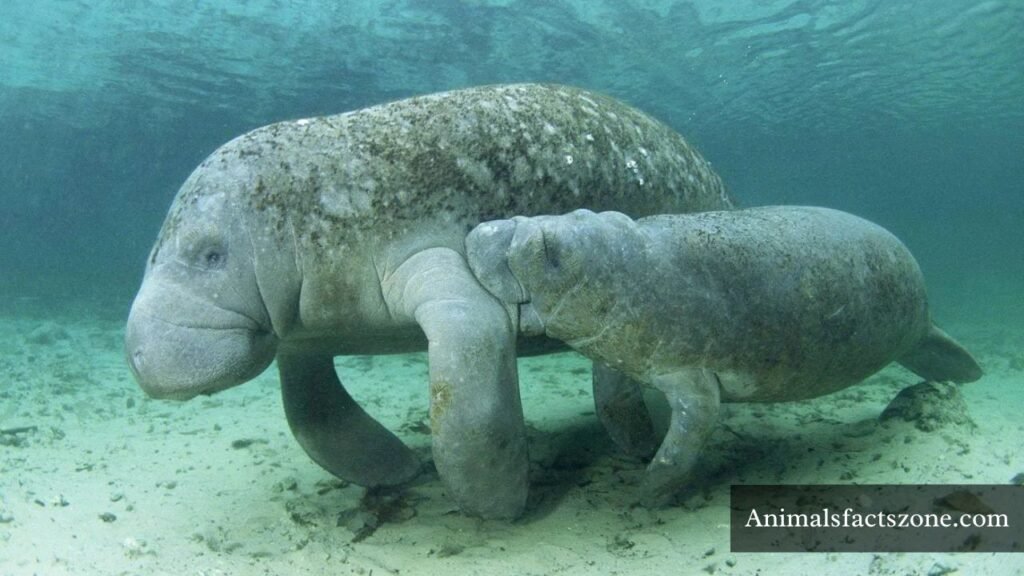
The incredible adaptability of manatees also highlights their docility. These herbivorous creatures primarily consume aquatic vegetation, contributing positively to their ecosystems by maintaining the health of seagrass beds. However, their gentle nature leaves them vulnerable to human activities, such as boating and habitat destruction. Recognizing their role as both a keystone species and an emblem of marine conservation reminds us of the delicate balance we must maintain in our natural world.
Cats
Scientific Name: Felis catus
Class: Mammalia
Diet: Carnivore
Cats, often celebrated for their playful antics, possess an intriguing blend of independence and affection that elevates them to a unique status among docile animals. While their aloof demeanor can sometimes mislead observers, many cats forge deep, trusting bonds with their humans, exhibiting a captivating blend of curiosity and comfort. This fusion of traits allows them to engage playfully while also seeking solace in their owners’ laps, turning everyday moments into shared experiences steeped in warmth.
One of the most fascinating aspects of cat behavior is their ability to sense and adapt to the emotional climates of their human companions. Research indicates that cats can recognize human emotions and often choose to approach their owners when they are feeling low or distressed. This empathetic trait highlights the depth of their social capabilities, revealing that these seemingly solitary creatures can serve as emotional support, providing comfort in ways that may surprise even the most seasoned cat owners. In essence, a cat may be more than just a pet; they can be a silent yet powerful ally in navigating the complexities of human emotions.
Giant Tortoise
Scientific Name: Chelonoidis nigra
Class: Reptilia
Diet: Herbivore
The giant tortoise, a living legend of the Galápagos Islands, embodies the beauty of serenity. With lifespans that can exceed 100 years, these gentle giants move slowly yet purposefully, showcasing a lifestyle that seems almost meditative. They navigate their environment at a leisurely pace, unbothered by the hurried world around them, serving as a reminder that life is best savored slowly.
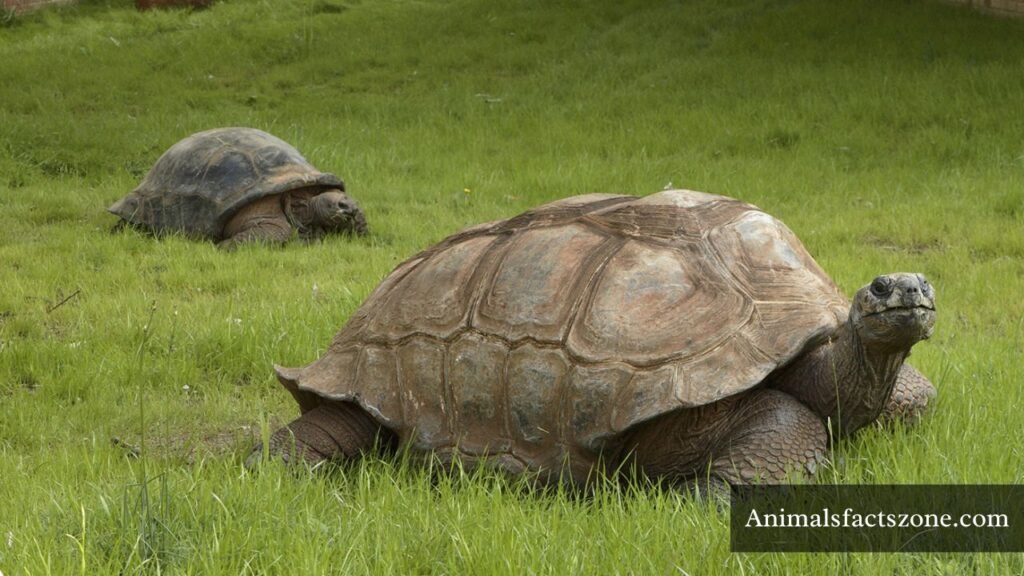
Their docility is not just a trait but a survival mechanism. In the face of potential threats, these tortoises often rely on their sheer size and indifference rather than aggression. This remarkable calmness allows them to coexist peacefully with various species, including their human admirers. Interestingly, their slow metabolism and straightforward diet contribute to their ease, demonstrating that simplicity can lead to longevity and harmony in a complex ecosystem.
Sloth
Class: Mammalia
Diet: Herbivore
Sloths, often celebrated for their ultra-slow movements, embody tranquility in the animal kingdom. These gentle creatures spend most of their lives hanging upside down in the canopy of Central and South American rainforests, perfectly adapted to a lifestyle that prioritizes energy conservation over frantic activity. Their low metabolism contributes to their docile nature; they can take up to a month to digest a single meal of leaves, allowing them to meander through life at a deliberate pace without the stress of constant foraging.
Yet, it’s this very leisurely lifestyle that raises intriguing questions about survival. Unlike more active animals, sloths rely on their camouflage and the symbiotic relationship with algae that grows on their fur for protection, blending seamlessly into the forest environment. This unique adaptation not only shields them from predators but adds a touch of vibrant greenery, enhancing their role in the ecosystem.
Domestic Goat
Scientific Name: Capra aegagrus hircus
Class: Mammalia
Diet: Herbivore
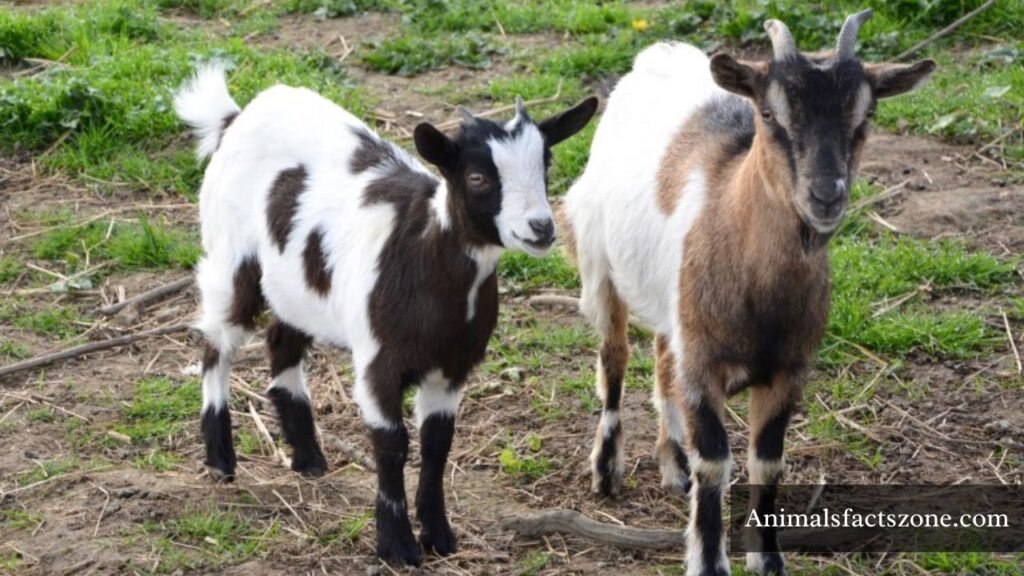
Domestic goats, often seen as sturdy companions on farms, possess a unique blend of curiosity and gentle demeanor that makes them fascinating animals. Their playful nature is not just entertaining; it reveals their intelligence and social structures. Goats are known for their innate ability to bond with humans and other animals, establishing strong connections that often manifest in playful antics or affectionate headbutts. This sociability makes them relatively easy to train, as their eagerness to please and learn can turn mundane tasks into collaborative activities. What sets goats apart is their adaptability. Unlike many domesticated animals tied strictly to a specific environment, goats thrive in a variety of settings, from lush pastures to rocky terrains.
Doves
Scientific Name: Columba livia
Class: Aves
Diet: Herbivore/Granivore
Doves, often seen as symbols of peace and love, exhibit a surprising depth of personality that extends beyond their serene exterior. Known for their soft coos and gentle demeanor, these birds have a remarkable ability to form strong bonds with their caretakers and even other animals. In captivity, a dove can develop trust that fosters an intimate relationship, showcasing a level of emotional intelligence often overlooked in avian species.
Apart from their docility, doves are also fascinating communicators. They possess a wide range of vocalizations and body language cues, using subtle movements and sounds to convey their feelings and intentions. Their nurturing nature toward their young further exemplifies their gentle spirit; both parents engage in feeding and caring for their chicks, reinforcing social structures that promote harmony within their flocks.
Swans
Scientific Name: Cygnus olor
Class: Aves
Diet: Herbivore
Swans are often celebrated for their elegance and beauty, gliding gracefully across lakes and ponds. However, beyond their captivating appearance, they possess a remarkable demeanor that reflects a serene yet powerful presence in the animal kingdom. While typically gentle and social creatures, swans are fascinatingly loyal and protective, especially during breeding season. Observing a pair of swans fiercely defending their nests showcases a surprising depth of character; they embody both tranquility and fierce devotion.
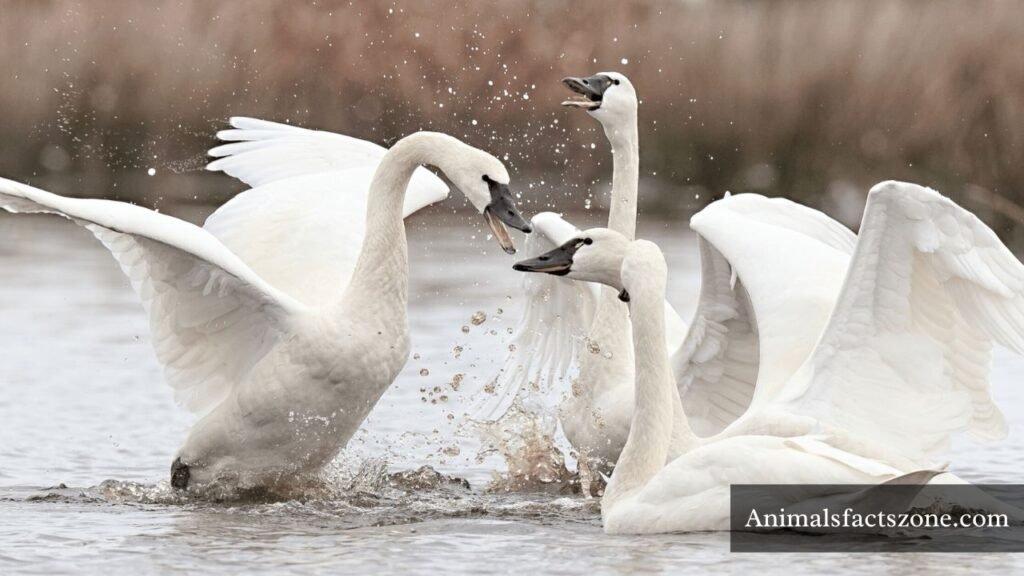
Moreover, swans have been observed forming lifelong bonds with their partners, which adds a layer of complexity to their docile reputation. This loyalty creates a captivating narrative of love and companionship, as they navigate the challenges of their environments together.
Deer
Scientific Name: Cervidae
Class: Mammalia
Diet: Herbivore
Deer, often seen gracefully gliding through forests and meadows, embody a serene connection to nature. These gentle creatures possess an innate curiosity that draws them toward human habitats, signaling their docility. Their non-aggressive demeanor allows them to coexist in diverse environments, from suburban backyards to expansive national parks. Observing deer nibbling on grass or playfully bounding through open fields can evoke a sense of tranquility, reminding us of the beauty of peaceful coexistence.
Moreover, the social structure of deer herds can offer compelling insights into their nature. Unlike many wildlife species that rely heavily on aggression for survival, deer communicate through soft vocalizations and body language, fostering bonds within their groups. This harmony not only aids in protection from predators but also underscores their gentle disposition.
Bats
Class: Mammalia
Diet: Omnivore/Carnivore/Frugivore
Bats, often shrouded in misconceptions, are among the most docile creatures on the planet. They play vital roles in ecosystems as pollinators and pest controllers. A single bat can consume thousands of insects in one night, which significantly reduces the need for chemical pesticides and contributes to healthier agriculture.
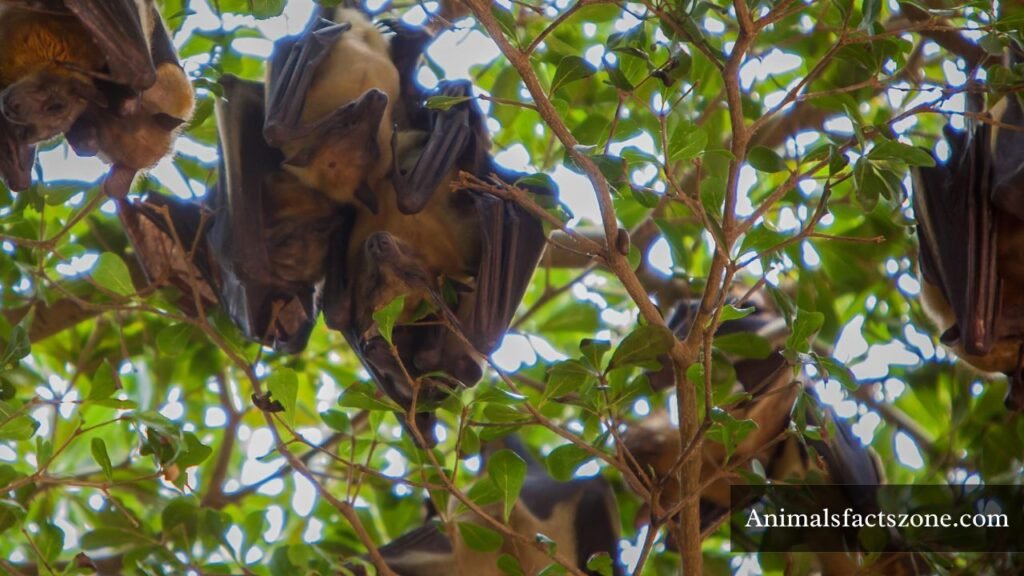
One intriguing aspect of bats is their social behavior. Many species live in large colonies, forming tight-knit communities where they engage in social grooming and vocalizations to communicate. This social structure helps reinforce their bonds, showcasing a level of intelligence and emotional complexity often overlooked.
Bearded Dragons
Scientific Name: Pogona vitticeps
Class: Reptilia
Diet: Omnivore
Bearded dragons, often affectionately referred to as “beardies,” are among the most docile reptiles, making them popular companions for both novice and seasoned pet owners. Their calm demeanor is particularly striking when you consider their natural instinct to thrive in their arid Australian desert habitat. Unlike many reptiles, bearded dragons exhibit a remarkable affinity for human interaction, often enjoying gentle handling and even basking on their owners’ shoulders as they survey their surroundings from a vantage point of trust and comfort.
One engaging aspect of bearded dragons is their expressive body language. These reptiles communicate their feelings through subtle gestures, such as puffing out their throat when relaxed or adopting a flat stance when curious. This ability to convey emotion fosters a unique bond between human and pet, allowing owners to interpret their beardies’ moods and preferences. Moreover, bearded dragons require regular interaction to remain socialized and mentally stimulated, making them ideal for those seeking a pet that encourages daily engagement and care.
Readmore: Explore Top 20 Anxious Animals in The World.
Conclusion
The world of docile animals offers a fascinating glimpse into the gentler side of nature. From the comforting presence of dogs to the serene demeanor of certain farm animals, these creatures provide companionship and joy in countless ways. Their peaceful nature not only makes them suitable for families and therapy work but also inspires us to foster kindness and empathy in our interactions with all living beings. Understanding and appreciating these gentle animals can enrich our lives and promote a more harmonious relationship with nature.
FAQs
What are the top 5 friendliest animals?
When it comes to friendly animals, dogs are often at the top of the list. Known for their loyalty and affectionate nature, dogs thrive on companionship and love interacting with humans and other pets. Their ability to bond with people makes them one of the most beloved companions worldwide. Cats also deserve a mention for their playful and curious nature. While some may be more independent, many are incredibly social and enjoy spending time with their owners. Dolphins are known for their intelligence and friendliness towards humans, often engaging in playful behavior and forming strong social bonds. Other notable mentions include rabbits and parrots, both of which can be remarkably affectionate and interactive with their caretakers.
What is the most peaceful animal?
The giant panda is often considered one of the most peaceful animals. Known for their gentle demeanor, these bears spend most of their time munching on bamboo in serene habitats. Their laid-back lifestyle and solitary nature contribute to their overall peaceful image. Unlike many other animals, pandas are rarely aggressive. They generally prefer to avoid confrontation and will often retreat if they feel threatened. This calmness, combined with their adorable appearance, makes them a symbol of peace and tranquility in the animal kingdom.
What is the chillest animal in the world?
The chillest animal in the world has to be the sloth. These slow-moving creatures embody relaxation. They spend most of their lives hanging in trees, eating leaves, and napping for up to 20 hours a day. Their leisurely pace and laid-back lifestyle make them the ultimate vibe.
What is the most docile animal in the world?
The most docile animal often cited is the domestic cow. Cows are generally mild-mannered and social creatures. They form strong bonds within their herd and can be quite curious and friendly towards humans. Their calm demeanor makes them easy to handle, which is one reason they are so widely domesticated.