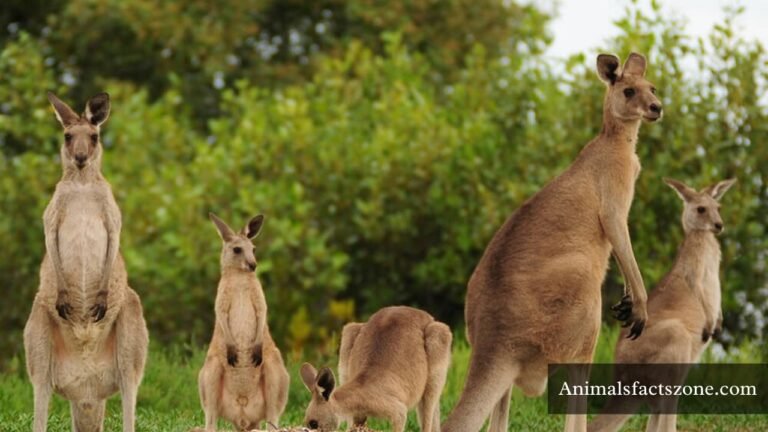

How Strong Are Kangaroos? Facts You Need To Know
Did you know that kangaroos can leap over 30 feet in a single bound? In this article, “How Strong Are Kangaroos,” we explore the impressive strength behind these incredible leaps and the muscles that power them. Appreciating the strength of kangaroos is more than just an intriguing fact; it underscores their adaptability and survival in the wild. You’ll gain a new perspective on these creatures and discover how their physical abilities influence their behavior and habitat.
How Strong Are Kangaroos?
Scientific Name: Macropus
Class: Mammalia
Diet: Herbivore
kangaroo kick force: 850 psi
Kangaroos are surprisingly muscular creatures, capable of remarkable feats of strength and agility. With powerful hind legs that can propel them up to 30 feet in a single bound, these marsupials are not just built for speed; they also possess incredible force in their kicks. A single kick from a large male kangaroo can deliver up to 850 pounds of pressure, enough to deter potential predators or rivals. This strength serves a dual purpose, helping them escape threats while also establishing dominance during mating season.
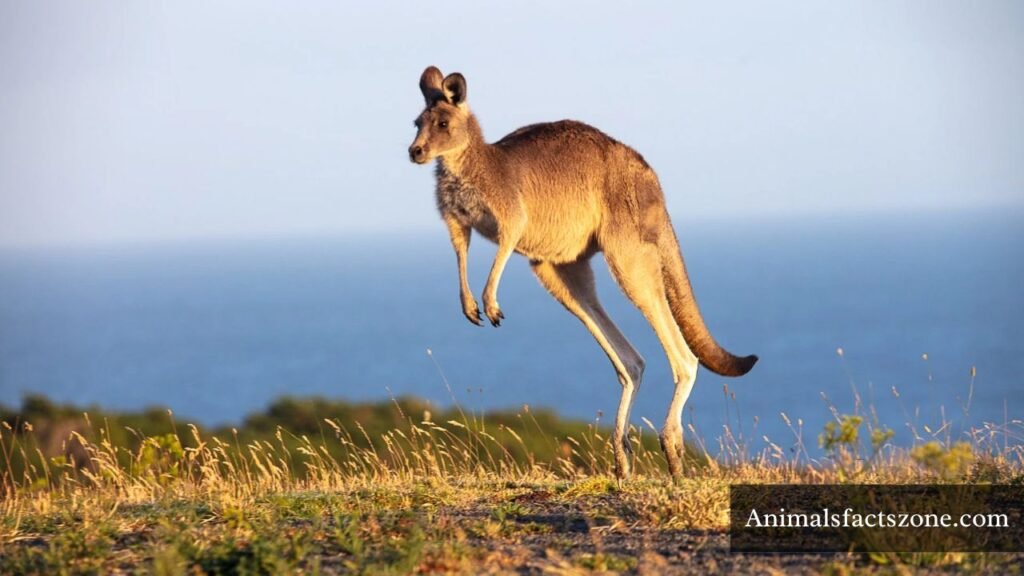
Beyond their physical prowess, kangaroos have evolved to thrive in harsh Australian environments. Their sturdy bodies and unique adaptations allow them to conserve energy, hopping long distances with minimal effort. This efficiency is vital for survival in the vast, arid landscapes they roam. By understanding the robust anatomy and behavior of kangaroos, we gain a deeper appreciation for their role in the ecosystem and the incredible adaptations that make them one of Australia’s most iconic animals.
Bite Force
Kangaroos, often seen as gentle icons of the Australian landscape, possess a surprisingly powerful bite force. While they are primarily known for their impressive hopping and strong hind legs, their jaws are equipped with formidable musculature designed for their herbivorous diet. Studies suggest that a kangaroo’s bite can exert a force of nearly 975 psi. This biting strength, combined with their strong teeth, enables them to efficiently process tough vegetation, a vital skill for survival in the harsh Australian bush.
However, their bite isn’t merely a tool for eating; it can also serve as a warning. When threatened or cornered, kangaroos are known to deliver powerful bites, demonstrating a less charming aspect of their nature. This behavior underscores the importance of respecting their wildness, as it reminds us that even the most endearing animals have innate defense mechanisms.
How Strong Is A Kangaroo Kick?
A kangaroo kick isn’t just a playful leap; it’s a formidable force of nature. With powerful hind legs that can propel them up to 30 feet in a single bound, kangaroos are built for sprinting and maneuvering in their rugged habitats. The sheer strength behind their kicks can exceed 850 psi of pressure, an astonishing capacity that not only helps them evade predators but also establishes dominance during territorial disputes.
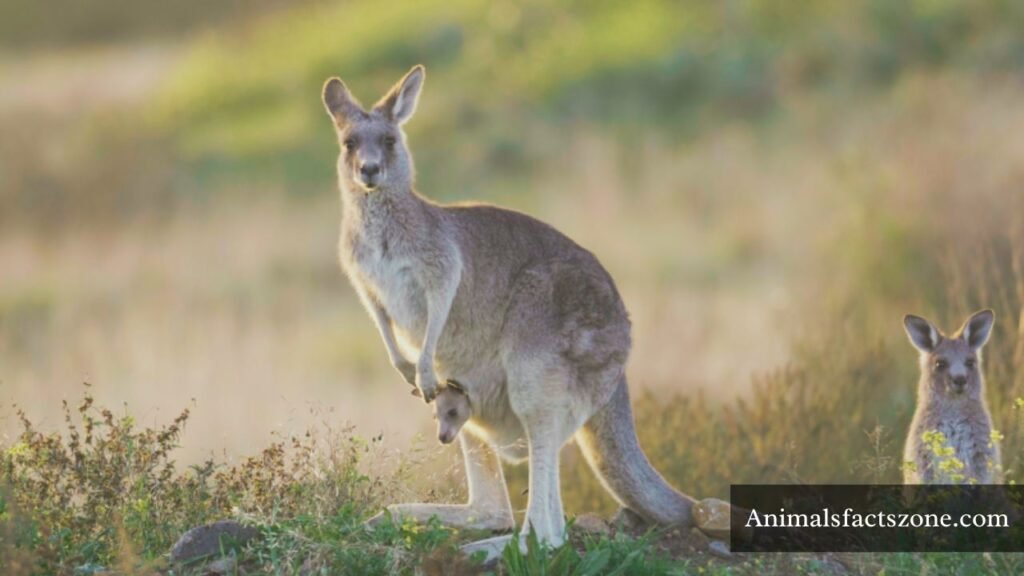
What’s particularly fascinating is how this incredible power is complemented by agility. A kangaroo can pivot mid-air, delivering kicks that are both forceful and precision-driven, making them exceptionally adept at navigating their environment. This dual ability not only showcases their physical prowess but also hints at the evolutionary nuances that have shaped their survival strategies. Whether in the wild or observed in controlled settings, the kangaroo’s kick serves as a stunning reminder of nature’s engineering marvels, blending strength and agility in a single, awe-inspiring motion.
Related article: Are Kangaroos Smart Animals?
How Fast Can Kangaroos Run?
Kangaroos are not just a symbol of Australia; they are remarkable athletes of the animal kingdom. Capable of reaching speeds up to 44 miles per hour in short bursts, these creatures showcase a unique method of locomotion. Their powerful hind legs allow them to cover impressive distances with each bound, often traveling over 30 feet in a single leap. This unique movement isn’t just efficient; it’s a testament to their evolutionary adaptation to the vast Australian landscape.
What’s truly fascinating is the kangaroo’s ability to sustain a steady pace of around 15 miles per hour over longer distances. This endurance allows them to traverse arid environments while foraging for food and escaping potential predators. Furthermore, their distinctive hopping motion conserves energy, enabling them to thrive in habitats where food and water can be scarce. The mechanics behind their movement are equally compelling, as kangaroos can effectively capitalize on elastic energy stored in their tendons with each leap, making them both agile and efficient — essential qualities for survival in the wild.
How strong is a kangaroos tail?
A kangaroo’s tail is a marvel of nature, acting as a powerful anchor and a fundamental part of its anatomy. Muscular and robust, it can weigh up to 8 kilograms and is used for balance when hopping at incredible speeds. Imagine this tail as a third leg, providing stability whether the kangaroo is sprinting or standing still. When they leap, the tail assists in propulsion, helping them achieve hair-raising heights of up to 30 feet in a single bound.
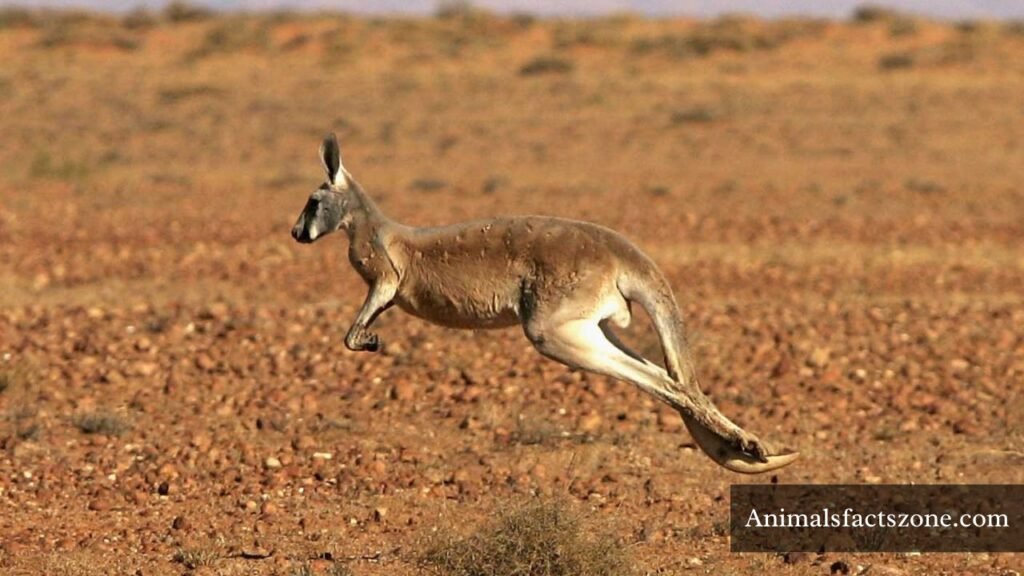
But there’s more to the tail than just a balance beam. It’s also a versatile tool for communication and expression. During social interactions, kangaroos can use their tails to signal intentions or assert dominance. Their tails can also help them navigate through their bushland habitat, allowing for agile maneuvers around obstacles. Overall, the kangaroo’s tail is not just a striking feature; it’s an essential element of survival in the wild, reflecting the animal’s adaptability and strength.
How strong are kangaroos arms?
Kangaroo arms are often overshadowed by their powerful hind legs, but these limbs pack a surprising punch. While they might appear slender and less formidable, their arms are crucial for balance and support. When kangaroos engage in fighting or displays of dominance, they use their arms to grapple and strike, showcasing a remarkable strength that belies their appearance.
Interestingly, unlike most marsupials, kangaroo forelimbs are adapted for a unique blend of functions. They assist in propelling their bodies forward while grazing and help with grooming and care of young joeys. This multi-functionality reflects an evolutionary design that balances strength with agility, enabling kangaroos to thrive in their diverse habitats. In the wild, these arms also play a significant role in their social interactions, influencing both mating behavior and territory disputes — proof that even the most unassuming limbs can be essential to survival in the wild.
How Are Kangaroos So Strong?
Kangaroos possess a unique combination of powerful musculature and specialized adaptations that elevate their strength well beyond mere appearance. Their muscular hind legs are designed for explosive power, enabling them to cover vast distances with minimal effort. This remarkable efficiency comes from a highly elastic tendon system, which acts like a spring, storing and releasing energy with each leap. As a result, kangaroos can travel up to 30 feet in a single bound and reach speeds of 44 miles per hour, making them one of the most adept movers in their habitat.
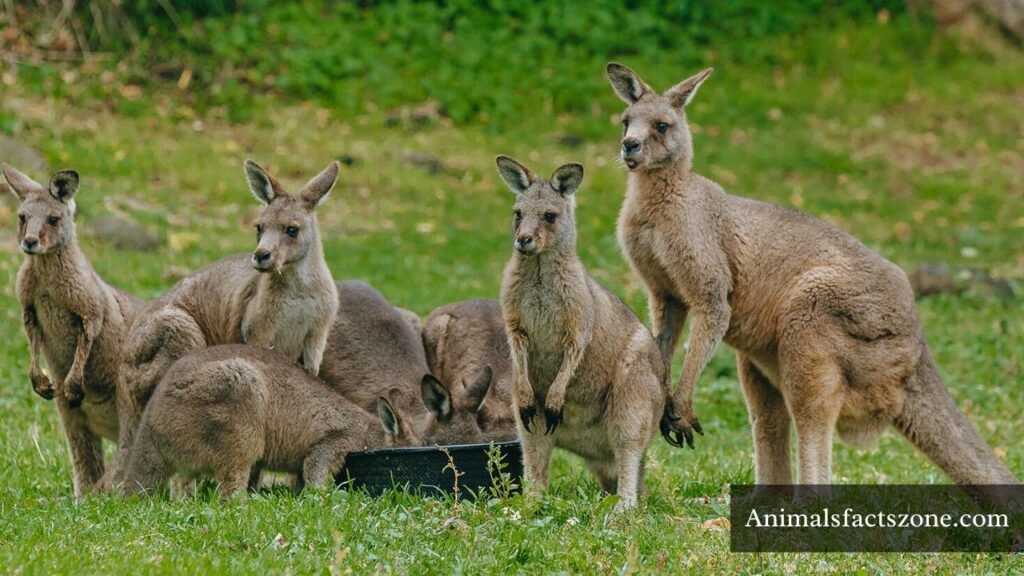
Moreover, the kangaroo’s upper body strength is often underestimated. While their powerful legs garner much attention, their robust forelimbs are equally important for balance and support during movement. This combination allows them not only to hop effortlessly but also to engage in physical displays to establish dominance within social structures. Their strong tails serve not just as a counterbalance but also as a third limb, aiding in support during high jumps and rough terrain navigation.
How Strong Are Kangaroos Compared To Humans?
Kangaroos are often celebrated for their impressive leaping abilities, but their strength is equally remarkable. A full-grown male red kangaroo can weigh up to 200 pounds and possesses strong hind legs capable of delivering a powerful kick — equivalent to a punch from a heavyweight boxer. This kick can generate a force of over 800 pounds, which can be lethal to predators, underscoring their incredible power as a defense mechanism.
When comparing strength, we must also consider the kangaroo’s unique muscular structure. They rely heavily on their long, robust leg muscles for not just hopping but also for stability and balance, traits essential for navigating the rugged terrains of Australia. While humans have superior upper body strength in terms of lifting and manipulating objects, kangaroos’ lower body strength enables them to cover vast distances with minimal energy expenditure, showcasing a different kind of endurance and physical capability. In the world of biomechanics, it’s a fascinating study of evolution, as each species excels in areas that suit its survival needs.
Kangaroo vs Gorilla Strength Comparison
When comparing the strength of a kangaroo to a gorilla, it’s essential to consider the distinct adaptations each has evolved for survival. Kangaroos, with their powerful hind legs, can deliver a kick strong enough to deter predators or rivals. This unique physical trait allows them to leap impressively, covering vast distances with speed and agility, showcasing a different form of strength that emphasizes endurance and escape. Their muscular tails also play a crucial role, acting as a balance and support system during their high-speed hops.
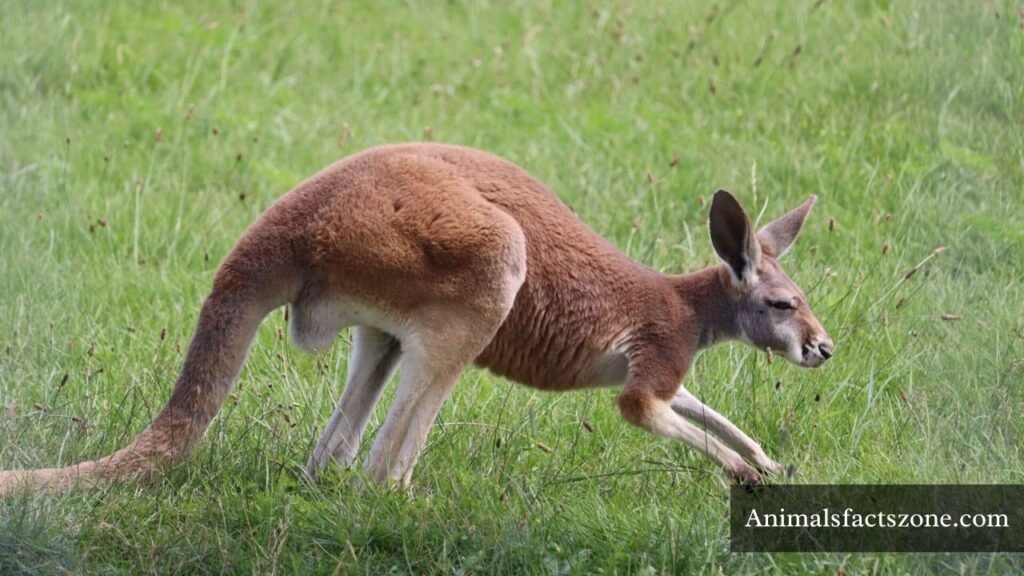
In contrast, gorillas embody raw power — an adult male can lift over ten times his body weight, making him one of the strongest primates on Earth. Their strength isn’t merely for show; it is essential for foraging, defending their troop, and navigating their heavily forested habitats. However, while gorillas excel in brute force, their strength is more about versatility, allowing for various tasks such as climbing and manipulating tools. This comparison highlights how strength manifests differently across species, shaped by their environments and lifestyle demands. Each animal, in its own way, showcases the fascinating spectrum of strength found in the animal kingdom.
Readmore: Do Wolves Purr?
Conclusion
Kangaroos are remarkably strong animals, built for survival in the challenging Australian terrain. Their powerful hind legs enable them to cover vast distances with minimal effort, and their muscular tails assist in balance and support during movement. Their ability to leap high and far not only showcases their strength but also serves as a defense mechanism against predators. As we learn more about these incredible creatures, let us foster a greater respect for their role in the ecosystem. Engage with wildlife conservation efforts to ensure that future generations can witness the strength and beauty of kangaroos in the wild.
FAQs
Is kangaroo friendly to humans?
Kangaroos can be friendly in certain situations, especially when raised in captivity or accustomed to human interaction. They might approach people out of curiosity or for food, displaying a generally relaxed demeanor. However, it’s essential to remember that they are wild animals and can be unpredictable. Approaching a kangaroo in the wild is risky. While some might appear docile, they can become aggressive if they feel threatened or cornered. It’s always best to admire these unique creatures from a distance and respect their space.
How do kangaroos communicate with each other?
Kangaroos communicate through a mix of vocalizations, body language, and scents. They use various sounds, like grunts and clucks, to convey warnings or establish social bonds. These vocalizations can be especially noticeable when they are startled or feel threatened. Body language is crucial as well; kangaroos often use posture and movements to express their feelings. For example, a relaxed kangaroo might sit on its hind legs, while a nervous one will stand tall with its ears perked up. Scent marking also plays a role, helping them establish territory or signal reproductive status.