Top 20 Fish with Big Lips (With Pictures)
“Fish with Big Lips” isn’t just a quirky phenomenon; it reveals fascinating adaptations that allow these aquatic creatures to thrive in their environments. In this article, we’ll explore the biology and behavior of these unique fish, discussing their roles in the ecosystem and what makes them such a spectacle. By the end, you’ll appreciate the beauty and quirks of life underwater like never before.
List of Fish with Big Lips
Below is the list of animals that have big lips:
- Humphead Wrasse
- Red Snapper
- Sweetlips
- Common Pleco
- Red-Lipped Batfish
- Koi
- Surgeonfish
- Big-Lip Damselfish
- Giant Gourami
- Stonefish
- Asian Sheepshead Wrasse
- Parrotfish
- Angelfish
- Kissing Gourami
- Carp
- Triggerfish
- Piranha
- Sarcastic Fringehead
- Giant Grouper
- Suckermouth Catfish
Humphead Wrasse
Scientific Name: Cheilinus undulatus
The humphead wrasse captivates with its striking features and intriguing behavior. Its oversized, fleshy lips aren’t just for show; they play a vital role in the fish’s diet. With these formidable lips, the humphead wrasse expertly pries open coral reefs, revealing a feast of mollusks and crustaceans hidden within. This unique feeding strategy contributes to the ecological balance of coral ecosystems, as it helps control populations of herbivores that can otherwise overgraze and damage reefs.
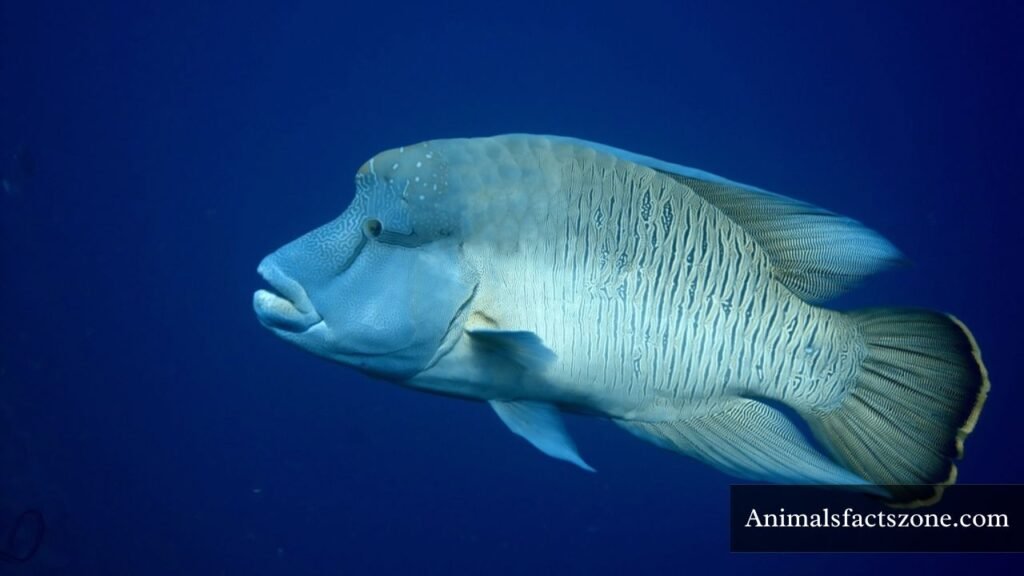
But it’s not just their culinary skills that make humphead wrasses fascinating; their social behavior adds another layer of intrigue. These fish are known for forming strong social bonds and have been observed engaging in complex interactions, including playful behaviors akin to what we see in dolphins. Moreover, their ability to change color based on mood and interactions reflects a sophisticated means of communication within their schools. As they face threats from overfishing and habitat loss, understanding these vibrant creatures is crucial for conservation efforts, highlighting the delicate interdependencies within marine environments.
Red Snapper
Scientific Name: Lutjanus campechanus
The Red Snapper, often recognized by its vibrant red hue, boasts more than just stunning color; it’s renowned for its sizable, pronounced lips. These large lips serve a purpose beyond aesthetics — they enhance its feeding strategy. Depending on the environment, the Red Snapper employs its lips to manipulate prey, such as crustaceans and smaller fish, allowing it to feed efficiently in rocky crevices and coral reefs. This adaptive feature not only reveals the fish’s evolutionary traits but also signifies its role in maintaining the balance of marine ecosystems.
The Red Snapper’s big lips can be viewed as a symbol of resilience in the face of environmental pressures. Overfishing and habitat destruction have threatened their populations, yet these fish demonstrate remarkable adaptability. Their ability to thrive in diverse habitats, from the shallow waters of the Gulf of Mexico to deeper oceanic regions, showcases their versatility.
Sweetlips
Scientific Name: Plectorhinchus
The sweetlips, with their distinctive big lips, are a vibrant spectacle beneath the waves, captivating divers and snorkelers alike. These fish, often adorned in an array of eye-catching colors and patterns, belong to the Haemulidae family and are primarily found in the coral reefs of the Indo-Pacific. Their sizable mouths aren’t just for show; they play a crucial role in their feeding strategy, enabling them to easily manipulate and consume a variety of prey, from crustaceans to small fish.
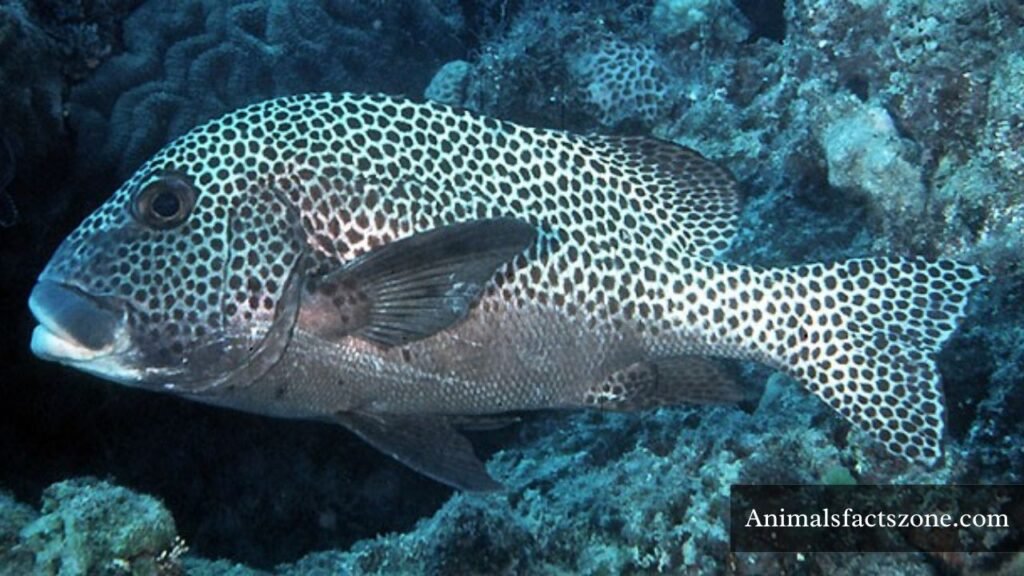
What’s truly fascinating is their social behavior. Sweetlips communicate through a series of clicks and grunts, showcasing a complex social structure that allows them to thrive in diverse environments. Observers have noted that in mixed-species groups, their presence can help create a more harmonious ecosystem, with sweetlips serving as a barometer for reef health. This interplay highlights the importance of these fish not just as individuals but as integral players in the vibrant underwater communities they inhabit. Beyond their physical beauty, sweetlips remind us of the delicate balance of marine life and the hidden complexities within oceanic ecosystems.
Common Pleco
Scientific Name: Hypostomus plecostomus
The Common Pleco, often celebrated for its unique appearance, has become a favorite among aquarium enthusiasts. With its distinctive big lips, this fish possesses a fascinating evolutionary adaptation; those pronounced lips allow it to scrape algae off rocks and surfaces, effectively keeping the tank clean while adding charm to its environment. Their ability to thrive in various water conditions makes them not just an attractive addition but also a resilient one.
Despite their reputation as bottom dwellers, Plecos are surprisingly social creatures. Observing their interactions can make for an engaging aquarium experience; they often display playful behaviors, gliding gracefully during feeding times or even interacting with other tank mates. Furthermore, their growth can transform a standard aquarium into a vibrant underwater landscape, as they can grow quite large, which calls for careful planning in tank size and design. This dynamic has led to discussions about responsible pet ownership, emphasizing the importance of understanding the needs of such a remarkable fish before bringing one home.
Red-Lipped Batfish
Scientific Name: Ogcocephalus darwini
The Red-Lipped Batfish is a marvel of evolution, showcasing not just striking aesthetics but also an extraordinary adaptation to its underwater habitat. Found primarily around the Galápagos Islands, these fish possess oversized, vivid red lips that serve a dual purpose. Not only do they provide a unique allure, drawing the attention of curious divers and marine enthusiasts alike, but they also play a crucial role in camouflage among the vibrant underwater flora.
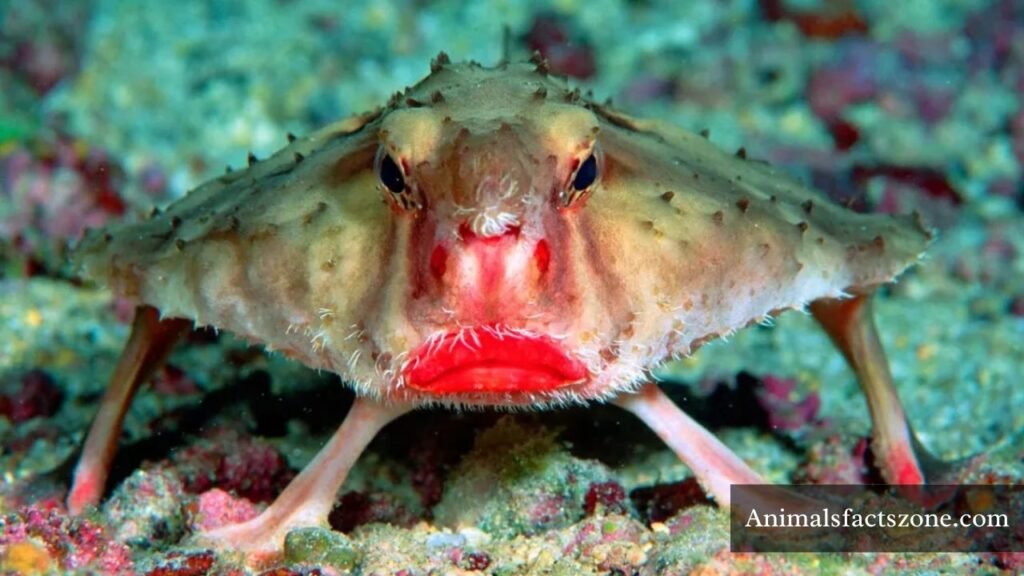
While at first glance they might appear to be just another beautiful inhabitant of the deep, their unique locomotion tells a different story. Unlike most fish that gracefully glide through the water, the Red-Lipped Batfish prefers a quirky mode of transportation — using its pectoral fins to “walk” across the ocean floor. This ambulation is a fascinating adaptation to their benthic lifestyle, allowing them to navigate their surroundings effectively while hunting for prey like small crustaceans.
Koi
Scientific Name: Cyprinus rubrofuscus
Koi, with their vibrant colors and unique patterns, aren’t just beloved for their beauty — they’re also living symbols of perseverance and transformation. Among their striking features are notably large, expressive lips that not only contribute to their charm but play a practical role in their feeding habits. These fish use their big lips to sift through substrate and graze on algae, making them essential caretakers of their aquatic environments. Observing a koi as it gracefully works its way through the water is a reminder of the balance in ecosystems; they maintain their ponds’ health while captivating onlookers.
Surgeonfish
Scientific Name: Acanthurus
Surgeonfish, often celebrated for their vibrant colors and unique shapes, possess a defining feature: their prominent, often oversized lips. These lip structures are not just for show; they play a crucial role in their feeding habits. By using their lips to scrape algae off coral reefs and rocky substrates, surgeonfish maintain the health of their environments, preventing algae overgrowth that can smother corals. This feeding strategy emphasizes the interconnectedness of ocean ecosystems, highlighting how the actions of one species can influence the health of an entire habitat.
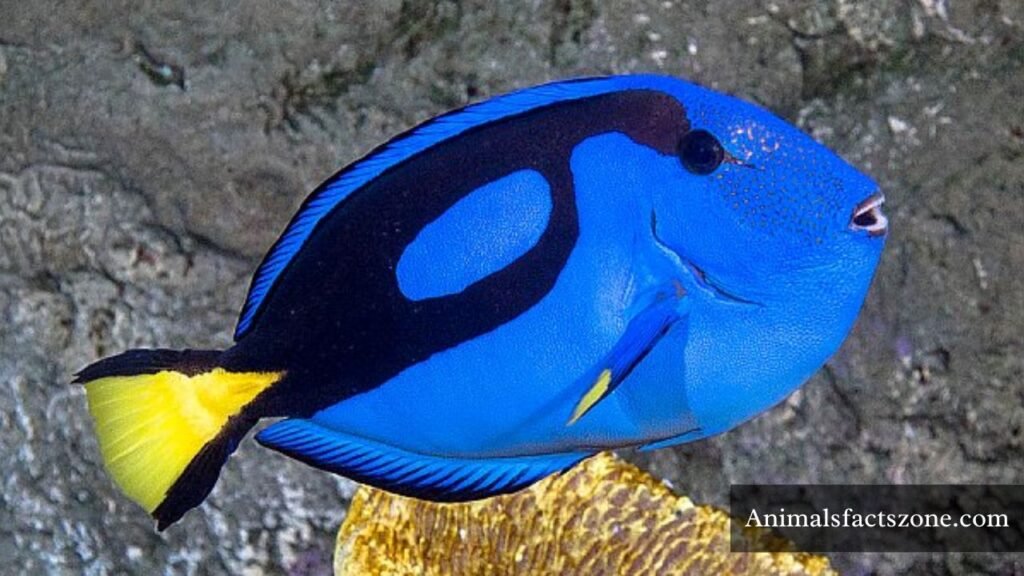
Moreover, the surgeonfish’s lips provide a fascinating evolution of adaptation. Their flexible mouths allow them to navigate various feeding techniques, from grazing to picking at hard-to-reach algae. The morphology of their lips also varies among species, offering insights into their diet and habitat preferences. Observing these fish in their natural settings reveals not only their beauty but also the complexity of their interactions within the ecosystem. This adaptability showcases the surgeonfish’s resilience as they thrive in environments that are constantly changing due to human impact and climate shifts.
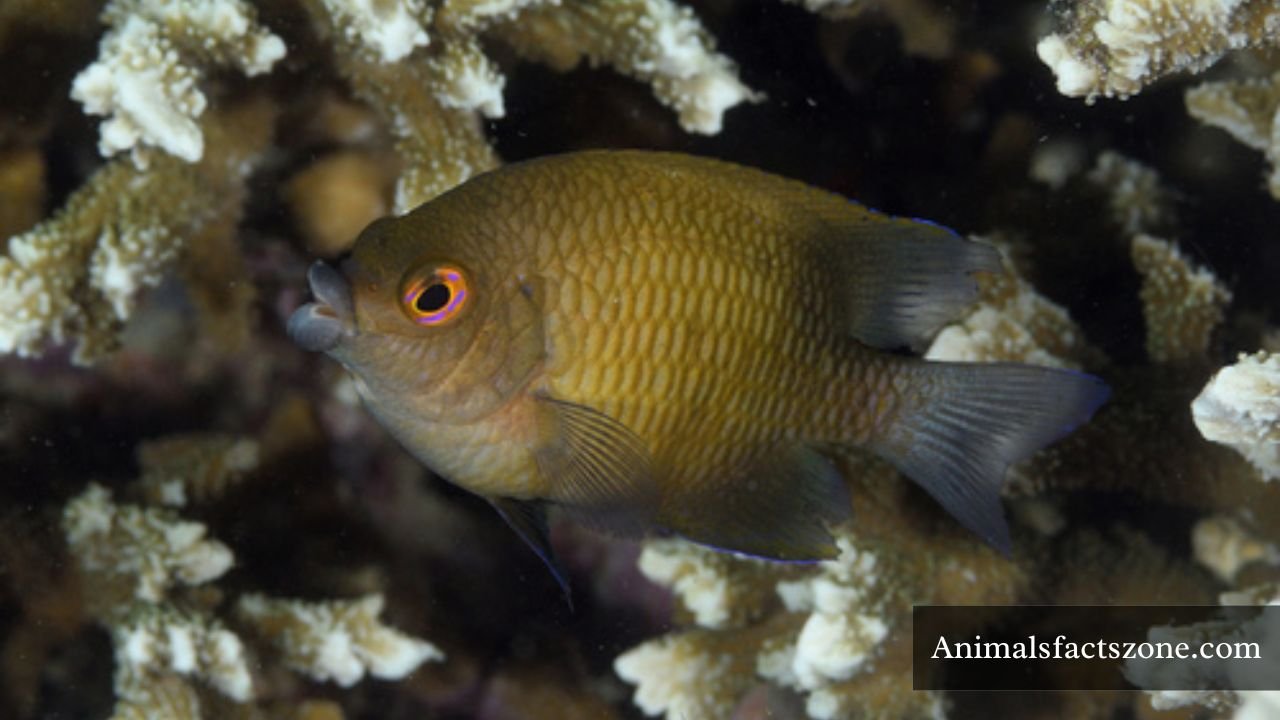
Big-Lip Damselfish
Scientific Name: Cheiloprion labiatus
The Big-Lip Damselfish, with its unmistakable pouting lips, is a striking example of nature merging beauty with functionality. Found primarily in the warm reefs of the Indo-Pacific, these vibrant fish utilize their plump lips to forage for food in the crevices of coral formations. This unique adaptation allows them to access a wider variety of food sources, including algae and small invertebrates that other fish might overlook. Their vibrant blue and yellow hues, combined with those oversized lips, create an eye-catching display that not only attracts mates but also warns potential predators of their presence.
Curiously, the Big-Lip Damselfish exhibits social behaviors that emphasize its communicative abilities. Through subtle changes in body posture and the way they flaunt their lips, these fish convey complex messages within their schools. Observers have noticed that during courtship rituals, males will puff out their lips to showcase their health and vigor, enhancing their desirability to females. These charming fish play a crucial role in maintaining the health of coral reefs by controlling algae growth, demonstrating that even a small fish with big lips can have a significant impact on its ecosystem.
Giant Gourami
Scientific Name: Osphronemus goramy
The Giant Gourami, with its captivating appearance and strikingly big lips, offers a fascinating glimpse into the diverse world of freshwater fish. Originating from the tranquil waters of Southeast Asia, this robust species can grow up to two feet in length, making it a statement piece in any aquarium. Its thick, fleshy lips are not just for show; they serve a purpose in foraging, allowing the Gourami to sift through sediment and bubbles for nutritious morsels, showcasing nature’s ingenious adaptations.
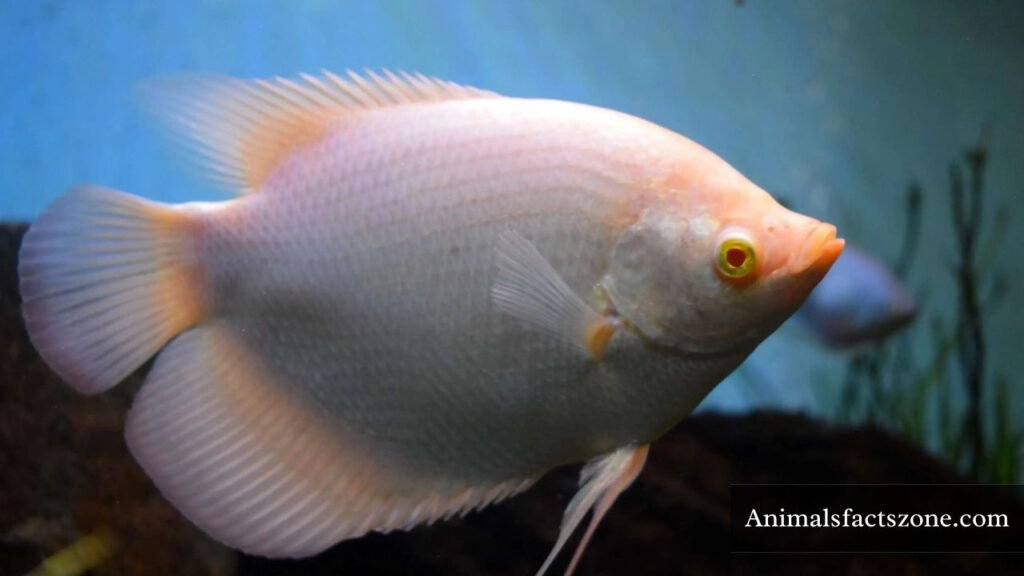
Beyond its physical characteristics, the Giant Gourami exhibits complex behaviors that can be mesmerizing to observe. Known for their curious and interactive nature, these fish often develop a bond with their caretakers, exhibiting signs of recognition and even playfulness. Moreover, their unique ability to breathe air through a special labyrinth organ adds a layer of resilience, enabling them to thrive in various water conditions. By understanding the Giant Gourami’s ecological role and social habits, aquarists can create a more enriching environment that mirrors its natural habitat, ultimately enhancing the well-being of these enchanting creatures.
Stonefish
Scientific Name: Synanceia verrucosa
The stonefish, often dubbed the “fish with big lips,” is not just a curiosity of the ocean; it’s a master of disguise. This creature, camouflaged perfectly among coral reefs and rocky substrates, relies on its unique appearance to evade predators and ambush unsuspecting prey. Its protruding, fleshy lips serve as a deceptive allure, making it a fascinating subject for underwater photographers and marine enthusiasts alike. Yet, beyond its intriguing looks lies a venomous powerhouse capable of delivering one of the most potent stings in the marine world.
While many fish showcase vibrant colors or elegant fins, the stonefish’s muted palette of browns and greens tells a different survival story. Its adaptability to various environments highlights the resilience of marine life. However, spotting one requires keen eyes and a healthy respect for their lethal nature. Engaging with stonefish encourages a deeper appreciation for the complexities of ocean ecosystems, where beauty masks danger and every creature plays a vital role in the delicate balance of life beneath the waves.
Asian Sheepshead Wrasse
Scientific Name: Semicossyphus reticulatus
The Asian Sheepshead Wrasse is truly a marvel of the marine world, often drawing attention not just for its vibrant colors but also for its notably oversized lips. This unique feature, which some might find comical, serves a critical function in its survival. The wrasse uses its big lips to expertly graze on a diet primarily composed of invertebrates, algae, and sponges. The flexibility and dexterity of these lips allow for precision as the fish extracts food from crevices and hard-to-reach areas of the rocky reefs.
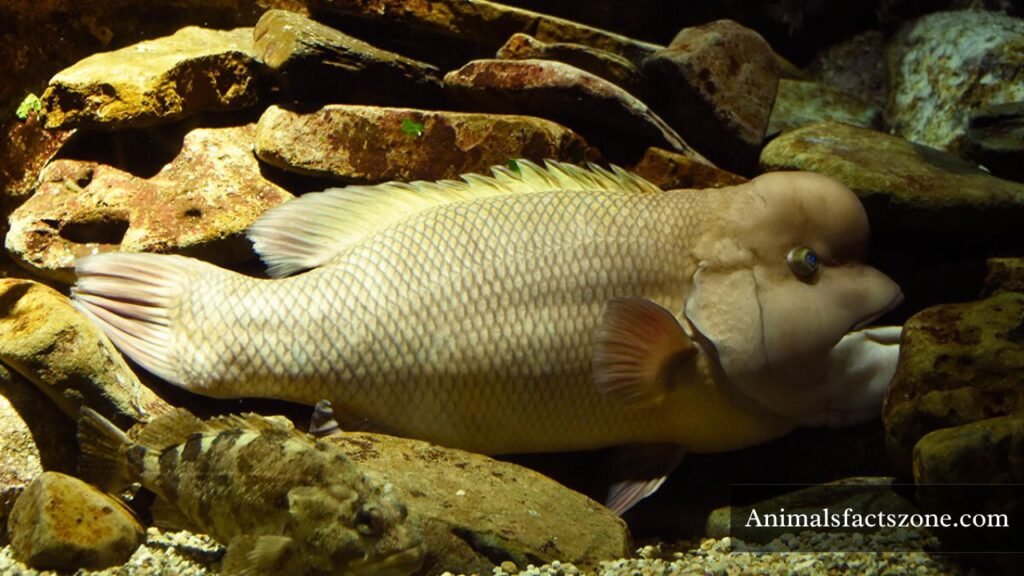
But there’s more to this vibrant fish than meets the eye; their big lips are also a signal of health and vitality. In the underwater realm, where the visual display can attract mates, lip size can communicate genetic fitness. As populations face threats from habitat loss and overfishing, observing these natural adaptations provides a broader perspective on evolutionary resilience within marine ecosystems. These intriguing traits make the Asian Sheepshead Wrasse not just a feast for the eyes but also a key player in communicating the health of its environment, reminding us of the intricate connections in ocean life.
Parrotfish
Scientific Name: Scaridae
Parrotfish, with their vibrant colors and notably prominent lips, are a delight to behold in coral reefs around the world. These fascinating marine creatures play a pivotal role in maintaining the health of their ecosystems. Their beak-like jaws allow them to graze on algae, which helps keep coral reefs free from overgrowth, ultimately enabling the corals to thrive. By munching on the algae, parrotfish also contribute to the natural sand-making process; every bite taken results in fine coral particles that later become beach sand.
What makes parrotfish truly captivating, however, are their unique social behaviors and complex life cycles. Among the species, some exhibit a remarkable ability to change sex; a strategy that ensures the survival of their populations. This adaptability allows them to occupy different roles within their schools, further enhancing their social dynamics. Their vibrant colors can shift dramatically based on their mood or environment, resembling a living canvas that reflects their interactions within the community.
Angelfish
Scientific Name: Pterophyllum
Angelfish, with their striking colors and distinctive body shape, are not just pretty faces in the aquarium world; these fish exhibit fascinating social behaviors that add layers to their allure. Known for their seemingly exaggerated lip structure, angelfish utilize these features not only for feeding but also in complex forms of communication during courtship and territorial displays. Observing their interactions can feel like witnessing a vibrant underwater dance, where their lip movements play a critical role in expressing mood and intentions.
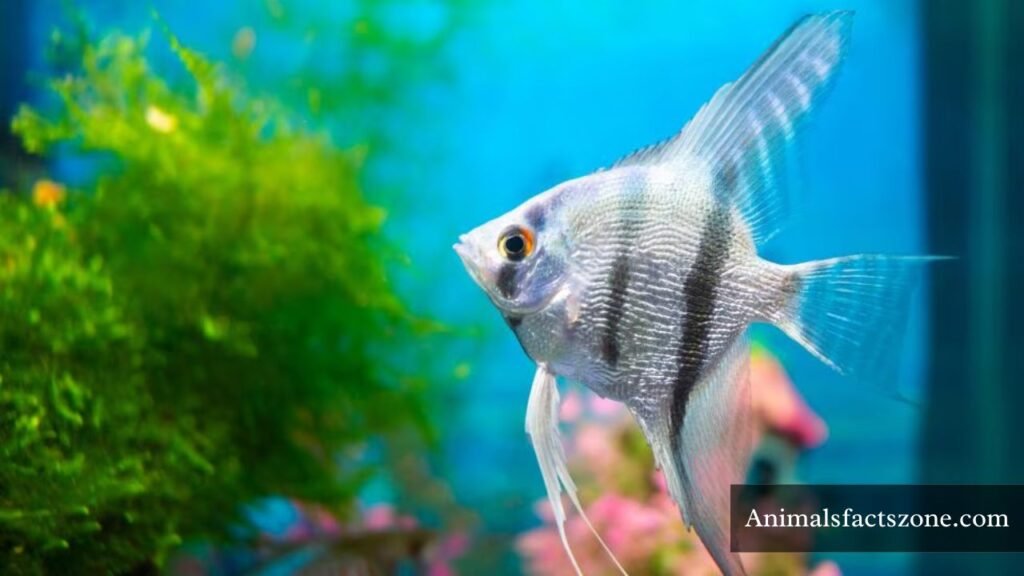
Beyond their aesthetic appeal, angelfish showcase remarkable adaptability to various aquatic environments. While they’re often found in the warm, freshwater habitats of the Amazon basin, their resilience has allowed them to thrive in different settings, from well-planted tanks to more open environments. This adaptability underscores the importance of understanding their specific needs in captivity, including water quality and tank dynamics, to keep them healthy and vibrant. By nurturing their unique characteristics and social structures, aquarists can create a mini-ecosystem that mirrors their natural behavior, enriching both the fish’s lives and the experience of those who observe them.
Kissing Gourami
Scientific Name: Helostoma temminckii
The Kissing Gourami, with its distinctive puckered lips, captivates not only fish enthusiasts but also those who appreciate the quirky side of nature. These fascinating creatures, native to Southeast Asia, have evolved their unique morphology not just for show, but as a functional tool for their survival. Their succulent lips assist in an unusual behavior: “kissing” each other, a display often mistaken for aggression, but actually a form of social interaction, helping to establish hierarchies within their aquatic communities.
What makes the Kissing Gourami particularly compelling is its adaptability; it thrives in varying water conditions, from clear lakes to muddy swamps. This resilience is a testament to its resourcefulness, providing insights into how species can thrive amidst environmental pressures. Observing these fish can be a lesson in social dynamics, as their interactions reveal much about cooperation, territoriality, and community behavior in the animal kingdom. As they glide gracefully through the water, one can’t help but be reminded of the vibrant ballet of life that unfolds beneath the surface, inviting deeper exploration into the interconnectedness of all living things.
Carp
Scientific Name: Cyprinus carpio
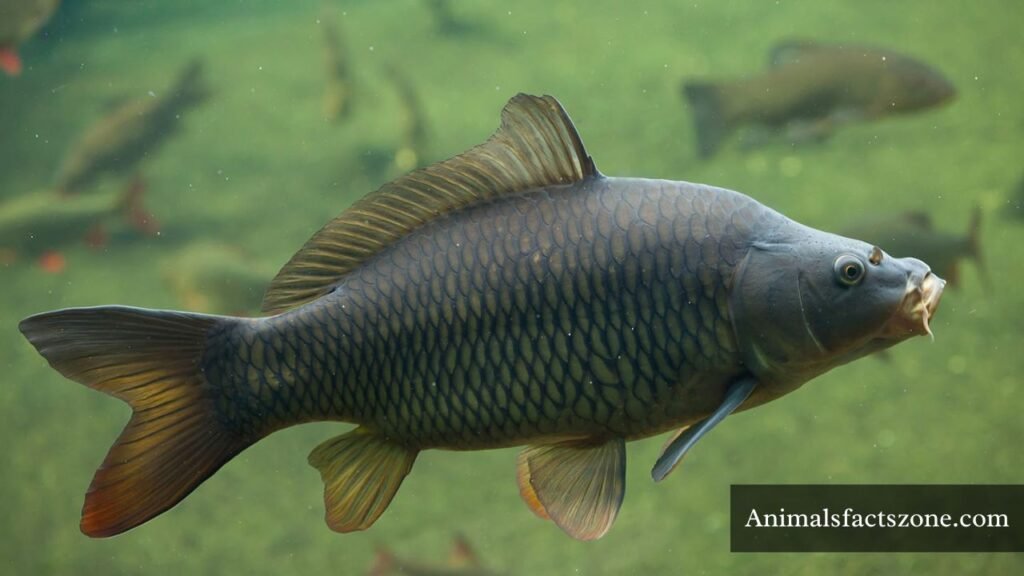
Carp, often overshadowed by more glamorous fish, possess a unique charm that captivates anglers and casual observers alike. Their big, sultry lips serve an essential purpose, allowing them to forage effectively on the riverbed. This specialized mouth helps them sift through sediment, unearthing tasty morsels like larvae and plant roots, making them adaptable to various habitats. Beyond their feeding prowess, carp are often emblematic of resilience; they thrive in diverse environments, from murky lakes to urban waterways, proving that beauty and survival can coexist in the most unexpected places.
Triggerfish
Scientific Name: Balistidae
The triggerfish, with its strikingly large lips, captivates both divers and marine enthusiasts alike. Known for their vibrant colors and distinctive shapes, these fish exhibit a remarkable adaptability in their habitats, thriving in both coral reefs and rocky shores. Their protruding lips are not merely for show; they serve a functional purpose, allowing these fish to graze effectively on algae and coral. This unique mouth structure facilitates a diet that includes tough substrates, showcasing nature’s ingenuity in evolutionary design.
Beyond their physical attributes, triggerfish display fascinating behaviors that set them apart in the underwater world. They are territorial and often engage in elaborate courtship rituals, making them a popular subject for underwater photographers. Their bold personalities shine through during breeding seasons, when they can be seen aggressively defending their nests against intruders. Observing a triggerfish in its natural environment offers a glimpse into the complex social dynamics of marine life, revealing how even the most seemingly simple creatures possess a rich tapestry of habits and relationships.
Piranha
Scientific Name: Serrasalmus
Piranhas, often perceived as ferocious predators of the Amazon, possess a surprisingly fascinating aesthetic: their pronounced, big lips. These distinct features serve a dual purpose: not only do they enhance their formidable grin of razor-sharp teeth, but they also play a crucial role in their feeding strategy. Their lips help create suction, allowing them to efficiently consume prey, ranging from smaller fish to scavenged remains. This adaptation highlights the intricate engineering of their anatomy, where beauty coexists with function in the brutal dance of survival.
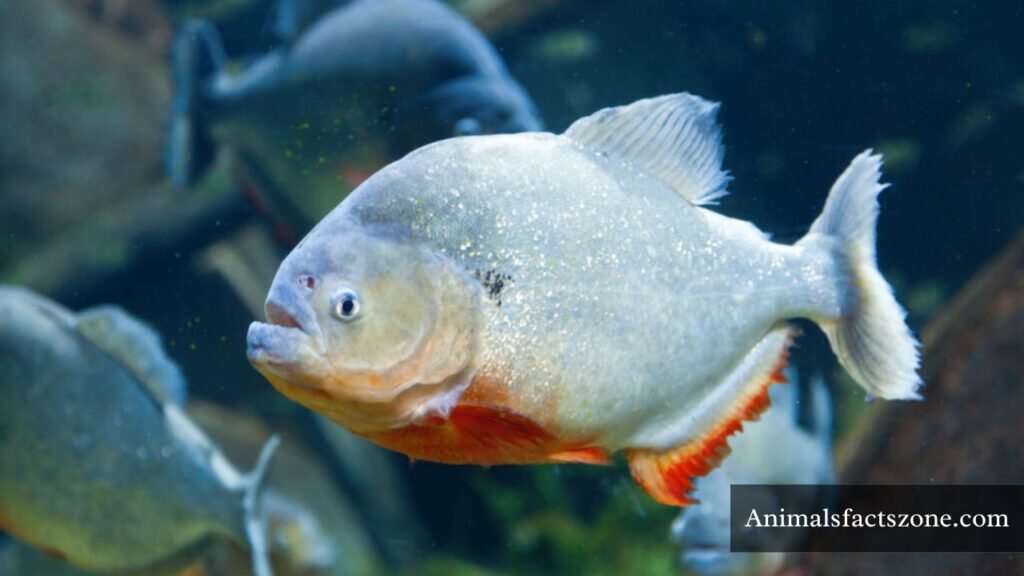
However, the allure of piranhas doesn’t merely lie in their predatory prowess. These fish also showcase complex social behaviors that challenge simplistic portrayals. They often exhibit schooling behavior, swimming in synchrony to reduce individual predation risks and maximize their foraging efficiency.
Sarcastic Fringehead
Scientific Name: Neoclinus blanchardi
This vibrant creature, known for its exaggerated, pouty lips, takes marine flamboyance to a whole new level. While some might think its appearance is a comical coincidence, these striking features serve a serious purpose in the underwater world — a flamboyant display of dominance and territoriality. When two fringeheads come face-to-face, it’s less of a serene encounter and more of a dramatic showdown, featuring lip-locking rituals that could make soap operas blush.
But let’s not be misled by their bedazzling pout; the Sarcastic Fringehead is a fierce contender in the ocean depths. Measuring only about a foot in length, it compensates for its size with an eye-catching attitude. The infamous “mouth wrestling” between male fringeheads showcases not just their brawn but also an incredible form of communication. Instead of mere physical displays, they engage in an entertainment spectacle that emphasizes personality over scale — a reminder that in the vastness of the ocean, charisma often wins the day.
Giant Grouper
Scientific Name: Epinephelus lanceolatus
The Giant Grouper, with its impressive size and striking features, commands attention both in the water and beyond. Often reaching lengths of up to 8 feet and weighing over 800 pounds, this fish isn’t just large; it’s a gentle giant. Their big, expressive lips not only add to their character but also play a crucial role in their feeding habits. These lips are designed to suck in prey, primarily smaller fish, making them formidable hunters in their coral reef habitats.
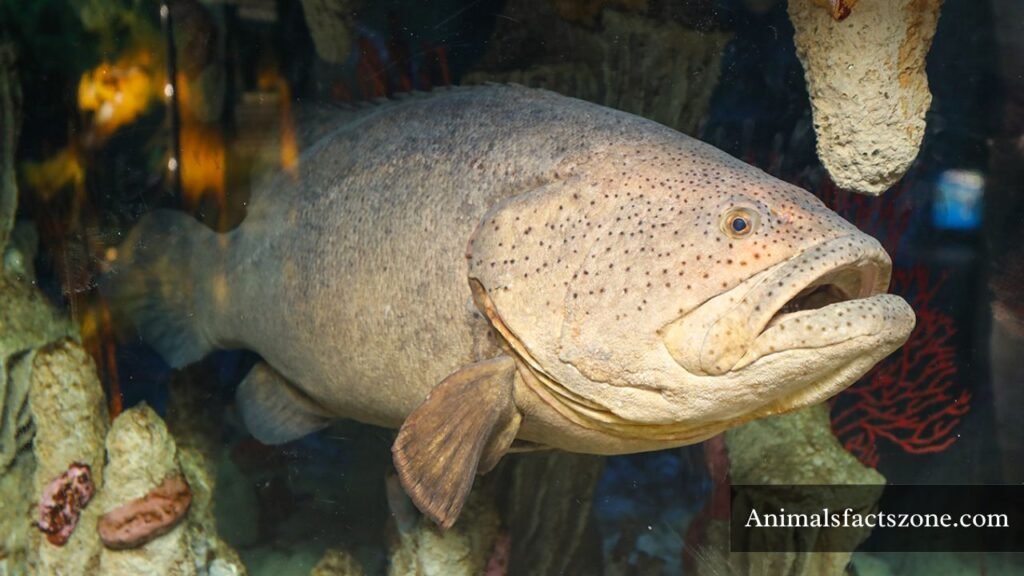
Their population, however, is threatened by overfishing and habitat loss, prompting conservation efforts aimed at ensuring their survival. As divers encounter these majestic creatures, there’s an opportunity for a deeper appreciation of marine biodiversity and the delicate balance that sustains it. Observing a Giant Grouper in its natural habitat not only captivates the senses but also invites reflection on the conservation challenges they face, urging us to advocate for their protection.
Suckermouth Catfish
Scientific Name: Hypostomus plecostomus
The Suckermouth Catfish, also known as the Plecostomus, is a fascinating creature that not only boasts a distinctive appearance but also serves as a vital component of its ecosystem. With its oversized lips designed for suction, it thrives in freshwater habitats, expertly grazing on algae and detritus that accumulate on rocks and substrates. This natural cleaning prowess makes it a beloved addition to aquariums, offering both aesthetic appeal and ecological benefits.
But the allure of the Suckermouth Catfish extends beyond its unique feeding habits. These adaptable fish exhibit a remarkable resilience to various environments, which has led to their widespread distribution across South America and even their unintentional invasion in some regions. Their ability to thrive in fluctuating water conditions poses questions about biodiversity and the delicate balance of aquatic ecosystems.
Readmore: Explore Top 24 Most Skinny Animals.
Final Thoughts
The intriguing world of fish with big lips reveals the complexity of nature’s designs and adaptations. Their distinctive mouths play a pivotal role in their survival, from foraging to mating rituals, reflecting the amazing variety of life forms in our aquatic environments. Such physical traits not only contribute to their unique beauty but also underscore the importance of preserving their habitats for future generations. As stewards of our planet, we have a responsibility to protect the biodiversity that ensures healthy ecosystems. Let’s cherish and safeguard these remarkable fish — after all, every small effort helps in the fight for a thriving underwater world.
FAQs
What is the name of the fish with big lips?
The fish known for its prominent, oversized lips is the Big-Lip Damselfish. These colorful fish are part of the damselfish family and are often found in coral reefs across the Indo-Pacific region. Their striking appearance, characterized by vibrant colors and large lips, makes them particularly appealing to underwater photographers and marine enthusiasts. Big-Lip Damselfish are not just notable for their looks; they exhibit interesting behavior too. They are known to be territorial and can often be spotted defending their nesting sites aggressively. This combination of bold personality and unique physical traits helps them thrive in their vibrant coral habitats, showcasing the remarkable diversity of marine life on our planet.
What are the fishes with big lips?
Fish known for their prominent lips include the lipstick fish, or “Pseudodax moluccanus”, which boasts bright colors and exaggerated lips. Another example is the wrasse, particularly the “Cheilinus undulatus”, commonly known as the humphead wrasse. These fish are well-adapted for their environments, using their thick lips to forage for food in coral reefs. In addition, the parrotfish has a beak-like mouth with fleshy lips, which helps them scrape algae off rocks. Their unique lip structure is essential for their diet and plays a significant role in their habitat interactions.