Facts About Wolves: Do Wolves Purr?
Wolves evoke images of fierce hunters, but what if they also had a softer side? This leads us to a compelling question: do wolves purr? As we explore the nuances of wolf vocalizations, you’ll discover how these sounds are tied to their pack dynamics and emotional expressions. Join us to uncover the truth behind this intriguing question and gain a deeper appreciation for the complexity of wolf communication.
What Kind of Sounds Do Wolves Make?
Scientific name: Canis lupus
Class: Mammalia
Diet: Carnivorous
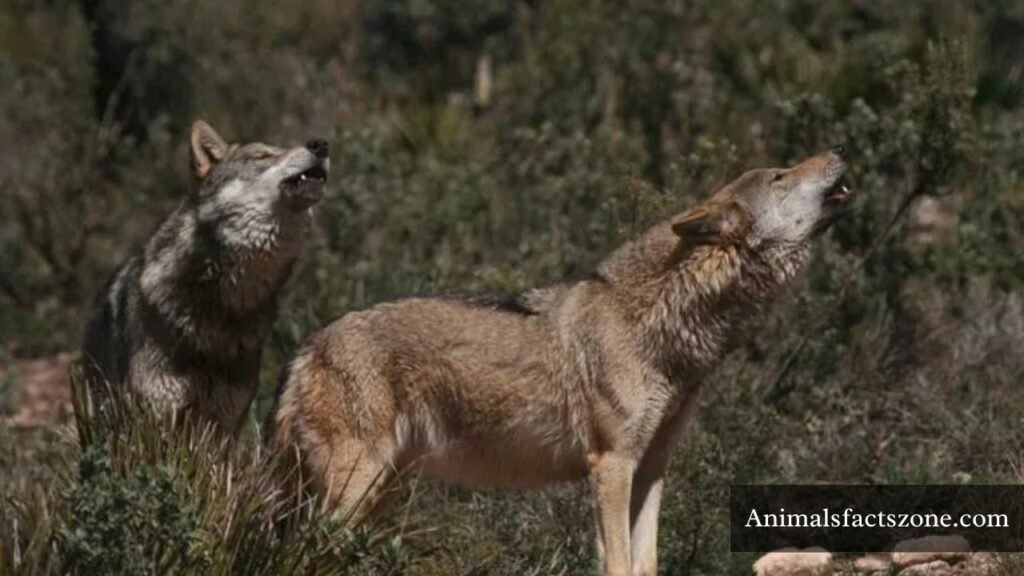
Wolves produce a fascinating array of sounds that go far beyond the iconic howl, each carrying a distinct meaning within their social structures. Howling serves not only as a method to communicate location and bond with pack members, but it also plays a crucial role in social cohesion and territory marking. When a wolf howls, it can resonate over long distances, connecting pack members even when separated by vast wilderness.
In addition to howls, wolves employ growls, whines, and barks to convey emotions and intentions. A low growl might signal warning or discomfort, while excited yips and barks can indicate playful interactions among pups. Whining often serves as a form of expression, revealing needs or distress, particularly in young wolves seeking attention or reassurance from their parents. This rich soundscape ensures that each member of the pack knows their role and feelings, creating a complex, symphonic communication that enhances their survival in the wild.
Whines
Whines, often overlooked in the spectrum of wolf vocalizations, serve as a vital form of communication within packs. These soft, drawn-out sounds can convey a range of emotions, from submission and appeasement to a plea for attention. When a pup whines to its mother, it’s not just seeking nourishment; it’s also reinforcing the bond that blossoms in the early stages of life. This subtle nuance illustrates the depth of wolf social dynamics, reminding us that even the gentlest sounds play an essential role in their survival and cohesion.
Interestingly, whines are also an indicator of a wolf’s emotional state. In moments of distress or uncertainty, a wolf may whine to signal their discomfort to the rest of the pack, prompting a protective response. This behavior highlights the intricate support system within a wolf family, where empathy and communication are crucial for navigating both challenges and triumphs.
Howls
Howls are perhaps the most iconic vocalization of wolves, serving various purposes that reflect the complexities of wolf communication. These haunting sounds can travel for miles, making them an essential tool for navigating vast territories and maintaining social bonds within packs. Each howl carries distinct nuances, often blending in pitch and duration, which can signal different emotions or intentions — from rallying pack members to expressing loneliness when separated.
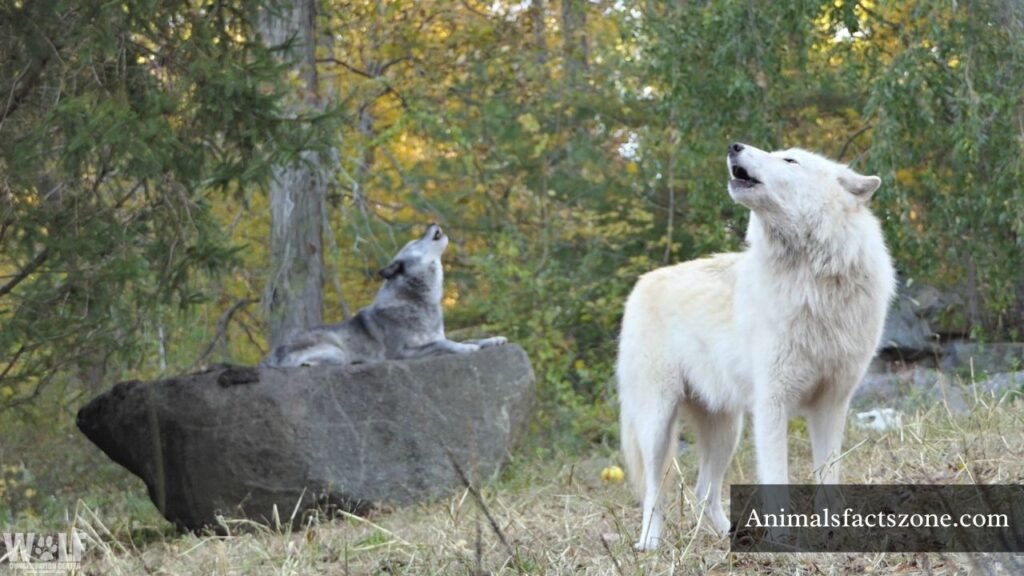
Interestingly, howls also function as a powerful tool for establishing territory. By howling, wolves can announce their presence to other packs, warning them to steer clear of their established hunting grounds. This act not only preserves resources but also fosters a sense of community among wolves, reinforcing their social hierarchy and cohesion.
Readmore: Why do Foxes Laugh?
Growls
Growls are among the most primal sounds wolves use, serving not only as a warning but also as a form of communication deeply entwined with their social structure. When a wolf growls, it conveys a complex array of emotions — from assertiveness to fearlessness — while establishing dominance in a pack hierarchy. This low, rumbling sound often acts as a cue, signaling to other pack members that a boundary has been crossed or that an intruder is close. In this way, growls function as both a personal alarm and a communal alert, ensuring the pack’s cohesion and security.
The context of a growl can shift dramatically based on its tone and volume. A soft, low growl might express discomfort or be a subtle nudge for a companion to back off, whereas a throaty, aggressive growl can underline a wolf’s readiness to protect its territory fiercely. By mastering these vocal nuances, wolves showcase their emotional intelligence, adapting their growls to suit specific situations and audiences — whether that’s a rival wolf, a curious pup, or even an unsuspecting human.
Barks
Wolves use a variety of vocalizations to communicate, with barks being one of the most interesting. Unlike domestic dogs, whose barks are often varied in tone and pitch, a wolf’s bark is typically sharper and more abrupt. This sound can serve multiple purposes, from alerting pack members to potential threats to establishing territory. It’s fascinating to consider how such a simple sound can encapsulate a complex mix of emotions and intentions within the wolf community.
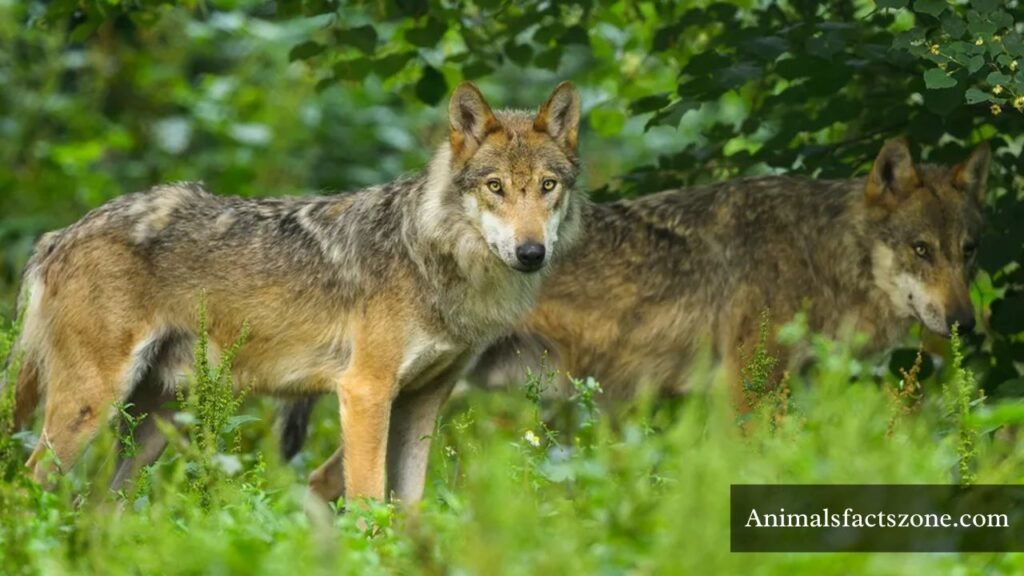
Moreover, the context in which wolves bark adds layers to their communication. For instance, a bark might occur during a playful interaction among pups, signaling excitement or an invitation to engage in play. On the flip side, a more aggressive bark can act as a warning to intruders, emphasizing the pack’s protective instincts. This dual function of barks highlights the intricate social dynamics within packs, showcasing a level of emotional intelligence that is often overlooked in these majestic creatures.
How Do Wolves Communicate With Each Other?
Wolves possess a remarkable repertoire of communication methods that extend far beyond mere howling. While the haunting sound may conjure images of chilling nights, it actually plays a crucial role in social bonding and territory establishment. Howls can vary in pitch and duration, conveying specific messages tailored to the audience, whether it’s rallying pack members or warding off rival wolves. The harmony of a howl serves not just as an auditory signal but as a complex social glue, strengthening bonds among pack members in a way that no single wolf could achieve alone.
In addition to vocalizations, wolves utilize body language and facial expressions to express a myriad of emotions and intentions. A lowered head or tucked tail can indicate submission, while a playful bow invites camaraderie. This silent dialogue is essential for maintaining the intricate social structure within a pack, allowing individuals to navigate their roles with fluidity and understanding. Moreover, scent marking enhances this communication, as pheromones left on the landscape provide a sensory map of social dynamics, signaling the presence and reproductive status of pack members. Together, these multifaceted communicative strategies paint a vivid picture of a world where words are replaced by instinct and intuition, showcasing the intelligence and social complexity of these captivating creatures.
Why Do Wolves Howl At Night?
Wolves howl at night as a form of communication that transcends mere sound; it’s an intricate social bond that strengthens their pack dynamics. The darkness of night provides an intimate backdrop, enhancing their vocalizations that can travel several miles across vast terrains. This nocturnal serenade serves multiple purposes: hunting coordination, territory marking, and even reinforcing social ties among pack members. When a wolf launches into a haunting howl, it creates a ripple effect, inviting responses from nearby packs and reinforcing their presence.
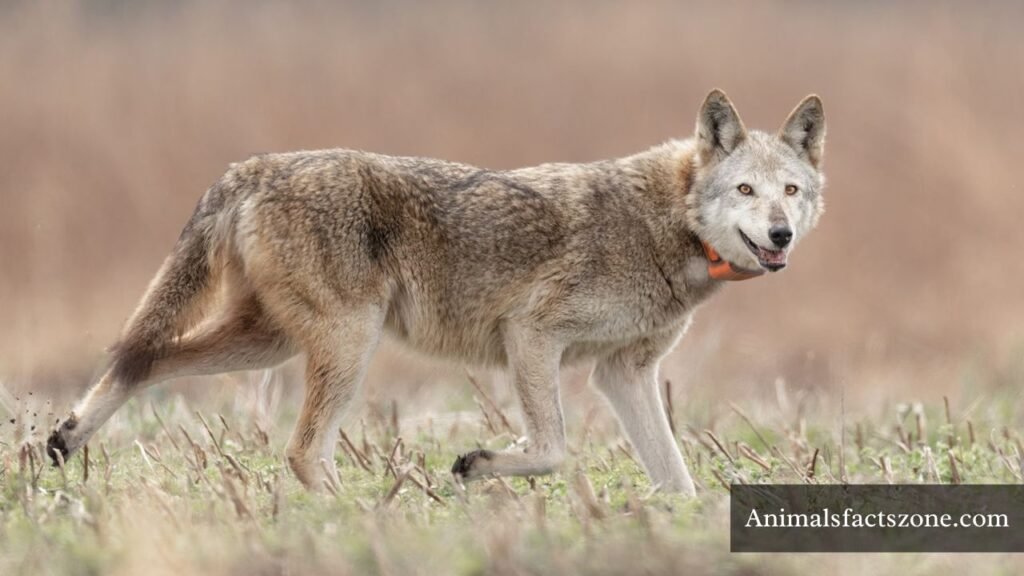
Moreover, howling is not just about vocalizing fear or loneliness; it showcases the wolves’ incredible adaptability to their environment. The night amplifies their calls, allowing them to express emotions and coordinate plans with precision.
What noises do wolves make when happy?
Wolves are known for their diverse vocalizations, and when they’re happy, their sounds are particularly fascinating. One of the most heartwarming expressions of joy is the playful, high-pitched “yip” or “yowl.” These sounds often emerge during social interactions, signaling excitement during playtime with pack members. Such vocalizations create a bond within the pack, showcasing their tight-knit social structure and how emotions play a role in maintaining these connections.
Beyond yipping and yowling, wolves also exhibit a soft, melodious whine when they’re content. This sound is often directed toward other pack members as a form of social communication, encouraging interaction or simply expressing delight in each other’s company. These vocalizations highlight not only their emotional range but also reflect a deep intelligence and understanding of social dynamics within their packs.
Do Wolves Cuddle?
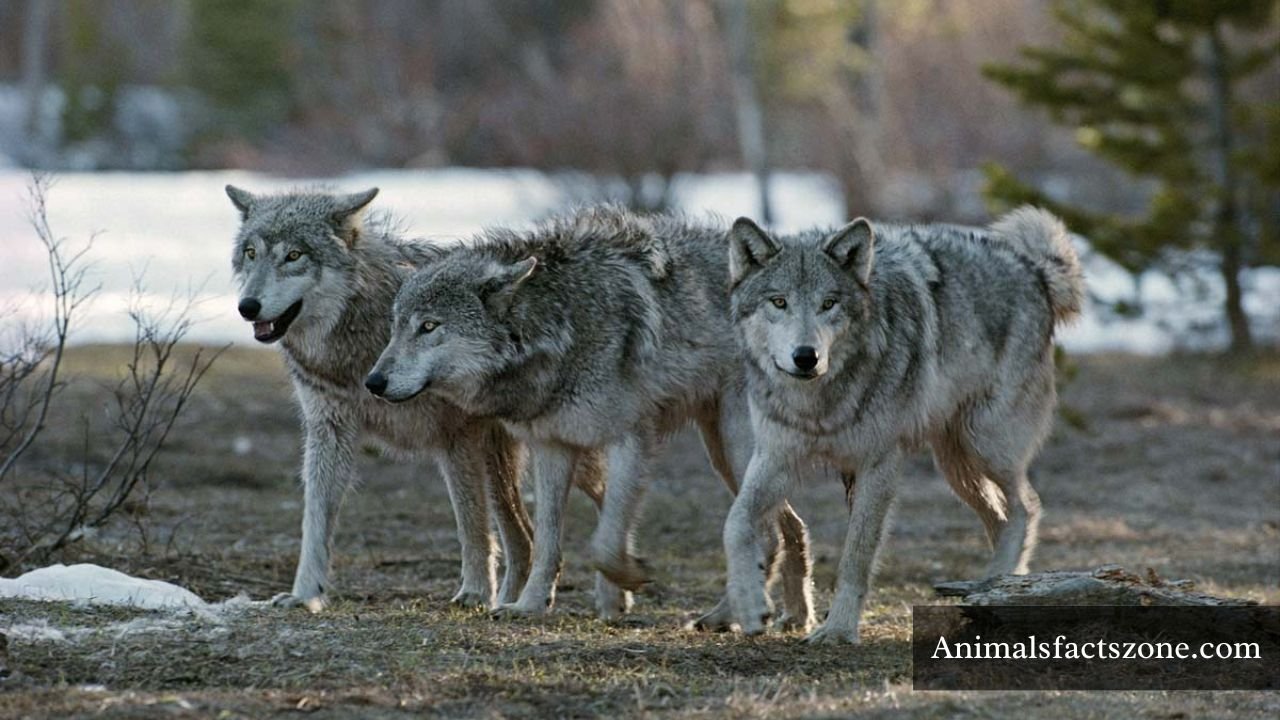
Wolves, often perceived as fierce and solitary creatures, actually exhibit surprisingly affectionate behaviors within their packs. This social dynamic is crucial for their survival and well-being. When we talk about wolves cuddling, it’s more about the intricate bonds they form with one another; these physical displays — like nuzzling, grooming, and lying close together — serve vital purposes beyond mere comfort. These affectionate interactions reinforce social hierarchies and strengthen familial ties, ensuring the cohesion needed for successful hunting and territory defense.
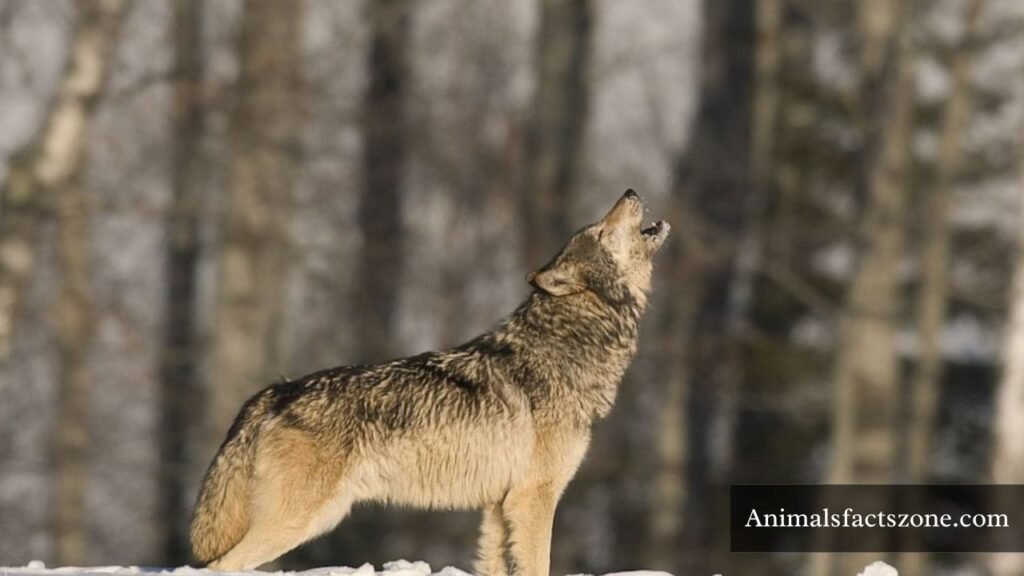
Interestingly, these cuddling behaviors showcase how wolves communicate emotions and establish trust. Unlike the solitary predator many envision, wolves are skilled in reading each other’s body language. When one nuzzles another, it’s not just an invitation for warmth; it’s a way to say, “I’m here for you,” enhancing their pack’s emotional fabric. In observing these interactions, we can glean insights into the complexity of their lives — where survival hinges not only on strength but on empathy, loyalty, and the warmth of their social bonds.
How Do Wolves Show Affection?
Wolves, often viewed as fierce predators, actually have a complex social structure that includes various affectionate behaviors. One of the most heartwarming displays of affection occurs through grooming. This behavior, known as allogrooming, helps strengthen social bonds among pack members. Using their tongues, wolves meticulously clean each other’s fur, which not only removes dirt and parasites but reinforces trust and camaraderie within the group. This intimate act underscores the importance of social connections in their tight-knit family units.
Vocalizations also play a key role in conveying affection among wolves. Beyond their iconic howls, wolves communicate through a series of barks, whines, and growls that express a spectrum of emotions, including comfort and reassurance. When a wolf approaches another with a series of soft whines or playful barks, it often signifies not just a call for attention, but a desire to bond and interact positively. This multilayered vocal communication enhances their relationships, making every howl a reminder of their loyalty and affection.
Physical gestures, such as nuzzling or play-fighting, serve as forms of affection. Young wolves often engage in playful antics that mimic hunting behaviors, but these interactions also emphasize trust and affection among pack members. Through this playful engagement, wolves develop essential social skills and emotional ties.
You can also read: Are There Badgers In Michigan?
Final Thoughts
While wolves are known for their distinctive howls and vocalizations, the concept of purring doesn’t apply to them as it does with domestic cats. Their communication methods are more diverse and complex, encompassing a range of sounds that convey various messages within their pack. Understanding these unique vocalizations helps us appreciate their social behavior and adaptability in the wild. As we continue to study these magnificent creatures, we unveil the intricacies of their lives — a journey that deepens our respect for the natural world. Let’s take a moment to observe and support conservation efforts for wolves, ensuring they thrive in their natural habitats.
FAQs
Do Wolves Purr?
Wolves donot purr like domestic cats. While cats have a specialized mechanism in their larynx that allows them to produce a purring sound, wolves lack this anatomical feature. Instead, they communicate through a variety of vocalizations, including howls, growls, and barks.
What do wolves do instead of purring?
Instead of a purr, wolves often engage in soft howling or growling. These vocalizations can signify comfort within the pack or a desire to communicate with other wolves. Wolves may show their affection through body language. This includes tail wagging, nuzzling, and playful behaviors. They maintain close physical contact when resting or traveling together, which further enhances their strong social connections.