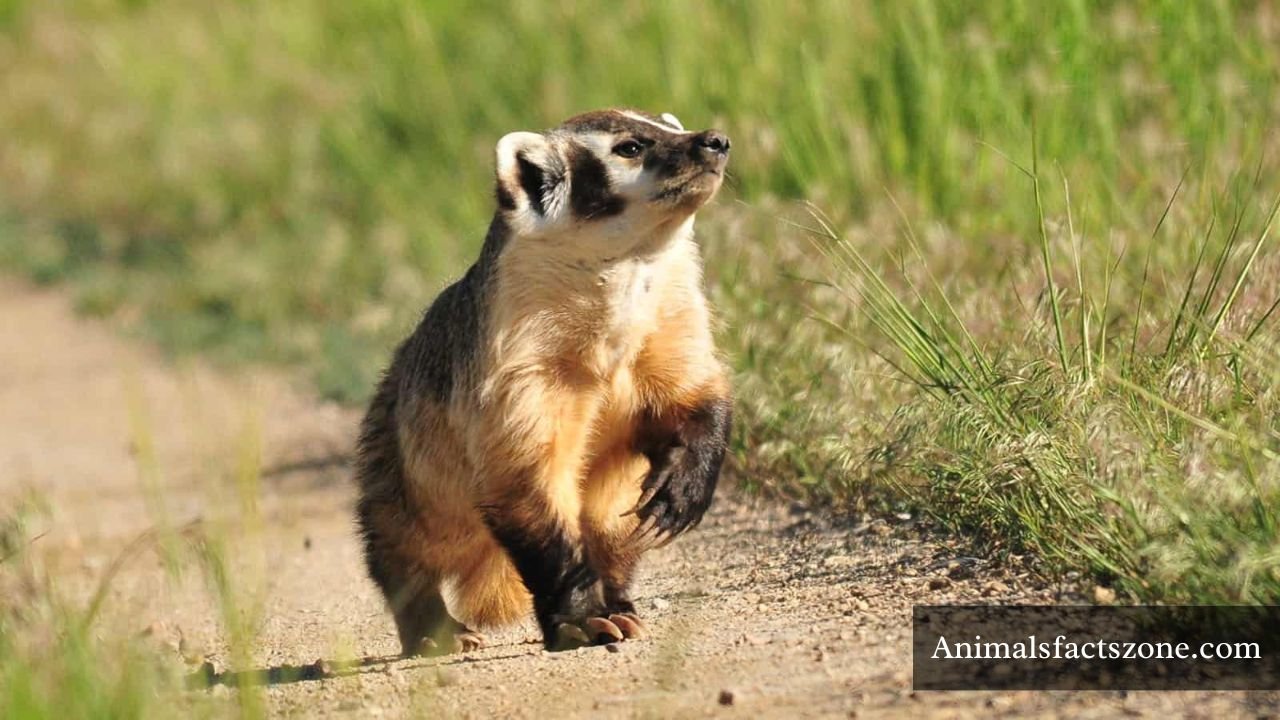
Interesting Facts: Are There Badgers In Michigan?
These fascinating creatures are not only part of the state’s natural heritage but also essential for maintaining the balance of their habitats. In this article, we’ll delve into the life of badgers in Michigan, exploring their behaviors, habitats, and the conservation efforts aimed at protecting them. By the end, you’ll understand why preserving these unique animals is vital to our environment and how you can help.
Badgers In Michigan
- Diet
- Size, Lifespan and Weight
- Reproduction
- Habitat
- Predators
- Colour
Diet
Badgers in Michigan boast a surprisingly diverse diet that reflects their adaptability in different habitats. Primarily opportunistic feeders, these fascinating critters consume a mix of small mammals, insects, and even fruits. While you might think of them as just fierce hunters of ground squirrels, they also play a vital role in their ecosystems by helping to control insect populations and aerate the soil through their burrowing activities.
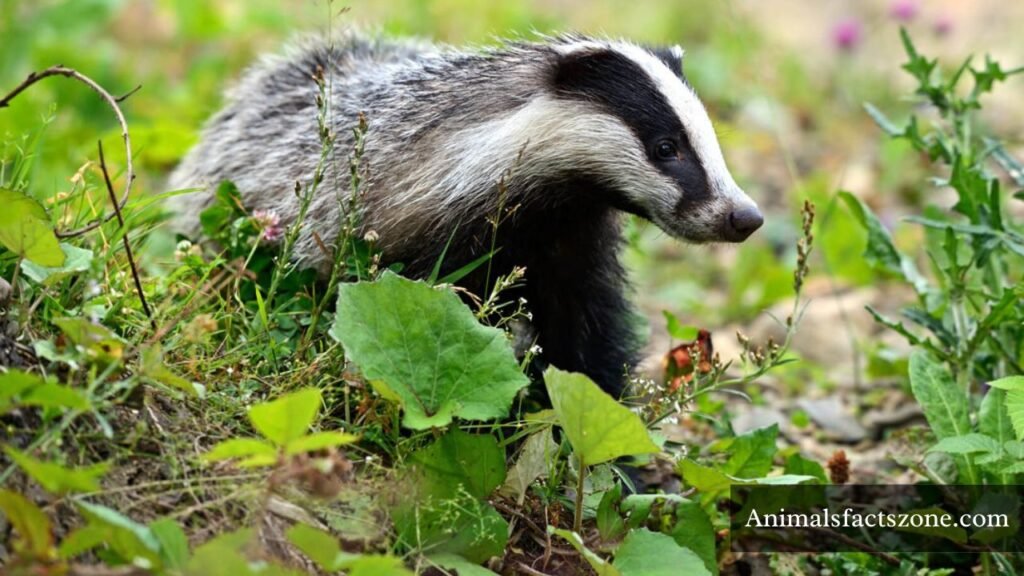
Interestingly, badgers are known for their unique foraging technique. They possess an acute sense of smell, which allows them to locate prey hidden underground, and their powerful claws enable them to dig with remarkable speed. This digging behavior not only aids in their hunting but also creates burrows that are used by other animals, fostering a diverse community within their habitat.
Size, Lifespan and Weight
In the lush landscapes of Michigan, badgers carve out a unique niche as adaptable mammals. Adult badgers typically weigh between 15 to 30 pounds, with males often on the heftier side. Their stout bodies, broad heads, and short legs contribute to an overall length ranging from 24 to 36 inches, including their bushy tails. This size equips them well for their burrowing lifestyle, allowing them to dig quickly and efficiently in pursuit of prey or to create elaborate underground homes.
Badgers in Michigan have a lifespan of around 7 to 14 years in the wild, with some individuals reaching greater ages under optimal conditions. Their resilience is fascinating; despite facing threats from habitat loss and vehicle collisions, they thrive in diverse environments — from open fields to wooded areas. This adaptability underscores their role as vital players in maintaining local ecosystems, controlling pest populations, and aerating soil through their digging activities.
Readmore: Explore Top 17 Thickest Skin Animals In The World.
Reproduction
Badgers in Michigan exhibit fascinating reproductive behaviors that reflect their adaptability to the environment. Mating typically occurs between February and March, but a unique phenomenon known as delayed implantation often takes place. After mating, the female’s fertilized egg remains in a state of dormancy for several months, only implanting in the uterus in late spring. This ensures that the young are born during more favorable conditions, allowing them to thrive.
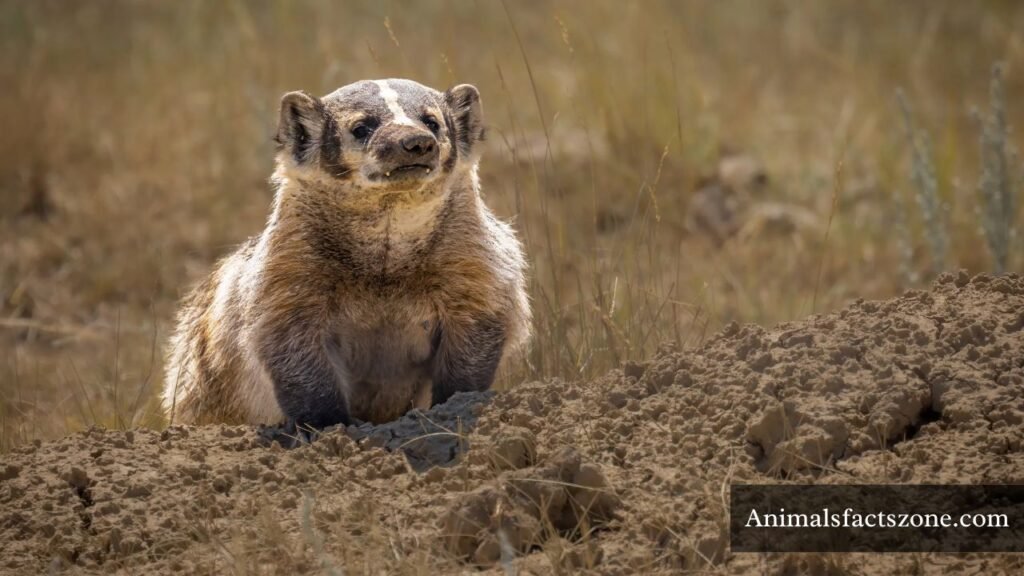
Gestation lasts about seven weeks, culminating in the birth of usually two to five kits in late May or early June. The female takes on the role of sole caregiver, demonstrating remarkable tenacity and resourcefulness. Kits are born blind and helpless, relying entirely on their mother for warmth and nourishment. As they grow, they begin to venture out of the burrow, showcasing a natural curiosity that mirrors the resilience of their species. This early exposure to the outside world not only equips them with survival skills but also highlights the importance of a nurturing yet challenging environment.
Habitat
Badgers in Michigan are often found in diverse habitats that reflect their adaptability, making these creatures a fascinating subject for wildlife enthusiasts. They favor open areas such as prairies, grasslands, and rural farmlands, where they can dig extensive burrows. These burrows not only serve as homes but also protect them from predators and harsh weather. The clay and sandy soils prevalent in these regions provide ideal conditions for their digging habits, allowing them to create complex tunnel systems.
As the landscape of Michigan evolves due to urban development and agricultural practices, badger populations face both challenges and opportunities. The fragmentation of their habitat can limit their range, yet areas of conservation and rewilding efforts are becoming essential for their survival. Interestingly, some studies suggest that badgers may be shifting their behaviors in response to climate change, altering their foraging patterns or burrowing strategies to adapt to changing environments.
Predators
In the wild, badgers in Michigan face an array of natural challenges, especially from predators that share their habitat. Coyotes, being opportunistic hunters, pose a significant threat to these stout creatures. Their agility and pack behavior allow them to outmaneuver badgers, particularly when they’re foraging or denning. This cat-and-mouse dynamic illustrates the relentless struggle for survival in Michigan’s ecosystems, where every encounter impacts the balance of life.
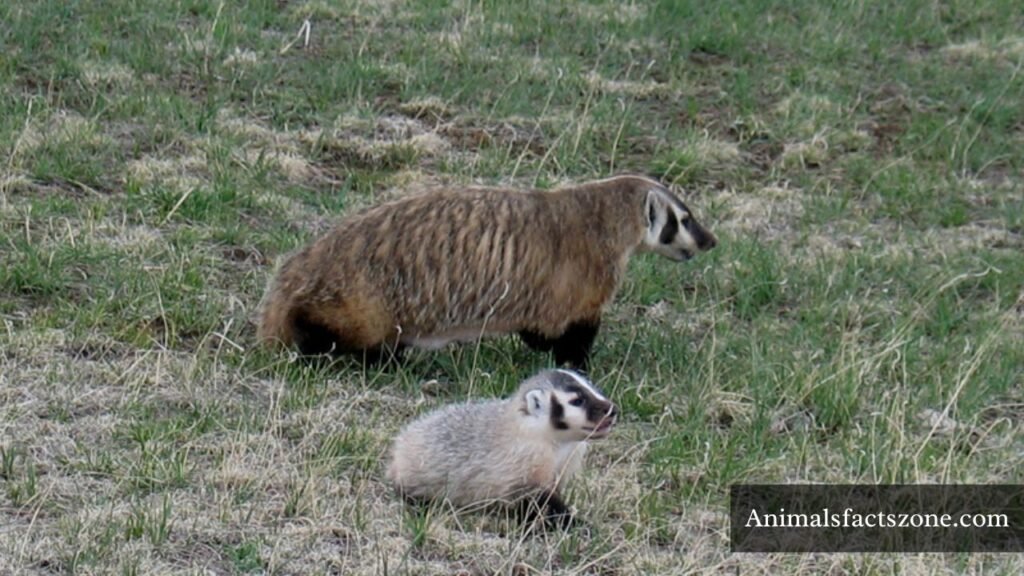
However, the risk doesn’t end with coyotes. Great horned owls, with their keen nocturnal vision, can target badger young, honing in on weak spots in their dens. This predatory relationship highlights how even large avians can influence the population dynamics of ground-dwelling mammals. Raccoons and even domestic dogs can pose dangers, particularly when badgers are trying to establish their territories. Understanding these predator-prey relationships not only reveals the challenges faced by badgers but also underscores the intricate web of interactions that sustain Michigan’s diverse wildlife.
Colour
In Michigan, badgers showcase a distinct yet subtle palette that reflects their rugged habitat. These creatures typically sport a grayish-brown fur, adorned with striking white stripes from their nose to the back of their head. This unique coloration serves not only as camouflage in the earthy tones of their environment but also as a practical adaptation for the changing seasons. In the late fall and winter, their fur may appear slightly darker and shaggier, blending seamlessly with the frost-kissed landscapes of the Midwest.
What’s particularly fascinating is how the color of a badger can influence its social interactions. The lighter stripes can signal fitness and maturity to other badgers, particularly during the breeding season, enhancing their appeal. This visual communication is subtle yet essential, as understanding these visual cues can give insights into social dynamics within their underground communities.
Readmore: Explore Do Wolves Purr?
Final Words
Badgers in Michigan play a crucial role in maintaining the state’s ecosystem by managing prey populations and influencing soil health through their burrowing habits. Despite their sometimes misunderstood nature, these fascinating creatures are uniquely adapted to thrive in varying habitats across the state. Conservation efforts are essential to ensure that their populations remain stable amid habitat loss and environmental changes. By increasing awareness and understanding of these animals, we can foster cohabitation between humans and badgers. Let’s work together to protect Michigan’s biodiversity and promote responsible stewardship of wildlife.
FAQs
Are there badgers in Michigan?
Yes, there are badgers in Michigan. These burrowing mammals can be found primarily in the southern and central parts of the state. They prefer open habitats like grasslands and fields where they can dig their extensive tunnel systems. Badgers in Michigan are not often seen due to their nocturnal nature. They mostly come out at night to hunt for small mammals, insects, and roots.
What is the rarest animal in Michigan?
The rarest animal in Michigan is likely the Kirtland’s warbler. This small songbird breeds only in specific areas of the state, mainly in young jack pine forests. Its population has fluctuated significantly, largely due to habitat loss, making it a conservation success story since recovery efforts have helped stabilize its numbers.
What are the biggest predators in Michigan?
Michigan is home to several formidable predators, with the most notable being the black bear. These bears thrive in the state’s dense forests and are known for their strength and adaptability. Adult black bears can weigh up to 600 pounds and are primarily omnivorous, feeding on anything from berries to small mammals. Another significant predator is the gray wolf, which has made a remarkable comeback in the Upper Peninsula. Michigan’s waterways are home to various predatory fish, including pike and musky, which are renowned for their size and hunting prowess.
Are there honey badgers in Michigan?
No, honey badgers are not native to Michigan. These tough little mammals are primarily found in Africa, parts of the Middle East, and some areas of Asia.