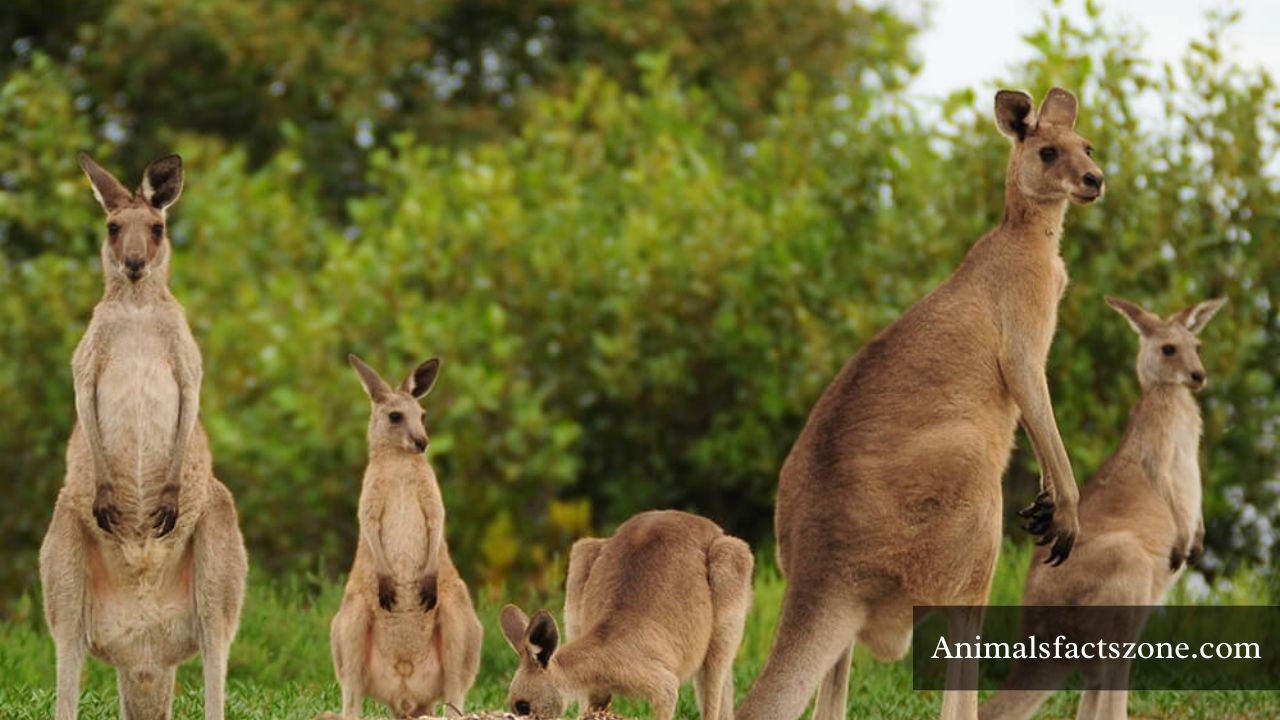
Interesting Facts: Are Kangaroos Smart Animals?
Did you know that kangaroos can recognize human faces and respond to cues in their environment? As surprising as it sounds, these iconic Australian marsupials might be more than just adorable hopping creatures; they could possess remarkable intelligence. In this article titled “Are Kangaroos Smart Animals,” we’ll explore their cognitive abilities, social behaviors, and the evidence that suggests these animals deserve our respect. By the end, you’ll gain a deeper appreciation for these fascinating creatures and their role in our ecosystem.
Are Kangaroos Smart Animals?
Scientific Name: Macropus
Class: Mammalia
Diet: Herbivore
Kangaroos exhibit a surprising level of intelligence that extends beyond mere survival instincts. Their problem-solving skills are particularly fascinating; researchers have observed them navigating intricate environments with remarkable agility. For example, they’ve been known to open gates, a task that showcases not just physical dexterity but also an understanding of cause and effect.
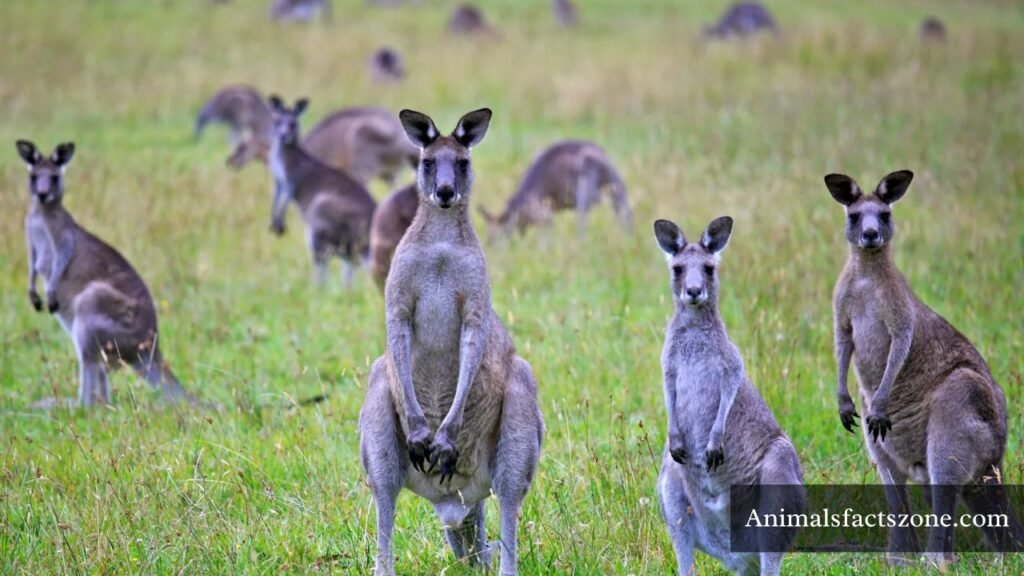
Moreover, kangaroos display social intelligence through their interactions within groups, known as mobs. These social structures are not just about safety in numbers; they also involve complex communication and cooperative behaviors that hint at emotional depth. It’s this blend of physical prowess and social acumen that makes kangaroos a compelling subject for further exploration in animal cognition, challenging our perceptions of intelligence in the animal kingdom.
What Makes Kangaroos Smart Animals?
Kangaroos, often celebrated for their unique hopping and powerful tails, also possess remarkable cognitive abilities that set them apart in the animal kingdom. Research has shown that these marsupials exhibit problem-solving skills and social intelligence, particularly when foraging for food. They can communicate through a variety of vocalizations and body language, indicating a complex social structure within their groups. Observing their interactions reveals not just instinctual behaviors but also learned responses — a hallmark of higher intelligence.
What elevates the kangaroo’s cognitive profile further is their adaptability to diverse environments. They can quickly learn to navigate challenges like predators and fluctuating food sources, showcasing their ability to think critically. Moreover, studies suggest that kangaroos can recall previous experiences, adjusting their behavior based on past successes or failures. This memory capacity, coupled with their ability to form social bonds, underscores a level of intelligence that encourages collaborative foraging and enhances survival in the wild. Together, these traits paint a picture of a species not only physically evolved for their environment but also intellectually equipped to thrive within it.
Kangaroos Can Actually Communicate With Humans
Kangaroos possess a remarkable ability to communicate with humans that goes beyond mere instinctual behavior. Recent studies suggest that these fascinating marsupials can interpret human cues, such as eye contact and pointing gestures, highlighting their cognitive sophistication. In a world where animal communication is often underestimated, kangaroos demonstrate that they are actively engaged in social learning, adjusting their behavior based on interactions with humans.
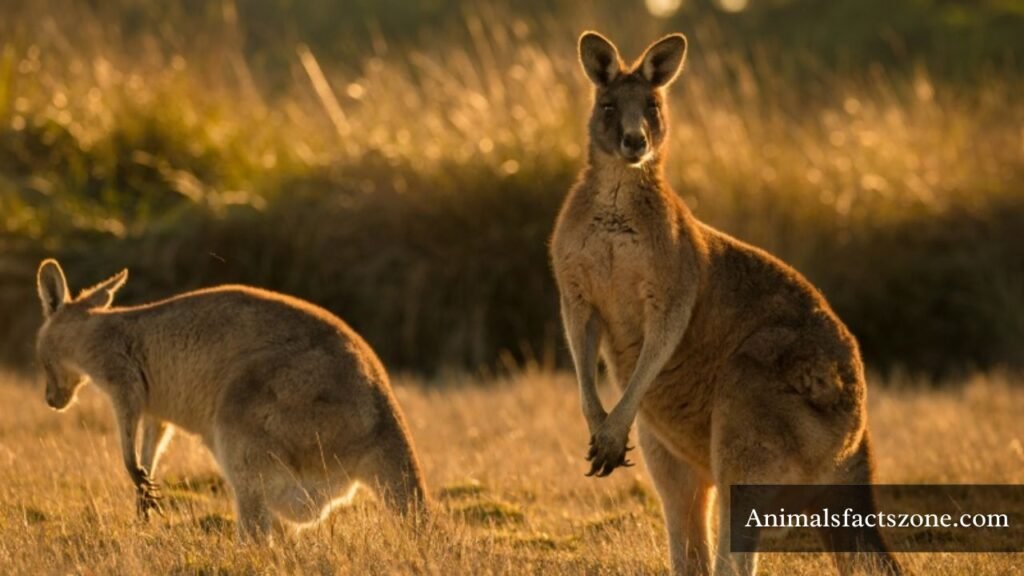
Their vocalizations, ranging from soft growls to louder thumps, can convey pleasure, warning, or distress. Moreover, kangaroos display an impressive capacity to form bonds with humans, showing a level of emotional intelligence that encourages deeper connections. When people approach them calmly, these creatures often reciprocate with curiosity, bridging the gap between species and inviting further interaction.
Outsmarting Predators With Cunning Strategies
Kangaroos, with their powerful legs and remarkable agility, have evolved impressive strategies to outsmart their predators. One of their most intriguing tactics is the use of deceptive maneuvers. When threatened, kangaroos can mimic the behavior of smaller animals, darting in unpredictable zigzag patterns. This erratic movement makes it challenging for predators like dingoes and wedge-tailed eagles to focus their attacks, giving the kangaroo a crucial head start to escape.
Moreover, kangaroos leverage their social structures to bolster their defenses. By grazing in groups, they enhance their vigilance; more eyes mean an increased chance of spotting danger. When a predator approaches, the entire group can respond collectively, bounding away in unison, creating a confusing mass of movement that can easily baffle hunters. This ingrained instinct not only aids individual survival but also reinforces the strength of the group, highlighting the kangaroo’s intelligent adaptation to its environment.
Kangaroos Social Intelligence
Kangaroos exhibit a remarkable social intelligence that has long intrigued researchers and wildlife enthusiasts alike. Beyond their iconic bounce, these marsupials demonstrate complex social structures and behaviors that reveal their ability to communicate and collaborate effectively within their groups. For instance, they often engage in cooperative behaviors when foraging, with some individuals taking on the role of ‘sentinel,’ watching for potential predators while others feed. This form of social vigilance not only enhances their survival but also illustrates a keen understanding of group dynamics.

Moreover, kangaroos show emotional sensitivity, responding to the distress calls of others, which highlights their capacity for empathy. When one kangaroo is threatened or injured, others exhibit behaviors suggesting concern, such as approaching to nuzzle or stay close. This ability to understand and react to the emotional states of their peers supports a social bond that fosters group cohesion. In a world where survival often hinges on teamwork, kangaroos exemplify how even the most unexpected animals can possess qualities that echo our own social intelligence, challenging us to rethink how we define relationships in the animal kingdom.
Interesting Facts About Kangaroos
Kangaroos are fascinating creatures that are native to Australia and belong to the marsupial family. One interesting fact is that they use their powerful hind legs not only for hopping — capable of reaching speeds up to 35 mph — but also for swimming. Kangaroos are surprisingly good swimmers, often using their legs to propel themselves through water, which helps them escape predators.
Another noteworthy characteristic is their unique method of locomotion. Unlike many animals, kangaroos cannot walk backward due to the structure of their hind legs and thick tails, which provide balance while hopping. Their social behavior is quite intriguing; they typically live in groups called “mobs,” which provide protection against predators and enhance their social interactions. These aspects highlight the adaptability and distinctive features of kangaroos in their natural habitat.
Are Kangaroos Smarter Than Dogs?
While kangaroos and dogs exhibit intelligence in vastly different ways, comparing their cognitive abilities can yield surprising insights. Kangaroos, largely driven by instincts, showcase remarkable problem-solving skills, particularly when it comes to navigating their vast Australian habitats. Their ability to assess danger and strategize their escape routes demonstrates a level of adaptability that is often overlooked, especially among animals that humans typically view through a lens of companionship.
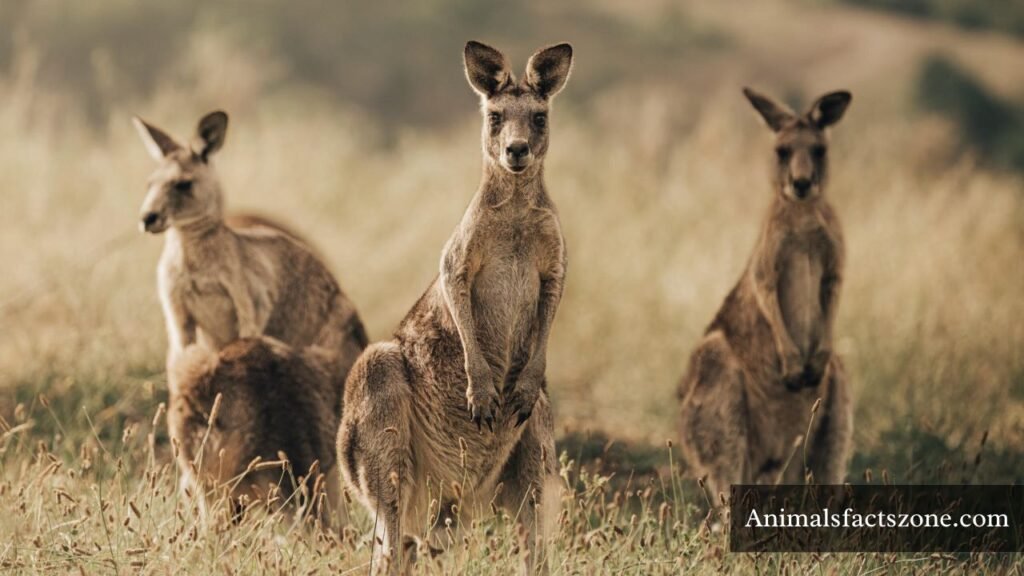
On the other hand, dogs have been bred for millennia to communicate and empathize with humans, which has fine-tuned their social intelligence. A dog’s capacity to read human emotions and cues can make them seem more ‘intelligent’ in familiar settings. Yet, this doesn’t overshadow the unique, innate skills kangaroos possess in their natural environment, such as their exceptional agility and powerful hind legs, which allow them to escape predators swiftly.
Ultimately, the measure of intelligence depends on context. While dogs excel in human environments, forming partnerships that enhance our daily lives, kangaroos thrive independently in their ecosystems, showcasing their own brand of smart survival strategies.
Readmore: Why do Foxes Laugh?
Final Words
The evidence indicates that kangaroos may possess a surprising level of intelligence, far beyond what many might expect. Their ability to learn from experience, communicate with one another, and adapt to their surroundings points to a sophisticated mental framework. Furthermore, understanding their intelligence deepens our appreciation for wildlife and the ecosystems they inhabit. As we broaden our knowledge of these unique animals, it’s essential to support conservation efforts that protect their natural habitats.
FAQs
How smart are kangaroos?
Kangaroos are surprisingly intelligent animals, though their intelligence is different from that of many other species. They can learn from experience and adapt to their surroundings. For example, they can navigate complex environments and remember the locations of food and water sources. Kangaroos exhibit social behaviors that suggest a level of cognitive awareness. They communicate with each other using various vocalizations and body language, showing a capacity for social interaction.
Are kangaroos ever friendly?
Kangaroos are generally not considered friendly in the way domesticated pets are. They are wild animals and can be quite cautious around humans. While some may seem curious or tolerant, approaching them can lead to aggressive behavior, especially if they feel threatened or are protecting their young.
Can a kangaroo bond with a human?
Yes, a kangaroo can bond with a human, particularly if it’s raised in close contact from a young age. Like many animals, they can form attachments, especially if they feel safe and cared for. Interactions can help establish trust and recognition, leading to a unique bond, similar to what you might see with pets. However, it’s essential to remember that kangaroos are wild animals. Their behavior can be unpredictable, and they have specific needs that are best met in their natural habitat. While some may enjoy human companionship, most kangaroos thrive in the wild, where they can express their natural behaviors freely.