Top 20 Anxious Animals in The World (With Images)
In “Anxious Animals in The World,” we will explore the inner lives of creatures grappling with stress and the implications of this phenomenon on their well-being and behavior. This article will equip you with knowledge about the signs of anxiety in various species, helping foster empathy and effective intervention strategies. Prepare to discover how we can better support our anxious animal friends.
List of Anxious Animals in The World
Below is the list of most anxious animals in the world:
| Number of Animals | Names of Anxious Animals |
| 1 | Dogs |
| 2 | Cats |
| 3 | Squirrels |
| 4 | Horses |
| 5 | Ostriches |
| 6 | Elephants |
| 7 | Chimpanzees |
| 8 | Foxes |
| 9 | Cheetahs |
| 10 | Goats |
| 11 | Ferrets |
| 12 | Mice |
| 13 | Rabbits |
| 14 | Chickens |
| 15 | Rats |
| 16 | Parrots |
| 17 | Deer |
| 18 | Opossums |
| 19 | Toads |
| 20 | Sheep |
Dogs
Scientific name: Canis lupus familiaris
Class: Mammalia
Diet: Omnivore
Dogs, often hailed as humanity’s best friends, can also struggle with anxiety, revealing a complex emotional landscape beneath their playful exteriors. Factors such as separation from their owners, loud noises, or unfamiliar environments can trigger stress responses, manifesting in behaviors like excessive barking, destructive chewing, or hiding. Understanding these triggers is crucial; each dog’s anxiety is unique and shaped by their past experiences and inherent temperament.

Recent studies highlight the importance of an enriched environment to alleviate anxiety in dogs. Simple adjustments, like creating a cozy den-like space or incorporating puzzle toys, can provide a sense of security and mental stimulation. Moreover, the growing trend of canine therapy practices, including massage and aromatherapy, is gaining traction among pet owners who seek holistic approaches to soothe their anxious companions. Engaging in regular training sessions not only reinforces a dog’s confidence but also strengthens the bond between pet and owner, fostering a deeper emotional connection that can help mitigate anxiety.
Cats
Scientific name: Felis catus
Class: Mammalia
Diet: Carnivore
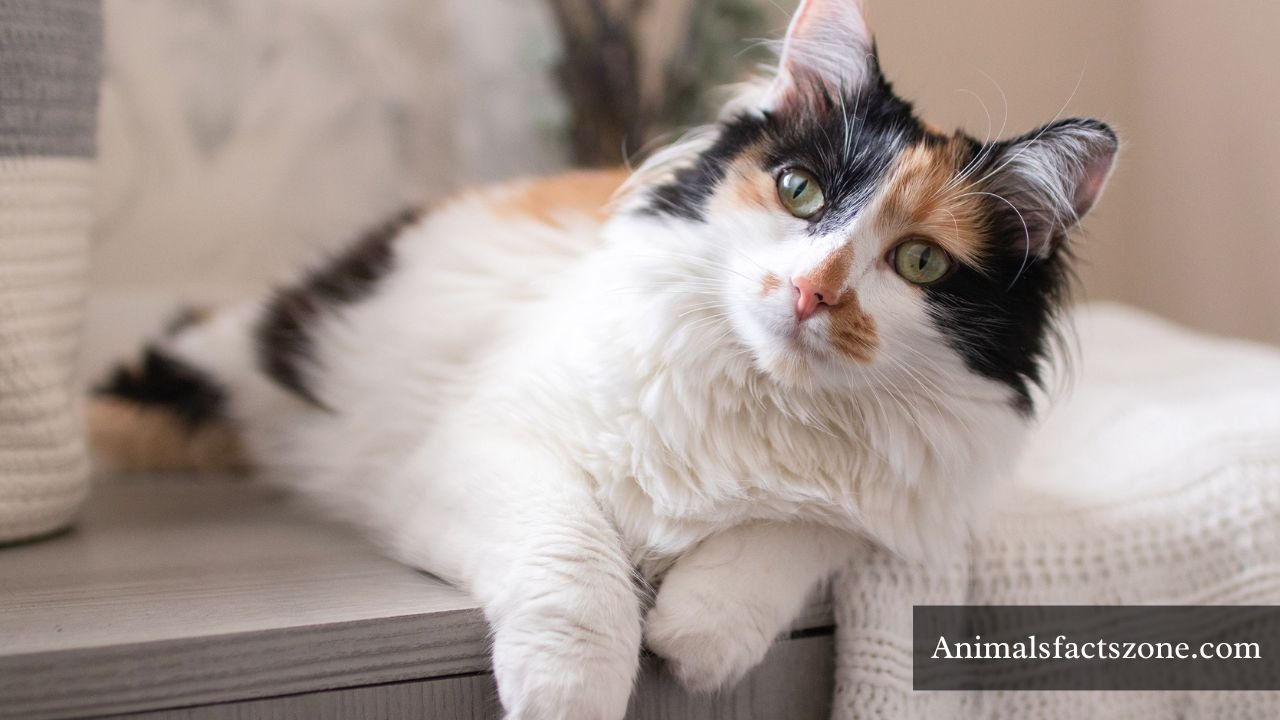
Cats are fascinating creatures, yet their enigmatic behavior often masks their anxious tendencies. These seemingly indifferent beings can feel overwhelmed by changes in their environment, from moving furniture to the arrival of a new pet. Understanding these nuances is key to fostering a supportive atmosphere for our feline friends.
Interestingly, a cat’s anxiety can often be rooted in their early experiences. Kittens that are not properly socialized might develop a heightened sensitivity to novel stimuli during adulthood. This can lead to a fragile disposition; even a loud noise or unexpected visitor can send a cat spiraling into a state of distress. Engaging in low-stress training and creating safe, vertical spaces where they can retreat can help mitigate these feelings. By embracing their instincts and providing a consistent routine, cat owners can empower their pets to find comfort in their surroundings.
Squirrels
Scientific name: Sciuridae
Class: Mammalia
Diet: Omnivore
Squirrels, with their twitchy tails and darting movements, embody a dance of perpetual anxiety. Observing them can be both entertaining and enlightening. These small creatures live in a world filled with threats, from lurking predators to the ever-present risk of food scarcity. Their frantic behavior, often interpreted as nervousness, is a survival mechanism finely tuned by evolution. Researchers have noted that a squirrel’s incessant chattering acts as a warning system, not just for themselves but for surrounding wildlife, translating anxiety into community defense.
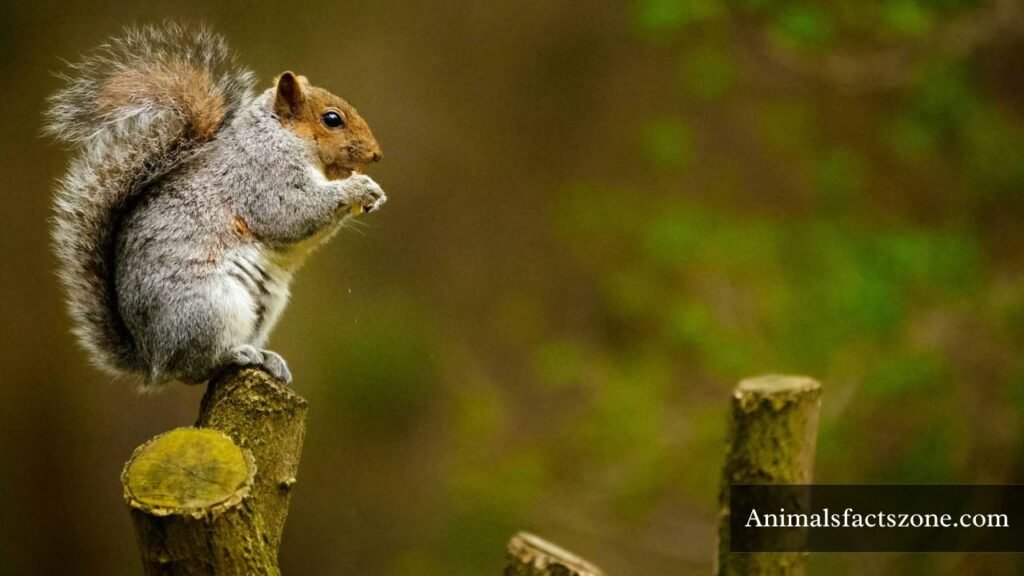
Interestingly, squirrels exhibit a form of anticipatory anxiety as they forage for food. They employ a strategy called “scatter-hoarding,” where they bury nuts in various locations to protect against winter shortages. This behavior highlights an inherent understanding of seasonal change and the unpredictability of their environment. Their memory, however limited, is a testament to the mental gymnastics they perform daily — constantly recalibrating their plans to optimize survival, all while navigating the chaos of human encroachment.
Horses
Scientific name: Equus ferus caballus
Class: Mammalia
Diet: Herbivore
Horses, with their powerful muscles and graceful demeanor, often mask the depths of their anxiety, making them intriguing subjects for understanding animal emotions. These sensitive creatures possess an acute awareness of their surroundings, responding not only to the obvious stimuli like loud noises or sudden movements but also to the subtle shifts in the energy of people around them. This heightened sensitivity can lead to anxiety in various scenarios, whether it’s a crowded riding arena or a change in their routine.
Interestingly, the social structures of horses can contribute to their stress levels. Being naturally herd animals, they rely on their companions for stability and security. When separated from their group or faced with an unfamiliar situation, their instincts kick in, which can result in behaviors like pacing or even aggressive reactions. This highlights the importance of understanding the signs of anxiety in horses, as recognizing their discomfort can foster a more supportive environment, reducing anxiety and promoting overall well-being.
Moreover, addressing horse anxiety requires a multifaceted approach that goes beyond mere training techniques. Incorporating mindfulness practices, such as gradual desensitization and positive reinforcement, can create a bond of trust. Horses thrive on routine, so structuring their day with predictable patterns can also alleviate their fears. Engaging with these majestic beings on a deeper emotional level not only enriches the human-animal bond but also opens up pathways to understanding their complex inner worlds.
Ostriches
Scientific name: Struthio camelus
Class: Aves
Diet: Omnivore
In the wild, ostriches often embody a paradoxical blend of confidence and vulnerability. With their impressive size, long legs, and powerful kicks, they can appear imposing. Yet, when faced with danger, these flightless birds exhibit a curious, almost endearing behavior: they often bury their heads in the sand, giving rise to the myth that they are oblivious to threats. In reality, this behavior serves as a form of camouflage, allowing them to rely on stillness and silence to evade predators. It’s a fascinating reminder that sometimes, anxiety can drive us to seek refuge in our surroundings, hoping to blend into the fabric of our environment.
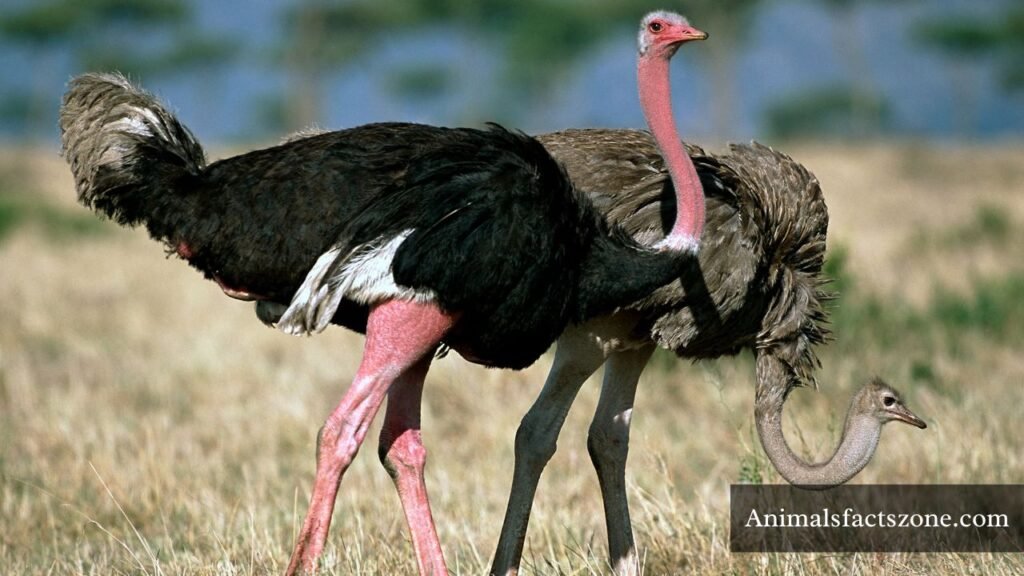
Their social dynamics add another layer to their anxious nature. Ostriches are highly social creatures, often thriving in groups. When one member of the flock senses danger, it can trigger a chain reaction of distress among its companions. This shared anxiety underscores the importance of community in navigating the stresses of survival. The way these birds rally together highlights an instinctive understanding that safety often lies in numbers, showcasing that even in the wild, vulnerability can lead to a deeper sense of connection.
Elephants
Class: Mammalia
Diet: Herbivore
Elephants are among the most emotionally complex animals on our planet, displaying a profound capacity for anxiety that mirrors human experiences. These gentle giants can suffer from acute stress during moments of upheaval, such as habitat loss or the death of a family member. Their social bonds are incredibly strong, and evidence suggests that they grieve deeply, often returning to the remains of deceased companions, showcasing their emotional intelligence in ways rarely acknowledged.
Research reveals that elephants can exhibit behavioral signs of anxiety when separated from their herds or when exposed to unfamiliar sounds, like gunshots. Their response is not just a fleeting moment of fear; it can manifest in chronic conditions, affecting their health and social dynamics. By understanding these responses, conservationists can better design wildlife sanctuaries and rehabilitation programs that prioritize the psychological well-being of elephants, ensuring they thrive in both expert care and the wild.
Chimpanzees
Scientific name: Pan troglodytes
Class: Mammalia
Diet: Omnivore
Chimpanzees, our closest living relatives, exhibit a remarkable range of emotions, including anxiety, that can profoundly influence their behavior. In the wild, these social animals thrive within complex communities, and their well-being hinges on social dynamics. When faced with conflicts — be it a power struggle among dominant individuals or shifting alliances — chimpanzees can experience significant stress. Observations of grooming behaviors reveal how they soothe one another, reinforcing bonds and alleviating anxiety in their tight-knit groups.
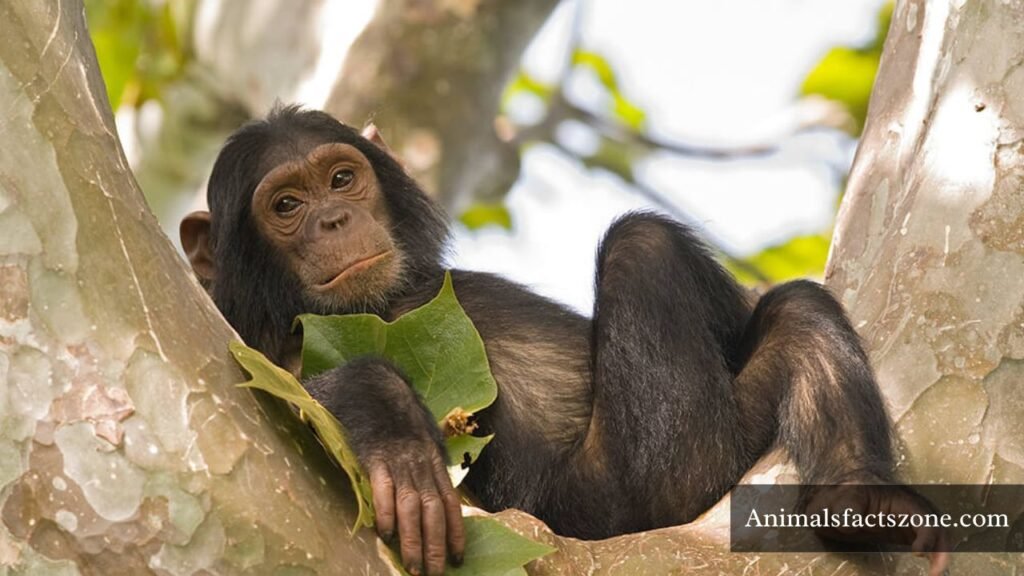
Interestingly, researchers have begun to uncover the impact of environmental changes on chimpanzees’ mental health. Habitat loss and fragmentation, often due to human encroachment, can lead to increased anxiety levels as these creatures cope with the uncertainty of their surroundings. This not only affects individual chimps but can destabilize entire communities, prompting behaviors such as aggression or withdrawal. Recognizing these patterns underscores the urgent need for conservation efforts that prioritize the mental well-being of these intelligent primates, ensuring their social structures remain intact.
Foxes
Scientific name: Vulpes vulpes
Class: Mammalia
Diet: Omnivore
Foxes are often portrayed as cunning and agile creatures, but beyond their cleverness lies a complex emotional landscape, particularly when it comes to anxiety. In the wild, foxes face a myriad of stressors — from the constant threat of predators to the challenge of securing food in an ever-changing environment. Researchers have discovered that these stressors can lead to elevated anxiety levels, which manifest in behaviors like excessive grooming or changes in social interactions. A fox in a bustling urban area, for instance, may exhibit signs of heightened anxiety as it navigates the risks of human interaction and habitat fragmentation.
Interestingly, foxes have developed an array of coping mechanisms to manage their anxiety. In a study that observed urban foxes, scientists noted how these animals would adapt their foraging strategies based on the time of day and human activity. By being more active during early morning or late evening, they cleverly minimize their exposure to potential threats. This adaptability highlights not just their intelligence, but also their resilience — a trait that can inspire empathy in how we view their struggles in rapidly urbanizing landscapes.
Cheetahs
Scientific name: Acinonyx jubatus
Class: Mammalia
Diet: Carnivore
Cheetahs, known for their breathtaking speed, also grapple with anxiety in surprising ways. Despite their prowess as solitary hunters, these large cats often experience stress in captivity and during interactions with humans. When confined, they manifest signs of anxiety, such as pacing or excessive grooming. This behavior, driven by their instinctual need for space and solitude, highlights the necessity of understanding their emotional welfare in conservation efforts.
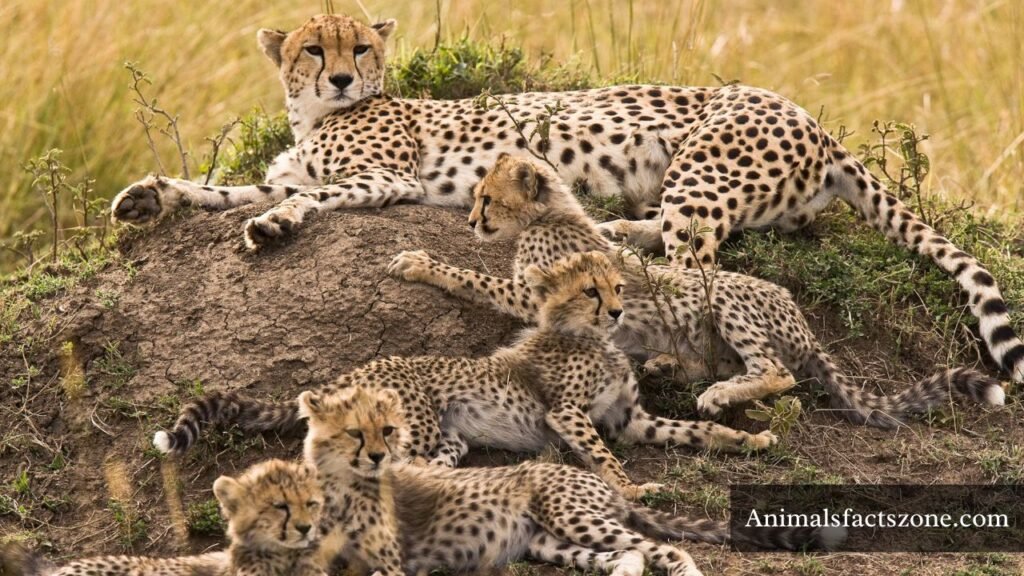
Recent studies reveal that a cheetah’s mental health can significantly impact their physical health and reproductive success. In zoos, environments that mimic their natural habitats — complete with hiding spots and varying terrains — can help alleviate stress.
Goats
Scientific name: Capra aegagrus hircus
Class: Mammalia
Diet: Herbivore
Goats are often perceived as carefree creatures, but beneath their playful antics lies a surprising depth of anxiety. Known for their curious and sometimes mischievous natures, goats can also exhibit some neurotic behaviors when faced with stressors in their environment. For instance, loud noises, sudden movements, or unfamiliar companions can trigger their flight response, making them skittish and prone to panic. It’s not uncommon to witness a goat leaping into the air or darting away from an innocuous object, a reaction rooted in their evolutionary history as prey animals.
What’s fascinating is how their anxiety can also manifest in social settings. Goats are highly social animals that form strong bonds within their herds. When separated from their companions, they show signs of distress, calling out and searching for their lost friends. This social dependency highlights the importance of companionship in mitigating anxiety among goats. Providing them with a stable herd environment not only fosters their social behavior but also serves as a buffer against environmental stressors, illustrating the intricate link between mental well-being and social structure in these seemingly simple animals.
Ferrets
Scientific name: Mustela putorius furo
Class: Mammalia
Diet: Carnivore
Ferrets, with their playful antics and curious nature, often embody a mix of energetic delight and underlying anxiety. These small mammals thrive on social interaction but can quickly become overwhelmed in chaotic environments. Their sensitive nature means that a simple change in routine or a new visitor can send them diving under furniture, showcasing their flight instinct. Understanding this balance is crucial for ferret owners aiming to create a nurturing environment that encourages exploration while minimizing stress.
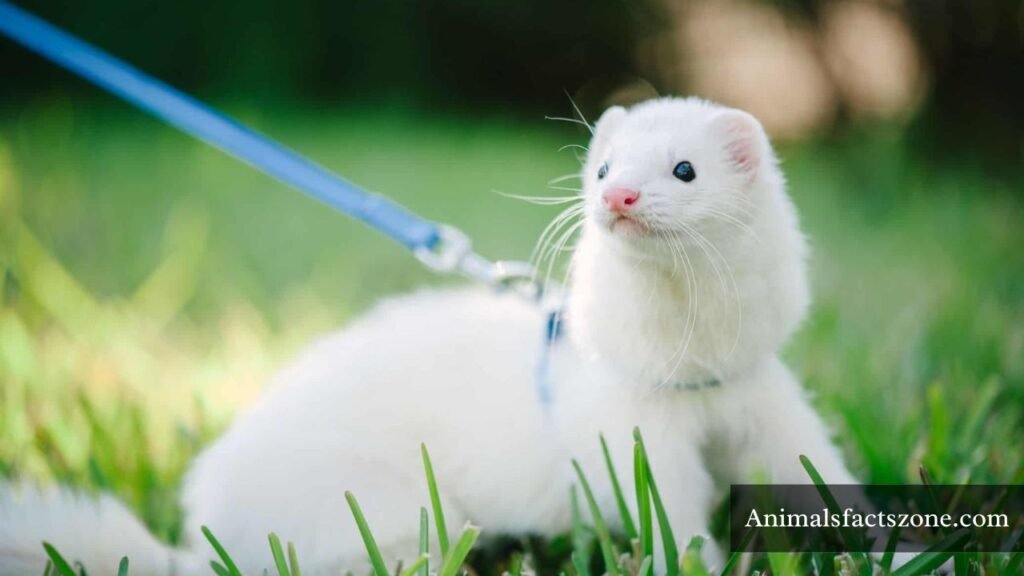
What makes ferrets particularly fascinating is their unique body language, which serves as a telling sign of their emotional state. A ferret may perform the “weasel war dance,” a series of hops and twists, as an expression of joy, but when they freeze or flatten their bodies, it’s a clear indication they feel threatened. By tuning into these cues, owners can foster a more secure atmosphere, allowing their pets to feel both playful and safe. Harnessing their energy through interactive play can also redirect anxious feelings, transforming potential stress into bursts of positive activity that strengthen the bond between ferrets and their humans.
Mice
Scientific name: Mus musculus
Class: Mammalia
Diet: Omnivore
Mice are often dismissed as mere pests, but they possess a rich emotional landscape that invites deeper understanding. Each tiny twitch of their whiskers or flick of their tails can reveal a world of anxiety that is largely overlooked. When faced with new environments, the humble mouse exhibits a spectrum of behaviors ranging from freezing in place to frantically darting away. These reactions are not merely instinctual; they serve as survival mechanisms, shaped by centuries of evolution in a world fraught with predators.
Moreover, studies have shown that mice can experience social anxiety, particularly in unfamiliar settings or during encounters with dominant individuals. This heightened sensitivity to their surroundings highlights a complex emotional intelligence, where the pulse of social dynamics can influence their overall well-being. When housed with companions, mice show reduced anxiety, emphasizing the importance of social bonds in mitigating stress.
Rabbits
Scientific name: Oryctolagus cuniculus
Class: Mammalia
Diet: Herbivore
Rabbits are often seen as timid creatures, but their anxiety can reveal much about their natural instincts and environments. In the wild, these adorable animals are prey for larger predators, which means their wired response to stress is a survival mechanism. They can freeze, thump their hind legs, or dart away at the slightest hint of danger.
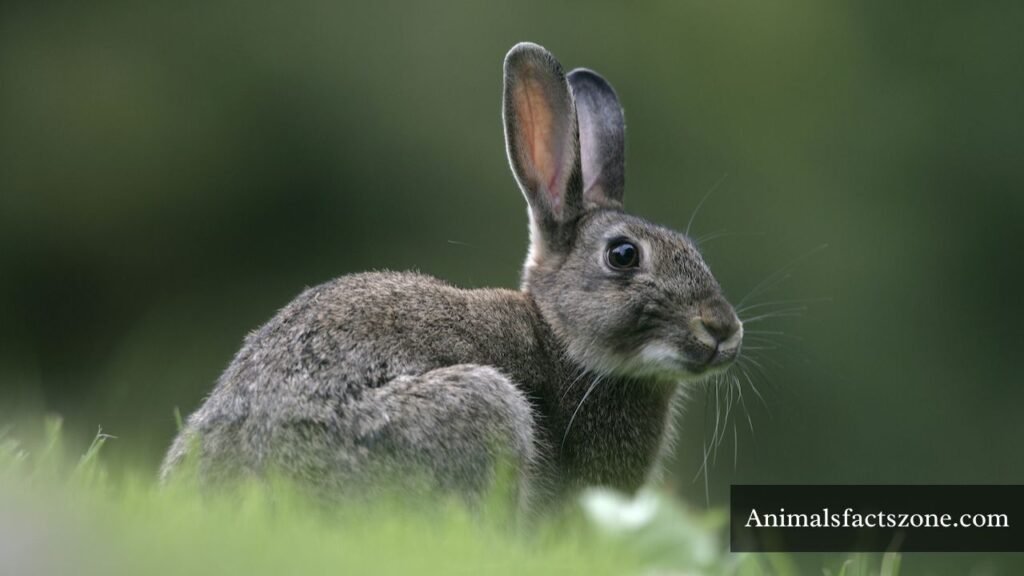
Interestingly, domesticated rabbits exhibit similar patterns of anxious behavior, even in safe environments. The comfort of a cozy hutch or a grassy backyard can quickly vanish under the shadow of loud noises or sudden movements. Encouraging familiarity through gentle handling and consistent routines can help mitigate their anxiety, creating a calmer atmosphere that allows their unique personalities to shine. By recognizing and respecting a rabbit’s need for security, we can foster a deeper bond with these sensitive creatures, turning the table on their anxious tendencies and allowing them to flourish in our homes.
Chickens
Scientific name: Gallus gallus domesticus
Class: Aves
Diet: Omnivore
Chickens, those often-overlooked barnyard companions, exhibit a surprising range of anxious behaviors that reveal their complex emotional lives. Unlike the stereotype of the mindless clucker, chickens can display signs of stress in response to environmental changes or social dynamics within their flocks. For instance, when introduced to new members or relocated to a different space, they might engage in frantic pecking or draw back from the group, revealing a social hierarchy that deeply influences their well-being. This social anxiety illustrates the importance of stable environments and familiar relationships in maintaining their mental health.
Moreover, chickens communicate their anxiety through an impressive array of vocalizations, each conveying specific emotions ranging from distress to alertness. While most people are familiar with the basic “cluck,” they might be surprised to learn that these vocalizations can signal warnings to flockmates about potential dangers or even changes in weather. By tuning into these sounds, caretakers can better understand the emotional states of their birds, fostering a healthier, more supportive environment.
Rats
Scientific name: Rattus rattus
Class: Mammalia
Diet: Omnivore
Rats, often perceived as mere pests, are surprisingly complex creatures with rich emotional lives. Their inherent anxiety, particularly in unfamiliar environments, reflects a keen survival instinct. Unlike many animals, rats display a remarkable range of social behaviors; they can form intricate relationships and even exhibit empathy towards one another. When one rat is stressed, others will comfort it through grooming and physical closeness, revealing a deeper emotional intelligence that challenges our traditional understandings of animal behavior.
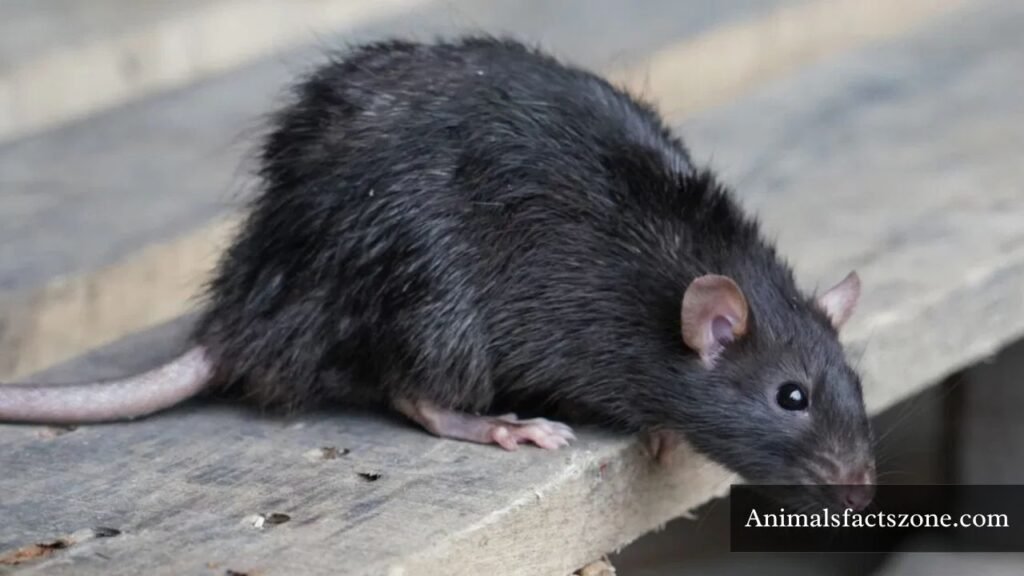
Moreover, the way rats handle stress provides fascinating insights into their adaptability. Studies have shown that these social rodents can develop coping mechanisms, such as forming small groups to face fears together. This collective anxiety management highlights their reliance on social bonds for emotional support, much like humans.
Parrots
Scientific name: Psittaciformes
Class: Aves
Diet: Herbivore
Parrots, renowned for their vibrant feathers and remarkable vocal skills, often wear their emotions on their wings. When faced with anxiety, these intelligent creatures exhibit complex behaviors that reveal their inner turmoil. You might notice a parrot plucking its own feathers or engaging in frantic screeching — these are manifestations of stress that can arise from changes in their environment, lack of social interaction, or even boredom. Unlike dogs, whose anxiety can often be alleviated with simple training or companionship, parrots require a nuanced understanding and tailored strategies to help them feel secure.
Creating an enriching environment is crucial for alleviating anxiety in parrots. Interactive toys, varied activities, and even music can provide mental stimulation that helps reduce stress levels. Owners should also be attuned to their parrot’s body language; a puffed-up plumage or an aggressive stance can signal discomfort. Engaging in regular social interaction not only fosters trust but also promotes mental health, as these social birds thrive on companionship. With a bit of patience and creativity, the bond forged during these interactions can transform anxious behaviors into opportunities for growth and happiness.
Deer
Scientific name: Cervidae
Class: Mammalia
Diet: Herbivore
In the quiet stillness of a forest, a deer’s ears perk up at the slightest rustle, revealing its inherent anxiety. Unlike many animals that might confront a threat, deer possess a unique blend of grace and flight instinct, compelling them to flee at the first sign of danger. This anxious demeanor is not merely a biological survival mechanism; it can also be seen as the embodiment of their acute sensitivity to their environment. Their large, expressive eyes capture every flicker of movement, allowing them to gauge threats from a distance, while their keen sense of smell detects even the faintest trace of a predator long before it is visible.
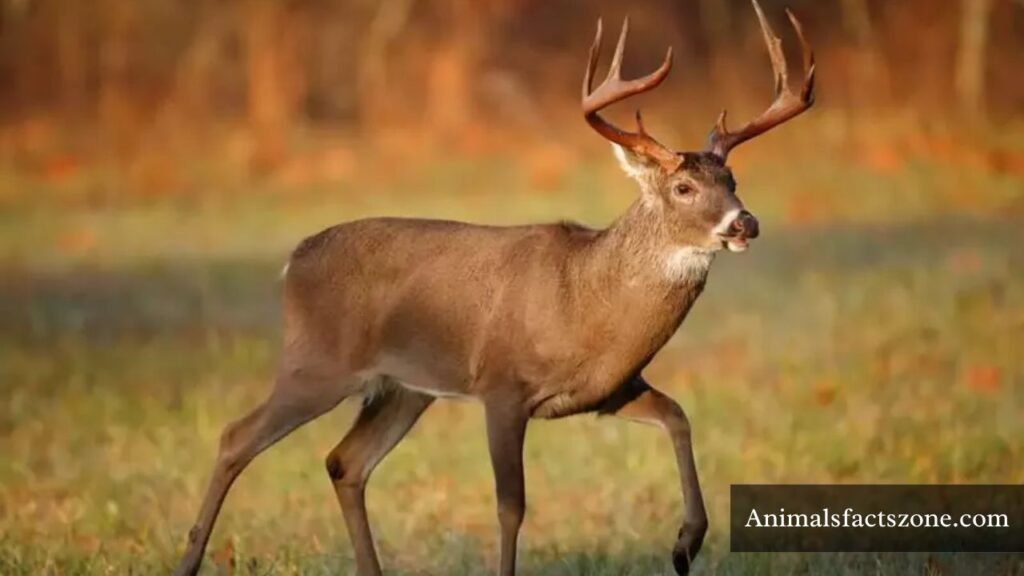
Interestingly, this wariness forms a fascinating bond between deer and their natural habitat. Their anxiety makes them extraordinary navigators, relying on a deep understanding of terrain and seasonal cues that guide their foraging and migration patterns. Observing them in their natural habitat reveals intricate behaviors: they periodically freeze in place, their hearts racing as they assess the safety of their surroundings.
Opossums
Scientific name: Didelphis virginiana
Class: Mammalia
Diet: Omnivore
Opossums, often underestimated and misunderstood, embody a fascinating blend of anxiety and resilience in the animal kingdom. These nocturnal marsupials are more than just the classic “playing dead” trope; their unique coping mechanisms reveal a remarkable adaptability to stress. When threatened, an opossum can enter a state of tonic immobility, rendering themselves seemingly lifeless for up to four hours. This remarkable strategy not only disorients predators but also emphasizes their evolutionary wisdom, showcasing how anxiety can manifest as a survival tactic.
Beyond their defensive behaviors, opossums contribute to their ecosystems by controlling pests and diseases. They consume ticks, preventing the spread of Lyme disease and even preying on venomous snakes — an impressive feat that shows their unyielding spirit despite their anxious disposition. Observing opossums can inspire a deeper understanding of vulnerability as a form of strength, highlighting how these anxious animals play a crucial role in maintaining ecological balance.
Toads
Scientific name: Bufonidae
Class: Amphibia
Diet: Carnivore
Toads navigate a world filled with predators, and their anxiety responses are fascinating. When threatened, these creatures often resort to “playing dead,” a survival strategy that highlights their instinctual drive to evade danger. This behavior isn’t just reactive; it’s a calculated choice that reflects an understanding of their environment.
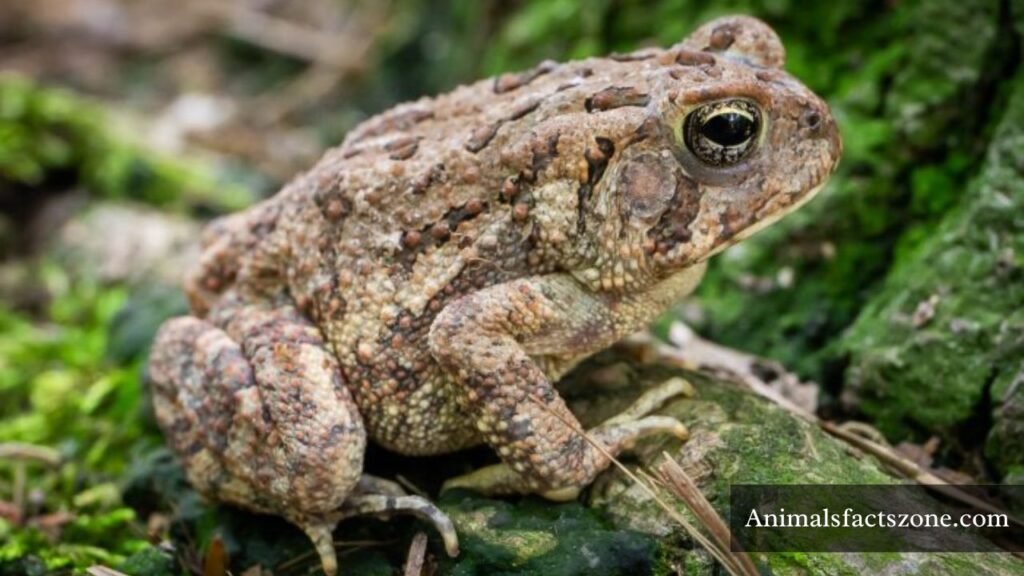
Moreover, toads have evolved a range of defense mechanisms that showcase their adaptability. Some secrete toxins through their skin, a vivid reminder that not all anxiety leads to passivity. Instead, it can spur innovation. Their ability to camouflage with their surroundings further emphasizes their anxious but strategic survival methods.
Sheep
Scientific name: Ovis aries
Class: Mammalia
Diet: Herbivore
Sheep are often underestimated in their capacity for emotion, but their anxiety levels reveal a fascinating complexity. These social animals thrive in flocks, relying on the safety of numbers to navigate their often unpredictable environments. When separated from their group, sheep can exhibit signs of distress, such as bleating incessantly and pacing — indicators of their deep-seated reliance on companionship. This bond is not merely a survival mechanism; it also underscores their vibrant social intelligence and the importance of hierarchical structures within the flock.
Interestingly, sheep possess heightened sensitivity to their surroundings, picking up on subtle cues from their flock mates. Their ability to read the emotions of other sheep helps them gauge potential threats and respond accordingly. This phenomenon speaks to a kind of collective consciousness, where anxiety can ripple through the flock as one individual picks up on another’s unease. Moreover, studies have shown that environmental factors, such as noise and unfamiliar spaces, can exacerbate their stress levels, necessitating the need for gentle handling and familiar routines to help stabilize their emotions.
Readmore: Top 20 Scavenger Birds in The World.
Final Thoughts
Recognizing the signs of anxiety in animals is crucial for their well-being and our responsibility as caregivers. By understanding the various triggers and symptoms, we can implement strategies to alleviate their stress and create a more nurturing environment. Whether it’s through training, socialization, or environmental adjustments, every effort counts toward improving their quality of life. As more research emerges, we gain valuable insights into the emotional lives of our pets and wildlife. Let us advocate for a greater awareness of anxious animals and take proactive steps to support them in our homes and communities.
FAQs
What is the most anxious animal in the world?
The most anxious animal in the world is often considered to be the domestic cat. Cats are naturally solitary hunters, and this instinct makes them highly sensitive to their surroundings. Sudden noises, new environments, or unfamiliar people can easily trigger stress responses, like hiding or aggressive behavior.
What makes animals anxious?
Animals can experience anxiety for many reasons, often similar to humans. Changes in their environment, such as moving to a new home, loud noises, or the presence of unfamiliar people or animals, can trigger anxiety. Even routine changes, like a different feeding schedule or the absence of an owner, can contribute to their stress levels. Past trauma or a lack of socialization can lead to heightened anxiety in animals. For instance, rescue animals may have developed anxiety due to neglect or abuse. Understanding these triggers helps in providing the right support, whether it’s through training, creating a safe space, or simply being patient as they adjust.
Are dogs anxious animals?
Yes, dogs can often be anxious animals. Their anxiety can stem from various factors such as separation from their owners, loud noises, changes in their environment, or even a lack of socialization. Each dog is unique, and their level of anxiety can vary significantly based on breed, personality, and past experiences. Moreover, dogs can display anxiety in different ways, including excessive barking, destructive behavior, or even physical symptoms like trembling.
Which animal has no fear?
The honey badger is often cited as the animal with no fear. Known for its tenacity, it faces off against much larger predators like lions and crocodiles without hesitation. Their boldness lies not just in their size — this small mammal is fearless due to a combination of sheer aggression and toughness. Honey badgers have thick skin and a strong bite, making them formidable opponents. They’re not just fearless in hunting; they also show a remarkable ability to confront threats head-on, often surprising predators.