Explore Top 23 Animals with Long Tails (Pictures Included)
In the fascinating world of wildlife, animals with long tails employ their unique appendages for communication, hunting, and even self-defense. Understanding these remarkable adaptations can deepen our appreciation for nature’s ingenuity and highlight the diversity of survival strategies in the animal kingdom. In this article, we’ll explore a variety of these creatures and uncover the secrets behind their long tails.
List of Animals with Long Tails:
Here is the list of animals with long tails in the world:
- Tree Kangaroo
- Ring-tailed Lemur
- Red Kangaroo
- Green Iguana
- Cheetah
- Thresher Shark
- Long-Tailed Grass Lizard
- Red Fox
- Angola Colobus
- Ring-tailed Coatis
- Giant Anteater
- Snow Leopard
- Howler Monkey
- Peacock
- Leopard Whipray
- Chameleon
- Spider Monkey
- Squirrel
- Giraffe
- Jerboas
- Black-and-White Ruffed Lemur
- Pangolin
- Clouded Leopard
Tree Kangaroo
Scientific Name: Dendrolagus
Class: Mammalia
Diet: Herbivore
The tree kangaroo, a remarkable dweller of the lush forests of New Guinea and Australia, showcases a tail that is not just an appendage but a vital tool for survival. Unlike its ground-dwelling relatives, the tree kangaroo employs its long, robust tail for balance as it nimbly navigates the complex branches high above the forest floor. This prehensile tail allows for exceptional agility, enabling these marsupials to leap between trees with remarkable precision and confidence.
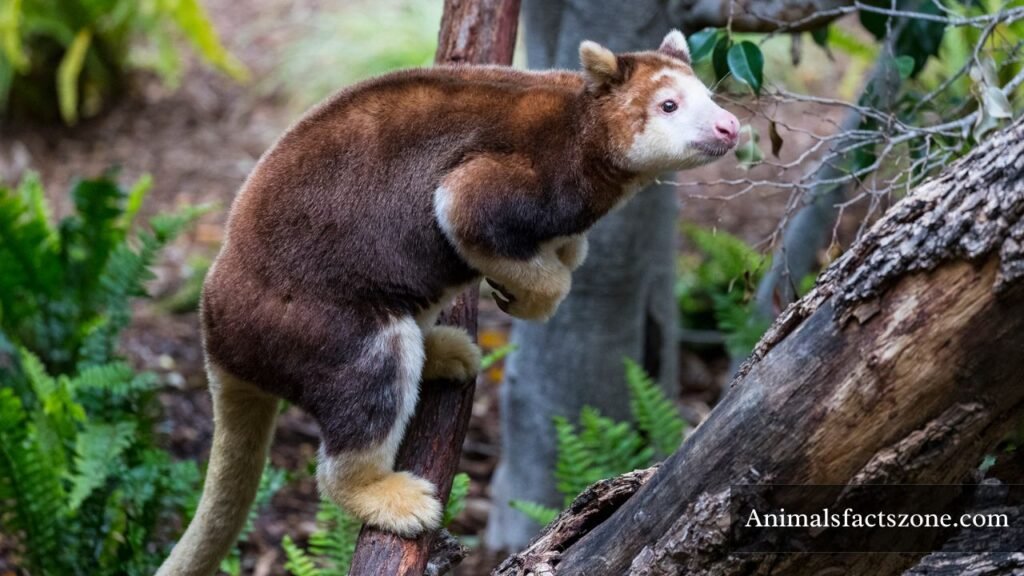
Beyond its practical uses, the long tail of the tree kangaroo serves as an indicator of its evolutionary journey. Possessing both strength and flexibility, it reflects adaptations to a specialized arboreal lifestyle, emphasizing how form and function develop in tandem. Furthermore, its vibrant fur patterns and colors, complemented by the tail’s expressive movements, play a role in social signaling, allowing tree kangaroos to communicate within their dense, leafy environment. Observing these creatures reveals the intricate balance of adaptation and communication that defines life in the treetops, inviting deeper appreciation for the rich tapestry of biodiversity that thrives within our planet’s forests.
Ring-tailed Lemur
Scientific Name: Lemur catta
Class: Mammalia
Diet: Herbivore
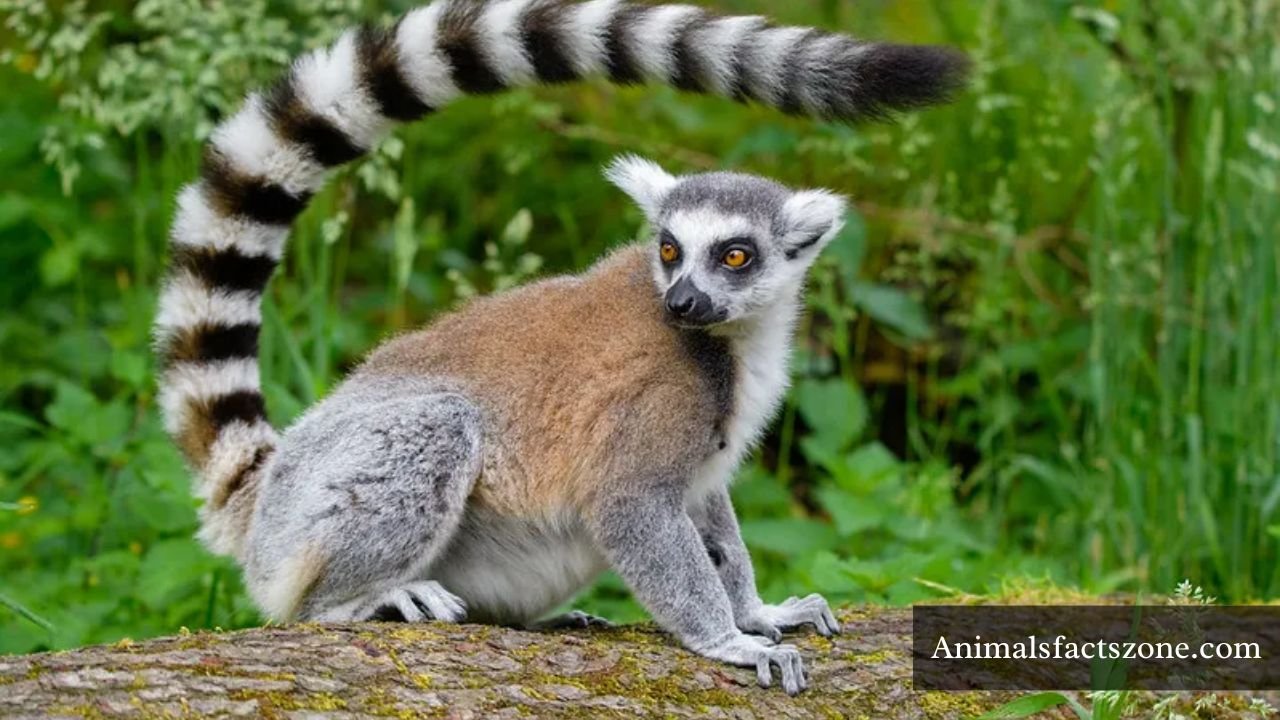
The ring-tailed lemur, with its striking black-and-white striped tail, is not just a visual marvel but a master of social signaling. Native to the dry forests of Madagascar, these primates use their long tails to communicate within their troops. When foraging, they often hold their tails high, creating a colorful beacon that helps members keep track of one another amid dense foliage. This tail, more than a mere appendage, plays a crucial role in fostering cohesion and unity among the group.
Beyond communication, the ring-tailed lemur’s tail also serves as a tool for balance and agility when navigating the treetops. Their lifestyle demands a certain finesse; swinging through branches requires not only strength but also a keen sense of spatial awareness. During the breeding season, males engage in a unique behavior known as “stink fighting,” where they use their tails to waft scent derived from their wrists to compete for mates. This eccentric ritual illustrates how the long tail embodies both functionality and flamboyance in the wild, making the ring-tailed lemur a fascinating blend of practicality and spectacle.
Red Kangaroo
Scientific Name: Osphranter rufus
Class: Mammalia
Diet: Herbivore
The red kangaroo, a quintessential symbol of Australia, boasts a long, muscular tail that serves as a counterbalance to its powerful legs during high jumps. This tail is not merely for show; it plays a crucial role in their locomotion, allowing them to achieve remarkable speeds and agility across the vast outback. When the red kangaroo hops, its tail acts like a third leg, anchoring its body and enhancing stability, especially on uneven terrain.
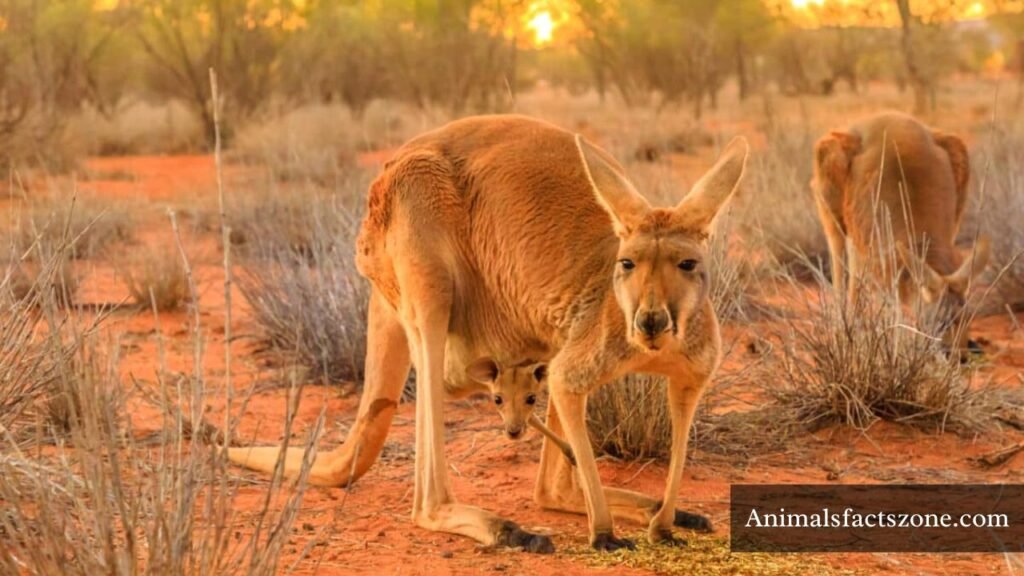
Beyond physical functionality, the tail also plays a vital role in communication among kangaroos. Subtle movements can convey a range of emotions — from alertness to relaxation — allowing these social animals to express their status within the group. So, the next time you spot a red kangaroo bounding gracefully through the landscape, remember that its tail is not just an appendage but a sophisticated tool for survival and social interaction. In many ways, the long tail of the red kangaroo encapsulates the spirit of adaptability and resilience found in the wildlife of Australia.
Readmore: Explore Top 15 Snakes with Triangular Heads.
Green Iguana
Scientific Name: Iguana iguana
Class: Reptilia
Diet: Herbivore
The green iguana, a majestic lizard native to Central and South America, boasts a tail that can be up to twice its body length, serving multiple vital functions. This remarkable appendage acts as a balance beam, aiding the iguana as it navigates the canopies of its forest habitat with agility and grace. With a keen ability to drop from heights, these lizards can often escape predators, using their long tails to propel themselves away or distract would-be attackers.
Beyond mere locomotion, the tail plays a crucial role in communication. When threatened, an iguana can whip its tail as a defensive tactic, mimicking a whip to deter foes. Their striking green hue adds another layer to their allure, reflecting sunlight and camouflaging them within the lush vegetation, further enhancing their ability to evade detection. In addition, the green iguana’s tail grows back if lost, showcasing nature’s remarkable resilience and adaptability. Observing these fascinating creatures in their natural habitat reveals a complex interplay of survival and elegance, reminding us of the intricate designs of evolution.
Cheetah
Scientific Name: Acinonyx jubatus
Class: Mammalia
Diet: Carnivore
The cheetah, renowned for its unparalleled speed, boasts a long, slender tail that plays a crucial role in its hunting prowess. This tail acts as a natural stabilizer during high-speed chases, helping the cheetah to maintain balance while navigating the twists and turns of rugged terrain. When dashing at speeds exceeding 60 miles per hour, each flick of the tail aids in steering, allowing this majestic feline to pivot quickly and maintain focus on its prey.
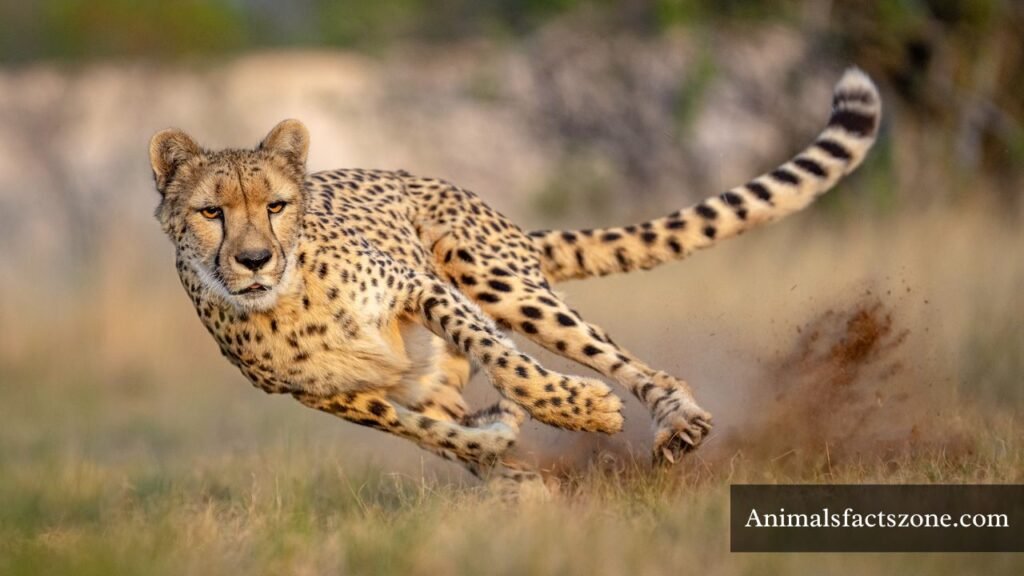
Beyond its physical utility, the cheetah’s tail is also a vital communication tool. When in a group or interacting with cubs, the distinctive gestures of the tail convey emotions and intentions, fostering social bonds. This multifaceted appendage underscores not only the cheetah’s adaptability as a predator but also its complex social dynamics, revealing that even the smallest features in the animal kingdom are intricately linked to their survival and daily lives.
Thresher Shark
Scientific Name: Alopias
Class: Chondrichthyes
Diet: Carnivore
The thresher shark, with its astonishingly long tail, captivates the imagination of marine enthusiasts and scientists alike. This tail — sometimes measuring nearly twice the length of the shark’s body — functions as a powerful weapon. Thresher sharks use it to stun prey, such as schooling fish, by delivering swift, sweeping motions that create a shockwave. This unique hunting strategy not only showcases their adaptability but also highlights the interplay between form and function in the marine ecosystem.
Beyond their impressive tail, thresher sharks also display intriguing social behaviors. They are often observed breaching the surface of the water, a spectacle that serves both as a form of communication and a method for disorienting schools of fish. These aerial displays not only demonstrate their agility but also raise questions about the cognitive abilities of sharks and their capacity for complex behaviors. As we continue to study these remarkable creatures, we’re continually reminded that the ocean harbors countless mysteries waiting to be uncovered.
Long-Tailed Grass Lizard
Scientific Name: Takydromus sexlineatus
Class: Reptilia
Diet: Insectivore
The Long-Tailed Grass Lizard, with its slender, elongated tail that can measure up to three times the length of its body, is a master of camouflage and agility. Found in the grasslands and forests of Southeast Asia, this lizard expertly blends into its environment, relying on its tail not just for balance but also as a distraction from predators. When threatened, it can drop its tail — a process called autotomy — allowing it a chance to escape while the predator is left perplexed by the wriggling appendage.
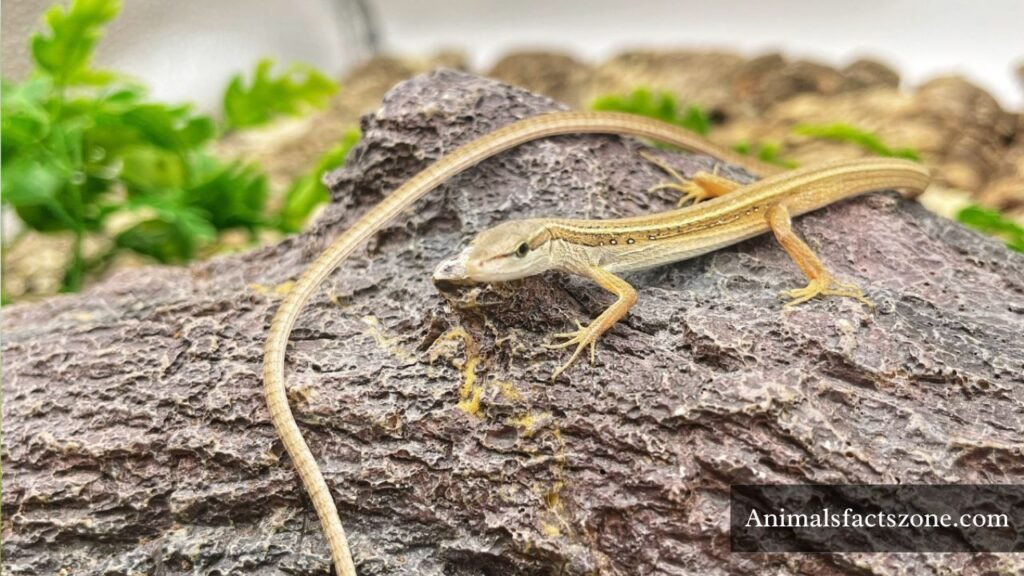
What makes the Long-Tailed Grass Lizard particularly fascinating is its unique behavior; it uses its tail almost like a walking stick while navigating through dense vegetation. This adaptation not only aids in maintaining stability but also enhances its ability to hunt insects swiftly among grasses. Furthermore, recent research suggests that lizards may use their tails in social signaling, communicating dominance or submission to other lizards. This remarkable blend of utility and survival showcases the evolutionary ingenuity embedded in the life of this small but striking reptile.
Red Fox
Scientific Name: Vulpes vulpes
Class: Mammalia
Diet: Omnivore
The red fox, with its bushy tail accounting for about two-thirds of its body length, exemplifies nature’s brilliance in adaptation. This long, elegant appendage isn’t just for show; it serves crucial functions in the fox’s daily life. When hunting, the red fox uses its tail for balance, allowing it to navigate swiftly through various terrains and dart after prey with agility. In colder climates, the bushy tail also acts as a warm blanket, wrapping around the fox during frigid nights to retain body heat.
The tail is a vital communication tool, conveying emotions and intentions. When a red fox feels threatened, it holds its tail high, showcasing confidence and dominance, while a lowered tail signifies submission. The interplay of their vibrant fur and expressive tails creates a captivating visual tableau, illustrating a deeper connection between form and function in the animal kingdom. This fascinating anatomy not only enhances the red fox’s survival strategy but also enriches the tapestry of wildlife, reminding us of the intricate adaptations that shape each species’ story.
Angola Colobus
Scientific Name: Colobus angolensis
Class: Mammalia
Diet: Herbivore
The Angola colobus, a striking primate found in the lush forests of Central and West Africa, boasts a tail that serves as more than just an appendage; it’s a lifeline in the treetops. This long, prehensile tail allows them to navigate their arboreal habitat with remarkable agility, making it an essential tool for balance as they swing gracefully between branches. Unlike many other primate species, the Angola colobus is primarily folivorous, relying on a specialized digestive system to process the tough leaves that make up the bulk of their diet. Their long tails also play a role in communication, acting as visual signals among members of their social groups.
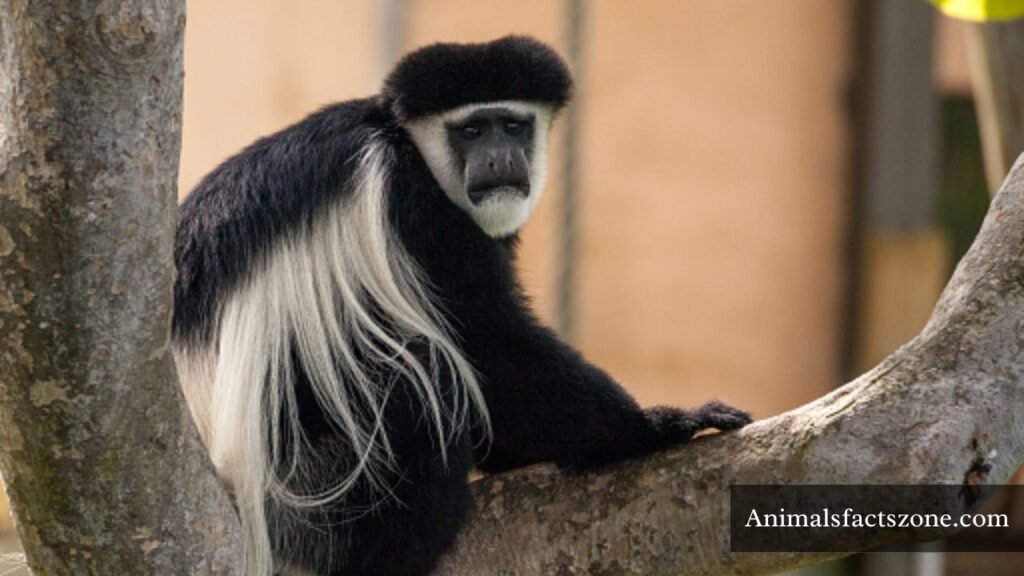
Interestingly, the color of their fur, typically a striking black and white, contrasts beautifully with the vibrant greens of their environment. This color palette not only adds to their aesthetic charm but also provides camouflage against predators, blending seamlessly with the dappled light of the forest canopy. Their social structures are fascinating; these colobus monkeys live in small, cohesive groups, with the long tails of the males often becoming symbols of maturity and dominance among the troop. As they leap and frolic through the forest, the Angola colobus epitomizes the intricate balance of nature, where form and function unite in the most elegant of ways.
You can also read: Explore Top 12 Animals With Shells.
Ring-tailed Coatis
Scientific Name: Nasua nasua
Class: Mammalia
Diet: Omnivore
Ring-tailed coatis, with their strikingly long, banded tails, are more than just a visual delight; they are fascinating creatures that embody the essence of adaptability. Found primarily in the forests and grasslands of Central and South America, these agile mammals use their tails for balance and communication. Their long tails serve as a social tool, allowing them to signal to other members of their troop, especially when navigating through dense underbrush or during their playful escapades.
In addition to being a visual identifier, a ring-tailed coati’s elongated tail aids in their foraging behavior. As they explore trees in search of insects or fruits, they often utilize their tails for stabilization, enabling them to reach the most delectable treats high above the ground. This remarkable ability to blend functional anatomy with social interaction offers a unique glimpse into the complexities of coati society, where cooperation and communication are key to survival in the wild. So next time you spot a coati, take a moment to appreciate not just its energetic movements but also the role its long tail plays in the intricate dance of life in the wild.
Giant Anteater
Scientific Name: Myrmecophaga tridactyla
Class: Mammalia
Diet: Insectivore
The giant anteater, with its strikingly long tail, is often underestimated in the world of elongated appendages. This unique feature isn’t just for show; it serves multiple vital functions in the anteater’s daily life. For instance, when the anteater curls its tail, it provides a protective cover, akin to an umbrella, shielding its body from harsh weather or potential predators. Moreover, the tail enhances its balance as the creature navigates through dense vegetation, allowing for more agile movements while searching for its next meal of ants and termites.
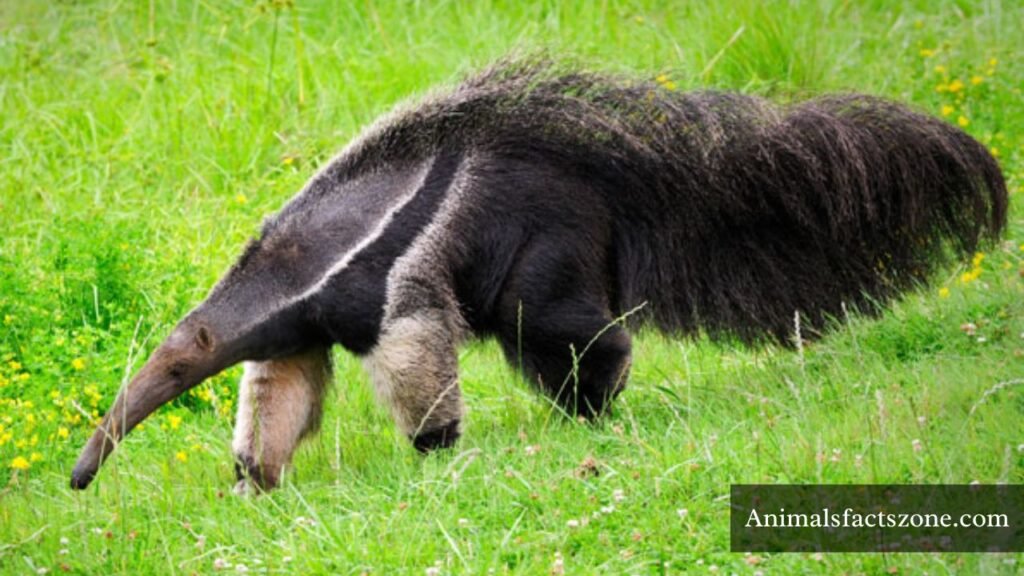
Beyond practicality, the giant anteater’s tail is also a fascinating element in its communication repertoire. When threatened, it can display its tail in a flicking motion, which may serve as a warning to potential threats. This adds an intriguing layer to how these animals interact with their environment. In fact, the tail can even be an indicator of the anteater’s mood; a raised tail might signify contentment, while a lowered one can indicate stress. The giant anteater thus embodies a remarkable blend of function and expression, illustrating how even the simplest features can play profound roles in wildlife dynamics.
Snow Leopard
Scientific Name: Panthera uncia
Class: Mammalia
Diet: Carnivore
The snow leopard’s long, thick tail serves a dual purpose, functioning both as an extraordinary balancing tool and a cozy scarf against the biting cold of its high-altitude habitat. Measuring up to three feet in length, this adaptation enables the elusive feline to navigate steep, rocky terrains effortlessly while also providing stability during agile leaps. In a world where agility is key to survival, the tail becomes an extension of the body, allowing the snow leopard to execute precision movements while stalking its prey.
Beyond its physical utility, the tail plays a significant role in communication. Snow leopards often utilize tail movements to convey emotions or signals to one another, showcasing a complex social structure that isn’t immediately visible to casual observers. These majestic creatures, often dubbed “the ghosts of the mountains,” embody a rich tapestry of adaptations that underscore the delicate balance between beauty and survival in some of the world’s harshest climates. Their long tails are not just features of physical prowess; they symbolize resilience and the intricate dance of life in the wild.
Howler Monkey
Scientific Name: Alouatta
Class: Mammalia
Diet: Herbivore
The howler monkey, with its strikingly long tail, is a marvel of evolution and adaptation. This prehensile appendage serves as an essential tool in its arboreal lifestyle, allowing these agile primates to grasp branches and navigate the treetops with ease. What’s particularly fascinating is how their tails, often longer than their bodies, provide balance and stability, enabling them to traverse narrow branches and reach for food high above the ground. This adaptability is a testament to their specialized niche in the lush canopy, where mobility is key for avoiding predators and accessing diverse diets.
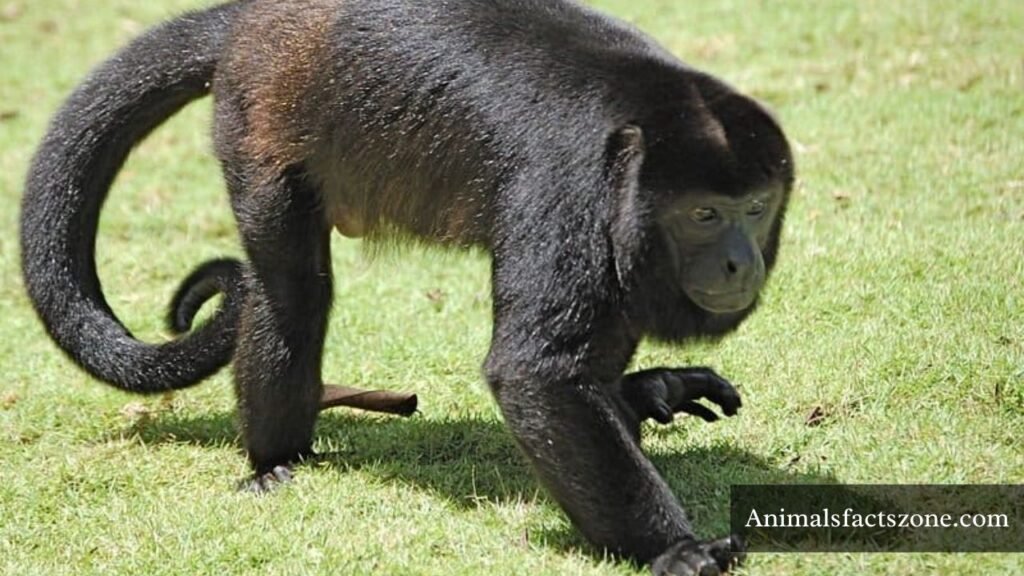
Beyond their physical capabilities, howler monkeys are known for their distinctive vocalizations, which can carry for miles through dense forests. Their long tails play a subtle yet significant role here; the monkeys often use them to help project their bodies outward while calling, enhancing the acoustics of their vocalizations. This behavior not only strengthens social bonds within troops but also marks their territory, making their haunting howls a captivating symphony of the jungle. In a world where survival often hinges on adaptation, the howler monkey stands out as a perfect blend of form and function, illustrating the intricate connections that define life in the wild.
Peacock
Scientific Name: Pavo cristatus
Class: Aves
Diet: Omnivore
The peacock, renowned for its stunning plumage, boasts a tail that is not just showy but serves as a fascinating evolutionary marvel. These long, iridescent feathers, or “train,” can reach lengths of up to six feet, making them a breathtaking sight during mating displays. The vibrant patterns are not merely for aesthetic pleasure; they play a critical role in attracting females, signaling health and genetic fitness. As a peacock fans its feathers, the intricate eyespots create a visual symphony that captures the attention of potential mates and even predators, acting as both a display and a defense mechanism.
Moreover, the peacock’s tail offers an insightful glimpse into sexual selection in nature. While a lengthy tail may seem burdensome, it showcases the peacock’s resilience — surviving despite the added weight makes it an even more impressive contender for mating. Science suggests that females are drawn to longer trains, favoring mates with more extravagant feathers, which in turn influences the evolution of these remarkable tails over generations. This dance of natural selection not only highlights the peacock’s striking beauty but also underscores the complex interplay between survival, attraction, and evolutionary adaptiveness.
Leopard Whipray
Scientific Name: Himantura leoparda
Class: Chondrichthyes
Diet: Carnivore
The Leopard Whipray, a mesmerizing creature of the shallow coastal waters, showcases one of the ocean’s longest tails, often exceeding the length of its body. This appendage serves multiple purposes, from aiding in swift navigation through sandy sea beds to acting as a defense mechanism against potential predators. Unlike many rays, the whipray’s long tail is adorned with a delicate, whip-like structure that can deliver a sting, ensuring it remains a formidable presence in its habitat.
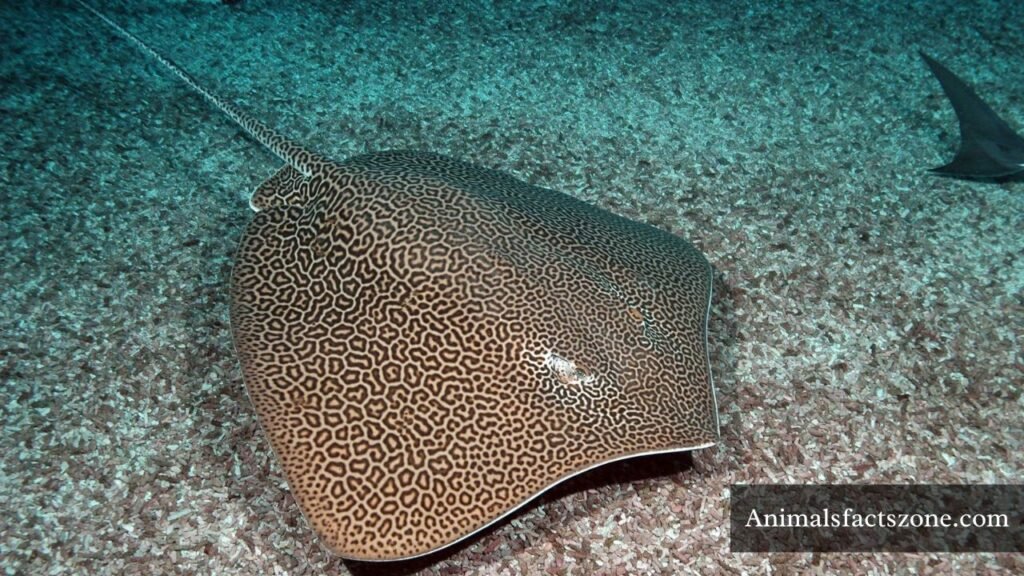
Observing a Leopard Whipray gracefully gliding over the ocean floor evokes a surreal experience, as if watching a dancer performing in a tranquil underwater ballet. Their striking, spotted coloration not only camouflages them against the sea floor but also plays a role in their social interactions. The unique patterns can convey information to their peers, shedding light on their mating behaviors. Fascinatingly, these creatures are not just passive victims of their environment; they adapt and thrive in the face of ecological changes, showcasing resilience that captivates marine biologists and nature enthusiasts alike. Each sighting of a Leopard Whipray is not just a visual treat, but a reminder of the intricate balance and beauty that define oceanic ecosystems.
Chameleon
Scientific Name: Chamaeleonidae
Class: Reptilia
Diet: Insectivore
Chameleons are remarkable creatures known for their vibrant colors and remarkable adaptability, but their long tails deserve equal appreciation. These prehensile appendages serve as a vital tool for balance, allowing chameleons to navigate their arboreal habitats with grace. When perched on branches, their tails act like a fifth limb, enabling them to hold on tightly while they survey their surroundings for potential prey or predators.
Moreover, the tail of a chameleon is not just functional; it adds to their mesmerizing charm. In moments of ambush, chameleons can curl and unfurl their tails, creating a visual spectacle that can distract or confuse both unsuspecting insects and curious onlookers. This unique behavior, combined with their color-shifting abilities, makes them not only skilled hunters but also fascinating subjects for study in the realm of animal behavior and ecology. Understanding the intricacies of their tails opens up new avenues for appreciating the delicate balance of life in their forest homes.
Spider Monkey
Scientific Name: Ateles
Class: Mammalia
Diet: Herbivore
The spider monkey, a fascinating acrobat of the treetops, showcases its long, prehensile tail as a remarkable adaptation that enhances both mobility and survival. This unique tail functions much like a fifth limb, allowing them to deftly swing between branches while foraging for fruits and leaves. The spider monkey’s impressive agility, paired with its extraordinary grip, reveals the evolutionary wonders that have shaped its interaction with the canopy environment.
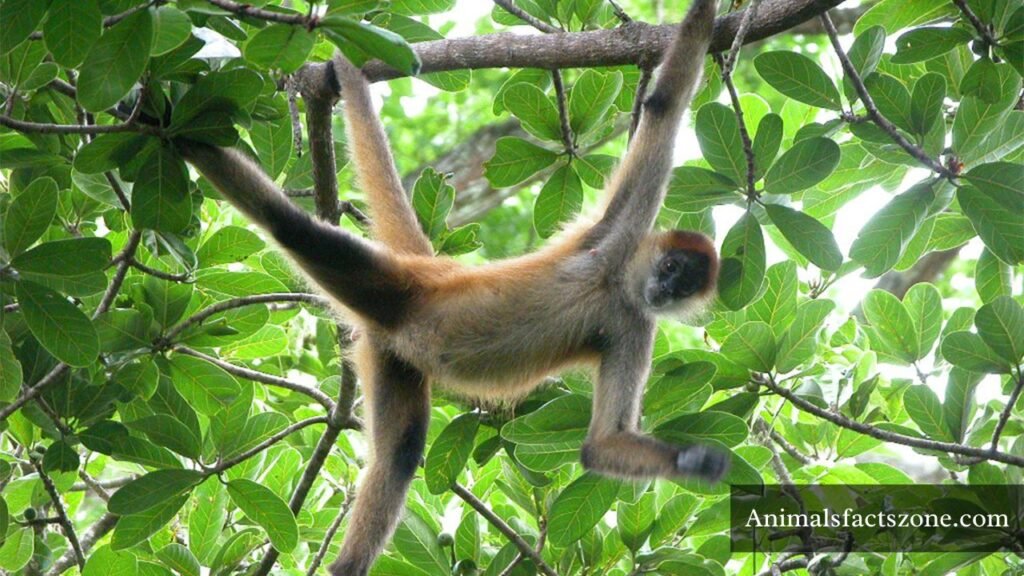
In social structures, these monkeys demonstrate a remarkable sense of cooperation, often using their tails to maintain balance while navigating treacherous heights. Their long tails don’t just serve practical purposes; they also play a role in communication, helping convey emotions or alerting others to nearby dangers. By observing their dynamic movements and social behaviors, one can appreciate how their tails, both a tool and a language, become integral to the spider monkey’s survival and connection within its troop.
Readmore: Explore Top 25 Most Quiet Animals.
Squirrel
Scientific Name: Sciuridae
Class: Mammalia
Diet: Omnivore
Squirrels are more than just playful creatures darting through parks; their long tails serve multifaceted purposes that enhance their survival. These bushy appendages act as a balancing tool, allowing squirrels to navigate narrow branches and leap between trees with impressive agility. When perched high up, the tail can even act as a stabilizer, ensuring they don’t lose their footing during energetic acrobatics.
Beyond mere balance, squirrel tails are critical for communication. Through a series of flicks and twitches, squirrels convey messages to one another, signaling alarm or indicating social interactions. In colder months, their tails also function as a protective blanket, wrapping around their bodies to conserve heat. This clever adaptation showcases an intricate relationship between physical traits and environmental needs, reminding us that even the most playful behaviors are rooted in survival instinct. Observing these creatures in their natural habitat reveals a world where strategy and fun coexist, all tied together by that iconic long tail.
Giraffe
Scientific Name: Giraffa camelopardalis
Class: Mammalia
Diet: Herbivore
Giraffes are often celebrated for their impressive height, but their long tails serve specific functions that are equally fascinating. These tails can reach up to three feet in length and play a crucial role in communication and social interactions among these majestic creatures. A swift flick of their tails can signal annoyance or discomfort, effectively relaying feelings to nearby giraffes without the need for vocalizations.
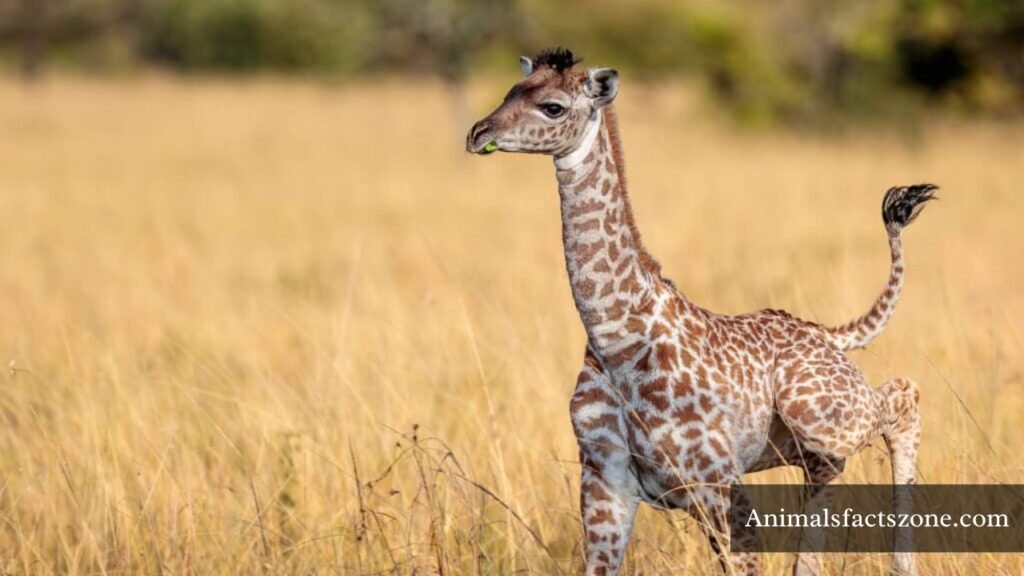
Moreover, the tail also acts as a natural fly swatter, helping to keep pesky insects at bay while the giraffes graze. This adaptation is especially vital in the African savanna, where insects can be relentless. Furthermore, a giraffe’s tail contrasts beautifully with its patterned coat, a visual marvel that captivates not only other animals but also wildlife enthusiasts and photographers alike. The interplay of form and function in a giraffe’s tail underscores the intricate relationships these animals maintain within their ecosystem.
Jerboas
Scientific Name: Dipodidae
Class: Mammalia
Diet: Omnivore
Jerboas, those fascinating desert-dwelling rodents, are perhaps best known for their remarkable long tails that can stretch nearly twice the length of their bodies. This extraordinary feature serves multiple purposes, acting not just as a balance aid during their impressive leaps, but also helping them navigate the sandy terrain of their arid habitats. Their tails possess keen sensory capabilities, which assist them in detecting changes in their environment, providing a sophisticated edge in their survival toolkit.
Moreover, jerboas’ tail length is a testament to their evolutionary adaptations. While their lengths may appear whimsical, these appendages are crucial for thermoregulation; they help disperse excess body heat in the scorching desert sun. It’s intriguing to think of the jerboa as both a nimble acrobat and a master of its environment, skillfully maneuvering through the dunes while relying on its long tail to maintain both agility and balance. As stewards of arid landscapes, jerboas remind us of the incredible ways animals adapt to harsh conditions, showcasing the intricate connections between form, function, and survival.
Black-and-White Ruffed Lemur
Scientific Name: Varecia variegata
Class: Mammalia
Diet: Herbivore
The Black-and-White Ruffed Lemur, native to the lush rainforests of Madagascar, boasts a strikingly long tail that serves multiple purposes beyond mere aesthetics. This extraordinary appendage not only aids in balance as they navigate the treetops but also functions as a social signaling tool. When these lemurs leap from branch to branch, their tails unfurl like a flag, helping them maintain stability while simultaneously communicating their emotional state to other members of their troop.
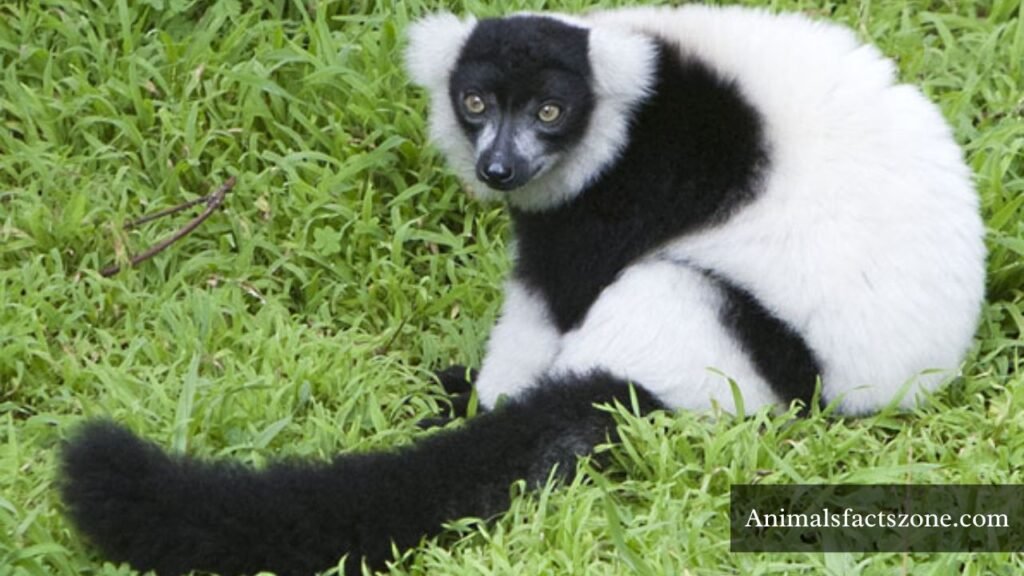
Moreover, their tails play a pivotal role in grooming rituals, an essential aspect of lemur social structure. The ability to reach every inch of their bodies with a long tail allows them to engage in complex grooming interactions, fostering bonds within their social groups. Observing these playful creatures, one can’t help but be struck by how their tail embodies both utility and charisma, a testament to evolution’s ingenuity in shaping behaviors that enhance survival and social cohesion.
Pangolin
Scientific Name: Pholidota
Class: Mammalia
Diet: Insectivore
Pangolins, often referred to as “scaly anteaters,” possess tails that are not only long but also remarkably versatile. These tails serve multiple purposes; they act as a balancing tool during climbing and can even be used for defense. In treetops, the pangolin gracefully navigates branches, using its tail to maintain stability while searching for ants and termites hidden beneath the bark.
What sets the pangolin apart is the unique way it utilizes its tail during social interactions. When threatened by predators, the pangolin can curl into a tight ball, with its tail wrapping around its body, creating a formidable shield of armor. This behavior not only showcases its remarkable adaptability but also emphasizes its defensive strategy in a world where it has few natural enemies. As fascinating as their tails are, they also highlight the pangolin’s plight; despite their unique features, these remarkable creatures are heavily trafficked for their scales and meat.
Clouded Leopard
Scientific Name: Neofelis nebulosa
Class: Mammalia
Diet: Carnivore
The clouded leopard, a master of stealth and agility, showcases its long, elegant tail as a crucial tool in its survival strategy. Stretching nearly as long as its body, this tail acts like a balancing pole, allowing the leopard to navigate the treetops of Southeast Asia with unparalleled grace. As these magnificent cats leap from branch to branch, their tails serve not just as stabilizers but as communicative extensions, offering a visual display to other leopards in the dense foliage.
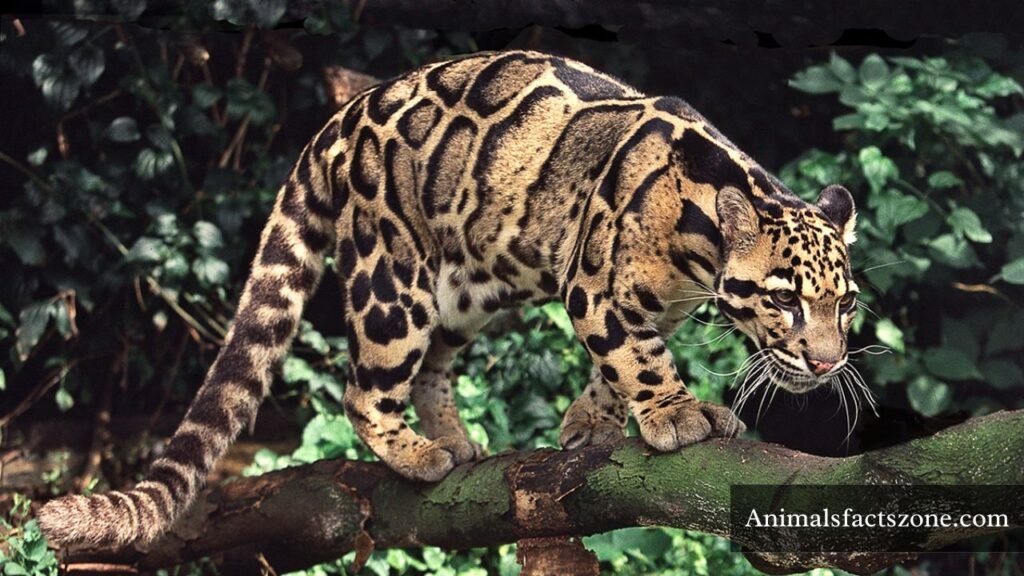
Unlike many big cats, the clouded leopard possesses uniquely flexible ankles that enable it to climb headfirst down trees, a skill enhanced by its long tail. This adaptation not only assists in hunting arboreal prey but also serves as an escape mechanism from larger predators. In this lush forest habitat, the tail becomes a metaphorical lifeline, crucial for both survival and social interaction. The clouded leopard exemplifies how a simple anatomical feature can evolve into a multi-functional asset, showcasing nature’s ingenuity in adapting to diverse environment.
Readmore: Top 13 Small Animals with Big Eyes.
Final Thoughts
Animals with long tail play vital roles in their ecosystems and exhibit fascinating behaviors that highlight their adaptability and evolutionary success. From the agile monkeys swinging through the treetops to the graceful peacocks displaying their stunning plumage, the diversity among these creatures is truly remarkable. Long tails serve various purposes, such as communication, balance, and even hunting strategies, demonstrating the intricate connections in nature. As we continue to learn about these fascinating animals, it becomes increasingly clear that every aspect of their anatomy has a purpose. Let’s take a moment to appreciate these unique creatures and consider how we can support their habitats and conservation efforts.
FAQs
Whose tail is the longest?
The longest tail in the animal kingdom belongs to the red kangaroo, which can have a tail that measures over three feet in length. However, when considering overall tail length relative to body size, the tree pie, a type of bird found in parts of Asia, boasts a remarkably long tail that can be nearly three times the length of its body.
Which animal has a fluffy tail?
Many animals are known for their fluffy tails, but one of the most iconic is the fox. Foxes, particularly the red fox, have bushy tails that not only add to their charm but also serve practical purposes. Their fluffy tails help with balance during agile movements and can be used as a warm cover in cold weather.
How long is a giraffes tail?
A giraffe’s tail is typically around 3 feet long. This helps them swat away insects and keep their rear clean.
Why do animals have tails?
Animals have tails for several functional reasons, primarily linked to balance and communication. For many species, such as cats and squirrels, tails help with balance while climbing or navigating through their environment. This is crucial for survival, as it aids in agility and stability. Tails also play a significant role in communication. Dogs wag their tails to express excitement or happiness, while other animals, like certain primates, use tail movements to signal to their group. Tails can serve as a defense mechanism, like in the case of certain reptiles that can shed their tails to escape predators. Overall, tails are versatile tools that enhance an animal’s ability to thrive in its habitat.