Top 18 Animals That Walk On Two Legs (With Images)
Have you ever considered how many animals defy the norm by choosing to walk on two legs? While you might instantly think of humans, you’d be amazed to discover that a variety of other species, from birds to mammals, have adapted to bipedal movement. In this article, we delve into the remarkable adaptations and behaviors of animals that walk on two legs, illustrating their importance in the broader ecosystem. You’ll gain insights into how bipedalism influences their survival, making this exploration both intriguing and educational.
List of Animals That Walk On Two Legs
Below is the list of bipedal animals in the world:
- Kangaroo
- Basilisk Lizard
- Wallaby
- Ostriches
- Emus
- Gorillas
- Penguins
- Chickens
- Turkeys
- Chimpanzees
- Flamingos
- Ducks
- Kangaroo Rat
- Gibbons
- Geese
- Parrots
- Orangutans
- Humans
Kangaroo
Scientific name: Macropus
Class: Mammalia
Diet: Herbivore
Kangaroos are not just unique in their impressive hopping abilities; their method of locomotion offers a fascinating glimpse into evolution and adaptation. When these marsupials stand upright, utilizing their powerful tail for balance, they can navigate their environment with surprising agility. This bipedal stance, while primarily used during social interactions or short bursts of speed, showcases a blend of strength and grace that is rarely seen in terrestrial animals.
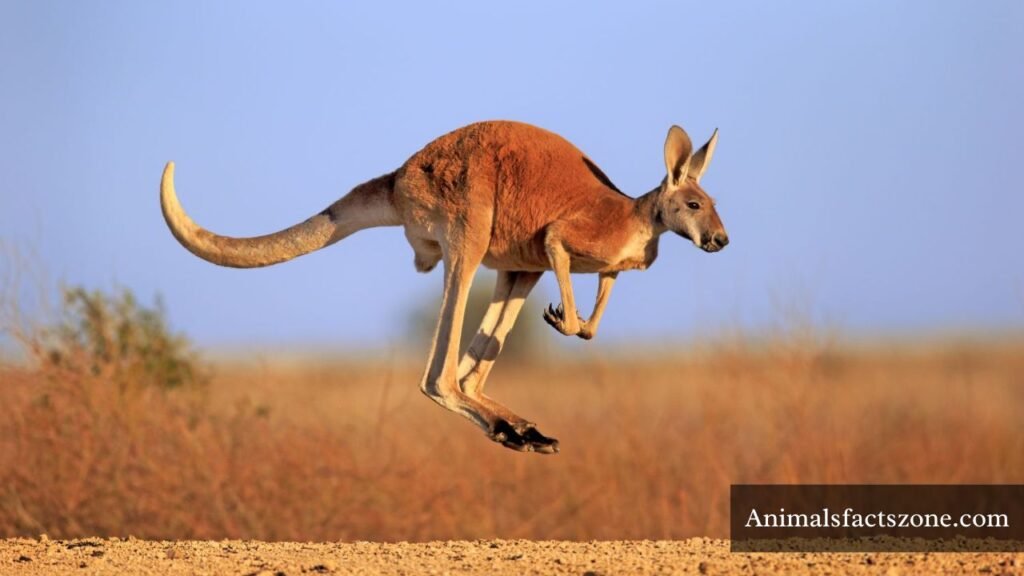
Moreover, kangaroos have adapted their movement to conserve energy efficiently. Their long, elastic tendons allow them to store energy as they hop, making it possible for them to travel vast distances across the Australian outback on just a few calories. This energy-efficient form of locomotion not only supports their survival in a challenging landscape but also highlights the intricate relationship between form and function in the animal kingdom. Observing a kangaroo’s unique stride can inspire a deeper appreciation for the various ways life adapts to thrive in diverse ecosystems.
Basilisk Lizard
Scientific name: Basiliscus basiliscus
Class: Reptilia
Diet: Omnivore
The Basilisk Lizard, often referred to as the “Jesus Christ Lizard” for its astonishing ability to run on water, showcases a remarkable adaptation that sets it apart in the animal kingdom. These lizards can sprint on their hind legs, creating a mesmerizing spectacle as they dash across the surface of calm waters, propelled by rapid, powerful strides. This ability, fueled by specially adapted toes that create a temporary pocket of air, not only serves as a means of escape from predators but also highlights the intricate relationship between evolution and survival.
Interestingly, the Basilisk’s two-legged locomotion isn’t just a quirky trait; it reflects a broader ingenuity in the animal kingdom. While many creatures utilize their forelimbs for locomotion, the Basilisk harnesses its hind legs in a way reminiscent of bipedalism, reminding us that nature often blurs the lines of traditional biological roles.
Wallaby
Class: Mammalia
Diet: Herbivore
Wallabies are fascinating marsupials that often make headlines for their unusual locomotion. While most people associate hopping with kangaroos, some wallaby species can also walk on two legs, particularly when they’re navigating tricky terrain or trying to reach higher foliage. This bipedal movement exemplifies the adaptability of these creatures, showcasing their ability to switch between bipedalism and the more typical hopping style depending on their environment and needs.
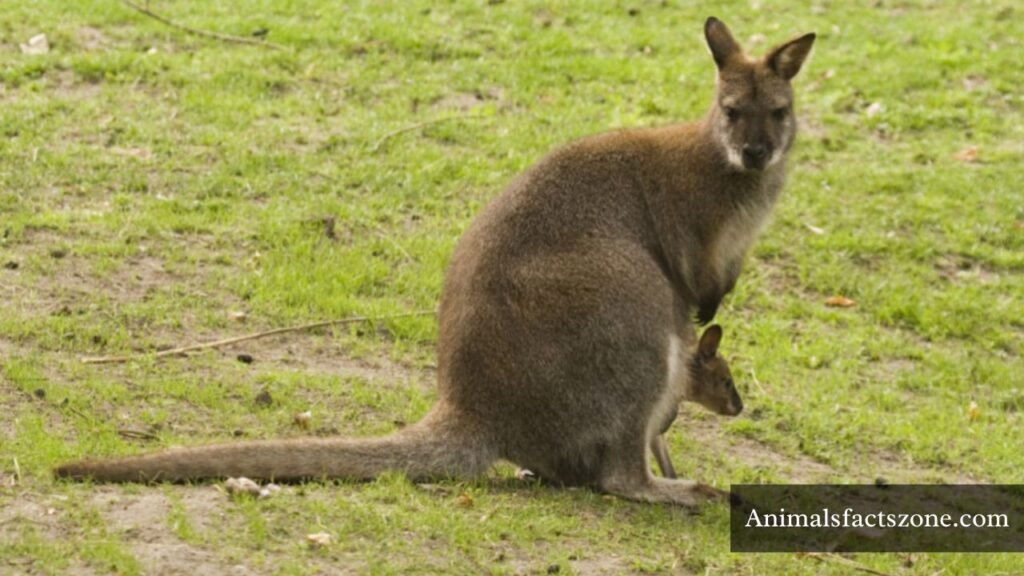
Wallabies exhibit a unique form of social interaction when they stand on two legs. During certain behaviors, like playing or displaying dominance, they may rear up, using their powerful tail for balance. This not only aids in communication but also enhances their ability to spot predators in the wild. Observing these moments can reshape our understanding of animal body language and interaction, revealing a complex social structure often overlooked in these seemingly simple creatures.
Moreover, wallabies have evolved to thrive in diverse habitats, from dense forests to arid grasslands. Their ability to walk bipedally aids in foraging, especially in environments where food is scarce. This intricate relationship between movement and habitat adaptability reminds us of nature’s ingenuity, as these agile marsupials navigate their worlds with remarkable ease and grace.
Ostriches
Scientific name: Struthio camelus
Class: Aves
Diet: Omnivore
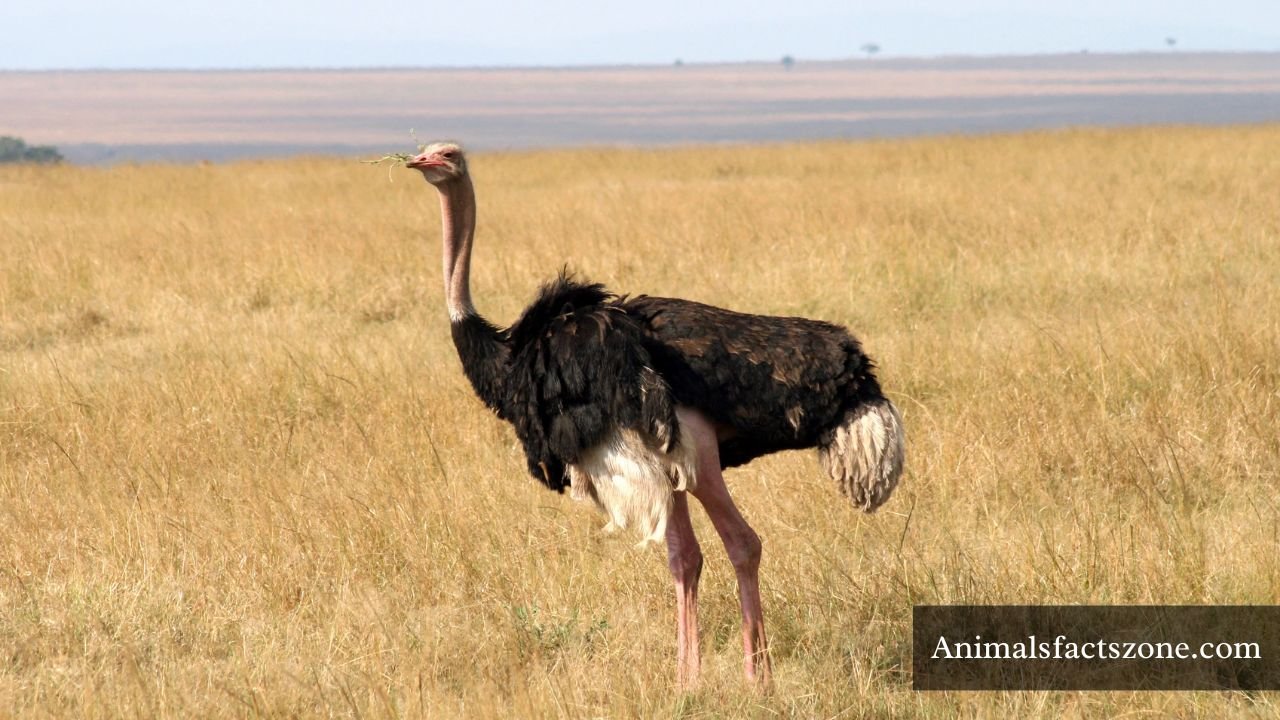
Ostriches, the world’s largest birds, have mastered the art of bipedalism in a way that fascinates both scientists and nature enthusiasts alike. Capable of sprinting up to 45 miles per hour, these flightless wonders have evolved strong, muscular legs that allow them to cover vast distances in search of food while keeping a vigilant eye out for predators. Their long strides not only enhance their speed but also help them regulate body temperature by exposing less surface area to the sun — a clever adaptation to their arid habitats.
Interestingly, ostriches have a unique social structure that reflects their two-legged lifestyle. In groups, these birds display intricate behaviors, such as synchronized walking, which strengthens their bonds and enhances group cohesion — neat reminders that even in the animal kingdom, teamwork is key. Their impressive height offers them a panoramic view of their surroundings, allowing them to act as sentinels, quickly alerting the flock to approaching threats. Thus, the bipedal gait of ostriches is not merely a means of locomotion; it embodies a complex interplay of speed, socialization, and survival in the wild.
Emus
Scientific name: Dromaius novaehollandiae
Class: Aves
Diet: Omnivore
Emus, the second-largest living bird species, not only capture our imagination with their size but also with their unique way of moving. Unlike most flightless birds that may prefer to scuttle or hop, emus primarily walk or run on their strong, long legs, often at impressive speeds of up to 30 miles per hour. This bipedal locomotion is not just effective for escaping predators; it also allows them to cover vast distances in search of food and water across the arid Australian landscape.
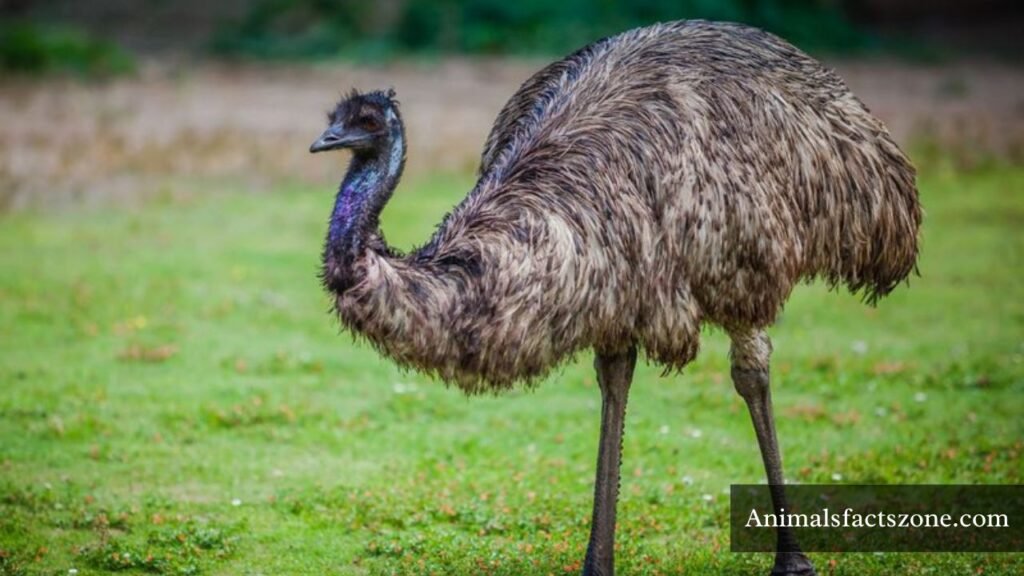
What truly sets emus apart is their social behavior and adaptability. While they may seem solitary at first glance, emus are known to form small groups, especially during breeding season. Their curious, often comical personalities lead them to interact not just with their peers but even with humans, showcasing a surprising level of intelligence. As they travel through varied habitats, their ability to thrive in harsh conditions serves as a fascinating example of evolutionary resilience, illustrating how adaptability has shaped not only their physical traits but also their social dynamics.
Gorillas
Class: Mammalia
Diet: Herbivore
Gorillas, while predominantly associated with powerful quadrupedal movements, exhibit an intriguing ability to walk on two legs, particularly when in a playful or exploratory state. This bipedal behavior isn’t just a whimsical quirk; it’s a fascinating skill that reflects their complex interaction with their environment and social groups. For instance, when reaching for fruit high in the canopy, they’ll momentarily stand upright, demonstrating an impressive adaptation that showcases both their intelligence and physical strength.
Observations of gorillas in the wild also reveal that they occasionally adopt bipedalism during social interactions. Whether it’s a display of dominance or engaging in playful behavior with troop members, this erect posture allows for enhanced communication and emotional expression. Interestingly, young gorillas seem to embrace this mode of movement more freely, reflecting their curiosity and signaling a natural inclination toward exploration.
Penguins
Scientific name: Spheniscidae
Class: Aves
Diet: Carnivore
Penguins, the charming flightless birds of the Southern Hemisphere, have mastered the art of bipedal movement in a way that feels almost whimsical. Their distinctive waddle is not just a comical display; it’s a highly effective way to conserve energy while navigating their cold habitats. Unlike many other birds that rely on flight for survival, penguins have adapted their body structure for swimming, making their two-legged gait all the more fascinating as it interlaces their aquatic and terrestrial lives.
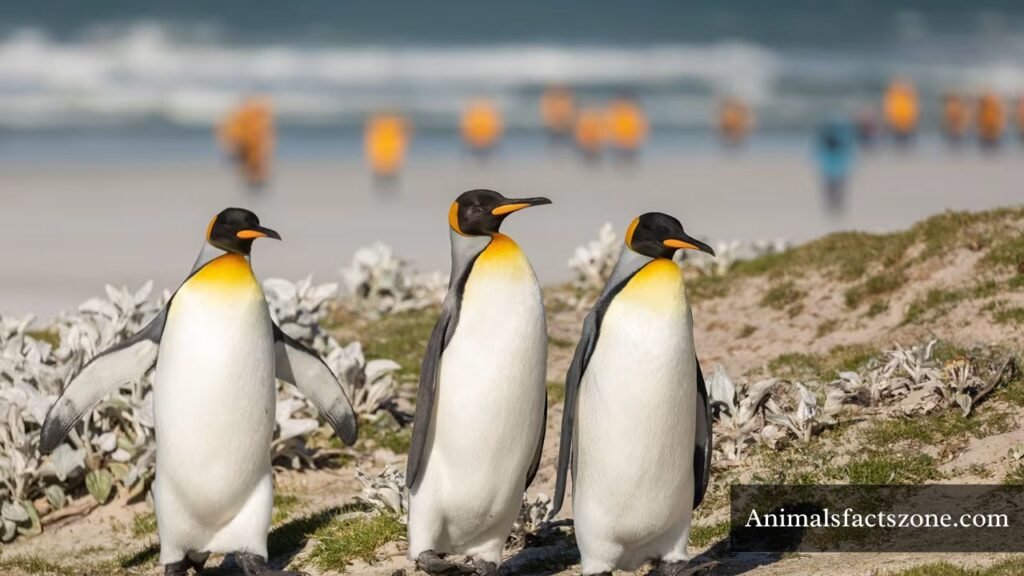
What sets penguins apart is not only their unique locomotion but also their complex social structures. These birds are remarkable in their ability to work together, whether it’s huddling for warmth during frigid winters or engaging in elaborate courtship displays. The way they waddle in groups mimics a synchronized dance, highlighting a sense of community that’s essential for survival in their harsh environments. Their bipedalism, therefore, goes beyond mobility; it fosters social connections that ensure everything from breeding to foraging success.
Chickens
Scientific name: Gallus gallus domesticus
Class: Aves
Diet: Omnivore
Chickens, while often associated with their clucking and clumsy waddles, possess a remarkable agility that goes beyond their conventional behavior. Surprisingly, they can walk on two legs with a surprising grace, especially when they’re excited or searching for food. This bipedal movement, although less frequent, showcases their adaptability and can be seen during their daily foraging adventures, where they hop and scurry to optimize their search for tasty morsels.
Beyond simply moving for sustenance, chickens exhibit complex social behaviors that enhance their bipedal antics. When they’re establishing pecking orders or engaging in playful interactions, you might observe them strutting proudly, puffing up their feathers while skillfully maintaining balance on their two legs. This dynamic behavior not only conveys their social hierarchy but also highlights their ability to communicate through body language, a testament to their intelligence.
Turkeys
Scientific name: Meleagris gallopavo
Class: Aves
Diet: Omnivore
Turkeys, often perceived merely as festive dinner centerpieces, boast fascinating behaviors and adaptations when it comes to bipedal locomotion. These birds are capable of walking, running, and even engaging in impressive displays using their two legs. In the wild, turkeys can dash through forests at speeds up to 20-25 miles per hour, showcasing their agility and ability to navigate complex environments. Their unique skeletal structure supports not just their mobility but also their impressive balance, allowing them to navigate branches and rough terrain with ease.
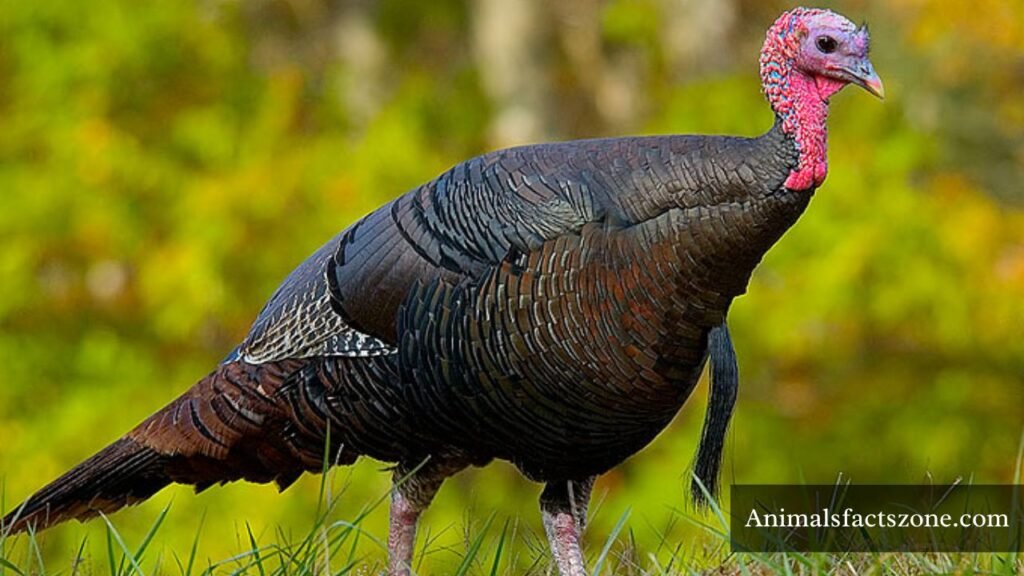
Beyond mere movement, turkeys utilize their two-legged stance for social interaction and communication. During mating rituals, males perform elaborate displays, puffing up their feathers and strutting about with an impressive gait to attract females. This bipedal posture not only showcases their physical prowess but also serves as a crucial element in their courtship behaviors.
Chimpanzees
Scientific name: Pan troglodytes
Class: Mammalia
Diet: Omnivore
Chimpanzees are fascinating creatures that challenge our understanding of bipedalism in the animal kingdom. While they primarily move about on all fours, these incredible apes can walk on two legs, showcasing a remarkable adaptability. Observations in the wild reveal that they adopt bipedalism not just for locomotion but also for strategic advantages — such as reaching for fruits high on trees or navigating through complex terrains with ease. This ability highlights their intelligence and problem-solving skills, offering a glimpse into the evolutionary journey shared with humans.
Moreover, social interactions among chimpanzees often involve bipedal displays. They engage in playful antics or assert dominance by standing upright, adding a layer of complexity to their communication methods. The way they balance their weight on two legs demonstrates their sophisticated musculature and the evolutionary pressure to adapt to changing environments.
Flamingos
Scientific name: Phoenicopterus
Class: Aves
Diet: Omnivore
Flamingos are fascinating for more than just their striking pink feathers; they’re renowned for their unique bipedal locomotion. Their long, spindly legs allow them to wade through shallow waters in search of food, a skill perfected over time. This graceful gait isn’t just for show; it serves a vital purpose in their feeding habits, as they stir up sediment to uncover small crustaceans, algae, and plankton.
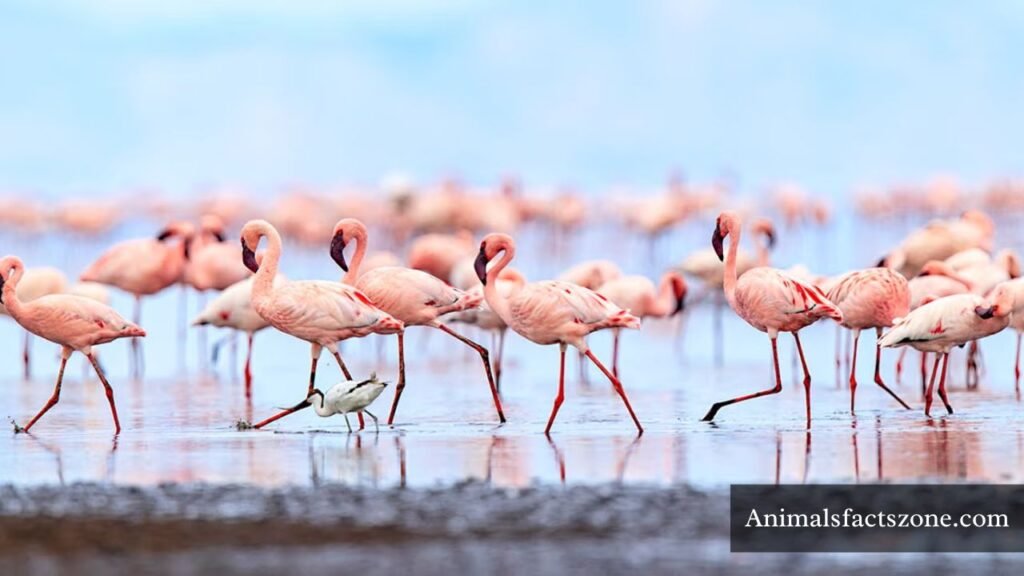
Interestingly, flamingos are more than just great walkers; their social structure greatly influences their behavior. These birds often engage in synchronized movements, creating stunning displays of unity that can captivate anyone lucky enough to witness them. This cooperative behavior extends to nesting and rearing young, highlighting their strong social bonds.
Ducks
Class: Aves
Diet: Omnivore
Ducks, typically seen paddling gracefully across ponds or waddling through parks, exhibit a surprising agility when they take to their two legs. While their distinctive quack and vibrant plumage steal the spotlight, it’s their upright stance that often goes unnoticed. This bipedal behavior not only helps them navigate terrestrial landscapes but also allows them to engage with their environment in unique ways, from foraging to displaying courtship rituals.
Interestingly, the scientific community has observed that ducks can maintain their balance remarkably well while walking, thanks to their unique anatomy. Their low center of gravity, coupled with powerful leg muscles, enables them to move with unexpected efficiency on land. Researchers suggest that this walking behavior could enhance their social interactions, as they engage more directly with one another and interact with various terrains, creating a richer tapestry of their social lives.
Kangaroo Rat
Scientific name: Dipodomys
Class: Mammalia
Diet: Herbivore
The kangaroo rat, a fascinating rodent native to North America, defies conventional expectations of how a rodent should move. Unlike its more familiar relatives that scurry on all fours, the kangaroo rat deftly hops on its powerful hind legs, resembling a miniature kangaroo. This unique mode of locomotion not only allows it to traverse the arid landscapes of deserts but also helps it evade predators. The combination of speed and agility makes the kangaroo rat an exceptional survivor in harsh environments where water is scarce and predators are aplenty.
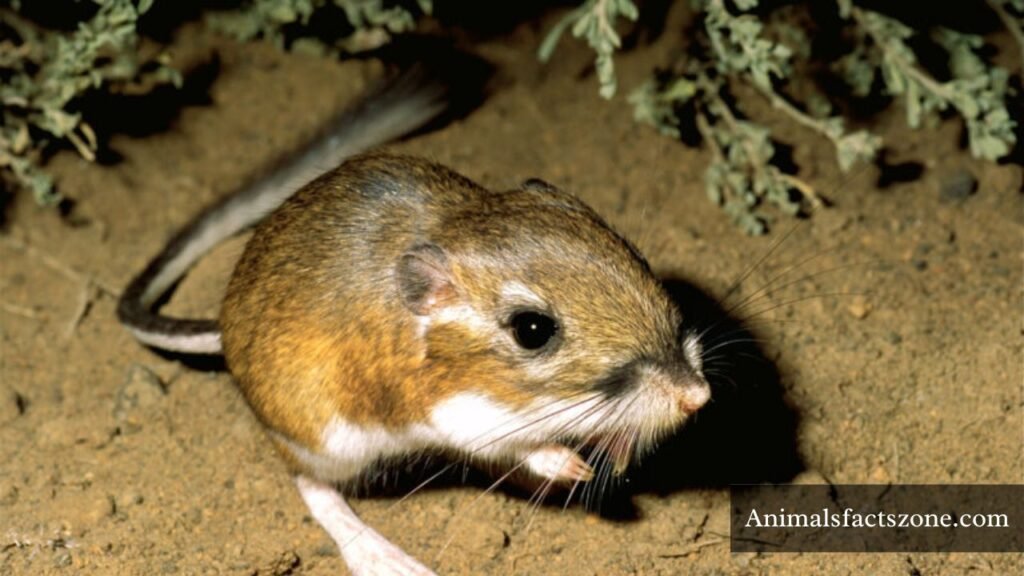
What sets the kangaroo rat apart is its ingenious adaptation to its environment. By utilizing its long hind legs, it can cover significant ground in a single bound, conserving energy and minimizing exposure to the intense desert heat. Moreover, the structure of its legs, combined with long, prehensile tails for balance, enables complex maneuvers that allow it to dodge enemies effortlessly. These remarkable creatures seldom drink water, deriving moisture from the seeds they consume. This unique evolutionary trait not only highlights their resilience but also showcases the intricate relationship between anatomy and habitat in the animal kingdom.
Gibbons
Scientific name: Hylobatidae
Class: Mammalia
Diet: Omnivore
Gibbons are fascinating primates known for their distinctive mode of locomotion called brachiation, which involves swinging gracefully from branch to branch using their long arms. However, what many may not realize is that these agile creatures occasionally adopt a bipedal gait, particularly when they find themselves on the ground. This unusual behavior, seldom seen in other tree-dwelling animals, showcases their remarkable adaptability and highlights an interesting evolutionary link between our species and theirs.
What sets gibbons apart is their extraordinary vocal prowess, with their calls resonating through the forests like a melodic symphony. These songs serve not only to reinforce social bonds but also to establish territory. Observing gibbons walk on two legs while belting out their harmonious tunes offers a striking glimpse into their social dynamics, as they communicate seamlessly with both body and voice. It’s a reminder of the complexity of animal behavior, suggesting that bipedalism is not merely a means of getting from one place to another, but also an expression of self and community in the lush canopies they call home.
Geese
Class: Aves
Diet: Herbivore
Geese are fascinating creatures that embody a unique blend of grace and tenacity as they waddle on two legs. Their bipedal walk is not just a quirky trait; it serves practical purposes. This upright gait allows geese to navigate their environments efficiently, whether foraging for food or maintaining a vigilant watch against predators. Observing them in parks or near water bodies, you might notice how their posture shifts as they communicate with one another, using body language that highlights their social structure.
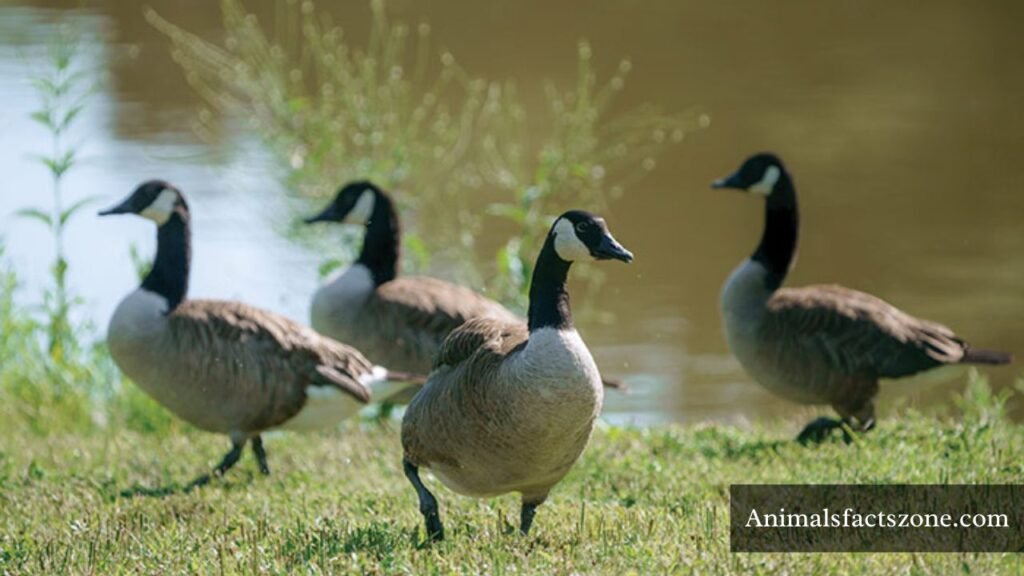
Beyond their physical capabilities, geese are known for their strong family bonds and migratory instincts. They often move in synchronized formations during migration, a strategy that enhances their flight efficiency but also speaks volumes about their social cohesion.
Parrots
Scientific name: Psittaciformes
Class: Aves
Diet: Herbivore
Parrots are fascinating creatures that not only capture our hearts with their vibrant colors and charming personalities but also intrigue us with their surprising ability to walk on two legs. While their natural gait involves a typical avian method of hopping or flapping, some species, particularly larger ones like macaws, exhibit bipedal locomotion when foraging or interacting socially. This unique behavior emphasizes their intelligence and adaptability, allowing them to navigate their environments in creative ways.
Observing a parrot in this stance offers captivating insights into the evolutionary traits shared with ground-dwelling birds. Their zygodactyl feet, featuring two toes pointing forward and two backward, enable them to grasp effectively while maintaining balance. This anatomical marvel allows them to transition seamlessly between climbing and walking, suggesting an evolutionary advantage that could enhance their foraging strategies in the wild. As these intelligent birds forge lasting social bonds, their playful bipedal movement highlights their capacity for complex communication and social interaction, adding a layer of charisma to their already enchanting presence.
Orangutans
Class: Mammalia
Diet: Omnivore
Orangutans are often celebrated for their remarkable cognitive abilities, but their unique locomotion is equally fascinating. While these great apes predominantly move about on all fours, their occasional bipedalism reveals a complex adaptive strategy. In dense rainforests, using two legs can help orangutans reach for fruit high in the canopy or traverse narrow branches. This ability showcases not only their physical adaptability but also a level of problem-solving intelligence that reflects their nuanced interactions with the environment.
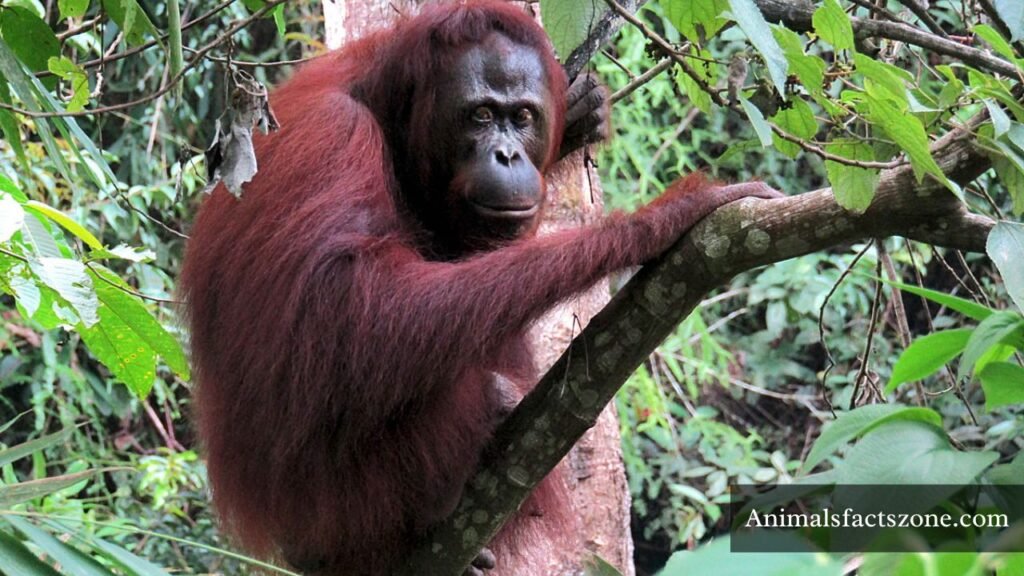
Moreover, the emergence of bipedalism in orangutans serves as a compelling study in evolutionary biology. Their skeletal structure is not perfectly suited for long-distance walking on two legs, yet they occasionally choose to rise up, showcasing a conscious decision-making process. This highlights a vital aspect of their behavior: the balance between instinct and intelligence in navigating their arboreal habitat.
Humans
Scientific name: Homo sapiens
Class: Mammalia
Diet: Omnivore
Humans, the only species capable of full bipedal locomotion, showcase an astonishing blend of physical and cognitive evolution. Our upright posture frees the hands, enabling complex tool use and intricate social interactions that define human civilization. Unlike many animals that may occasionally stand on two legs, our anatomy has adapted for consistent two-legged movement, reshaping the very landscape of our societies.
This unique form of locomotion not only impacts how we move but also affects our perception of the world. Walking upright alters our range of vision; we can scan the horizon and navigate varied terrains with curiosity and intent. This perspective is deeply woven into our evolutionary fabric, fostering creativity and innovation.
Readmore: Explore Top 24 Most Skinny Animals.
Final Thoughts
The diversity of animals that walk on two legs reveals much about the evolution of mobility and survival strategies in nature. Species such as birds and some primates showcase how bipedalism can lead to success in various environments, allowing them to navigate their worlds with agility and efficiency. Understanding these creatures’ adaptations enriches our knowledge of biology and highlights the intricate connections among all living beings. As we confront the challenges of habitat loss and climate change, it becomes increasingly crucial to protect these unique animals and their environments. Join the movement to conserve wildlife and ensure that these extraordinary bipedal species continue to thrive.
FAQs
What animals walk on two legs?
Several animals are known to walk on two legs, primarily humans. Our unique anatomy allows us to walk upright, which provides advantages like freeing our hands for tool use. Beyond humans, some birds, like ostriches and emus, primarily use their two legs for movement. Other animals, like kangaroos, can also “walk” on two legs, though they often use their large tails for balance.
Do penguins walk on two legs?
Yes, penguins do walk on two legs! Unlike many birds that fly, penguins are adapted to life in the water and primarily use their flippers for swimming. On land, they waddle in a charming and somewhat clumsy manner, primarily because of their body shape and short legs. Their bipedal walking is efficient for their needs, allowing them to move between their nesting sites and the ocean.
Do gorillas walk on two legs?
Gorillas primarily use all four limbs to move around, a style known as knuckle-walking. This method is efficient for their size and helps them navigate the dense jungles they inhabit. While they can stand and walk on two legs for short distances, it’s not their natural or preferred way of moving. Occasionally, you might see a gorilla walking upright in captivity, especially if motivated by food or interaction, but it’s not sustainable for them over longer distances.