Top 31 Animals that Live in Groups (With Images)
In the wild, animals that live in groups showcase fascinating behaviors and strategies that enhance their survival and social structures. Understanding these dynamic communities not only deepens our appreciation for wildlife but also sheds light on the complexities of their interactions. In this article, we’ll explore the various types of social animals, their unique characteristics, and the benefits of living in groups.
List of Animals that Live in Groups
Here is the list of animals that live in groups:
- Dolphins
- Ants
- Prairie dogs
- Red Fox
- American Alligator
- African Wild Dogs
- Killer Whales/Orcas
- Chimpanzees
- Zebra
- Meerkats
- Raccoons
- Giraffes
- Horses
- Sheep
- Honeybees
- Rats
- Lions
- Sea Otters
- Guinea Baboon
- Crows
- Wolves
- Parrots
- Bats
- Elephants
- Jellyfish
- Spotted Hyenas
- Flamingos
- Emperor Penguins
- Gorillas
- Camels
- Deer
Dolphins
Scientific Name: Delphinidae
Class: Mammalia
Diet: Carnivore
Dolphins are among the most social creatures in the animal kingdom, famously forming tight-knit pods that can range from a few individuals to over a hundred. These intelligent mammals use complex communication methods, including a rich array of vocalizations and body language, to strengthen their social bonds. Their cooperative behavior is evident in activities like hunting, where they employ sophisticated techniques such as herding fish into tight balls to make for easier feeding. This communal approach not only increases individual success rates but also reinforces the group’s cohesion.
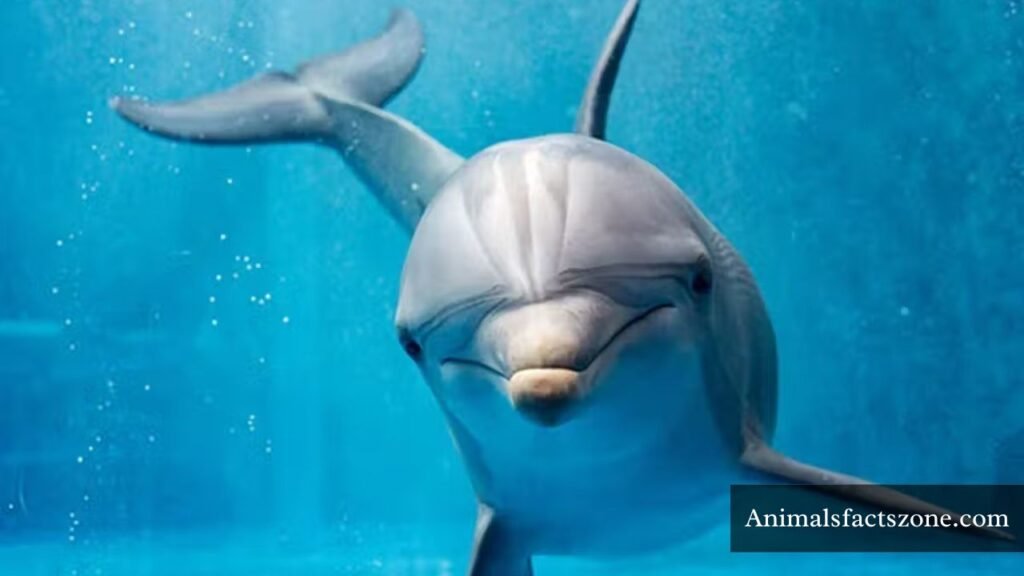
What’s truly fascinating about dolphin societies is their intricate social hierarchies, which can change as individuals age or shift in their relationships. While some dolphins display a strong preference for lifelong mates, others participate in dynamic social networks that can include playful interactions and cooperative breeding. Observing these social structures challenges our understanding of intelligence in non-human species, highlighting the emotional depth and complexity found in their interactions. This rich tapestry of relationships not only sustains their survival but also paints a compelling picture of the marine world’s social landscape.
Ants
Scientific Name: Formicidae
Class: Insecta
Diet: Omnivore
Ants are marvels of cooperation, showcasing a level of social organization that inspires awe in the natural world. Living in colonies that can range from just a few individuals to millions, these tiny creatures exemplify collective intelligence, where the contributions of each ant lead to remarkable feats. Their intricate communication, primarily through pheromones, allows them to coordinate activities like foraging, nest building, and even defense against predators. Such interactions highlight a compelling aspect of their behavior: the ability to solve complex problems as a unified entity rather than relying on the intelligence of a single individual.
Interestingly, the division of labor within ant colonies is not only efficient but also dynamic. Certain species have specialized roles, with workers, soldiers, and reproductive members all working in tandem to ensure the colony’s survival. Some ants can even switch roles based on the colony’s immediate needs, showcasing adaptability that is rare in the animal kingdom. Moreover, the symbiotic relationships ants maintain with other species — like aphids, which they protect in exchange for honeydew — illustrate the intricate web of interactions that define their ecosystems. Observing ants can transform our perspective on life; their existence challenges the notion of individuality and emphasizes the power of community in overcoming challenges and thriving in diverse environments.
Prairie Dogs
Scientific Name: Cynomys
Class: Mammalia
Diet: Herbivore
Prairie dogs are truly remarkable social creatures that exemplify the power of community in the animal kingdom. Living in intricate colonies known as “towns,” these small, burrowing rodents create a complex network of tunnels and chambers that serve both as homes and refuge from predators. Each town can host hundreds, if not thousands, of these furry residents, showcasing their exceptional ability to work together for mutual protection. These communal living arrangements allow prairie dogs to exchange vital information about threats, using a sophisticated system of vocalizations that can signal the approach of predators like hawks or coyotes.
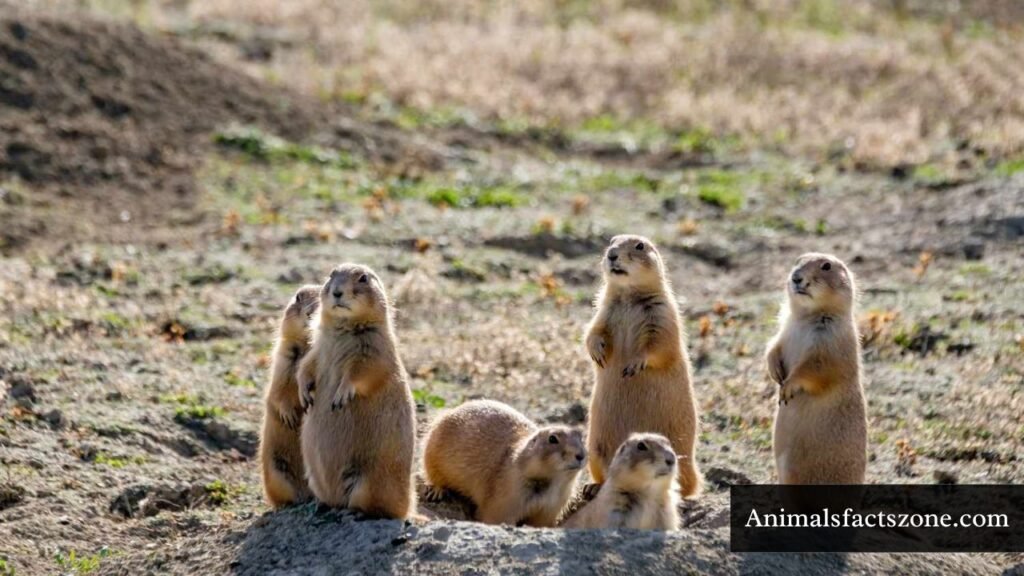
What’s fascinating is the social hierarchy within these towns. Prairie dogs have established roles, ranging from sentinels who keep watch for danger to caregivers that help raise the young. Their cooperative behavior reinforces social bonds, with even playful interactions contributing to the community’s well-being. Researchers have discovered that prairie dogs can recognize individual calls, elevating their communication to a level often debated among scientists — could this indicate an understanding of context much like human language? This unique blend of intricate social structures and communication underscores not just survival, but the rich tapestry of social life that thrives beneath our very feet.
Red Fox
Scientific Name: Vulpes Vulpes
Class: Mammalia
Diet: Omnivore
Red foxes, known for their striking orange fur and spirited demeanor, exhibit a fascinating social structure that often eludes the casual observer. While they are typically solitary hunters, these clever creatures can also be seen forming small family groups, especially during the breeding season. In these intimate social circles, vixen mothers and their kits thrive, sharing responsibility for securing food and teaching vital survival skills. This collaborative effort not only enhances the chances of kit survival but also deepens the bonds within the family unit.
What sets red foxes apart in their group dynamics is their remarkable adaptability. They seamlessly blend solitary hunting with communal living, depending on the availability of resources. For instance, in urban environments, where food sources like discarded human food become prevalent, foxes have been observed gathering more frequently, forming loose networks to exploit these new opportunities. This flexibility highlights not only their intelligence but also their ability to thrive in diverse ecosystems, forging connections that allow them to navigate challenges together. Thus, while they may often be seen alone, the red fox’s occasional forays into social living reveal an enriching aspect of their behavior that showcases the complexities of nature’s design.
American Alligator
Scientific Name: Alligator Mississippiensis
Class: Reptilia
Diet: Carnivore
American alligators, often seen as solitary predators, exhibit fascinating social behaviors that challenge the perception of their reclusive nature. During warmer months, these reptiles frequently gather in groups, particularly in the shallows of swamps and rivers, where they bask together on banks. This communal behavior serves multiple purposes, from regulating their body temperature to establishing dominance hierarchies among individuals. Observers have noted that these gatherings can create a vibrant tableau of interactions, rife with displays of aggression and courtship.
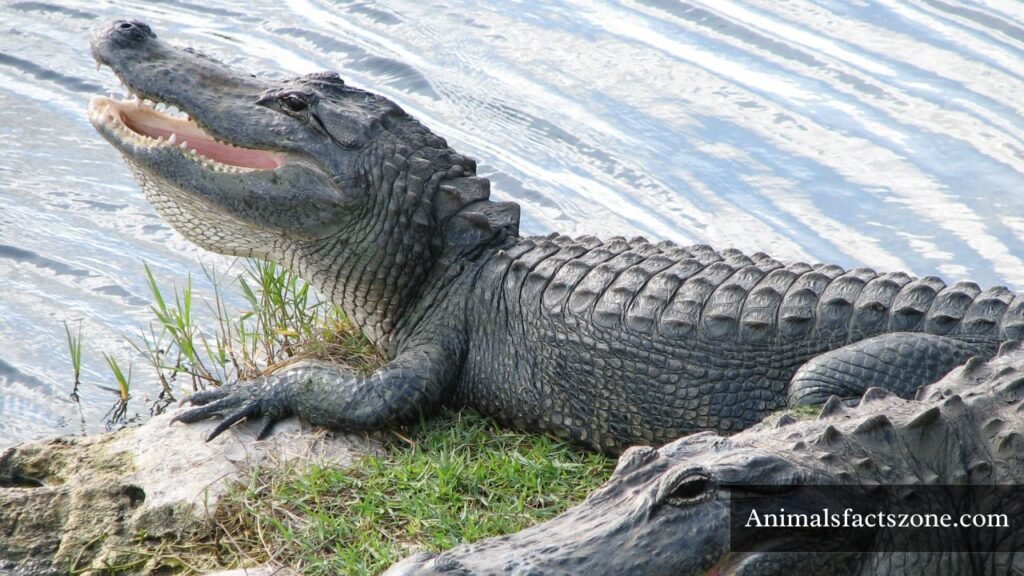
Moreover, alligators are surprisingly attentive parents, with females often staying near their nests to guard the eggs and later help guide hatchlings to water. This nurturing aspect fosters a unique social structure where family bonds can form. In some regions, groups of juvenile alligators will even coalesce, sharing larger territories and finding safety in numbers. Such behaviors reveal that beneath their fearsome exterior lies a complex social network, rich with communication and intricate dynamics that challenge the notion of alligators as mere solitary hunters.
African Wild Dogs
Scientific Name: Lycaon Pictus
Class: Mammalia
Diet: Carnivore
African wild dogs, also known as painted wolves, exemplify the power of community in the animal kingdom. Their unique social structure is fascinating; these canines live in packs that typically range from six to twenty members, but larger groups can form when resources are abundant. Unlike many solitary hunters, they rely on cooperative strategies for hunting, showcasing a remarkable level of teamwork. Their intricate hunting techniques often involve coordinated movements that resemble a well-rehearsed dance, allowing them to outmaneuver and exhaust prey.
Beyond their impressive hunting skills, the social bonds within a pack are profound. African wild dogs exhibit behaviors that demonstrate empathy and care; they engage in social grooming, play, and even share food with one another. This close-knit fabric not only strengthens their relationships but also increases the survival chances of their young. Furthermore, their vocal communication — a blend of chirps, hoots, and growls — serves as a crucial tool for enhancing group cohesion, allowing them to coordinate their activities seamlessly in the wild.
Killer Whales/Orcas
Scientific Name: Orcinus Orca
Class: Mammalia
Diet: Carnivore
Killer whales, or orcas, exhibit one of the most fascinating social structures in the animal kingdom. Living in matrilineal pods, these apex predators showcase complex family dynamics that can last for generations. Within these tight-knit groups, individuals display a remarkable degree of cooperation and communication, using a sophisticated array of vocalizations to coordinate hunting strategies and maintain social bonds. This social intelligence sets orcas apart; they not only hunt together but also support one another in times of need, whether through caring for young calves or protecting vulnerable pod members.
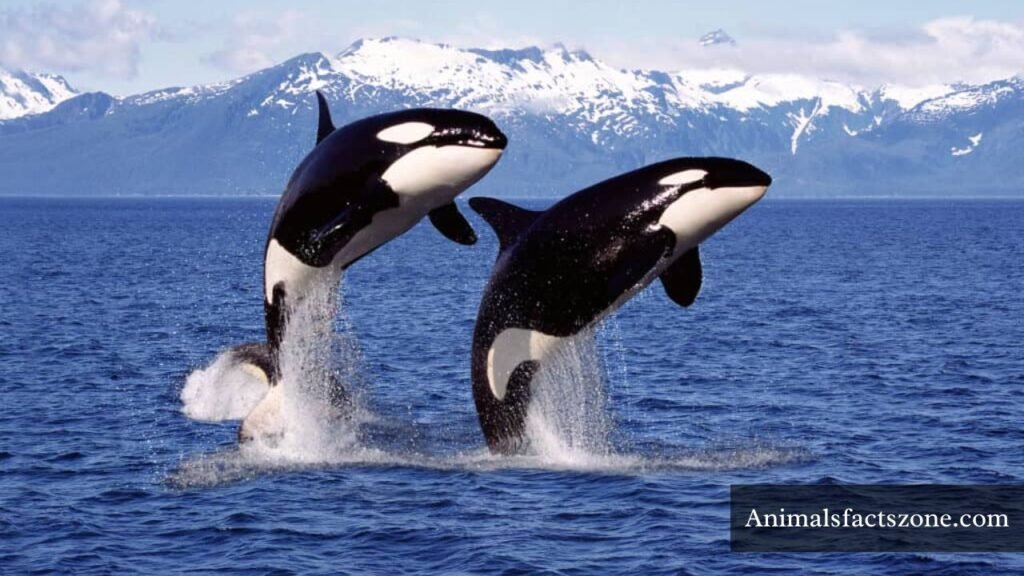
Diving deeper into their group behaviors reveals intriguing variations among different populations, known as ecotypes. Some pods focus on hunting large marine mammals like seals, while others specialize in fish, showcasing their adaptability and cultural diversity. These learned behaviors, passed down through generations, emphasize the significance of social learning in their survival. The bonds formed within these pods go beyond mere necessity; they thrive on companionship and emotional support, fostering social connections that enrich their lives in the vast ocean — a reminder of the importance of community in the wild.
Chimpanzees
Scientific Name: Pan Troglodytes
Class: Mammalia
Diet: Omnivore
Chimpanzees are social creatures, exhibiting complex relationships that resemble intricate human societies. Their communities, known as troops, can consist of up to 150 individuals, forming dynamic hierarchies where alliances and rivalries shape day-to-day interactions. This social structure is fluid; chimpanzees often change partners based on context, showcasing their remarkable adaptability and intelligence.
One fascinating aspect of chimpanzee behavior is their use of tools, not merely for survival but as a means of social bonding. For instance, these primates often share their innovative techniques for finding food, such as using sticks to extract termites from mounds. This exchange bolsters relationships within the troop, highlighting their capacity for teaching and learning. Moreover, their ability to communicate through a variety of vocalizations and gestures underscores the richness of their social lives, indicating emotions that range from joy to grief, further blurring the line between human and animal intelligence.
Zebra
Scientific Name: Equus Quagga
Class: Mammalia
Diet: Herbivore
Zebras, with their striking black and white stripes, embody the essence of social living in the wild. These animals thrive in herds, often ranging from a few dozen to several hundred individuals. Their social structure is not just about numbers; it fosters strong bonds and complex relationships. Each zebra recognizes its companions through unique stripe patterns, facilitating social interactions that are crucial for survival.
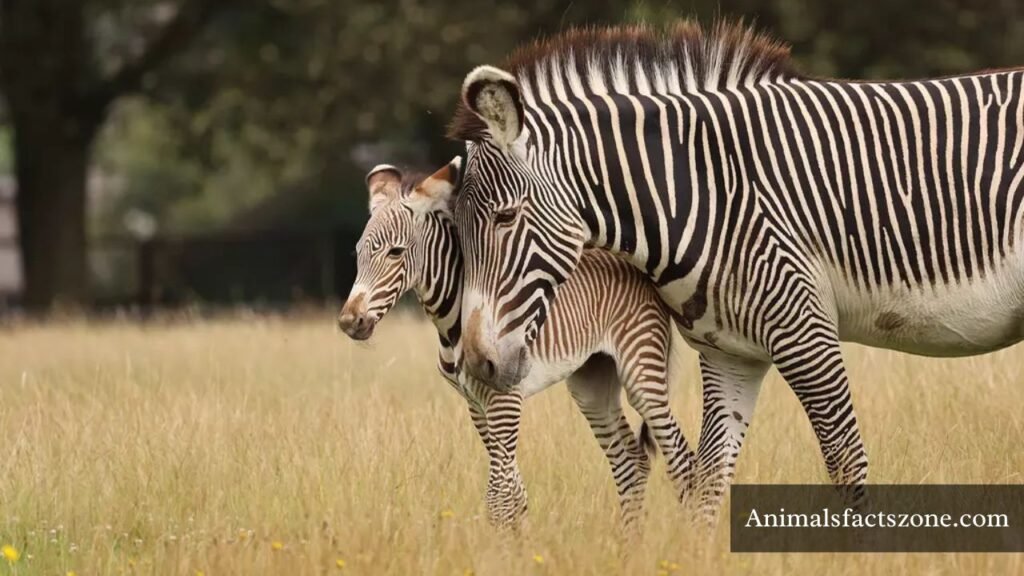
In group settings, zebras exhibit fascinating behaviors, such as synchronizing their movements to confound predators and enhancing their collective vigilance. When on the move, they maintain a structured front, where the older, more experienced members lead the way, providing guidance and protection to the younger ones. This cooperative behavior extends to grooming, where zebras engage in mutual cleaning, strengthening social ties and promoting overall health. The harmonious existence within a herd illustrates the beautiful synergy of individuality and community — an essential aspect of their adaptation in the African savanna.
Meerkats
Scientific Name: Suricata Suricatta
Class: Mammalia
Diet: Omnivore
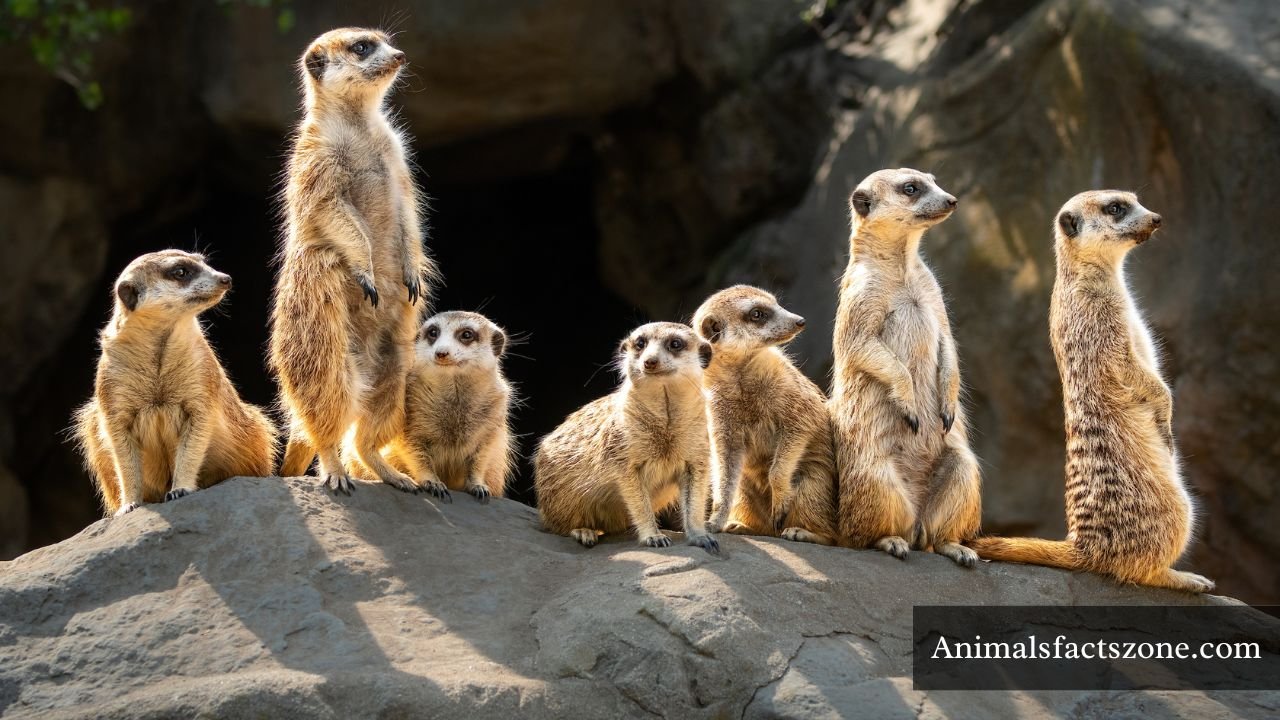
Meerkats are not just adorable creatures; they are the epitome of social organization in the animal kingdom. Living in tightly-knit families called mobs, these small mammals showcase an impressive level of cooperation. Each meerkat has a specific role — sentinels keep watch for predators, caregivers tend to the young, and foragers search for food. This division of labor not only enhances their survival but also enriches their social dynamics, allowing for complex communication that includes chirps, barks, and even tail signals.
Interestingly, meerkats display an unusual form of altruism. When a sentinel spots a potential threat, it emits an alarm call that warns the rest of the group, even at the risk of its own safety. This innate behavior demonstrates a fascinating depth of social bonds that make their communities thrive. Their communal living style fosters a nurturing environment where young meerkats learn essential survival skills from their elders, ensuring the mob’s continuity and resilience against challenges. In this way, meerkats serve as a compelling example of how cooperation can lead to not just survival, but a rich, interconnected way of life.
Raccoons
Scientific Name: Procyon Lotor
Class: Mammalia
Diet: Omnivore
Raccoons, often characterized by their distinctive black masks and agile paws, are surprisingly social creatures. While many people envision these nocturnal mammals as solitary scavengers, they frequently form loose groups, especially during the breeding season and during times of food abundance. These assemblages, called “gaze,” allow raccoons to leverage their collective intelligence and resourcefulness, making them adept at navigating urban environments where food sources are plentiful and competition is fierce.
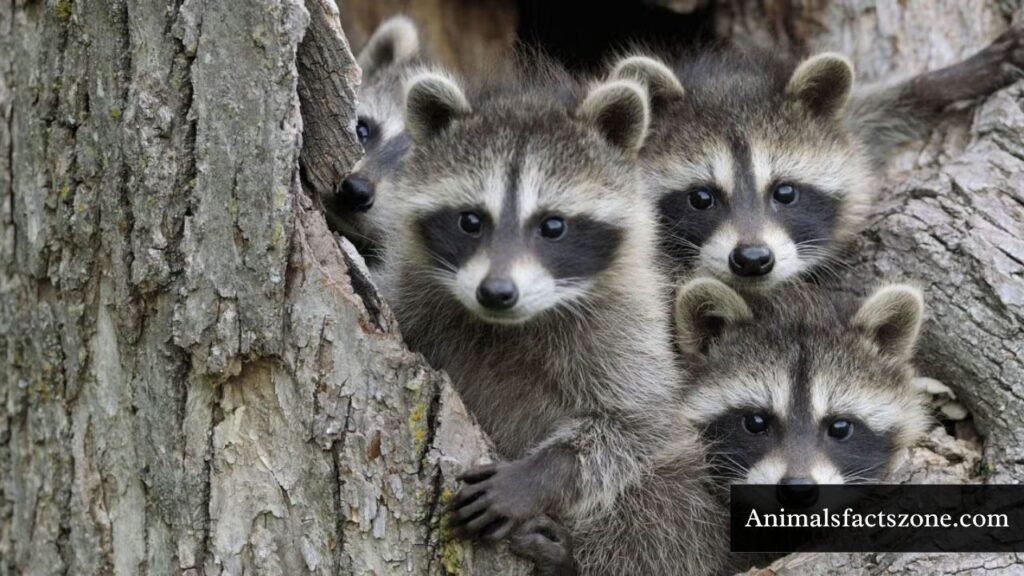
What sets raccoons apart in their social structure is their adaptability. They employ sophisticated communication methods, using vocalizations and body language to convey information to each other. This social interaction isn’t just for protection; it also enhances their playful nature. Young raccoons often engage in playful wrestling with siblings, which helps develop the skills necessary for survival. Such play teaches them about social dynamics, preparing them to thrive both in the wild and in the bustling backgrounds of city life. In this way, raccoons exemplify a blend of independence and community, reminding us of the intricate social fabrics that exist in the animal kingdom.
Giraffes
Scientific Name: Giraffa Camelopardalis
Class: Mammalia
Diet: Herbivore
Giraffes, often perceived as solitary giants, exhibit fascinating social structures that defy this assumption. Living in loose herds, these majestic animals often form groups known as “towers,” characterized by an ever-shifting dynamic rather than a rigid hierarchy. This fluidity allows them to mingle and interact with different individuals, promoting genetic diversity and social bonding. Observations have shown that giraffes develop strong relationships within their towers, particularly among females, who support one another in raising their young and sharing vital information about food sources and potential dangers.
Moreover, the intriguing behavior of giraffes extends to their communication. While their long necks seem to inhibit typical displays of social interaction, they utilize a combination of body language and vocalizations — such as low-frequency sounds inaudible to humans — to convey messages about their environment or alert the group of approaching predators. This sophisticated form of communication enhances their survival, showcasing how even the tallest land mammals rely on social cohesion for thriving in the wild. Giraffes emphasize the importance of community, illustrating that even in the animal kingdom, strength often lies in numbers, reshaping our understanding of their social lives.
Horses
Scientific Name: Equus Ferus Caballus
Class: Mammalia
Diet: Herbivore
Horses are inherently social animals, thriving in the company of their herd. This strong instinct for group living is rooted in survival; in the wild, a unified herd can fend off predators, share resources, and nurture young. Interestingly, the dynamics of horse groups reflect a complex social structure where roles and hierarchies emerge. For instance, the lead mare often plays a pivotal role, guiding the herd to food and water, while maintaining harmony among its members.
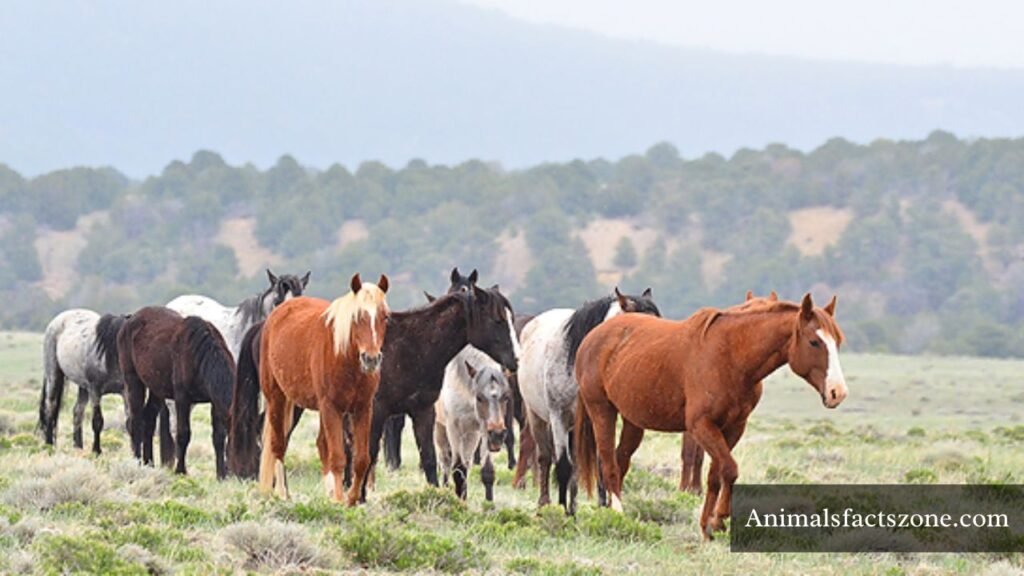
What’s particularly fascinating is how horses form deep social bonds, not just confined to their kin. They often engage in playful behaviors, such as running and grooming, which serve to strengthen friendships within the group. Studies even reveal that horses can recognize and remember other horses’ faces, suggesting a level of emotional intelligence that fuels their social interactions. This profound connection among herd members highlights that their communal lifestyle is not merely a survival tactic but a source of emotional and psychological enrichment — a testament to their remarkable adaptability and deep-rooted social nature.
Sheep
Scientific Name: Ovis Aries
Class: Mammalia
Diet: Herbivore
Sheep are not only known for their woolly coats but also for their intriguing social dynamics. Living in flocks, these animals exhibit a complex hierarchy that contributes to their survival. Within a group, individual sheep can recognize and remember the faces of their companions, fostering strong social bonds that help reduce stress and anxiety — a testament to their emotional intelligence. This social structure allows them to navigate challenges together, enhancing their overall resilience against predators.
Moreover, sheep display unique communication methods that strengthen group cohesion. Through a variety of vocalizations and body language, they convey warnings or alerts about potential threats. Interestingly, sheep have been observed to form preferential associations, often clustering with certain individuals rather than others, which further emphasizes their social preferences and emotional attachments. This dynamic not only enhances their safety but also underscores the importance of relationships in their lives, much like humans.
Honeybees
Scientific Name: Apis Mellifera
Class: Insecta
Diet: Herbivore
Honeybees exemplify the epitome of social living in the animal kingdom, thriving in colonies that can number up to 60,000 individuals. Each bee has a specific role, whether it’s foraging for nectar, tending to the queen, or maintaining the hive’s cleanliness. This intricate division of labor fosters remarkable efficiency, allowing them to communicate and collaborate through an intricate dance known as the “waggle dance.” This unique form of communication directs fellow bees to food sources, showcasing their exceptional ability to share information and enhance collective survival.
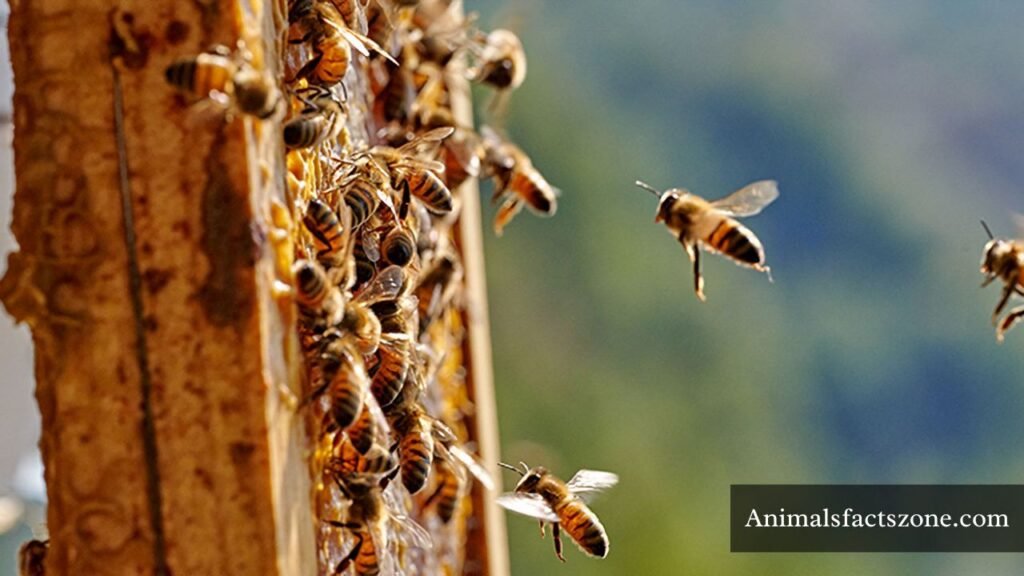
The harmony within a honeybee colony is a marvel of cooperation, driven by instinct rather than individual ambition. The queen bee’s pheromones play a crucial role in maintaining the stability of the group, ensuring that every bee is aligned with the colony’s goals. Interestingly, honeybees also demonstrate a sophisticated decision-making process, particularly during swarming — where a portion of the colony relocates to find new habitats. In these moments, bees collectively assess potential sites, showcasing a form of democracy that highlights their capacity for collective intelligence. This intricate social structure not only sustains their species but also provides vital pollination services, underscoring their importance to ecosystems and agriculture alike.
Readmore: Explore Top 13 Most Agile Animals in the World.
Rats
Scientific Name: Rattus
Class: Mammalia
Diet: Omnivore
Rats, often misunderstood, thrive in complex social structures that reveal fascinating dynamics and intelligence. Living in groups known as mischief, these rodents exhibit intricate social hierarchies and strong bonds. Their communal lifestyles foster cooperation, aiding in foraging, navigation, and even predator evasion. When faced with threats, a coordinated response — such as mobbing — demonstrates their collective strength, showcasing an astonishing level of social awareness.
Beyond survival, group living enhances problem-solving capabilities among rats. Studies have shown that individuals in social groups can tackle complex tasks more effectively than isolated ones, fostering innovation and learning. Moreover, emotional intelligence plays a role in their interactions; rats display empathy and engage in behaviors that suggest they can sense the distress of their peers. These aspects not only challenge our perceptions of these often-maligned creatures but also invite us to consider the rich emotional and social lives they lead in their underground communities.
Lions
Scientific Name: Panthera Leo
Class: Mammalia
Diet: Carnivore
Lions, often dubbed the “kings of the jungle,” showcase a fascinating social structure that sets them apart from other big cats. Unlike solitary animals, lions thrive in prides, typically composed of several related females, their offspring, and a few dominant males. This social dynamic not only enhances their hunting success but also strengthens familial bonds, allowing females to collaborate in raising their young and protecting territory. Each pride develops its own intricate social hierarchies, where roles are fluid, and cooperation becomes key for survival.
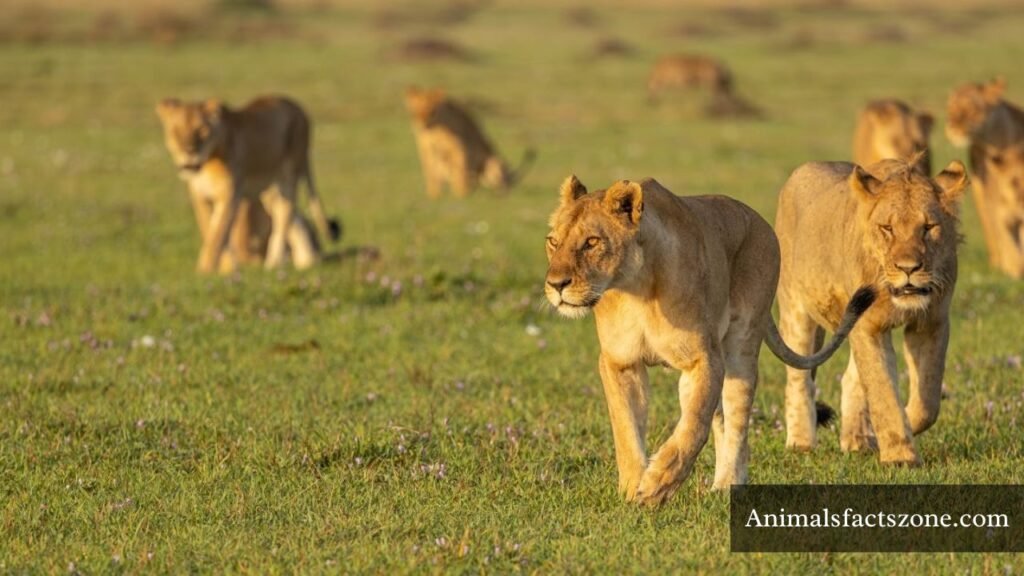
Beyond their majestic mane, male lions embody a unique strategy within the pride. While they are charged with protecting the group from intruders, their role also includes fostering genetic diversity. By occasionally leaving their pride to challenge neighboring males, they ensure that new blood is introduced, maintaining a healthy population while simultaneously showcasing their strength and prowess. This delicate balance of power and cooperation underlines the complexity of lion social structures, painting a portrait of not just strength, but also community. Observing lions in their natural habitat, it becomes clear that their survival hinges not just on individual prowess, but on the rich tapestry of relationships that define their pride life.
Sea Otters
Scientific Name: Enhydra Lutris
Class: Mammalia
Diet: Carnivore
Sea otters are remarkable for their social structures, often forming large, playful rafts that can consist of up to 100 individuals. These rafts serve not just as a social hub but also as a protective barrier against predators, showcasing the importance of community in their survival. Wrapped in kelp to anchor themselves, sea otters demonstrate an innovative adaptation — creating a safe environment while they groom and care for one another, enhancing their collective well-being.
What sets sea otters apart in their social behaviors is their remarkable nurturing instinct. Mothers are known to hold their pups on their bellies while they dive for food, ensuring that the young ones don’t drift away. The bonding within these groups extends beyond immediate family; adults often assist in caring for each other’s pups, reflecting a profound sense of communal responsibility. This cooperative approach not only fosters stronger familial ties but also reinforces the idea that their survival is intricately linked to the success of the group as a whole, promoting a thriving ecosystem beneath the waves.
Guinea Baboon
Scientific Name: Papio Papio
Class: Mammalia
Diet: Omnivore
Guinea baboons are fascinating socialites of the African savanna. Often found in troops that can number in the hundreds, these primates exhibit complex social structures and relationships that rival those seen in human communities. Their troop dynamics serve as a survival mechanism, with individuals relying on one another for protection, grooming, and even childcare. The closer bonds formed within familial groups allow for better communication and cooperation, essential in the harsh habitats they navigate.
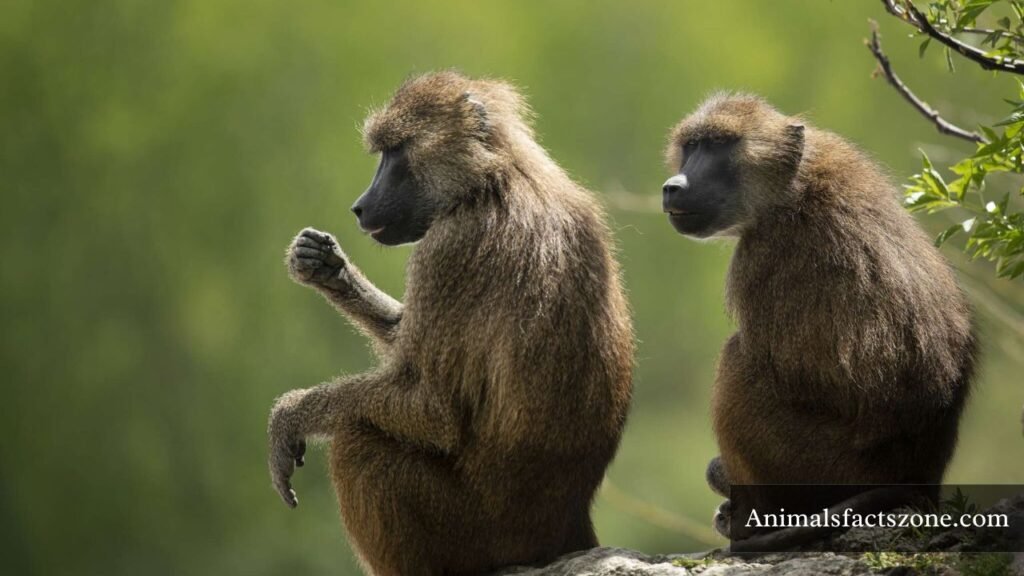
Interestingly, Guinea baboons display a unique form of leadership that challenges traditional hierarchies. Rather than a strictly dominant male, troops often showcase egalitarian behaviors, with multiple males sharing leadership roles based on merit, strength, and adaptability rather than sheer aggression. This flexibility creates a more stable social environment, fostering collaboration in foraging and communal defense against predators. Observing these social interactions reveals how intellect and empathy are woven into the very fabric of their existence, providing a glimpse into the nuances of animal behavior that enrich our understanding of social networks in the animal kingdom.
Crows
Scientific Name: Corvus
Class: Aves
Diet: Omnivore
Crows are fascinating social creatures, often seen engaging in complex social interactions that reveal their intelligence and adaptability. As highly social birds, they form tight-knit groups called “murders.” Within these groups, crows exhibit cooperative behaviors such as mobbing predators or sharing food, showcasing not only their problem-solving skills but also a deep understanding of social structures. Their interactions are rich, with a range of vocalizations and body language that communicate emotions and intentions, allowing them to navigate their relationships with remarkable nuance.
What sets crows apart is their ability to strategize collectively, often referred to as “social foraging.” When searching for food, members of the group will work together, using keen observational skills to signal the presence of potential snacks. This teamwork extends to teaching one another about danger; for instance, young crows learn from adults which threats to avoid based on observed reactions. Moreover, their remarkable memory allows them to recognize individual human faces, forming lasting associations based on experiences. This insight into their cognitive abilities underscores the importance of social learning and adaptation in their survival tactics, painting crows not just as intelligent birds, but as sophisticated social beings navigating the complexities of their environment.
Wolves
Scientific Name: Canis Lupus
Class: Mammalia
Diet: Carnivore
Wolves exhibit one of the most fascinating examples of social structure in the animal kingdom. Living in packs that can range from a mere family unit to a large group of up to 20 individuals, these canines demonstrate a complex social hierarchy. Each member plays a crucial role, often guided by a dominant alpha pair that leads the pack in hunting and territory defense. This collective behavior not only improves the odds of capturing prey but also enhances the survival rates of the pups, as adult wolves collaborate to teach and protect the young.
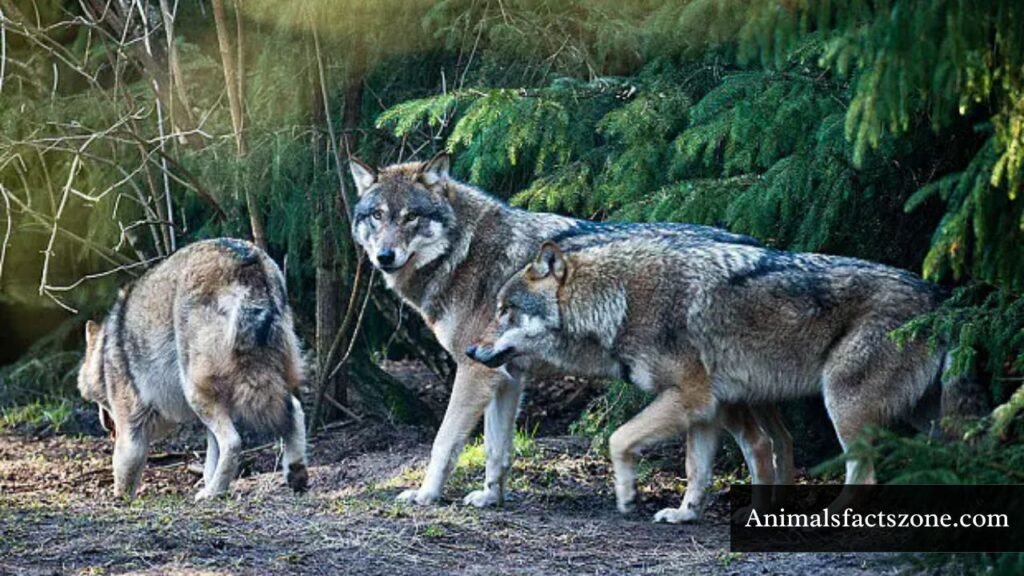
Moreover, the communication within a wolf pack is nothing short of extraordinary. They employ a sophisticated array of vocalizations, postures, and facial expressions to convey messages, from coordinating a hunt to establishing social bonds. This intricate form of social interaction showcases their emotional intelligence, as wolves can display empathy and even engage in play. Pack life offers these majestic creatures not only the advantages of cooperation but also the warmth of camaraderie, making their social dynamics a critical aspect of their identity and survival in the wild.
Parrots
Scientific Name: Psittaciformes
Class: Aves
Diet: Omnivore
Parrots are not only vibrant in color but are also social beings that thrive in flocks, often comprising a few dozen to several hundred individuals. Their group dynamics allow them to engage in complex social interactions, establishing hierarchies and forming lasting bonds. These social structures provide safety in numbers, as a collective can more effectively spot predators and protect vulnerable members.
Living in groups fosters essential learning opportunities. Young parrots often mimic behaviors from their elders, picking up foraging techniques or vocalizations through observation. This cultural transmission strengthens bonds within the flock and ensures the survival of ancestral knowledge. Moreover, their playful nature in groups can lead to elaborate games and displays, showcasing not only their intelligence but also their innate capacity for joy. Thus, in the lively world of parrots, the interplay of socialization and learning crafts a rich tapestry of experiences that goes beyond mere survival.
Bats
Scientific Name: Chiroptera
Class: Mammalia
Diet: Omnivore
Bats, often misunderstood as solitary creatures of the night, are, in fact, social animals that thrive in communal living. Many species, like the little brown bat, exhibit fascinating social structures within their roosts, sometimes gathering in colonies that can number in the millions. These nighttime gatherings serve purposes beyond mere companionship — group living enhances foraging success and provides protection against predators. For instance, when bats cluster together in large numbers, their sheer size can confuse and deter potential threats, a clever survival tactic not unlike schools of fish.
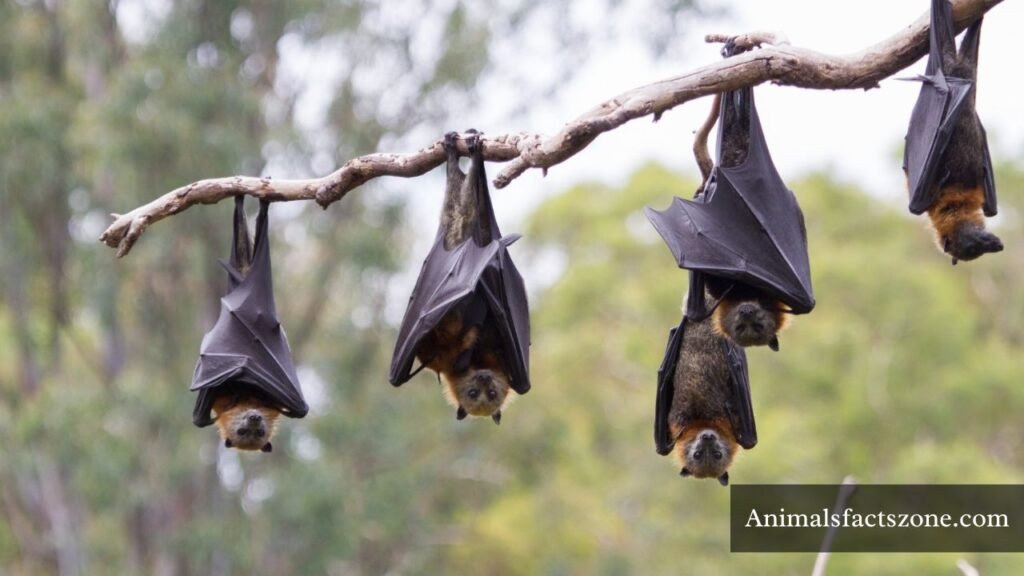
Moreover, within these colonies, bats communicate in intricate ways; they use echolocation not just to navigate but also to coordinate activities. This mutual reliance fosters bonds that extend to grooming and caring for one another’s young, showcasing a surprising level of social cohesion. Interestingly, the collective environment can even influence foraging strategies — some bats employ a technique known as “information sharing,” where successful foragers signal their findings to others, maximizing the group’s overall food-gathering efficiency. This remarkable blend of social interaction and survival illustrates that bats are not only integral to their ecosystems but also exemplify the complex dynamics of life in the wild.
Elephants
Scientific Name: Loxodonta
Class: Mammalia
Diet: Herbivore
Elephants, often referred to as the gentle giants of the animal kingdom, possess an intricate social structure that showcases their remarkable intelligence and emotional depth. Living in matriarchal herds, these majestic creatures rely on their strong familial bonds to nurture and protect their young. The matriarch, usually the oldest female, serves as the crucial decision-maker, wielding decades of knowledge about migration routes, water sources, and available food. This wisdom is vital for the herd’s survival, especially during challenging seasons.
Beyond mere survival, elephants engage in complex social behaviors that reveal their profound emotional connections. They communicate through a series of low-frequency rumbles and gestures, allowing them to coordinate movements and express feelings. Observations have shown that these animals often engage in mourning rituals, demonstrating empathy when a member of their group passes away. Such behaviors challenge conventional views of animal emotionality, urging us to reconsider the depths of their social lives and the bonds they forge within their herds. In a world frequently focused on competition and individualism, elephants remind us of the strength found in cooperation, compassion, and community.
Jellyfish
Scientific Name: Medusozoa
Class: Scyphozoa
Diet: Carnivore
Jellyfish, often perceived as solitary drifters of the ocean, actually exhibit fascinating social behaviors in certain species. When conditions are right — such as during blooming seasons — jellyfish form massive swarms, sometimes comprising thousands of individuals. This phenomenon isn’t merely for show; it offers several survival advantages. By clustering in large numbers, they create a mesmerizing display that can confuse predators, while simultaneously increasing their chances of reproducing successfully.
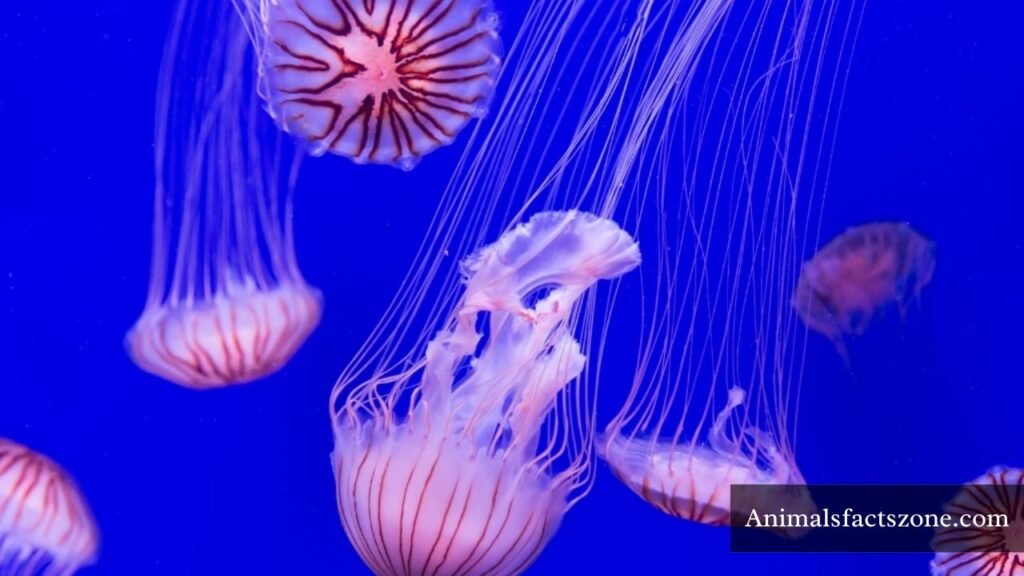
Interestingly, jellyfish demonstrate a unique form of cooperation within these groups. When swimming in a swarm, their movements harmonize to optimize their energy efficiency, allowing them to drift with ocean currents while minimizing the effort needed to navigate vast distances. Some scientists theorize that these gatherings might even provide opportunities for sharing environmental cues, such as temperature and nutrient availability, enhancing the survival rates of an entire swarm. This level of interconnectedness suggests that even creatures we often think of as simple or mindless have intricate social dynamics worthy of deeper exploration.
Spotted Hyenas
Scientific Name: Crocuta Crocuta
Class: Mammalia
Diet: Carnivore
Spotted hyenas are often mischaracterized as mere scavengers, but their social structures reveal a fascinating complexity. Living in matriarchal clans that can consist of up to 80 individuals, these animals thrive on cooperation and teamwork. The social dynamics within a clan are intricate, with females typically dominating roles and even exhibiting behaviors that mirror human social interactions. Adult females often collaborate in hunting, sharing the spoils while ensuring that the young are well-cared for, highlighting a striking balance between strength and nurture.
What’s particularly intriguing is their sophisticated communication system, which encompasses a variety of vocalizations and body language. The iconic “laugh” of a spotted hyena is not merely a comedic sound; it serves as a critical tool for maintaining social bonds and organizing group activities. Their ability to convey different meanings through varied vocalizations showcases their intelligence and adaptability, fueling the argument that these creatures might be more socially aware than previously thought. Observing a clan’s interactions sheds light on the nuanced hierarchies and alliances that govern their daily lives, proving that these misunderstood predators are much more than their reputation suggests.
Flamingos
Scientific Name: Phoenicopterus
Class: Aves
Diet: Omnivore
Flamingos are remarkable not just for their striking pink plumage but also for their intricate social dynamics. Living in large colonies that can number in the thousands, these birds exhibit fascinating behaviors that enhance their survival. The vibrancy of a flamingo’s color is directly linked to its diet, primarily consisting of algae and crustaceans rich in carotenoids. Interestingly, the intensity of their coloration can be a factor in social hierarchy; brighter individuals often attract more mates and have better access to resources.
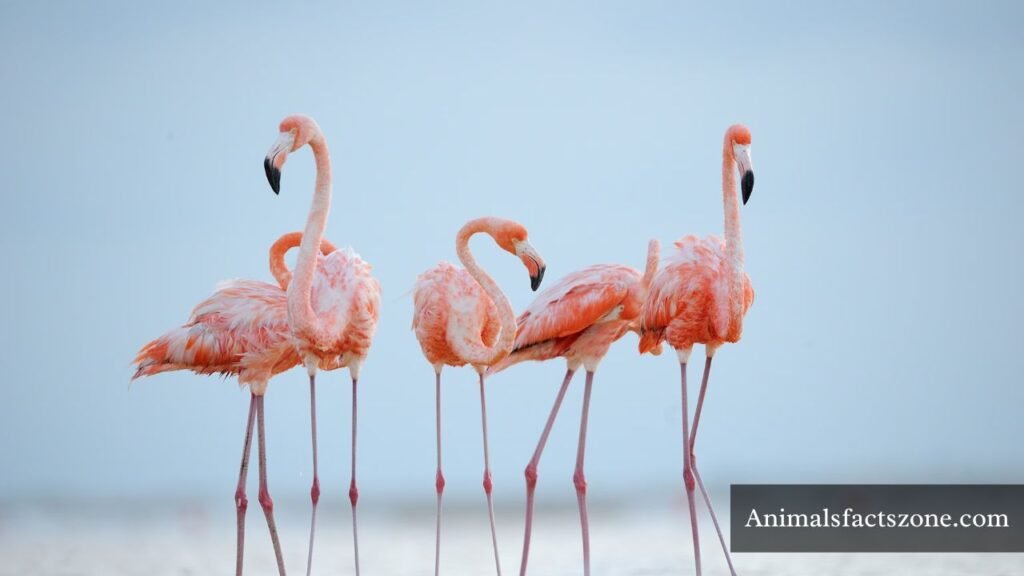
Collaborative feeding is a hallmark of flamingo behavior. They work together, using their specialized beaks to filter food from the water in synchronized motions. This collective strategy not only increases foraging efficiency but also fosters strong social bonds within the group. Flamingos engage in elaborate courtship displays that include synchronized routines and posturing, further solidifying their communal culture. These behaviors showcase not just survival, but a rich tapestry of social interaction, making their colonies vibrant ecosystems of cooperation and connection.
Emperor Penguins
Scientific Name: Aptenodytes Forsteri
Class: Aves
Diet: Carnivore
Emperor penguins are the ultimate embodiment of teamwork and resilience in the harshest environments. Nestled in the frigid expanses of Antarctica, these flightless birds gather in staggering colonies that can comprise thousands of individuals. This communal living is not merely for social interaction; it’s crucial for survival. During the brutal winter months, penguins huddle together, creating a microclimate that allows them to withstand the biting cold. By aligning their bodies, they exchange warmth and reduce the energy needed to maintain their body temperatures, demonstrating an incredible example of collective effort.
Parenting among emperor penguins is a poignant testament to their group dynamics. After laying a single egg, the female carefully transfers her parental duties to the male, who keeps the egg warm on his feet, often enduring weeks without food. Meanwhile, the female ventures out to feed, showcasing a profound faith in the community’s ability to protect and nurture their young. This cooperative breeding strategy not only enhances the survival of the chicks but also strengthens social bonds, ensuring that every penguin shares in the responsibility of raising the next generation. The emperor penguin’s communal lifestyle is a stunning reminder of how collaboration can thrive even in the harshest conditions, emphasizing the importance of unity and sacrifice in the animal kingdom.
Gorillas
Scientific Name: Gorilla
Class: Mammalia
Diet: Herbivore
Gorillas, often portrayed as solitary giants of the jungle, actually thrive in dynamic social structures known as troops. Typically led by a dominant silverback male, these groups can consist of several females and their offspring, creating a complex web of relationships marked by both cooperation and affection. The silverback’s role extends beyond mere leadership; he serves as a protector, mediator, and the primary breeder, ensuring genetic diversity and the troop’s stability.
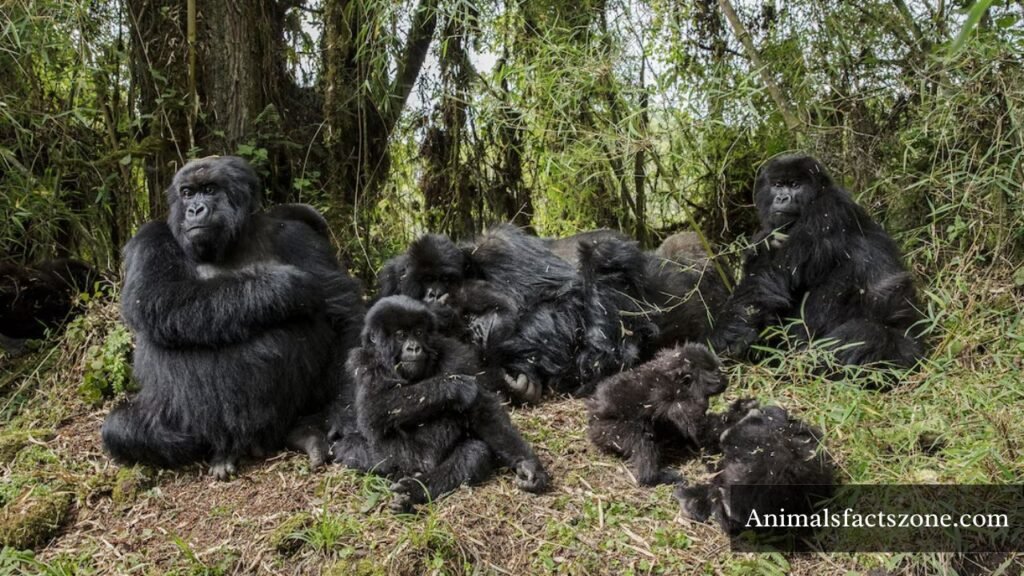
Remarkably, the social bonds among gorillas are intricately woven with emotional intelligence. They display a range of behaviors that suggest empathy, such as comforting one another in distress and sharing food with peers. Researchers have noted that these social interactions foster not only individual well-being but also the troop’s resilience against environmental challenges. Observing gorillas in their natural habitat reveals a tapestry of communication — gentle touches, playful interactions among juveniles, and even strategic displays of strength, all of which reinforce their community bonds and enhance survival in the wild. Such insights into gorilla society remind us that beneath their formidable exterior lies a rich emotional landscape shaped by trust and cooperation.
Camels
Scientific Name: Camelus
Class: Mammalia
Diet: Herbivore
In the arid expanses of deserts, camels thrive not just through their remarkable adaptations but also within the structure of their social groups. Often seen traveling in herds, camels exhibit a fascinating social behavior that enhances their survival in harsh environments. These group dynamics are centered around strong social bonds, often led by a dominant female, which assists in navigating the brutal terrains and finding scarce resources. The collective effort of the group allows them to communicate and establish a keen sense of awareness against potential predators.
Interestingly, camels also demonstrate the importance of social hierarchy, with established roles that contribute to the stability of the herd. Young camels learn vital survival skills through observations and interactions, forming a tight-knit community that echoes the essence of family. This social structure not only ensures their safety but also fosters resilience within the group, as they work together to withstand the challenges of their inhospitable surroundings. Such communal living highlights the intricate relationships that bind these remarkable creatures, revealing that even in the most challenging environments, social connections can be a source of strength and adaptability.
Deer
Scientific Name: Cervidae
Class: Mammalia
Diet: Herbivore
Deer are often seen as solitary creatures, gracefully navigating through their habitats. However, many species, such as white-tailed deer, thrive in social groups called herds. These herds not only provide safety in numbers but also facilitate social interactions that can be fascinating to observe. Young fawns learn vital survival skills from adult deer within the group, such as foraging techniques and predator detection. This communal living fosters a rich dynamic, as the animals communicate through a variety of sounds and body language, creating an intricate social fabric.
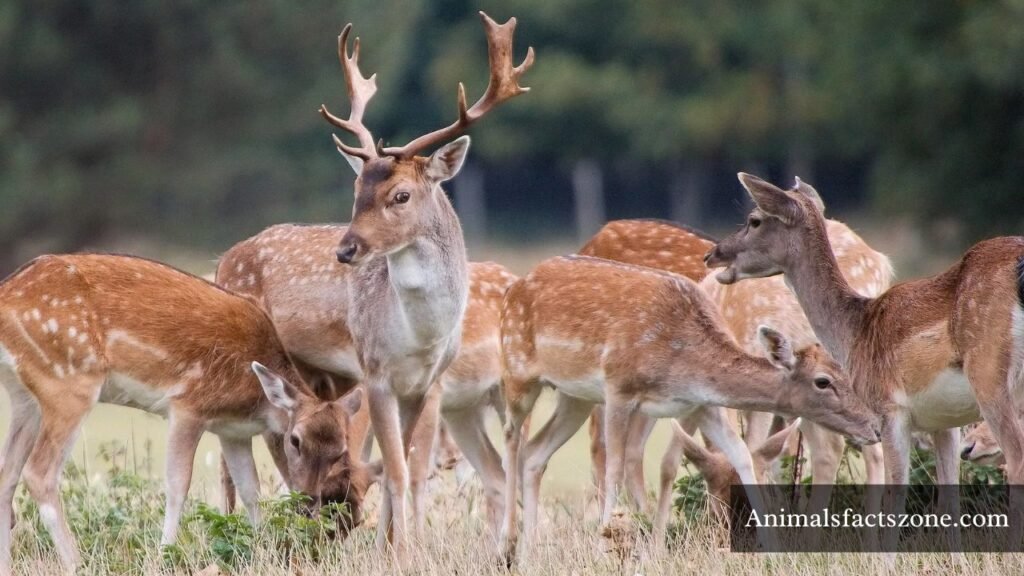
Interestingly, the herd’s structure can vary with the seasons, shifting from a larger group in summer to smaller family units during the harsher winter months when resources become limited. Some studies suggest that female deer, especially, play a key role in maintaining the herd’s structure and stability, often leading younger members to feeding grounds and safe resting areas. This matriarchal influence can be crucial for the survival of fawns, proving that even in the wild, social bonds are vital for thriving in their environment. Whether for protection or camaraderie, the herd mentality among deer reveals an unexpected depth to their behavior and adaptability in the wild.
Readmore: Explore Top 19 Most Muscular Animals in the World.
Final Thoughts
The social structures that define animals living in groups are both complex and fascinating. From the intricate hierarchies of wolf packs to the cooperative hunting strategies of lions, these animals showcase the strength found in unity. Moreover, residing in groups often provides a variety of survival advantages, including protection from predators and increased efficiency in finding food. As we continue to study these behaviors, we gain a deeper appreciation for the bonds that connect different species within ecosystems. Let us champion the preservation of their habitats, ensuring these remarkable social dynamics can thrive for generations to come.
FAQs
What animals live in a group?
Many animals are social by nature and thrive in groups for various reasons, including protection, foraging, and mating. Common examples include wolves, which hunt cooperatively in packs, enhancing their efficiency in bringing down prey. Similarly, elephants live in matriarchal herds, where the presence of older females helps safeguard the younger members from predators and teaches them essential life skills. Social insects such as ants and bees also exemplify group living. They work collectively in well-organized colonies, performing specific roles that contribute to the survival and success of the entire group. In the ocean, schools of fish create safety in numbers by confusing predators, while the communal approach of meerkats allows them to effectively watch for threats while others forage for food.
What animals that hunt in packs?
Several animals are known for their pack-hunting behavior, with a few standout examples being wolves, lions, and orcas. Wolves are perhaps the most iconic pack hunters, working together to take down larger prey like deer. Their social structure and teamwork enable them to strategize and effectively coordinate during hunts. Lions also rely on pack dynamics, with female lions typically doing the hunting. They use stealth and cooperation to ambush and bring down large prey such as zebras or wildebeests. Similarly, orcas, or killer whales, hunt in pods, using their intelligence to communicate and execute complex hunting techniques, often targeting seals or even large whales.
What are the most social animals?
Some of the most social animals include dolphins, elephants, and certain primates like chimpanzees and bonobos. Dolphins are known for their complex social structures, often traveling in pods and exhibiting strong bonds with each other. They communicate with a range of sounds and even engage in cooperative hunting. Elephants have remarkable social networks, often led by matriarchs. They display empathy, mourning behaviors, and strong family ties. Primates, especially chimpanzees and bonobos, engage in intricate social interactions, sharing food and supporting each other in times of need.