Top 18 Animals That Have Stripes (With Images)
From the vibrant zebras of the savannah to the elusive tigers of the jungle, “Animals That Have Stripes” play a crucial role in biodiversity and ecosystem balance. Understanding these remarkable creatures not only enhances our appreciation for nature but also sheds light on the intricacies of survival in the wild. In this article, we will explore various striped animals, their unique adaptations, and the significance of their striking patterns.
List of Animals That Have Stripes
Here is the list of animals with stripes:
- Striped hyena
- Thirteen-lined ground squirrel
- Bongo
- Striped skunk
- Giant-striped mongoose
- Okapi
- Zebra
- Striped chipmunk
- Numbat
- Striped mouse
- Tiger
- Zorse
- Greater Kudu
- African wild ass
- Ring-tailed lemur
- Nyala
- Coral Snake
- Malayan Tapir
Striped hyena
Scientific Name: Hyaena hyaena
Class: Mammalia
Diet: Carnivore and scavenger
The striped hyena, often overshadowed by its more famous relative, the spotted hyena, possesses an allure that is uniquely its own. With a coat adorned in distinctive stripes, this creature is perfectly adapted to its arid habitats across North Africa, the Middle East, and parts of the Indian subcontinent. Unlike the more social spotted hyena, the striped variety tends to be solitary or form small family groups, giving them an enigmatic quality that sets them apart in the animal kingdom.
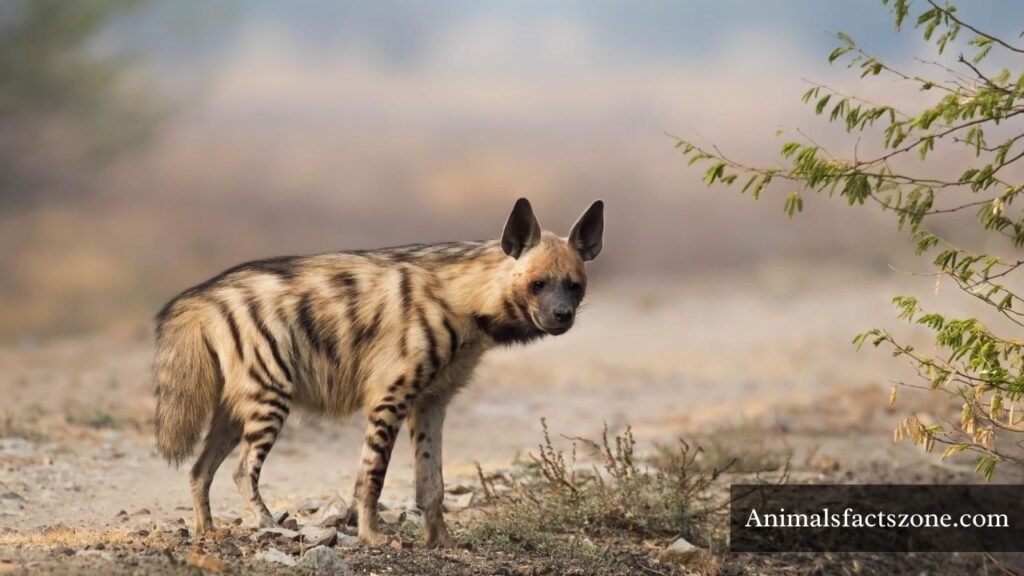
Their striking appearance is complemented by fascinating behaviors; they are primarily scavengers, playing a vital role in maintaining ecological balance. While many may view them as mere opportunists, striped hyenas also hunt smaller prey when the opportunity arises, showcasing their adaptability. Furthermore, their eerie, high-pitched calls echoing across the savannahs add a haunting melody to the landscape, beckoning curiosity about their social structures and communication methods.
Thirteen-lined ground squirrel
Scientific Name: Ictidomys tridecemlineatus
Class: Mammalia
Diet: Omnivore
The thirteen-lined ground squirrel, a charismatic inhabitant of North America’s prairies, boasts a striking coat adorned with 13 distinct stripes running from head to tail. These markings are not merely for show; they serve multiple purposes, including camouflage that allows these small mammals to blend seamlessly into their grassland habitats, evading predators. Interestingly, this clever adaptation also underscores their dual existence on the surface and within their extensive burrow systems, where they retreat from threats and harsh weather.
Beyond their striking appearance, these squirrels exhibit intriguing social behaviors. Often spotted foraging in family groups, they communicate through a variety of sounds, including chirps and warning calls, creating a lively atmosphere in the otherwise serene prairie landscape. Their role in the ecosystem is also noteworthy; as both foragers of seeds and prey for larger animals, they contribute to the delicate balance of life in their environment.
Bongo
Scientific Name: Tragelaphus eurycerus
Class: Mammalia
Diet: Herbivore
The bongo, a striking antelope native to the forests of central and western Africa, features vivid orange-brown fur adorned with white stripes that serve multiple purposes. These stripes are not just for aesthetic appeal; they help the bongo blend seamlessly into its leafy surroundings. This camouflage is crucial for avoiding predators in the dense undergrowth of its habitat, where sudden movements can easily betray its presence. Interestingly, the bongo’s stripes are most pronounced on the young, making their survival in the wild a testament to nature’s design.
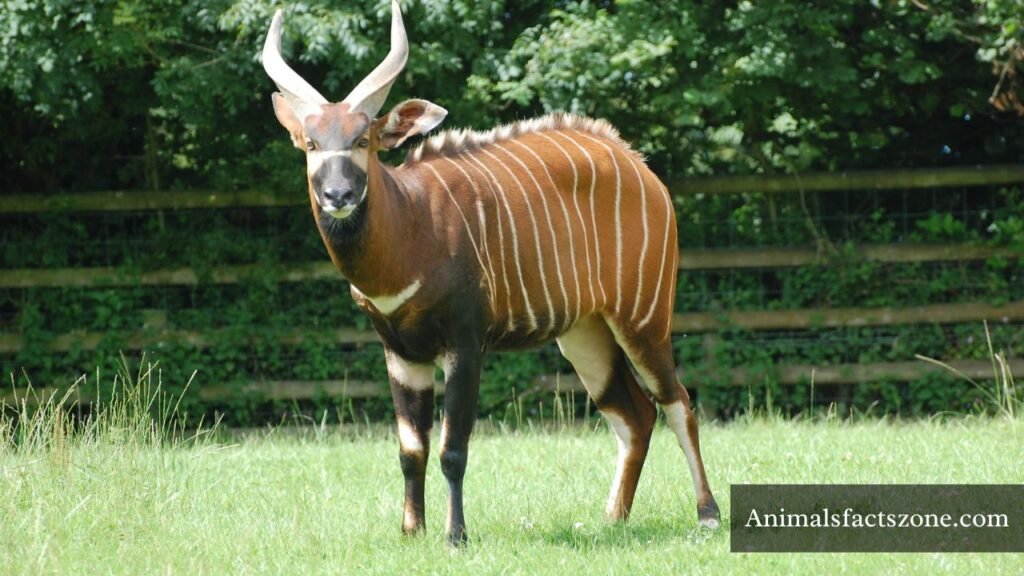
Beyond mere survival, the bongo’s stripes are indicative of its social behavior. In the early morning or late afternoon, when bongos graze, they often form small groups, and their striking patterns can help strengthen social bonds within the herd. The unique stripe patterns may also play a role in communication, allowing for individual recognition among members of the group. As forests around the bongo’s habitat face increasing threats from deforestation and habitat loss, understanding these unique adaptations is essential for their conservation.
Striped skunk
Scientific Name: Mephitis mephitis
Class: Mammalia
Diet: Omnivore
The striped skunk, easily recognizable with its bold black and white markings, is a small mammal that captures the fascination of many. These striking stripes serve not only as a warning to potential predators but also play a crucial role in their survival tactics. While their bold appearance suggests a confrontational nature, skunks are generally non-aggressive creatures. Their first line of defense is a pungent spray that can deter even the most determined attackers, showcasing an intriguing blend of beauty and adaptability in the animal kingdom.
Beyond their iconic appearance, striped skunks are fascinating creatures in their social behavior as well. They are known to be quite solitary, often foraging for food under the cover of night, utilizing their acute sense of smell to locate grubs, insects, and fruits. Interestingly, during the breeding season, males will travel significant distances to find females, illustrating a unique aspect of their reproductive biology. This seasonal shift provides a glimpse into the dynamic lives of these misunderstood mammals, revealing their complexity beyond the simple stereotype of a common garden pest.
Giant-striped mongoose
Scientific Name: Galidictis grandidieri
Class: Mammalia
Diet: Carnivore
The giant-striped mongoose, a lesser-known inhabitant of Africa, boasts bold, striking stripes that not only enhance its beauty but also serve as a clever form of communication within its social structure. These unique markings allow individuals to identify one another in dense bushland, playing a crucial role in group cohesion and social interaction. As they traverse their habitats, these stripes may also help them blend into the dappled shadows of their surroundings, offering an added layer of protection from predators.
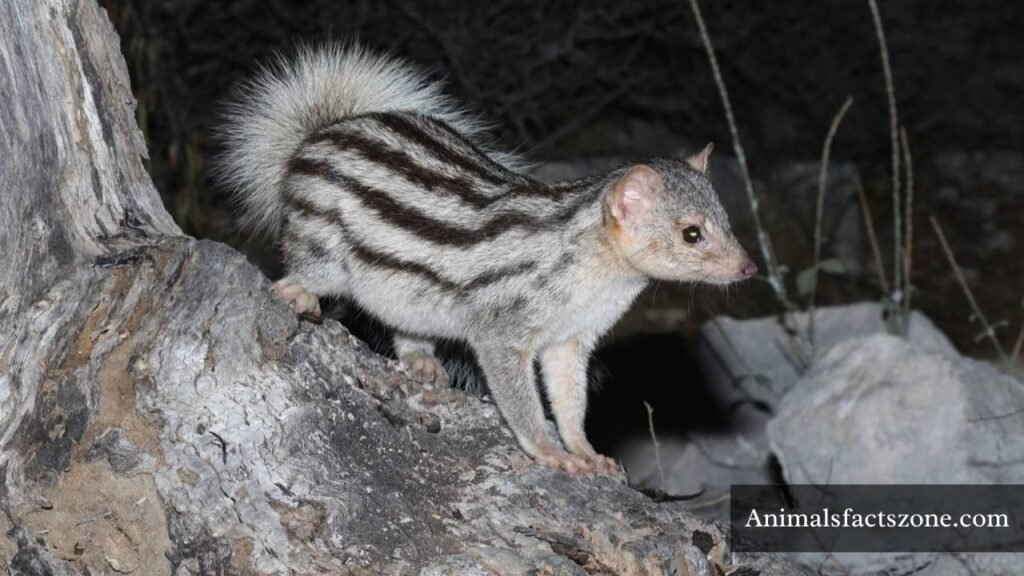
But what truly sets the giant-striped mongoose apart is its fascinating behavior. These agile creatures exhibit remarkable teamwork while foraging, often working in small groups to flip over rocks and search for insects, small animals, and fruits. Their social dynamics reveal a sophisticated hierarchy, as individuals take turns leading the group, showcasing their intelligence and adaptability. This cooperation not only enriches their foraging success but also strengthens their social bonds, illustrating that stripes can signify more than just physical appearance — they can represent the intricate connections that form within the wild.
Okapi
Scientific Name: Okapia johnstoni
Class: Mammalia
Diet: Herbivore
The okapi, often dubbed the “forest giraffe,” is a mesmerizing example of nature’s creativity. Hailing from the dense rainforests of the Congo, this elusive creature sports striking stripes on its hindquarters and legs, features that have sparked intrigue and fascination among wildlife enthusiasts. These vivid markings, resembling those of a zebra, serve a dual purpose: they are crucial for camouflage in dappled forest light and also play a role in social signaling among okapis.
Unlike many striped animals that thrive in open savannas, the okapi’s stripes are adapted to its unique habitat. They help the animal blend into the shadowy underbrush, allowing it to remain hidden from predators while foraging for leaves. Interestingly, the stripes may also provide a form of visual communication; researchers suggest that they become more prominent when seen from a distance, thereby facilitating recognition between individuals in the thick greenery of their home.
Zebra
Scientific Name: Equus zebra
Class: Mammalia
Diet: Herbivore
Zebras, often celebrated for their iconic black and white stripes, serve as a fascinating study in evolution and social dynamics. These stripes are not just a fashion statement; they play a crucial role in camouflage and herd cohesion. When a herd of zebras moves together, the motion of their stripes can create an optical illusion that confuses predators like lions, making it challenging for them to single out an individual zebra. This collective movement enhances their survival odds in the wild.
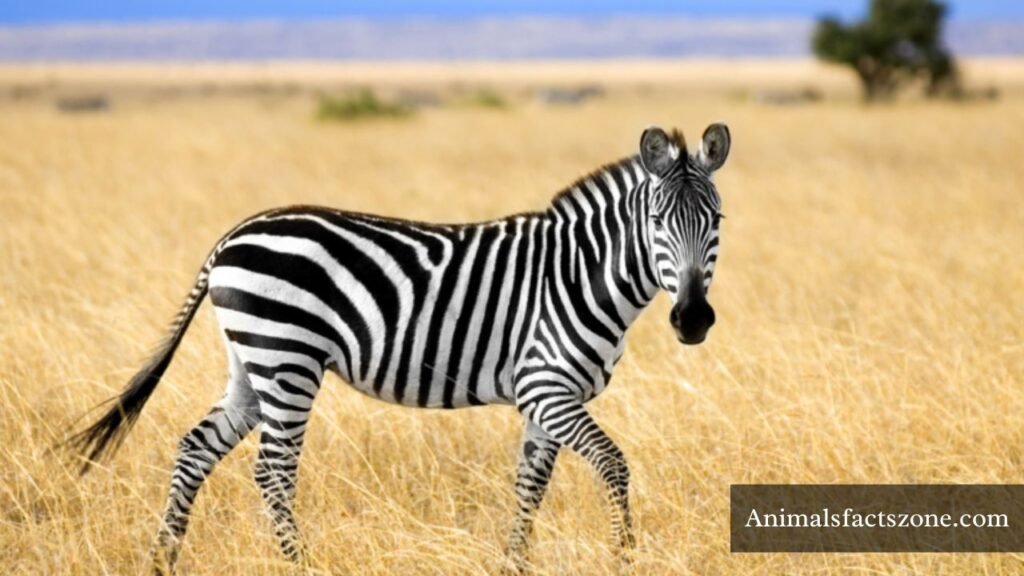
Moreover, recent studies suggest that zebras’ stripes may also help in thermoregulation. The contrasting colors can influence body temperature by creating micro-air currents, cooling them down in the sweltering heat of the African savanna. Beyond their physical adaptations, zebras possess complex social structures, forming close-knit family units and engaging in behaviors that demonstrate empathy and social bonding.
Striped chipmunk
Scientific Name: Tamias striatus
Class: Mammalia
Diet: Omnivore
The striped chipmunk, often overshadowed by its more famous relatives like the chipmunk, boasts a distinct charm with its striking coloration. These diminutive creatures are adorned with five bold stripes that run along their backs, serving not just as a visual treat but also as a clever form of camouflage. When they dart through underbrush or scurry among fallen leaves, those stripes can help them blend seamlessly into their surroundings, a survival tactic that has evolved over generations.
What’s particularly intriguing about the striped chipmunk is its social behavior. Unlike many solitary rodents, these chipmunks display a surprising level of sociability, often forming loose colonies within their territory. Their communication is a fascinating blend of chirps and trills, echoing through their habitats as they alert each other to potential dangers or share news about food sources.
Numbat
Scientific Name: Myrmecobius fasciatus
Class: Mammalia
Diet: Carnivore
The numbat, an enchanting marsupial native to Australia, stands out not just for its distinct appearance but also for its ecological role. With its striking reddish-brown fur adorned with white stripes across its back, the numbat exemplifies nature’s artistry. These stripes are more than just beautiful; they serve as an evolutionary advantage, helping to camouflage the numbat among the dappled light of the Australian bush, providing a perfect disguise from predators.
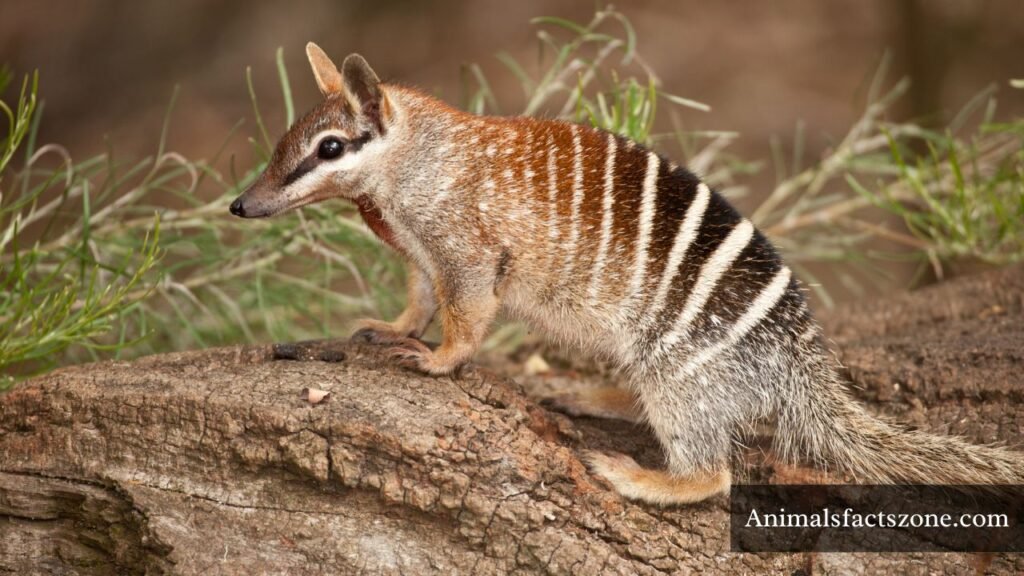
Beyond its aesthetics, the numbat is a fascinating study in dietary specialization. Unlike many other marsupials, this striped creature primarily feeds on termites, possessing a long, sticky tongue that can extend up to 10 centimeters. This unique feeding habit makes it a crucial player in maintaining the health of its ecosystem, as its foraging activities aerate the soil and promote biodiversity. As numbers dwindle due to habitat loss and predation by introduced species, conservation efforts have intensified, spotlighting the importance of protecting this striped marvel and its habitat for future generations.
Striped mouse
Scientific Name: Rhabdomys pumilio
Class: Mammalia
Diet: Omnivore
The striped mouse, a small rodent found primarily in southern Africa, showcases a striking adaptation that sets it apart in the animal kingdom. With its distinctive black and white or brown stripes, this little creature not only captivates the eye but also serves an essential purpose in its habitat. These stripes act as a form of camouflage, helping the striped mouse blend into the grasslands and savannas where it forages. This method of disguise is not just about avoiding predators; it also conceals it from the prying eyes of larger competitors for food, illustrating a sophisticated ballet of survival in the wild.
Beyond their aesthetic appeal, striped mice are fascinating for their social behavior. They often live in communal burrows, fostering a sense of community and cooperation. This social structure enhances their survival, as they can share resources and alert each other to potential dangers.
Tiger
Scientific Name: Panthera tigris
Class: Mammalia
Diet: Carnivore
Tigers are nature’s living masterpieces, their striking stripes forming intricate patterns unique to each individual. These markings are not just for show; they serve a crucial purpose in their survival. The vertical stripes help tigers blend seamlessly into their forest habitats, creating a visual illusion of a dappled light filtering through trees. This camouflage allows them to stalk prey with stealth and precision, making them formidable hunters in the wild.
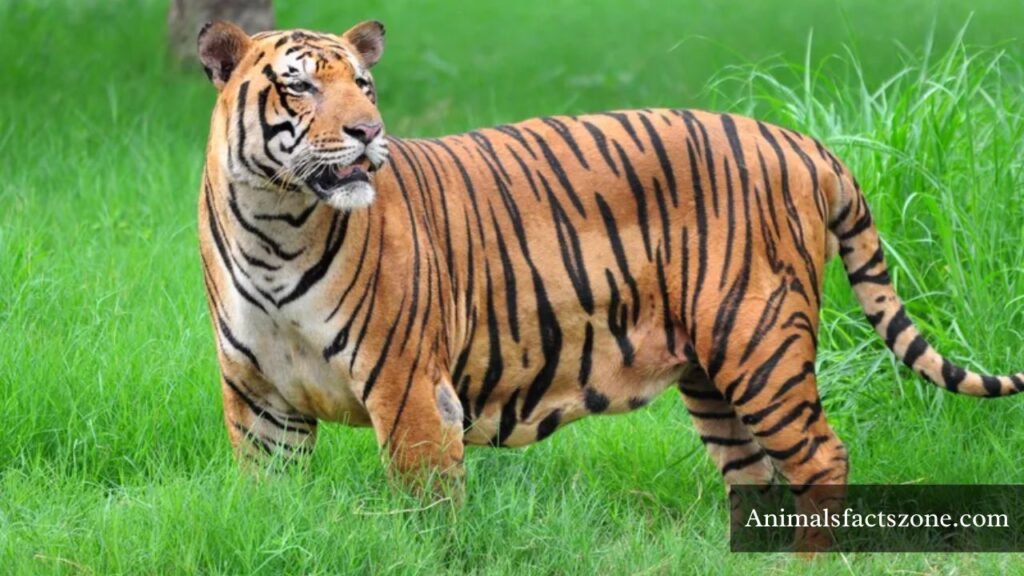
Interestingly, stripes extend beyond camouflage; they play a vital role in communication among tigers. Each tiger’s pattern is as distinctive as a fingerprint, allowing them to recognize one another from a distance.
Zorse
Class: Mammalia
Diet: Herbivore
The zorse, a fascinating hybrid of a zebra and a horse, showcases striking stripes that serve more than just aesthetic appeal. These unique markings are thought to offer a range of advantages — camouflaging them in tall grass while confusing predators. Unlike their zebra counterparts, zorses also exhibit a more diverse genetic makeup from their equine lineage, resulting in variations in color and pattern that can make each individual strikingly different. This interplay of genetics highlights nature’s creativity in blending traits that provide both beauty and survival benefits.
In terms of temperament, zorses often embody the spirited nature of horses but carry the spirited and sometimes unpredictable behavior of zebras, making them an intriguing study in contrasts. Their rarity in captivity adds to their allure; zorses are typically bred for specific purposes, such as conservation efforts or educational programs in zoos.
Greater Kudu
Scientific Name: Tragelaphus strepsiceros
Class: Mammalia
Diet: Herbivore
The Greater Kudu, often overshadowed by its more flamboyant relatives, boasts an elegant striping pattern that serves more than just an aesthetic purpose. These graceful antelopes, native to the woodlands and savannas of eastern and southern Africa, showcase vertical white stripes on their flanks. These stripes not only enhance their beauty but also serve as an adaptive camouflage, helping them blend seamlessly into their striped surroundings of dappled sunlight and shadow.
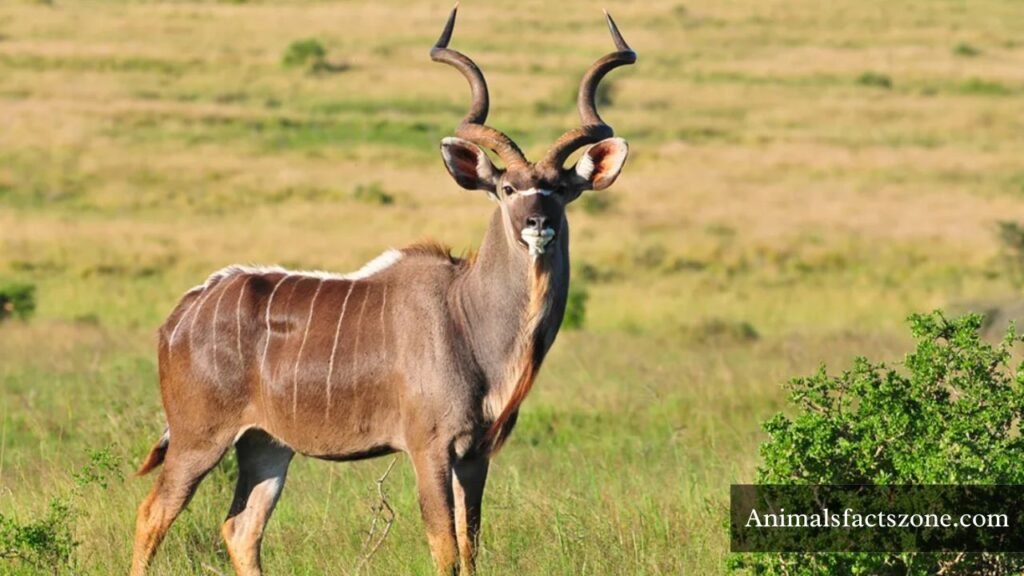
Beyond their striking appearance, the Greater Kudu’s remarkable physicality is enhanced by its impressive horns, which can spiral up to 72 inches in mature males. This unique feature serves as an evolutionary tool, often utilized in displays of dominance during mating seasons. Yet, the stripes remain an enigmatic aspect — an evolutionary adaptation that offers insights into their behavior and habits. Observations show that they often take to the forests during the hottest parts of the day, using their stripes to escape detection from predators and ensuring their survival in the wild.
African wild ass
Scientific Name: Equus africanus
Class: Mammalia
Diet: Herbivore
The African wild ass, a rare and intriguing equid, showcases a striking coat pattern that adds to its mystique. Unlike the typical zebra stripes that dominate our imagination when it comes to stripes in the animal kingdom, the African wild ass exhibits a more subdued, but equally significant, striping on its legs and torso. These stripes are thought to play a vital role in camouflage, helping the species blend into its arid desert surroundings, particularly during dawn and dusk when the sun casts elongated shadows.
Beyond aesthetics, the African wild ass holds an essential place in its ecosystem. Its stripes are not merely for show; they may play a role in social signaling among the species, helping individuals identify one another in the vast, often harsh landscapes of northeastern Africa. These unique markings, combined with their keen intelligence and adaptability, enable them to navigate the challenges of their environment — an example of natural selection at work.
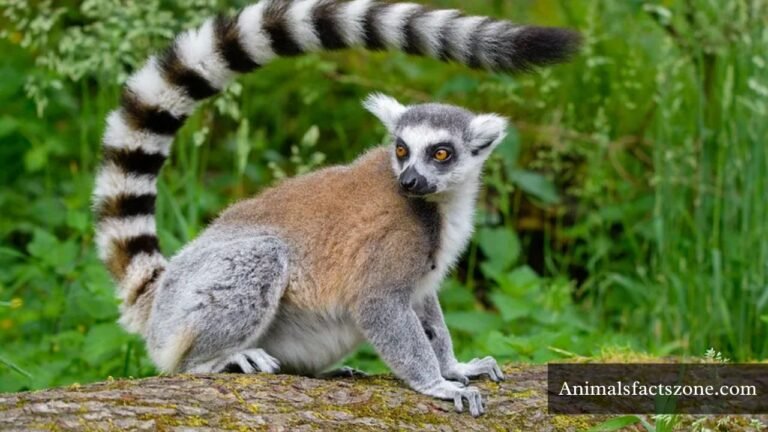
Ring-tailed lemur
Scientific Name: Lemur catta
Class: Mammalia
Diet: Omnivore
The ring-tailed lemur, with its iconic black and white striped tail, is a captivating creature that excels in both social dynamics and survival strategies. These primates inhabit the dry forests and bushlands of Madagascar, where their striking patterns serve multiple purposes. While these stripes may primarily assist in communication — facilitating group cohesion and alerting fellow lemurs to danger — they also play a role in their unique grooming rituals. The lemurs often use their tails to signal to one another, weaving intricate messages through their movements.
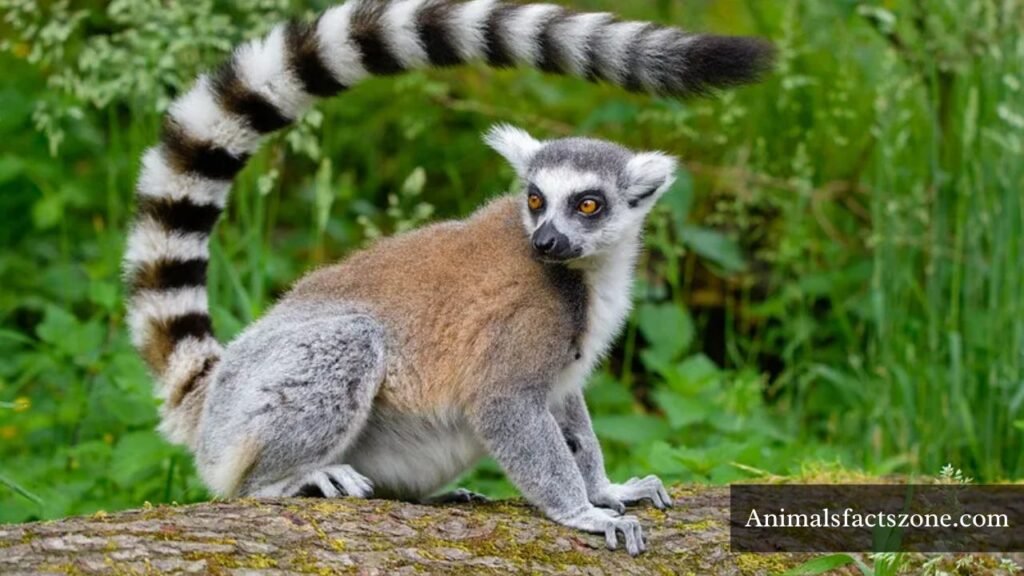
Interestingly, the ring-tailed lemur’s stripes don’t just enhance social interaction; they may also serve as a form of camouflage amid the dappled light of their forest habitat. As they navigate the complexities of life in Madagascar — where predation and environmental challenges are constant — a striking appearance becomes part of an evolutionary toolkit. Their striking coloration and social behaviors illustrate how nature crafts adaptation strategies in even the most unlikely forms, reminding us that beauty and utility often stroll hand-in-hand through the wild.
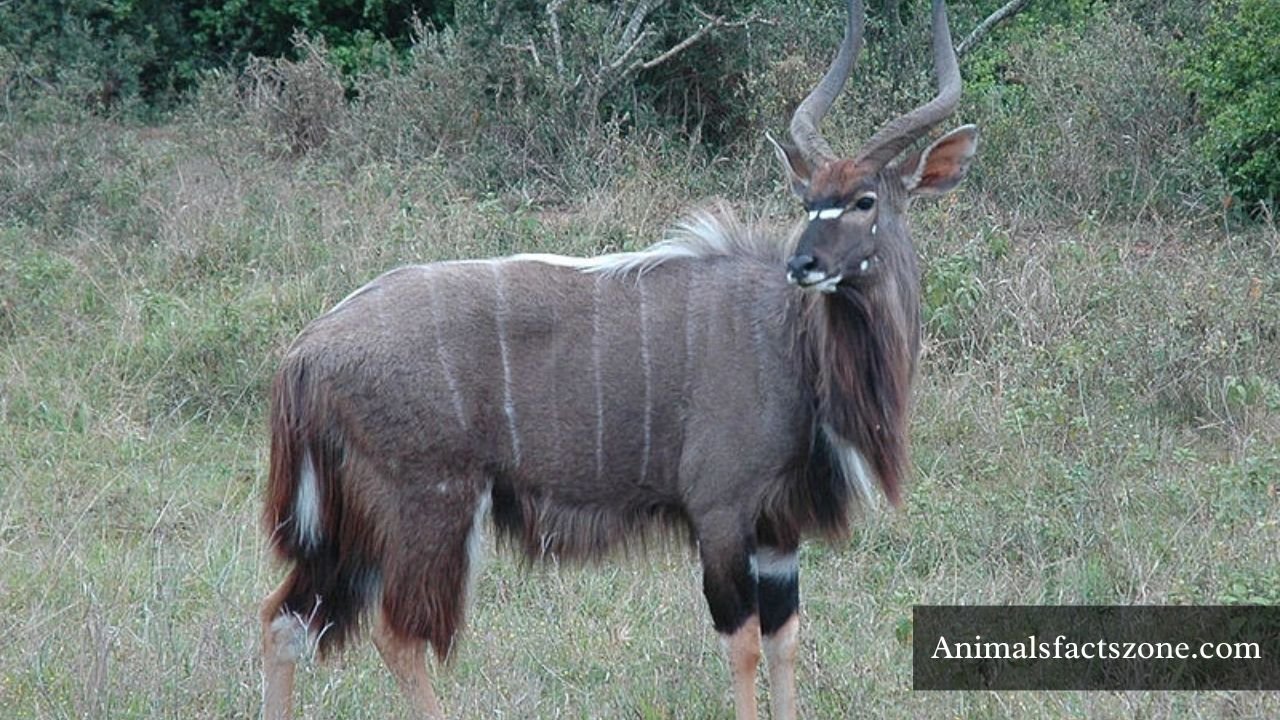
Nyala
Scientific Name: Tragelaphus angasii
Class: Mammalia
Diet: Herbivore
The Nyala, a fascinating antelope native to southern Africa, showcases a stunning array of stripes that blend both beauty and utility. Males don a rich, dark brown coat adorned with striking white vertical stripes along their bodies, while females exhibit a lighter, more graceful appearance with similar markings. These stripes serve more than just aesthetic purposes; they play a crucial role in camouflage, helping these animals navigate their bushy habitats. The contrast allows them to remain concealed from potential predators as they graze in dense foliage.
Beyond their striking appearance, Nyala display remarkable social structures. Typically found in small groups, they demonstrate a unique dynamic where females often lead the herd, showcasing their inherent leadership qualities. The males, generally more solitary or found in bachelor groups, sport larger bodies and develop impressive spiral horns, magnifying their striking silhouette. As twilight approaches, the Nyala’s stripes seem to glow in the fading light, creating a mesmerizing tableau that highlights their elegance and adaptability in the wild. These captivating creatures remind us that nature’s artistry is not just for show; it’s integral to survival.
Coral Snake
Class: Reptilia
Diet: Carnivore
The coral snake, distinct for its stunning banded appearance, boasts a vibrant color palette of red, yellow, and black stripes that serve a crucial purpose beyond mere aesthetics. Unlike many other snakes, these striking bands are a warning: they signal toxicity and danger to potential predators. This phenomenon, known as aposematism, effectively keeps attackers at bay. Interestingly, the coral snake can be easily confused with non-venomous species, such as the scarlet king snake, making it a master of deception in the wild.
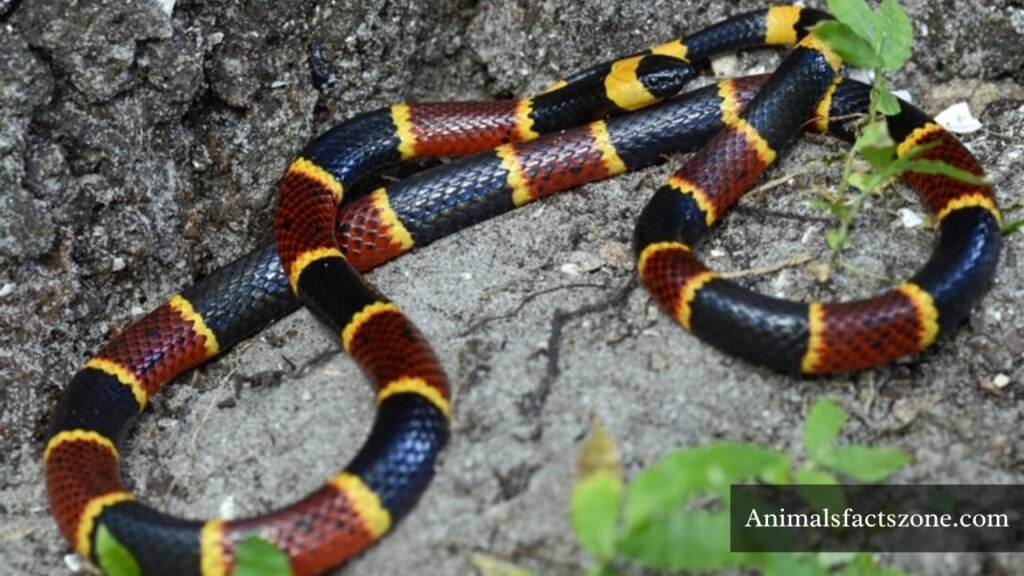
Beyond its physical appearance, the coral snake moves with an elegance that belies its lethal reputation. It displays a unique undulating locomotion, a characteristic that adds to its allure and mystery. Found primarily in the Americas, these snakes thrive in diverse environments, from sandy deserts to lush forests, showcasing their adaptability. Yet, the fragility of their habitat poses an increasing threat, urging conservation efforts to protect these beautiful but endangered reptiles.
Malayan Tapir
Scientific Name: Tapirus indicus
Class: Mammalia
Diet: Herbivore
The Malayan tapir, with its striking black and white stripes, presents a captivating study in nature’s artistry. Unlike the more commonly known striped animals like zebras, the tapir’s patterns serve a crucial role in its camouflage among the dense vegetation of Southeast Asian forests. As young tapirs are born adorned with bright stripes and spots, they blend into their verdant surroundings, effectively evading predators until they grow larger and darker. This adaptation showcases a remarkable evolutionary strategy geared toward survival.
Moreover, the Malayan tapir is not just a feast for the eyes; it plays an essential role in its ecosystem. As herbivores, they consume vast amounts of foliage, helping to manage plant growth and contributing to the health of their habitats. Their foraging habits also assist in seed dispersal, promoting biodiversity.
Readmore: Explore Top 12 Animals That Have Quills.
Conclusion
Striped animals play a fascinating role in the natural world, with their unique patterns serving various survival functions, from camouflage to social signaling. Whether it’s the striking black and white stripes of a zebra or the vivid patterns of a tiger, these creatures capture our imagination and highlight the diversity of animal adaptations. Studying these stripes not only enhances our understanding of these species but also underscores the importance of conservation efforts to protect their habitats. As we continue to explore the mysteries of the animal kingdom, let us appreciate the beauty and complexity of striped animals and the ecosystems they inhabit. Join us in supporting wildlife conservation initiatives to ensure these magnificent creatures continue to thrive for generations to come.
FAQs
What animal has stripes not a zebra?
One notable example is the tiger, known for its iconic orange and black stripes. These patterns not only provide camouflage in their natural habitat but also help them remain stealthy hunters.
Which animal has beautiful stripes?
Zebras are undoubtedly famous for their stunning stripes. Each zebra has a unique pattern, much like a fingerprint, which helps them recognize one another. Their bold black-and-white stripes not only make them visually striking but also serve as a form of camouflage against predators in the wild.
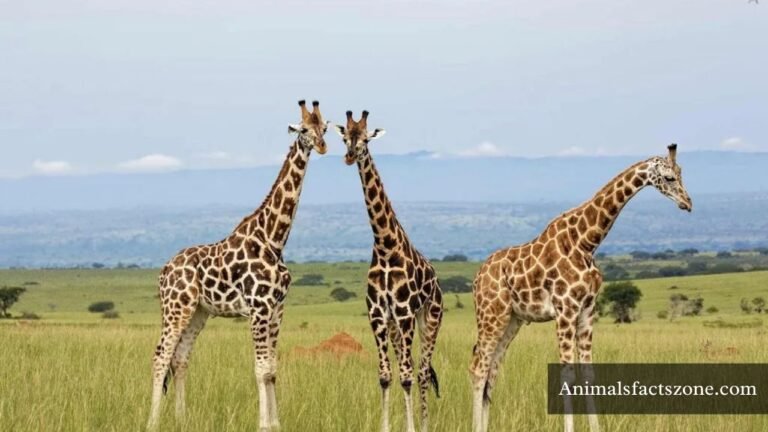
Is giraffe has stripes?
No, giraffes do not have stripes. Instead, they have a unique coat pattern made up of irregular brown spots on a lighter background. These spots vary in shape and size depending on the species.
Do lions have stripes?
No, lions do not have stripes. They are primarily covered in a tawny or golden coat, which helps them blend into their savanna habitat.
Do leopards have stripes?
No, leopards do not have stripes. They are known for their distinctive rosettes — dark spots that form a pattern resembling roses — on a golden to yellowish coat. This unique marking helps them blend into their surroundings, making them excellent hunters.