Top 12 Animals That Have Quills (With Pictures)
In the world of wildlife, animals that have quills stand out not just for their unique appearance, but also for their fascinating survival strategies. Understanding these remarkable creatures helps us appreciate the diversity of nature and the various ways species adapt to their environments. In this article, we’ll explore the most well-known quilled animals, their habitats, and why their adaptations matter for ecosystems and humans alike.
List of Animals That Have Quills
Here is the list of animals with quills:
- Hedgehogs
- Pufferfish
- Old World Porcupine
- Echnida
- Thorny Devil Lizard
- Sea Urchin
- North American Porcupine
- Spiny rats
- African Brush‑tailed Porcupine
- Lowland Streaked Tenrec
- Indian Crested Porcupine
- Greater Hedgehog Tenrec
Hedgehogs
Scientific name: Erinaceus europaeus
Class: Mammalia
Diet: Omnivore
Hedgehogs, often seen as adorable nocturnal critters, bring a fascinating twist to the animal kingdom with their unique quilled defense system. These small mammals possess thousands of sharp, hollow spines that serve not just as protection from predators but also as a captivating evolutionary adaptation. Contrary to popular belief, hedgehogs don’t shoot their quills; instead, they roll into a tight ball, displaying the spikes outward — a clever strategy that leaves would-be attackers in a prickly predicament.
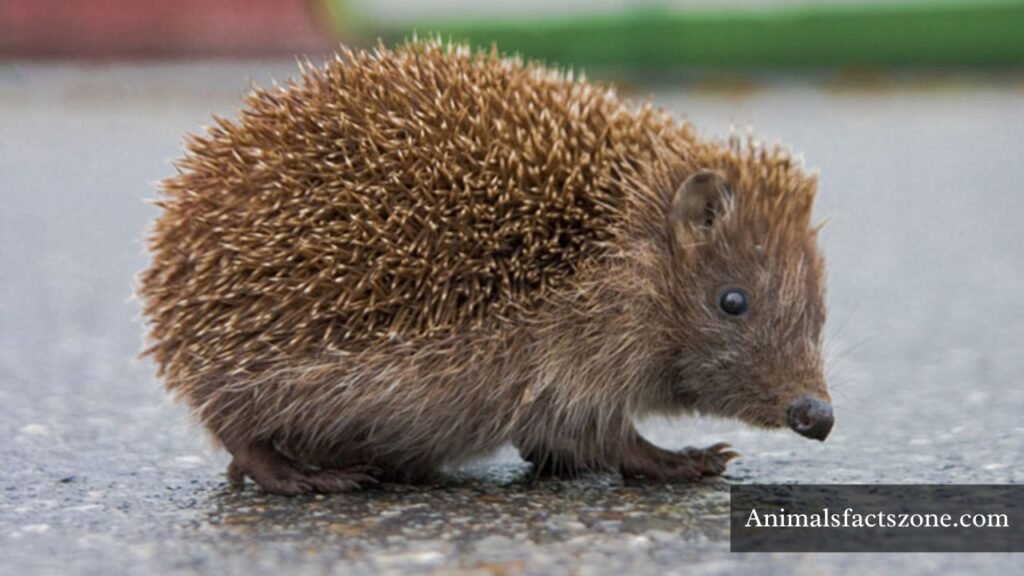
Interestingly, hedgehogs are more than just their quills. Their diet predominantly consists of insects, making them crucial players in controlling pest populations. They exhibit keen foraging behavior, using their acute sense of smell to locate meals in the underbrush. Despite their seemingly solitary nature, these creatures produce a range of vocalizations, from snuffles to huffing sounds, revealing a complex social life that’s often overlooked. As urban habitats encroach on their environments, understanding and appreciating the ecological role of hedgehogs can lead to better conservation efforts, ensuring these charming spiny mammals continue to thrive in our backyards.
Pufferfish
Scientific name: Tetraodontidae
Class: Actinopterygii
Diet: Carnivore
The pufferfish, often celebrated for its unique defense mechanism, showcases an intriguing layer of evolution intertwined with its quill-like spines that emerge when threatened. Unlike conventional quills, the pufferfish’s defense strategy revolves around its ability to inflate its body dramatically, creating an intimidating silhouette that is both bizarre and fascinating. This inflation not only enhances its size but also exposes the spines, which serve as a visual deterrent against potential predators. It’s a thrilling example of how adaptability manifests in the animal kingdom.
Beyond its prickly defenses, the pufferfish harbors another layer of intrigue with its toxin-filled organs. The tetrodotoxin present in its tissues can be lethal, making it vital for predator survival. This dual-threat nature of the pufferfish — their spiny appearance combined with toxicity — offers insight into symbiotic relationships in marine ecosystems.
Old World Porcupine
Class: Mammalia
Diet: Herbivore
The Old World porcupine, distinguished from its New World relatives, boasts a unique set of quills that serves both as armor and a fascinating means of communication. Unlike the barbed quills of their American cousins, these quills are longer and more brittle, allowing for a striking visual effect when the porcupine raises them in defense. This behavior is not merely defensive; it’s a captivating display that showcases the animal’s ability to manipulate its environment and communicate with predators and rivals alike.
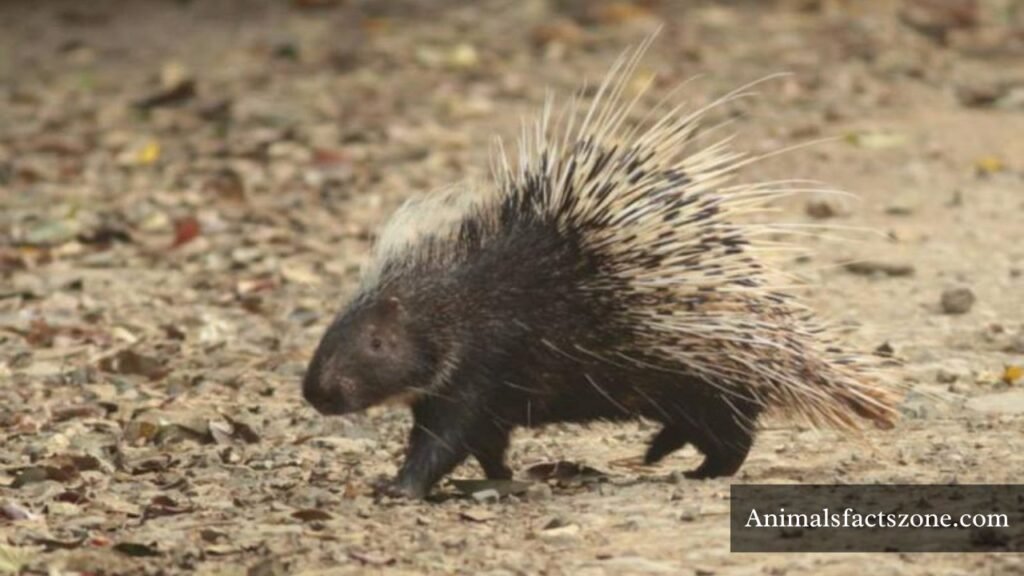
Beyond their quills, Old World porcupines exhibit intriguing social behaviors. These nocturnal creatures often engage in cooperative foraging and even form familial groups, defying the solitary stereotype typically associated with porcupines. Their diet primarily consists of roots, fruits, and bark, but they are also avid gnawers, which plays a crucial role in maintaining the delicate ecosystems they inhabit.
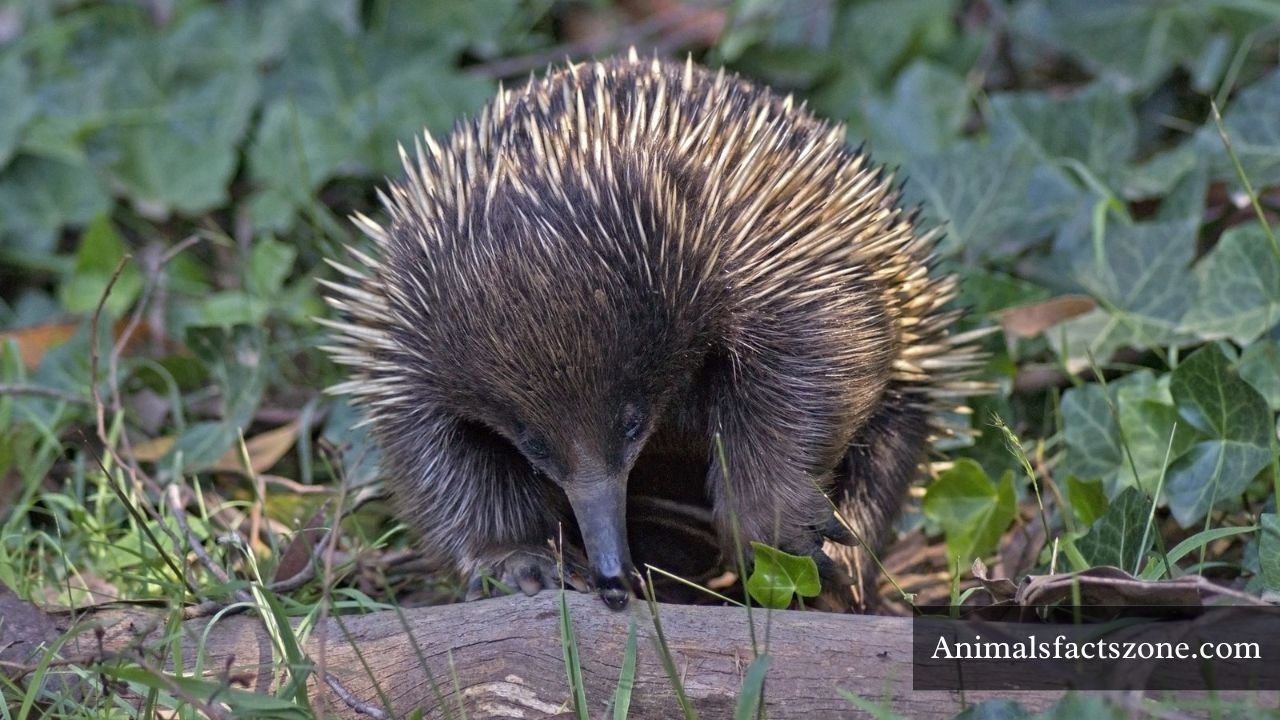
Echnida
Scientific name: Tachyglossus aculeatus
Class: Mammalia
Diet: Insectivore
The echidna, a fascinating egg-laying mammal, has a remarkable defense mechanism: quills. While many may associate quills solely with porcupines, echidnas showcase a unique adaptation. Their spines are not just for protection but also serve a sensory function, helping them navigate their often arid and rugged habitats. This dual purpose enhances their survival, allowing them to scavenge a variety of insects and worms hidden beneath the soil or leaf litter.
Moreover, the echidna’s quills differ from those of porcupines in that they are soft and flexible at the base, providing a level of comfort for the animals as they burrow. As they curl into a ball when threatened, these spines act as a natural deterrent against predators. Beyond their physical defenses, echidnas also display a fascinating form of parenting; mothers carry their young in a pouch, where they remain safe and grow until they can face the world.
Thorny Devil Lizard
Scientific name: Moloch horridus
Class: Reptilia
Diet: Carnivore
The Thorny Devil Lizard, a fascinating denizen of Australia’s arid deserts, is a master of camouflage and defense. Its spiky, armor-like skin mimics the surrounding terrain, allowing it to blend seamlessly into the dusty, rocky landscapes. But beyond mere appearance, this reptile is an expert in hydrodynamics; it can collect water droplets from rainfall or dew using the grooves in its spines, which funnel moisture directly to its mouth. This unique adaptation showcases a remarkable survival strategy in a harsh environment where water is scarce.
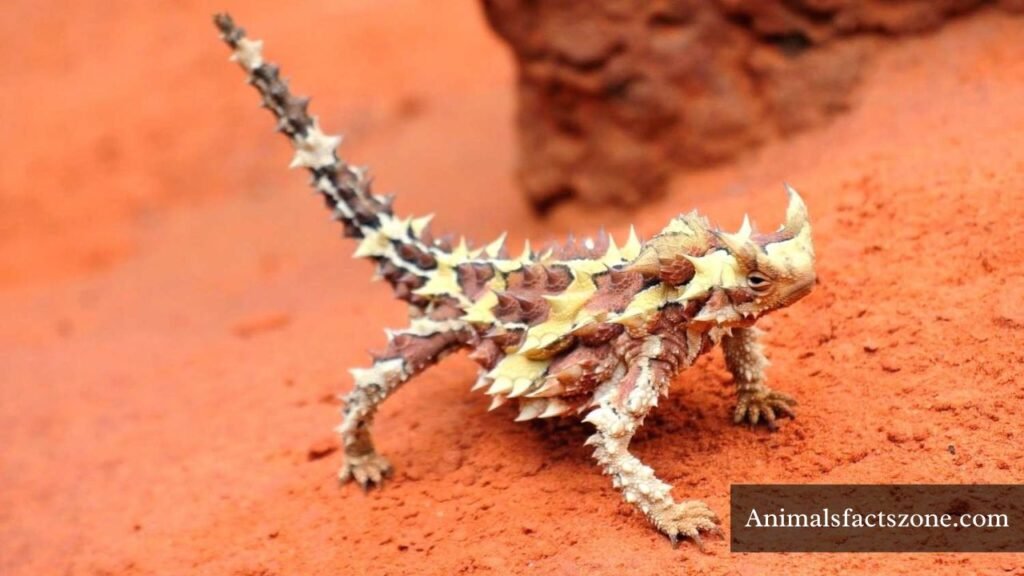
Moreover, the Thorny Devil employs a variety of clever tactics to deter predators. When threatened, it can broaden its body and display its formidable spines, making it appear more intimidating. This bluff, along with a vibrant color change, adds to its defensive repertoire. Interestingly, these lizards have a fascinating feeding behavior, consuming thousands of tiny ants daily. Their specialized jaws allow them to efficiently grasp and swallow these minuscule prey, demonstrating an effective niche within their ecosystem.
Sea Urchin
Class: Echinoidea
Diet: Herbivore/Omnivore
Sea urchins, often overlooked in the underwater world, are fascinating creatures adorned with a stunning array of quills, or spines, that serve more than just a protective function. These spines, made of calcium carbonate, not only deter predators but also play a crucial role in the sea urchin’s ability to navigate its environment. When the sea urchin moves across the ocean floor, it utilizes its spines to create friction, allowing for greater mobility in the often challenging terrain of rocky substrates.
Beyond defense and locomotion, sea urchins contribute significantly to the marine ecosystem. Their spines are a vital component of their feeding strategy, helping them to graze on algae that could otherwise overgrow and suffocate coral reefs. This grazing activity not only maintains the balance of marine ecosystems but also highlights the symbiotic relationship between sea urchins and coral health. As these curious creatures thrive, they remind us of the intricate connections within ocean communities, illustrating that even the smallest spikes can have a substantial impact on the delicate tapestry of underwater life.
North American Porcupine
Scientific name: Erethizon dorsatum
Class: Mammalia
Diet: Herbivore
The North American porcupine, an intriguing member of the rodent family, is a master of defense rather than aggression. Unlike many animals that rely on speed or ferocity to fend off predators, the porcupine’s quills are its crown jewels. These sharp, barbed spines can detach easily upon contact, embedding themselves in anything that dares to approach too closely. This unique adaptation not only protects the porcupine but also serves as a fascinating example of evolutionary ingenuity in the animal kingdom.
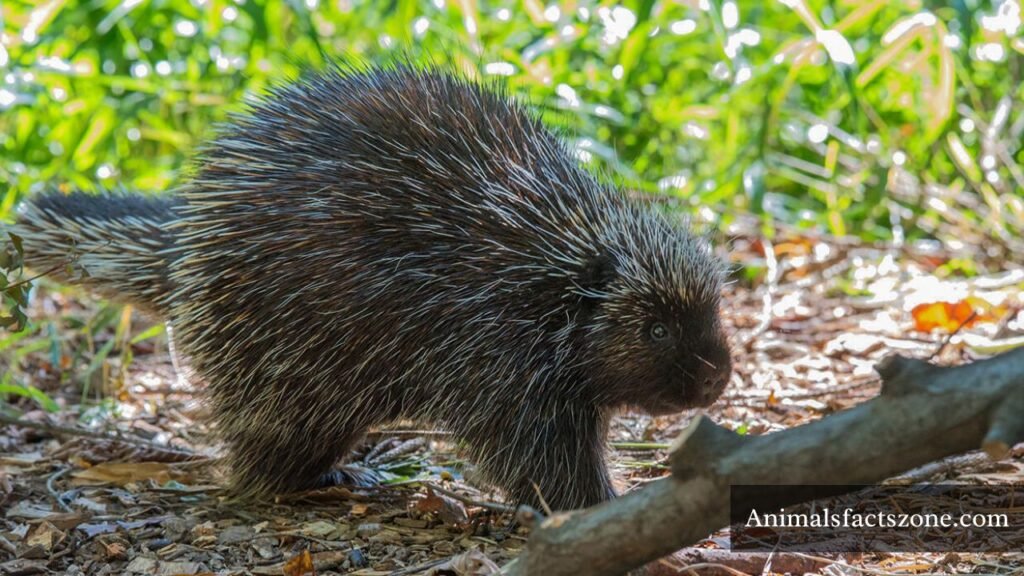
Beyond their outer defenses, porcupines are surprisingly social creatures. They can often be found foraging together for a diet that primarily consists of tree bark, leaves, and fruits. This choice of diet not only influences their habitat but also plays a role in forest ecology, as their eating habits help shape tree health and promote new growth. Moreover, these nocturnal rodents communicate through a variety of vocalizations, including grunts and high-pitched squeals, revealing a more complex social structure than one might initially assume.
Spiny rats
Class: Mammalia
Diet: Omnivore
Spiny rats, native to the lush forests of South America, offer a fascinating glimpse into the adaptations of rodents. Unlike their well-known porcupine cousins, spiny rats possess a unique coat made of short, spiked fur that lends them a formidable armor without the risks associated with detachable quills. This evolutionary strategy suggests that spiny rats have adapted their defense mechanisms not just for protection, but to maintain agility in their arboreal habitats.
What makes these creatures particularly intriguing is their diet, which consists largely of fruits and seeds. Their sharp, specialized teeth are adapted to efficiently crack open tough exteriors, showcasing a remarkable interplay between physical traits and ecological niches. Beyond their defensive and feeding adaptations, spiny rats are also social animals, often living in small family groups. This behavior enhances their chances of survival, as they rely on each other for foraging and vigilance against predators.
African Brush‑tailed Porcupine
Scientific name: Atherurus africanus
Class: Mammalia
Diet: Herbivore
The African brush-tailed porcupine is a fascinating creature that redefines our understanding of quilled animals. Unlike its more commonly known North American cousin, this porcupine boasts a unique adaptation: its quills are softer and more numerous, giving it a striking appearance that’s both charming and formidable. These quills serve not only as a defense mechanism but also as a means of communication. When threatened, the porcupine shakes its quills, producing an unsettling sound that serves as a warning to potential predators.
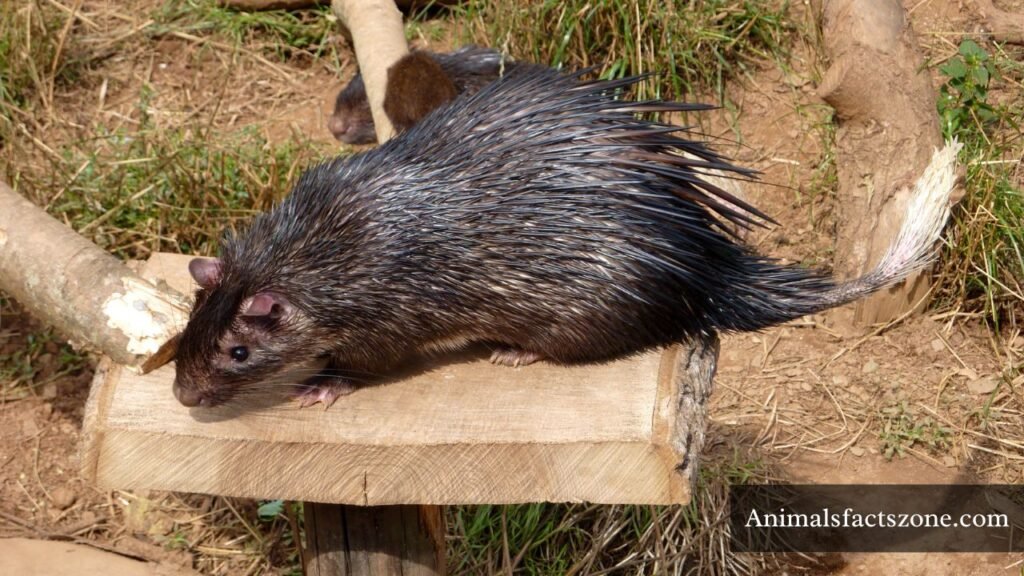
Beyond their defensive traits, these nocturnal mammals exhibit intriguing social behaviors. They often engage in collaborative foraging, relying on their keen sense of smell to locate food sources like roots, fruits, and bark. This social aspect offers insights into the complexities of porcupine life, challenging the stereotype of solitary, prickly creatures. As they navigate their natural habitats in forests and grasslands across Africa, they play a crucial role in maintaining ecological balance, aiding in seed dispersal and contributing to soil health. The African brush-tailed porcupine embodies a remarkable blend of adaptation and ecology, showcasing the intricate connections within our planet’s diverse biosphere.
Lowland Streaked Tenrec
Scientific name: Hemicentetes semispinosus
Class: Mammalia
Diet: Insectivore
The Lowland Streaked Tenrec, a captivating creature native to Madagascar, offers a fascinating glimpse into the diversity of evolution. This small mammal boasts an array of quills, which serve not only as a formidable defense mechanism but also play a role in its social behaviors. Unlike the more familiar porcupine quills that detach easily, the tenrec’s quills remain firmly attached, giving it a unique advantage in its dense rainforest habitat. When threatened, it rolls into a ball, using its spines as an armor against predators.
Beyond their defensive adaptations, Lowland Streaked Tenrecs are also remarkable for their vibrant communication methods. They engage in a range of vocalizations and tactile interactions, showcasing the complexity of their social structures. Interestingly, these tenrecs employ a behavior known as “quill rattling,” where they shake their spines to produce a sound that deters rivals and attracts mates.
Indian Crested Porcupine
Scientific name: Hystrix indica
Class: Mammalia
Diet: Herbivore
The Indian Crested Porcupine is a fascinating creature, often misunderstood due to its formidable quills. These unique animals are not just spiny; they exhibit a range of intriguing behaviors that highlight their adaptability. Found in various habitats, from forests to grasslands, they play a crucial role in their ecosystem by aerating the soil and distributing plant seeds through their foraging habits.
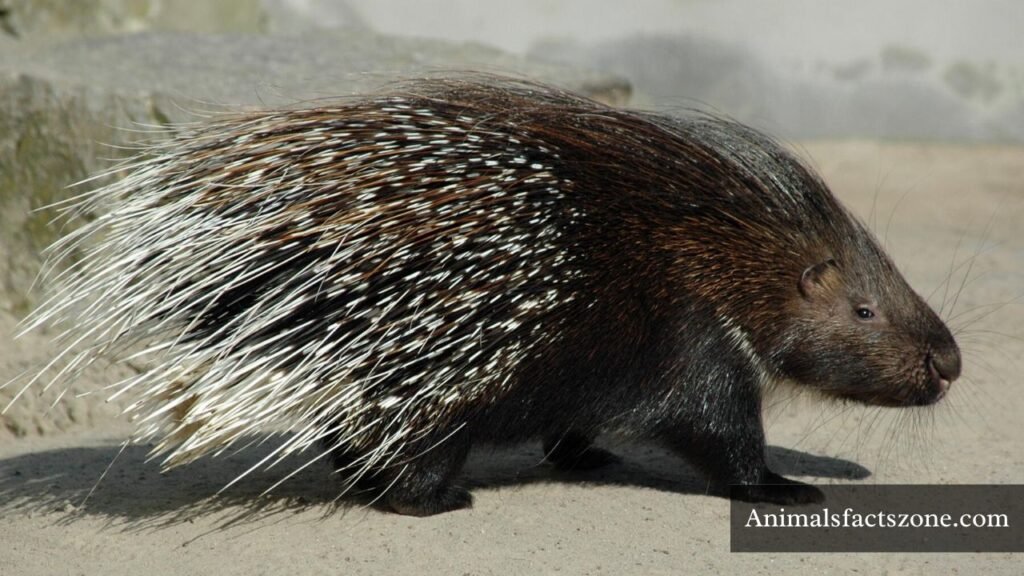
What sets the Indian Crested Porcupine apart is its striking social structure. While many porcupine species are solitary, these porcupines can form small family groups, showcasing a surprisingly complex social life. Their quills, often thought to be purely defensive, also serve an essential role in communication. When threatened, they shake their quills to create a rattling sound, an auditory warning to potential predators that they should think twice before approaching.
Greater Hedgehog Tenrec
Scientific name: Setifer setosus
Class: Mammalia
Diet: Insectivore/Omnivore
The Greater Hedgehog Tenrec, a remarkable creature native to Madagascar, defies the common perception of what a spiny animal should look like. Unlike traditional hedgehogs, which possess stiff quills, the Greater Hedgehog Tenrec showcases short, hollow spines that serve a dual purpose: they provide defense while also playing a role in communication. When threatened, this nocturnal mammal can raise its quills, creating an impressive display that may deter predators. Each spine is crafted from a unique keratin structure that allows flexibility, ensuring these tenrecs can navigate through dense foliage without becoming hindered.
Beyond their formidable quills, these tenrecs exhibit fascinating behaviors that set them apart from their echidna cousins. They possess a keen sense of smell and can sense vibrations in the ground, a skill that aids in hunting insects and small invertebrates. Their social dynamics are equally intriguing, as they can engage in complex social interactions, often seen grooming one another to reinforce bonds.
Readmore: Explore Top 18 Animals That Walk On Two Legs.
Conclusion
Animals with quills, such as hedgehogs and porcupines, exhibit fascinating adaptations that serve as vital defense mechanisms in the wild. Their quills not only protect them from predators but also highlight the incredible diversity of survival strategies in the animal kingdom. By understanding these unique features, we can appreciate the complexity of these creatures and the environments in which they thrive. Conservation efforts are essential to ensure their habitats remain intact for future generations. Let’s commit to learning more about these remarkable animals and advocate for their protection.
FAQs
Is an echidna a rodent?
No, an echidna is not a rodent. Echidnas belong to a group of mammals called monotremes, which also includes the platypus. Monotremes are unique because they lay eggs instead of giving birth to live young, setting them apart from rodents and most other mammals.
Do echidnas have spines or quills?
Echidnas have spines, not quills. These spines are modified hairs made of keratin, similar to what makes up human nails. They serve as a defense mechanism against predators, giving echidnas their distinctive look.
What is a rodent with quills?
A rodent with quills is most commonly referring to a porcupine. These animals are not just your average rodents; they are known for their distinctive quills, which are modified hairs made of keratin. When threatened, porcupines can raise these quills as a defense mechanism, deterring predators from getting too close. Porcupines are primarily nocturnal and are usually herbivorous, feeding on leaves, bark, and fruits. They are found in various habitats across the Americas, ranging from forests to grasslands. Their unique quill defense makes them one of the most recognizable rodents in the animal kingdom.
Do hedgehogs have spines or quills?
Hedgehogs have quills. These quills are stiff and sharp, providing the hedgehog with a defense mechanism against predators. When threatened, a hedgehog can curl up into a tight ball, causing the quills to poke outwards and deter attackers.