Top 14 Animals That Eat Mice (With Images)
Understanding the predators in the animal kingdom gives us a greater appreciation for nature’s balance. In this article, we will explore the fascinating world of animals that eat mice, examining how these creatures contribute to ecosystems, control rodent populations, and influence their environments. By the end, you’ll gain insight into the essential roles these mice-eating animals play in our ecosystem.
List of Animals That Eat Mice
Below is the list animals that eat mice:
- Owl
- Fox
- Coyotes
- Domestic cats
- Badgers
- Snake
- Hawk
- Weasels
- Bobcat
- Bear
- Wolves
- Eagle
- Komodo Dragon
- Raccoons
Owl
Scientific Name: Strigiformes
Class: Aves
Diet: Carnivore
Owls, often considered the silent hunters of the night, rely heavily on their acute sense of hearing and exceptional night vision to locate their primary prey: mice. These fascinating birds are not just skilled predators; they are also integral to the balance of their ecosystems. A single owl can consume a staggering number of rodents in a year, making them essential for controlling mouse populations, which in turn protects crops and minimizes disease transmission.
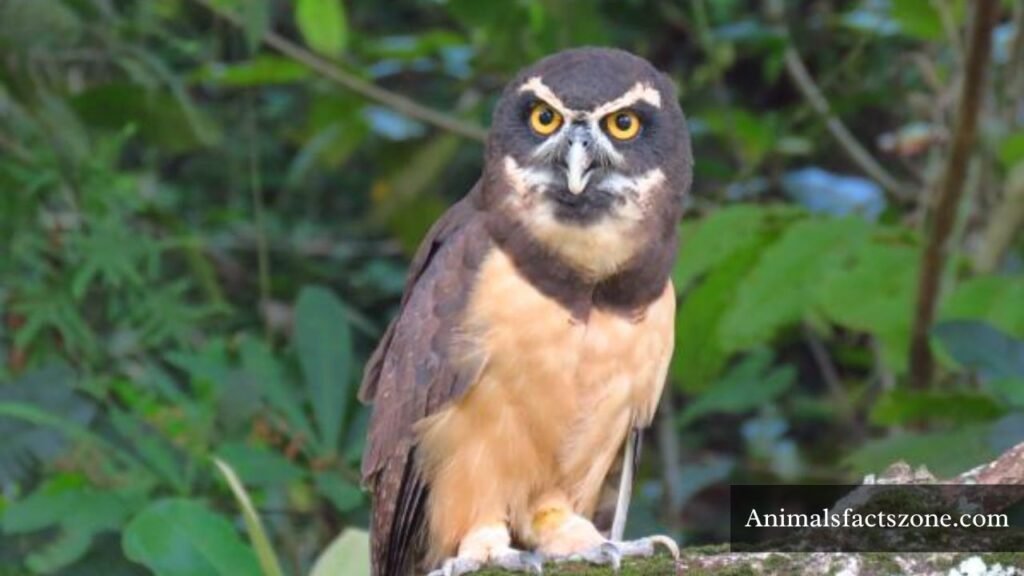
What sets owls apart from many other raptors is their unique method of hunting. With the ability to rotate their heads nearly 270 degrees, they can effortlessly survey their surroundings without moving their bodies. This flexibility allows them to spot even the slightest rustle in the underbrush, a telltale sign of a mouse on the move. Moreover, the specialized feathers of owls create near-silent flight, enabling these nocturnal predators to swoop in undetected, turning the small mammals into an easy meal.
Fox
Scientific Name: Vulpes vulpes
Class: Mammalia
Diet: Omnivore
Foxes are fascinating for their adaptability and cunning nature, often blending seamlessly into human-dominated landscapes. Among their diverse diets, mice hold a special place, providing a crucial source of protein. This agile predator employs a mix of sharp eyesight and acute hearing to locate their scurrying prey, often utilizing a remarkable pouncing technique that showcases their agility and precision. Observing a fox in action can feel like watching nature’s ballet, as they leap artfully into the grass to capture their unsuspecting meal.
What makes foxes particularly interesting is their varied hunting strategies, which can change depending on their environment. In urban settings, for instance, they might resort to scavenging, yet they never overlook the opportunity for a fresh catch. Their role in controlling mouse populations not only balances local ecosystems but also serves as a reminder of their essential contribution to human agriculture by mitigating crop damage.
Coyotes
Scientific Name: Canis latrans
Class: Mammalia
Diet: Omnivore
Coyotes, often thought of as the cunning tricksters of the animal kingdom, demonstrate an impressive adaptability in their diets, with mice being a staple choice. These opportunistic predators rely on their keen senses to locate their small, scurrying prey. Hunting in packs or solo, coyotes showcase strategic prowess, employing both speed and stealth to capture their unsuspecting victims. This versatility not only aids their survival but also helps maintain ecological balance by controlling rodent populations.
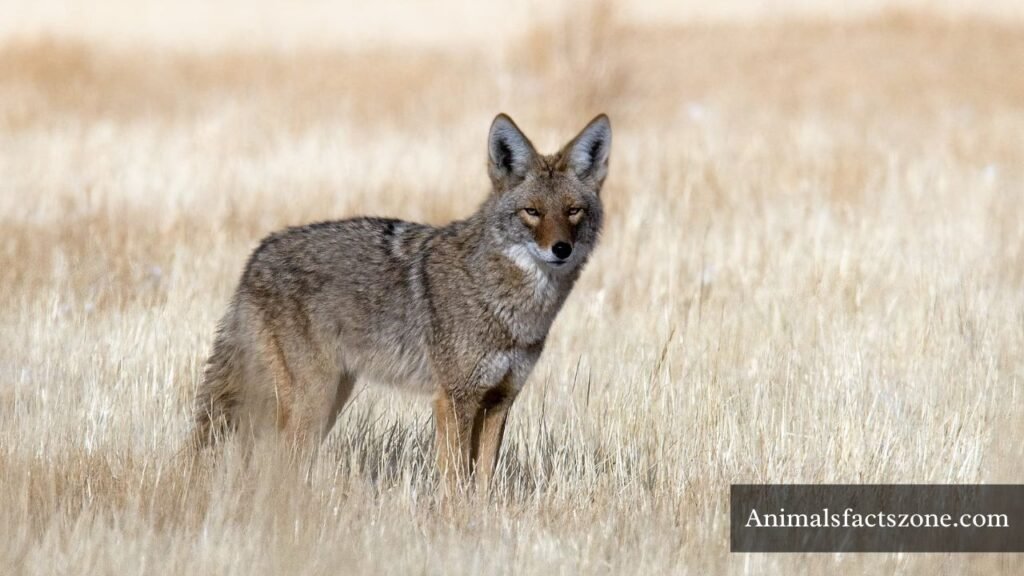
Interestingly, coyotes’ preference for mice reveals much about their behavioral flexibility. In urban environments where human encroachment limits traditional prey, coyotes have shifted their hunting habits, blending into suburban landscapes and thriving in diverse habitats. This adaptability underscores their role as crucial scavengers, as they help regulate pests that can carry diseases or cause agricultural damage. By attempting to coexist near human populations, coyotes serve as a reminder that wildlife can navigate the challenges posed by urbanization while still playing a vital part in our ecosystem.
Readmore: Explore Top 15 Animals That Eat Frogs.
Domestic cats
Scientific Name: Felis catus
Class: Mammalia
Diet: Carnivore
Domestic cats, often cherished as indoor companions, retain their ancestral instincts as skilled hunters. Even the laziest house cat can surprise owners with sudden bursts of energy, showcasing their innate ability to stalk and capture prey, primarily small rodents like mice. This predatory behavior is not just a learned survival tactic; it’s deeply embedded in their genetics, honed over thousands of years as they evolved alongside humans.
Interestingly, the act of catching mice isn’t merely about hunger for many domestic cats. It fulfills a psychological need for stimulation and exercise. Engaging in this behavior allows them to tap into their playful nature, turning their surroundings into an exhilarating hunting ground.
Badgers
Scientific Name: Meles meles
Class: Mammalia
Diet: Omnivore
Badgers, often perceived as quaint yet fierce residents of the countryside, play an intriguing role in the ecosystem as adept hunters of mice. With their stocky bodies and powerful claws, these nocturnal foragers emerge under the cover of darkness to patrol their territories, seeking out small mammals like mice that scuttle about in the underbrush. The badger’s keen sense of smell is its greatest ally, allowing it to detect the faintest scents of potential prey hidden beneath the soil or within dense foliage.
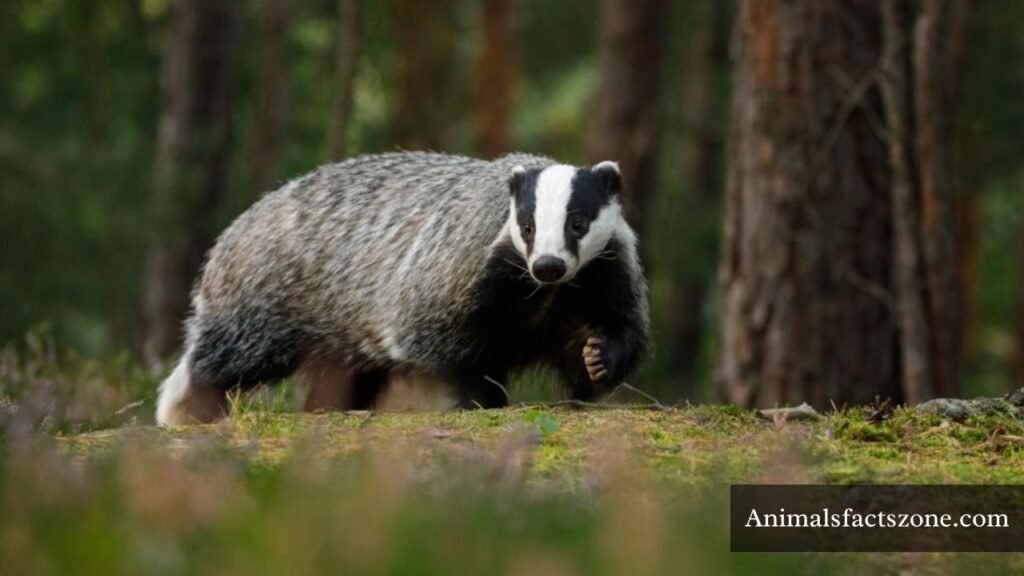
What sets badgers apart is their strategic hunting approach. Unlike many predators that rely solely on speed or stealth, badgers utilize their intelligence and might to unearth burrows, a tactic that showcases their adaptability. They often collaborate in groups, engaging in cooperative hunting that increases their chances of a successful meal, turning a solitary venture into a well-orchestrated mission. This social aspect of badger behavior not only enhances their hunting efficacy but also contributes to the dynamic balance of their habitat, demonstrating the interconnectedness of species within the ecosystem.
Snakes
Scientific Name: Serpentes
Class: Reptilia
Diet: Carnivore
Snakes are remarkable predators, and their ability to hunt and consume mice demonstrates their evolutionary prowess. Many species, such as rattlesnakes and corn snakes, have developed specialized techniques to locate their prey, using heat-sensing pits and keen visual acuity. This makes them incredibly efficient hunters in a world where stealth and precision are crucial for survival. Their method of swallowing their prey whole showcases not only their jaw flexibility but also the efficiency of their digestive systems.
What adds an intriguing dimension to their predatory behavior is the variation in hunting strategies among different snake species. While some rely on ambush tactics, lying in wait for unsuspecting mice, others employ active foraging, systematically searching through underbrush and grasslands. This adaptability helps them thrive in diverse ecosystems, from arid desert landscapes to lush forests. Consequently, snakes not only play a vital role in controlling mouse populations but also contribute to the balance of their ecological communities, showcasing nature’s intricate web of interactions.
Hawk
Scientific Name: Buteo jamaicensis
Class: Aves
Diet: Carnivore
Hawks, with their keen eyesight and swift flight, are among nature’s most skilled hunters, employing a complex strategy to catch their prey. These raptors can spot a mouse scurrying through grass from hundreds of feet in the air, thanks to their exceptional vision, which allows them to detect even the faintest movements. Once they pinpoint their target, hawks dive at astonishing speeds, showcasing both precision and power in their hunting technique. This ability to effortlessly transition from soaring high above the ground to executing a rapid descent is a testament to their evolutionary adaptations.
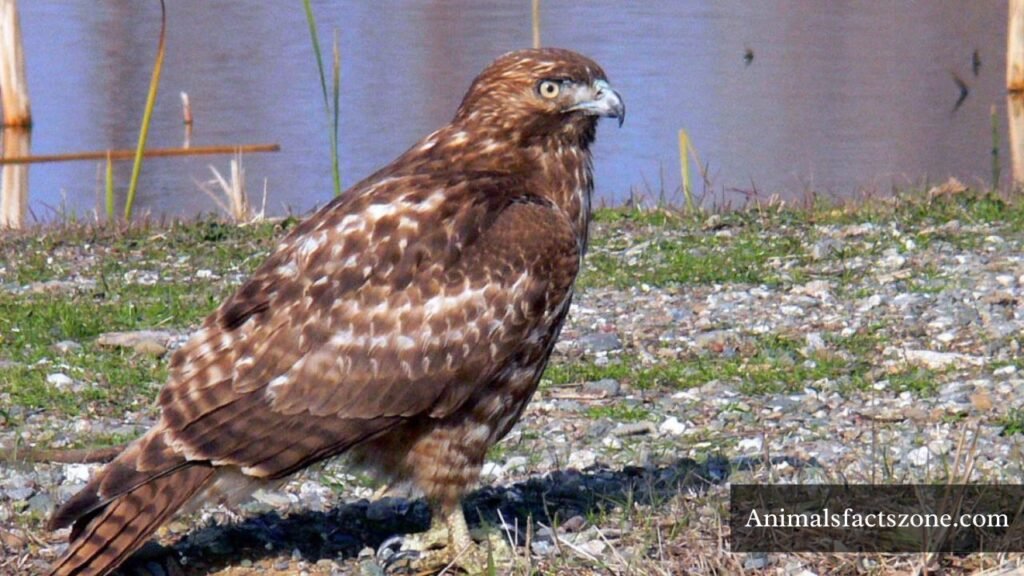
Interestingly, hawks also play a crucial role in controlling rodent populations, contributing to the ecological balance in their habitats. By preying on mice, they help prevent overpopulation that could lead to crop damage and the spread of disease. This predator-prey relationship highlights the intricacies of food webs, where hawks serve not just as hunters but as vital agents of ecosystem health.
Weasels
Scientific Name: Mustela
Class: Mammalia
Diet: Carnivore
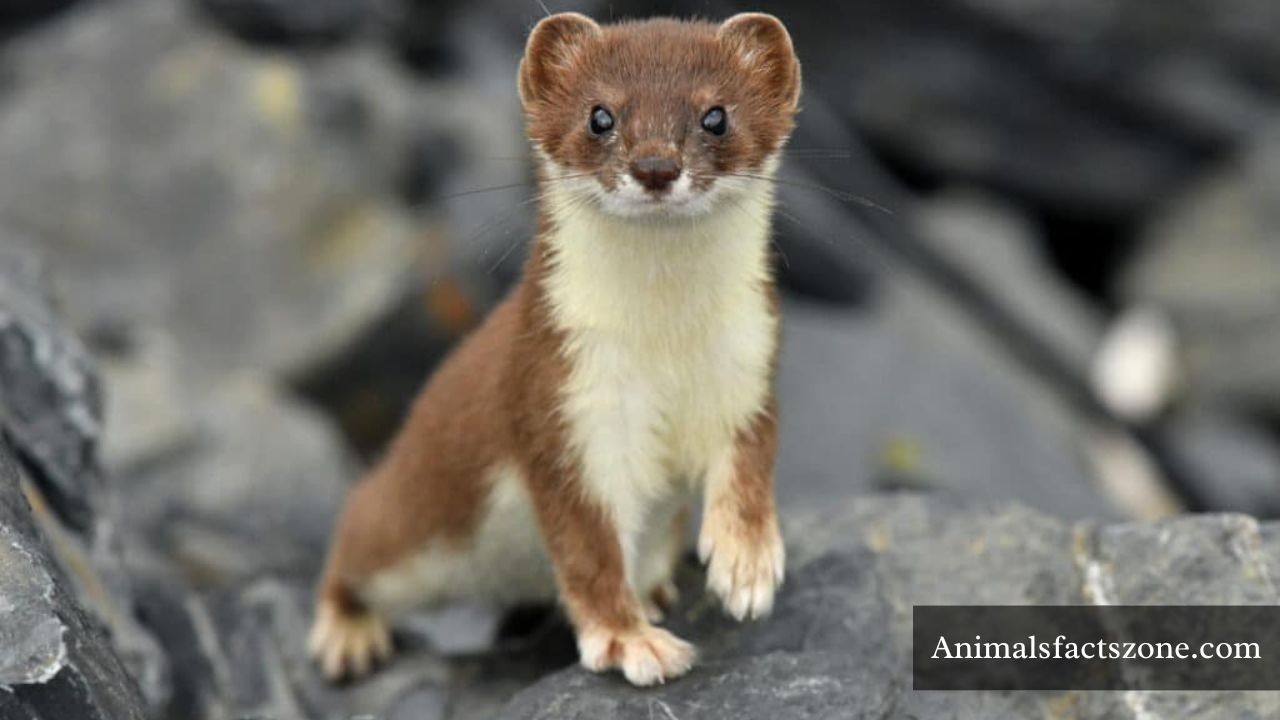
Weasels, with their slender bodies and sharp instincts, are skilled hunters that often play a vital role in controlling mouse populations. These agile mammals utilize their stealth and agility to navigate tight spaces, allowing them to infiltrate mouse nests undetected. Their exceptional sense of hearing and smell gives them an edge in locating their prey, making them formidable hunters in various habitats, from woodlands to farmlands.
What’s fascinating about weasels is their hunting technique known as “storing.” After catching a mouse, they often hide their prey in a safe place to consume later, ensuring a steady food supply even when hunting conditions are less favorable. This behavior sheds light on the weasel’s resourcefulness and adaptability in the wild, as they master the art of survival.
Bobcat
Scientific Name: Lynx rufus
Class: Mammalia
Diet: Carnivore
Bobcats are stealthy predators, demonstrating an incredible adaptability to various environments, from dense forests to arid deserts. Their keen senses allow them to detect the faintest sounds of rustling grass or skittering creatures, making them formidable hunters. While they primarily consume small mammals, their diet often features mice as a staple. These agile felines employ a pounce-and-stalk strategy, using their incredible camouflage to blend into the surroundings before launching an efficient attack.
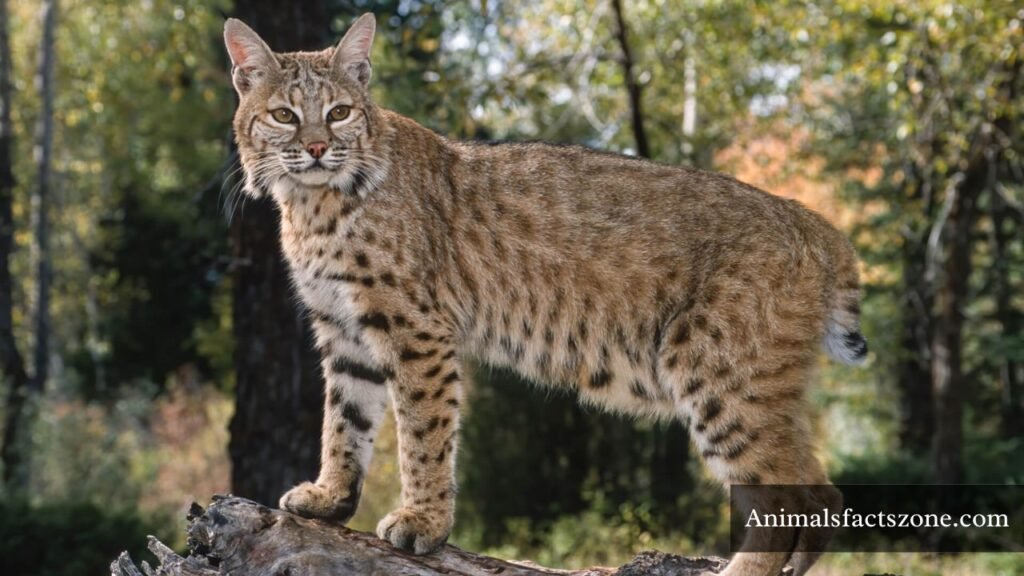
What distinguishes bobcats is their skillful use of habitat. They often prefer areas where tall grasses or shrubs offer cover, enabling them to ambush unsuspecting prey. Interestingly, their hunting behaviors can vary from region to region; in more wooded areas, bobcats may utilize trees for elevation when stalking, while those in open landscapes rely heavily on quick bursts of speed.
Bear
Scientific Name: Ursidae
Class: Mammalia
Diet: Omnivore
Bears, often celebrated as majestic omnivores, have a surprisingly diverse diet that includes the occasional mouse. Though these small mammals might seem insignificant in comparison to their larger prey, bears exhibit an impressive adaptability that allows them to thrive in various environments. When berries and fish are not in season, a bear’s keen sense of smell guides it to the scent of rodents scurrying through underbrush or hiding in burrows, providing a rich source of protein that enhances their foraging strategy.
Interestingly, the consumption of mice plays a crucial role in the bear’s overall survival, especially during times of scarcity. This protein boost can be vital for young cubs who require substantial nourishment to grow strong. Furthermore, the act of hunting smaller prey showcases the bear’s versatility and intelligence, as they employ different techniques — such as digging or stalking — to catch these elusive creatures.
Wolves
Scientific Name: Canis lupus
Class: Mammalia
Diet: Carnivore
Wolves, often depicted as fierce apex predators, play a crucial role in controlling rodent populations, including mice. These highly social animals exhibit remarkable hunting strategies that involve teamwork and communication. When hunting in packs, wolves can flush out mice from their hiding spots, ensuring that no small rodent escapes. Their keen sense of smell, combined with acute hearing, allows them to detect even the faintest movements of mice hiding in tall grass or dense underbrush.
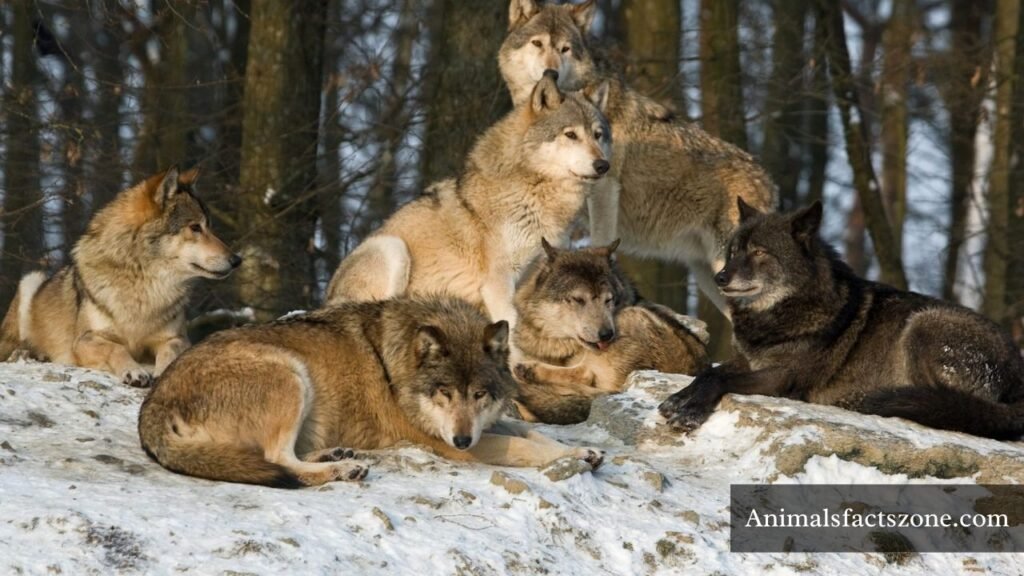
Interestingly, the consumption of mice is not just opportunistic; it also supplements the diet of wolves, particularly in regions where larger prey may be scarce. This adaptability highlights their ecological versatility and hunting intelligence. By including smaller mammals like mice in their diet, wolves contribute to a balanced ecosystem, preventing overcrowding of prey species that could lead to habitat degradation.
Eagle
Scientific Name: Aquila chrysaetos
Class: Aves
Diet: Carnivore
Eagles, particularly the magnificent bald eagle and the powerful golden eagle, showcase a remarkable adaptability in their diet. While fish often dominate their meals, both species will not hesitate to hunt small mammals, including mice, when the opportunity arises. This dietary flexibility highlights their role as apex predators in various ecosystems, allowing them to thrive in diverse habitats ranging from coastal regions to mountainous terrains.
What makes the eagle’s hunting technique fascinating is its unparalleled vision — an eagle can spot a mouse scurrying on the ground from high above, thanks to its keen eyesight that is estimated to be four to eight times stronger than that of an average human. Their hunting style is a combination of patience and precision; these birds often soar at great heights only to dive at incredible speeds to catch their unsuspecting prey.
Komodo Dragon
Scientific Name: Varanus komodoensis
Class: Reptilia
Diet: Carnivore
The Komodo dragon, the world’s largest lizard, is an apex predator that showcases a remarkable adaptability in its diet. While its reputation often includes larger prey like deer and wild boars, these formidable reptiles also feast on smaller mammals, including mice. This uncommon aspect of their diet highlights their opportunistic feeding behavior and the complex dynamics of their ecosystem. When larger prey is scarce, a Komodo dragon won’t hesitate to scavenge or hunt smaller creatures, demonstrating their versatility as predators.
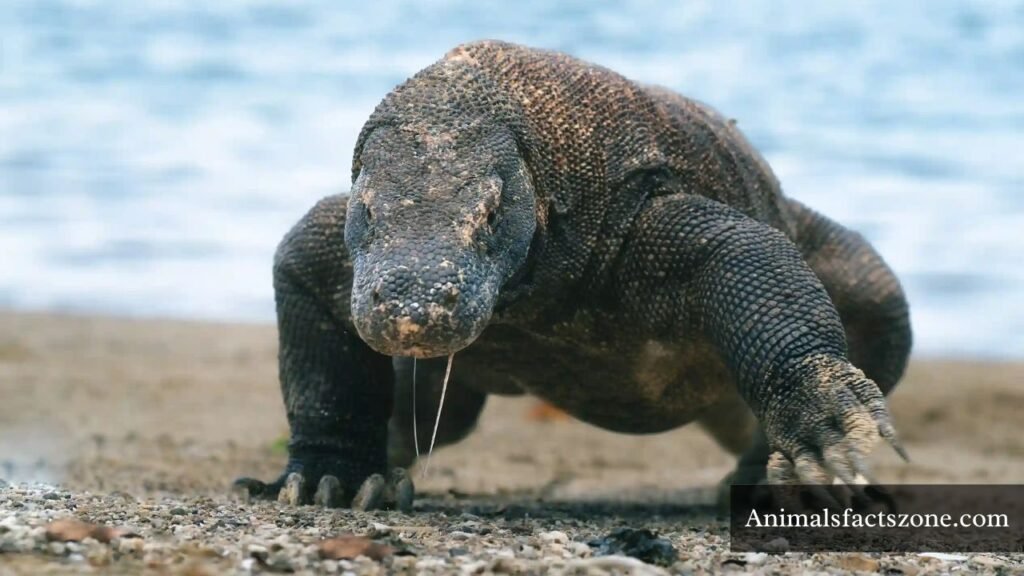
Interestingly, the hunting strategy of a Komodo dragon is as captivating as its size. Armed with a keen sense of smell and powerful jaws, they can stealthily ambush their prey, striking quickly with precision. The interaction between these dragons and mice illuminates the web of life on islands like Komodo, where every creature plays a role in maintaining ecological balance. The impact of invasive species on these islands underscores the importance of preserving the Komodo dragon’s habitat, ensuring that these fascinating predators continue their critical role in the food chain. This interplay not only showcases the adaptability of the Komodo dragon but also prompts us to consider the delicate balance of nature and the vital roles each species plays in their environment.
Raccoons
Scientific Name: Procyon lotor
Class: Mammalia
Diet: Omnivore
Raccoons, often seen as playful urban critters, are surprisingly effective hunters when it comes to smaller creatures, including mice. Their dexterous front paws and omnivorous diet enable them to be opportunistic feeders, adapting their eating habits based on availability. In urban areas, where they scavenge through garbage bins, mice become a convenient source of protein, helping raccoons capitalize on the intertwining nature of city life and wildlife.
Interestingly, raccoons’ ability to communicate plays a significant role in their hunting tactics. Through a series of vocalizations and body gestures, they often coordinate with one another — an unusual behavior among solitary hunters. This social aspect not only increases their chances of capturing prey but also highlights a fascinating layer of intelligence in these masked mammals. As they navigate through both natural habitats and urban landscapes, the raccoon’s agility and strategic skills make them formidable hunters and essential players in controlling the mouse population, all while showcasing the complexity of interspecies relationships in varied ecosystems.
Readmore: Explore Top 15 Animals That Eat Corns.
Final Words
The diverse set of animals that prey on mice plays a crucial role in maintaining ecological balance. From swift predators like hawks and owls to stealthy hunters such as foxes and snakes, each species contributes to controlling mouse populations in their respective habitats. Understanding these relationships highlights the intricate web of life that supports ecosystems. Furthermore, recognizing the importance of these predators can inform conservation efforts aimed at protecting them and their environments. We must appreciate and protect these natural hunters to foster a healthier ecosystem for all.
FAQs
What eats mice?
Mice have a variety of natural predators. Common predators include birds of prey like hawks and owls, which rely on keen eyesight to spot mice in the grass. Snakes are also significant predators, able to sneak up on their prey and strike swiftly. In addition to these, mammals like foxes, weasels, and coyotes will hunt mice as part of their diet. Even domestic cats are known for their instinctual hunting behavior, making them effective at keeping rodent populations in check.
Do birds eat mice?
Yes, some birds do eat mice. Predatory birds like hawks, owls, and eagles often hunt small mammals, including mice, as part of their diet. These birds have excellent eyesight and sharp talons, making them skilled hunters.
What animal eats the most mice?
When it comes to animals that eat the most mice, owls top the list. These nocturnal hunters have excellent night vision and acute hearing, allowing them to locate and catch mice with remarkable efficiency. Great horned owls and barn owls are particularly adept at preying on rodents.