Top 15 Animals That Eat Frogs (Pictures Included)
In the wild, these seemingly innocent amphibians are hunted down by a diverse cast of predators, making them a crucial part of the ecosystem. Understanding which animals eat frogs not only reveals fascinating relationships within nature but also highlights the delicate balance of food webs. In this article, we’ll delve into the surprising world of animals that eat frogs and explore their roles in maintaining ecological harmony.
List of Animals That Eat Frogs
Here is the list of animals that eat frogs
- Herons
- Hawks
- Opossums
- Otters
- Snakes
- Large Fish (Bass/Pike)
- Raccoons
- Alligators
- Turtles
- Skunks
- Owls
- Cranes
- Coyote
- Badger
- Other Frogs
Herons
Scientific Name: Ardeidae
Class: Aves
Diet: Carnivore
Herons, those elegant wading birds often spotted in serene wetlands, are relentless hunters when it comes to their diet, and frogs make for a delectable treat. With their long necks and sharp beaks, herons exhibit a remarkable hunting technique that is both graceful and efficient. Standing still for long periods, they are masters of patience — waiting for the slightest ripple in the water to signal the presence of their amphibious prey. Once a frog makes the mistake of swimming too close, the heron strikes with lightning speed, demonstrating a precision that belies its size.
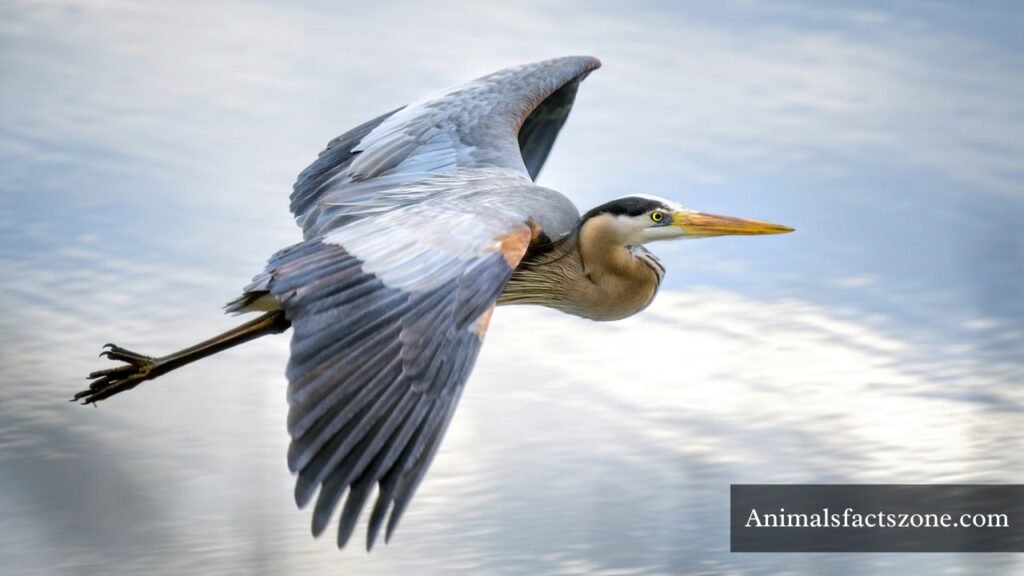
Interestingly, herons also play a vital ecological role by controlling frog populations, maintaining a balance in their watery habitats. However, their predation isn’t just about survival; it’s a complex dance of interdependence within the ecosystem. Frogs, with their permeable skin, can act as indicators of environmental health, and by keeping their numbers in check, herons inadvertently contribute to the vitality of their ecosystem. As such, these birds aren’t merely eating; they are part of a larger narrative of life, echoing the intricate connections found in nature.
Hawks
Scientific Name: Accipitridae
Class: Aves
Diet: Carnivore
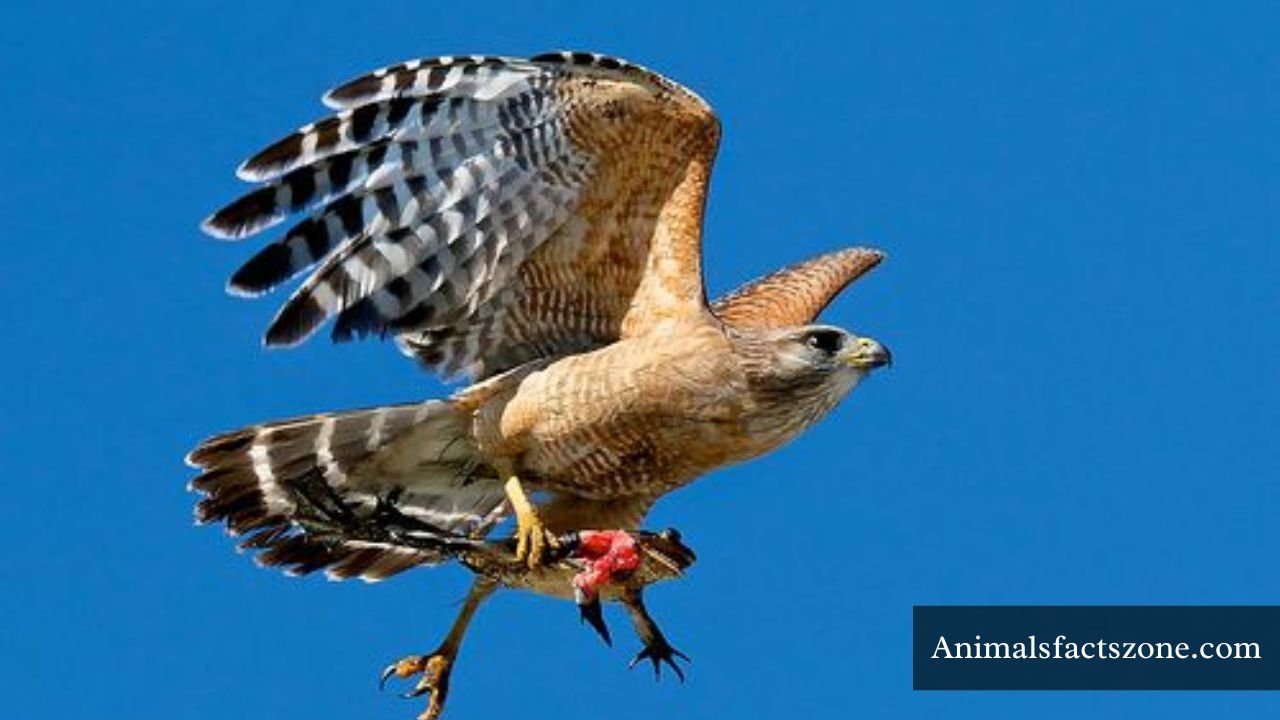
Hawks are masterful predators, utilizing their keen eyesight and aerial agility to hunt a variety of prey, frogs included. With sharp talons and a lethal grip, these raptors can swoop down from heights of up to 1,000 feet, spotting a frog hiding among reeds or basking at the water’s edge. Interestingly, the timing of their hunt is often strategic; many hawks prefer early morning or late evening when frogs are most active, maximizing their chances of a successful catch.
Notably, different hawk species have varying techniques for capturing frogs. For instance, the Red-tailed Hawk may use a waiting strategy, perched high above, while the Cooper’s Hawk relies on speed and surprise, darting through the underbrush. Their adaptability extends to feeding habits as well; in some regions, they have been observed taking down larger amphibians, showcasing their resourcefulness in a diverse diet. This behavior is not just opportunistic; it plays a crucial role in maintaining ecological balance, keeping frog populations in check and ensuring the health of their habitats. The relationship between hawks and frogs offers a fascinating glimpse into the intricate web of predator-prey dynamics in nature.
Opossum
Scientific Name: Didelphis virginiana
Class: Mammalia
Diet: Omnivore
The opossum, often overlooked in discussions about amphibian predators, plays an intriguing role in the ecosystem as an opportunistic feeder. These nocturnal marsupials have a diverse diet that can include a variety of small animals, and frogs are frequently on the menu. What sets opossums apart is their ability to consume potentially toxic species, thanks to their unique digestive systems which can neutralize many of the harmful substances that these amphibians produce. This resilience makes them crucial players in controlling frog populations and ensuring ecological balance.
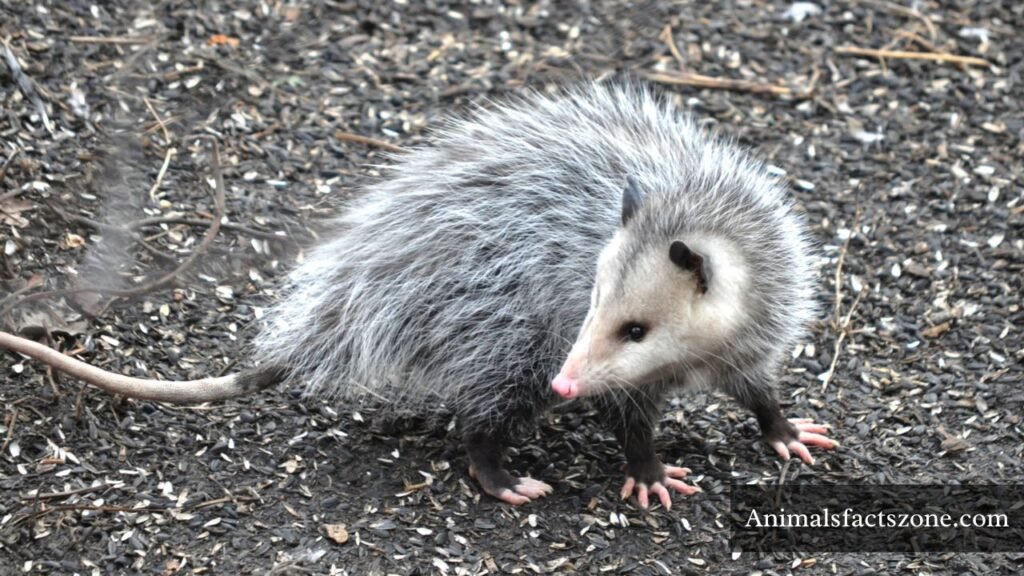
Interestingly, the presence of opossums in an area can indicate a healthy environment. Their foraging habits contribute to pest control, as they consume not only frogs but also pests like ticks and insect larvae. Furthermore, by preying on frogs, they help mitigate the spread of diseases often carried by these amphibians. In urban settings, opossums often adapt to consume whatever is available, including human food scraps, but their natural predation of frogs reminds us that wildlife and the environment are intricately connected, showcasing the pivotal role even the most unassuming creatures play in maintaining the delicate fabric of their ecosystems.
Otter
Scientific Name: Lutrinae
Class: Mammalia
Diet: Carnivore
Otters, often celebrated for their playful nature, are also skilled hunters and proficient amphibian diners. These agile creatures can be found in a variety of habitats, from rivers to coastal regions, where their diverse diet includes fish, crustaceans, and, intriguingly, frogs. Otters are not just opportunistic feeders; they possess a remarkable ability to adapt their hunting techniques based on the prey available. In the case of frogs, they display a combination of stealth and agility, diving beneath the surface or stealthily creeping along riverbanks to catch their unsuspecting amphibious targets.
What sets otters apart is their use of tools, a rare trait in the animal kingdom. When consuming frogs, they may use stones to crack open hard-shelled species, showcasing both intelligence and resourcefulness. This behavior not only amplifies their diet but also reflects an understanding of their environment that is both fascinating and complex. Observing these interactions in the wild reveals a dynamic ecosystem where every predator, including the otter, plays a crucial role in maintaining balance, highlighting how even the smallest choices in diet can influence entire habitats.
Snake
Scientific Name: Serpentes
Class: Reptilia
Diet: Carnivore
Snakes are formidable predators in the animal kingdom, and many species have developed a taste for frogs as part of their diet. Their hunting methods are as varied as the environments they inhabit. For instance, the common garter snake employs a strategy of ambush, blending into its surroundings to catch unsuspecting frogs as they hop nearby. This clever use of camouflage allows them to remain undetected until the moment of strike, showcasing nature’s wit.
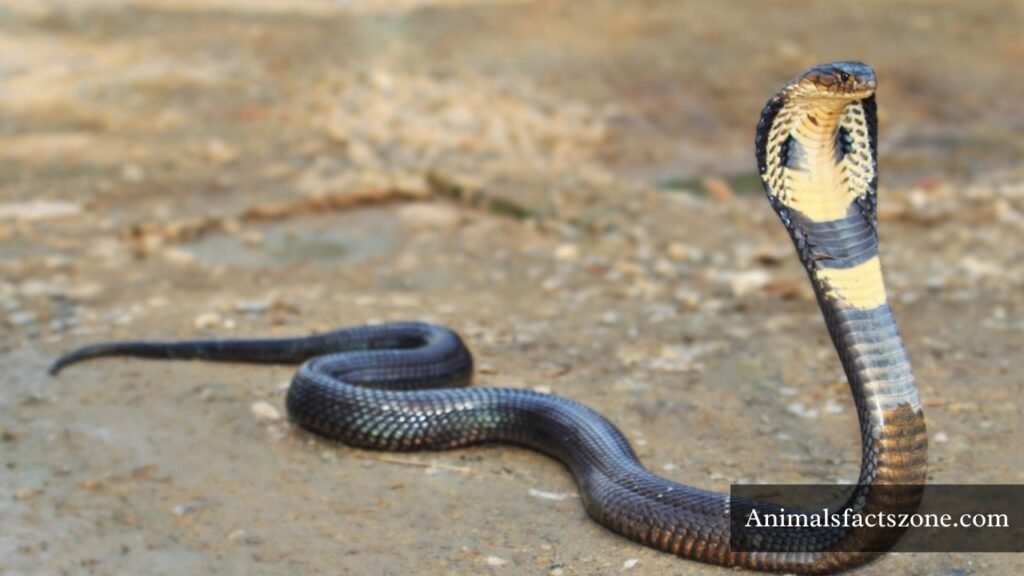
Interestingly, not all snakes have the same approach to eating frogs. While some simply swallow their prey whole, others, like the rattlesnake, may pull apart larger frogs with a series of precise strikes. This ability to adapt feeding techniques illustrates the versatility of serpents. The presence of frogs in a snake’s diet can serve as an indicator of ecological balance — healthy frog populations often mean that their snake predators are thriving, enhancing the intertwining relationships within their ecosystems. Each predatory encounter adds another layer to the complex tapestry of life in their habitats.
Large Fish (Bass/Pike)
Scientific Name: Micropterus / Esox
Class: Actinopterygii
Diet: Carnivore
Among the many predators of the amphibian world, large fish like bass and pike stand out as formidable hunters of frogs. These species, often lurking in weedy shallows, deploy a combination of patience and stealth, making them adept at ambushing their slimy prey. Bass, with their broad mouths and keen eyesight, are particularly notorious for their aggressive feeding behavior, especially during the warmer months when frogs are more active. They capitalize on the frog’s presence by blending seamlessly into their environment, striking with incredible speed to capture them before they can leap to safety.
Pike add to the predatory drama with their elongated bodies and razor-sharp teeth, making them highly efficient hunters. Known for their extraordinary burst of speed, pike frequently target frogs basking near the water’s edge. This predation plays a crucial role in maintaining ecological balance, as both the bass and pike help regulate frog populations. The dynamic interaction between these predators and their amphibian prey not only enhances biodiversity in aquatic ecosystems but also showcases the intricate food webs that thrive below the surface. Such relationships highlight the delicate yet fierce dance of survival in nature, where each species plays a vital role in the larger tapestry of life.
Raccoon
Scientific Name: Procyon lotor
Class: Mammalia
Diet: Omnivore
Raccoons are often seen as urban scavengers, but their diverse diet extends into the wild, where they play a role as opportunistic predators. Known for their dexterous front paws and inquisitive nature, these mammals are adept at hunting smaller creatures, including frogs. The raccoon’s ability to forage in various environments — from marshes to suburban backyards — makes it a formidable player in the ecological web. When the moon rises, their nocturnal hunting expeditions amplify, allowing them to capitalize on the chorus of frogs calling from nearby ponds and streams.
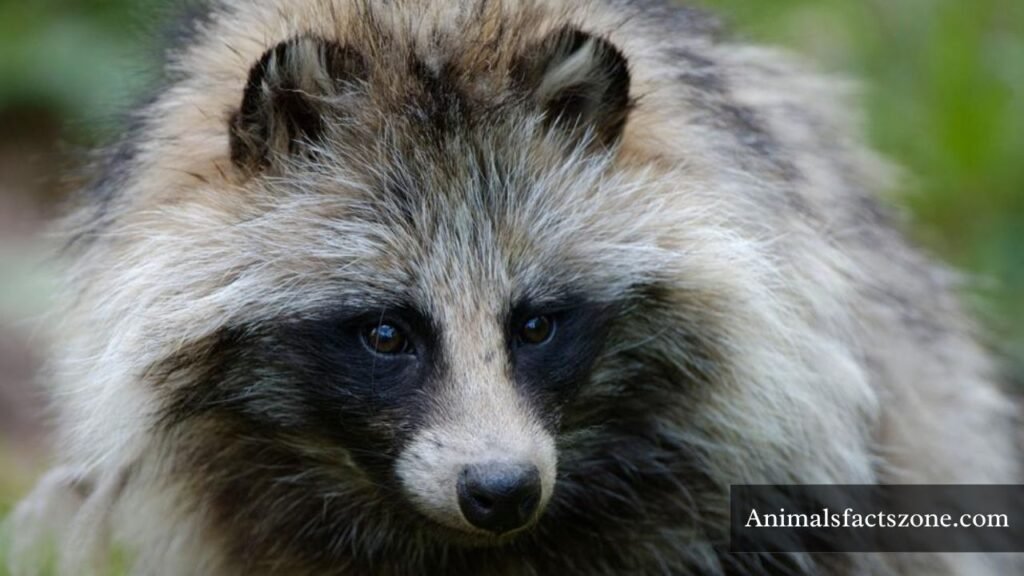
Frogs may seem like soft targets, but raccoons are skilled at locating these amphibians, using their keen sense of smell and sharp eyesight. Interestingly, different species of raccoons adapt their hunting strategies based on the frog species available, showcasing their resourcefulness. The raccoon’s predation also highlights a crucial ecological balance; by controlling frog populations, they help maintain healthy ecosystems.
Alligator
Scientific Name: Alligator mississippiensis
Class: Reptilia
Diet: Carnivore
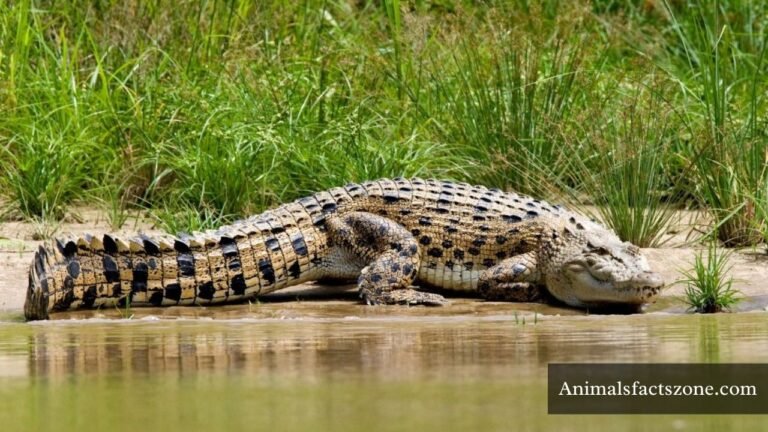
Alligators, often depicted as apex predators of the wetlands, possess an impressive adaptability in their diets. While they primarily feast on fish and small mammals, frogs also play a prominent role in their culinary repertoire. These cold-blooded hunters utilize their keen sense of sight and powerful jaws to snatch frogs lurking among the reeds or floating on the water’s surface, capitalizing on the amphibians’ vulnerable nature. It’s fascinating to consider how alligators’ seasonal behavior can influence frog populations; for instance, during breeding seasons when frogs congregate, alligators are right there, taking advantage of the feast.
The presence of alligators in wetlands prompts an intriguing ecological balance. Their predation helps control frog populations, preventing an overabundance that could disrupt local ecosystems. In this predator-prey relationship, both species exhibit remarkable adaptations; frogs have developed various escape mechanisms, including their renowned jumping abilities, while alligators continue to refine their stealthy ambush techniques. This dynamic interplay creates a rich narrative of survival, highlighting the intricate web of life in which these remarkable creatures coexist.
Turtle
Scientific Name: Testudines
Class: Reptilia
Diet: Omnivore
Turtles often play the role of unassuming predators, adding frogs to their diverse diet. This behavior highlights a fascinating aspect of their adaptability; while turtles are primarily known for their slow movement and hard shells, their hunting techniques can be surprisingly effective. Using a combination of stealth and patience, these reptiles wait for the perfect moment to strike, showcasing their remarkable ability to blend into their surroundings.
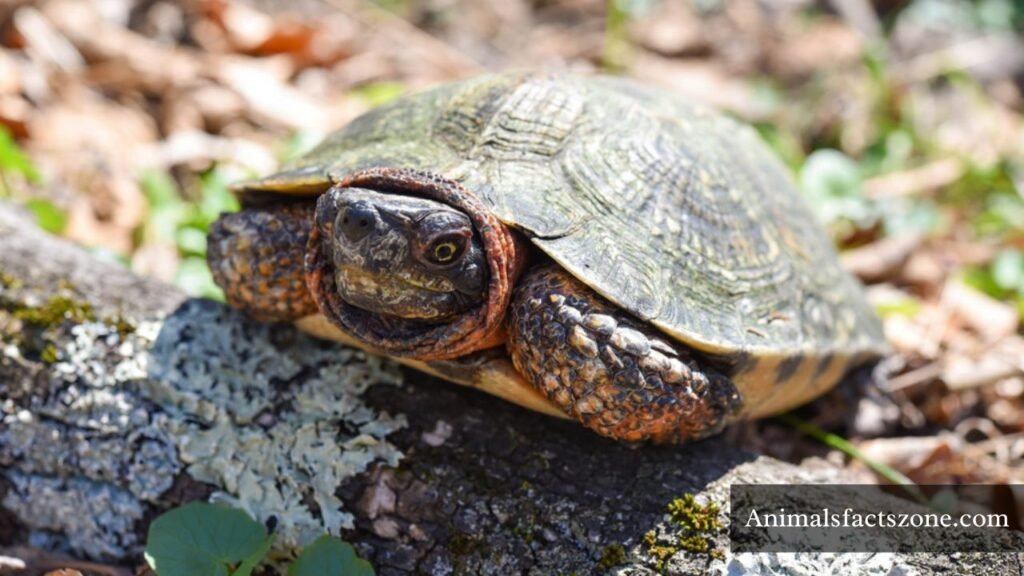
Turtles, particularly snapping and softshell varieties, employ a unique method of ambush, using their strong jaws to capture slippery amphibians like frogs. What makes this relationship truly intriguing is the turtles’ selective feeding habits — they often target smaller, more vulnerable frogs during mating seasons when these creatures become temporarily distracted. This dynamic illustrates the intricate balance of nature, where each species adapts to the availability of food, contributing to the ever-evolving cycle of predator and prey. In this way, turtles are not just passive inhabitants of their ecosystems; they are active participants in shaping the populations of frogs and other amphibians.
Skunk
Scientific Name: Mephitidae
Class: Mammalia
Diet: Omnivore
Skunks, often seen as pesky nocturnal foragers, have a surprisingly diverse diet that includes a range of small animals, frogs being one of their unexpected delicacies. While many might associate skunks with their potent defense spray, their hunting prowess is often overlooked. With a keen sense of smell, skunks are adept at sniffing out amphibians hiding in vegetation or near water bodies. This adaptability reveals their role as opportunistic predators in their ecosystems, keeping frog populations in check.
Interestingly, skunks are not just simple scavengers; they also exhibit unique foraging behaviors that highlight their intelligence. They may use their strong front paws to dig into soft earth or debris, uncovering hidden frogs. This ability to manipulate their environment showcases their resourcefulness and adaptability. Moreover, by consuming frogs, skunks indirectly contribute to the overall health of their habitats, controlling the balance between various species. The interaction between skunks and frogs exemplifies the intricate web of life where even the smallest predators play a crucial role in maintaining ecological harmony.
Owl
Scientific Name: Strigiformes
Class: Aves
Diet: Carnivore
Owls, with their silent flight and keen night vision, are remarkable predators that play a crucial role in their ecosystems. Among their diverse diet, frogs serve as a notable food source, particularly for larger species like the Great Horned Owl. These nocturnal hunters utilize their exceptional hearing to detect the faintest croaks and calls of frogs hidden among foliage. When the moment is right, an owl swoops in silently, thanks to its unique feather structure that minimizes sound, allowing it to surprise its amphibious prey.
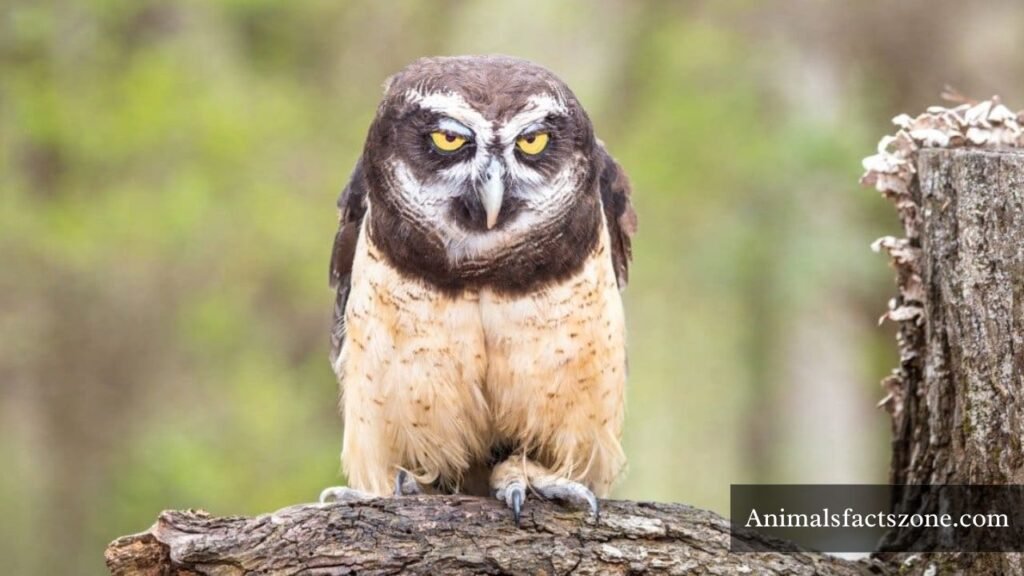
Interestingly, the consumption of frogs impacts owl populations more than one might think. The availability of frogs can fluctuate with environmental changes, affecting not only owl feeding patterns but also their reproductive success. In areas where frog populations decline due to climate change or habitat loss, owls may struggle to adapt their diets, sometimes leading to shifts in ecological balance. This intricate relationship underscores the interconnectedness of predator and prey, highlighting how the fate of one can dramatically influence the other in the web of life.
Crane
Scientific Name: Gruidae
Class: Aves
Diet: Omnivore
Cranes are fascinating predators when it comes to their diverse diet, which surprisingly includes frogs. With their long legs and sharp eyesight, these elegant birds are expert hunters in wetlands and grasslands, areas where frogs are often hiding in plain sight. The contrast between the cranes’ graceful movements and their precise, calculated strikes to catch amphibians reveals a balance of beauty and brutality in nature.
What’s particularly intriguing is the crane’s hunting technique; they often use their bill as a spear to stalk and catch frogs, demonstrating a remarkable level of skill and adaptability. This method not only highlights their role in local ecosystems as regulators of frog populations but also showcases the intricate food web where every action influences another. As the environment evolves, cranes and their varied prey, such as frogs, navigate challenges together, emphasizing the interconnectedness of species in sustaining healthy ecosystems.
Coyote
Scientific Name: Canis latrans
Class: Mammalia
Diet: Carnivore
Coyotes exemplify nature’s adaptability, often thriving on a diverse diet that includes frogs. These clever canids, known for their resourcefulness, are opportunistic feeders; they hunt for whatever sustenance is available in their environment. In wetlands and marshy areas, the presence of frogs serves as a readily accessible food source. This dietary flexibility enables coyotes to flourish in various habitats, from urban landscapes to remote wilderness.
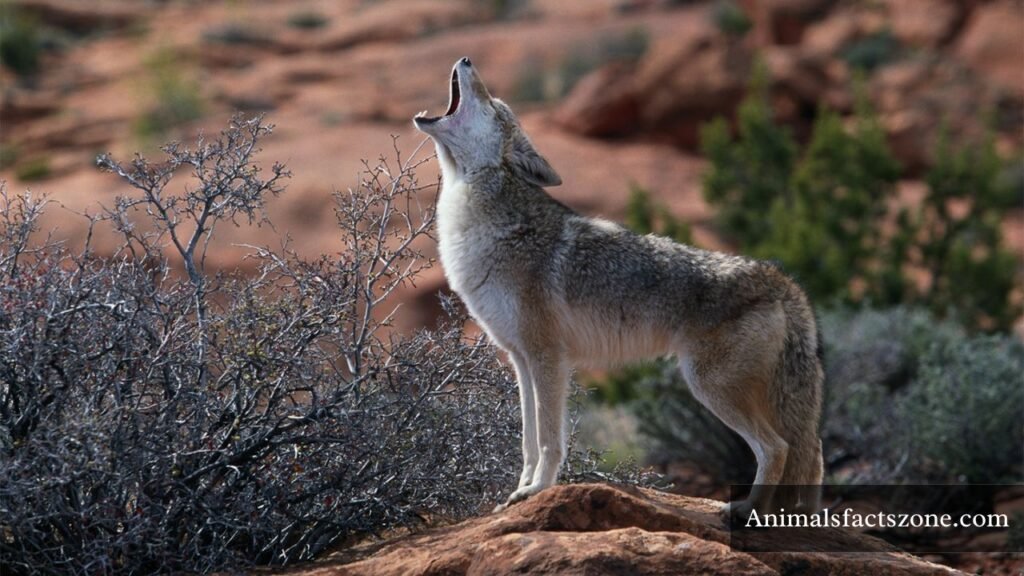
Interestingly, coyotes tend to employ unique hunting strategies when targeting frogs. Their sharp senses allow them to detect the telltale sounds of croaking or the subtle movements in the water. Once they locate their prey, they use a combination of stealth and quick bursts of speed to pounce. This not only showcases their cunning but also highlights the sometimes-overlooked interdependencies within ecosystems — where the increase or decrease of one species can ripple through the food chain, influencing predator and prey dynamics alike.
Badger
Scientific Name: Taxidea taxus
Class: Mammalia
Diet: Carnivore
Badgers, often underestimated due to their stout appearance, are surprisingly versatile predators, and their diet includes a variety of small creatures — frogs being among them. These nocturnal mammals possess a keen sense of smell and remarkable digging skills, which allow them to unearth frogs hiding in mud or foliage. Their robust bodies and strong jaws are perfectly designed to catch slippery amphibians, making them an unexpected threat to frog populations.
What’s fascinating is the badger’s ecological role as both predator and prey. By controlling frog populations, they help maintain a balanced ecosystem. Yet, the relationship doesn’t end there; frogs also play a crucial role in badger health. As amphibians are rich in nutrients, they contribute to the diverse diet that ensures survival during lean times. This predator-prey dynamic highlights the intricate connections within ecosystems, reminding us that each species, including the unassuming badger, plays a vital role in the web of life.
Other Frogs
Scientific Name: Anura
Class: Amphibia
Diet: Carnivore
Many may be surprised to learn that the world of frogs isn’t just filled with croaks and leaps but is also rife with surprising predator-prey dynamics among their own kind. Certain frog species are opportunistic feeders, demonstrating a fascinating trait known as cannibalism. This behavior can be particularly common in overcrowded habitats where resources are scarce. Larger frogs often seize the opportunity to consume smaller ones, showcasing not only their adaptability but also a ruthless aspect of survival.
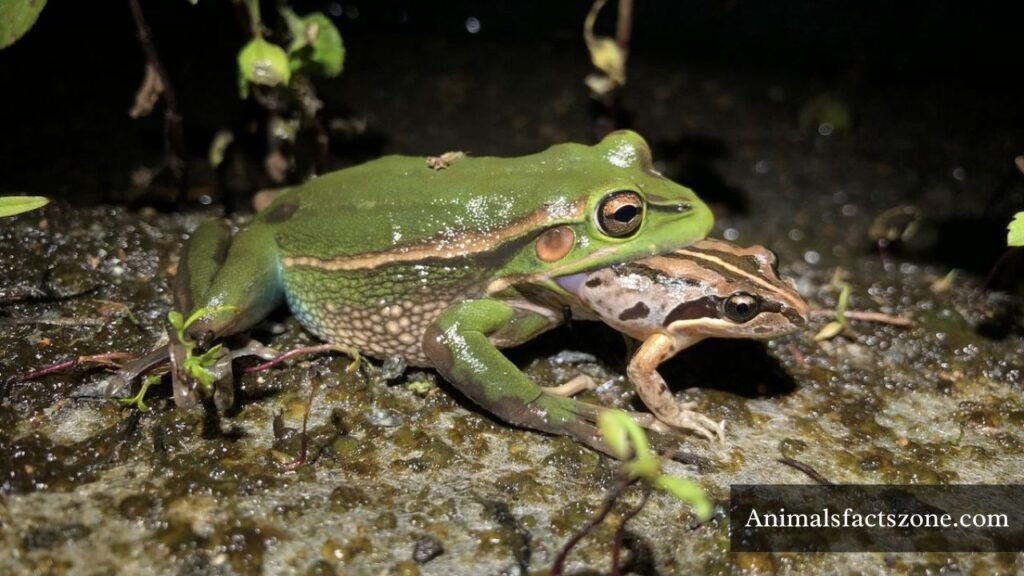
Moreover, this cannibalistic tendency can influence the social structures and population dynamics of frog communities. For instance, tadpoles of some species might resort to feasting upon their smaller siblings during periods of heightened competition for food. As this cycle plays out, it can lead to variations in growth rates and survival strategies, pushing the boundaries of what we understand about amphibian behavior.
Readmore: Explore Top 13 Small Animals with Big Eyes.
Final Thoughts
The diversity of animals that eat frogs underscores the complexity of ecological interactions. With creatures ranging from fish to larger mammals, each predator plays a significant role in the life cycle of frogs, influencing their populations and habitats. This intricate dance of predator and prey not only serves to balance animal populations but also enriches our understanding of environmental sustainability. As awareness of these relationships grows, it becomes increasingly important for us to foster and support conservation efforts that protect both frogs and their predators. Let’s commit to preserving our natural world and ensuring the survival of these remarkable species.
FAQs
What animal eats the frog?
Frogs have a variety of natural predators due to their position in the food chain. Common animals that eat frogs include birds, such as herons and kingfishers, which use their keen eyesight and swift movements to catch these amphibians. Snakes are also significant predators, with many species enjoying frogs as a key part of their diet. Larger mammals like raccoons and some rodents may take advantage of frogs when other food sources are scarce.
What is a frog’s biggest enemy?
One of the biggest enemies of frogs is the snake, particularly species like the garter snake. Snakes are adept hunters, often using stealth and speed to catch their prey. Frogs, with their moist skin and tendency to reside near water, can be easy targets for these slithery predators. Many snakes will actively seek out frogs as a primary food source, especially during warmer months when frogs are more visible and vocal.