
Top 6 Animals That Are Deaf (With Images)
Did you know that some animals live their entire lives without ever hearing a sound? In exploring “Animals That Are Deaf,” we delve into a fascinating world where silence reigns, yet these creatures thrive in their environments. Understanding the lives of deaf animals not only enriches our knowledge of biodiversity but also challenges our perceptions of communication in the animal kingdom. In this article, you’ll discover how these remarkable beings adapt and survive without the gift of hearing.
List of Animals That Are Deaf
Below is the list of deaf animals in the world:
- Spiders
- Earless Seals
- Salamanders
- Cephalopods
- Naked Mole-Rats
- Armadillos
Spiders
Scientific Name: Araneae
Class: Arachnida
Diet: Carnivorous
While it might seem surprising, many spiders are effectively deaf, lacking the structures typically associated with hearing. Instead of interpreting sound waves, these fascinating arachnids rely heavily on vibrations and other sensory modalities to navigate their environment. Some species utilize specialized hairs on their legs to feel subtle movements in the air or on surfaces, allowing them to detect approaching prey or predators.
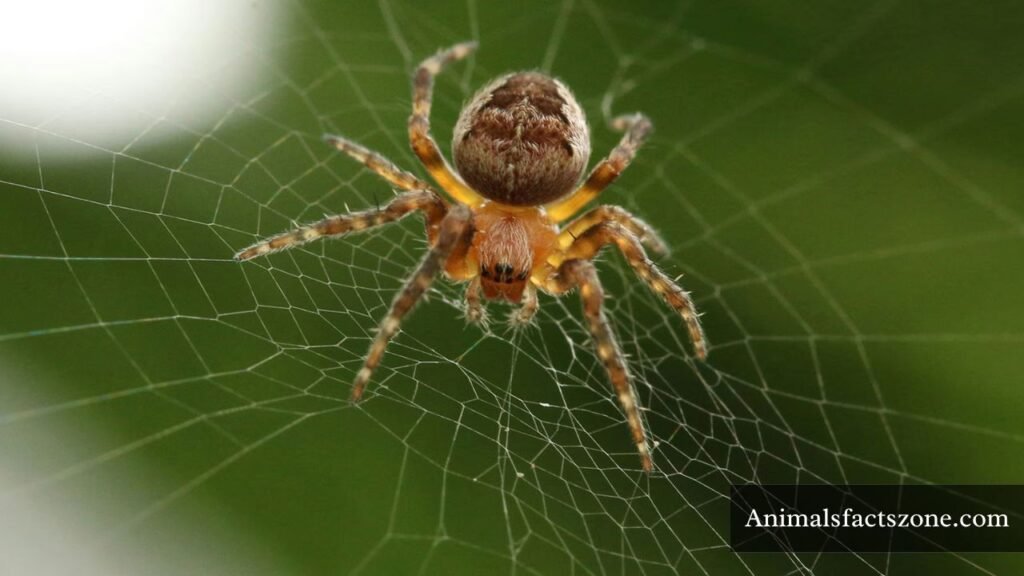
What’s particularly intriguing is the way this unique sensory adaptation influences their hunting strategies. For instance, web-building spiders often rely on the vibrations created by trapped prey in their silk, while hunting spiders depend on their finely-tuned sense of touch to spring into action. Furthermore, understanding how these creatures thrive without hearing challenges conventional notions of sensory perception, reminding us that the natural world is filled with unexpected marvels and solutions to survival.
Earless Seals
Scientific Name: Phocidae
Class: Mammalia
Diet: Carnivorous
Earless seals, also known as phocids, present a fascinating study in adaptation. Their unique anatomy allows them to thrive in a world where sound is not a primary means of communication. Instead of relying on auditory cues, these seals have developed a heightened sense of touch and an acute awareness of their surroundings through vibrations in the water. This adaptability enables them to navigate their oceanic environments with remarkable precision, even in the absence of sound.
Moreover, the social dynamics of earless seals challenge traditional notions of communication. These mammals often use visual signals and body language to interact with one another, painting an intriguing picture of social behavior among species that seem, at first glance, disadvantaged by their deafness. Their ability to convey emotions and intentions through physical gestures opens a window into the rich, non-verbal world of marine life, inviting us to rethink how we perceive communication across species.
Salamanders
Scientific Name: Caudata
Class: Amphibia
Diet: Carnivorous
Salamanders, often considered the silent sentinels of wetland ecosystems, present a fascinating twist on the concept of hearing. Lacking external ears, these amphibians instead rely on their extraordinary skin sensitivity and the vibrations of the environment to detect sound. This adaptation allows them to excel in their moist habitats, where subtle changes in the surroundings are crucial for survival, especially when navigating predator threats or finding mates.
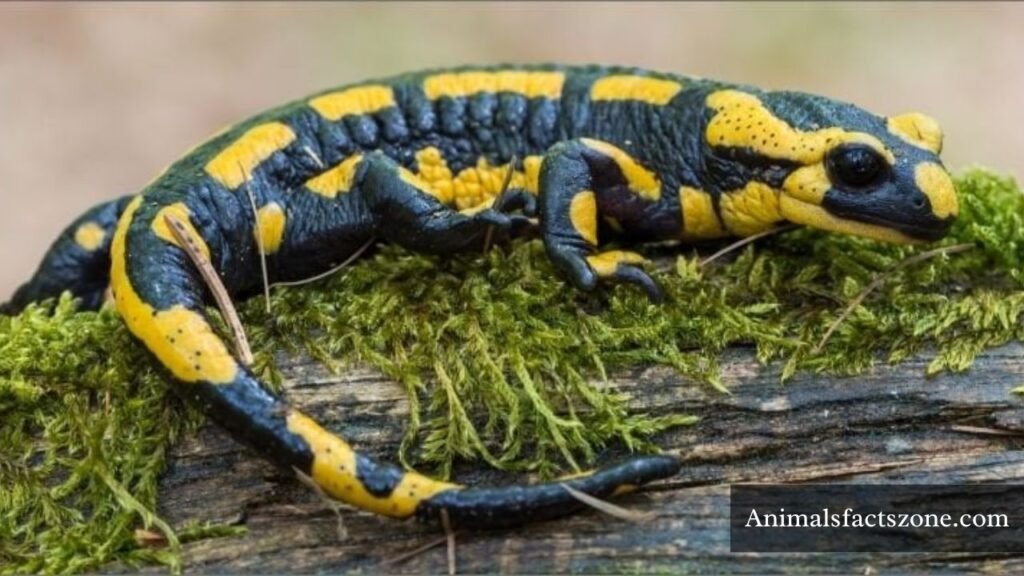
Interestingly, salamanders showcase a unique form of communication through body language and color changes, further compensating for their hearing limitations. During mating season, vibrant hues emerge, signaling their readiness and attracting potential partners. This intricate display highlights an often-overlooked aspect of their biology: the ability to convey complex information without a single vocalization.
Cephalopods
Class: Cephalopoda
Diet: Carnivorous
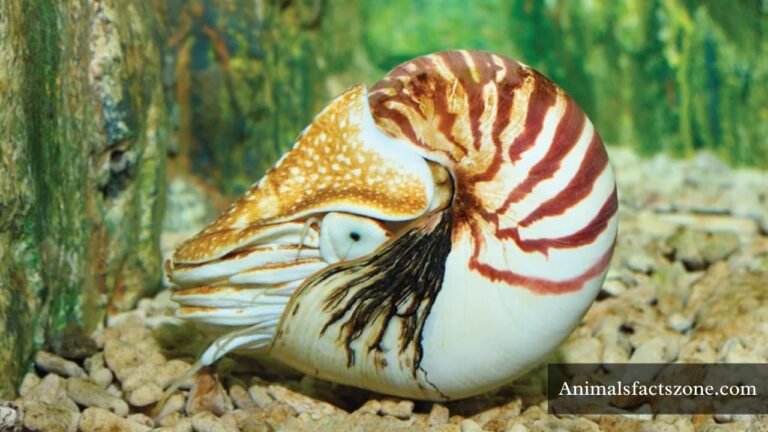
Cephalopods, a fascinating group that includes octopuses, squids, and cuttlefish, are unique not just for their intelligence and remarkable camouflage but also for their interesting auditory capabilities — or lack thereof. These incredible creatures are completely deaf; they lack the anatomical structures for hearing sounds in the traditional sense. However, this does not impede their ability to thrive in complex marine environments. Instead of sound, cephalopods rely on an intricate system of visual cues and chemical signals, showcasing their adaptability in communication and interaction.
The vibrant displays produced by cephalopods are among nature’s most stunning forms of non-verbal communication. Through rapid changes in coloration, texture, and body posture, they convey emotions and intentions, whether signaling aggression or inviting courtship. This visual language allows them to maintain social interactions and evade predators effectively, illustrating that thriving in silence does not equate to a lack of complexity. Their exquisite eyesight, capable of detecting polarization and changes in light, further enhances their perception of the underwater world, compensating for the absence of hearing.
Naked Mole-Rats
Scientific Name: Heterocephalus glaber
Class: Mammalia
Diet: Herbivorous
Naked mole-rats, fascinating creatures native to East Africa, thrive in subterranean colonies where the absence of sound plays a pivotal role in their survival. Interestingly, these rodents have evolved to be almost completely deaf, relying on vibrational communication and scent marking to interact with their social groups. This unique adaptation allows them to navigate their dark, tunnel-like habitats without the distraction of auditory signals, making their social structure remarkably efficient.
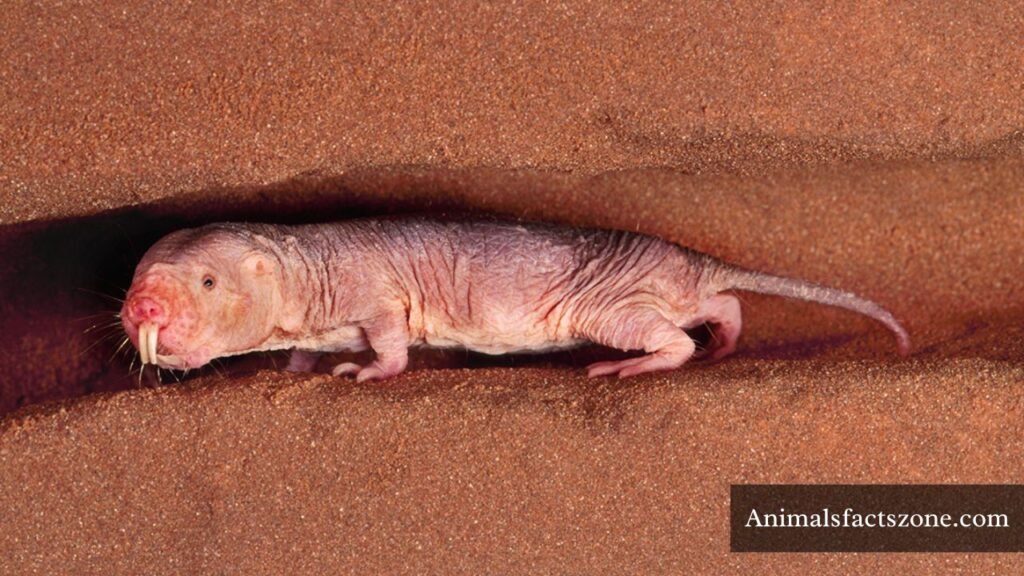
What’s even more intriguing is how their deafness has influenced their behavior and roles within the colony. Naked mole-rats demonstrate a strong division of labor that functions effectively despite their lack of hearing. Workers dig tunnels, while others forage for food, showcasing an impressive level of cooperation. Their ability to sense vibrations not only compensates for their inability to hear but also reinforces the strength of their community bond, allowing them to maintain a sophisticated social system in a world dictated by silence.
Armadillos
Scientific Name: Cingulata
Class: Mammalia
Diet: Omnivorous
Armadillos, fascinating creatures of the Americas, navigate their world with a unique set of adaptations that challenge our understanding of sensory perception. Despite being largely deaf, these resilient mammals rely heavily on their acute sense of smell and touch, allowing them to thrive in diverse habitats. Their ability to burrow swiftly into the ground serves as both a defensive tactic and a means of foraging — digging up insects and plant roots that comprise their diet.
Interestingly, their deafness helps them avoid the distractions that auditory stimuli can bring, making them more attuned to the vibrations of the earth. This heightened sensitivity allows armadillos to detect predators, such as coyotes or hawks, long before they come into view.
Readmore: Top 25 Most Quiet Animals.
Conclusion
Ultimately, deafness in the animal kingdom underscores the intricate nature of adaptation and survival. Animals that are deaf can often thrive and interact with their ecosystems in ways that are just as profound as their hearing counterparts. Their unique communication styles and behavior adaptations illustrate the beauty of biodiversity. As we learn more about these incredible creatures, we gain insights into the resilience of life itself. Let’s commit to celebrating and protecting these animals, ensuring that they continue to flourish in our world.
FAQs
What is the most deaf animal?
The naked mole-rat is often considered one of the most deaf animals. These unique creatures have a limited ability to hear, which aligns with their underground lifestyle. Living in dark tunnels, their reliance on sight and smell overshadows hearing, making it less crucial for their survival. Interestingly, their social structure relies heavily on vibrations and scent communication rather than auditory signals. This adaptation helps them thrive in their subterranean homes, showcasing how evolution tailors senses to meet environmental needs.
Is an octopus deaf?
Octopuses don’t have ears like humans, but they aren’t technically deaf. They can sense vibrations and sounds through their bodies, especially using their lateral line system, which is similar to what fish have. This system allows them to detect changes in water pressure and movement, helping them navigate their environment. While they may not hear sounds in the traditional sense, they can respond to environmental cues.
Is a bat deaf?
No, bats are not deaf. In fact, they have highly developed hearing, which they use primarily for echolocation. This ability allows them to emit high-frequency sounds and listen for the echoes that bounce back from objects, helping them navigate and find food in the dark. Their hearing is often far more sensitive than that of humans, enabling them to detect even the faintest sounds.
What animal doesn’t have hearing?
Octopuses and squids, part of the cephalopod family, don’t have traditional hearing like many other animals. Instead of ears, they rely on other senses to navigate their underwater environment. They use their excellent vision and the ability to sense vibrations in the water, which helps them detect movement and potential threats.
Are armadillos deaf?
Armadillos aren’t completely deaf, but their hearing is quite limited compared to many other animals. They rely more on their sense of smell and touch to navigate their environment. Their ears are functional, but they don’t have the best range of hearing.