Top 17 Animals Like Raccoons (With Pictures)
Did you know that raccoons are often referred to as “masked bandits” because of their cleverness and dexterous paws? Just like these mischievous creatures, many other animals showcase unique traits that capture our curiosity. In this article, we will explore fascinating animals like raccoons, shedding light on their behaviors, habitats, and the ecological roles they play. By understanding these captivating creatures, you’ll gain a newfound appreciation for wildlife and its intricacies.
List of Animals Like Raccoons
Here is the list of animals like raccoons:
- Cacomistle
- Kinkajous
- Ringtails
- Coati
- Common Genet
- Northern Olingo
- Wolverine
- Fox
- Japanese Raccoon Dog
- Olinguitos
- Fisher
- Burmese Ferret-Badger
- Red Panda
- Marten
- Skunks
- Palm Civet
- Badger
Cacomistle
Scientific Name: Bassariscus sumichrasti
Cacomistles, often likened to raccoons due to their striking resemblance, are enchanting creatures that add unique flair to the family of procyonids. These small, agile mammals, native to Central and South America, exhibit a stunning coat of fur that features a delightful blend of gray and tan, paired with a distinctively bushy tail adorned with bold, dark rings. Unlike their more infamous cousins, raccoons, cacomistles have a less notorious reputation but are equally fascinating in their behaviors and adaptive strategies. Their nocturnal lifestyle sees them thriving in the treetops, demonstrating exceptional climbing skills that allow them to forage for fruits, insects, and small critters amidst the foliage.
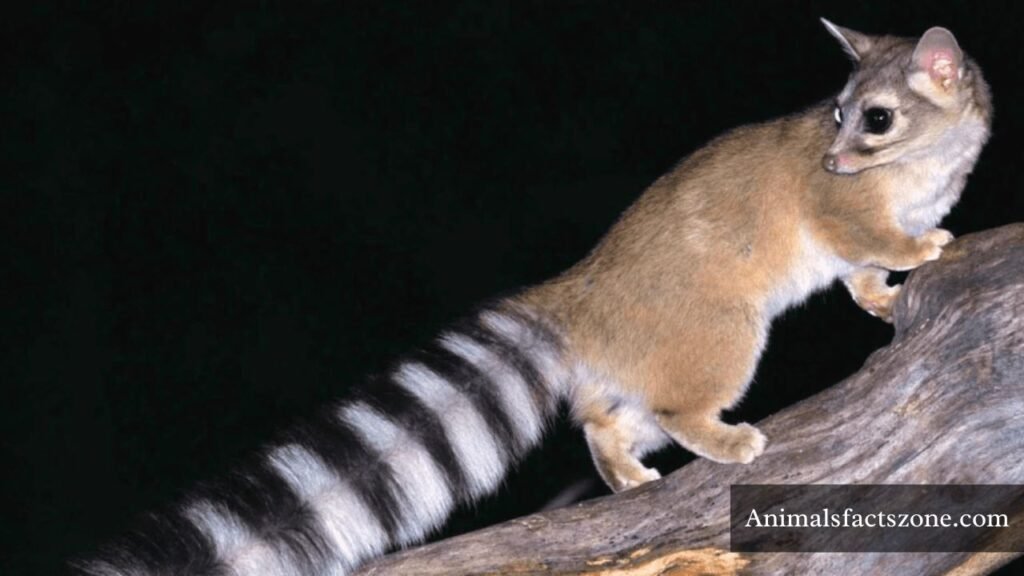
Cacomistles also possess an intriguing social structure, often found in small family units that collaborate in foraging and alerting each other to potential dangers. Their vocal repertoire is diverse; they communicate through a series of chirps and growls that express everything from contentment to warning. This social aspect highlights a layer of intelligence and adaptability that invites further exploration. As urban areas expand into their habitats, these animals showcase remarkable resilience, often adjusting their behaviors to navigate the challenges of a changing world, just like their raccoon relatives. Observing these fascinating creatures can deepen our appreciation for the complex web of life they inhabit and inspire conservation efforts to protect their environments.
Kinkajous
Scientific Name: Potos flavus
Kinkajous, often dubbed “honey bears,” are as adorable as they are fascinating. These nocturnal mammals, native to the rainforests of Central and South America, have unique adaptations that set them apart from their raccoon relatives. With their prehensile tails, kinkajous can expertly navigate through the treetops, helping them access a rich diet of fruits, nectar, and even honey. This remarkable foraging ability not only showcases their agility but also plays a vital role in seed dispersal, making them essential players in maintaining healthy forest ecosystems.
Moreover, kinkajous are known for their vocalizations, which range from whistles to growls, creating a symphony of sounds in the night. Their social behavior is equally intriguing; these creatures live in small family groups, emphasizing the importance of community in their lives. Watching them groom each other and engage in affectionate bonding displays offers a heartwarming glimpse into the emotional lives of these stunning creatures. As they continue to navigate the challenges of habitat loss and climate change, kinkajous remind us of the intricate connections within nature that often go unnoticed.
Ringtails
Scientific Name: Bassariscus astutus
Ringtails, often overshadowed by their more famous cousin, the raccoon, are fascinating creatures worth exploring. Found primarily in the arid landscapes of the southwestern United States and parts of Mexico, these agile nocturnal mammals are masterful climbers. Their long, bushy tails, adorned with striking black and white rings, serve not only as a balance aid while navigating among trees and rocky crevices but also as a captivating visual cue to communicate with each other.
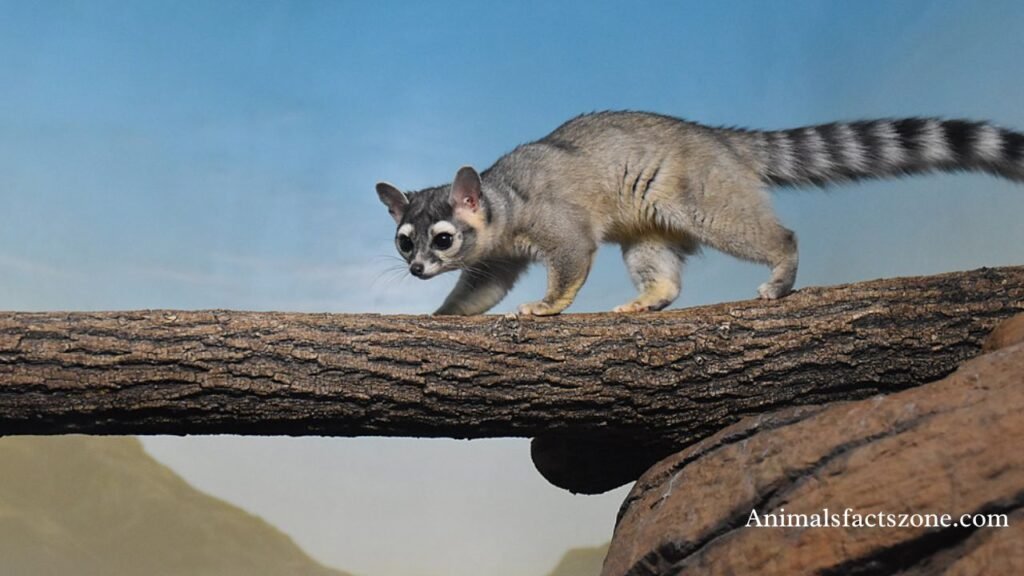
Despite their raccoon-like appearance, ringtails boast unique adaptations that set them apart: their large eyes allow for exceptional night vision, which is crucial for hunting small mammals, insects, and fruits after dusk. Rather than rummaging through rubbish bins, ringtails are known for their playful nature and curious exploration of their environment. This playful behavior is not just for fun; it helps them hone their hunting skills and develop social bonds within their small family units. In essence, ringtails exemplify how adaptability and social interaction can flourish in even the harshest habitats, proving that there’s so much more to explore in the world of nocturnal wildlife.
Coati
Scientific Name: Bassariscus astutus
Coatis, often mistaken for their raccoon relatives due to their similar facial masks and agile paws, offer a fascinating glimpse into the diverse world of the Procyonidae family. These playful creatures, primarily found in Central and South America, exhibit a unique blend of behavior and adaptability. Unlike raccoons, coatis are social animals, often spotted roaming in groups called bands, which enhances their foraging efficiency and offers protection from predators. Their lively interactions and curious nature make them a joy to observe; you might catch them climbing trees or digging in the earth for insects and fruits.
One of the most intriguing aspects of coatis is their prehensile tails, which they use for balance and communication within their groups. This adaptation allows them to navigate their arboreal habitats with remarkable agility, often hanging from branches while foraging. While they share a common diet with raccoons, including scavenging and opportunistic feeding, coatis are less dexterous, relying more on their keen sense of smell and social structure to locate food. The challenges they face, from habitat loss to climate change, serve as a reminder of the interconnectedness of nature and the importance of preserving these vibrant ecosystems where such captivating animals thrive.
Common Genet
Scientific Name: Genetta genetta
The common genet, often overshadowed by more popular wildlife, is a striking example of nature’s versatility. With its slender body, long tail, and striking coat of spots and stripes, this small carnivore showcases an agility akin to that of raccoons. While raccoons are notorious scavengers, common genets are stealthy hunters, primarily preying on small mammals, birds, and insects. Their semi-retractable claws and keen senses allow them to navigate their environments with remarkable grace, making them adept climbers and elusive figures in the wild.
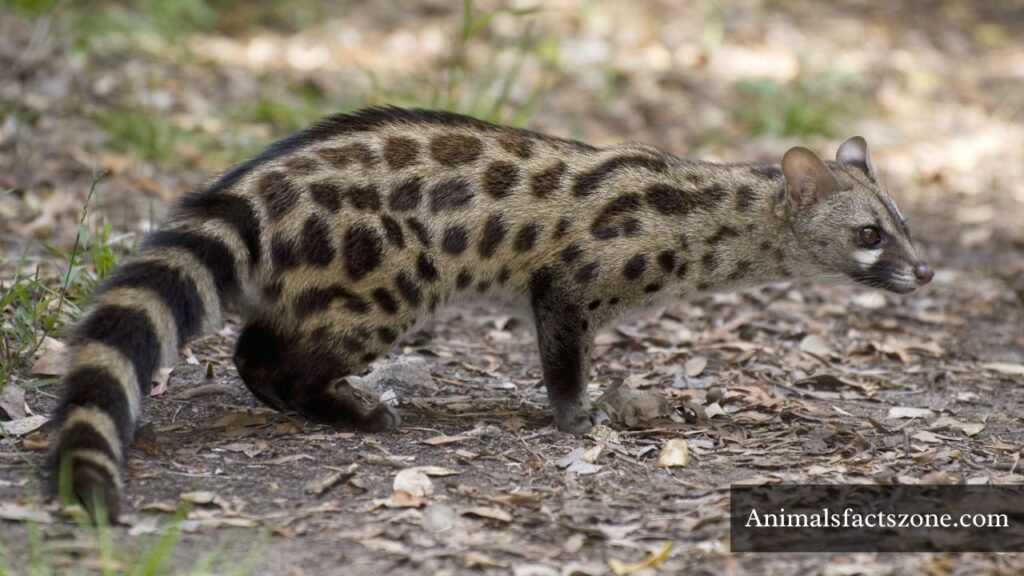
What truly sets the common genet apart, however, is its unique social behavior. Unlike raccoons, which often thrive in communal settings, genets are more solitary and territorial. They communicate through a series of vocalizations and scent markings, establishing a complexity in their social interactions that rivals that of their larger counterparts. The common genet’s role in the ecosystem is crucial, as it helps control pest populations while dispersing seeds through its diet. This intricate balance creates a fascinating insight into how even the smallest creatures have significant ecological impacts, reminding us of the interconnectedness of wildlife.
Northern Olingo
Scientific Name: Bassaricyon gabbii
The Northern Olingo, often overshadowed by its raccoon relatives, embodies the spirit of adaptability and intelligence found in many nocturnal mammals. This small, tree-dwelling creature, native to Central America, showcases a unique blend of dexterity and curiosity. With its plush, ringed tail and expressive eyes, the Northern Olingo navigates the canopy with remarkable agility, using its prehensile tail for balance and grip — an adaptation that reflects its arboreal lifestyle.
What truly sets the Northern Olingo apart is its social structure and vocal communication. Unlike solitary raccoons, these fascinating animals often form small family groups, fostering bonds that enhance their survival in the wild. Their diverse range of vocalizations — ranging from soft whistles to chattering calls — serves not only to communicate but also to establish territory, making their interactions complex and nuanced. As urban environments encroach upon their habitats, studying the Northern Olingo offers invaluable insights into the adaptability of wildlife amidst changing landscapes, reminding us of the delicate balance between nature and human encroachment.
Wolverine
Scientific Name: Gulo gulo
Wolverines are often overshadowed by their more charismatic cousins, yet these fierce creatures offer a fascinating glimpse into the resilience of wildlife. Known for their tenacity, wolverines are perfectly adapted to thrive in harsh, cold environments. Their thick fur, powerful limbs, and sharp claws allow them to traverse snowy landscapes with ease, while their keen sense of smell helps them locate food beneath layers of ice. Unlike many animals, wolverines are solitary creatures, often reflecting a raw independence that mirrors the very spirit of wilderness itself.
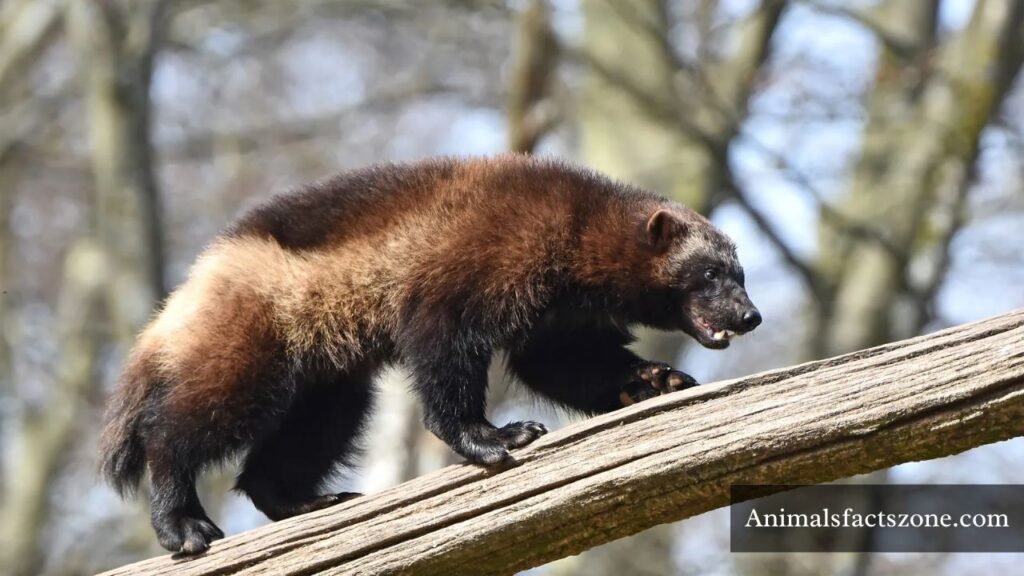
One of the most intriguing aspects of wolverines is their impressive ability to store food. They exhibit a behavior called “caching,” where they bury excess prey in the ground or under snow to retrieve later. This not only showcases their intelligence but also highlights their adaptability in resource-scarce environments. Wolverines often scavenge and take advantage of other predators’ kills, serving as nature’s cleanup crew while ensuring survival. Experiencing the wolverine in the wild is not just about witnessing a rare and elusive animal; it’s about appreciating the complex ecological roles they play, much like raccoons, who also navigate their environments with agility and cleverness.
Fox
Scientific Name: Vulpes vulpes
Foxes, much like raccoons, are masterful adaptors of their environments, thriving in both urban and rural landscapes. These cunning creatures have developed a remarkable ability to navigate human-dominated areas, often venturing into backyards and parks in search of food. Their intelligence plays a pivotal role in their adaptability; foxes are known for their inventive hunting strategies, which can include everything from stalking prey to scavenging leftovers from picnic sites. This agility makes them surprisingly resourceful, reflecting the cleverness often associated with raccoons.
What truly distinguishes foxes, however, is their social structure. Unlike raccoons, which can be more solitary, many foxes, such as the red fox, form family units, displaying affectionate and cooperative behaviors. This type of socialization results in fascinating family dynamics, where kits learn essential survival skills from their parents. Observing these interactions not only gives insight into their behavior but also deepens our appreciation for wildlife in shared habitats. As we become more attuned to the traits of these animals, we realize how interconnected our lives are with theirs, prompting a greater responsibility to coexist harmoniously.
Japanese Raccoon Dog
Scientific Name: Nyctereutes procyonoides viverrinus
The Japanese raccoon dog, or tanuki, is a fascinating blend of myth and nature, distinctly different from its raccoon cousins. Often depicted in Japanese folklore as a shape-shifting creature with a playful spirit, the tanuki embodies a sense of whimsy that transcends its biological traits. Its unique appearance — complete with a bushy tail and a mask-like face — carries an air of mystery that has inspired countless legends, making it a cherished symbol in Japanese culture.
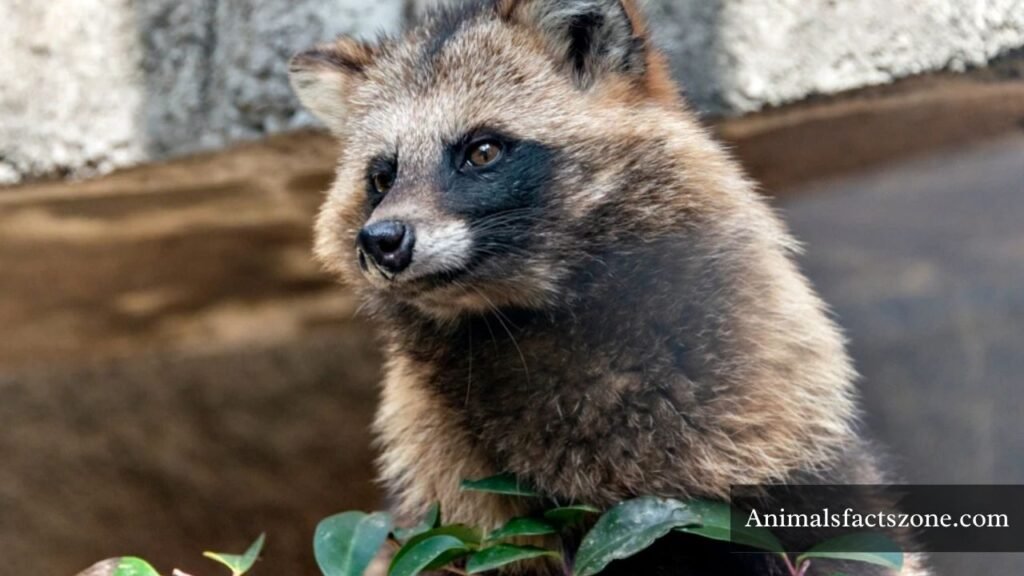
Ecologically, tanukis play a crucial role in their habitat, acting as omnivores that help regulate insect populations and disperse seeds. Their adaptability to urban environments reflects a striking resilience not just to changing landscapes, but also to human interaction. Unlike raccoons, which often become a nuisance in city settings, tanukis maintain a more elusive demeanor, allowing them to thrive alongside humans without causing significant disruption.
Olinguitos
Scientific Name: Bassaricyon neblina
Olinguitos, often regarded as the charming relatives of the raccoon, offer a glimpse into the secretive world of small, arboreal mammals. Native to the cloud forests of the Andes, these elusive creatures possess a striking appearance with their soft, reddish-brown fur and large, expressive eyes. Unlike their raccoon cousins, olinguitos are nocturnal and are equipped with a remarkable ability to jump and glide between branches, which adds an enchanting grace to their movement in the canopy.
What truly sets olinguitos apart is their dietary preference; they primarily feast on fruits, nectar, and insects, showcasing a unique adaptation to their highly specialized forest habitat. With a relatively recent discovery in 2013 reinforcing their status as a distinct species, olinguitos underscore the importance of conservation in their fragile ecosystems. As deforestation threatens their homes, these adorable mammals serve as an indicator of the health of their environment. Observing olinguitos can remind us of the intricate connections within nature and our responsibility to protect such captivating creatures.
Fisher
Scientific Name: Pekania pennanti
Fisher, often overshadowed by its more charismatic cousins like raccoons, boasts a unique charm that captivates wildlife enthusiasts. These sleek, agile carnivores inhabit the dense forests of North America and are known for their striking dark fur and bushy tails that rival any fox. Unlike raccoons, fishers are adept tree climbers, demonstrating acrobatic prowess as they leap between branches in pursuit of their primary prey: porcupines. This specialization highlights their role in maintaining ecological balance, as they help control porcupine populations and, in turn, influence the vegetation structure within their habitats.
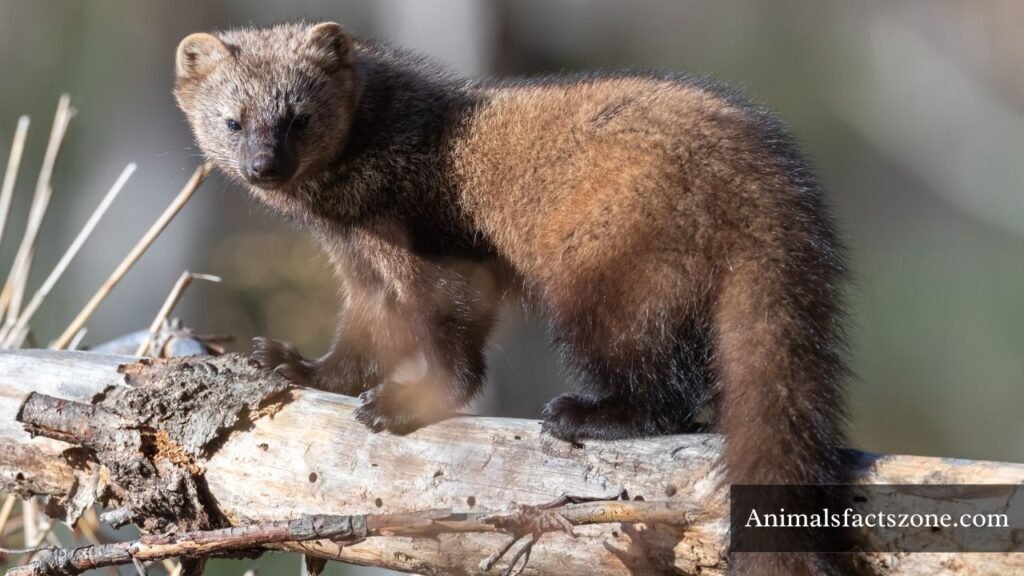
Interestingly, fishers have evolved social behaviors that challenge the perception of solitary wildlife. While primarily solitary hunters, they engage in playful interactions during the breeding season, showcasing their remarkable intelligence and adaptability. This social aspect unveils a deeper understanding of their survival strategies, revealing that even in the wild, cooperation and communication can play significant roles. As forests face increasing pressures from urban development and climate change, understanding and protecting the fisher’s habitat becomes vital, echoing the call to preserve the intricate web of life that sustains both these elusive carnivores and their environment.
Burmese Ferret-Badger
Scientific Name: Melogale personata
Burmese ferret-badgers are fascinating creatures that often stay under the radar despite their unique characteristics. These small mammals, native to Southeast Asia, boast a striking appearance with their elongated bodies, short legs, and expressive faces. Unlike their more notorious cousins, raccoons, burmese ferret-badgers have a coat of coarse fur, often featuring a striking mix of browns and grays, which helps them blend seamlessly into their forest habitats. Their cleverness is evident in their foraging habits; they primarily hunt for insects, small mammals, and fruits, using their keen sense of smell to locate food.
What truly sets the Burmese ferret-badger apart is its social structure. While many shy away from interaction, these animals are known to form small, familial groups, showcasing a sense of community that is both nurturing and protective. Their vocalizations — ranging from soft grunts to sharp barks — serve as a means of communication that enhances their social bonds, making them an intriguing study for those interested in animal behavior. Just like raccoons, they are adaptable survivors, thriving in a variety of environments, from dense jungles to agricultural lands, proving that intelligence and resourcefulness are key to their survival.
Red Panda
Scientific Name: Ailurus fulgens
Red pandas, often dubbed the “fire fox” due to their striking reddish-brown fur and playful demeanor, are enchanting creatures that share intriguing similarities with raccoons. Both animals possess a remarkable dexterity, allowing them to skillfully maneuver through their environments. Just as raccoons are known for their nimble hands, red pandas have evolved a unique wrist bone that functions like an opposable thumb, enabling them to grasp bamboo and other foods with surprising finesse.
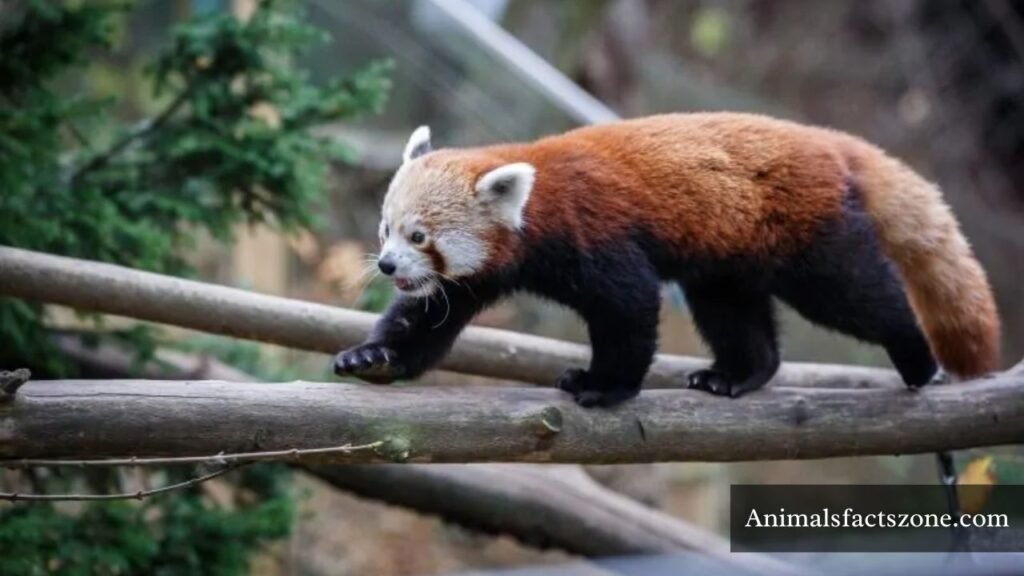
These adorable mammals also exhibit a charmingly curious nature, often found exploring their surroundings with a sense of mischief. Much like raccoons engaging in nocturnal foraging, red pandas are predominantly crepuscular, active during twilight hours. Their social behaviors — though more solitary than raccoons — include playful antics that remind us of childhood joy. Observing a red panda contently rolling on the ground or bounding playfully between branches offers a captivating reminder of the playful spirit that animals like raccoons ignite within us. This delightful overlap in behavior and adaptability celebrates the nuanced ways wildlife navigates their environments, highlighting the interconnected beauty of nature.
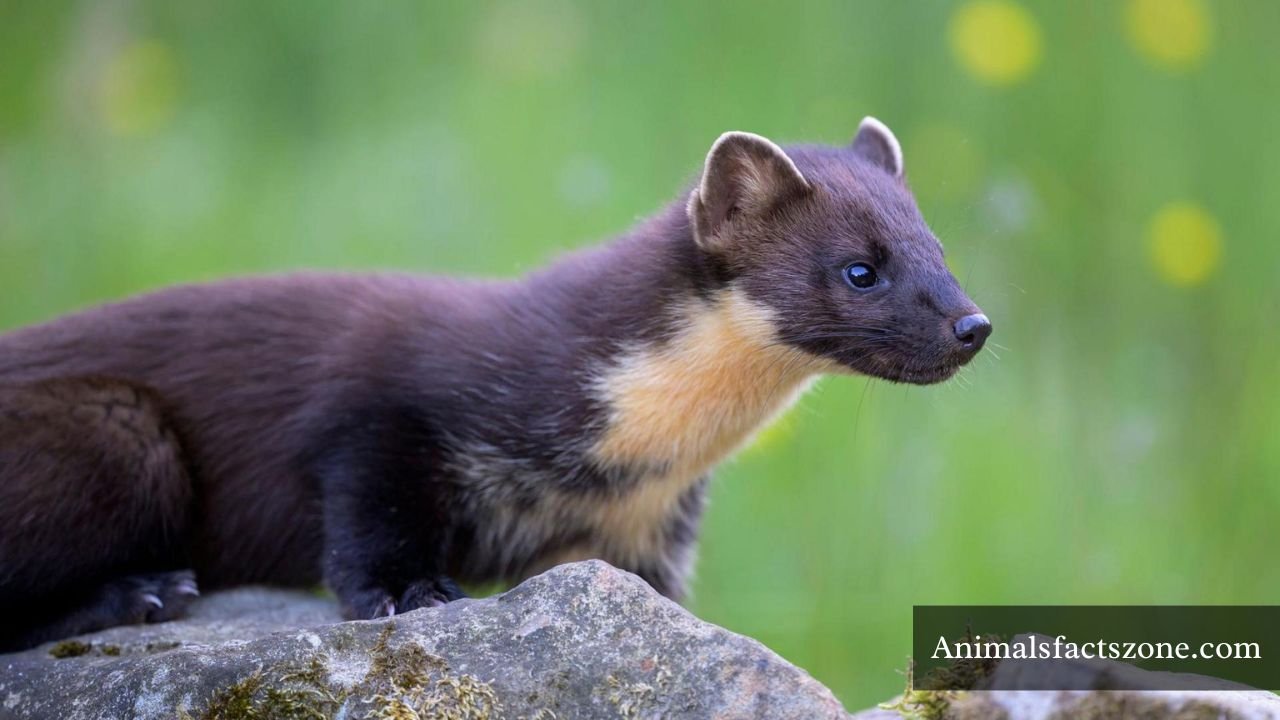
Marten
Scientific Name: Martes martes
Martens, often overshadowed by their more famous cousins like raccoons, possess a charm that’s equally compelling. These agile creatures roam the woodlands, climbing trees with the nimbleness of a cat, showcasing an innate curiosity that echoes the behaviors of their raccoon counterparts. Both are notorious for their clever, problem-solving abilities, but martens take it a notch further with their impressive aerial prowess, tackling increasingly complex arboreal challenges.
What truly sets martens apart is their role as ecological indicators. Their presence in a habitat often signifies a healthy ecosystem, as they thrive in areas rich with biodiversity. Observing them can offer insights into the environmental health of forests, much like how raccoons indicate urban adaptation. Interestingly, martens have a distinctive diet that shifts with seasons, demonstrating their adaptability — another parallel with raccoons, who also exhibit flexible feeding habits based on availability. Together, these animals remind us of the delicate balance within nature, where every creature, no matter how small or seemingly inconspicuous, plays a vital role in the grand tapestry of life.
Skunks
Scientific Name: Mephitis mephitis
Skunks, often misunderstood and maligned due to their notorious defensive spray, possess a fascinating duality that makes them more than just their pungent reputation. Beyond their striking black and white coats lies a complex social structure; these animals are naturally curious and highly intelligent. They exhibit playful behaviors reminiscent of raccoons, such as engaging in playful wrestling or foraging creatively. This playful nature not only helps them build social bonds but also sharpens their survival skills, showcasing their resourcefulness in navigating diverse environments.
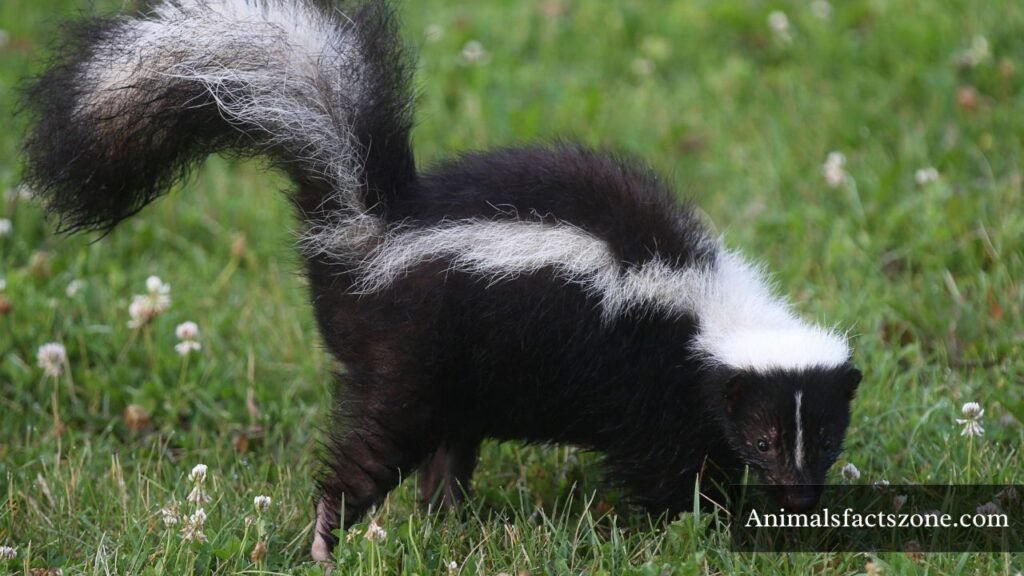
Moreover, skunks are vital participants in their ecosystems. By consuming a variety of pests, including insects and small rodents, they act as natural pest controllers. Their foraging habits contribute to soil aeration and nutrient cycling, making them unsung heroes in promoting plant health.
Palm Civet
Scientific Name: Paradoxurus hermaphroditus
The palm civet, often overshadowed by its raccoon counterpart, is an equally fascinating nocturnal forager. With its distinctive ringed tail and expressive facial features, this small mammal exudes a paradoxical charm — part feline elegance, part mischievous troublemaker. Found primarily in the lush tropical forests of Southeast Asia, palm civets possess an extraordinary adaptability, thriving in both wild and urban environments. Their unique diet spans ripe fruits, insects, and even the occasional small vertebrate, showcasing their opportunistic feeding behavior.
What makes the palm civet particularly intriguing is its role in the coffee industry. Known for producing the highly sought-after kopi luwak, the civet’s digestive process enhances the coffee beans’ flavor profile, offering a unique twist on traditional brews. However, this has raised ethical questions about their treatment in captivity, as some civets are kept in cramped conditions to meet demand. Beyond their economic significance, these spirited creatures also play a crucial ecological role as seed dispersers, helping maintain the balance of their forest ecosystems. Engaging with the world of palm civets invites a deeper appreciation for the interconnectedness of wildlife and the delicate dance between nature and commerce.
Badger
Scientific Name: Meles meles
Badgers, much like raccoons, are masters of adaptation and resilience. They thrive in various habitats, from woodlands to grasslands, showcasing their remarkable ability to carve out homes in even the most challenging environments. With their stocky bodies and powerful claws, badgers are gifted diggers, creating extensive burrow systems that serve as their refuge and hunting grounds. This underground lifestyle not only protects them from predators but also offers a temperate microclimate, making them well-suited to withstand harsh winters.
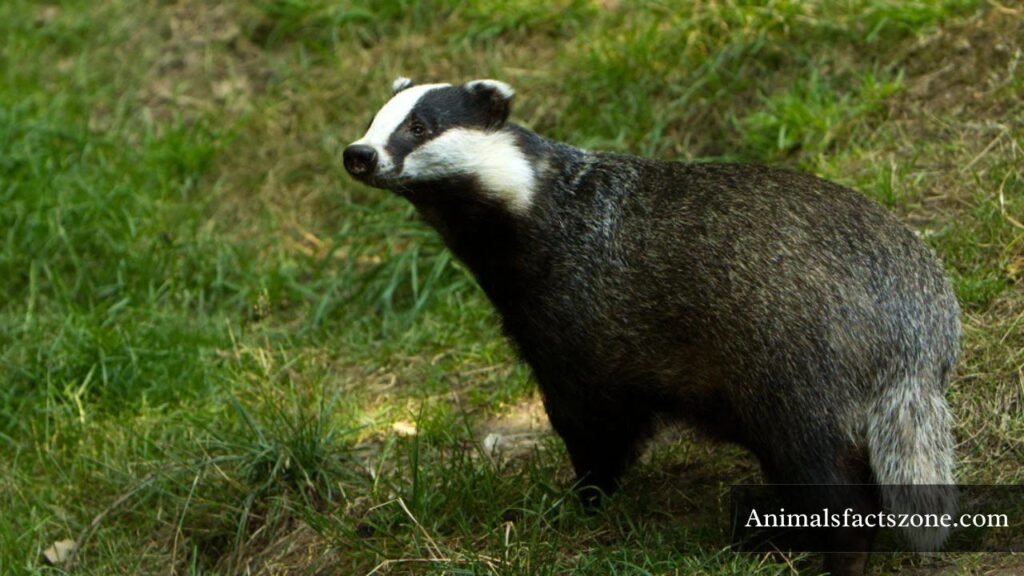
Socially, badgers present a fascinating contrast to the solitary nature often attributed to raccoons. Living in clans known as “cete,” these creatures demonstrate a surprising level of communal behavior, coordinating their activities and nurturing their young together. Their complex social structures and vocalizations hint at a rich emotional world, inviting observers to ponder the social dynamics within their underground communities. By studying badgers, we glimpse the intricacies of animal cooperation and adaptability, drawing parallels with the raccoon’s resourcefulness as they navigate the urban jungles created by humans.
Readmore: Explore Top 23 Animals with Long Tails.
Final Thoughts
The fascinating world of animals resembling raccoons underlines the remarkable adaptability and intelligence found in nature. Creatures like coatis and kinkajous not only share physical traits but also display curious behaviors that keep them thriving in diverse environments. By studying these animals, we gain a deeper understanding of ecological dynamics and the importance of conservation efforts. As we expand our knowledge, we can contribute to preserving their habitats and ensuring their survival. Together, let’s commit to protecting these incredible species and the rich ecosystems they inhabit.
FAQs
What other animals look like a raccoon?
Several animals resemble raccoons due to similar facial markings and body shapes. One notable example is the ringtail, native to North America. Another animal that evokes a raccoon-like appearance is the coati, commonly found in Central and South America. Marsupials like the bandicoot share some physical traits, though they belong to a different taxonomic group entirely.
What pets are like raccoons?
If you’re looking for pets that share some characteristics with raccoons, consider adopting a ferret or a sugar glider. Ferrets are energetic and love to explore their surroundings, often getting into everything, similar to the mischievous behavior of raccoons. Sugar gliders, on the other hand, are small marsupials known for their gliding abilities and social nature. They often bond closely with their owners and enjoy interactive play, which can be similar to the social and playful traits of raccoons.