Top 13 Animals Like Groundhogs (Pictures Included)
Have you ever wondered what makes groundhogs more than just the heralds of spring? These charming creatures share their world with a variety of equally intriguing animals that play essential roles in their ecosystems. In this article, we’ll dive into the lives of animals like groundhogs, exploring their similarities, survival strategies, and ecological contributions. Get ready to expand your appreciation for these underrated wildlife neighbors!
List of Animals Like Groundhogs
Here is the list of animals like groundhogs:
- Prairie Dogs
- Beavers
- Capybaras
- Marmot
- Chipmunks
- Voles
- Rabbits
- Pika
- Badgers
- Rock Hyrax
- Muskrat
- Gophers
- Squirrels
Prairie Dogs
Scientific Name: Cynomys
Prairie dogs, often overshadowed by their more famous relatives like groundhogs, are fascinating social animals that take communal living to a whole new level. These small, burrowing rodents inhabit vast networks of tunnels that can stretch up to 100 acres, showcasing their incredible engineering skills. Living in large colonies called “coteries,” prairie dogs not only create complex burrow systems but also exhibit a remarkable level of social interaction, communicating through a sophisticated language of chirps and barks.
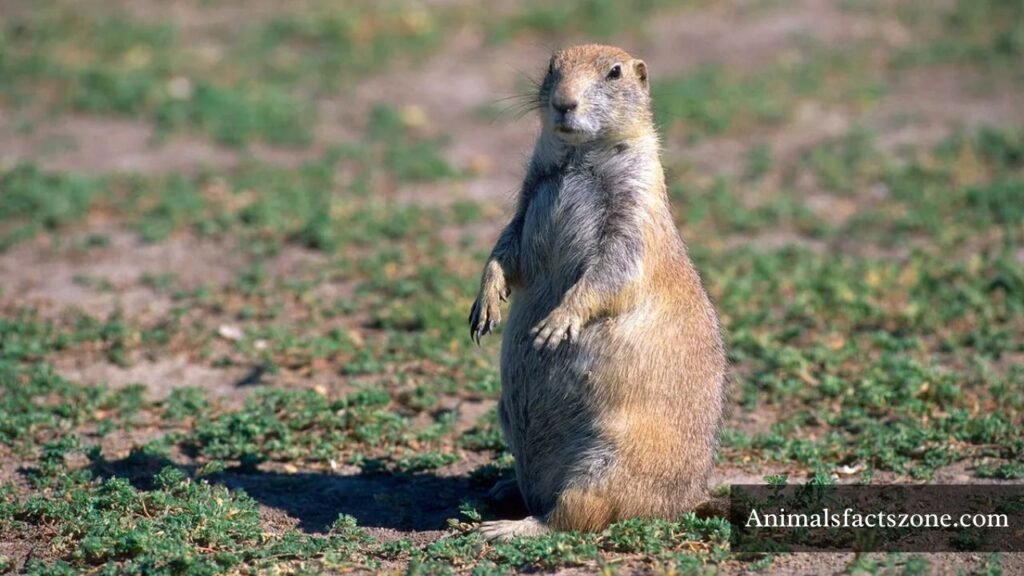
What sets prairie dogs apart is their strong sense of community and vigilance. They often take turns standing watch while others forage, signaling danger with specific calls that denote the type of predator approaching — whether a hawk, coyote, or even a human. This cooperative behavior extends to caring for the young, sharing responsibilities within the group. As keystone species in their ecosystems, prairie dogs play a crucial role in aerating the soil and creating habitats that benefit a myriad of other wildlife. Their importance goes beyond mere survival, as these charismatic creatures illustrate the intricate interdependence of species in the wild, reminding us of the delicate balance that sustains our ecosystems.
Beavers
Scientific Name: Castor canadensis
Beavers, much like groundhogs, are fascinating creatures that play vital roles in their ecosystems. Often referred to as nature’s engineers, beavers construct complex dams that transform landscapes. These structures create wetlands, which serve as crucial habitats for various wildlife while also promoting biodiversity. By flooding areas, beavers help maintain healthy ecosystems, allowing plant species to thrive, which in turn supports a variety of insects, birds, and larger mammals.
In addition to their ecological impact, beavers exhibit remarkable social structures within their family units. Typically living in close-knit groups, they communicate through a range of vocalizations and tail slaps, emphasizing their social dynamics. Their industrious nature and teamwork not only allow them to modify their environment but also demonstrate an intriguing insight into animal intelligence and cooperation. Observing beavers at work can offer a captivating glimpse into the intricate balance of nature and the interconnectedness of all living things.
Capybaras
Scientific Name: Hydrochoerus hydrochaeris
Capybaras, the largest rodents in the world, are fascinating creatures that thrive in social settings. Found in the wetlands of South America, they can often be seen lounging in groups, forming tight-knit communities that resemble a lively family gathering. Their social nature makes them unique among rodents; unlike many of their solitary relatives, capybaras communicate using a variety of vocalizations, from soft purrs to loud barks, showcasing their rich social dynamics.
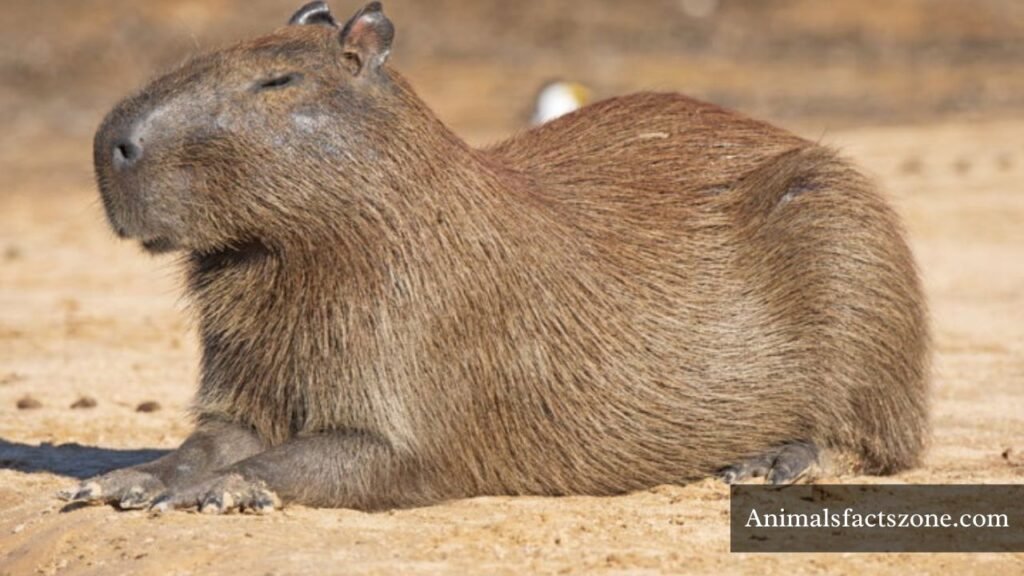
One of the most intriguing aspects of capybaras is their almost zen-like approach to life. They bask in the sun, seemingly unfazed by the world around them. This laid-back demeanor not only defines their personality but also allows them to coexist peacefully with a range of other species. You might spot them relaxing alongside birds, monkeys, and even crocodiles, highlighting their gentle and non-threatening presence in the ecosystem. Furthermore, their semi-aquatic lifestyle, complete with webbed feet, enables them to swim gracefully, adding another layer to their captivating existence. In a world increasingly defined by hustle and bustle, capybaras remind us of the beauty of community and the importance of slowing down.
Marmot
Scientific Name: Marmota
Marmots, like their close relatives, the groundhogs, are fascinating creatures that bring a unique charm to their habitats. These stocky rodents, often found in mountainous regions, exhibit a social structure that is both intriguing and complex. Living in familial groups, they have a remarkable way of communicating within their colonies; their high-pitched whistles serve as an essential tool for alerting each other to potential threats. This level of social cooperation not only highlights their intelligence but also enhances their survival strategies against predators.
The dietary habits of marmots reveal an interesting aspect of their adaptive behavior. Primarily herbivorous, they feast on a variety of plants, grasses, and herbs, and are particularly fond of dandelions and clover. What sets them apart is their impressive ability to hibernate for long periods, using the energy reserves accumulated during the summer months. As they burrow into the earth to create insulated dens, these creatures not only protect themselves from harsh winters but also contribute to the ecosystem by aerating the soil and promoting plant growth. Their sleeping habits and lifestyle reflect a profound connection to the rhythms of nature, making them a vital part of their mountainous environments.
Chipmunks
Scientific Name: Tamias
Chipmunks, often underestimated, bring a unique charm to their habitats that rivals their larger burrowing cousins, the groundhog. These small mammals are not just adorable; they play a vital role in their ecosystems as both seed dispersers and prey for various predators. With their characteristic stripes, chipmunks exhibit a level of camouflage that allows them to blend seamlessly into their surroundings, showcasing nature’s artistry in adaptation.
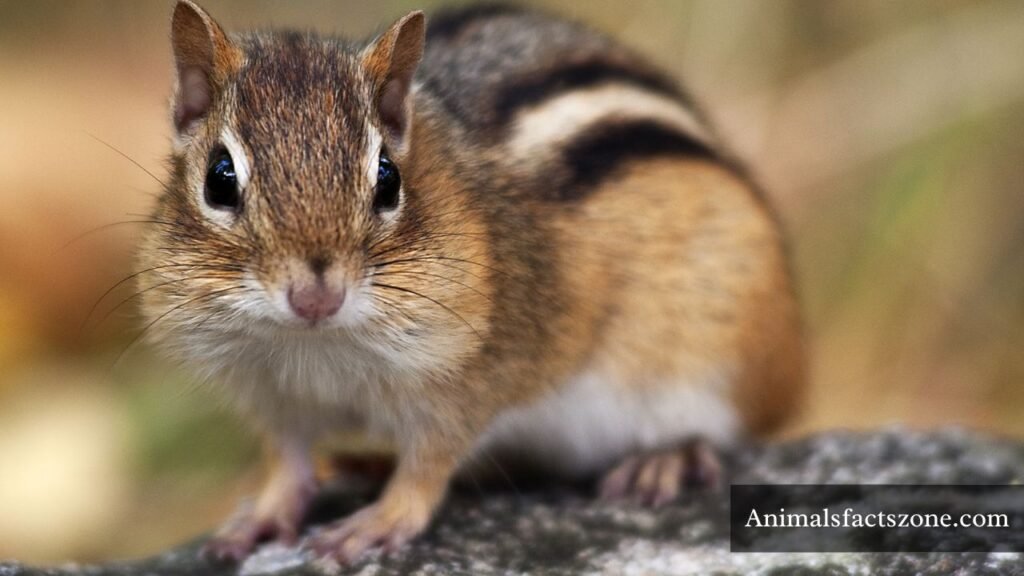
Beyond their cuteness, chipmunks are remarkable for their intricate social structures. Unlike groundhogs, which tend to be more solitary, chipmunks can often be spotted engaging in playful chases or vocalizing to communicate. Their lively antics provide valuable insights into behavioral ecology, highlighting the complexities of survival in the wild. Furthermore, chipmunks are masters of hoarding; they meticulously gather and store food, demonstrating foresight that’s essential for surviving the harsh winter months. This phenomenon not only showcases their intelligence but also emphasizes the interconnectedness of species that rely on their foraging habits.
Voles
Scientific Name: Microtus
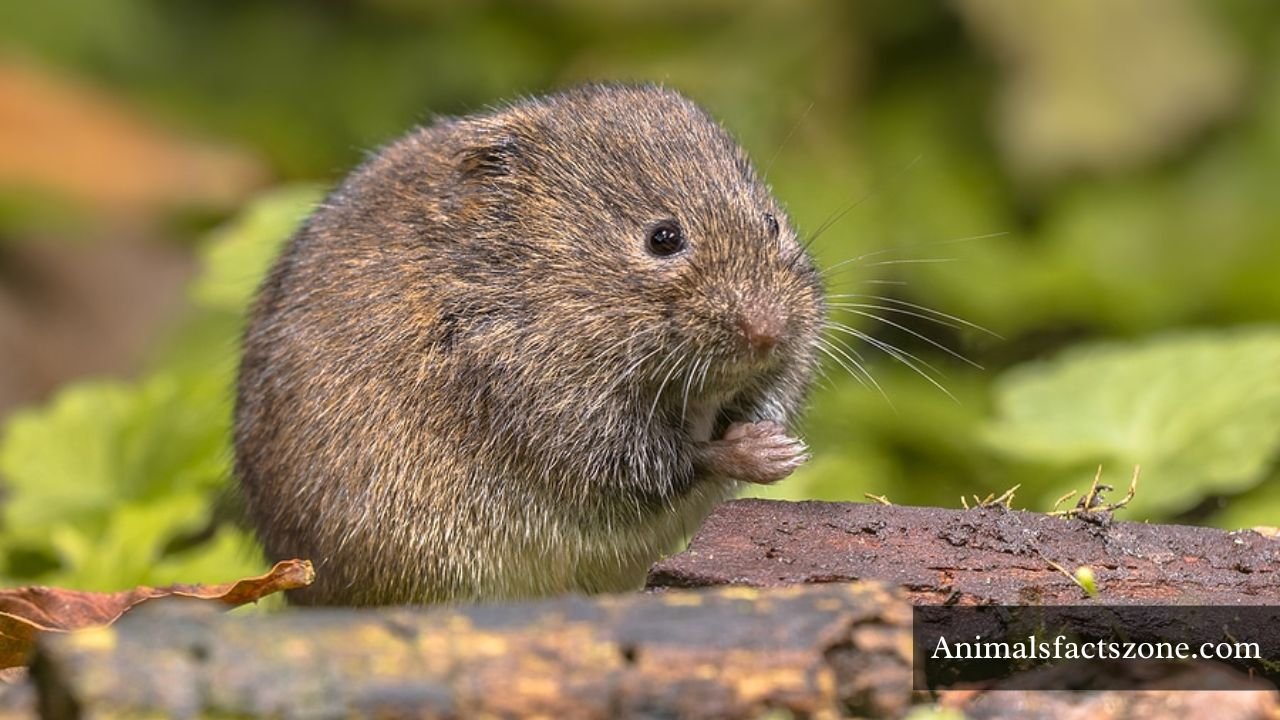
Voles, often overshadowed by their more famous rodent counterparts, play a crucial role in our ecosystems that deserves more attention. These small, stocky mammals roam the underbrush, creating intricate tunnel systems that aerate the soil and promote healthy root growth for plants. Unlike groundhogs, which are known for their brief appearances above ground, voles stay largely hidden, making their presence felt primarily through their feeding habits. Their appetite for grasses and roots can sometimes lead to garden havoc, but it’s important to recognize that they also serve as a vital food source for an array of predators, including hawks, foxes, and snakes.
Interestingly, voles exhibit fascinating social behaviors that are often overlooked. Many species are monogamous, forming tight family units that help them thrive in the wild. This social structure contrasts sharply with the solitary nature of groundhogs, highlighting the diverse strategies animals use to adapt to their environments. Voles are also capable of rapid reproduction, which ensures that, despite their relatively short lives, their populations can rebound quickly — a testament to resilience in the face of predation and habitat loss. These charming little creatures are not just landscape nibblers; they are integral players in the balance of nature, reminding us that every animal, big or small, has a story worth telling.
Rabbits
Scientific Name: Oryctolagus cuniculus
Rabbits, often regarded as gentle creatures, share intriguing similarities with groundhogs, particularly in their social structures and burrowing behaviors. Both animals exhibit a strong instinct for creating intricate underground tunnels. This network of burrows not only serves as a refuge from predators but also facilitates communication among family members. Groundhogs and rabbits alike engage in fascinating social dynamics; they can often be spotted engaging in playful behaviors that strengthen their bonds, showcasing a level of community interaction that is rarely highlighted.
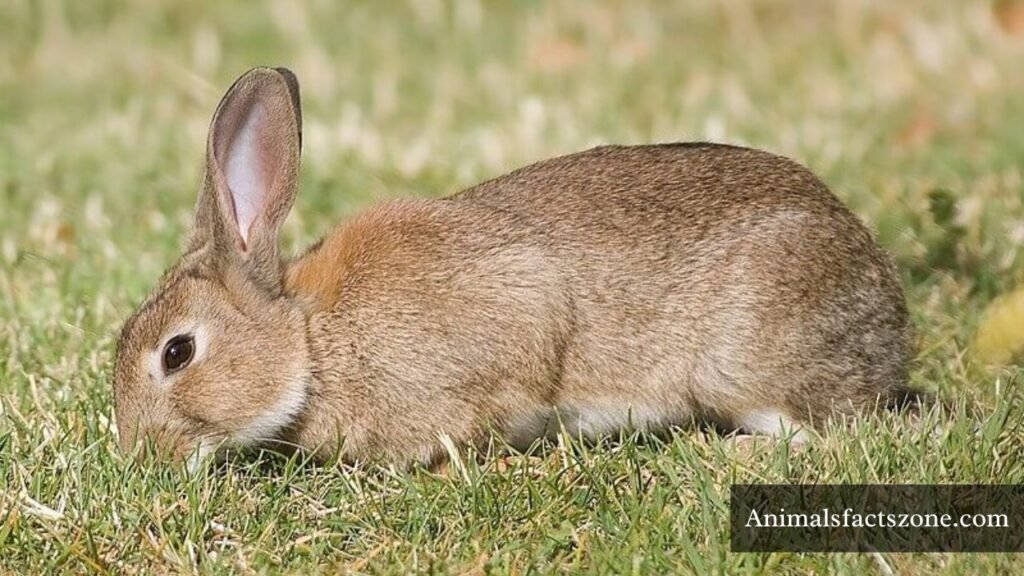
Moreover, rabbits are highly adaptive, thriving in diverse environments ranging from lush meadows to urban gardens. Much like groundhogs, they play a crucial role in their ecosystems by aiding in plant propagation and soil aeration through their burrowing activities. This symbiosis with their environment underscores the importance of these creatures in promoting biodiversity. As climate change continues to impact habitats, understanding the resilience and adaptability of rabbits can provide valuable insights into conservation efforts, highlighting their essential roles in maintaining ecological balance.
Pika
Scientific Name: Ochotona
Pikas, often called “rock rabbits,” are small, herbivorous mammals that inhabit rocky mountain areas across North America and parts of Asia. Unlike their larger rodent relatives, pikas are known for their distinctive lack of a tail and their rounded ears, giving them a rather endearing appearance. Living at high altitudes, these resilient creatures have adapted to life in colder climates by hoarding food during the brief summer months. They collect a fascinating assortment of vegetation, drying it in the sun to create a reliable food source for the long winters ahead.
Interestingly, pikas are sensitive indicators of climate change. Their reliance on cool environments and specific vegetation makes them vulnerable as temperatures rise, leading to a shrinking habitat. In recent studies, scientists have observed that pika populations are shifting to higher altitudes in search of suitable environments, highlighting the precarious balance these charming animals maintain with their ecosystems. Protecting pikas and their habitats not only aids in their survival but also serves as a critical reminder of the interconnectedness of all life in the face of environmental change.
Badgers
Scientific Name: Taxidea taxus
Badgers, often overshadowed by their more famous cousins, the groundhogs, are equally intriguing. Known for their distinctive black-and-white facial markings and robust bodies, these creatures are adept at digging elaborate burrow systems. Unlike the more solitary groundhog, badgers are typically social, often seen in small groups or families, which fosters a unique dynamic in their underground habitats. Their communal living not only enhances their efficiency in foraging but also offers protection from predators.
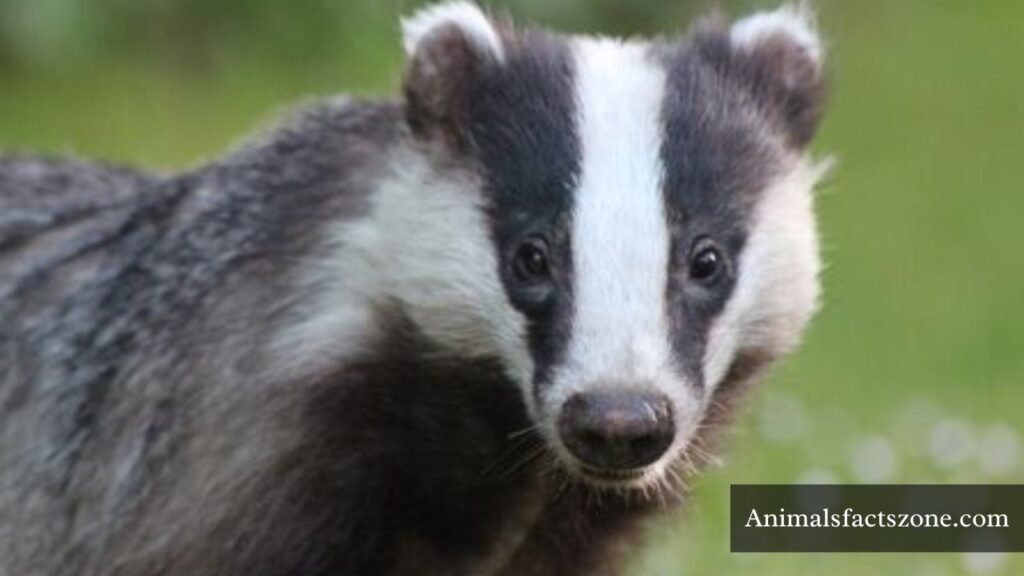
An unexpected trait of badgers is their resilience in various environments. Adaptable to both woodlands and grasslands, they are skilled foragers who primarily feast on small mammals, insects, and roots. This dietary flexibility allows them to thrive in locations where food sources may vary significantly from season to season. Plus, badgers have a fierce reputation; they exhibit surprising levels of courage when threatened, often standing their ground against much larger opponents, showcasing their tenacity. Their essential role in the ecosystem as both predators and prey enriches the biodiversity of their habitats, reminding us of nature’s intricate balance and the crucial contributions of even the lesser-known animals.
The Rock Hyrax
Scientific Name: Procavia capensis
The rock hyrax, often overshadowed by more glamorous wildlife, has a surprisingly fascinating existence that is worth exploring. Despite their rodent-like appearance, these small mammals are more closely related to elephants and manatees, forming part of their own unique lineage. Found primarily in Africa, the Middle East, and parts of the Mediterranean, rock hyraxes thrive in rocky habitats where they can easily blend into their surroundings. Their stout bodies and short legs are perfectly designed for navigating the crevices of rocky outcrops, showcasing an evolutionary adaptation that benefits their survival.
Social creatures by nature, rock hyraxes live in family groups of up to 50 individuals, which fosters a strong sense of community. Their vocal repertoire includes a variety of clicks and whistles that serve as warning calls or communication between members, making them surprisingly chatty for their size. Observing these social interactions offers a glimpse into their intricate social structures and highlights their intelligent behaviors. Their diet — primarily consisting of grasses, leaves, and fruits — indicates a shrewd ability to thrive in environments that are often harsh and resource-scarce.
Muskrat
Scientific Name: Ondatra zibethicus
Muskrats, often overshadowed by their more famous woodland counterparts, play a crucial role in their ecosystems that many may overlook. These semi-aquatic rodents are master architects, constructing intricate lodges and burrows in wetlands and marshes. With their ability to transform landscapes, muskrats help to create habitats for a variety of other wildlife, maintaining biodiversity in their aquatic environments.
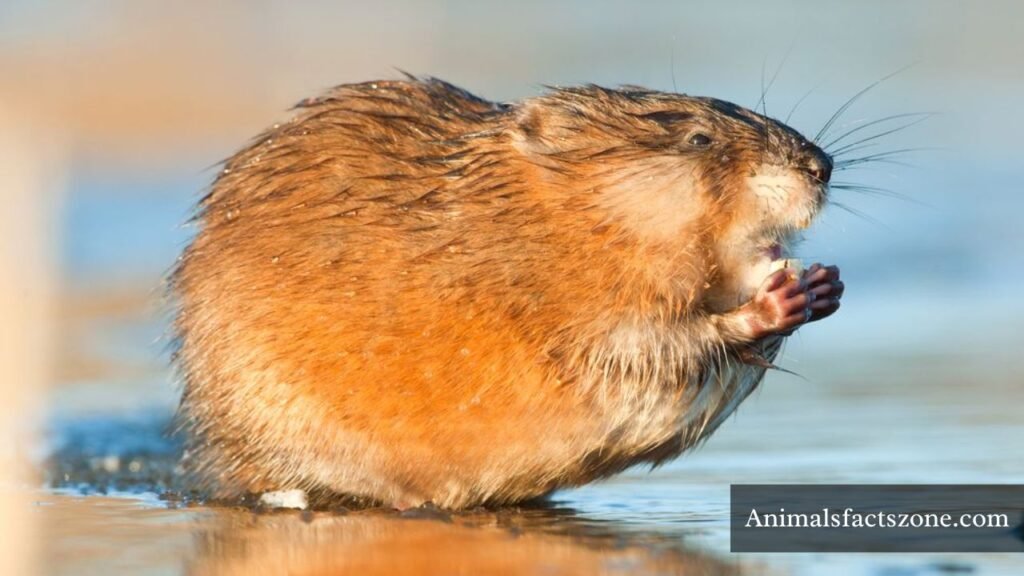
Unlike groundhogs, which primarily inhabit dry land, muskrats thrive in the water, navigating through their territory with a distinctive paddle-like tail. Their diet is primarily herbivorous, consisting of aquatic plants, but they are also known to munch on small fish and invertebrates, showcasing adaptability in their feeding habits. This flexibility not only sustains their populations but also highlights their role in the food chain, as they serve as prey for larger predators like herons and foxes.
Gophers
Scientific Name: Geomyidae
Gophers, often overshadowed by their more famous relatives like groundhogs, are fascinating creatures that play a pivotal role in their ecosystems. These small burrowing mammals are equipped with powerful claws, enabling them to create extensive tunnel networks beneath the soil. Their digging not only aerates the ground but also promotes water drainage, benefitting plant life in their surroundings. Observing gophers can reveal a hidden world of cooperation and competition, as they often share their burrows with lesser-known species like ants and beetles, creating a vibrant community underground.
What makes gophers particularly intriguing is their dual lifestyle — spending time below ground while also foraging for food above the surface. Their diet mainly consists of roots, tubers, and various plant materials, making them essential contributors to soil health. However, their voracious appetites can sometimes be perceived as pests by gardeners and farmers. Understanding the role of gophers in the ecosystem can shift this perspective, highlighting their importance in promoting biodiversity, rather than merely viewing them as nuisances. Their charming, albeit elusive nature only adds to their appeal, reminding us of the intricate interconnectedness of life that exists just beneath our feet.
Squirrels
Scientific Name: Sciuridae
Squirrels, much like groundhogs, are fascinating creatures that thrive in diverse environments. These agile rodents display a level of adaptability that allows them to inhabit urban areas, parks, and forests alike. While groundhogs may hibernate, squirrels exhibit a remarkable behavior called scatter-hoarding, where they bury acorns and nuts not just for winter sustenance, but as a strategy to ensure food availability in unpredictable conditions. This intricate game of hide and seek showcases their intelligence and problem-solving skills, reminding us of the intricate ways nature enables survival.
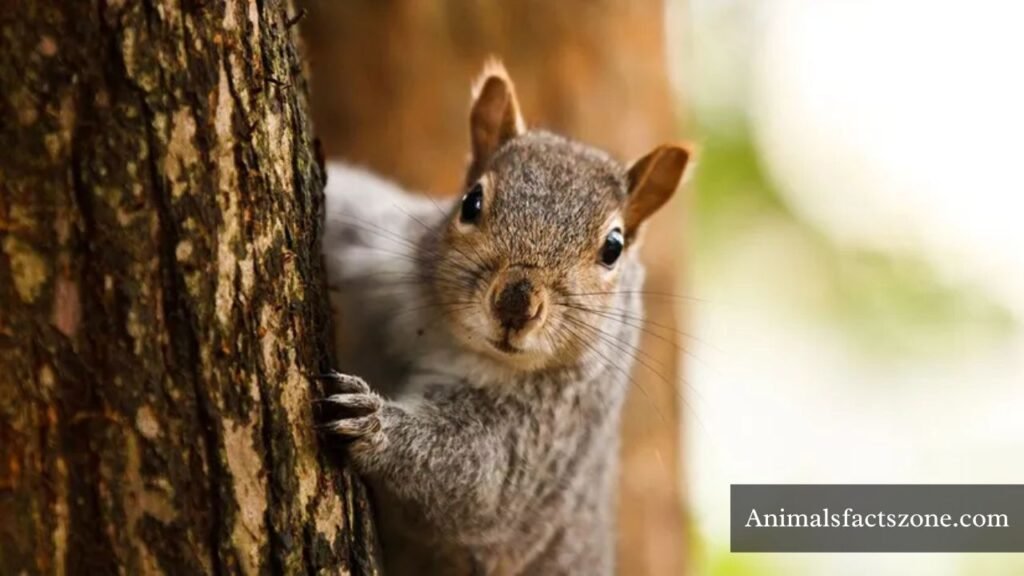
Moreover, the social dynamics of squirrels can be quite captivating. Their playful antics often mask underlying territorial disputes; behaviors such as tail flicks and chattering reveal a complex language of communication. Interestingly, studies suggest that squirrels can recognize human faces, developing a keen memory of who poses a threat or offers food. This ability deepens the connection between humans and wildlife, encouraging us to observe and appreciate the nuanced relationships within our environment. Squirrels remind us that even the smallest of creatures can play significant roles in our ecosystem, influencing everything from forest regeneration to urban wildlife interactions.
Readmore: Explore Top 17 Animals Like Raccoons.
Final Thoughts
The world of animals similar to groundhogs is both fascinating and diverse. From the burrowing prowess of prairie dogs to the quirky antics of marmots, these creatures share remarkable traits that appeal to nature enthusiasts. Their habitats and behaviors shed light on the importance of ecological balance and biodiversity. Appreciating these animals not only enriches our knowledge of wildlife but also highlights the significance of conservation efforts. As we learn more about these creatures, we are reminded of our responsibility to protect their habitats. Let’s take a step toward conservation and advocate for the preservation of these remarkable species!
FAQs
What other animal looks like a groundhog?
Several animals share similarities with groundhogs in appearance and behavior. One of the closest relatives is the woodchuck, which is actually another name for a groundhog. These creatures belong to the rodent family and are often mistaken for each other in regions where they coexist. Another animal that resembles groundhogs is the beaver. While beavers are larger and have flat tails, their stout bodies and fur can sometimes give them a groundhog-like appearance, especially from a distance.
What are groundhogs mistaken for?
Groundhogs are often mistaken for several other rodent species due to their similar appearance and size. One common mix-up is with the black-tailed prairie dog, which shares a similar body shape and burrowing behavior. However, prairie dogs generally have a more rounded face and are often found in more open, grassland habitats, whereas groundhogs, or woodchucks, thrive in wooded or suburban areas. Another frequent confusion occurs with beavers. While beavers have distinctive flat tails and live primarily near water, their size and semi-aquatic nature can lead some to think they resemble groundhogs, especially when seen from a distance.
Is a groundhog a rodent?
Yes, a groundhog is a rodent. Specifically, it belongs to the Sciuridae family, which includes squirrels. Groundhogs, also known as woodchucks, are part of the larger group of burrowing rodents, characterized by their stocky bodies and powerful limbs.
Are marmots and groundhogs the same?
Marmots and groundhogs are closely related but not the same. Both belong to the rodent family Sciuridae, and they share some physical and behavioral traits. However, marmots are typically larger, with a stockier build and a bushier tail, while groundhogs are smaller and more common in urban areas. Marmots generally inhabit mountainous regions, while groundhogs prefer open fields and gardens. They both hibernate and play similar roles in their ecosystems, but they have different habitats and specific behaviors.