Top 15 Animals Like Ferrets (With Images)
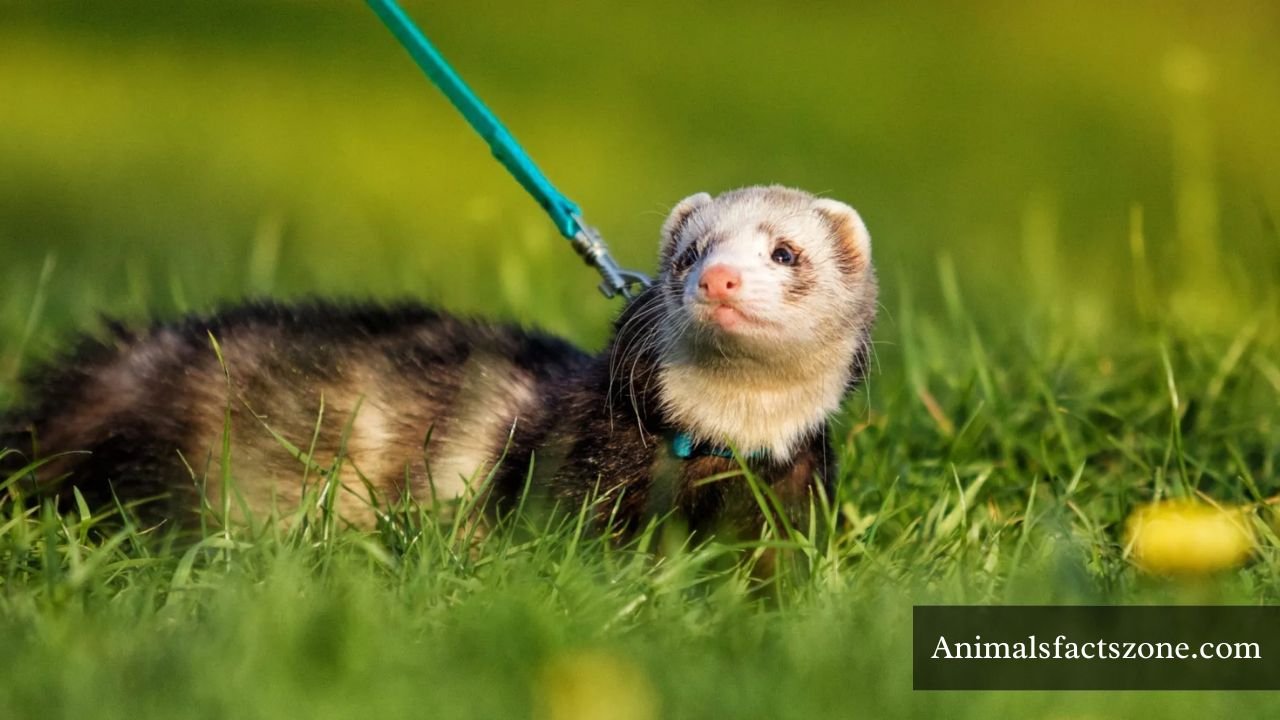
Animals like ferrets are more than just pets; they offer a unique mix of companionship and fun that many don’t realize exists in other species too. In this article, we’ll explore various animals that share similarities with ferrets — whether it’s their playful nature, social behavior, or even their quirky antics. By the end, you’ll discover some perfect furry friends that can bring joy to your life just like ferrets do.
List of Animals Like Ferrets
Below is the list of animals like ferrets:
- Mink
- Weasels
- Ringtail
- Genet
- Martens
- Fisher
- Meerkat
- Skunks
- Wolverines
- Civet
- Stoat
- Mongooses
- Polecats
- Otters
- Badgers
Mink
Scientific Name: Neogale vison
Class: Mammalia
Diet: Carnivore
Minks are often overshadowed by their more domesticated relatives like ferrets, yet these sleek, agile creatures possess a captivating charm all their own. Renowned for their luxurious fur, minks are not just fashion statements in the wildlife realm; they showcase remarkable adaptability and resilience in various habitats, from coastal marshes to dense forests. Unlike ferrets, which are largely reliant on human companionship, minks are independent hunters, employing stealth and agility to catch small prey like fish, amphibians, and rodents. Their innate hunting abilities paint a picture of a wild spirit thriving in nature.
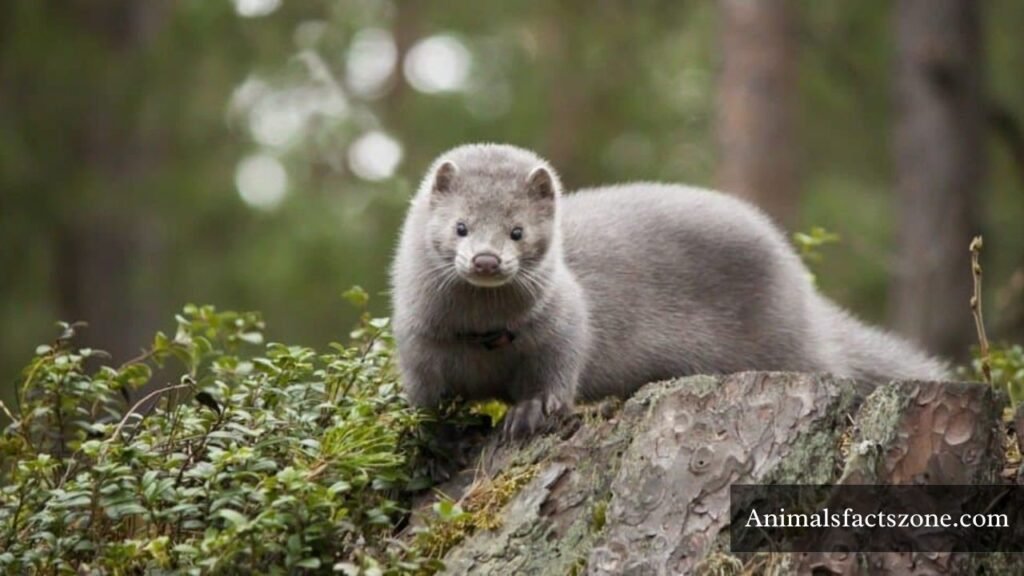
Interestingly, minks have a considerable role in their ecosystem, acting as both predator and prey. This duality not only makes them fascinating, but it underscores their importance in maintaining the balance within their environments. Moreover, unlike ferrets, which have been bred for docility, minks retain a more primal instinct, making them a thrilling subject for wildlife enthusiasts and photographers alike. Observing these creatures in the wild reveals an entirely different world — one where instincts reign and survival is an art form. So, while ferrets may delight in our homes, minks remind us of the wild beauty and complexity that exists just beyond our doors.
Weasels
Scientific Name: Mustela nivalis
Class: Mammalia
Diet: Carnivore
Weasels, often overshadowed by their more famous relatives like ferrets, are fascinating creatures that embody agility and cunning. These small carnivores belong to the Mustelidae family and exhibit a remarkable adaptability to diverse environments. Their sleek bodies and short legs are perfectly designed for stealthy movements, allowing them to slip through tight spaces in search of prey. Unlike ferrets, which have been domesticated for centuries, weasels thrive in the wild, showcasing an extraordinary range of hunting techniques that can leave observers in awe.
One striking aspect of weasels is their seasonal color transformation; many species turn white in winter, providing camouflage against the snow. This adaptation not only enhances their stealth but also highlights the complexities of survival strategies in nature. Moreover, weasels are known for their boldness, often engaging in confrontations much larger than themselves, showcasing a fierce determination that belies their size. Their critical role in maintaining ecological balance, by controlling rodent populations, further underscores their importance in the animal kingdom, making them more than just charming little predators.
Ringtail
Scientific Name: Bassariscus astutus
Class: Mammalia
Diet: Omnivore
The ringtail, often overshadowed by more common pets, is a fascinating animal that mingles traits of both cats and raccoons. With their strikingly long, ringed tails and agile bodies, these nocturnal creatures exhibit an unusual blend of playful curiosity and stealth. Ringtails are adept climbers, allowing them to traverse rocky terrains and trees with grace, showcasing an innate ability to adapt to their environment. This skill not only aids in finding food — mostly small mammals, insects, and fruits — but also in evading predators.
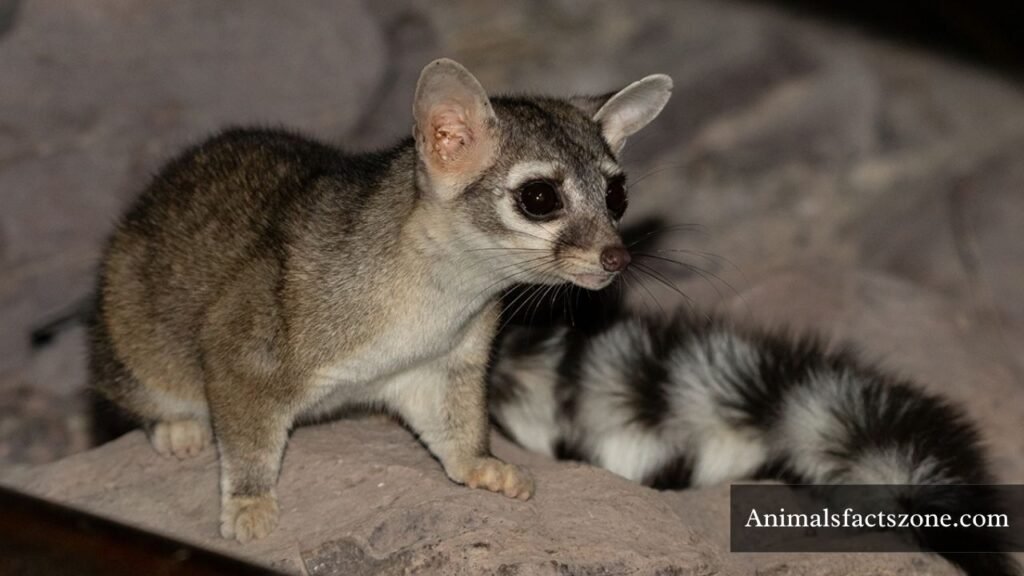
What sets ringtails apart from other similar small mammals is their unique social behavior. Unlike many solitary creatures, they display a degree of sociality, often forming small groups during the breeding season. Their gentle interactions juxtapose with their striking appearance, making them an endearing subject of study for wildlife enthusiasts. Furthermore, ringtails possess a remarkable sense of smell, which they use to locate food and communicate, weaving a complex tapestry of environmental awareness that highlights the intricacies of their lives in the wild. For those intrigued by ferrets, discovering the remarkable nuances of the ringtail invites a deeper appreciation for the diverse expressions of mammalian life.
Genet
Scientific Name: Genetta genetta
Class: Mammalia
Diet: Omnivore
Genets, often overshadowed by more common pets, are intriguing animals with a unique blend of feline grace and playful behavior reminiscent of ferrets. These small carnivores, native to Africa and parts of Europe, possess a stunning coat pattern and a long, lithe body that enables them to navigate their environments with agility. Much like ferrets, genets are nocturnal explorers, filled with curiosity and a knack for getting into mischief, making them endlessly fascinating companions for those willing to embrace their quirks.
Unlike traditional domesticated pets, genets thrive on environmental enrichment and mental stimulation. Their playful antics can be mesmerizing, as they leap and pounce, showcasing their exceptional agility. However, potential owners should prepare for a whirlwind of energy and ensure that their living spaces are secure. As natural climbers, genets enjoy vertical spaces — think shelves or cat trees — to explore and survey their territory, which can add an exciting dimension to their care. By understanding their unique needs, you can forge a bond that celebrates their independence while fostering a loving environment.
Martens
Scientific Name: Martes martes
Class: Mammalia
Diet: Omnivore
Martens, often overshadowed by their more popular relatives, offer a fascinating glimpse into the world of mustelids. With their sleek bodies and dense fur, these small carnivores thrive in various ecosystems, from dense forests to mountainous terrains. Unlike ferrets, which have been significantly domesticated, martens possess a wild spirit that reflects their adaptability and cunning. Their agility allows them to navigate treetops with grace, hunting squirrels and birds, thus playing a crucial role in controlling prey populations.
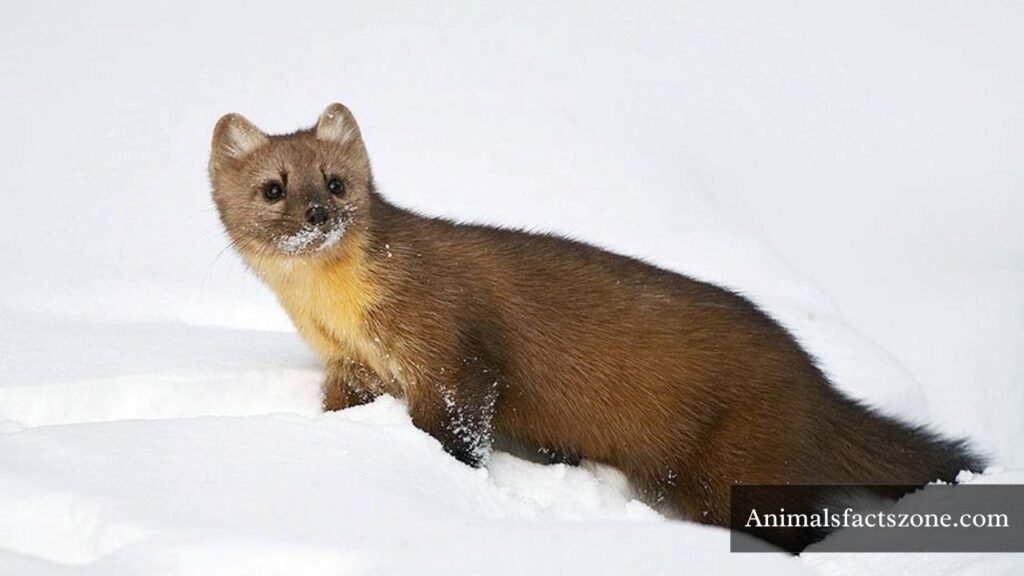
One of the most striking features of martens is their social behavior; they are known for their playful interactions, especially during the mating season. This playful demeanor not only engages them physically but also showcases their intelligence. Studies suggest that martens can exhibit problem-solving skills, showcasing their ability to adapt and thrive in dynamic environments. In many cultures, martens are celebrated in folklore, symbolizing curiosity and cleverness, highlighting the respect humans have for these elusive creatures. By observing martens in the wild, we gain a deeper appreciation for the intricacies of nature and the vital roles species play in maintaining ecological balance.
Fisher
Scientific Name: Pekania pennanti
Class: Mammalia
Diet: Carnivore
Fisher cats, often misunderstood due to their name, are neither cats nor particularly sociable creatures. These elusive members of the weasel family exhibit a striking blend of agility and ferocity. Sporting sleek, dark fur and an elongated body, they are masterful climbers and adept hunters, primarily preying on small mammals and birds. Observing a fisher in its natural habitat is a rare treat, as they prefer dense forests where they can navigate the treetops with remarkable ease.
What truly sets fishers apart is their unique role in the ecosystem. As skilled predators, they help control rodent populations, maintaining a balance in their environment that supports diverse wildlife. Their impressive hunting skills extend to unique prey like porcupines, showcasing their fearlessness and adaptability. This makes them vital players in their ecosystems, akin to ferrets that, despite their domestic popularity, also embody the same predatory instincts and playful demeanor in the wild. Appreciating fishers not only deepens our understanding of wildlife dynamics but also invites a greater respect for the complexity of nature’s interconnections.
Meerkat
Scientific Name: Suricata suricatta
Class: Mammalia
Diet: Carnivore
Meerkats, with their endearing stature and social dynamics, offer a fascinating glimpse into the complexities of animal behavior, much like ferrets. These small mammals are not just charming creatures that stand on their hind legs; they are highly intelligent and display intricate cooperative strategies for survival. Living in tight-knit family groups, female meerkats often take the lead in foraging expeditions, showcasing their communication skills and social hierarchy. This cooperative behavior mirrors the playful, yet strategic interactions seen in ferret communities, where social bonds and teamwork are paramount for success and fun.
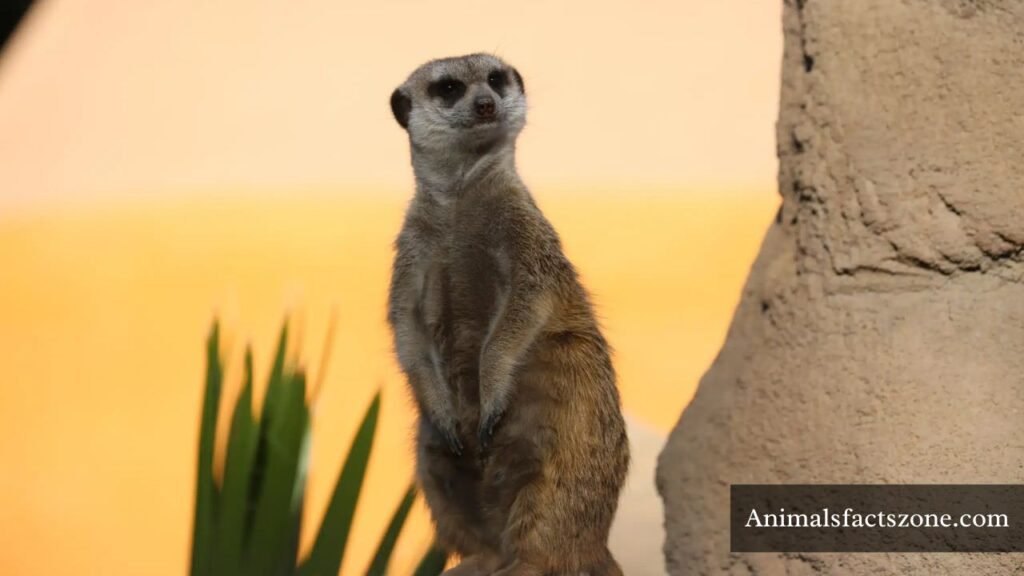
What sets meerkats apart is their unique system of sentinel duty. While some members of the group forage for food, others remain vigilant, standing guard against potential predators. This selfless act ensures not just individual survival but strengthens communal ties — an insightful parallel to how ferrets rely on each other during play and defense. The meerkat’s adaptability and social structure offer valuable lessons in cooperation and community resilience, reminding us that social animals thrive not just through individual prowess but through the strength of community. Observing meerkats in their natural habitat can inspire a deeper appreciation for the social networks that bind not only animals but also humans together in the grand tapestry of life.
Skunks
Scientific Name: Mephitis mephitis
Class: Mammalia
Diet: Omnivore
Skunks may not be the first animals that come to mind when considering unconventional companions, but these small, distinct creatures possess a range of intriguing traits that often go overlooked. With their playful personalities, skunks are surprisingly social, forming tight bonds with their human caregivers. Their natural curiosity mirrors that of ferrets, making them engaging pets that explore every nook and cranny of their environment. Contrary to popular belief, skunks can be easily trained and tend to adopt litter box habits, showcasing their adaptability and intelligence.
One of the most fascinating aspects of skunks is their unique defense mechanism: the infamous spray. This formidable weapon is a natural defense, but when raised in a loving home, many skunks can be de-scented, allowing for a more approachable pet experience. Moreover, their gentle nature and the fact that they are omnivorous enable them to thrive on a diverse diet, making them relatively easy to care for. In understanding skunks as pets, one discovers they not only bring joy through their antics but also challenge common stereotypes, revealing a depth of character that rivals any traditional household pet.
Wolverine
Scientific Name: Gulo gulo
Class: Mammalia
Diet: Carnivore
Wolverines, while often overshadowed by their more glamorous cousins in the animal kingdom, embody a fierce tenacity that few can match. These tenacious creatures roam the remote wilderness of the Arctic and subarctic regions, their powerful limbs built for navigating rugged terrain. Unlike ferrets, who are domesticated and known for their playful antics, wolverines carry an air of independence marked by their solitary habits. Driven by survival instincts, they have developed a reputation as formidable scavengers, often unafraid to confront larger predators to claim their meals.
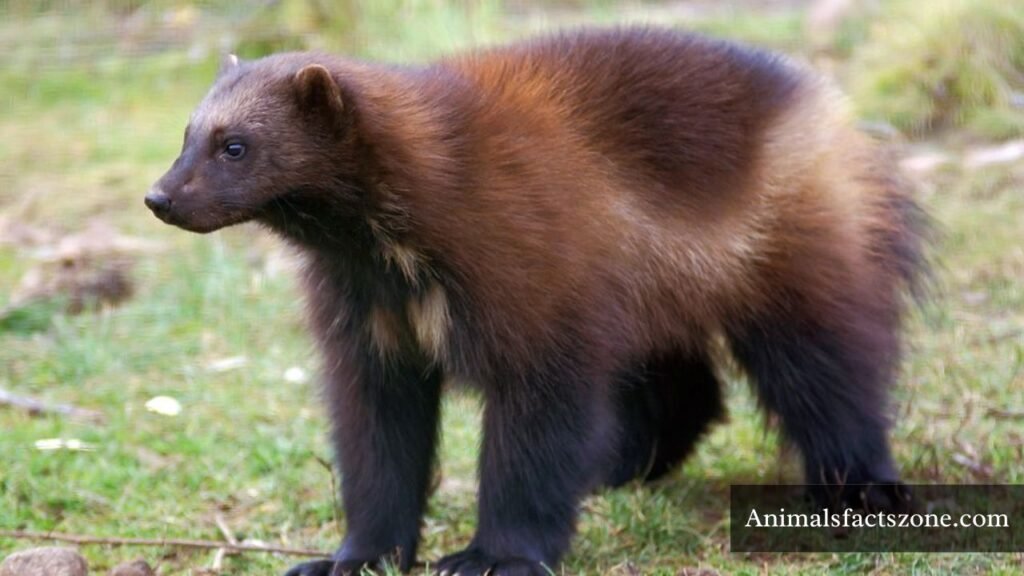
Their remarkable adaptability is a testament to their resilience; wolverines can traverse large distances in search of food, showcasing a determination that resonates with those who admire the spirit of the wild. Yet, beneath their tough exterior lies a vulnerability, as habitat loss and climate change threaten their existence. This duality — being both a relentless survivor and an endangered species — invites us to rethink how we view strength in the animal realm. By exploring the lives of wolverines, we not only appreciate their wild nature but also recognize the fragility of ecosystems that support such extraordinary beings.
Civet
Scientific Name: Civettictis civetta
Class: Mammalia
Diet: Omnivore
Civets, often overlooked in discussions about exotic pets, present a fascinating blend of charm and mystery. Related to ferrets, these small, nocturnal mammals offer a unique glimpse into the world of critters that straddle the line between cat-like and weasel-like behaviors. With their distinctive facial markings and elongated bodies, civets boast an intriguing aesthetic that captivates both wildlife enthusiasts and casual observers. Their playful nature and intelligence mirror that of ferrets, making them just as engaging to watch, especially when they explore their surroundings with curiosity and agility.
Historically, civets have held a significant role in various cultures, particularly in the realm of coffee production. The famed Kopi Luwak, or civet coffee, is made using beans that have passed through a civet’s digestive system, lending a unique flavor profile that some coffee aficionados swear by. This fascinating connection shows how civets can significantly influence local economies while highlighting the interplay between wildlife and human interests. Engaging with civets not only provides emotional satisfaction but also deepens our understanding of biodiversity and conservation efforts aimed at protecting these intriguing animals in their natural habitats.
Stoat
Scientific Name: Mustela erminea
Class: Mammalia
Diet: Carnivore
The stoat, often overshadowed by its more popular cousins like the ferret, is a fascinating creature that deserves recognition for its remarkable adaptability and cunning behavior. These small carnivores, also known as short-tailed weasels, possess an incredible ability to thrive in diverse habitats, from lush woodlands to arid grasslands. Their distinctive seasonal pelage, transforming from rich brown in summer to pure white in winter, not only provides camouflage but also serves as a reminder of nature’s artistry and the ecological adaptations essential for survival.
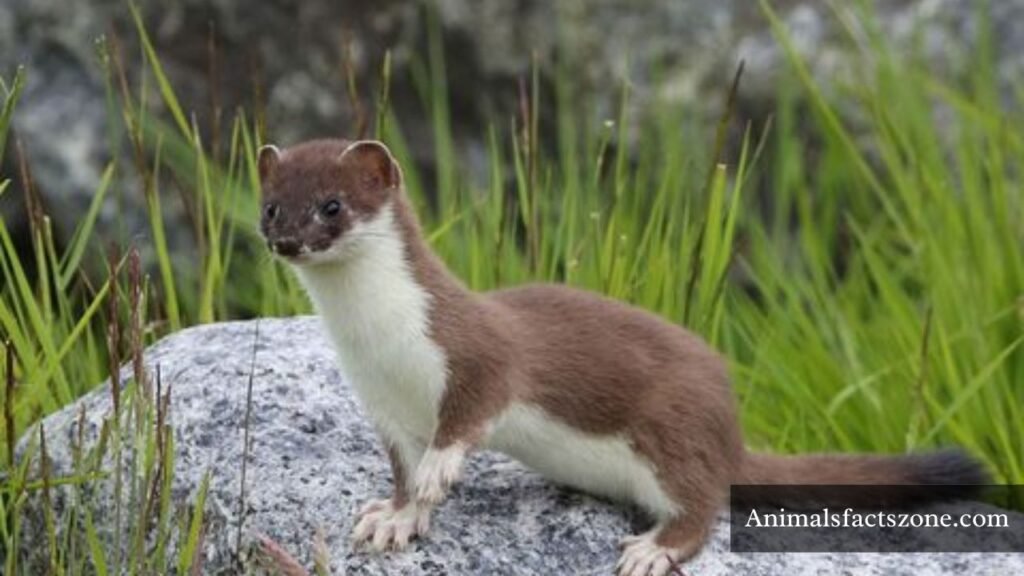
Beyond their striking appearance, stoats exhibit captivating behaviors that reveal a complex social structure and hunting strategy. They are known for their playful energy, engaging in acrobatic pursuits that resemble a dance as they chase one another or pounce on unsuspecting prey. This spirited demeanor isn’t just for fun; it sharpens their skills as formidable hunters. With a diet that predominantly includes small mammals, birds, and occasionally insects, stoats showcase their impressive agility and intelligence, often using stealth and cunning to outsmart their targets. Witnessing a stoat in action is a reminder of the wild’s unfiltered beauty and the intricate dynamics of its inhabitants.
Mongoose
Scientific Name: Herpestes edwardsii
Class: Mammalia
Diet: Carnivore
Mongooses, often overshadowed by their more popular ferret cousins, exhibit a remarkable blend of bravery and intelligence. These small mammals are known for their agile movements and tenacity, particularly when it comes to facing off against dangerous predators like snakes. Unlike ferrets, which are domesticated, mongooses thrive in diverse habitats, from savannas to forests, showcasing their adaptability. Their social structures also vary; some species form tight-knit groups, while others prefer a solitary lifestyle, revealing intriguing insights into their behavior.
One of the most fascinating aspects of mongooses is their unique approach to survival. Equipped with specialized enzymes, they can tolerate snake venom, allowing them to engage in daring confrontations. Their cooperation during these hunts underscores a remarkable level of communication and strategy, reminiscent of military tactics more than mere prey-seeking behavior. Watching them work together not only captivates wildlife enthusiasts but also poses questions about the evolution of cooperation in the animal kingdom. As wildlife researchers continue to study these dynamic creatures, there’s much to learn about their role in ecosystems and the lessons they offer about adaptation and resilience.
Polecat
Scientific Name: Mustela putorius
Class: Mammalia
Diet: Carnivore
The polecat, often overshadowed by its domesticated cousin, the ferret, deserves a spotlight of its own. As a member of the weasel family, this wild creature demonstrates an intriguing blend of adaptability and cunning. Found across Europe and parts of Asia, polecats thrive in diverse habitats, from dense woodlands to open fields. Their ability to thrive in various environments showcases not only their resilience but also their important role in controlling small mammal populations, earning them a vital place in their ecosystems.
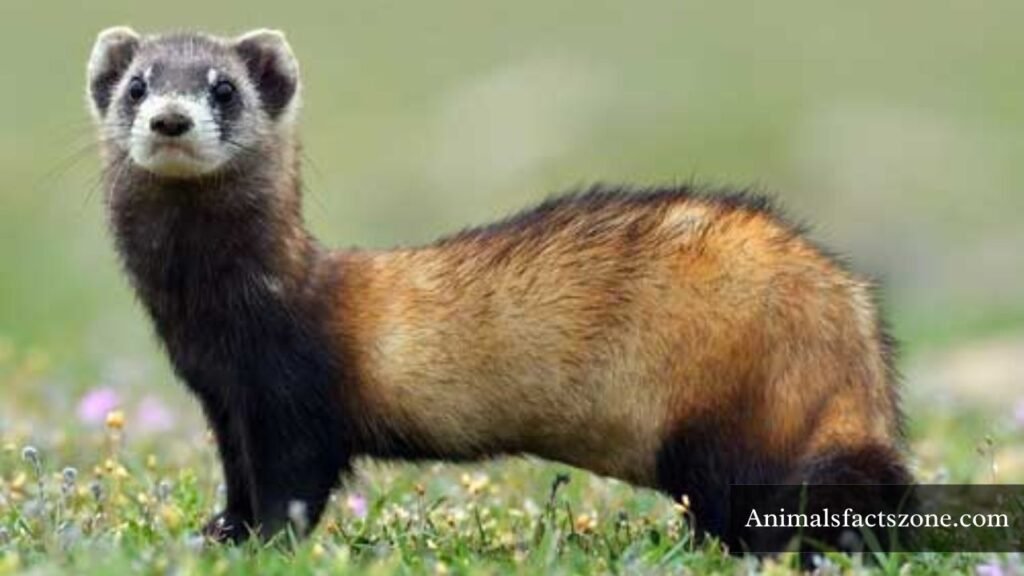
While polecats are sometimes mistaken for ferrets or considered pests, they possess a unique set of characteristics that distinguish them from their domesticated relatives. Their sharp senses and agile bodies allow them to hunt with remarkable precision, mainly preying on rabbits, rodents, and birds. Moreover, their nocturnal habits and exceptional burrowing skills make them elusive creatures, inviting curiosity about their lives hidden beneath the surface. Observing a polecat in its natural habitat offers a glimpse into the charming complexities of wild life, elevating our appreciation for the untamed spirit that exists just outside our doorsteps.
Otter
Scientific Name: Lutra lutra
Class: Mammalia
Diet: Carnivore
Otters share a delightful kinship with ferrets, both members of the Mustelidae family, but they take their charm to a whole new aquatic level. These playful creatures exhibit a unique blend of intelligence and charisma, often seen sliding down mud or snowbanks into rivers with sheer delight. Unlike the more terrestrial ferret, otters are masters of the water, showcasing impressive swimming skills and dexterous use of their paws to hunt for fish, crustaceans, and even small birds.
Their social structures further set them apart. Otters are known for their tight-knit family groups, which thrive on cooperative behaviors, from hunting in synchrony to caring for their young. This strong sense of community not only enhances survival but also highlights their emotional intelligence; they often engage in playful antics with one another that can bring smiles to onlookers. This unique blend of playfulness, intelligence, and social complexity invites a deeper appreciation for otters and their role in the ecosystem, reminding us that beneath their cute exterior lies a robust web of interactions with their environment and fellow companions.
Badgers
Scientific Name: Meles meles
Class: Mammalia
Diet: Omnivore
Badgers, often overshadowed by more widely recognized wildlife, are fascinating creatures that deserve a closer look. These nocturnal foragers exhibit a unique blend of tenacity and adaptability. With their stout bodies and distinctive facial markings, badgers are not just striking in appearance; they are skilled diggers, creating elaborate burrow systems called setts that can be home to entire clans. This underground architecture serves as a refuge from predation and harsh weather, showcasing their resourcefulness.
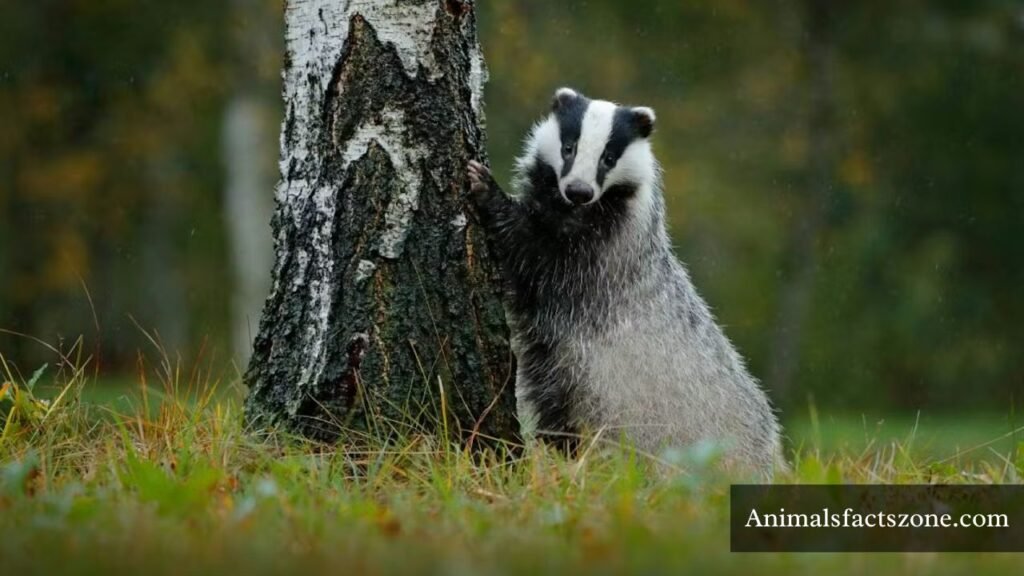
Unlike ferrets, which are often playful and curious, badgers maintain a more solitary demeanor. However, both animals share a social complexity; badgers engage in cooperative behaviors when raising young and defend their territory with tenacious ferocity. Their diet, which can range from grubs to fruits, reflects an impressive versatility that allows them to thrive in diverse habitats. Observing these creatures reveals their crucial role in the ecosystem — acting as both pest controllers and seed dispersers, badgers help maintain the delicate balance of their environments. Ultimately, understanding the lives of badgers not only highlights their intrinsic value but also calls attention to the importance of conserving their habitats for future generations.
Readmore: Explore Top 17 Animals Like Raccoons.
Final Thoughts
Exploring animals that share similarities with ferrets reveals a fascinating array of companions that can bring joy and adventure to our lives. From playful polecats to curious otters, each of these creatures offers unique traits and behaviors reminiscent of the ferret’s charm. Understanding their needs and personalities is essential for anyone considering adding one of them to their family. Fostering responsible interactions with these animals can enhance our connection to the natural world. Consider adopting one of these delightful species and experience the wonder they can bring into your home!
FAQs
What animals are similar to ferrets?
Ferrets belong to the weasel family and share similarities with several other animals. One of the closest relatives is the stoat, or least weasel, which is similar in size and behavior, often exhibiting playful and curious traits. Like ferrets, stoats are known for their agility and hunting skills, making them fascinating creatures to observe. Another animal that resembles ferrets is the marten, particularly the pine marten. These small carnivores have a slender build, a bushy tail, and an inquisitive nature. Martens are agile climbers and, like ferrets, are known for their playful antics.
What looks like a ferret but isn’t a ferret?
There are several animals that resemble ferrets but belong to different species. One notable example is the polecat, which is often mistaken for a ferret due to its similar body shape and size. Polecats have a more robust build, and they typically have darker fur with a distinctive mask-like face. While both belong to the family Mustelidae, polecats are wild animals primarily found in Europe, whereas ferrets are domesticated descendants of the European polecat. Another animal that can easily be confused with ferrets is the mink. Minks are also part of the Mustelidae family and share a sleek appearance and agile body. However, minks are generally larger and tend to have shinier fur.
What looks like a ferret, but bigger?
One animal that looks like a larger version of a ferret is the European polecat. It shares a similar elongated body and a slender snout, but it can grow significantly larger than a ferret. The polecat is often darker in color, with a mix of brown, black, and cream fur.