Top 13 Down Syndrome Animals In The World (With Pictures)
Did you know that animals can also exhibit traits similar to Down syndrome? While most discussions about Down syndrome focus on humans, a fascinating aspect of nature includes animals that show similar characteristics. In this article, we’ll explore the world of Down Syndrome Animals In The World, shedding light on their unique behaviors, challenges, and the profound lessons they teach us about love and acceptance. By the end, you’ll gain a deeper appreciation for the diverse ways life expresses itself.
List of Down Syndrome Animals In The World
Here is the list of animals with down syndrome:
- Kenny the Tiger
- Otto the Kitten
- Beluga Whale
- Down Syndrome in Monkeys
- Down Syndrome in Elephants
- Koala
- Down Syndrome in Giraffes
- Goat
- Down Syndrome in Mice
- Hyenas
- Cow
- Down Syndrome in Dogs
- Horse
Kenny the Tiger
Scientific name: Panthera tigris
Class: Mammalia
Diet: Carnivore
The concept of “Down Syndrome Animals” often evokes a sense of curiosity and empathy, but in the case of tigers, it opens a window to explore the complexities of genetic diversity in the animal kingdom. While there is no medical analogy to Down syndrome in wild animals, tigers with congenital anomalies showcase how their unique traits can challenge our understanding of beauty and survival. These tigers, displaying different physical characteristics or behavioral quirks, remind us that life in the wild isn’t simply about the fittest, but about adaptability and resilience.
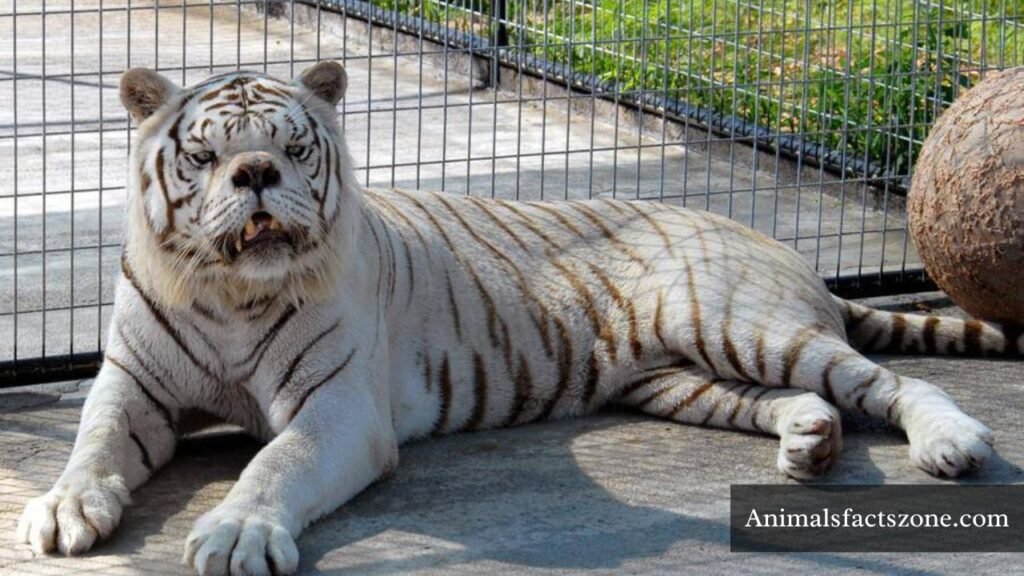
A tiger with distinct characteristics — such as a shorter stature, altered features, or unusual behavioral patterns — can provide valuable insights into the genetic variations that exist within species. Observing these extraordinary individuals teaches us about the importance of inclusivity in nature; they exemplify how different does not equate to lesser. Conservation efforts benefit from embracing this diversity, as it enhances the genetic pool and strengthens populations, ultimately supporting the survival of the species in a changing environment. By celebrating these unique tigers, we gain a richer appreciation for the role that all animals, regardless of their differences, play in the ecosystem.
Otto the Kitten
Scientific name: Felis catus
Class: Mammalia
Diet: Carnivore
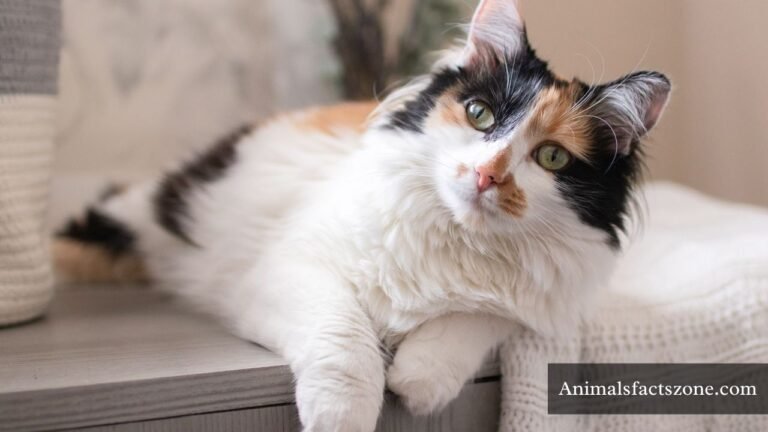
Kittens with Down Syndrome, while not scientifically accurate in terms of feline genetics, can capture hearts with their unique quirks and characteristics. These little furballs often present with distinct physical traits, such as wider-set eyes and altered body shapes, which can endear them to those who recognize their extraordinary charm. Beyond their appearance, their playful yet gentle nature often highlights the joy and spontaneity that come with embracing differences.
The notion of “Down Syndrome Kittens” opens up a sensitive conversation about acceptance and adaptability in the pet world. These cats may face behavioral challenges or require special care, but their resilience often teaches us invaluable lessons about empathy and connection. Owners of these unique kittens frequently find themselves forming deeper bonds, as they learn to communicate and nurture their pets in ways that celebrate individuality. In a society that sometimes overlooks animals with differences, these kittens serve as wonderful reminders of the beauty in diversity and the joy of unconditional love.
Beluga Whale With Down Syndrome
Scientific name: Delphinapterus leucas
Class: Mammalia
Diet: Carnivore
Beluga whales, often referred to as the “canaries of the sea,” showcase a fascinating blend of social behavior and unique vocalizations that resonate with the theme of inclusivity found in the Down syndrome community. These enchanting creatures communicate through a variety of clicks, whistles, and clangs, reflecting a deep sense of connection that mirrors the bonds formed among those with Down syndrome. Their ability to express emotion and form close-knit relationships highlights the beauty of diverse social interactions in the animal kingdom.
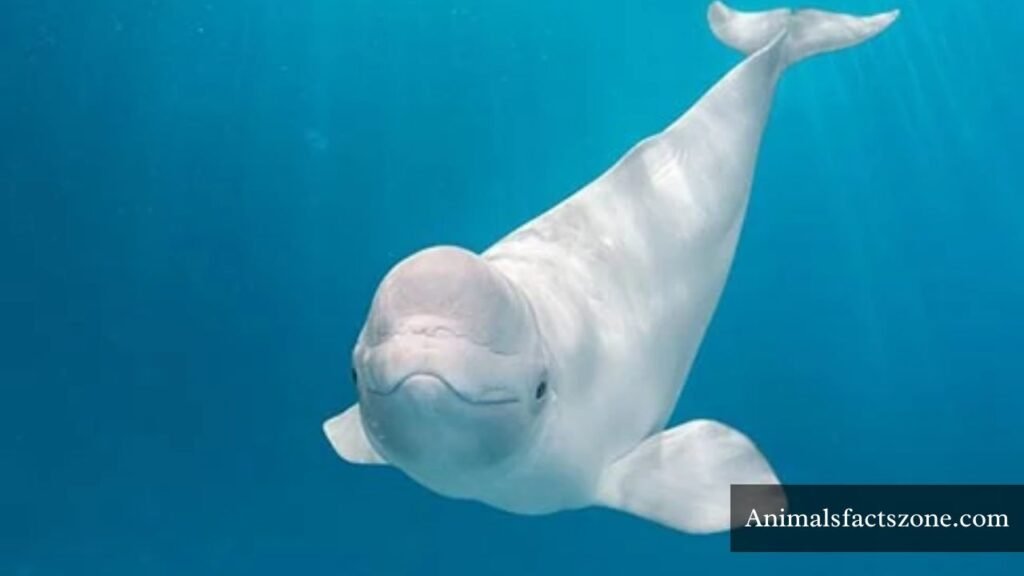
Not only are belugas known for their striking white appearance and playful demeanor, but they also exhibit intriguing behaviors that can challenge our understanding of intelligence and adaptability. Observations of beluga pods demonstrate an ability to work together, reflecting the notion that collaboration thrives on embracing differences. These social dynamics echo how individuals with Down syndrome often thrive in supportive environments, contributing richly to their communities.
Readmore: Explore Top 6 Animals That Are Deaf.
Down Syndrome in Monkeys
Class: Mammalia
Diet: Omnivore
Monkeys with Down syndrome-like characteristics offer a fascinating glimpse into the complexities of genetic variation beyond human contexts. These primates showcase unique physical features, such as altered facial structures and distinct behaviors, which provoke curiosity and challenge our understanding of animal health. Researchers suggest that studying these animals can illuminate critical aspects of genetics, behavioral adaptation, and even the social fabric of primate groups.
In observing these monkeys, we gain fresh insights into how genetic diversity shapes not only physical traits but social interactions as well. The differences in communication and social bonding among these special monkeys can mirror those found in humans with Down syndrome, shedding light on the resilience and adaptability of bonds formed under uncommon circumstances.
Down Syndrome in Elephants
Scientific name for African elephant: Loxodonta africana
Scientific name for Asian elephant: Elephas maximus
Class: Mammalia
Diet: Herbivore
Elephants, often celebrated for their intelligence and complex social structures, exhibit emotional depth that resonates profoundly with humans. While the term “Down syndrome” is typically applied to humans, the concept of genetic variation and its effects can be seen in elephants as well, particularly through cases of distinctive physical traits and behaviors. Some elephants are born with unique characteristics that set them apart from their herd, fostering intriguing questions about their adaptability and societal integration.
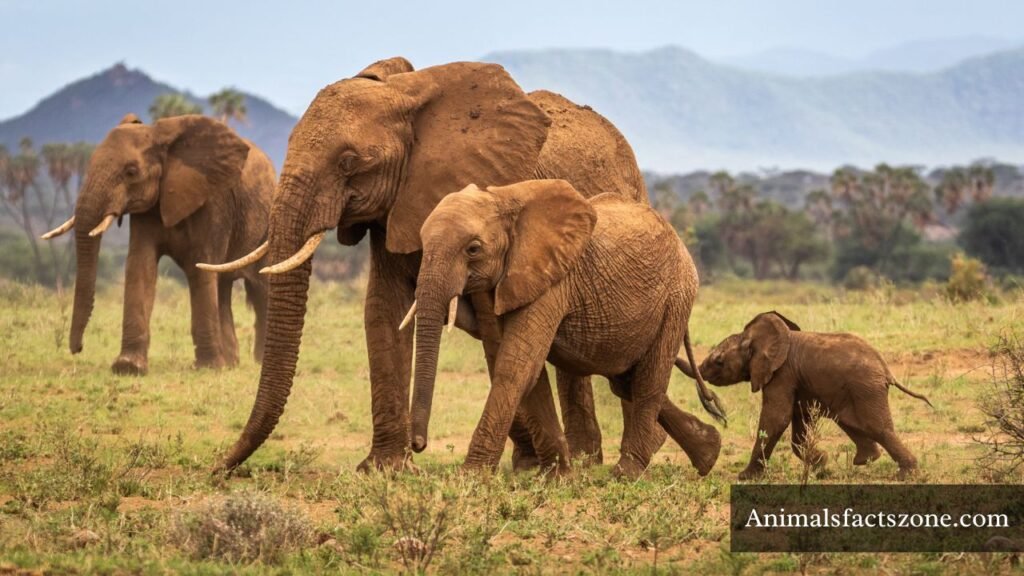
These elephants, much like individuals with Down syndrome, challenge our perceptions of ability and intelligence. Observations show that their differences can lead to unexpected strengths, like heightened empathy or strong bonds with other herd members. This perspective invites us to reconsider the notion of normalcy in the animal kingdom, urging us to appreciate the diverse ways in which nature manifests intelligence and emotion. By recognizing these extraordinary animals, we not only celebrate their uniqueness but also inspire a greater understanding of diversity in all living beings.
Koala
Scientific name: Phascolarctos cinereus
Class: Mammalia
Diet: Herbivore
In the wild tapestry of animal life, the koala stands out not just for its adorable appearance but also for its unique behavioral traits that resonate with the concept of Down syndrome in humans. These marsupials exhibit a range of social cues and emotional connections that mirror the inclusive spirit fostered within communities supporting individuals with Down syndrome.
Interestingly, research into animal cognition suggests that koalas may possess a form of emotional intelligence that allows them to bond deeply with their young. This nurturing instinct highlights a parallel with the profound love shared in families raising children with Down syndrome — an unconditional bond that often leads to enriched life experiences for everyone involved.
Down Syndrome in Giraffes
Scientific name: Giraffa camelopardalis
Class: Mammalia
Diet: Herbivore
Though Down Syndrome in animals isn’t officially recognized like in humans, some animals exhibit unique traits similar to those seen in individuals with this genetic condition. Giraffes, with their long necks and gentle dispositions, can sometimes display irregularities that evoke thoughts of Down Syndrome. These remarkable creatures demonstrate a wide range of personalities influenced by their unique physical traits, including variations in their fur patterns or unusual facial structures, making each one a captivating individual.
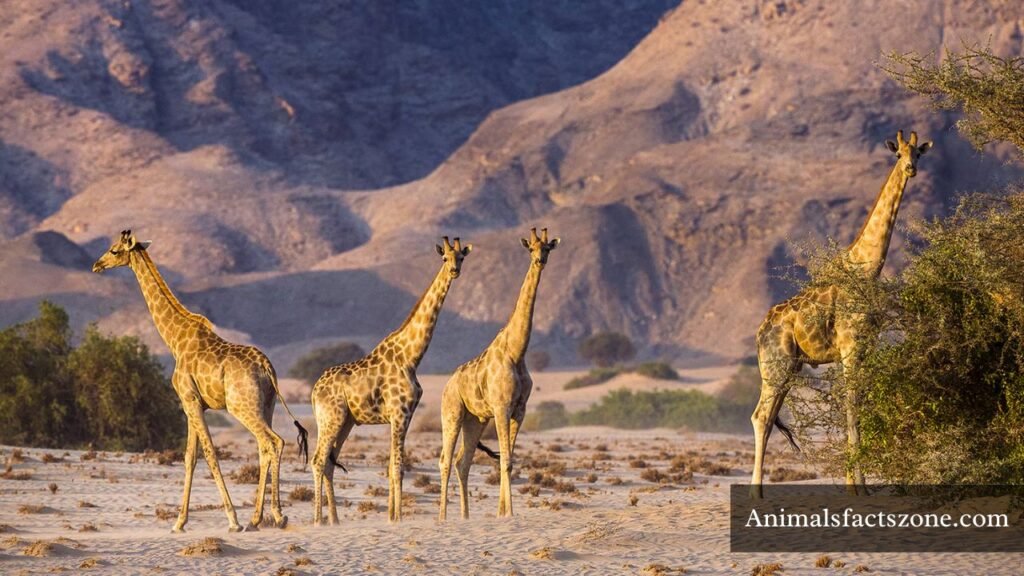
The challenges faced by these giraffes often offer surprising insights into resilience. Much like humans, these animals can adapt to their environments in empathetic and heartwarming ways, showcasing their social nature. Observing these gentle giants reminds us that life’s quirks can lead to extraordinary connections. Their unique qualities serve as a poignant reminder of the beauty found in diversity across species, encouraging us to celebrate rather than overlook the differences that make each life unique.
You can also read: Explore Top 18 Animals That Walk On Two Legs.
Goat
Scientific name: Capra aegagrus hircus
Class: Mammalia
Diet: Herbivore
In the realm of Down syndrome animals, goats have emerged as surprisingly charming characters. With their playful demeanor and sociable nature, these creatures effortlessly capture the hearts of animal lovers everywhere. While the term “Down syndrome” is primarily applied to humans, some goats exhibit behaviors or physical traits that endearingly mimic those often associated with the condition — making them unique ambassadors of diversity in the animal kingdom.
These goats often possess an extra dose of personality, exhibiting quirky traits that can leave onlookers in stitches. Their joyous antics, whether bounding around enclosures or nuzzling their human caretakers, showcase a spirit that’s unabashedly infectious. Engaging with these goats can foster a deeper understanding of empathy and acceptance, underscoring the importance of embracing every being’s individuality
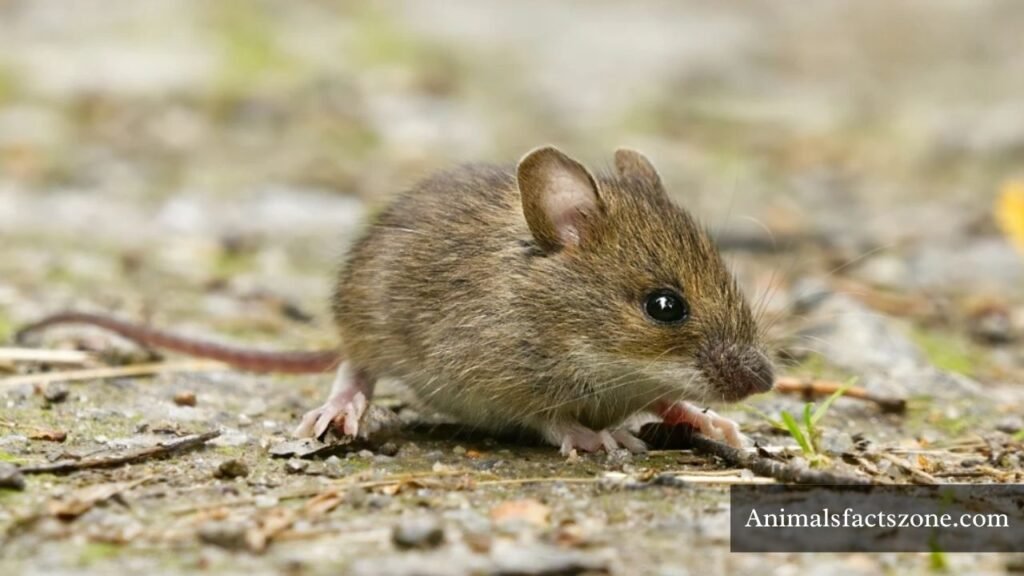
Down Syndrome in Mice
Scientific name: Mus musculus
Class: Mammalia
Diet: Omnivore
Mice with features reminiscent of Down syndrome have sparked curiosity among researchers and animal lovers alike. These mice often exhibit distinct physical traits, such as unique ocular structures and shorter limbs, mirroring some characteristics seen in humans with the condition. This unexpected resemblance invites further examination into genetic anomalies, pushing scientists to explore the parallels between human and animal genetics.
Hyenas
Scientific name: Crocuta crocuta
Class: Mammalia
Diet: Carnivore
Hyenas, often misconceived as mere scavengers, showcase remarkable social dynamics that can shift our understanding of animal intelligence and community. Their complex social structures, characterized by matriarchal hierarchies, reveal that these creatures possess emotional and cognitive depths similar to those of mammals considered more “noble” like elephants or cetaceans.
When we examine animals through the lens of Down syndrome potential, it’s compelling to imagine how animals like hyenas might exhibit unique behavioral traits that challenge existing norms. While there’s no scientific confirmation of Down syndrome in animals, instances of genetic variation can lead to atypical behaviors or social interactions. Such variations could manifest in a hyena’s role within the pack, affecting its communication style or hunting strategy.
Cow
Scientific name: Bos taurus
Class: Mammalia
Diet: Herbivore
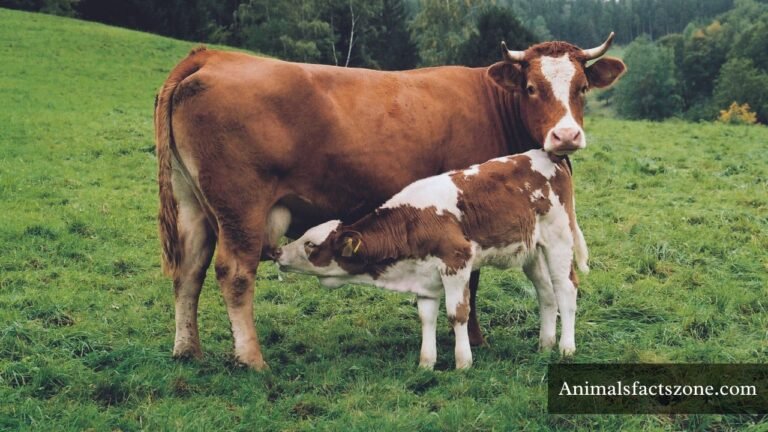
Cows can exhibit traits reminiscent of Down syndrome, notably a distinctive appearance and certain behavioral quirks. These cows may display a rounded face, crossed eyes, or a gentle demeanor, capturing the hearts of those who encounter them. While it’s crucial to understand that Down syndrome is a condition primarily observed in humans due to a specific chromosomal anomaly, similarities in animal behavior and appearance can provoke a sense of empathy and connection with these creatures.
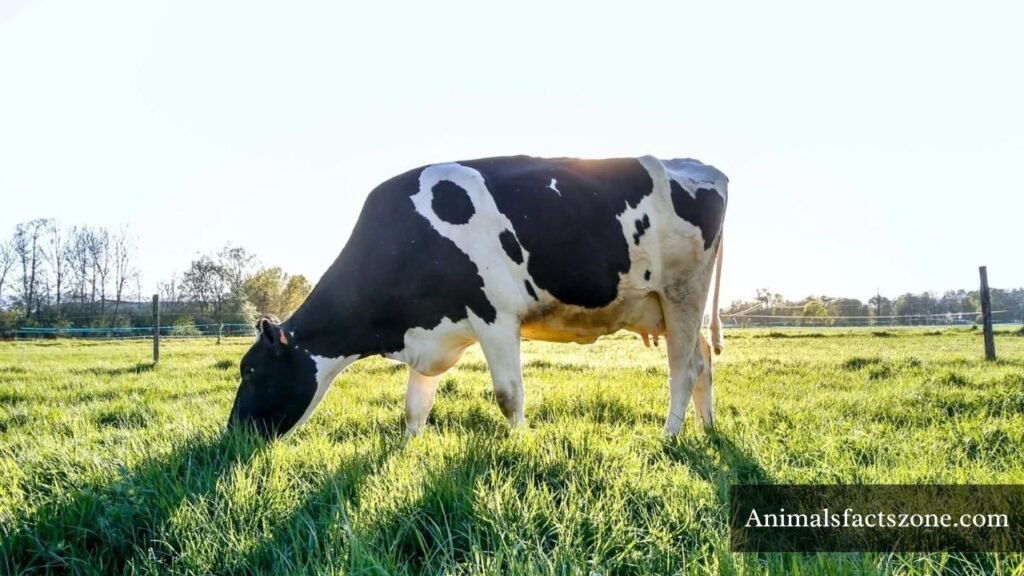
Observing these cows also prompts a deeper appreciation for the emotional lives of animals. It’s fascinating how these unique individuals can form strong bonds with humans and other animals, enriching our interactions and underscoring the importance of empathy in animal care. Farm sanctuaries frequently provide a safe haven for these cows, where they not only thrive but teach visitors about acceptance and the beauty of diversity in all living beings.
Readmore: Explore Top 20 Anxious Animals in The World.
Down Syndrome in Dogs
Scientific name: Canis lupus familiaris
Class: Mammalia
Diet: Omnivore
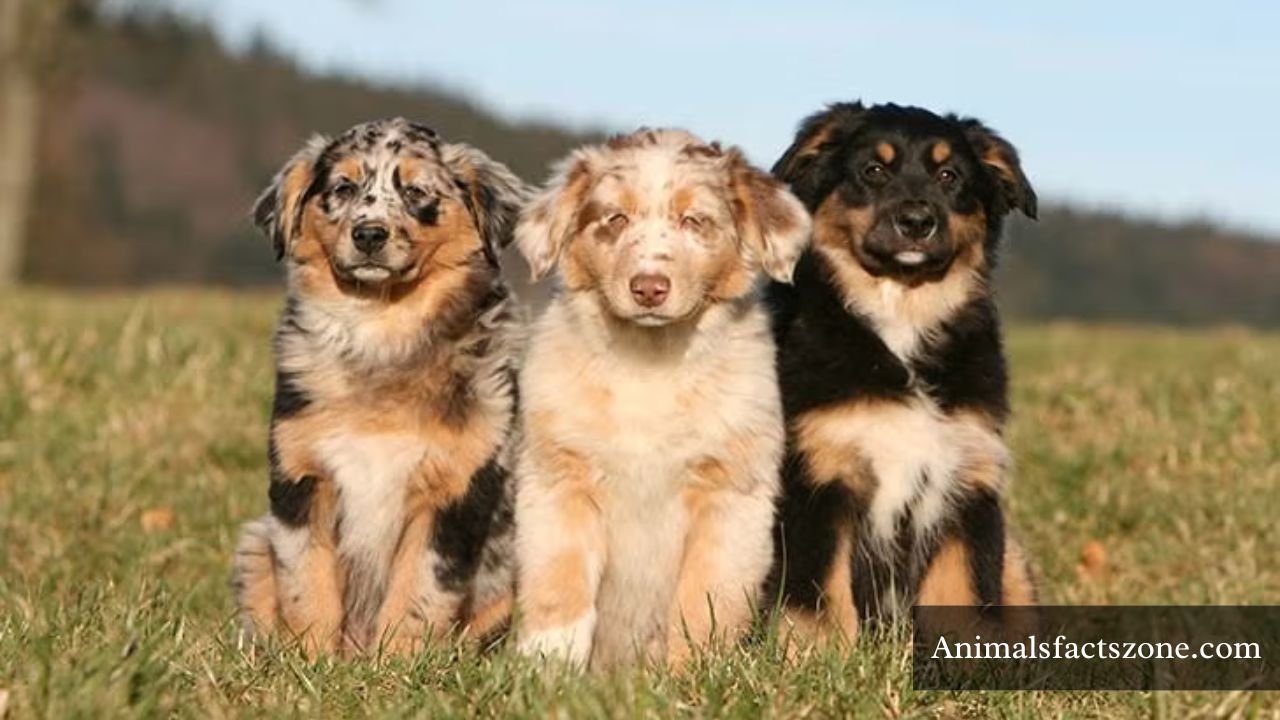
Dogs with Down syndrome-like traits often inspire an outpouring of love and empathy, showcasing the unique bond between humans and animals. While true Down syndrome is defined by an extra chromosome and is specific to humans, dogs can exhibit similar physical and behavioral characteristics that make them stand out. These dogs often display a delightful clumsiness, affectionate demeanor, and a zest for life that resonates with their human companions. Their quirky traits remind us that love transcends perfection, and every creature has its own story to tell.
Observing such dogs can serve as a catalyst for deeper conversations about inclusivity and acceptance. Just as we advocate for neurodiversity in people, embracing dogs that exhibit unusual traits encourages a culture of understanding. Many owners proudly share their pets’ journeys on social media, creating communities that celebrate each dog’s individuality while fostering a sense of belonging. These stories not only uplift their owners but also inspire countless others to appreciate differences, transforming perceptions of what it means to be “normal.” In this way, dogs with Down syndrome-like characteristics not only enrich our lives but also challenge societal norms, urging us to celebrate uniqueness in all forms.
Horse
Scientific name: Equus ferus caballus
Class: Mammalia
Diet: Herbivore
Horses, with their majestic presence and gentle nature, captivate hearts around the world. While the concept of Down syndrome is primarily associated with humans, discussions around similar conditions in animals bring a unique perspective to the way we understand their abilities and challenges. Some horses exhibit characteristics reminiscent of Down syndrome, showcasing physical features like a broad head, round eyes, or a somewhat uncoordinated stature. These traits can serve as a reminder of the diversity in animal life and the valuable lessons it holds about acceptance and individuality.
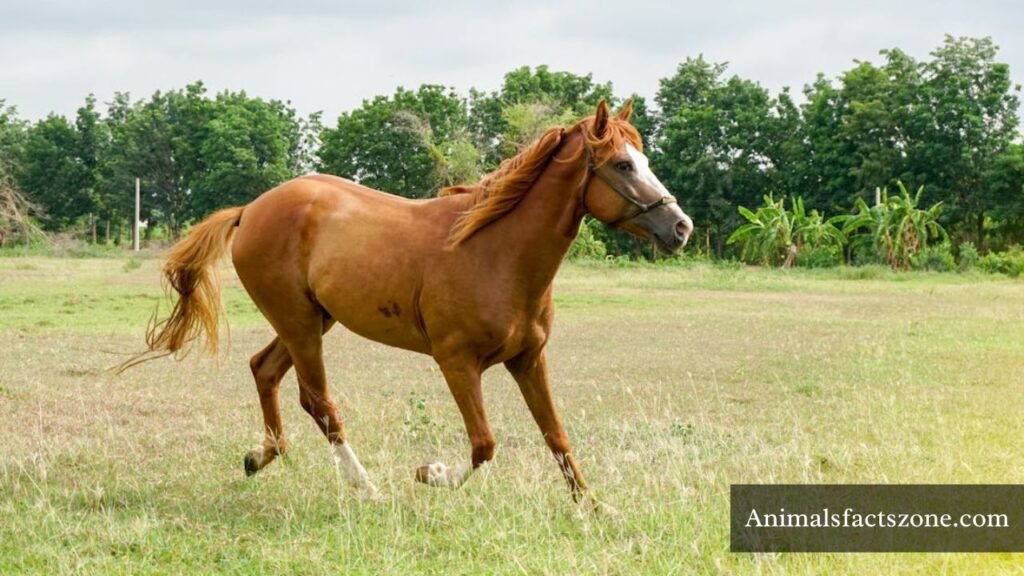
These unique horses often possess specialized needs, requiring customized care and training tailored to their specific abilities. As a result, they can form deeper, more meaningful bonds with their handlers. Their gentle and sometimes quirky personalities highlight the importance of patience and understanding in communication. Moreover, when these remarkable animals interact with people, especially children or individuals with disabilities, they can provide therapeutic benefits — fostering empathy, nurturing, and joy in ways that transcend traditional learning. In this respect, they embody a powerful symbol of resilience, teaching us to look beyond perceived limitations and appreciate the spectrum of life.
Readmore: Explore Top 24 Most Skinny Animals.
Final Thoughts
The existence of animals with Down syndrome highlights not only the beauty of genetic variation but also the need for compassion and advocacy. These unique creatures challenge our perceptions and encourage us to reflect on the significance of love and support for individuals who are different. By understanding their experiences, we foster a greater sense of community and connection. It is essential to spread awareness about their needs and the importance of a caring environment. Join us in advocating for these remarkable animals, ensuring they receive the love and recognition they deserve.
FAQs
What animals can have down syndrome?
Down syndrome, a genetic condition caused by the presence of an extra chromosome 21, primarily affects humans. However, some animals can exhibit characteristics similar to Down syndrome due to genetic anomalies, though they are not classified as having the condition in the same way we do for people. For example, dogs and cats can show signs of genetic disorders leading to developmental delays or physical abnormalities. Breeds like the American Bulldog and certain cats have been noted for similar traits.
Is there any down syndrome in dogs?
Yes, dogs can exhibit conditions similar to Down syndrome in humans, but it’s not officially recognized as such. While there isn’t a genetic defect that directly corresponds to Down syndrome in dogs, some dogs can have developmental and physical characteristics that resemble it. These may include cognitive delays, unique facial features, and certain health issues. The exact cause of these traits can vary, often stemming from congenital disorders or genetic anomalies. It’s essential to provide these dogs with love and proper care, focusing on their individual needs.