Top 15 Snakes with Triangular Heads (Images Included)
Snakes with triangular heads not only stand out in the animal kingdom but also play crucial roles in their ecosystems. In this article, we’ll explore the unique adaptations, behaviors, and habitats of these remarkable reptiles, helping you appreciate their importance in nature and how we can protect them.
List of Snakes with Triangular Heads
Here is the list of snakes with triangular heads:
- Arizona black rattlesnake
- Narrow-headed garter snake
- Gaboon Viper
- Pygmy Rattlesnake
- Eastern diamondback rattlesnake
- Brown water snake
- Fer-de-Lance
- Mojave green
- Cottonmouth
- Hognose Snake
- Panamint Rattlesnake
- Massasauga rattlesnake
- Timber rattlesnake
- Sidewinder
- Eastern copperhead
Arizona Black Rattlesnake
Scientific Name: Crotalus cerberus
The Arizona Black Rattlesnake, a striking creature with its distinctive triangular head, embodies both beauty and danger. Its rich, dark coloration serves as an effective camouflage against the sun-drenched rocks and arid landscapes of the Sonoran Desert. This snake is more than just a visual marvel; it plays a crucial role in its ecosystem by helping to regulate rodent populations and thus maintaining the balance of its environment.
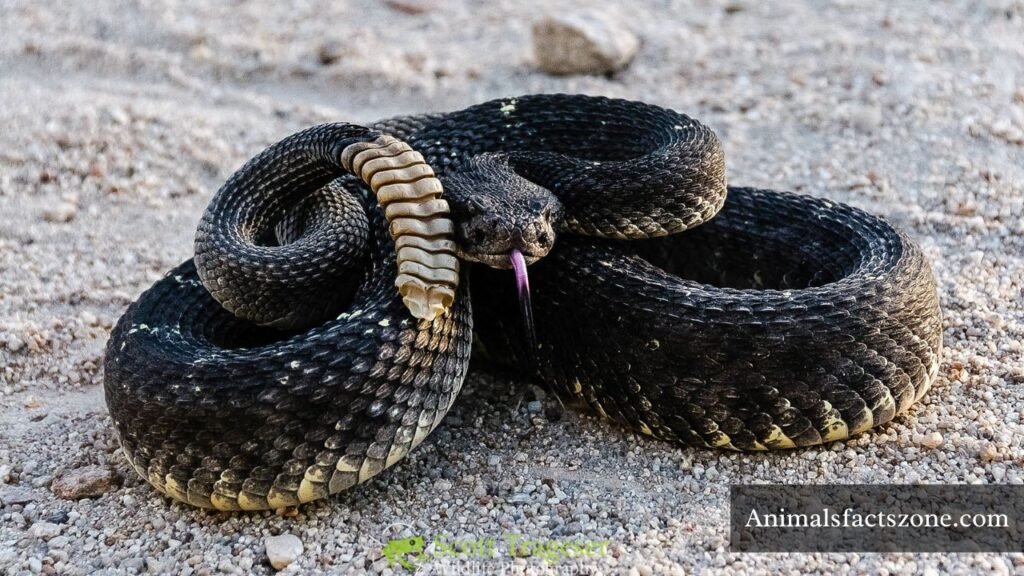
Unlike the more common, lighter-hued rattlesnakes, its unique coloration and robust build provide not only a form of defense but also a method of thermoregulation. The triangular head is not merely an aesthetic feature; it houses specialized sensory organs that allow the snake to detect heat signatures from potential prey, enabling it to hunt effectively even in the starkest of conditions. Observing these snakes in their natural habitat reveals a fascinating interaction of instinct and adaptation, showcasing their prowess as both predators and survivors. In understanding the Arizona Black Rattlesnake, one can appreciate the intricate web of life that a seemingly solitary creature supports.
Narrow-headed Garter Snake
Scientific Name: Thamnophis rufipunctatus
The Narrow-headed Garter Snake, distinguished by its subtle triangular head, possesses a blend of beauty and ecological importance that is often overlooked. This species, native to the streams and rivers of the western United States, has adapted beautifully to its environment. With vibrant colors and intricate patterns, it not only captures the eye but also plays a crucial role in controlling local rodent populations, showcasing its role in the balance of ecosystems.
What truly sets the Narrow-headed Garter Snake apart is its fascinating feeding habits. Primarily preying on amphibians and small fish, it employs a unique hunting strategy that involves keen observation and quick reflexes. This adaptability highlights not just survival skills but also its integral role in aquatic ecosystems, where it acts as both predator and prey. Moreover, the triangular shape of its head aids in navigating through dense vegetation, a crucial feature that allows it to thrive in its preferred habitats and enhances its hunting success.
Gaboon Viper
Scientific Name: Bitis gabonica
The Gaboon Viper, known for its striking appearance and impressive size, possesses a distinct triangular head that serves as an evolutionary marvel. This broad, flat head not only aids in camouflage but also signifies its readiness for the ambush predation strategy it employs. With intricate patterns of browns and yellows, the Gaboon Viper blends seamlessly into the forest floor of its native Central and Western Africa, making it a master of stealth.
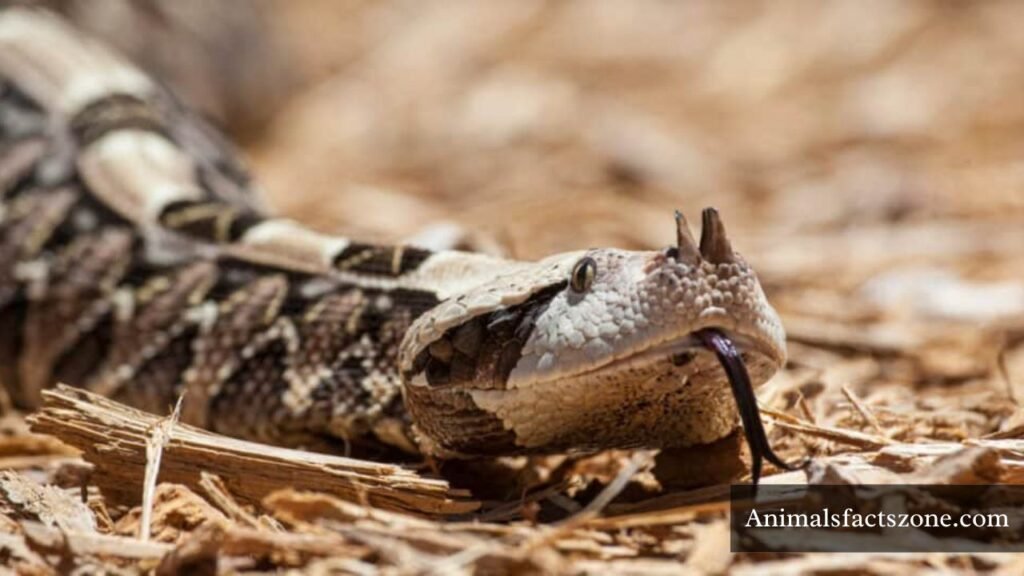
Beyond its formidable appearance, the Gaboon Viper boasts the longest fangs of any snake, measuring up to two inches. This adaptation allows it to deliver a potent venom to its prey, which often includes small mammals and birds. Yet, despite its dangerous capabilities, the Gaboon Viper is surprisingly docile, often opting to remain motionless when threatened rather than strike. This intriguing behavior underscores the delicate balance between survival and the inherent beauty of the natural world, inviting admiration rather than fear.
Pygmy Rattlesnake
Scientific Name: Sistrurus miliarius
The Pygmy Rattlesnake, with its distinctive triangular head, is a marvel of evolutionary adaptation. This small yet formidable serpent, primarily found in the southeastern United States, utilizes its unique shape as both a hunting tool and a defense mechanism. The broad, flattened head provides stability and strength when striking, allowing for swift and precise movements to capture small prey like rodents and lizards. In a twist of fate, this same feature can deter potential predators, as the triangular shape is often associated with venomous snakes.
Despite their size, Pygmy Rattlesnakes possess a potent venom, rich in hemotoxins that can incapacitate their prey quickly. However, they are also incredibly secretive, preferring to blend in with their leaf-laden habitats, which makes them a challenge to observe in the wild. Their rattle, though less pronounced than that of larger rattlers, serves as an intriguing communication tool, signaling both warning and location to potential threats. This little-known aspect of their behavior highlights the complexity of their interactions within the ecosystem, illustrating that even the smallest creatures can have significant roles in maintaining ecological balance.
Eastern Diamondback Rattlesnake
Scientific Name: Crotalus adamanteus
The Eastern Diamondback Rattlesnake, distinguished by its prominent triangular head and striking diamond-patterned skin, is more than just a fearsome predator; it plays a vital ecological role in its southeastern habitat. This serpent’s triangular head is not merely for show; it aids in thermoregulation and enhances its ability to detect heat from warm-blooded prey, allowing it to thrive in diverse environments, from the sandy plains of Florida to the pine forests of Alabama.
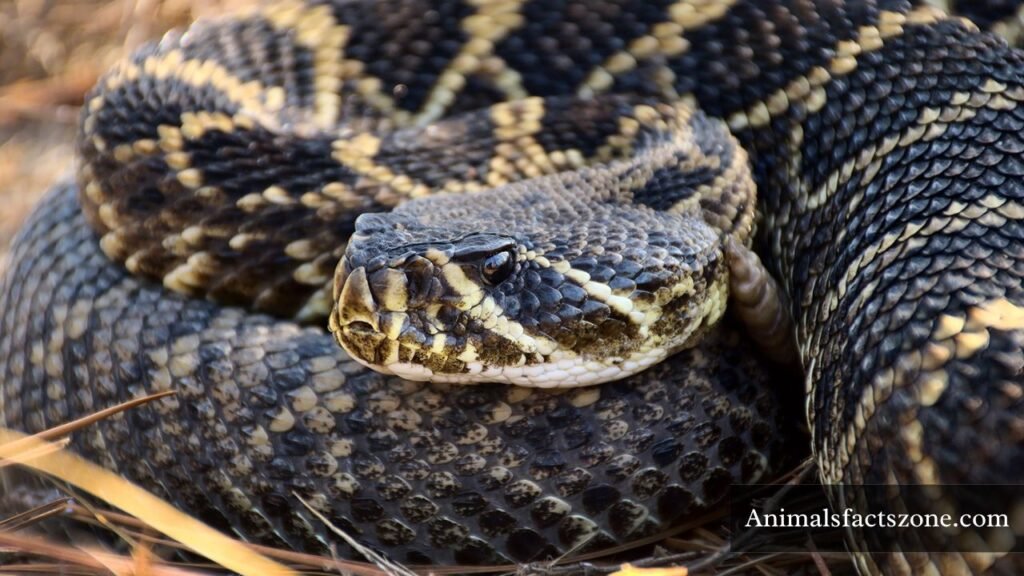
In recent years, researchers have highlighted the Eastern Diamondback’s role in maintaining the balance of its ecosystem. By controlling populations of small mammals and rodents, they limit the spread of disease and help in seed dispersal through their predatory habits. Their venom, once deemed a tool solely for hunting, is now being explored in medical research, offering potential insights into pain management and blood coagulation. As urbanization encroaches on their natural habitats, understanding and preserving these remarkable snakes becomes increasingly crucial — not only for biodiversity but also for potential advancements in human health.
Brown Water Snake
Scientific Name: Nerodia taxispilota
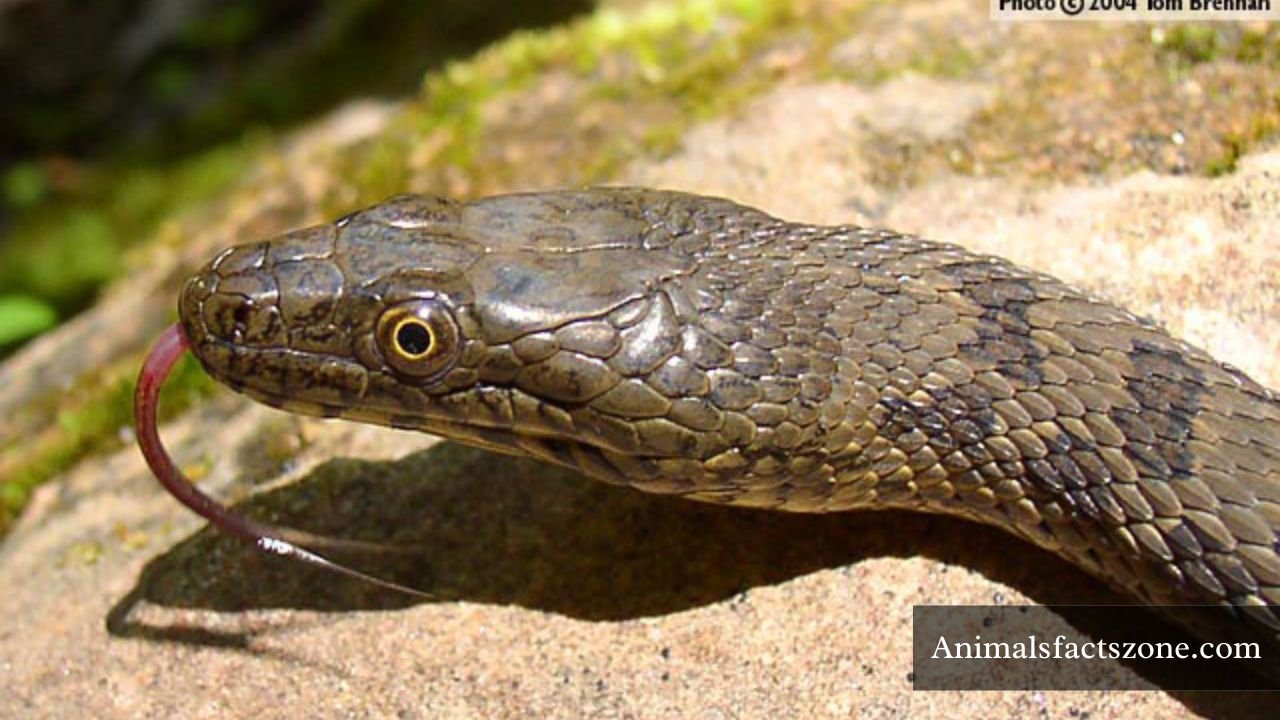
The Brown Water Snake, with its distinctive triangular-shaped head, is often mistaken for venomous species, but it’s entirely harmless to humans. This fascinating reptile is predominantly found in freshwater habitats across the eastern United States. Its habitat versatility is remarkable; it thrives in various environments, from tranquil ponds to fast-flowing rivers, showcasing its adaptability and resilience. Often seen basking on sunny riverbanks or coiled up on submerged logs, the Brown Water Snake plays a vital role in controlling fish and amphibian populations.
Despite its intimidating appearance, the Brown Water Snake is more than just a fearsome presence; it showcases a unique blend of behavioral traits. It is an adept swimmer, utilizing its flattened body to glide through the water with grace. When threatened, it exhibits a dramatic defense mechanism, flattening its body and hissing loudly to deter potential predators. This behavior speaks to its resilience and cunning in facing challenges in the wild, making it a fascinating subject for nature enthusiasts and herpetologists alike.
Fer-de-Lance
Scientific Name: Bothrops asper
The Fer-de-Lance, or Bothrops asper, is renowned not just for its potent venom but also for its distinctive triangular head, which plays a crucial role in its hunting strategy. This shape enhances the snake’s ability to sense its environment, thanks to specialized heat-sensing pits that allow it to detect warm-blooded prey even in low light. This evolutionary adaptation gives the Fer-de-Lance an edge as it blends into its tropical surroundings, lying in wait for unsuspecting animals to venture too close.
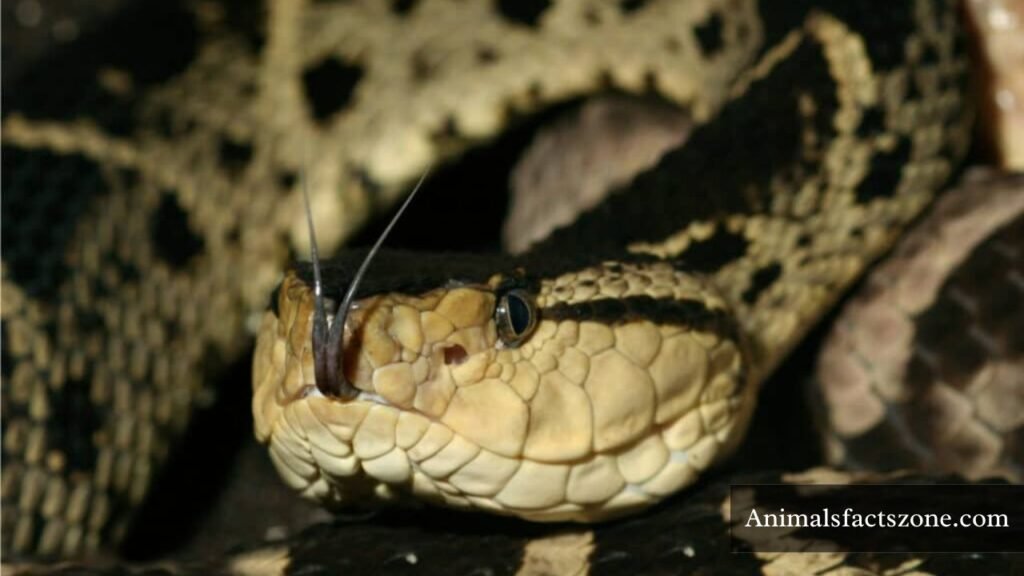
What sets the Fer-de-Lance apart isn’t merely its striking appearance or lethal capabilities; it has also deeply influenced local folklore. In many Central and South American cultures, its presence is both feared and revered, often symbolizing the duality of nature — destructive yet essential for maintaining ecological balance. Mystifying tales of encounters with this snake underscore a relationship that transcends fear, enabling communities to foster respect and understanding, ultimately highlighting the importance of biodiversity in their environment. This complex interplay of admiration and caution reflects nature’s intricate tapestry, where every thread, including the Fer-de-Lance, plays a vital role.
Mojave Green
Scientific Name: Crotalus scutulatus
The Mojave green rattlesnake, with its unmistakable triangular head, is more than just a striking visual representation of adaptability; it’s a marvel of evolutionary design. This formidable reptile boasts a coloration that provides efficient camouflage against the arid landscapes of the Mojave Desert. But beyond its aesthetic beauty lies a complex ecology — it plays a crucial role in controlling local rodent populations, thereby maintaining a balanced ecosystem.
Compared to its relatives, the Mojave green is particularly fascinating due to its potent neurotoxic venom, which can produce symptoms far more serious than that of the average rattlesnake. This venom serves as a tool not just for hunting but also for defense, making the snake a fascinating case study in both predation and survival strategies. As researchers delve into its venomic properties, they discover that there’s potential for medical advancements; components of its venom may one day aid in pain management or cancer treatment. Engaging with the Mojave green rattlesnake invites us to reconsider our relationship with these often-misunderstood creatures, emphasizing the need for conservation in the face of changing habitats and human encroachment.
Cottonmouth
Scientific Name: Agkistrodon piscivorus
The cottonmouth is often recognized not just for its venomous bite but for its distinctive triangular head, which serves as a striking feature of its identity. This design isn’t just for show; it aids in thermoregulation, allowing the snake to efficiently manage its body temperature as it navigates its often marshy, warm habitats. With its flattened, broad head, the cottonmouth creates an intimidating silhouette, making it easier to dissuade potential predators or rival species.
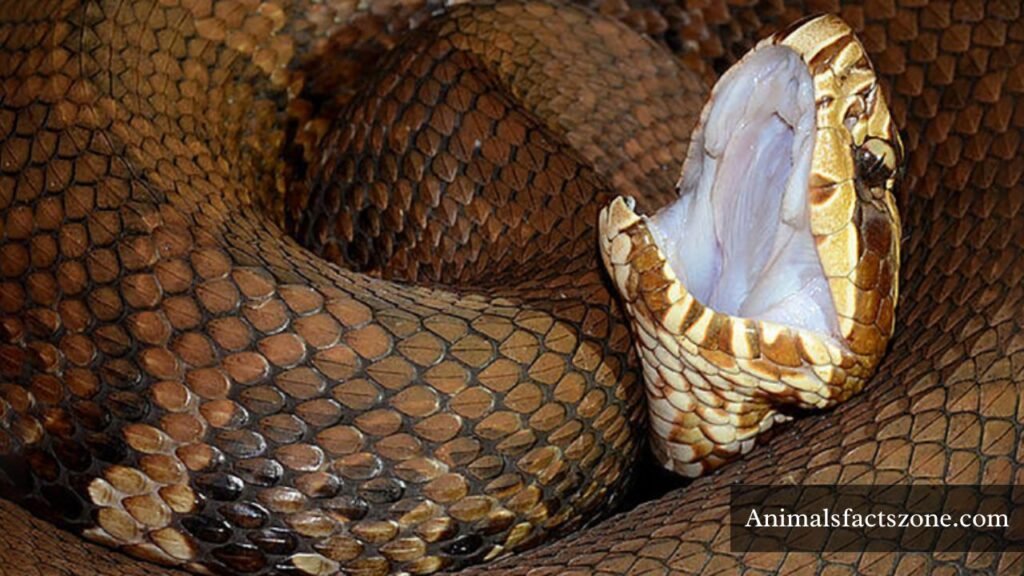
Beyond mere anatomy, the cottonmouth’s behavior is equally fascinating. Known for its boldness, this snake often stands its ground when threatened, displaying its characteristic open mouth — hence the name “cottonmouth,” due to the white interior of its mouth. This display isn’t just a warning; it’s a masterclass in bluff tactics, effectively capturing attention and potentially scaring off intruders. Furthermore, recent studies suggest that cottonmouths, with their exceptional adaptability, play crucial roles in their ecosystems as both predator and prey, helping to maintain a balance within their aquatic environments. The juxtaposition of danger and ecological importance makes the cottonmouth a compelling subject in the study of nature’s intricacies.
Hognose Snake
Scientific Name: Heterodon platirhinos
The Hognose snake, with its distinctive upturned snout, is an exceptional example of evolution’s creativity. This unique head shape not only enhances its burrowing ability but also serves a deceptive purpose. When threatened, the Hognose displays fascinating defensive behaviors — from playing dead to puffing up its body in an impressive bluff. This theatrical display can leave potential predators both baffled and entertained.
Beyond their theatrical antics, Hognose snakes boast a variety of morphs and coloration, making them a popular choice among reptile enthusiasts. Their diet primarily consists of amphibians, particularly toads, which they expertly subdue with a venom that is harmless to humans. Observing these snakes in their natural habitat offers a captivating glimpse into the intricate balance of predator and prey. Their charming personality and striking appearance challenge many preconceived notions about snakes, reshaping our understanding of these often-misunderstood creatures.
Panamint Rattlesnake
Scientific Name: Crotalus stephensi
The Panamint rattlesnake, a striking figure of the Mojave Desert, captivates with its distinctive triangular head, a remarkable adaptation for both hunting and defense. This unique head shape creates a wider surface area for its sensory pits, enhancing its ability to detect infrared radiation from potential prey, making hunting at dusk or dawn a perfectly calculated endeavor. This evolutionary trait not only serves a practical purpose but also adds an air of intrigue to the snake’s overall appearance, often making it a subject of fascination for both wildlife enthusiasts and casual observers alike.
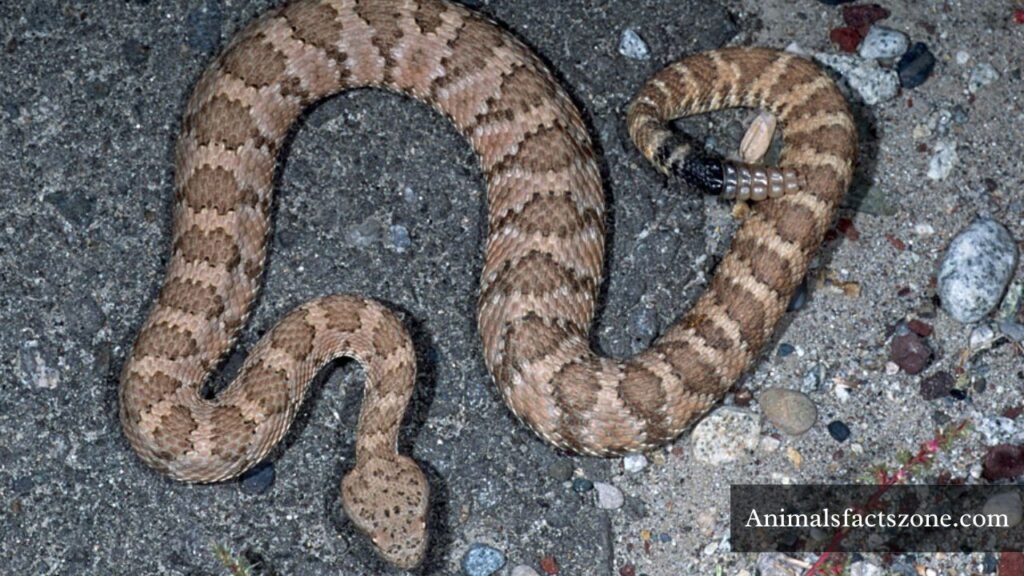
What truly sets the Panamint rattlesnake apart, however, is its elusive behavior. Unlike its more aggressive counterparts, it often relies on camouflage and remains motionless when threatened, blending seamlessly into its desert surroundings. This behavior sparks a deeper appreciation for the creature’s survival strategy, highlighting a delicate balance between boldness and caution in the wild. As environmental changes loom, understanding the intricate life of the Panamint rattlesnake becomes crucial, offering insights into the complex ecosystems it inhabits and the broader implications for biodiversity in arid regions.
Massasauga Rattlesnake
Scientific Name: Sistrurus catenatus
The Massasauga rattlesnake, a striking reptile native to North America, embodies the allure of nature’s design with its distinctive triangular head, an adaptation that enhances both predatory efficiency and defense. This head shape allows for easier control of its venomous strikes, targeting prey with precision. The venom, often underestimated, serves as both a hunting tool and a deterrent against larger threats, making the Massasauga a complex player in its ecosystem.
What truly sets the Massasauga apart is its remarkable ability to thrive in diverse habitats, from wet prairies to dry shrublands. This adaptability showcases its resilience in the face of environmental changes, emphasizing a lesser-known narrative of survival amidst habitat fragmentation. Furthermore, the rattlesnake’s unique behavioral patterns, such as its tendency to remain still when threatened, challenge our preconceived notions of instinctual reactions, leading us to rethink our understanding of fear and survival in the animal kingdom. Each sighting offers a reminder of the delicate balance that sustains these ecosystems and highlights the need for conservation efforts to ensure that such fascinating creatures continue to thrive.
Timber Rattlesnake
Scientific Name: Crotalus horridus
The Timber Rattlesnake, easily identifiable by its striking triangular head, is not just a marvel of nature but a key player in its ecosystem. The unique shape of its head serves a dual purpose: it aids in the identification of threats and enhances its ability to strike with lethal precision. This adaptation allows the rattlesnake to effectively navigate its surroundings, blending into the forest floor while remaining ready to ambush unsuspecting prey.
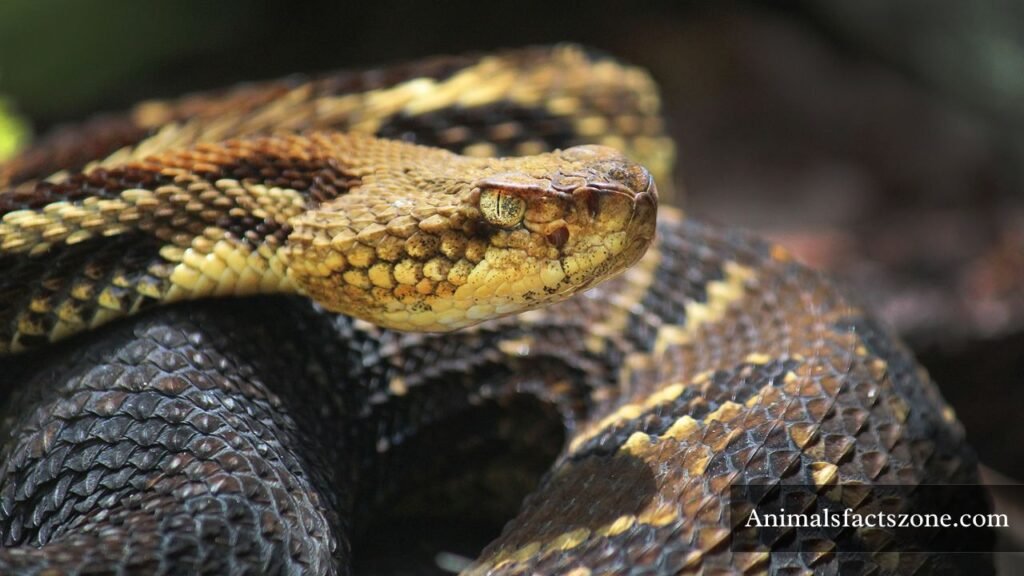
Beyond its formidable appearance, the Timber Rattlesnake plays a crucial role in managing rodent populations, acting as nature’s pest control. As a viable indicator species, its health reflects the overall well-being of its habitat; declining populations can signal broader ecological concerns. By understanding and appreciating the Timber Rattlesnake’s significance, we foster a newfound respect for this often-misunderstood reptile, reminding ourselves that every creature has its place in the intricate tapestry of life.
Sidewinder
Scientific Name: Crotalus cerastes
The sidewinder is a striking example of serpentine evolution, characterized by its distinctive triangular head. This feature is not just for show; it plays a crucial role in the snake’s ability to thermoregulate and sense its environment. The shape helps to channel heat and vibrations, allowing the sidewinder to detect prey and potential threats in its arid desert habitat.
What truly sets the sidewinder apart, however, is its unique movement. Instead of the traditional slithering, it utilizes a sideways motion, propelling itself in a series of diagonal hops. This adaptive technique minimizes contact with the scorching sand, allowing it to travel quickly and efficiently while staying cool. Observers often describe the sidewinder’s swift movements as mesmerizing, blending agility with an almost artful grace — a perfect testament to nature’s ingenuity in survival tactics amidst the unforgiving desert landscape.
Eastern Copperhead
Scientific Name: Agkistrodon contortrix
The Eastern Copperhead, with its distinct triangular head, is a compelling example of nature’s intricate design. This striking feature isn’t just for show; it plays a crucial role in enhancing the snake’s sense of smell. Positioned towards the front of its body, the triangular head allows the copperhead to effectively gather chemical signals from its environment, a vital skill when navigating the forested regions it calls home.
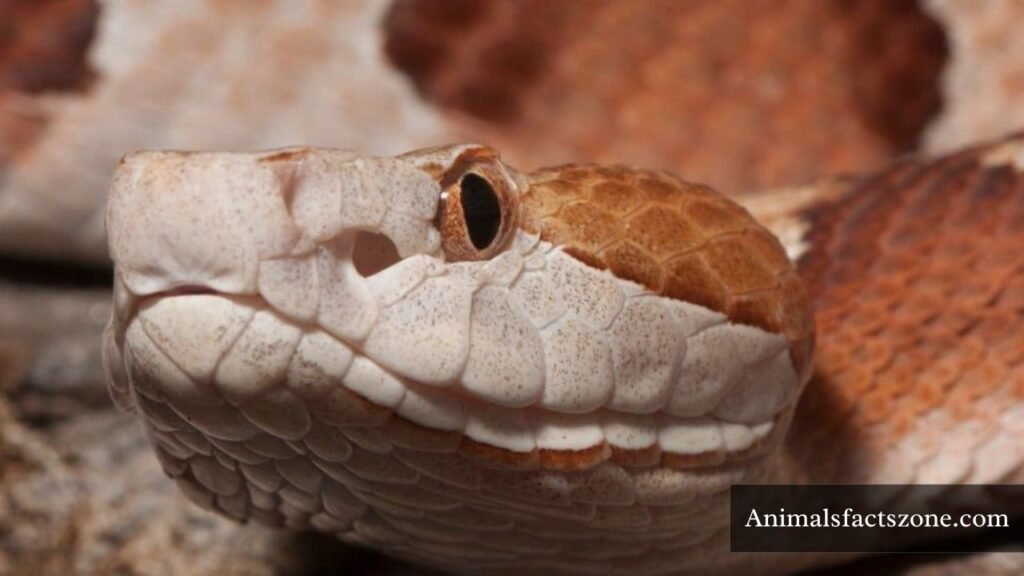
Beyond its physical traits, the Eastern Copperhead’s behavior reveals a fascinating side to its nature. Contrary to the common perception of snakes as purely aggressive, these creatures exhibit remarkable adaptability, often relying on their camouflage to evade confrontation. Their color patterns mimic fallen leaves and soil, making them excellent ambush predators that prefer to remain unseen. Furthermore, young copperheads possess a bright yellow tail to attract prey, demonstrating a clever strategy that underscores the interconnectedness of their survival tactics. By examining these elements, we gain a deeper appreciation for the role the Eastern Copperhead plays in its ecosystem.
Readmore: Explore Top 17 Thickest Skin Animals In The World.
Final Thoughts
Snakes with triangular heads are fascinating creatures that play vital roles in their ecosystems. Their unique head shape not only aids in hunting but also offers an intriguing glimpse into their evolutionary adaptations. By understanding these captivating reptiles, we can better appreciate the intricate balance of nature and the importance of biodiversity. Whether you’re a seasoned herpetologist or a curious enthusiast, taking the time to learn about these snakes can deepen your respect for wildlife. Join the effort to protect their habitats and ensure these remarkable animals continue to thrive.
FAQs
What is the shape of the head of a poisonous snake?
The head shape of a poisonous snake varies among species, but many exhibit distinct characteristics that set them apart from non-venomous snakes. Often, venomous snakes like vipers and pit vipers have a triangular or heart-shaped head, which is broader than their neck. This design not only accommodates the venom glands but also can serve as a warning sign to potential threats. In contrast, other poisonous snakes, such as cobras, have a more elongated head with a flattened, hooded appearance when they feel threatened.
What is the shape of a rattlesnake’s head?
A rattlesnake’s head is distinctive and typically triangular in shape, which helps it to identify its species. This triangular outline is broader than its neck, allowing for an efficient distribution of venom and enhancing its ability to capture prey. The shape also serves as a warning sign to potential predators, making it easier to identify the snake as venomous.
Do all venomous snakes have triangular heads?
Not all venomous snakes have triangular heads, although many do. The triangular shape is often a characteristic of pit vipers, like rattlesnakes and copperheads, which helps distinguish them from non-venomous species. However, there are venomous snakes, such as cobras and various sea snakes, that have more elongated or rounded heads. It’s essential to remember that head shape alone isn’t a reliable indicator of a snake’s venomous nature. Other features, such as body patterns, eye shape, and fangs, also play crucial roles. When identifying snakes in the wild, it’s best to focus on multiple characteristics rather than just head shape.