Top 12 Animals With Shells (With Images)
Animals with shells are not just the quiet dwellers of oceans and shores; they hold secrets to survival that have fascinated scientists for ages. From the iconic tortoise to the intricately patterned nautilus, these creatures possess unique features that not only protect them but also tell us much about environmental balance. Join us as we delve into the diversity of shelled animals, revealing their extraordinary lives and the vital roles they play in our ecosystems.
List of Animals With Shells
Here is the list of animals that have shells:
- Texas Ironclad Beetle
- Conch
- Horseshoe Crab
- Nautilus
- Nine-Banded Armadillo
- Garden Snail
- Giant Clam
- King Crab
- Pond Slider
- Gopher Tortoise
- Oysters
- Common Snapping Turtle
Texas Ironclad Beetle
Scientific Name: Zopherus haldemani
Class: Insecta
Diet: Herbivore
The Texas ironclad beetle is an astonishing marvel of nature, boasting a shell that can withstand the crushing weight of a human foot. This remarkable armor, composed of thick, hardened exoskeleton, serves not only as protection from predators but also plays a vital role in its adaptation to the harsh Texan environment. Found in the arid regions of Texas, these beetles navigate a world of dry soil and intense sun, demonstrating resilience akin to a desert warrior.
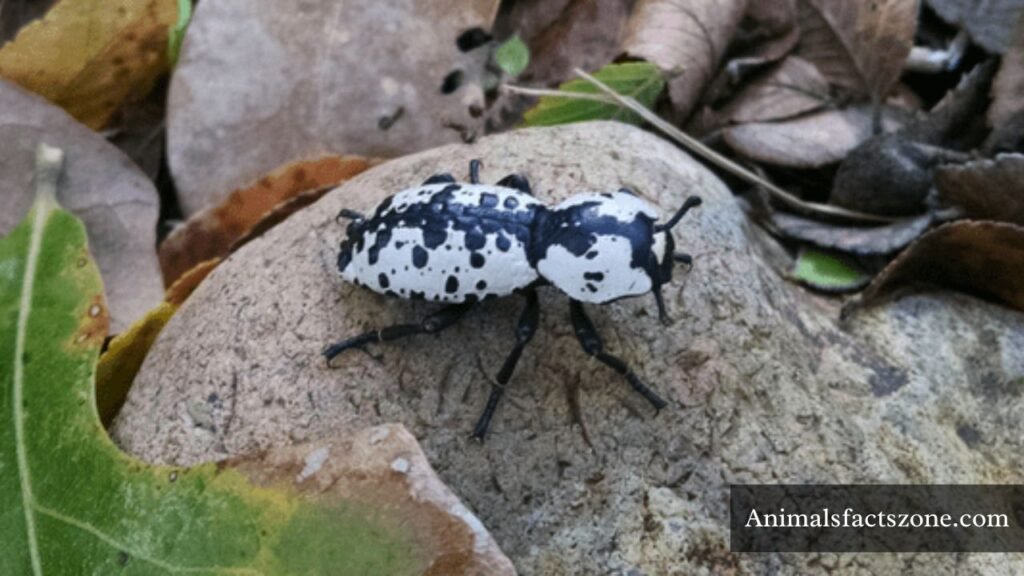
What sets the Texas ironclad apart is not just its formidable exterior; it’s also the intricate biology at play. Researchers have discovered that the beetle’s shell is a sophisticated structure, layered with unique proteins and cuticles that absorb shock, distributing pressure more evenly across its surface. This extraordinary adaptation allows it to survive encounters with potential threats, including the crushing force of larger animals. In essence, the Texas ironclad beetle embodies the art of survival, showcasing nature’s ingenuity in crafting effective defenses that inspire both awe and curiosity about the resilient creatures that share our planet.
Conch
Scientific Name: Strombidae
Class: Gastropoda
Diet: Herbivore
Conch, often recognized for their spiral-shaped shells, are not just stunning marine mollusks; they play a vital role in the ecosystems of coral reefs and coastal habitats. Found primarily in warm, shallow waters of the Caribbean, these creatures can grow quite large, some reaching up to a foot in length. The shell itself serves not only as a protective housing but also as a canvas, displaying intricate patterns and colors that can vary significantly among species. This diversity makes conch shells sought-after collectibles, often being used in jewelry and decoration, while their internal structure has inspired architects and designers alike.
Beyond their aesthetic appeal, conch have fascinating behavioral and feeding habits. They are herbivorous, primarily grazing on algae and seagrasses, which helps maintain the balance of marine ecosystems. Interestingly, conchs can communicate through drumming — a vibration produced by rapidly contracting their muscles, which can serve as a warning to predators or a method of attracting mates. Moreover, the challenges they face from overfishing and habitat loss have raised concerns about their conservation status, illustrating the delicate balance between human activity and marine biodiversity. Engaging with the conch’s role in its habitat encourages a deeper appreciation for these remarkable animals and highlights the importance of protecting the environments they inhabit.
Horseshoe Crab
Scientific Name: Limulus polyphemus
Class: Merostomata
Diet: Omnivore
The horseshoe crab, a creature that has roamed the Earth for over 450 million years, is a marvel of evolutionary design. Unlike true crabs, horseshoe crabs belong to a group of ancient marine arthropods known as chelicerates, making them more closely related to spiders than to crustaceans. Their hard, helmet-like shells serve as a protective barrier against predators, while their unique blue blood, rich in copper-based hemocyanin, is prized in medical research for its ability to detect bacterial contamination. This remarkable blood is crucial in the production of Limulus amebocyte lysate (LAL), an essential component in vaccine safety testing, showcasing how these creatures contribute significantly to human advancements.
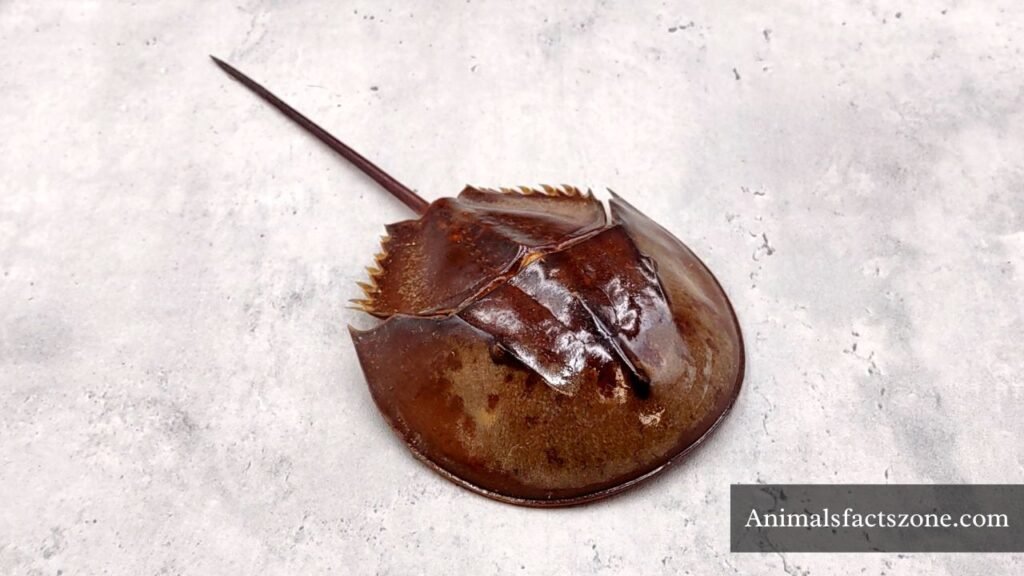
Beyond their biological utility, horseshoe crabs play a vital ecological role. They are key to the survival of countless shorebirds, which rely on their eggs as a crucial food source during migration. The annual spawning of horseshoe crabs along North America’s Atlantic coast coincides with the arrival of migratory birds, creating a dynamic interplay between species that emphasizes the importance of biodiversity. Unfortunately, overharvesting and habitat loss threaten their populations, leading to concerns about cascading effects on both marine ecosystems and the greater food web. Understanding and protecting this ancient creature not only honors its evolutionary legacy but also highlights the intricate connections within our natural world.
Nautilus
Scientific Name: Nautilus pompilius
Class: Cephalopoda
Diet: Carnivore
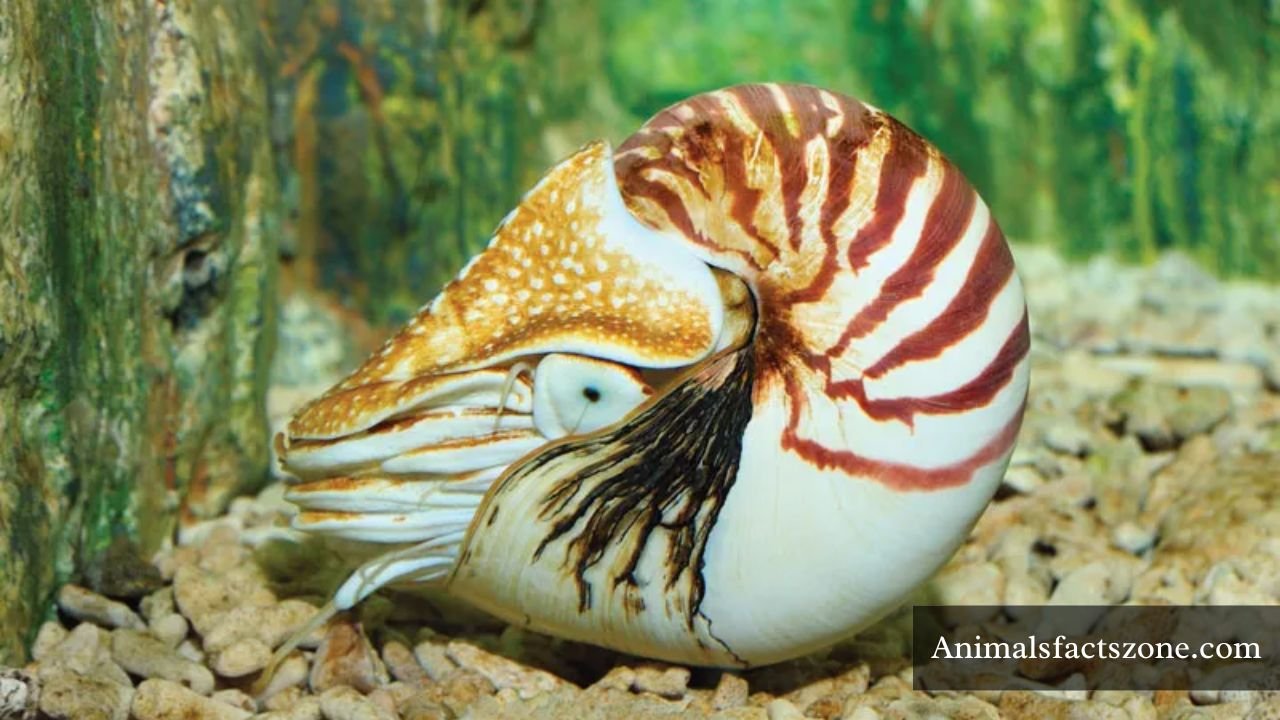
The nautilus, often referred to as a “living fossil,” encapsulates an evolutionary history stretching back over 500 million years. Unlike its distant cephalopod relatives, the nautilus retains a stunning external shell that not only serves as a protective fortress but also as a sophisticated buoyancy device. Each chamber within its shell is filled with gas, allowing the nautilus to control its depth in the ocean with remarkable precision, a mechanism that has earned it the nickname “the navigator of the deep.”
What adds to the nautilus’s enchanting mystique is its startlingly intricate lifestyle. As it glides through the darkened waters, it hunts for prey using a unique system of tentacles, each lined with sensitive sensory organs. This ancient creature doesn’t just live in the present; it epitomizes a lineage that has endured myriad changes on Earth, whispering secrets of survival strategies that have remained relevant through cataclysm after cataclysm. Observing a nautilus is like peering into a time capsule, revealing the primordial roots of life in the oceans while reminding us of the delicate balance that sustains these otherworldly marine ecosystems.
Nine-Banded Armadillo
Scientific Name: Dasypus novemcinctus
Class: Mammalia
Diet: Omnivore
The Nine-Banded Armadillo is often celebrated for its unique armor-like shell, an evolutionary marvel that serves as both protection and a testament to adaptability. Unlike traditional shells found in mollusks, the armadillo’s armor is made of small, bony plates called osteoderms, interwoven with flexible skin that allows for agility and mobility. This fascinating mechanism not only protects them from predators but also allows them to burrow and navigate diverse terrains with surprising ease.
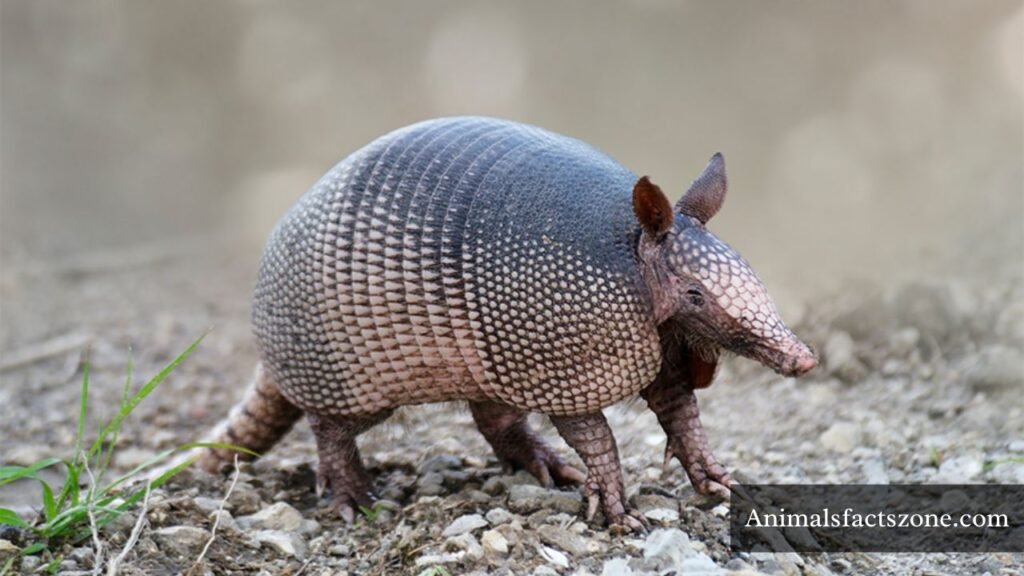
What’s particularly intriguing is the armadillo’s relationship with its environment, particularly in the context of its diet. As an insectivore, it plays a crucial role in maintaining ecological balance by controlling insect populations. However, this role is complicated by human activities and habitat changes, raising questions about how we coexist with such unique creatures. With climate change and urban expansion threatening its habitat, the Nine-Banded Armadillo stands as a symbol of resilience, reminding us of the interconnectedness of all living beings and the urgent need for conservation efforts.
Garden Snail
Scientific Name: Cornu aspersum
Class: Gastropoda
Diet: Herbivore
The garden snail, with its delicate spiral shell, is a marvel of nature, weaving a tale of resilience and adaptation. This unassuming creature, often overlooked in bustling gardens, plays a pivotal role in the ecosystem. With its slow, deliberate movements, the garden snail contributes to soil health by breaking down organic matter and cycling nutrients, enhancing the very ground that so many plants depend on.
Beyond their ecological significance, garden snails exhibit fascinating behavior that intrigues researchers and nature enthusiasts alike. They communicate using a blend of chemical signals, leaving behind trails of slime that serve as both messages and pheromones. This slimy secretion not only helps them move with ease across various terrains but also aids in preventing water loss — an ingenious adaptation for survival in changing environments.
Giant Clam
Scientific Name: Tridacna gigas
Class: Bivalvia
Diet: Omnivore
The giant clam, a true marvel of the ocean, can weigh over 500 pounds and extend nearly four feet across. Found predominantly in the warm waters of the Indo-Pacific, these majestic creatures are not only awe-inspiring due to their size but also their vibrant colors, which can range from deep blues to electric greens. These hues stem from the symbiotic relationship they hold with microscopic algae called zooxanthellae, which live within their tissues, providing essential nutrients through photosynthesis while also imparting those stunning colors.
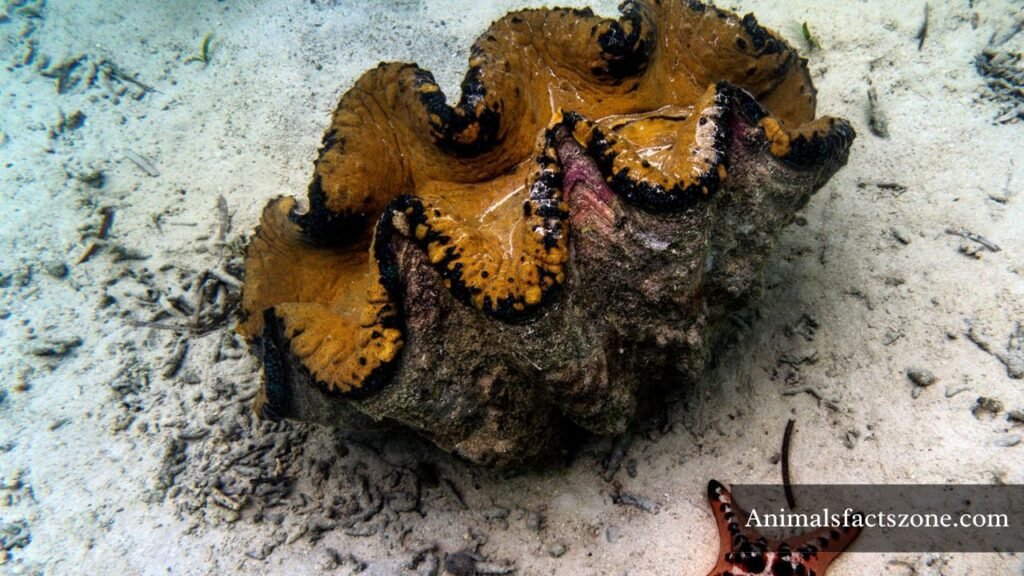
Interestingly, giant clams are not merely passive beings waiting for food to drift by; they have the remarkable ability to close their shells tightly when threatened, showcasing their surprising strength. Moreover, they serve as vital ecosystem engineers, creating habitats for various marine species, from fish to coral. As keystone species, their presence helps maintain the delicate balance of their environment, emphasizing the interconnectedness of ocean life. In a world facing the dual threats of climate change and overfishing, the survival of the giant clam has become a poignant reminder of the importance of preserving our marine ecosystems and the intricate relationships that sustain them.
King Crab
Scientific Name: Paralithodes camtschaticus
Class: Malacostraca
Diet: Carnivore
The king crab, a marvel of the ocean, captivates with its striking appearance and unique adaptations. Its robust shell not only offers protection from predators but also plays a pivotal role in its survival in the frigid waters of the North Pacific. This majestic crustacean, often weighing up to 24 pounds, showcases an intricate design: its shell features spiky protrusions that act as both armor and a deterrent against potential threats. While many might think of shells purely as protective devices, in king crabs, they also reflect their age and health, with larger, well-maintained shells indicating a robust, thriving individual.
Beyond their formidable exteriors, king crabs exhibit fascinating social behaviors, often gathering in groups during mating seasons. This communal aspect highlights their complex life cycles, where young crabs must navigate a perilous journey of molting — shedding their shells to grow, often fraught with danger as their new shells harden. Through this lens, the king crab’s shell transforms from a simple armor to a symbol of resilience and adaptability, embodying the delicate balance between vulnerability and strength in the wild. As seafood lovers savor this delicacy, it’s essential to recognize that each king crab carries within its shell a story of survival, adaptation, and the ongoing dance of life in Earth’s oceans.
Pond Slider
Scientific Name: Trachemys scripta
Class: Reptilia
Diet: Omnivore
The Pond Slider, a captivating species of turtle, is recognized not only for its striking green and yellow patterns but also for its remarkable adaptability. Found in freshwater habitats across North America, these turtles are masters of camouflage, often blending seamlessly into their environments. Their shells, while protective, also serve as a canvas for a unique interplay of light and color that can vary greatly between individuals. This diversity speaks to their varied diets and habitats, showcasing nature’s artistry in response to environmental changes.
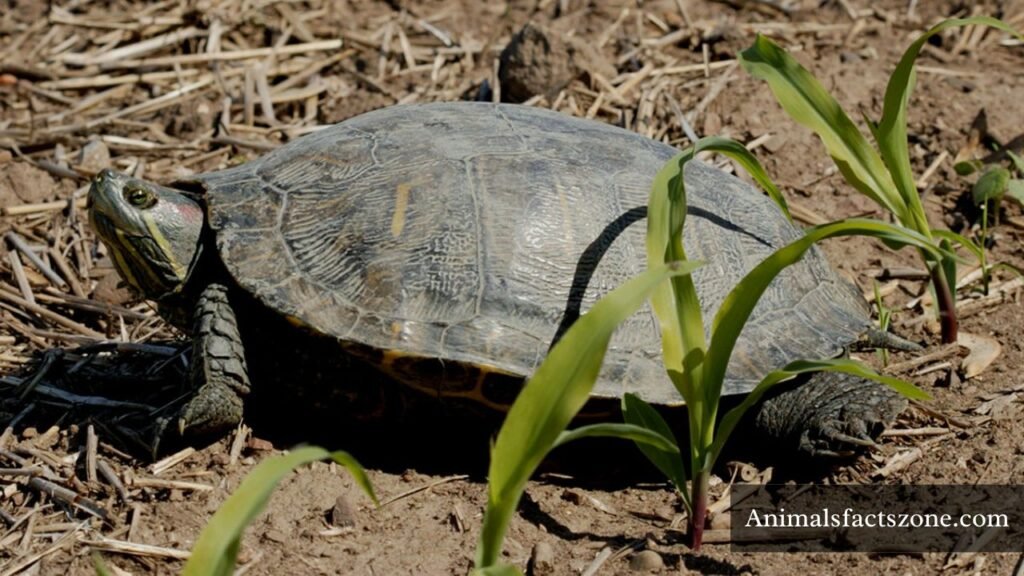
Interestingly, Pond Sliders exhibit fascinating social behaviors. Unlike many turtle species, they engage in basking rituals, often seen stacked atop one another on rocks or logs, soaking up the sun. This behavior goes beyond mere warmth; it’s a communal activity that fosters social bonds while ensuring optimal body temperature regulation. Furthermore, when disturbed, their first instinct may be to retreat into their hard shells, but often they’ll display a curious demeanor, peeking out before deciding to return or brave the unknown. This blend of caution and curiosity represents a delicate balance in their survival strategy, making the Pond Slider not only an enchanting creature but also a significant player in its ecosystem.
Gopher Tortoise
Scientific Name: Gopherus polyphemus
Class: Reptilia
Diet: Herbivore
The Gopher Tortoise, a unique resident of the southeastern United States, is more than just a slow-moving reptile with a sturdy shell. Its burrowing behavior transforms the landscape, creating extensive underground tunnels that serve as vital habitats for over 360 species, including the indigo snake and various frogs. This ecological engineering not only showcases the tortoise’s role in its environment, but it also highlights the intricate interdependent relationships within ecosystems.
With a lifespan that can exceed 40 years, Gopher Tortoises embody resilience in the face of habitat loss and climate change. Their shell, while providing essential protection, also experiences wear and tear, analogous to the challenges they face in an ever-evolving world. This prompts a reflective consideration — how does the tortoise symbolize the balance between strength and vulnerability in nature? Observing their deliberate movements encourages us to appreciate patience and conservation efforts, reminding us that some of the most fascinating stories in wildlife unfold quietly, beneath the surface.
Oysters
Scientific Name: Ostreidae
Class: Bivalvia
Diet: Herbivore
Oysters stand out as remarkable inhabitants of our marine ecosystems. Beyond their iconic hard shells, these bivalves are crucial to maintaining water quality and habitat health. Their filter-feeding process allows oysters to consume plankton and organic matter, cleaning the water around them and providing a clearer, healthier environment for other marine life. As they filter through gallons of water each day, the hidden worlds within their shells thrive, turning them into vital ecological engineers.
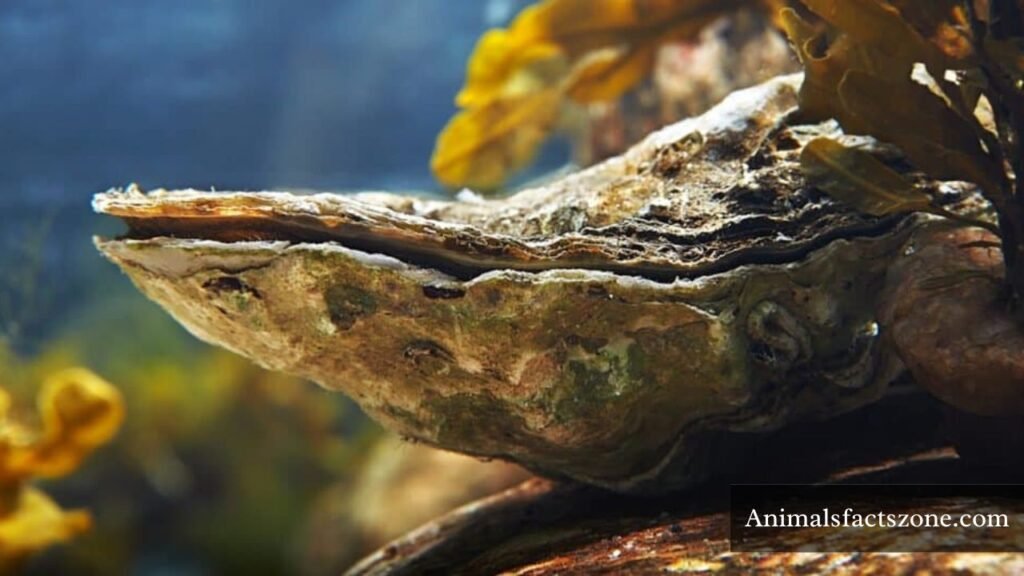
Moreover, oysters have an impressive ability to adapt, with some species developing unique shell shapes to better suit their environments. Each oyster’s shell is a canvas of intricate patterns, offering insights into its life and habitat. These adaptations not only offer protection from predators but also serve as effective markers for climate change, as shifts in water temperature and salinity impact their growth and reproduction. As we ponder the delightful taste of oysters on our plates, it’s essential to remember their invaluable ecological role and the delicate balance they maintain in their underwater ecosystems.
Common Snapping Turtle
Scientific Name: Chelydra serpentina
Class: Reptilia
Diet: Omnivore
The Common Snapping Turtle, with its rugged, dinosaur-like shell, is a remarkable example of evolutionary resilience. Unlike the smooth, shiny carapaces of many turtles, the snapping turtle’s shell is textured and often covered in algae and barnacles, giving it a unique, weathered appearance that blends seamlessly into its murky habitat. This camouflage not only serves to protect it from predators but also enhances its hunting prowess; it can remain nearly invisible as it ambushes unsuspecting prey in the waters it inhabits.
But perhaps more intriguing is the snapping turtle’s surprisingly intricate behavior. Known for their powerful jaws, these turtles can deliver a bite that rivals even the fiercest of predators. Yet, their demeanor is often calm and contemplative, showcasing a complexity not typically associated with reptiles. They are also known to exhibit a remarkable longevity, often living for several decades, which adds to their mystique as slow-moving witnesses to the changing landscapes around them. As they play a crucial role in their ecosystems — controlling fish populations and scavenging on decomposing organic matter — these fascinating creatures remind us that even the most unassuming animals can hold vital ecological significance.
Readmore: Top 25 Scary Animals in The World.
Final Thoughts
Animals with shells showcase the incredible diversity and adaptability of life on Earth. From the durable armor of turtles to the intricate patterns of seashells, these creatures play vital roles in their ecosystems. Their unique adaptations not only protect them from predators but also provide insights into evolutionary processes. As we continue to explore and study these fascinating animals, it’s essential to remember the impact of environmental changes on their habitats. Let us commit to preserving the biodiversity of our planet and ensuring that future generations can also marvel at the wonders of shelled creatures.
FAQs
What animals have shells?
Animals with shells can be categorized into two main groups: mollusks and crustaceans. Mollusks, such as snails, clams, and octopuses, often feature hard shells made from calcium carbonate. These shells serve various purposes, including protection from predators and environmental conditions, as well as providing structural support. Crustaceans, like crabs and lobsters, also have exoskeletons that can resemble shells, though they are not hard in the same way as those of mollusks. These exoskeletons provide protection and must be shed periodically as the animals grow, a process known as molting.
What is the only mammal with a shell?
The only mammal with a shell is the platypus. This unique aquatic creature is native to Australia and Tasmania and belongs to a group of mammals called monotremes, which lay eggs instead of giving birth to live young. The platypus is famous for its distinctive combination of features, including a duck-like bill, webbed feet, and a flat tail. Though it doesn’t have a hard shell like some reptiles, its skin and dense fur provide a protective barrier against its environment.