Top 24 Most Skinny Animals (With Pictures)
In this article, “Most Skinny Animals,” we delve into the captivating realm of nature’s slimmest inhabitants. Understanding these remarkable animals not only showcases the diversity of life on our planet but also highlights how adaptation plays a crucial role in survival. By the end, you’ll gain insights into how these skinny marvels thrive and the unique adaptations that set them apart.
List of Most Skinny Animals
Here is the list of animals that are skinny:
| Number of Animals | Names of Skinny Animals in The World |
| 1 | Gazelle |
| 2 | Giraffe |
| 3 | Common house gecko |
| 4 | Etruscan Shrew |
| 5 | Meerkat |
| 6 | Needlefish |
| 7 | Fossa |
| 8 | Stoat |
| 9 | Great Egret |
| 10 | Brookesia Micra Chameleon |
| 11 | Ferrets |
| 12 | Mako Shark |
| 13 | Afghan Hound |
| 14 | Greyhound |
| 15 | Alpaca |
| 16 | Whippet |
| 17 | Carolina mantis |
| 18 | Kangaroo |
| 19 | Red Slender Loris |
| 20 | Saluki |
| 21 | Dragonfly |
| 22 | Spotted Garden Eel |
| 23 | Stick bug |
| 24 | Common slender mongoose |
Gazelle
Scientific name: Gazella gazella
Class: Mammalia
Diet: Herbivore
The gazelle, often characterized by its slender physique and graceful movements, epitomizes the delicate balance between beauty and survival in the wild. These animals possess an extraordinary combination of speed and agility, which not only captivates observers but also serves as a critical survival mechanism. With powerful hind legs and a lightweight structure, gazelles can reach speeds of up to 60 kilometers per hour, allowing them to evade predators with ease. This incredible burst of speed, coupled with their ability to make sharp turns mid-leap, transforms the open savannah into a thrilling arena of life and death.
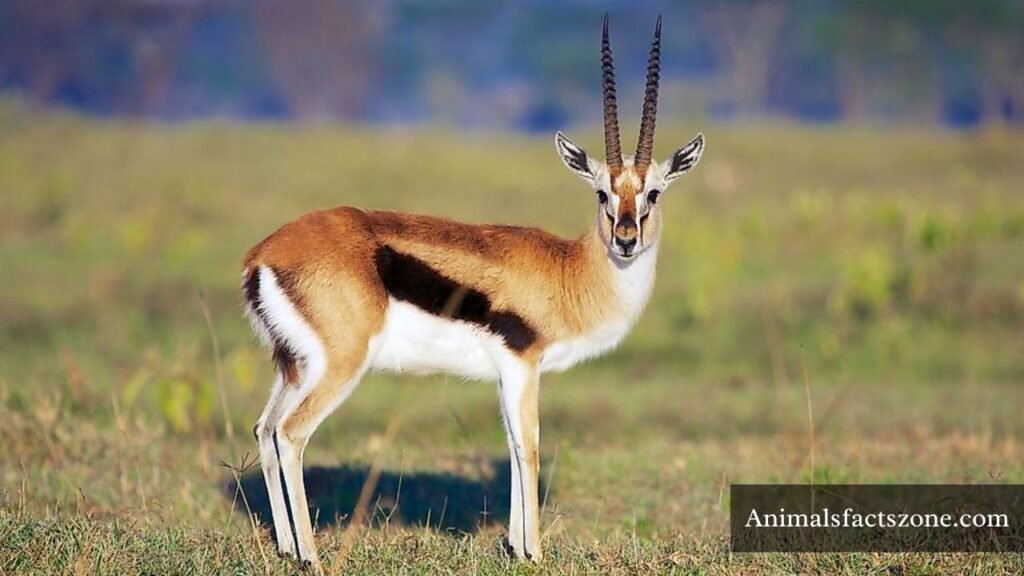
Beyond their physical attributes, gazelles also epitomize the complexities of social structure in animal behavior. They often live in herds, which provides safety in numbers and enhances their foraging efficiency. Interestingly, these animals engage in a fascinating behavior known as “stotting” or “pronking,” where they leap high into the air to signal to potential predators that they are fit and healthy — an instinctive display that can deter even the most formidable hunters.
Giraffe
Scientific name: Giraffa camelopardalis
Class: Mammalia
Diet: Herbivore
With their impossibly long necks and slender frames, giraffes are nature’s equivalent of living skyscrapers. This unique physique isn’t merely for show; it has evolved to serve a crucial function in their survival. Their height enables them to browse foliage at unprecedented heights, allowing them to access a diet rich in leaves that most other herbivores can’t reach. This vertical advantage not only provides sustenance but also offers a sweeping view of their surroundings, acting as a deterrent against predators lurking in the grasslands.
Interestingly, the giraffe’s skin is also a marvel of adaptation. Beneath the elegant spots, their skin is surprisingly tough, acting as a natural sunblock while minimizing the threat of insect bites. Furthermore, the giraffe’s distinctive coat pattern plays a role in social dynamics; the varied patterns help individuals recognize each other in large herds, fostering social bonds among these graceful creatures.
Common house gecko
Scientific name: Hemidactylus frenatus
Class: Reptilia
Diet: Insectivore
The common house gecko, often seen scurrying along walls or lurking in corners, is a remarkable example of adaptability in urban environments. With its slender body and ability to thrive in the crevices of human habitation, it has not only found a niche in homes but also mastered the art of camouflage. Their unique coloration, often a blend of soft browns or grays, allows them to blend seamlessly into their surroundings, making them elusive predators of small insects.
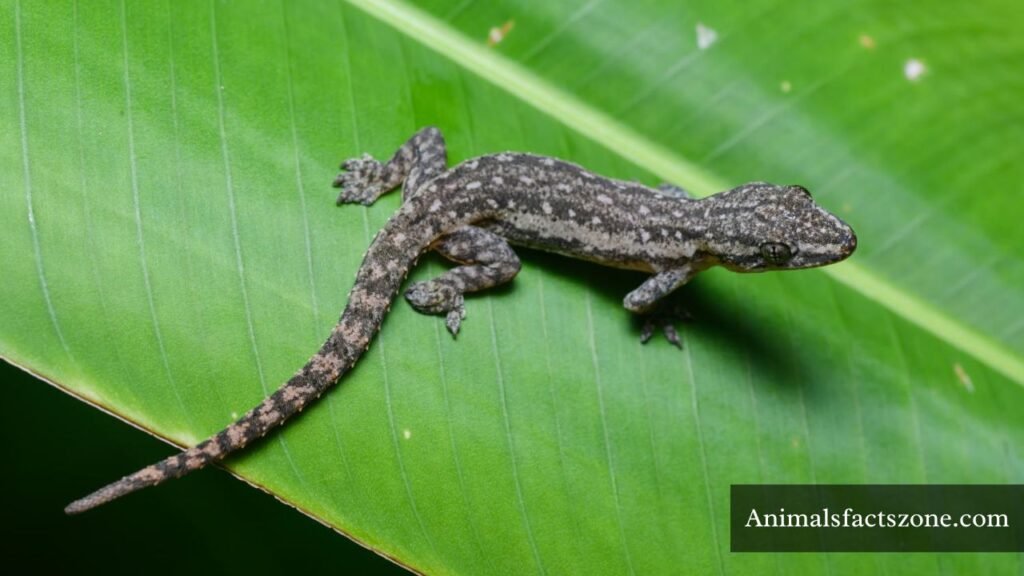
These geckos are equipped with specialized toe pads that enable them to scale smooth surfaces, defying gravity with ease. This fascinating ability isn’t just for show; it allows them to pursue their food — crickets, flies, and other pests — with nimbleness and precision. Beyond their predatory skills, their vocalizations, often misunderstood as mere clicks or chirps, play a pivotal role in communication during mating season, revealing a social complexity that belies their small size.
Moreover, understanding the ecological role of the common house gecko is essential. By keeping insect populations in check, these slender reptiles contribute to a balanced ecosystem within our homes.
Readmore: Explore Top 18 Animals That Walk On Two Legs.
Etruscan Shrew
Scientific name: Suncus etruscus
Class: Mammalia
Diet: Insectivore
The Etruscan shrew, often overshadowed by larger and more charismatic mammals, holds its own captivating charm. Weighing in at a mere two grams, this minuscule creature challenges our perceptions of what it means to be a formidable survivor in nature. Its heart races at an astonishing 1,500 beats per minute, a biological marvel that fuels its relentless quest for insects and worms in the leaf litter. This high metabolism not only defines its existence but also underscores the complexities of energy consumption and adaptation in the wild.
Despite its diminutive size, the Etruscan shrew is a remarkable example of evolutionary success. With a keen sense of smell and an insatiable appetite, it plays a pivotal role in controlling insect populations, underscoring the interconnectedness of ecosystems. Their delicate bodies may appear fragile, yet they navigate their environments with surprising agility, slipping through crevices and darting across forest floors like tiny, swift shadows.
Meerkat
Scientific name: Suricata suricatta
Class: Mammalia
Diet: Omnivore
The meerkat, with its slender frame and sharp social instincts, offers a fascinating glimpse into the complexities of animal behavior. These small mammals, native to the arid regions of Southern Africa, thrive in tight-knit communities that epitomize cooperation. Their social structure is not just about survival; it’s a vibrant display of teamwork, where one individual stands sentinel while others forage, ensuring safety from predators. This unique behavior reveals not just their adaptability but also the profound nature of communal living, showcasing how even the smallest creatures can teach us lessons on collaboration and trust.
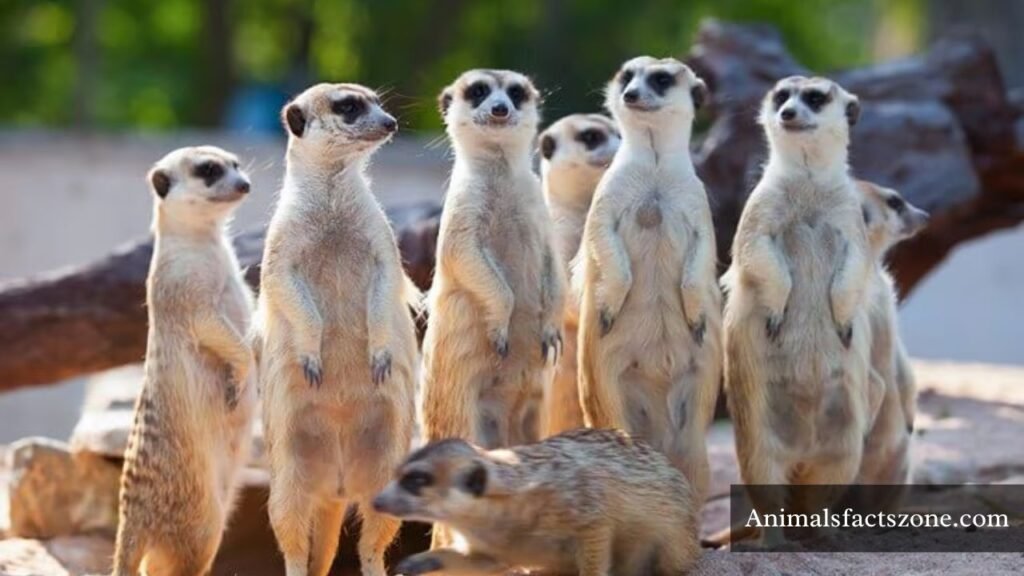
In addition to their social prowess, meerkats possess a distinctive form of communication that strengthens their bonds and enhances their efficiency. They utilize a range of vocalizations to convey warnings, food discoveries, and even playfulness, demonstrating an impressive level of sophistication in their social interactions. This intricate form of communication raises intriguing questions about animal intelligence and emotional connections.
You can also read: Explore Top 25 Most Quiet Animals.
Needlefish
Scientific name: Belonidae
Class: Actinopterygii
Diet: Carnivore
Needlefish, with their elongated bodies and razor-sharp jaws, embody a unique niche in the aquatic world. These slender predators rely on speed rather than bulk, creating a dynamic silhouette that slices through the water with ease. Their sleek design isn’t merely for show; it facilitates rapid bursts, allowing them to snatch up smaller fish and invertebrates with precise strikes.
Beyond their predatory prowess lies an intriguing aspect of their behavior: the social structures they form. Needlefish often congregate in schools, using their numbers to enhance both hunting efficiency and safety from larger threats. This cooperative approach to survival showcases an often-overlooked dimension of their existence, emphasizing how even the seemingly “skinny” creatures can thrive through community dynamics.
Fossa
Scientific name: Cryptoprocta ferox
Class: Mammalia
Diet: Carnivore
The fossa, Madagascar’s elusive predator, combines the elegance of a cat with the raw power of a small puma. This slender, agile creature can reach up to six feet long, including its tail, which serves as a balancing tool as it navigates the treetops of its rainforest habitat. Unlike any feline, the fossa’s unique evolutionary path has positioned it as the top predator in Madagascar, preying primarily on lemurs and other small mammals. Its retractable claws and muscular limbs allow for extraordinary flexibility and speed, making it a master of its arboreal kingdom.
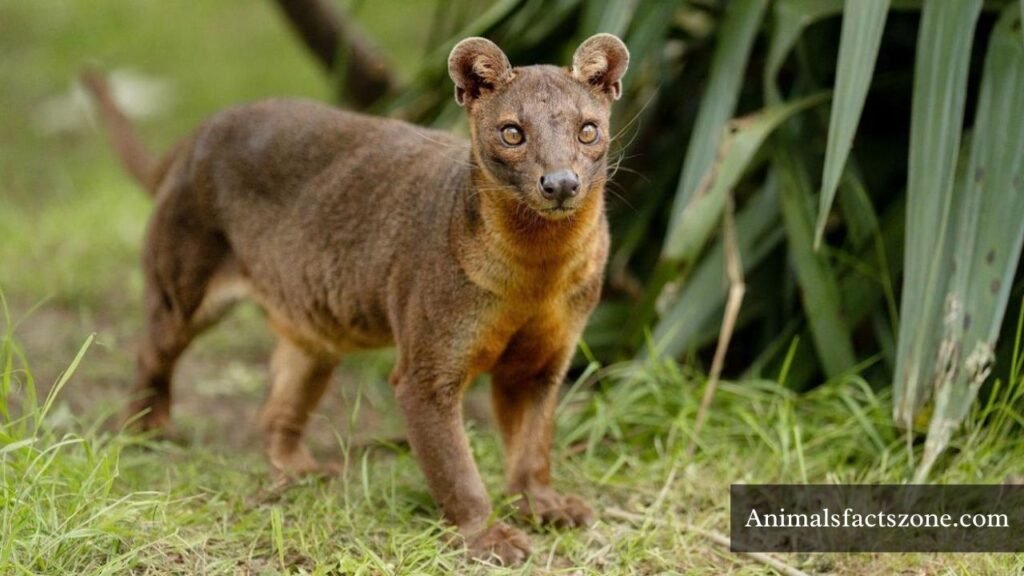
Yet, the fossa’s future hangs in the balance as deforestation and habitat loss threaten its existence. As Madagascar becomes increasingly vulnerable to environmental change, the fossa’s role as a keystone species may be at risk. These animals’ survival is not just about conservation; it reflects the intricate web of life unique to Madagascar, a biodiversity hotspot. As we explore the fossa’s remarkable adaptations and behaviors, we come to appreciate not just its beauty but the urgent need to protect the fragile ecosystems that nurture such remarkable creatures.
Also read: Explore Top 6 Animals That Are Deaf.
Stoat
Scientific name: Mustela erminea
Class: Mammalia
Diet: Carnivore
The stoat, with its sleek and slender body, is a captivating embodiment of agility and cunning in the animal kingdom. Often cloaked in a rich, chocolate brown during summer, these creatures transform dramatically in winter, donning a striking white coat that serves both as camouflage in snowy landscapes and as a testament to their adaptability. This seasonal metamorphosis isn’t just for aesthetics, it allows stoats to navigate their habitats with stealth, hunting prey ranging from voles to rabbits with remarkable efficiency.
Beyond their striking appearance, stoats reveal intriguing insights about evolutionary adaptations. Their elongated bodies and short legs contribute to quick turns and sudden bursts of speed, making them formidable predators despite their petite size. Moreover, stoats possess an astonishing metabolic rate; they must consume large quantities of food daily to sustain their energy.
Great Egret
Scientific name: Ardea alba
Class: Aves
Diet: Carnivore
The Great Egret, with its statuesque form and striking white plumage, serves as an emblem of elegance in the avian world. Found in wetlands, marshes, and shorelines, this striking bird showcases a remarkable adaptation: its long, slender neck and beak are designed for a specialized hunting technique. Gliding silently through shallow waters, the Great Egret employs a patience-driven strategy, waiting motionless before darting its sharp bill to capture fish or small amphibians.
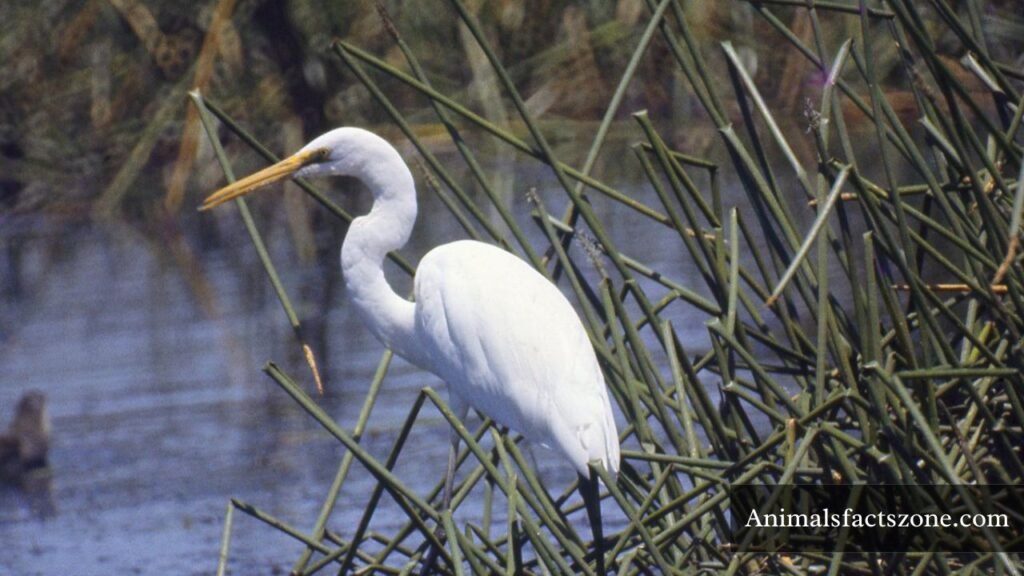
In recent years, conservation efforts have spotlighted these birds, highlighting their vulnerability and the importance of safeguarding wetland ecosystems. As climate change threatens their habitats, the Great Egret stands as a reminder of our interconnectedness with nature, urging us to take action to protect the delicate environments that support not just them but countless other species.
Brookesia Micra Chameleon
Scientific name: Brookesia micra
Class: Reptilia
Diet: Insectivore
Among the wonders of the animal kingdom, the Brookesia micra chameleon stands out not only for its diminutive size but also for its fascinating adaptations. Native to the lush rainforest floor of Madagascar, this tiny reptile measures just under an inch long, making it one of the smallest known vertebrates in the world. But its small stature belies a world of complex behaviors and ecological significance. With their ability to blend seamlessly into their surroundings, these chameleons are masters of disguise, evading potential predators and enhancing their survival in a habitat teeming with threats.
Beyond their remarkable camouflage, Brookesia micra’s unique adaptations offer insights into the evolutionary strategies that arise in isolated ecosystems. Living in a microhabitat, they rely heavily on leaf litter for both sustenance and shelter, feeding on minuscule insects and remaining under the radar of larger species. This specialization illustrates how even the tiniest creatures can play crucial roles in biodiversity. As Madagascar faces increasing threats from deforestation and climate change, the plight of the Brookesia micra serves as a poignant reminder of the fragile interconnectedness of life — prompting urgency in conservation efforts to protect these remarkable beings and their habitats.
Readmore: Explore Top 18 Animals That Have Stripes.
Ferrets
Scientific name: Mustela putorius furo
Class: Mammalia
Diet: Carnivore
Ferrets, with their slim bodies and angular features, embody a unique blend of charm and mischief that captivates pet enthusiasts. Their elongated form allows them to slip into and out of tight spaces, making them natural explorers of their surroundings. This curiosity, coupled with their playfulness, creates a delightful dynamic for their human companions, as ferrets dart around, searching for hidden treasures or engaging in spirited play bouts.
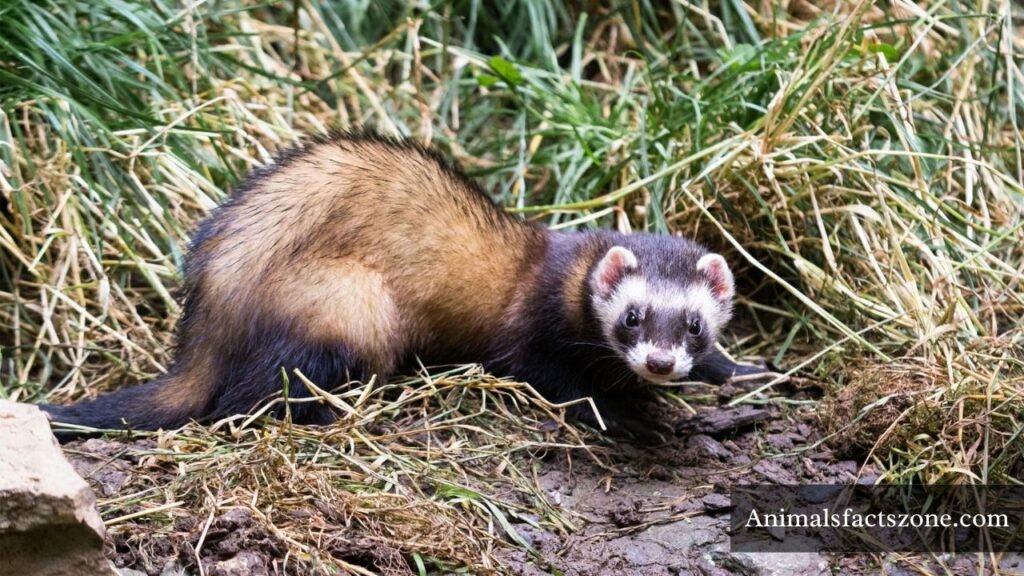
Beyond their playful nature, ferrets have a surprisingly complex social structure. They thrive on interaction, not just with humans but also with other ferrets, forming tight-knit groups that exhibit fascinating social behaviors. This sociability makes them particularly delightful, yet it underscores the importance of ensuring they have enough mental and physical stimulation.
Mako Shark
Scientific name: Isurus oxyrinchus
Class: Chondrichthyes
Diet: Carnivore
The Mako shark, known for its sleek, torpedo-like body, is a master of the ocean, epitomizing the concept of elegance and efficiency in biomechanics. Unlike many predators, its distinct morphology allows for incredible speed, reaching up to 45 miles per hour, which not only makes it a formidable hunter but also a marvel of evolutionary engineering. This remarkable speed is the result of a unique muscle structure that incorporates a high percentage of red muscle fibers, enabling bursts of energy and swift movements to capture agile prey such as tuna and swordfish.
But it’s not just speed that makes the Mako intriguing. Scientists have uncovered its unique physiological adaptations, such as a specialized circulatory system that maintains muscular temperature, enhancing performance during bursts of speed. This adaptation allows Mako sharks to thrive in diverse habitats, from warm coastal waters to the cold depths of the ocean, proving their resilience and versatility. As we deepen our understanding of these magnificent creatures, we also highlight their precarious future — overfishing and habitat loss pose significant threats, reminding us of the delicate balance we need to maintain to protect such extraordinary beings.
Afghan Hound
Class: Mammalia
Diet: Omnivore
The Afghan Hound, often celebrated for its striking elegance and flowing coat, is more than just a pretty face in the canine world. Beneath that glamorous exterior lies a history entwined with the rugged terrains of Afghanistan, where these dogs were poised for survival against harsh conditions. Their slender, elongated bodies are not just a hallmark of beauty but are also designed for agility and endurance, making them exceptional sprinters — ideal for chasing down game in the mountainous landscape of their homeland.
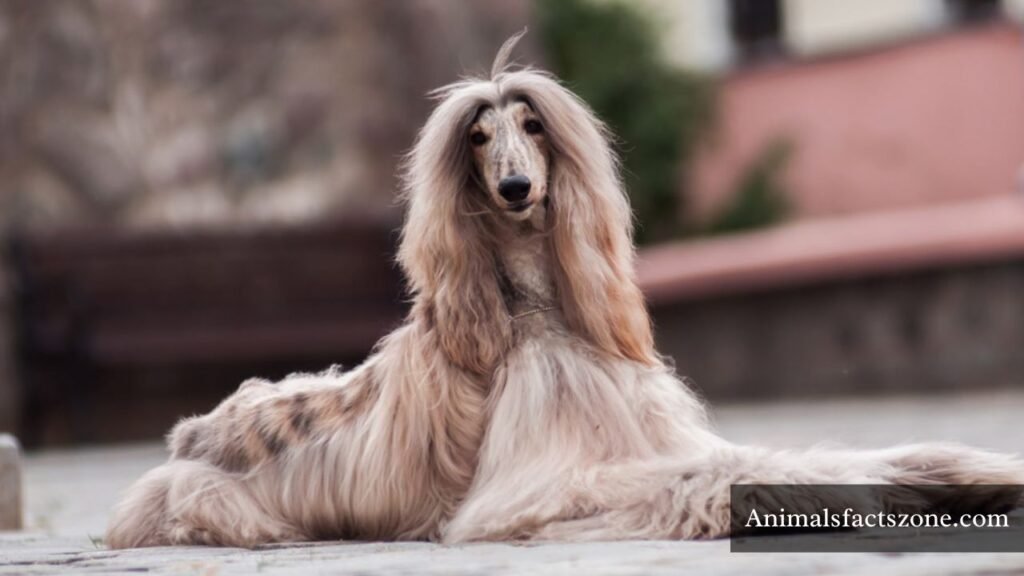
Despite their regal stature, Afghan Hounds possess a quirky personality that often contrasts with their sophisticated appearance. Known for their independent spirit, they can be both aloof and charming, requiring an experienced owner who appreciates their unique temperament. Their grooming needs can be a labor of love; however, every brushing session offers a bonding opportunity, revealing the deep loyalty and affection they hold for their families.
You can also read: Explore Top 23 Animals with Long Tails.
Greyhound
Class: Mammalia
Diet: Omnivore
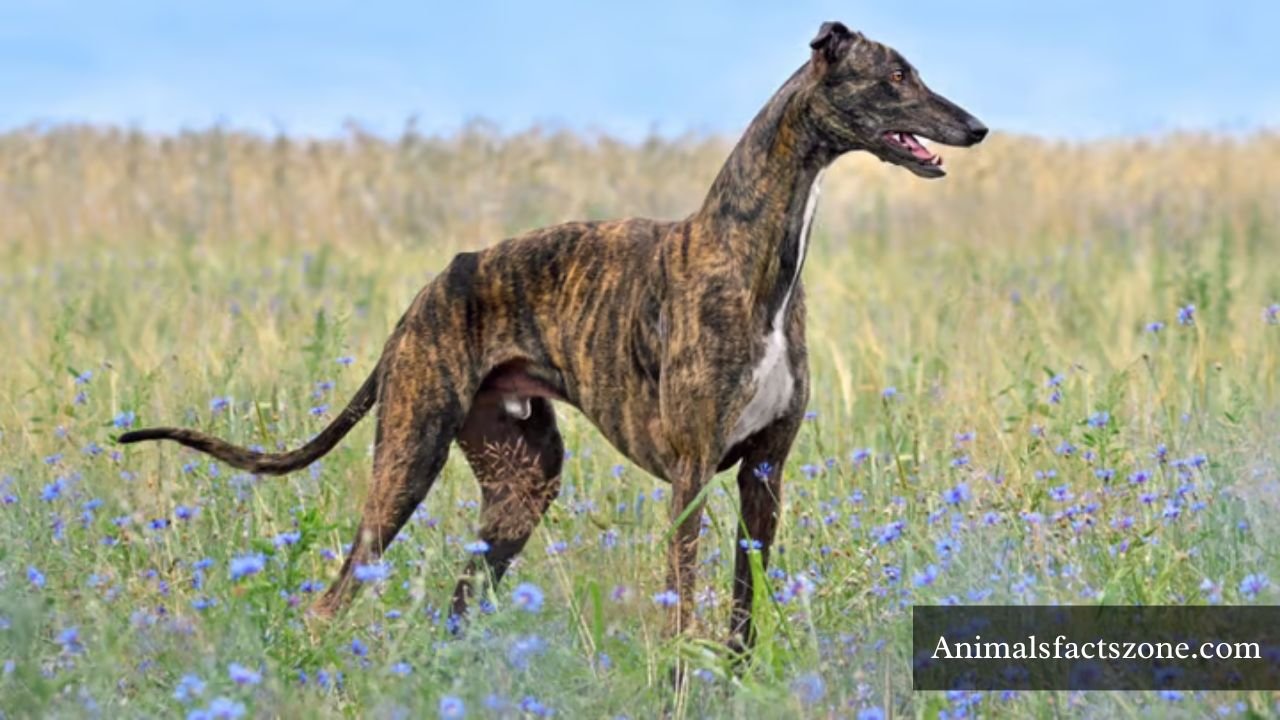
Greyhounds, often recognized for their sleek and aerodynamic bodies, are a prime example of nature’s design optimizing for speed. Unlike traditionally stocky breeds, these slender canines possess long legs and a deep chest, allowing for incredible acceleration and endurance. Their lean build is not just for show; it’s a necessary adaptation that enables them to reach speeds of up to 45 miles per hour in a matter of seconds. This remarkable ability is a testament to their ancient lineage, tracing back to Egyptian times when they were prized for their hunting prowess.
However, these skinny athletes are more than just fast sprinters. Greyhounds are surprisingly gentle and calm when not racing, often described as “couch potatoes” by their owners. This juxtaposition of high energy and low-key demeanor makes them ideal companions for a variety of lifestyles. Their short coats require minimal grooming, leading many to believe they are an easy maintenance breed.
Alpaca
Scientific name: Vicugna pacos
Class: Mammalia
Diet: Herbivore
Alpacas might be best known for their luxurious fleece, but their unique body type reveals a fascinating strategy for survival in the high-altitude Andes. With their long necks and slender legs, these gentle creatures are perfectly adapted to their mountainous environment, allowing them to traverse rocky terrain with grace. Unlike their llama cousins, alpacas tend to be more petite, tipping the scales at 100 to 200 pounds. This lightweight frame gives them an edge in mobility, enabling them to escape predators more easily while foraging in challenging landscapes.
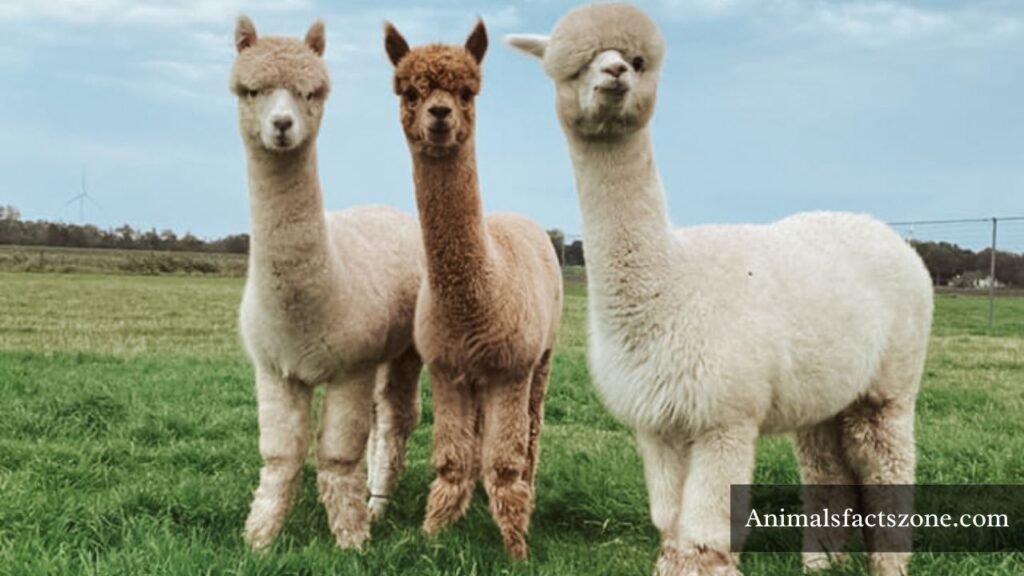
But beyond mere survival, the gracefulness of alpacas invites deeper contemplation. Their gentle demeanor and social nature reflect a surprisingly complex social structure where they form tight-knit groups, demonstrating emotional intelligence that often goes overlooked. These animals communicate through a range of vocalizations, sharing their feelings and maintaining harmony within their herds.
Whippet
Class: Mammalia
Diet: Omnivore
The Whippet, often mistaken for a miniature Greyhound, embodies elegance and speed in a slender frame. These dogs exhibit an impressive combination of athleticism and grace, making them one of the fastest breeds in the world — capable of reaching speeds up to 35 miles per hour. Despite their lean appearance, Whippets possess a surprising amount of muscle, giving them a robust build ideal for both sprinting and lounging comfortably on a sunny patch of grass.
Beyond their physical prowess, Whippets are known for their gentle nature and affectionate demeanor. Their quiet disposition often surprises those who expect a high-energy athlete; instead, they thrive in a harmonious home environment. They’re affectionate companions, forming deep bonds with their families while being sufficiently laid-back to adapt to both active and relaxed lifestyles. It’s this unique blend that makes them wonderful pets, appealing to both the thrill-seekers and those who simply cherish the serene company of a loyal friend.
Readmore: Explore Top 12 Animals That Have Quills.
Carolina mantis
Scientific name: Stagmomantis carolina
Class: Insecta
Diet: Carnivore
The Carolina mantis, a marvel of nature, flaunts its slender form in vibrant green and brown hues, perfectly camouflaging it against the foliage. These nimble predators are not just about looks; their agility in hunting showcases an intricate dance of predation. With a lightning-fast strike, they ensnare unsuspecting prey, often larger than themselves, employing their long, spiny forelegs as expert tools.
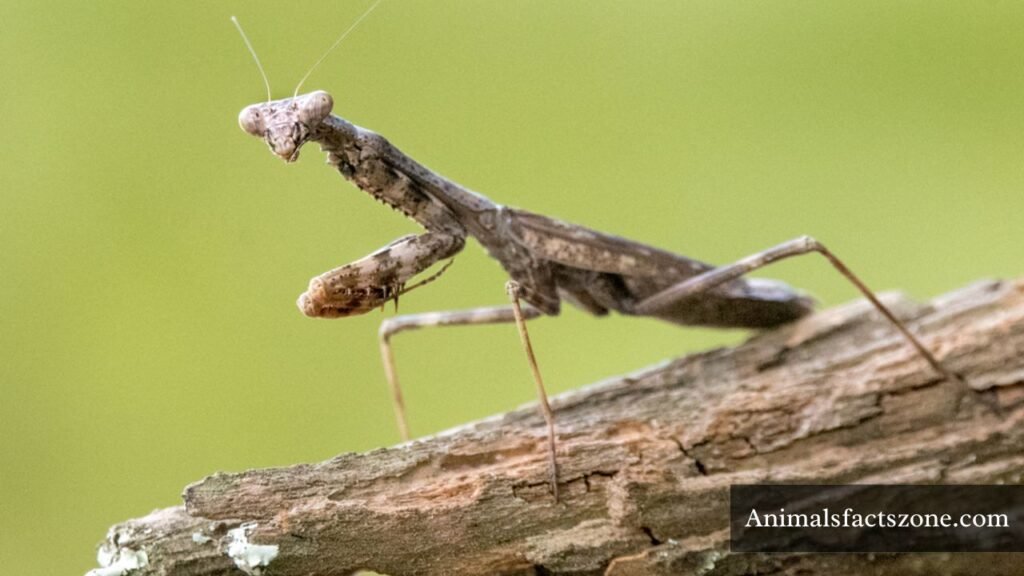
Beyond their hunting prowess, Carolina mantises play a vital ecological role. They help maintain the balance within their ecosystems by controlling pest populations. Observing their behavior unveils a world of nuanced interactions, where they communicate through subtle movements and displays during mating rituals. These fascinating creatures exemplify nature’s ingenuity, proving that being “skinny” can indeed be a powerhouse of evolutionary success.
Kangaroo
Scientific name: Macropus
Class: Mammalia
Diet: Herbivore
Kangaroos, often celebrated for their iconic hopping and powerful hind legs, boast a unique physique that many might label as “skinny.” This lean build is not merely an aesthetic trait; it’s a marvel of evolutionary design. The kangaroo’s slender body allows it to navigate the arid Australian landscape efficiently, conserving energy while covering great distances in search of food and water. This adaptation is crucial in a land where resources can be sparse, underscoring the tight interplay between form and survival.
What truly fascinates about kangaroos is their social structure, often reflecting the benefits of their lean morphology. In a mob, adults can be seen using their agility and speed to outmaneuver predators, safeguarding not just themselves but also the vulnerable young joeys that cling to their mothers. This collective behavior highlights the importance of shared survival strategies. The kangaroo’s sleek silhouette, therefore, is more than just a physical trait — it embodies an intricate balance of survival instincts, social dynamics, and environmental adaptation that continues to captivate scientists and wildlife enthusiasts alike.
Red Slender Loris
Scientific name: Loris tardigradus
Class: Mammalia
Diet: Omnivore
The Red Slender Loris, with its enchanting big eyes and elongated limbs, offers a mesmerizing glimpse into the biodiversity of Southeast Asia. This nocturnal primate, often overshadowed by more popular species, embodies a unique blend of grace and vulnerability. Its slender form, perfectly adapted for navigating the treetops of its forest habitat, allows it to move silently and swiftly, evading both predators and human encroachment. Yet, despite its remarkable adaptations, the Red Slender Loris faces increasing threats from habitat loss and illegal wildlife trade, highlighting the urgent need for conservation efforts.
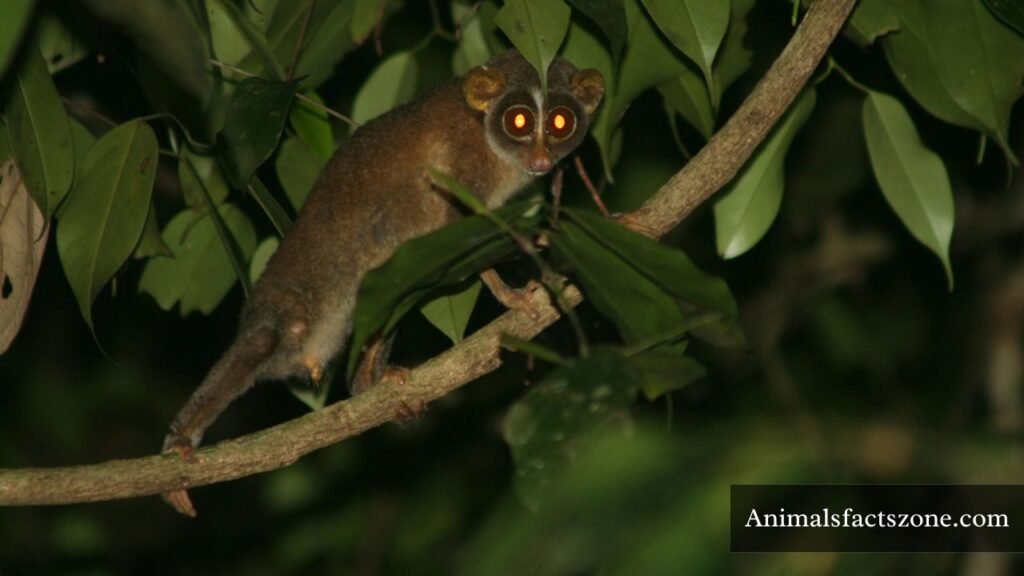
What makes this creature particularly fascinating is its unusual method of communication. The Red Slender Loris can emit a range of vocalizations, from soft whistles to distinct cries, which play a crucial role in social bonding and mating rituals. These sounds, often overlooked in the shadow of its physical appearance, reveal the intricate social dynamics at play within their small groups.
Also read: Explore Top 23 Most Chubby Animals.
Saluki
Class: Mammalia
Diet: Omnivore
The Saluki, often heralded as the “Royal Hound of Egypt,” embodies elegance with its slim physique and graceful demeanor. This ancient breed has a history that dates back over 5,000 years, making it one of the oldest domesticated dog breeds. Their elongated limbs and narrow bodies, designed for speed and agility, were perfect for hunting game across the arid landscapes of the Middle East. Yet, the Saluki’s beauty is not just skin deep; it’s a fascinating blend of athleticism and loyalty, making them stand out in the canine world.
What sets Salukis apart is their unique temperament. While they exude a peaceful calmness, they also possess an independent spirit that can be both charming and challenging. Unlike many breeds, they are not overly dependent on human affection, often preferring to observe the world with a dignified reserve. This blend of independence and affection means that bonding with a Saluki takes time and respect, making each connection all the more special. Moreover, their keen hunting instincts and high energy levels require an active lifestyle, drawing them into the rich tapestry of life with their owners, offering opportunities for exploration and adventure.
Dragonfly
Scientific name: Anisoptera
Class: Insecta
Diet: Carnivore
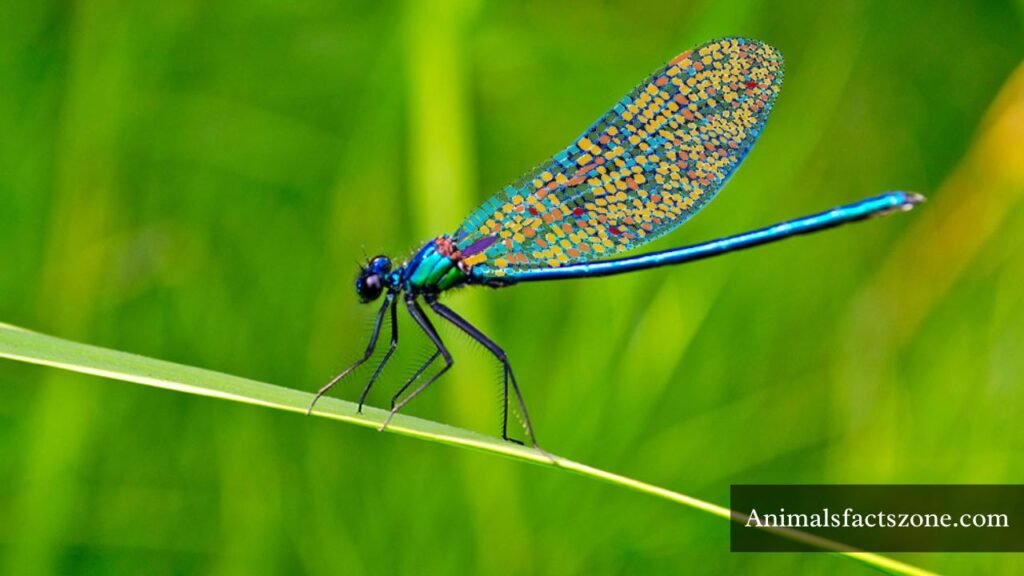
Dragonflies are nature’s acrobats, showcasing a remarkable combination of elegance and agility in flight. With their slender bodies and iridescent wings, these creatures are not just beautiful; they are incredibly efficient hunters. Their ability to hover, fly backward, and make sharp turns allows them to catch prey mid-air with a precision that is nothing short of breathtaking. Observing a dragonfly in action offers a glimpse into evolutionary brilliance, where form perfectly complements function. Aside from being skilled hunters, they are also crucial to many ecosystems, helping to control populations of mosquitoes and other pests.
Spotted Garden Eel
Scientific name: Heteroconger hassi
Class: Actinopterygii
Diet: Carnivore
The Spotted Garden Eel, known for its slender, elongated body and distinctive mottled skin, is a true marvel of marine evolution. Found in sandy habitats of the Pacific Ocean, these eels inhabit burrows, peeking out with only their heads exposed. This unique behavior not only aids in camouflage from predators but also allows them to ambush passing prey, primarily small zooplankton. Watching them sway gently with the currents is a serene experience, revealing their innate connection to their surroundings.
What sets these eels apart is their fascinating social structure. They often gather in large colonies, creating a vibrant underwater tapestry that enhances both safety and breeding opportunities. This collective behavior showcases a remarkable adaptability, as they communicate and react to environmental changes as a unified group. Moreover, their delicate symbiosis with coral reefs highlights the intricate balance of marine ecosystems, illustrating how even the slenderest of creatures can play significant roles in their habitats. The Spotted Garden Eel, in its elegance and simplicity, invites us to marvel at the complexities of life beneath the waves.
You can also read: Explore Top 22 Most Docile Animals.
Stick bug
Scientific name: Phasmatodea
Class: Insecta
Diet: Herbivore
The stick bug, nature’s master of disguise, defies conventional notions of beauty with its elongated, slender body. These fascinating creatures have evolved to mimic twigs and branches, a survival tactic that keeps them safe from predators. Observing one in its natural habitat feels like encountering a living branch, a testament to the artistry of evolution.
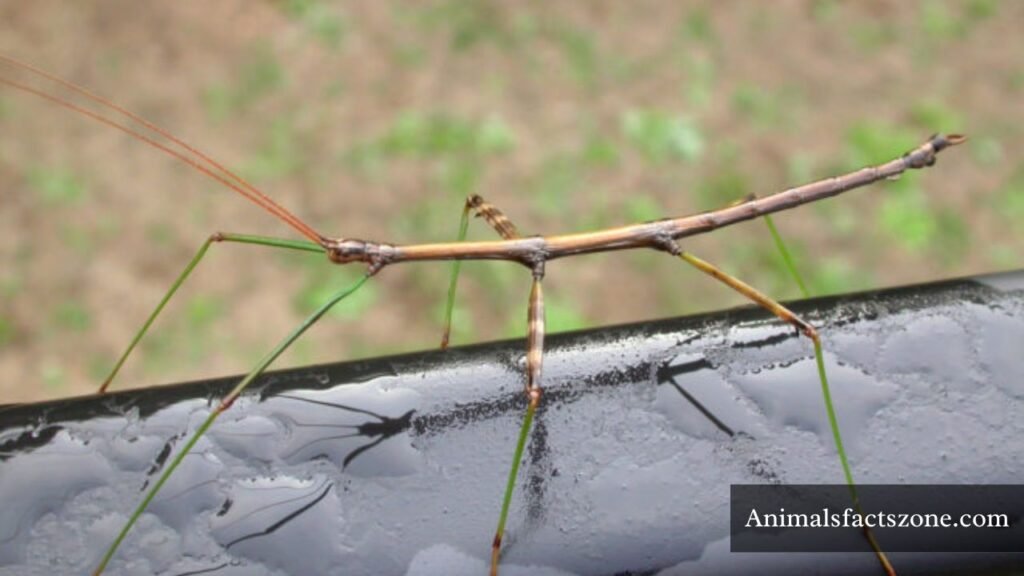
Beyond their exceptional camouflaging abilities, stick bugs are also intriguing social creatures. Some species can even communicate through subtle body movements, creating a silent dialogue among themselves. This interaction reveals a complex layer to their existence, challenging the idea that simplicity equates to a lack of sophistication.
Common slender mongoose
Scientific name: Galerella sanguinea
Class: Mammalia
Diet: Carnivore
The slender mongoose, with its elongated body and sleek frame, is a master of agility in the wild. This small carnivore is not just about looks; its design is an evolutionary marvel that enhances both speed and stealth. By being slender, it can easily weave through dense underbrush and dart in and out of the shadowy crevices where its prey resides. Whether hunting termites or small rodents, the slender mongoose uses its remarkable sense of smell to locate food expertly, showcasing a unique adaptation that underscores its role in the ecosystem as both predator and scavenger.
Socially, these mongooses exhibit fascinating behaviors that challenge traditional notions of solitary wildlife. Often found in small family groups, they communicate with a variety of vocalizations, relying on intricate social dynamics to maintain their cohesive units. This communal living not only aids in hunting but also provides crucial protection against larger predators.
Readmore: Explore Top 13 Down Syndrome Animals In The World.
Conclusion
The fascinating lives of the world’s skinniest animals remind us of the incredible adaptability of nature. From the delicate structure of the etruscan shrew to the highly agile meerkat, these creatures highlight the diverse strategies evolved for survival. Their unique physical attributes not only aid in their daily lives but also play crucial roles in their ecosystems. As we learn more about these animals, we can appreciate the importance of preserving their habitats for future generations. Let’s take a moment to reflect on the beauty of diversity in the animal kingdom and champion conservation efforts that protect these remarkable species.
FAQs
What is the skinniest animal in the world?
The skinniest animal in the world is the Etruscan shrew. Weighing in at just about 1.8 grams and measuring around 3.5 to 5.2 centimeters, this tiny creature is impressively lightweight and slender. Despite its diminutive size, it has a voracious appetite, consuming prey that weighs more than itself. Etruscan shrews are found in parts of Europe, Asia, and North Africa, thriving in various habitats. Their fast metabolism requires them to eat frequently, often hunting insects and other small invertebrates.
What animal is long and skinny?
Needlefish are long and skinny creatures, known for their slender, elongated bodies. They typically range from 12 to 30 inches in length and have sharp, elongated jaws filled with small teeth. This unique body shape helps them be agile swimmers, darting through the water with ease. These fish are usually found in warm coastal waters and are often seen swimming near the surface. Their streamlined design not only aids in hunting smaller prey but also allows them to evade predators.
Which animal has less weight?
The animal with the least weight is often considered to be the bumblebee bat, or Kitti’s hog-nosed bat. Weighing in at around 1.7 grams, it’s one of the lightest mammals on Earth. Its tiny size allows it to navigate through dense bamboo forests in Thailand and Myanmar.