Top 17 Thickest Skin Animals In The World (Images Included)
The thickest skin animals showcase some of the most impressive evolutionary traits on our planet. Understanding these adaptations offers valuable insights into the survival mechanisms of various species and their ecological roles. In this article, we’ll uncover the fascinating world of these resilient creatures and explore why their thick skin is a game-changer in the animal kingdom.
List of Thickest Skin Animals In the World
Here is the list of animals with thickest skin in the world:
- Walrus
- Honey Badger
- Manatee
- Wild Boar
- Grizzly bear
- Elephant
- Cape Buffalo
- Sperm Whale
- Crocodile
- Bison
- Rhinoceros
- Hippopotamus
- Blue whale
- Armadillo
- Whale Shark
- Giraffe
- Camel
Walrus
Scientific Name: Odobenus rosmarus
Class: Mammalia
Diet: Carnivore
The walrus, a charismatic marine mammal, boasts one of the thickest skins in the animal kingdom, measuring up to a staggering 6 inches in certain areas. This impressive layer of blubber not only acts as insulation against frigid Arctic waters, but it also serves a crucial role in buoyancy and energy storage. The combination of thick skin and blubber makes the walrus remarkably resilient, allowing it to thrive in icy environments where many other species would struggle to survive.
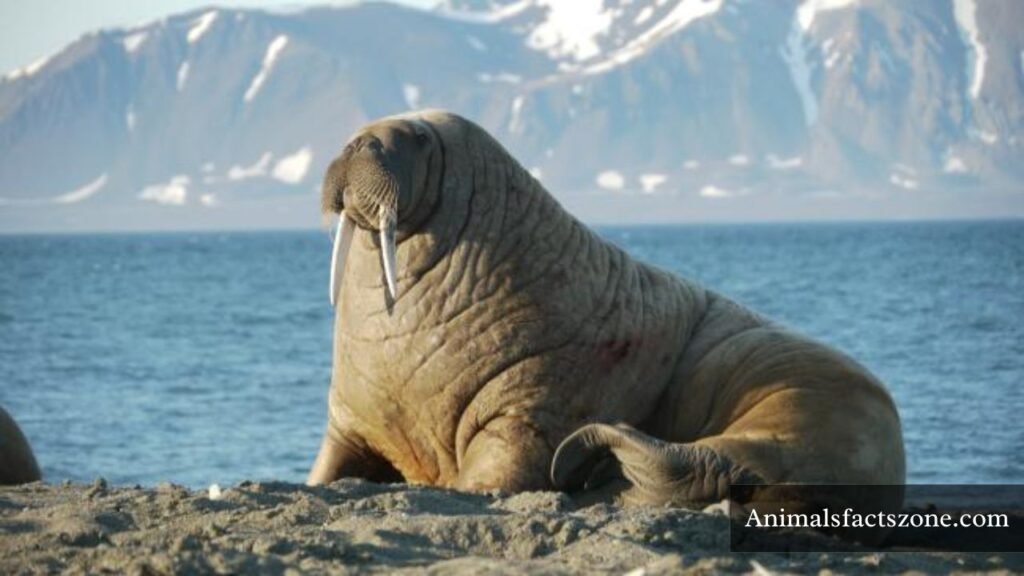
The walrus’s skin is more than just a protective barrier; it’s a dynamic organ that plays a role in social interactions and mating rituals. During the breeding season, males often engage in vigorous displays of strength, using their robust bodies to assert dominance over rivals. Moreover, their skin is adorned with a unique texture, marked by scars and wrinkles that tell stories of battles fought and survived, highlighting their tenacity in a harsh environment. This fascinating creature not only captivates our imaginations but also serves as a powerful reminder of nature’s incredible adaptations.
Honey Badger
Scientific Name: Mellivora capensis
Class: Mammalia
Diet: Omnivore
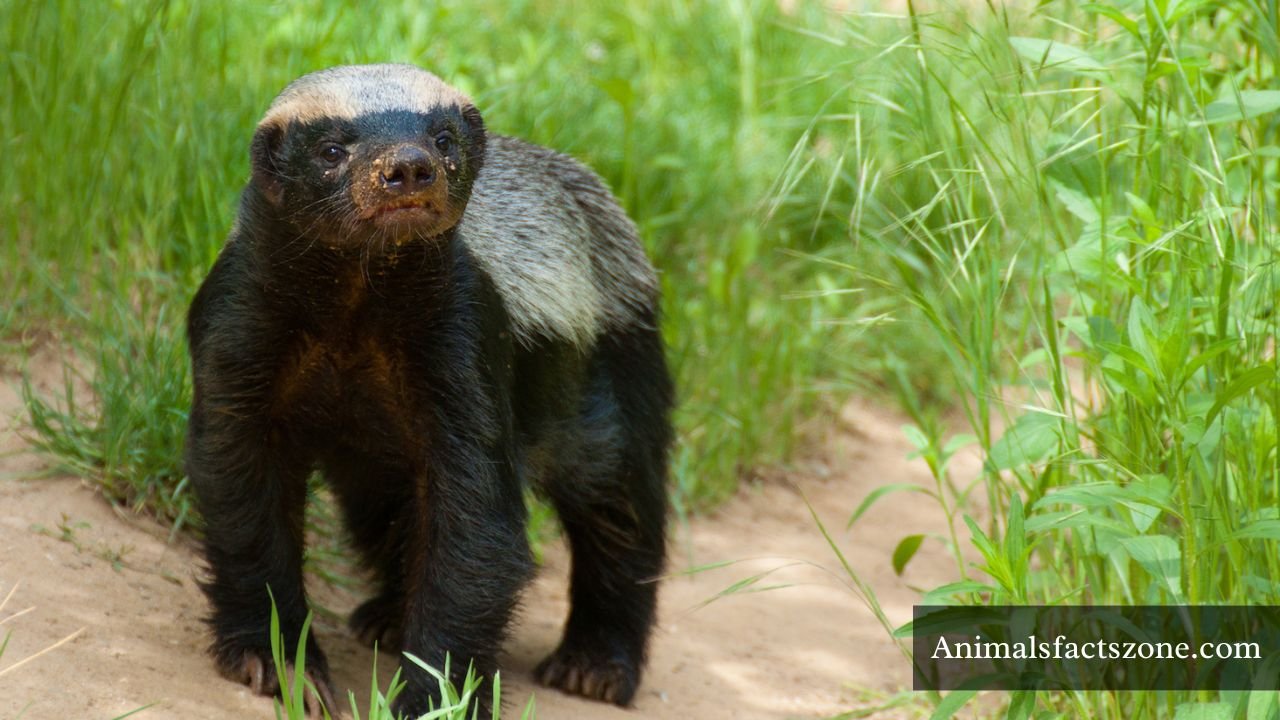
The honey badger, often lauded for its tenacity and fearless nature, possesses skin that is more than just a protective barrier — it’s a remarkable adaptation that has drawn the interest of both researchers and wildlife enthusiasts. Thick and loose, the skin allows the honey badger to maneuver freely while also offering a formidable defense against predators and parasites alike. This unique structure also gives the honey badger the rare ability to withstand bee stings, which makes its pursuit of honey from bee hives a daring yet successful endeavor.
What’s particularly fascinating about the honey badger’s skin is its resilience. Composed of dense fibers and a high degree of keratin, this tough exterior not only protects against bites and stings, but also serves as a canvas for a variety of interactions with its environment. When faced with threats, the honey badger can puff itself up, further thickening its skin layers and appearing even more daunting to would-be aggressors. This combination of physical toughness and behavioral strategies highlights the honey badger’s unique evolutionary journey, cementing its status as one of nature’s most formidable survivors.
Manatee
Scientific Name: Trichechus
Class: Mammalia
Diet: Herbivore
The manatee, often referred to as the “sea cow,” is a fascinating creature not just for its gentle nature but also for its impressive skin. Thick and durable, the skin of a manatee can measure up to 1 inch in thickness, providing a robust barrier against predators and environmental hazards like sharp coral or marine debris. This tough exterior is not just a defense mechanism; it also plays a role in thermoregulation, helping these large mammals maintain their body temperature in varying aquatic environments.
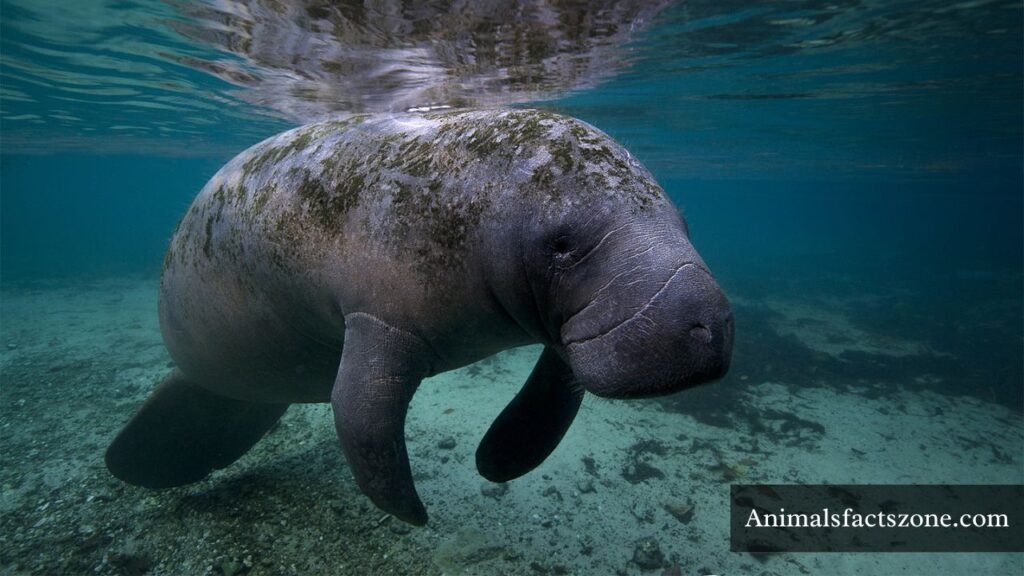
Beyond its physical properties, the manatee’s skin serves as a canvas for a diverse ecosystem of algae and barnacles, creating a unique biotic interface that highlights the interconnectedness of marine life. This symbiotic relationship not only provides shelter for smaller organisms but may also play a role in the manatee’s health, as some studies suggest that the skin’s microbial community aids in fighting infections. By appreciating the multi-functional aspects of manatee skin, we gain deeper insights into the complexities of marine ecosystems and the legendary resilience of these gentle giants.
Wild Boar
Scientific Name: Sus scrofa
Class: Mammalia
Diet: Omnivore
Wild boars, with their formidable presence and rugged exterior, boast one of the thickest skins in the animal kingdom. This remarkable adaptation serves more than just a protective function; it allows them to thrive in diverse habitats, from dense forests to open grasslands. The layers of tough skin not only shield against predators but also offer resilience against harsh environments, such as thorny bushes or rocky terrains, which these animals often navigate with ease.
The texture of a wild boar’s skin is rough and bristly, providing both defense and support to their muscular bodies. Their thick skin houses specialized cells that facilitate healing, allowing these creatures to recover quickly from minor injuries incurred during foraging or skirmishes with rivals. This natural armor is complemented by a layer of fat beneath, crucial for insulation in colder climates. Observing the wild boar in its natural habitat reveals a creature that has evolved in harmony with its challenges, embodying the resilience and tenacity that nature demands for survival.
Grizzly Bear
Scientific Name: Ursus arctos horribilis
Class: Mammalia
Diet: Omnivore
Grizzly bears, among the most formidable creatures in North America, possess an astonishing thickness of skin that allows them to thrive in rugged environments. Their skin can measure up to an impressive 2.5 inches, acting as both armor and insulation against the elements. This robust barrier not only protects them from scrapes and bites but also helps them endure the frigid temperatures of their mountainous habitats. Their thick skin plays a vital role in their survival during confrontations with predators or rivals, allowing these powerful bears to assert their dominance without excessive worry about injury.
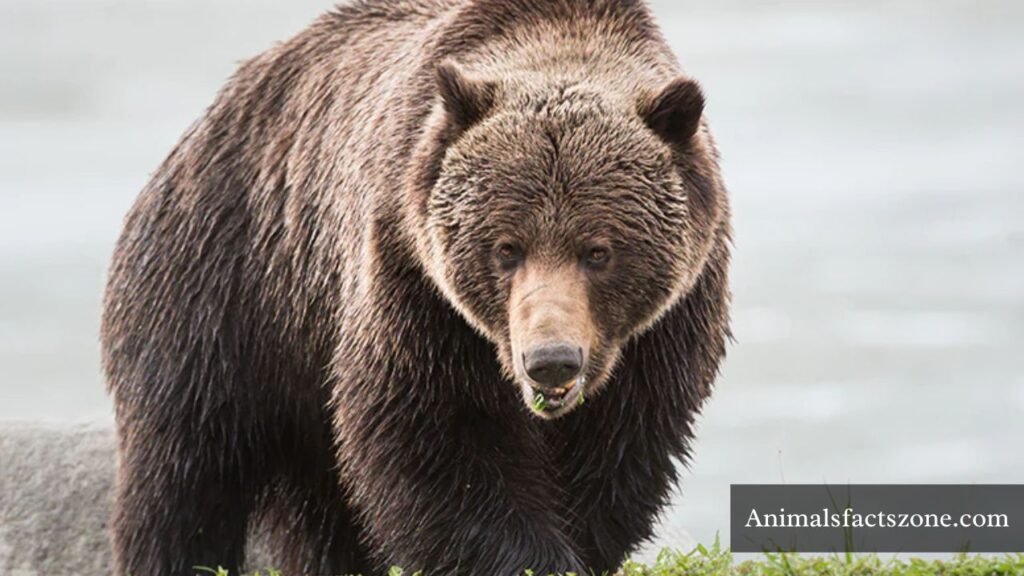
Yet, what many might overlook is the elegance that lies within this apparent toughness. Beneath their formidable exterior, grizzly bears display a range of social behaviors, from nurturing their cubs to engaging in playful interactions with each other. This duality — being both a fierce protector and a gentle caregiver — highlights an intriguing aspect of their biology. Their tough skin is not merely a shield; it symbolizes resilience, adaptability, and the interconnectedness of strength and softness in the wild. Ultimately, the grizzly bear challenges our perception of toughness, reminding us that even the most rugged creatures can embody a delicate balance of ferocity and gentleness.
Elephant
Scientific Name: Loxodonta africana (African) or Elephas maximus (Asian)
Class: Mammalia
Diet: Herbivore
Elephants, the largest land mammals, possess some of the thickest skin in the animal kingdom, measuring up to an astonishing 2.5 centimeters (about an inch) in certain areas. This formidable layer serves not only as armor against predators and environmental hazards but also plays a crucial role in their thermoregulation. Despite its toughness, elephant skin is remarkably sensitive, containing millions of nerve endings, allowing these gentle giants to feel the softest touch or the slightest change in temperature — an impressive paradox that highlights their unique evolutionary adaptations.
Beyond protection and sensory perception, an elephant’s skin contributes to its health in unexpected ways. The numerous wrinkles and folds provide a remarkable surface area that enhances moisture retention and aids in keeping the animal cool under the scorching sun. Elephants engage in mud-bathing rituals, coating themselves with a layer of mud that acts as a natural sunscreen while also promoting the healing of any skin irritations. This duality of skin function underscores the complexity of these animals, revealing how seemingly simple attributes can hold profound importance in their daily lives.
Cape Buffalo
Scientific Name: Syncerus caffer
Class: Mammalia
Diet: Herbivore
The Cape buffalo, known for its formidable presence in the African savanna, boasts one of the thickest skins in the animal kingdom. This impressive defense mechanism is not merely for show; it serves a crucial role in their survival against predators like lions and hyenas. With skin measuring nearly an inch thick in some areas, the Cape buffalo is able to withstand not just physical attacks but also the harsh environmental conditions of their habitat, from the searing sun to the biting insects that plague their existence.
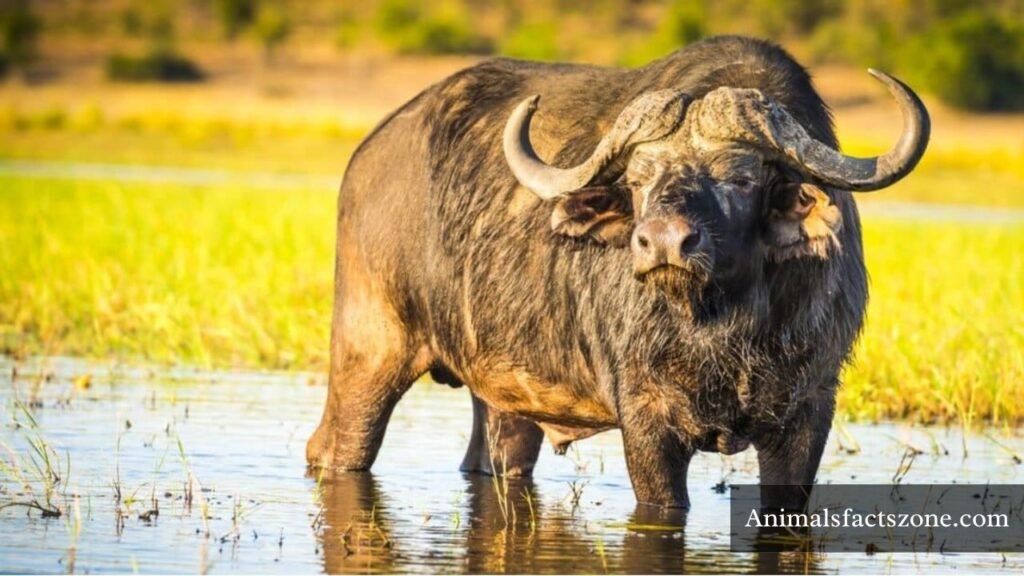
Beyond their protective layer, Cape buffalo are social creatures, often found in large herds that can number in the hundreds. This communal living not only allows for enhanced protection against predators but also facilitates intricate social structures and relationships. Members of the herd communicate through a series of vocalizations and body language, fostering bonds that enhance their collective vigilance. Interestingly, those with thicker skin may also exhibit resilience to disease, suggesting a fascinating interplay between physical traits and health in the wild. Observing these animals reveals not just their anatomical marvels but also the complex social dynamics underlying their survival.
Sperm Whale
Scientific Name: Physeter macrocephalus
Class: Mammalia
Diet: Carnivore
The sperm whale, renowned for its impressive size and deep-sea prowess, boasts skin that can reach thicknesses of up to a remarkable foot. This extraordinary adaptation serves multiple purposes, acting as a shield against the crushing pressures of the ocean’s depths and providing insulation against frigid temperatures in the abyss. But there’s more to these ocean giants than just thick skin; their unique blubber composition plays a crucial role in buoyancy and energy storage, allowing them to dive to staggering depths for extended periods.
Interestingly, the thickness of a sperm whale’s skin also supports its complex social structures, allowing these mammals to engage in vigorous social behaviors without fear of injury from one another or from their often tumultuous environment. The skin is not merely a protective layer; it’s a canvas of their life experiences, reflecting scars from encounters and the challenges they face during their epic migrations across oceans. Through this lens, the sperm whale emerges not only as a marvel of evolution but as a symbol of resilience, showcasing how life adapts to the formidable challenges of the deep.
Crocodile
Scientific Name: Crocodylinae
Class: Reptilia
Diet: Carnivore
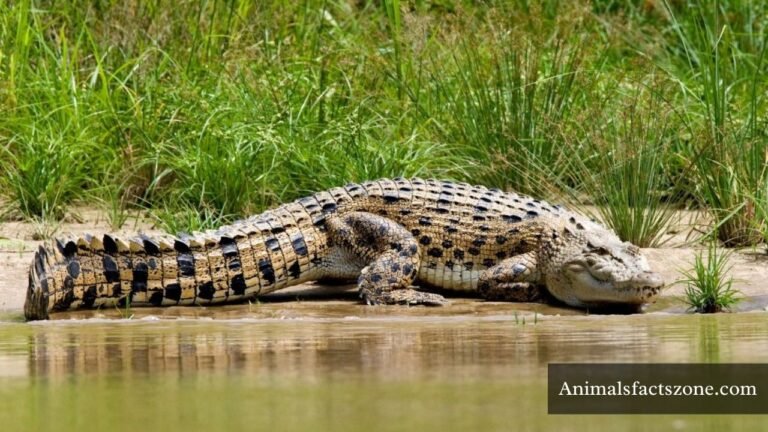
Crocodiles, often regarded as living fossils, possess one of the thickest skins in the animal kingdom, with layers that can exceed two inches in certain areas. This remarkable adaptation serves multiple purposes, from protection against predators to resilience in their harsh, aquatic habitats. Their skin is not just a passive barrier; it acts as a sophisticated armor, composed of rugged scales reinforced by a network of bone-like osteoderms, which provide both strength and flexibility.
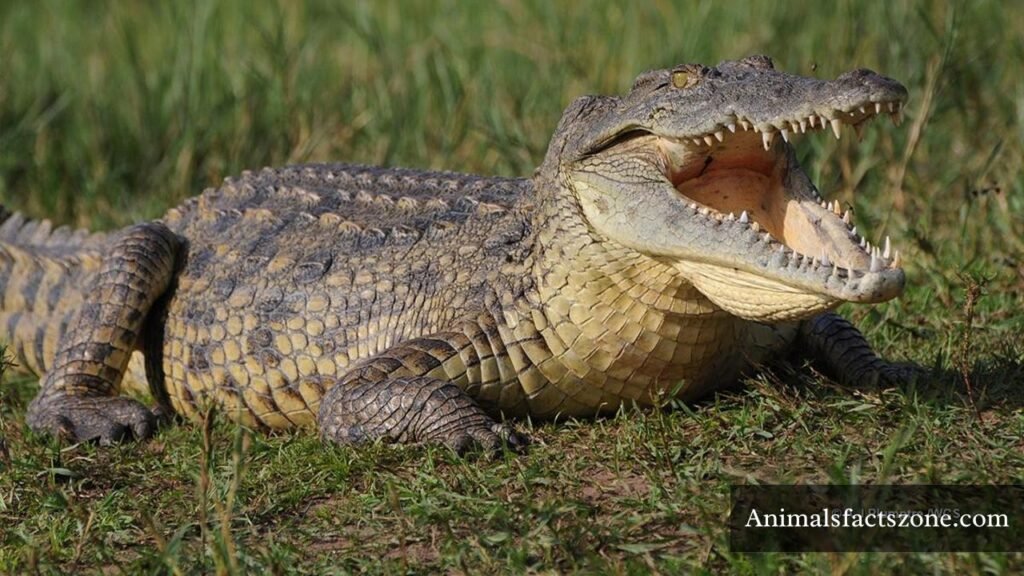
The thick skin of crocodiles is imbued with a network of sensory organs, allowing them to detect minute changes in their environment, even with their eyes above water. This unique combination of toughness and sensitivity makes them not only formidable hunters but also masters of ambush. Moreover, their skin is an ingenious repository for managing their body temperature, enabling them to thrive in varied climates, from tropical wetlands to temperate regions. With these adaptations, crocodiles transform their seemingly armored appearance into a dynamic advantage in the wild, proving that sometimes, the most impressive features are also the most versatile.
Bison
Scientific Name: Bison bison
Class: Mammalia
Diet: Herbivore
Bison, often seen as symbols of wild American plains, possess some of the thickest skin among land mammals, reaching up to 2 inches in certain areas. This impressive armor isn’t just for show; it serves multiple purposes. Beyond protection from harsh elements and potential predators, their skin acts as a barrier against biting insects, a constant annoyance in their vast grazing habitats. This evolutionary adaptation has allowed bison to thrive in the rugged terrains of North America, showcasing nature’s ingenuity.
Interestingly, bison skin also plays a crucial role in their social behavior. When they engage in sparring matches, primarily among males, the thickness of their hide buffers against injuries. Such encounters not only establish hierarchies but also ensure the survival of the fittest. And while you might see a bison’s robust form lumbering along, what’s happening just under that thick exterior is a complex system perfectly attuned to its environment, illustrating how every feature of this magnificent creature contributes to its survival.
Rhinoceros
Scientific Name: Rhinocerotidae
Class: Mammalia
Diet: Herbivore
The rhinoceros, often recognized for its imposing size and remarkable horns, possesses some of the thickest skin in the animal kingdom, measuring up to 2 inches in certain areas. This formidable barrier serves as both armor and a unique adaptation to its environment. The thick skin is not just for show; it acts as a defense against predators and harsh weather conditions, allowing rhinos to thrive in diverse habitats, from arid savannas to dense forests.
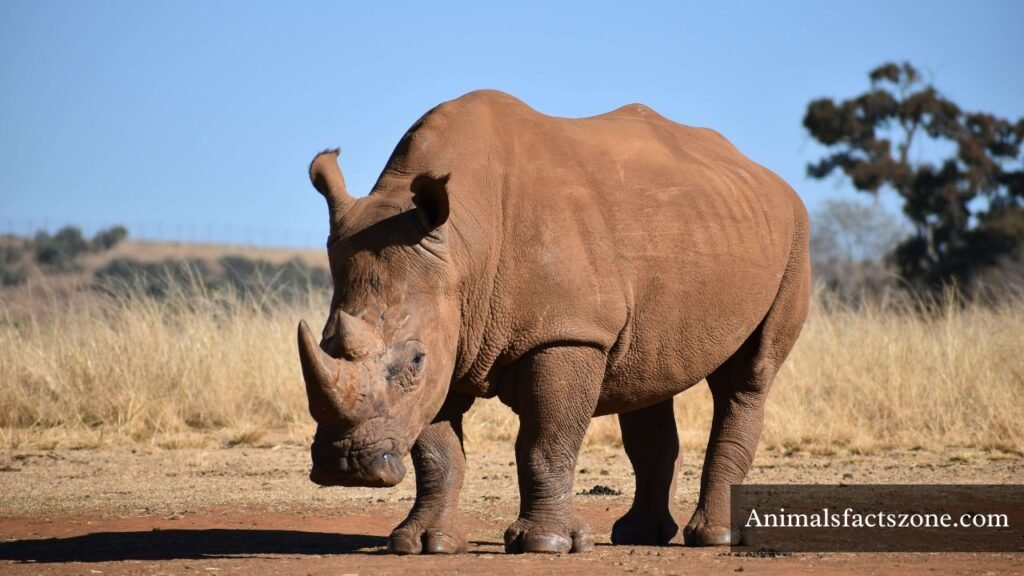
What’s particularly fascinating is the texture and composition of their skin. Comprised mostly of collagen, it lacks the protective fur or feathers found in many other mammals, leading to a remarkable ability to regulate temperature. In hot climates, rhinos often take mud baths, which not only cools them down but also provides a natural sunscreen, protecting their sensitive skin from sunburn. This interplay between their thick skin and environmental adaptations highlights an intricate balance that rhinos have with their ecosystems, demonstrating resilience in the face of changing landscapes. Engaging with these gentle giants reveals a complex world where skin serves as more than protection — it’s a testament to survival.
Hippopotamus
Scientific Name: Hippopotamus amphibius
Class: Mammalia
Diet: Herbivore
The hippopotamus, often misunderstood as a gentle giant, has one of the thickest skins in the animal kingdom, measuring up to 2 inches in some areas. This remarkable adaptation serves multiple purposes, from protecting against sunburn in the harsh African sun to providing a defense mechanism against rival hippos and predators. However, it’s not just the thickness that is fascinating; their skin secretes a natural sunscreen, known as “blood sweat,” which is a mix of oils and pigments that hydrates while also warding off harmful UV rays.
While the hippo’s skin appears tough and impervious, it is surprisingly sensitive and can be prone to injury if not cared for properly. They spend much of their day submerged in water to keep their skin moist, which highlights a unique balance between their terrestrial and aquatic lifestyles. Their thick skin is not bulletproof; a common misconception, as they are vulnerable to certain infections and wounds that can occur in their competitive, if not chaotic, social structures. With their complex skin care needs, hippos remind us of the intricate connections between an animal’s anatomy and the environment it inhabits.
Blue Whale
Scientific Name: Balaenoptera musculus
Class: Mammalia
Diet: Carnivore
The blue whale, the largest animal to have ever existed, boasts skin that can be up to 12 inches thick, creating a natural armor against the ocean’s perils. This remarkable thickness not only serves as a protection mechanism from sharp objects in the water but also plays a crucial role in thermal regulation. The immense layer of blubber underneath the skin helps the whale maintain its body temperature in cold ocean depths, showcasing an extraordinary adaptation to its colossal size.
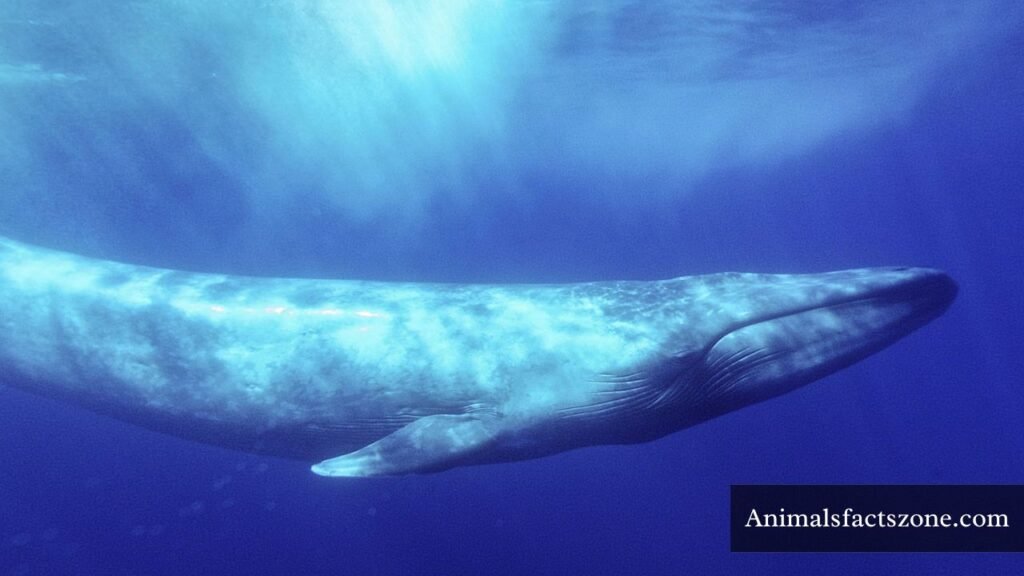
Moreover, the blue whale’s skin is not just thick; it is also incredibly versatile. Covered with tiny pores and wrinkles, it aids in the shedding of parasites and other marine organisms, fostering a healthier surface. Scientists have discovered that the unique patterns and coloration on a whale’s skin evolve over time, functioning almost like a fingerprint — this could help researchers track individual whales and study their migratory behaviors. Understanding the blue whale’s skin provides insights into evolutionary adaptations, emphasizing how such features enable survival in the vast, often inhospitable marine environment.
Armadillo
Scientific Name: Dasypodidae
Class: Mammalia
Diet: Omnivore
The armadillo stands out as one of nature’s most intriguing creatures, especially when considering its remarkable armor. What many don’t realize is that the thickness of an armadillo’s skin can vary by species, with the largest among them, the giant armadillo, boasting up to a 5-6 millimeter thick shell. This protective plating serves not only as a defensive mechanism against predators but also as a crucial adaptation for survival in a habitat teeming with threats. Its unique structure consists of overlapping bony plates coated in a layer of tough skin, providing flexibility even while ensuring substantial protection.
Beyond its exterior toughness, the armadillo’s skin holds secrets that researchers are just beginning to uncover. The level of keratin in their armor offers clues into evolutionary biology and regenerative medicine. Studies suggest that the armadillo can heal from wounds remarkably quickly, hinting at potential applications in healing technologies for humans. Moreover, their fascinating ability to roll into a ball enhances their defense by turning them into a near-impenetrable fortress against larger animals. As these creatures continue to capture the fascination of ecologists and the general public alike, the armadillo reminds us that even the simplest features in nature can harness complex beauty and function.
Whale Shark
Scientific Name: Rhincodon typus
Class: Chondrichthyes
Diet: Carnivore
The whale shark, the largest fish in the oceans, boasts an astonishingly thick skin that can reach up to four inches in some areas. This impressive layer serves multiple purposes, from protection against abrasions and parasites to providing buoyancy. Unlike the scales seen in many other fish, the whale shark’s skin is covered with tiny dermal denticles that resemble teeth and help reduce drag as it glides through the water, enhancing its efficiency as a filter feeder.
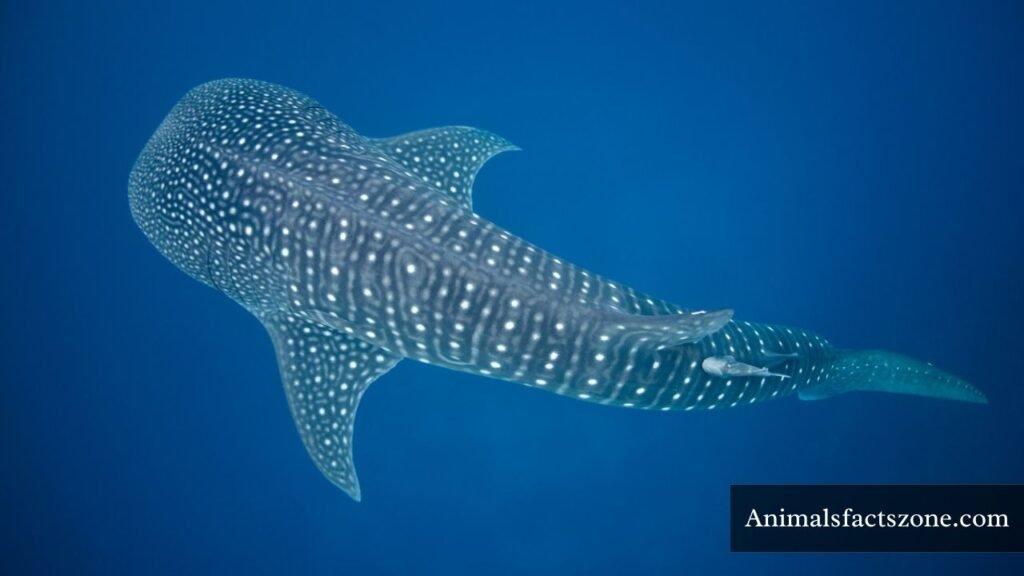
Beneath this rugged exterior lies an extraordinary adaptation: the whale shark is one of the few species capable of swimming for long distances while consuming massive quantities of plankton. Their skin acts as a barrier against the elements of the open ocean, including temperature fluctuations and pressure changes at various depths. Interestingly, the unique patterns on a whale shark’s skin, akin to human fingerprints, not only serve as identifiers for researchers but also play a role in camouflage, ensuring they blend seamlessly into their surroundings — an essential survival tactic in a world filled with predators. This combination of size, adaptability, and unique evolutionary traits makes the whale shark a true marvel of marine biology.
Giraffe
Scientific Name: Giraffa camelopardalis
Class: Mammalia
Diet: Herbivore
The giraffe, with its towering height and iconic long neck, also boasts an astonishingly thick skin that serves as a protective barrier against the harsh realities of its savannah habitat. Measuring up to 0.5 inches thick, this durable skin not only safeguards against the sun’s intense rays but also wards off abrasive brushes with thorny vegetation. Fascinatingly, the giraffe’s skin isn’t just tough; it is layered with a specialized fat that provides insulation and moisture retention, essential for surviving in dry environments.
Yet, it’s more than just physical protection; the giraffe’s skin plays a role in social interactions as well. The unique patterns and colorations of their skin allow for individual recognition among members of their complex social structures. When you observe a group of giraffes, you’re witnessing a sophisticated ballet of communication and hierarchy intertwined with their remarkable evolution. This thick skin is a testament to their adaptability, revealing how nature meticulously crafts each trait for survival and social cohesion in the wild.
Camel
Scientific Name: Camelus bactrianus or Camelus dromedarius
Class: Mammalia
Diet: Herbivore
The camel, often dubbed the “ship of the desert,” possesses skin that is remarkably thick and resilient, functioning as an essential armor against the harsh conditions of its arid environment. With an average thickness of about 0.5 inches, camel skin helps protect against abrasive sand and extreme temperatures, ensuring these resilient creatures can thrive where few others can. This impressive adaptation not only shields them from sunburn but also minimizes water loss and supports thermoregulation, allowing camels to maintain their body temperature in scorching heat.
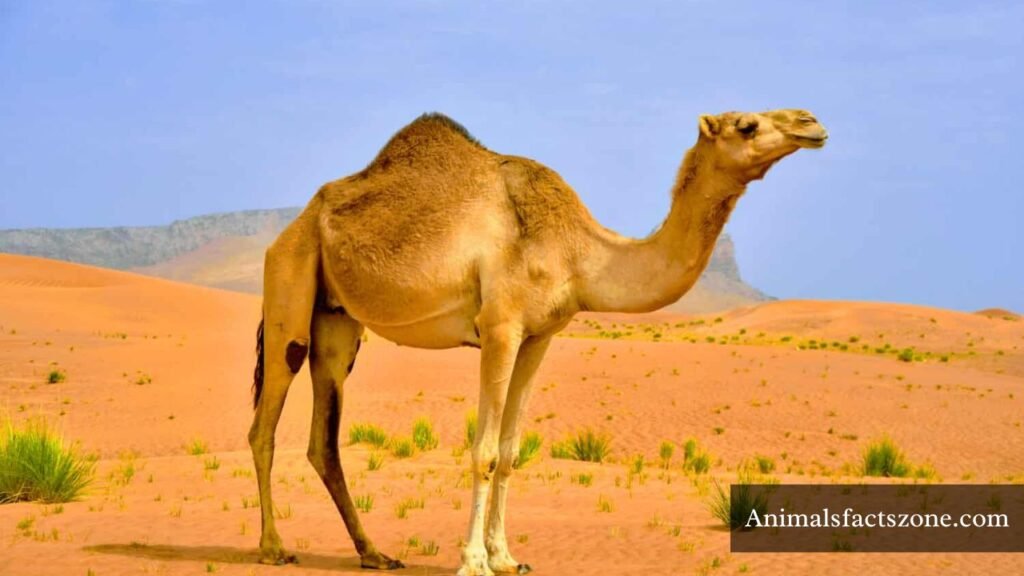
Interestingly, the camel’s skin is also a vital source of hydration, harnessing moisture from sweat that evaporates slowly, making it an ingenious survival mechanism in the desert. The toughness of camel hide has made it a prized material for various artisan crafts, including shoes, bags, and traditional tents, showcasing how nature’s designs find purpose in human culture. As we marvel at these magnificent animals, it’s essential to recognize the multifaceted role their thick skin plays — not just in survival, but also as a bridge connecting them to human creativity and tradition.
Readmore: Top 25 Scary Animals in The World.
Final Thoughts
The study of the thickest skin animals reveals the intricate ways in which these creatures have adapted to their habitats. With their robust layers, animals such as the armadillo and the elephant demonstrate the vital role that skin plays in defense and survival. Each of these species offers valuable lessons about resilience and adaptation in the face of environmental challenges. By raising awareness about their unique attributes, we can foster a greater respect for biodiversity and the ecosystems they inhabit. Let’s commit to preserving these remarkable animals and ensuring their continued existence on our planet.
FAQs
Which animal has the thickest skin?
The hippopotamus has the thickest skin of any land animal, averaging about 2 inches thick. This remarkable skin acts as a protective barrier against predators and environmental elements. Despite its thickness, hippo skin is surprisingly sensitive; it contains a lot of nerve endings, allowing them to feel even light touches.
What animal has the toughest skin?
Crocodiles have some of the toughest skin in the animal kingdom. Their armor-like scales, known as scutes, are made of a tough protein called keratin, which not only provides protection against predators but also acts as a barrier against environmental threats. This tough exterior allows them to thrive in their aquatic habitats without easily succumbing to injuries.
How thick is elephant skin?
Elephant skin is impressively thick, generally ranging from 1 to 2 inches in some areas. The skin serves as a protective barrier against environmental factors and predators. Interestingly, it’s not just thick; it’s also very sensitive, packed with nerve endings.