Top 25 Scary Animals in The World (With Pictures)
In this article, we’ll delve into the Scary Animals in The World that often inspire fear or fascination. Understanding these animals not only fulfills our natural curiosity but also equips us with knowledge about respecting wildlife and staying safe. Prepare to uncover some of nature’s most intimidating inhabitants!
List of Scary Animals in The World
Below is the list of most scariest animals in the world:
- Aye-aye
- Goblin Shark
- Poison Dart Frog
- Japanese Spider Crab
- Solifugae
- Anglerfish
- Blue-Ringed Octopus
- Scorpion
- Shoebill
- Lion
- Fangtooth Fish
- Inland Taipan
- Tiger
- Saltwater Crocodile
- Vampire Squid
- Black Mamba
- Asian Giant Hornet
- Star-Nosed Mole
- Cape Buffalo
- Box Jellyfish
- Great White Shark
- Honey Badger
- Horseshoe Bat
- Potoo
- Cone Snail
Aye-aye
Scientific Name: Daubentonia madagascariensis
Class: Mammalia
Diet: Omnivore
The aye-aye, a nocturnal lemur native to Madagascar, has long been misunderstood and often maligned due to its eerie appearance and peculiar habits. With its extremely long middle finger, the aye-aye taps on tree trunks to locate grubs hidden beneath the bark, akin to a tiny, furry woodpecker. This method, known as percussive foraging, showcases a fascinating adaptation: while its looks may provoke fear, its unique hunting technique highlights nature’s ingenuity, demonstrating an intricate balance between survival and skill.
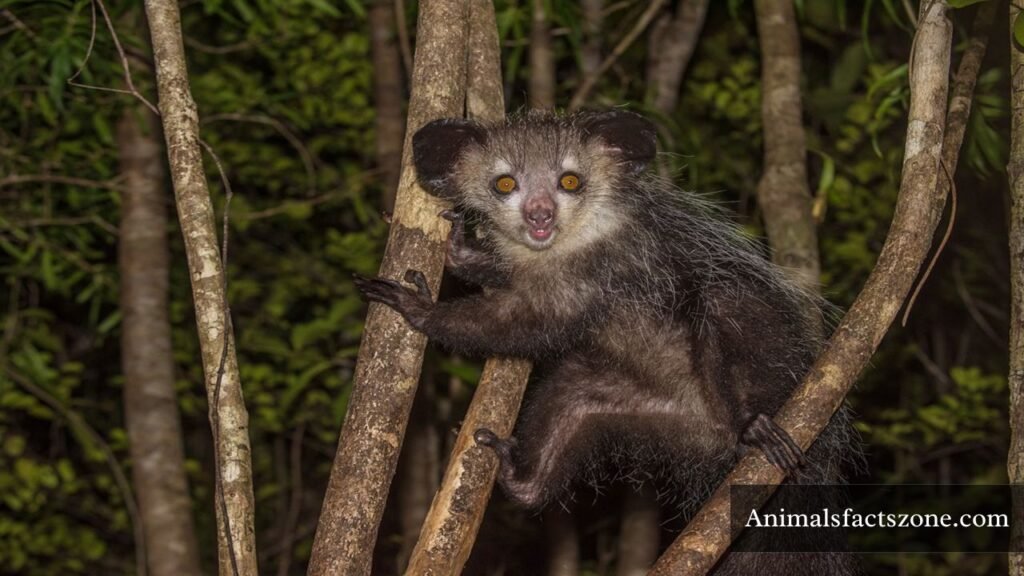
Beyond its unsettling physical traits, the aye-aye embodies a fascinating survival strategy in one of the world’s most unique ecosystems. As forests shrink and habitats dwindle, these remarkable creatures also highlight the intersection of conservation and myth. Instead of fearing the aye-aye, we can learn to appreciate its role in maintaining the ecological balance, urging us to reconsider our fears and biases toward nature’s oddities. In embracing the unusual, we open doors to deeper understanding, underscoring the importance of all creatures — no matter how scary they might appear at first glance.
Goblin Shark
Scientific Name: Mitsukurina owstoni
Class: Chondrichthyes
Diet: Carnivore
The goblin shark, often dubbed the “living fossil,” is a marvel of evolutionary quirks, embodying traits that could be straight out of a science fiction novel. With its elongated, flattened snout and protruding jaw, this elusive deep-sea dweller evokes both fascination and fear, appearing more like a creature from a nightmare than a typical shark. Found at depths of up to 4,300 feet, its rarity in the shallow waters means many are left oblivious to its existence, yet it harbors a macabre beauty reminiscent of ancient marine reptiles.
One of the most unsettling features of the goblin shark is its jaw, which can extend dramatically when hunting, revealing a mouth lined with sharp, needle-like teeth designed for snagging unsuspecting prey. This dynamic feeding mechanism is not merely intriguing; it underscores the bizarre adaptations some creatures have developed to survive in the murky depths. As trawlers occasionally haul these sharks to the surface, the ensuing awe and terror highlight our complex relationship with the ocean’s hidden inhabitants, reminding us of the mysteries lurking beneath the waves. Each sighting of the goblin shark serves as a chilling reminder that the depths of our oceans hold secrets more astonishing — and unsettling — than our wildest imaginations can grasp.
Poison Dart Frog
Scientific Name: Dendrobatidae
Class: Amphibia
Diet: Carnivore
The poison dart frog, with its vibrant hues of blue, yellow, and green, is a striking example of nature’s beauty intertwined with danger. Found primarily in the lush rainforests of Central and South America, these small amphibians possess a potent toxin that has fascinated scientists and indigenous tribes alike. Their skin secretes batrachotoxin, a substance so lethal that just a couple of micrograms can cause paralysis or even death. This remarkable defense mechanism not only keeps predators at bay but also raises intriguing questions about evolution and survival in the wild.
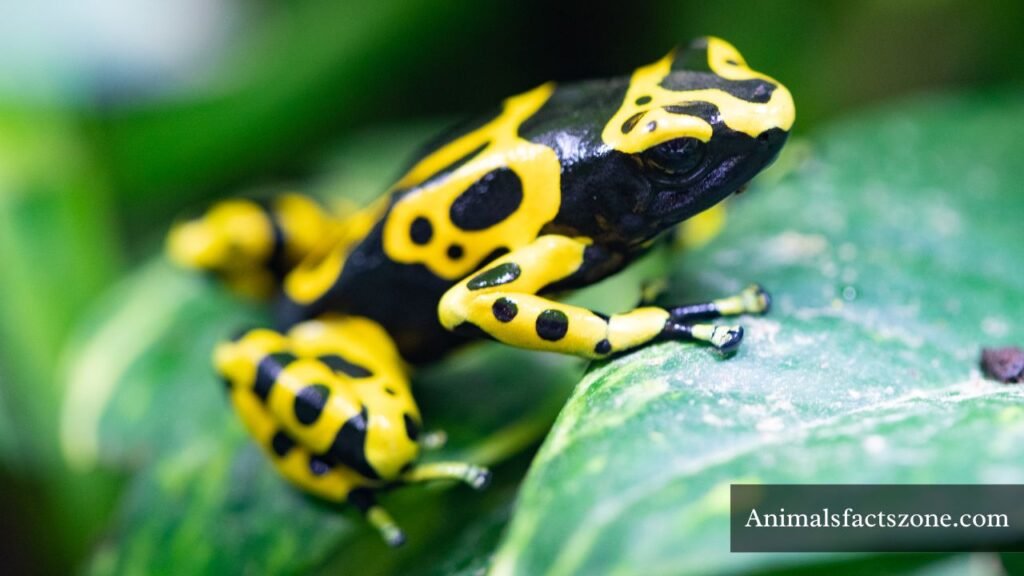
What’s equally fascinating is the role diet plays in the toxicity of these frogs. Poison dart frogs obtain their lethal chemicals from consuming certain ants and insects, making them non-toxic in captivity where their natural diet is absent. This underscores a profound connection between an organism and its environment, illustrating how the delicate balance of an ecosystem can shape even the most seemingly innocuous creatures. As we ponder the implications of losing such extraordinary species due to habitat destruction, it’s a poignant reminder of the hidden marvels lurking in nature, often bearing both beauty and a stark warning.
Readmore: Explore Top 12 Animals With Shells.
Japanese Spider Crab
Scientific Name: Macrocheira kaempferi
Class: Malacostraca
Diet: Omnivore
The Japanese Spider Crab, with its long, spindly legs stretching up to 12 feet from tip to tip, certainly gives a frightful impression. Yet, despite its daunting appearance, this ocean inhabitant embodies a fascinating blend of strength and vulnerability. Found in the deep, chilly waters off the coast of Japan, it thrives in an environment that reflects both beauty and danger, prowling through an underwater realm teeming with predators and prey alike.
What truly sets the Japanese Spider Crab apart is not just its size but its remarkable lifespan. Living up to 100 years, these giants symbolize adaptability in the face of environmental shifts. Their massive exoskeletons serve as both armor and a canvas for the barnacles and algae that cling to them, illustrating a coexistence that mirrors the delicate balance of marine life. While some might shy away at the sight of its spindly limbs, there’s an allure to understanding how these creatures navigate their world — a testament to the untamed beauty found beneath the waves.
Solifugae
Class: Arachnida
Diet: Carnivore
Scary in appearance yet fascinatingly unique, solifugae, often referred to as camel spiders, inhabit some of the most arid regions of the world. With their long legs and formidable jaws, these critters can strike fear into the hearts of anyone who encounters them. However, their reputation often overshadows remarkable features. For one, solifugae possess exceptional speed, capable of darting across sandy terrain at a dizzying pace, making them effective predators. Contrary to popular belief, they are not venomous but utilize their powerful chelicerae to subdue prey such as insects and small vertebrates.
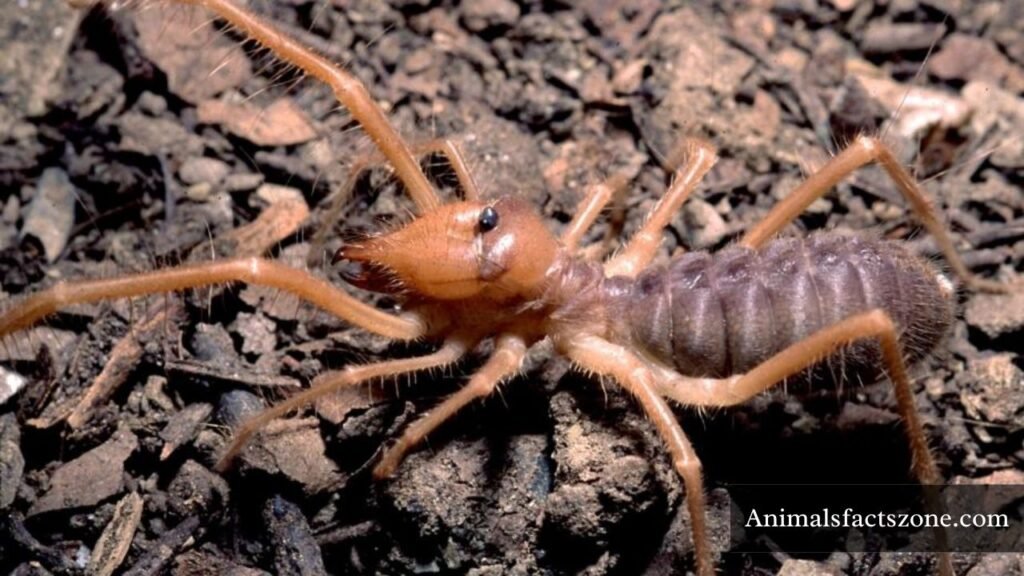
Moreover, solifugae exhibit intriguing behaviors that set them apart in the arachnid family. They are nocturnal hunters, venturing out under the cover of darkness to avoid the brutal heat of the day. This adaptation not only enhances their hunting prowess but also demonstrates a remarkable evolutionary strategy for survival in the harsh environments they call home.
Anglerfish
Scientific Name: Lophiiformes
Class: Actinopterygii
Diet: Carnivore
The anglerfish is a master of disguise in the dark depths of the ocean, boasting a lure that dangles from its head like a glowing beacon. This bioluminescent appendage not only captures the attention of unsuspecting prey but also serves as a chilling reminder of nature’s ingenuity. With its grotesquely large mouth lined with sharp teeth, the anglerfish embodies the paradox of beauty and terror, proving that some of the ocean’s most captivating features can also be the most dangerous.
Deep-sea adaptations have transformed the anglerfish into an eerie spectacle of survival. Some species exhibit sexual dimorphism so extreme that females can be up to 20 times larger than males, who are often just parasites clinging to their partners. This symbiotic relationship highlights not only the bizarre reproductive strategies of the anglerfish but also the often-overlooked complexities of marine life. Living in an environment where light is a rarity, the anglerfish perfectly illustrates the lengths to which creatures will go to thrive in a world that seems as alien as outer space.
Blue-Ringed Octopus
Scientific Name: Hapalochlaena
Class: Cephalopoda
Diet: Carnivore
The Blue-Ringed Octopus is a marvel of the ocean, both beautiful and deadly. Its striking blue rings, which pulse vibrantly when threatened, are nature’s warning sign, yet many people are drawn to its fascinating appearance. This tiny cephalopod, usually no larger than a golf ball, packs enough venom to paralyze and potentially kill a human, making it one of the most dangerous creatures in the sea. However, their venom is not just a tool for defense; it serves as a sophisticated method of immobilizing prey, such as small crabs and shrimp, ensuring they can feast without difficulty.
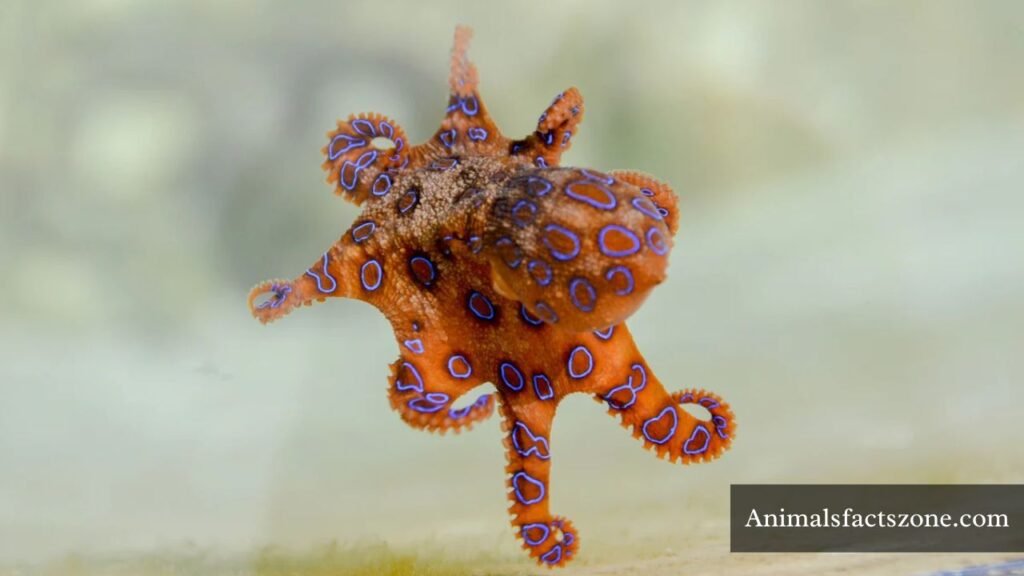
Interestingly, the Blue-Ringed Octopus is often seen as a harbinger of its own demise. With a small population and habitat loss due to coral reef destruction, their future hangs in the balance. Yet they thrive in the shallow waters of both the Pacific and Indian Oceans, often camouflaging themselves among tidal pools and rocky crevices. Engaging with the Blue-Ringed Octopus offers an unusual perspective on the balance of beauty and danger in nature, urging us to appreciate its role in the ecosystem while understanding the respect and caution it demands from those who encounter it.
You can also read: Explore Top 17 Thickest Skin Animals In The World.
Scorpion
Scientific Name: Scorpiones
Class: Arachnida
Diet: Carnivore
The scorpion, often dismissed as mere creepy crawlies, embodies a fascinating blend of ancient mystique and survival prowess. With over 2,500 species worldwide, these arachnids have thrived for more than 400 million years, showcasing their remarkable adaptability. Their eerie glow under ultraviolet light, due to a unique substance in their exoskeleton, adds a layer of intrigue, hinting at evolutionary secrets yet to be fully unraveled.
Beyond their spine-chilling appearance, scorpions have an indispensable role in the ecosystem. As voracious predators, they help maintain the balance in their environments by controlling populations of insects and pests. Their venom, ranging from therapeutic to lethal, is a treasure trove for scientific exploration; researchers are delving into potential medical applications, from pain relief to cancer treatments.
Shoebill
Scientific Name: Balaeniceps rex
Class: Aves
Diet: Carnivore
The shoebill, with its formidable beak and piercing gaze, often evokes fear rather than fascination. Found in the swamps of East Africa, this prehistoric-looking bird can grow over four feet tall, reminiscent of a living dinosaur. Its massive bill, shaped like a shoe, not only serves as a striking feature but also plays a crucial role in its hunting prowess, allowing it to capture prey far larger than itself, including fish and even small reptiles. Observers often liken its intense stare to a guardian of marshes, silently surveying its territory with an air of authority.
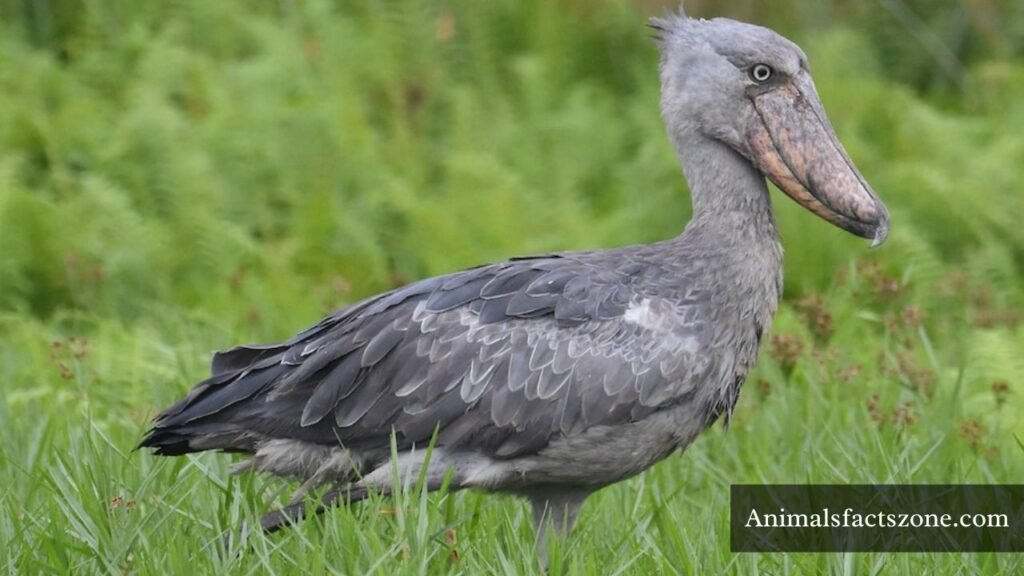
Yet, despite its scary appearance, the shoebill embodies a delicate balance of power and grace. Its hunting technique is nearly hypnotic — standing motionless for long periods, it quietly melds into its surroundings before launching a swift strike. This blend of patience and ferocity makes it a master of survival in a rapidly changing ecosystem. Moreover, conservationists rally around the shoebill as a symbol of the fragile wetlands it inhabits; protecting this impressive bird is just as much about preserving its intricate habitat. So, while the shoebill may send chills down the spine with its imposing presence, it also serves as a crucial reminder of nature’s complexity and the efforts needed to protect the diverse forms of life that share our planet.
Lion
Scientific Name: Panthera leo
Class: Mammalia
Diet: Carnivore
The lion, often called the “king of the jungle,” is a creature that embodies both majesty and menace. While most envision these big cats lounging on sunlit savannas, their sheer power and social structure are what truly set them apart. A pride of lions isn’t just a family unit; it’s an intricate social network where cooperation reigns supreme. The alpha males, with their impressive manes, symbolize strength, yet it’s the lionesses that do the majority of the hunting, showcasing a dynamic where beauty meets raw survival instinct.
But beyond their social prowess lies a darker reality. Lions can be both majestic and terrifying, delivering a chilling reminder of nature’s primal forces. Their roar, capable of resonating for miles, isn’t just a proclamation of territory; it sends shivers down the spine of anyone who hears it, echoing through the wilderness as a stark symbol of power.
Fangtooth Fish
Scientific Name: Anoplogaster cornuta
Class: Actinopterygii
Diet: Carnivore
The fangtooth fish, a creature straight out of a deep-sea horror movie, boasts an appearance that’s both fascinating and terrifying. With its enormous teeth — often longer than its body — this abyssal dweller can truly frighten even the most seasoned ocean explorers. Found at depths of around 5,000 feet, it adapts to extreme conditions with a surprisingly robust physiology, showcasing nature’s creativity in crafting resilience. Its large mouth, filled with razor-sharp fangs, allows it to snare prey efficiently, highlighting its role as an apex predator in one of Earth’s least explored ecosystems.
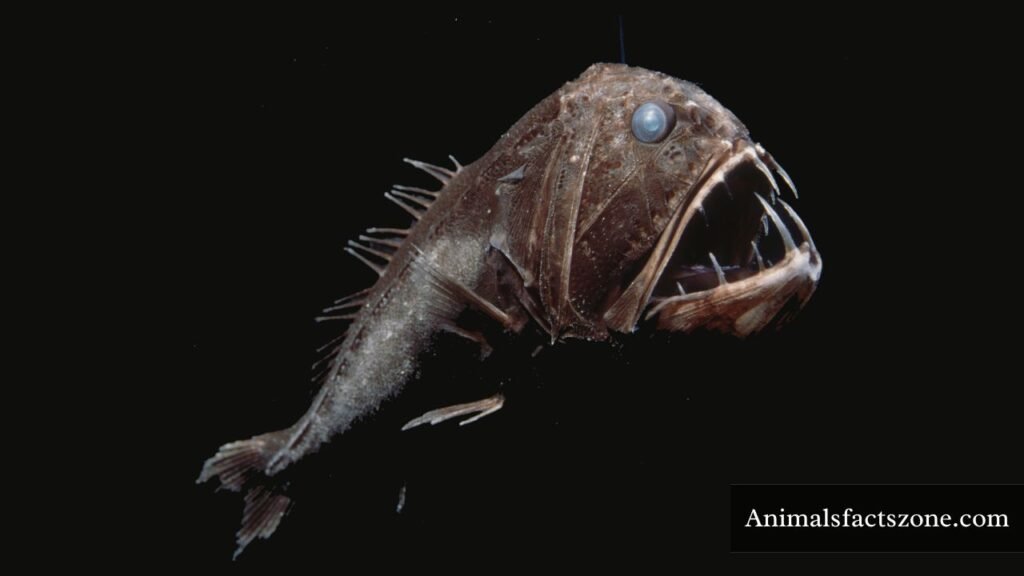
What makes the fangtooth fish even more intriguing is its paradoxical nature; despite its fearsome look, it’s relatively small, averaging only about six inches in length. It feeds primarily on shrimp and small fish, demonstrating a remarkable adaptability to its nutrient-sparse environment. Interestingly, the fangtooth’s bioluminescent properties may serve as a dazzling lure in the stygian dark, tricking unsuspecting prey into its gaping maw. This juxtaposition of beauty and terror encapsulates the complex dynamics of ocean life, reminding us that sometimes the scariest faces conceal the most fascinating survival strategies.
Readmore: Explore Top 25 Birds With Long Legs.
Inland Taipan
Scientific Name: Oxyuranus microlepidotus
Class: Reptilia
Diet: Carnivore
The Inland Taipan, often dubbed the world’s most venomous snake, is both a marvel of nature and a source of primal fear. Native to the arid regions of Australia, this elusive creature possesses venom so potent that just a single bite could kill over 100 adult humans. Yet, despite its lethal arsenal, the Inland Taipan is notoriously shy, preferring to avoid human contact. This remarkable survival strategy raises intriguing questions about the balance of fear and caution in the animal kingdom.
Beyond its venom, the Inland Taipan’s unique adaptations tell a compelling story of resilience. Its coloration — a stunning mix of olive and brown — provides perfect camouflage against the arid landscapes, allowing it to ambush prey effectively. The snake’s diet mostly consists of small mammals, making it a crucial player in its ecosystem.
Tiger
Scientific Name: Panthera tigris
Class: Mammalia
Diet: Carnivore
Tigers, often revered as symbols of power and grace, embody a mix of beauty and fear that captivates the imagination. With their striking orange coats and distinctive black stripes, these apex predators are masters of camouflage, blending seamlessly into the dense forests and grasslands they inhabit. This ability not only makes them fearsome hunters but also positions them as crucial players in their ecosystems, controlling prey populations and maintaining the balance of the habitats they dominate.
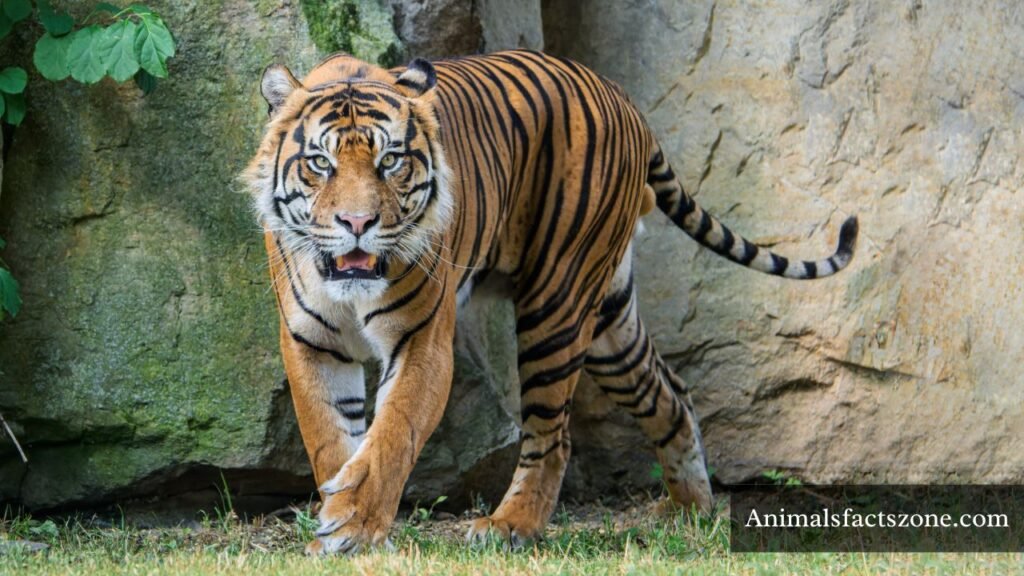
Yet, the true terror of tigers lies not just in their physical prowess but in their intelligence and adaptability. They employ a range of hunting techniques — like stalking and ambushing — that showcase their strategic thinking. Fascinatingly, their social behavior adds another layer to their mystique; though largely solitary, tigers can display remarkable tenderness when raising their young, emphasizing the complexity of their nature.
Saltwater Crocodile
Scientific Name: Crocodylus porosus
Class: Reptilia
Diet: Carnivore
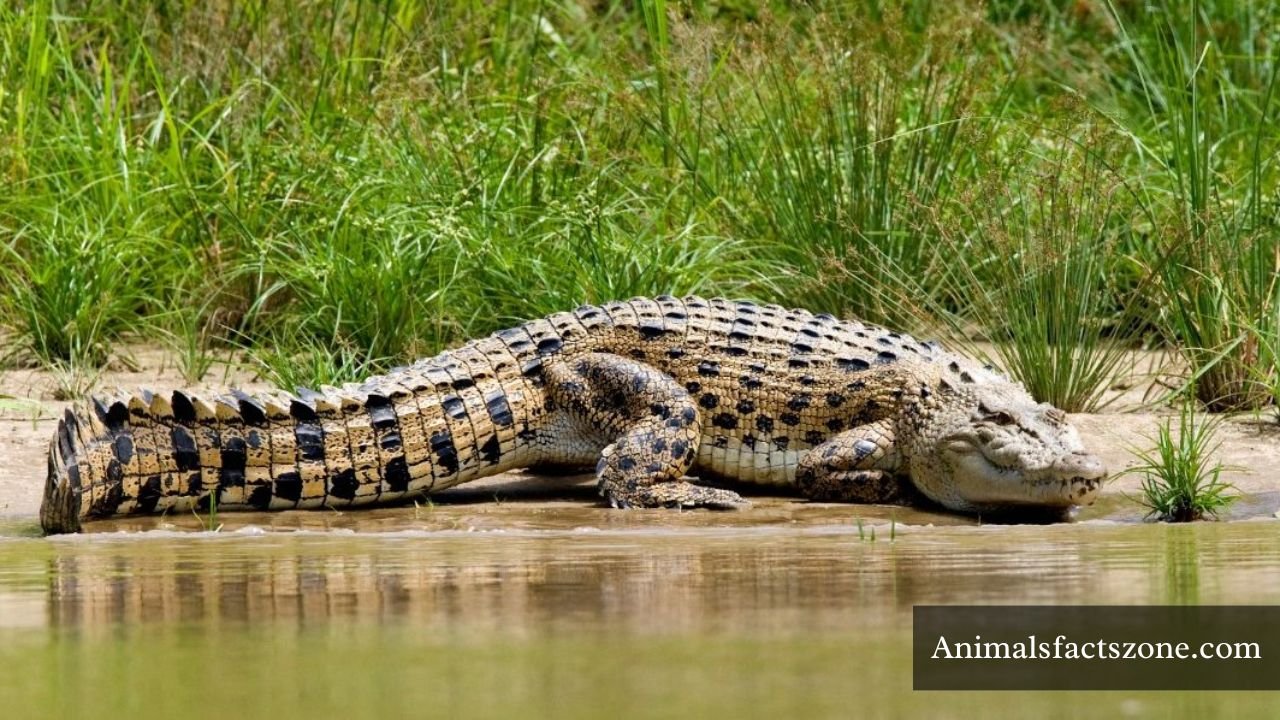
The saltwater crocodile, often dubbed the “salties,” embodies a primal power that has long fascinated and terrified those who share its habitat. Reaching lengths of up to 23 feet and weighing over a ton, this apex predator reigns supreme in both land and water. Their incredible adaptability allows them to thrive in diverse environments, from murky estuaries to remote islands, showcasing a cunning intelligence that often catches observers off guard.
What sets the saltwater crocodile apart not just as a fearsome hunter, but as a creature of evolutionary marvel, is its remarkable ability to quietly stalk its prey. With eyes and nostrils positioned on the top of their heads, they can remain mostly submerged while keeping a watchful gaze on the surrounding world. This camouflaged approach allows for a dramatic ambush, often leaving those nearby blissfully unaware of the deadly force lurking just below the surface. Understanding these fascinating traits helps us appreciate the delicate balance of ecosystems where these magnificent creatures reign, reminding us of the thin line between respect and fear that defines our relationship with the wild.
Vampire Squid
Scientific Name: Vampyroteuthis infernalis
Class: Cephalopoda
Diet: Detritivore
The vampire squid, a fascinating denizen of the deep, evokes both fear and intrigue with its otherworldly appearance and unique adaptations. Contrary to its name, this enigmatic creature isn’t a fearsome predator; rather, it’s a master of survival in the dark depths of the ocean. Sporting bioluminescent capabilities, the vampire squid can emit a soft blue glow, potentially to dazzle potential threats or lure in prey within the eternal twilight of the abyss.
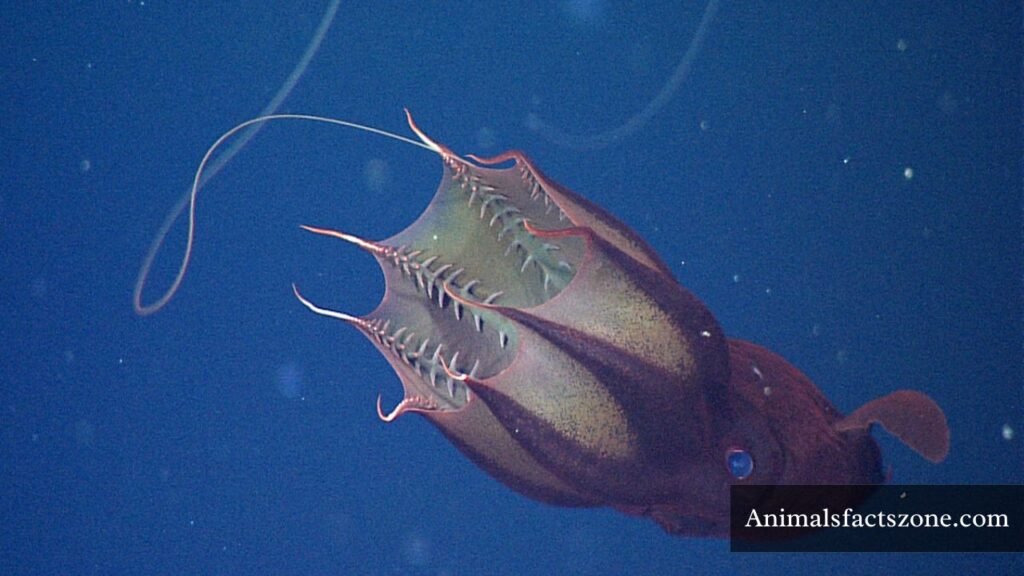
What truly sets the vampire squid apart is its remarkable diet — feeding primarily on marine detritus rather than live prey. This strategy allows it to thrive in a nutrient-sparse environment where traditional hunters might struggle. Its large, red eyes, adapted for low light, provide it with exceptional night vision, giving it a predatory edge even in the submerged shadows. Furthermore, with its cloak-like webbing connecting its arms, the vampire squid can create an almost ghostly appearance, blurring the line between myth and reality.
You can also read: Explore Top 17 Animals With Bushy Tails.
Black Mamba
Scientific Name: Dendroaspis polylepis
Class: Reptilia
Diet: Carnivore
The black mamba, infamous for its lethal bite and extraordinary agility, is often shrouded in an aura of fear. What many don’t realize is that these snakes are not only fast, reaching speeds of up to 12 miles per hour, but they are also deeply misunderstood. While they possess a potent venom containing neurotoxins that can lead to fatality in under an hour, their behavior leans more toward evasion than aggression. In fact, black mambas would much rather slither away than confront a human, making them more fascinating than fearsome.
Living primarily in the savannas and woodlands of sub-Saharan Africa, these serpents exhibit remarkable adaptability, thriving in a variety of habitats. Their striking appearance — with a light brown or olive-green body contrasted by a dark, almost black interior mouth — gracefully complements their reputation. But their temperament often reflects a unique blend of intelligence and caution; studies have shown that they exhibit problem-solving skills when navigating their environments.
Asian Giant Hornet
Scientific Name: Vespa mandarinia
Class: Insecta
Diet: Carnivore
The Asian Giant Hornet, often dubbed the “murder hornet,” strikes fear not only because of its formidable size but also due to its venomous sting, which can cause severe pain and even fatal allergic reactions in a small number of people. What’s more unsettling is how these hornets behave in nature; they’re not just attacking individuals, but they’re also formidable predators of honeybee colonies. A single hornet can obliterate an entire hive in just a few hours, utilizing a coordinated attack strategy that showcases a frighteningly efficient military-like precision.
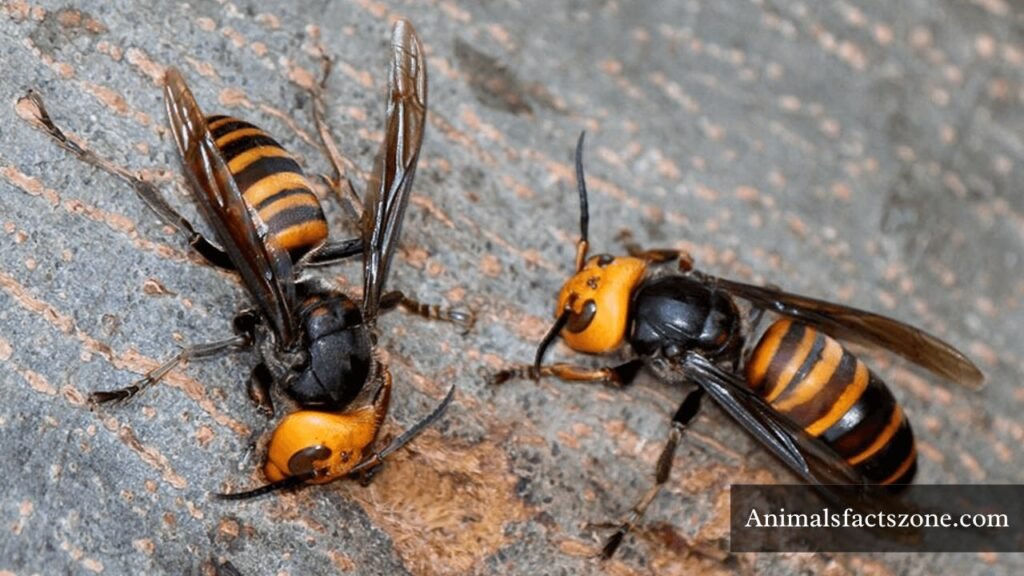
Their presence in ecosystems can tilt the balance, threatening local bee populations crucial for pollination. The plight of these bees goes beyond just honey enthusiasts; it’s a chilling reminder of the interconnectedness of our environment. As these hornets expand their territory, their impact on agriculture and biodiversity raises concerns. So, while we might be tempted to view them through a lens of fear, it’s essential to recognize their role in the ecosystem. Understanding the complexities of the Asian Giant Hornet can shift our perspective from mere horror to awareness and responsibility in preserving nature’s delicate balance.
Star-Nosed Mole
Scientific Name: Condylura cristata
Class: Mammalia
Diet: Carnivore
Imagine venturing underground, where darkness reigns and bizarre creatures lurk. Among them is the star-nosed mole, a peculiar marvel that could easily inspire a creature from a chilling tale. With its distinctive, fleshy appendages resembling a starburst, this unique mammal has evolved to thrive in its damp, subterranean domain. Its highly sensitive star-shaped nose is packed with over 25,000 touch receptors, allowing it to detect vibrations and locate prey in the dirt with astonishing precision.
What truly sets the star-nosed mole apart isn’t just its eerie appearance; it’s how it navigates the world. In mere milliseconds, it can eat a meal, devouring insects and worms with a speed that is both shocking and mesmerizing. This rapid feeding style translates to an extraordinary life, where every second counts in the race for survival.
Cape Buffalo
Scientific Name: Syncerus caffer
Class: Mammalia
Diet: Herbivore
The Cape buffalo, often regarded as one of Africa’s most dangerous animals, possesses a fascinating blend of elegance and intimidation. Standing robust and sturdy, these formidable creatures can weigh up to 2,000 pounds and have an impressive set of curved horns that can span nearly four feet across. What makes the Cape buffalo particularly unnerving isn’t just its size but its unpredictable nature. Unlike many other large herbivores, this animal’s defensive instincts are powerful and unyielding; a wounded buffalo can be more dangerous than a healthy one, making it a foe not to be trifled with.
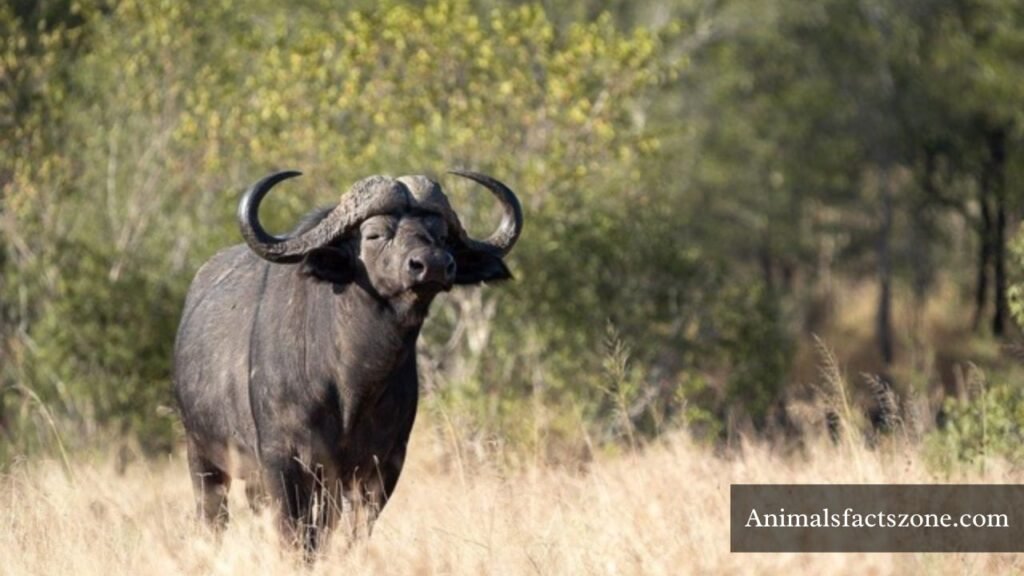
Yet, there’s an intriguing layer to the Cape buffalo’s story. They are remarkably social animals, forming intricate herds that exhibit strong bonds and cooperation. Each herd operates almost like a protective family unit; when threatened, adult members work together to defend the young and weak. This blend of communal strength and fierce individual aggression paints a complex picture of survival in the wild.
Also read: Explore Top 15 Birds With Long Necks.
Box Jellyfish
Class: Cubozoa
Diet: Carnivore
The box jellyfish, with its ethereal, translucent body drifting through warm coastal waters, is as mesmerizing as it is terrifying. Found primarily in the waters around Australia, Southeast Asia, and the Caribbean, this creature’s beauty belies its lethal capabilities. Its tentacles, adorned with thousands of nematocysts, release venom that can cause excruciating pain, cardiac arrest, and even death within minutes. This isn’t just a deathly sting; it’s a survival mechanism finely tuned by evolution, developed to immobilize prey and deter potential predators.
What’s particularly intriguing about the box jellyfish is its unique vision system. Unlike other jellyfish, which are largely blind, box jellyfish possess a primitive set of eyes that can detect light and motion. This adaptation allows them to navigate through their ocean habitat more effectively, avoiding predators and seeking out warm, shallow waters where they can thrive.
Great White Shark
Scientific Name: Carcharodon carcharias
Class: Chondrichthyes
Diet: Carnivore
The Great White Shark, often synonymous with terror, is a creature that embodies the ocean’s raw power and mystery. These magnificent predators can grow up to 20 feet long, with rows of serrated teeth designed for executing swift, powerful strikes. Yet, despite their fearsome reputation, they play a crucial role in maintaining the balance of marine ecosystems. Their predation helps manage populations of seals and other marine mammals, which in turn supports diverse ocean life.
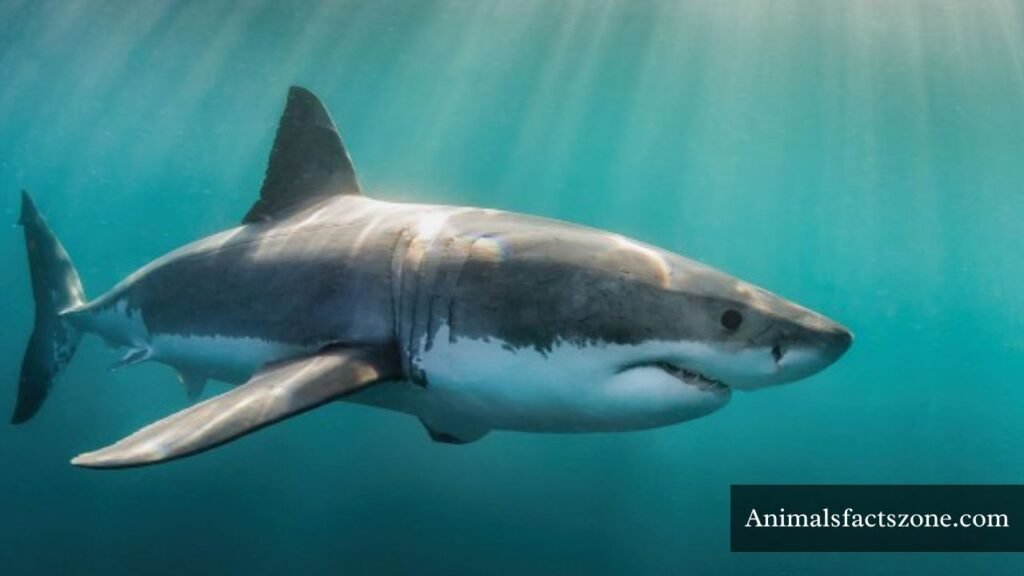
Recent studies reveal that Great Whites possess an intricate social structure, often gathering in groups to hunt or migrate. This complexity challenges the stereotype of them as solitary killers; rather, they exhibit behaviors resembling those of pack hunters. They are highly intelligent, utilizing advanced sensory systems to detect even the faintest vibrations or smells in the water. Understanding these nuances not only sheds light on their ecological significance but invokes a sense of respect for an animal often shrouded in fear. When we change our narrative about these apex predators, we open the door to greater conservation efforts, ensuring their survival amid growing threats from human activity.
Honey Badger
Scientific Name: Mellivora capensis
Class: Mammalia
Diet: Omnivore
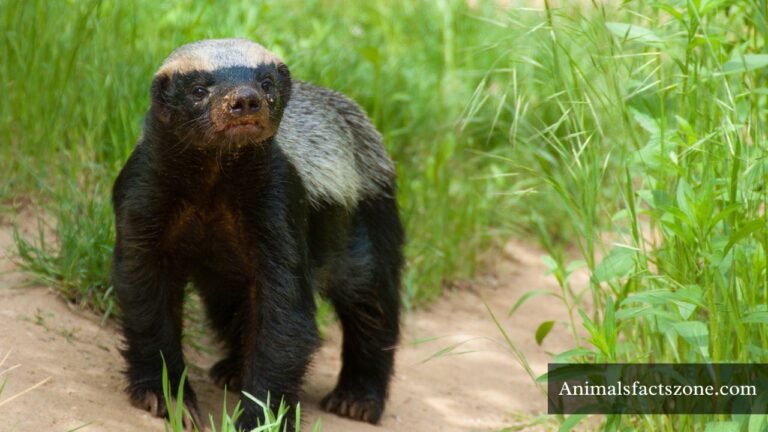
The honey badger, a seemingly unassuming creature, defies conventional wisdom about wildlife. Despite its modest size, this tenacious little mammal is renowned for its incredible bravery and fearlessness. With skin so thick that even bee stings can’t penetrate, it embodies the spirit of resilience. One of its most fascinating traits is its ability to confront much larger predators, including lions and hyenas, without a hint of hesitation. This audacity has earned it the nickname “the world’s most fearless animal.”
In addition to its courage, the honey badger boasts an impressive intellect, utilizing tools to access honey and other food sources. Observations have shown it strategizing against threats, showcasing acute problem-solving skills often attributed to larger animals. Beyond its tenacity, the honey badger plays a vital ecological role, controlling populations of pests and even functioning as a natural pest controller. Its quirky behavior, from rolling around to shake off irritation to its surprising affinity for snakes, offers a stunning reminder that even the smallest creatures can hold their ground in nature’s hierarchy.
You can also read: Explore Top 14 Birds That Eat Fish.
Horseshoe Bat
Scientific Name: Rhinolophidae
Class: Mammalia
Diet: Insectivore
The horseshoe bat, often cloaked in shadows, is a fascinating marvel of nature that challenges our perceptions of fearsome creatures. These small mammals, with their distinctive horseshoe-shaped noseleafs, utilize echolocation to navigate and hunt in complete darkness, making them masters of the night. While their appearance may not evoke terror like a lion’s roar, the horseshoe bat carries with it a mystique that captivates biologists and nature enthusiasts alike. Their unique echolocation abilities allow them to detect insects with astounding precision, showcasing an evolutionary adaptation that seems almost supernatural.
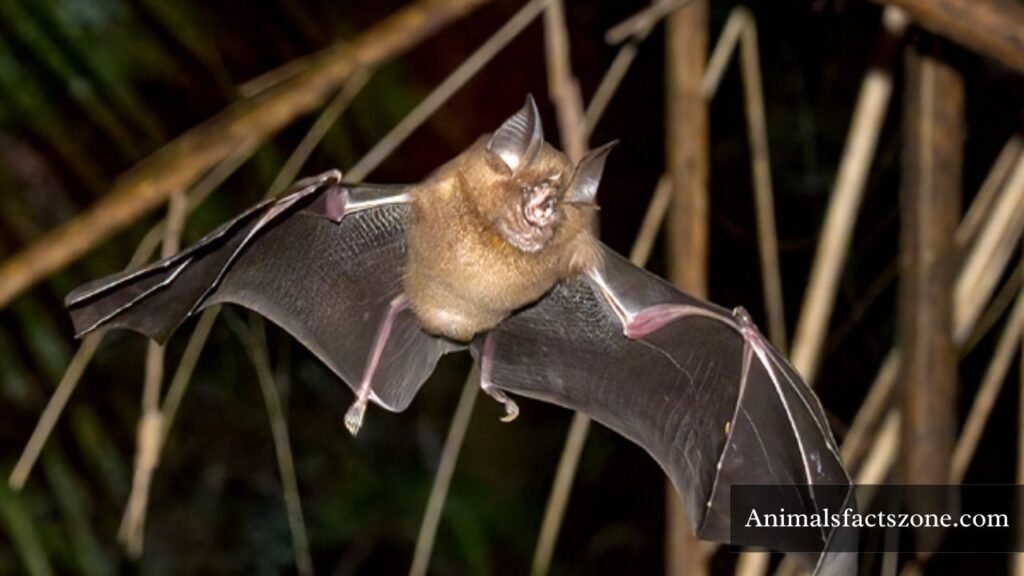
Yet, what truly adds to their eerie appeal is their role in the ecosystem. Horseshoe bats are vital pollinators and pest controllers, maintaining the delicate balance within their habitats. However, their intrinsic connection to diseases, such as the infamous Ebola virus, often stirs unease in the hearts of many. This duality — being both a vital ecological component and a vector for potential health risks — creates a complex narrative that invites curiosity and caution.
Potoo
Scientific Name: Nyctibius
Class: Aves
Diet: Carnivore
In the twilight hush of the rainforest, the potoo emerges as a master of camouflage, blending seamlessly with its surroundings. Its eerie, owl-like eyes peer out from tree branches, giving it a haunting presence that can send shivers down the spine of even the most seasoned explorers. These nocturnal birds can freeze in place for hours, imitating a dead branch, which not only confuses predators but also captivates anyone lucky enough to spot one.
What truly sets the potoo apart, however, is its vocalization. Its haunting calls echo through the dense foliage, resembling a ghostly wail, adding to the mystique of the darkening woods. And while its appearance may evoke fear — broad, flat bills and a disheveled plumage — this peculiar bird is more than just its uncanny aesthetics. Incredibly, potoos play a vital role in controlling insect populations in their habitats. So, while they may seem like the stuff of nightmares, these enigmatic creatures are a crucial part of the ecosystem’s balance, revealing that sometimes, even the scariest animals have their place in nature’s intricate tapestry.
Cone Snail
Scientific Name: Conus
Class: Gastropoda
Diet: Carnivore
Tucked away in the vibrant reefs and sandy shores of tropical waters, the cone snail may appear innocuous with its beautifully patterned shell. However, beneath its unassuming exterior lies one of nature’s most potent venoms. Each species can deliver a cocktail of neurotoxins potent enough to incapacitate prey within moments. The venom’s complexity is not just a weapon; scientists are studying it for potential medical breakthroughs, including pain relief and neurological treatments, highlighting the cone snail as a marvel of both danger and promise.
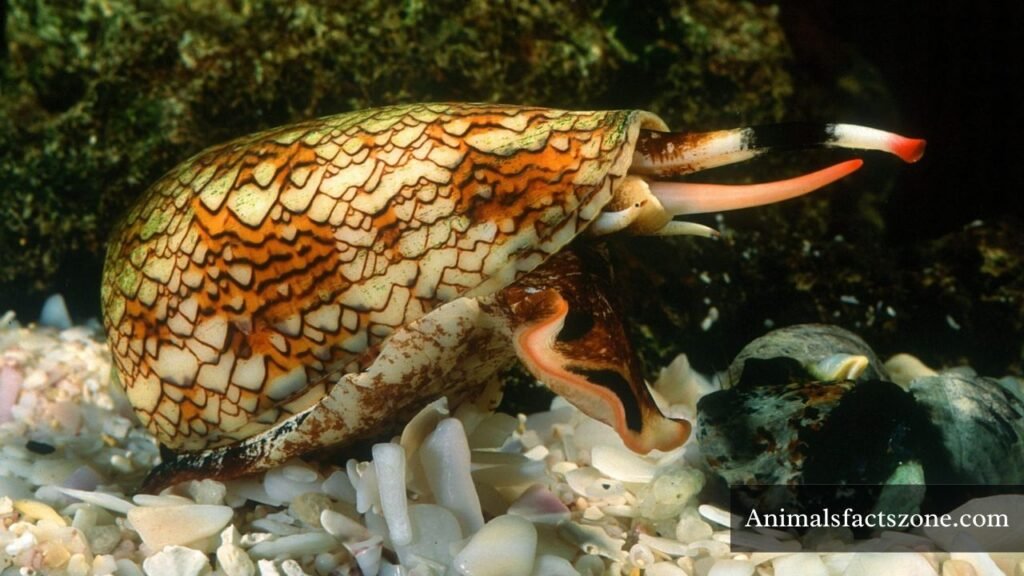
As if its hunting strategy weren’t enough to intrigue, the cone snail employs a unique method of capturing its dinner: it uses a specialized harpoon-like tooth to inject venom. This ambush predation style showcases an evolutionary adaptation that is both elegant and terrifying. Imagine a creature that, with a simple flick of its appendage, transforms from a still, camouflaged hunter to an efficient executioner. The cone snail not only challenges our perceptions of danger hidden in beauty but also pushes us to appreciate the delicate balance of ecosystems that contain such extraordinary life forms.
Readmore: Explore Top 20 Scavenger Birds in The World.
Final Thoughts
The world of scary animals serves as a reminder of the raw power and mystery that exists in the animal kingdom. Each of these creatures showcases remarkable adaptations that have allowed them to survive in challenging environments. While they may induce fear, educating ourselves about them can transform dread into respect and curiosity. Embracing this knowledge empowers us to coexist more harmoniously with our planet’s inhabitants. Let’s commit to learning more about these incredible beings and advocate for their conservation, ensuring a healthy ecosystem for future generations.
FAQs
What is the scariest animal in the world?
The box jellyfish is often considered one of the scariest animals in the world. Found primarily in the warm coastal waters of the Pacific and Indian Oceans, it possesses a lethal sting that can be fatal to humans. Its tentacles contain thousands of tiny, venomous cells that can instantaneously incapacitate prey and even cause severe pain or death in swimmers.
What animal is scary but harmless?
Vultures might seem scary at first with their bald heads and intimidating presence, but they are actually quite harmless. These scavengers play a crucial role in the ecosystem by cleaning up dead animals, helping to prevent the spread of disease.