Top 13 Small Animals With Big Eyes (With Images)
Small animals with big eyes are not just adorable; they play essential roles in our ecosystems and offer fascinating insights into nature’s designs. In this article, we’ll explore various species, uncover their unique adaptations, and discuss why these big-eyed wonders capture our hearts and minds. By the end, you’ll not only appreciate their charm but also understand their importance in the animal kingdom.
List of Small Animals With Big Eyes
Here is the list of small animals with big eyes:
- Galagos
- Dragonfly
- Slow Lorises
- Goldfish Telescope
- Tree Frogs
- Gecko
- Tarsiers
- Zebra Hind Spiders
- Chameleons
- Little Owls
- Sugar Glider
- Margay
- Japanese Dwarf Flying Squirrel
Galagos
Scientific Name: Galagidae
Class: Mammalia
Diet: Omnivore
Galagos, often charmingly referred to as bush babies, are small primates native to the forests and savannas of Africa. Their oversized eyes are a striking feature, enhancing their exceptional night vision — a critical adaptation for a nocturnal lifestyle. These large, round orbs are not just for show; they allow galagos to navigate through dense foliage with remarkable agility, making them agile jumpers that can leap over 6 meters from branch to branch. This impressive ability to traverse their environment in search of insects and fruits highlights their unique place in the ecosystem.
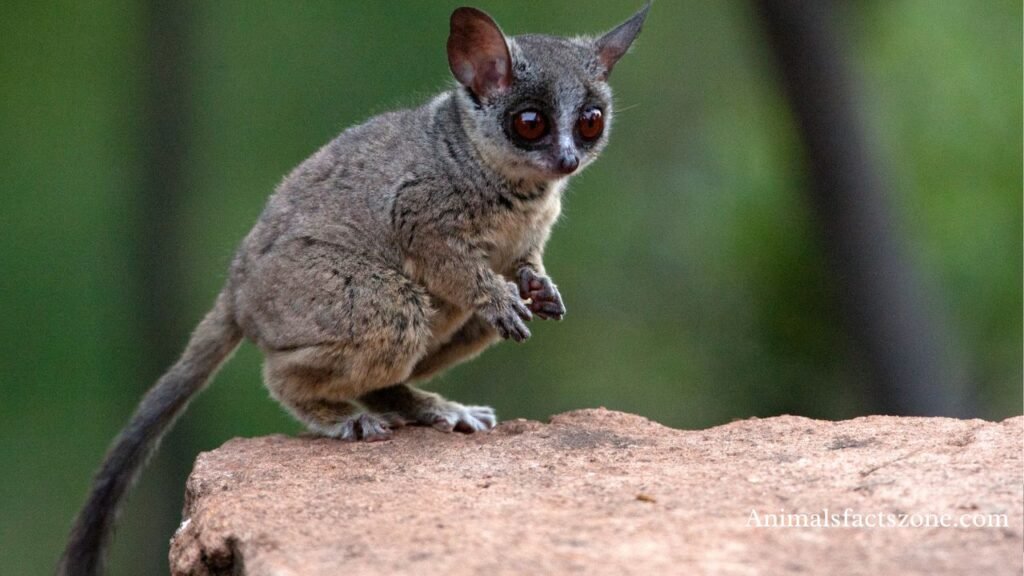
Beyond their physical attributes, galagos exhibit intriguing social behaviors. They communicate through a variety of vocalizations, ranging from soft calls to loud cries, each linked to specific social interactions or warnings. Their social structures are often matriarchal, with females playing a vital role in nurturing the young and maintaining group cohesion. This emphasizes a sophisticated social intelligence that is not often acknowledged in smaller mammals. By exploring the lives of galagos, one discovers not only the beauty of their physical forms but also the complexity of their behaviors, inviting a deeper appreciation for these small creatures with immense character.
Dragonfly
Scientific Name: Anisoptera
Class: Insecta
Diet: Carnivore
The dragonfly, a marvel of the insect world, boasts enormous, multifaceted eyes that are not only captivating but also serve a critical purpose. These eyes, composed of up to 30,000 individual lenses, allow dragonflies to have nearly a 360-degree field of vision. This unique anatomical design is a survival adaptation, enabling them to detect predators and potential prey with remarkable precision. Imagine a creature that can effortlessly spot a tiny insect from great distances while deftly maneuvering through the air — this is the dragonfly’s mesmerizing reality.
Beyond their impressive vision, dragonflies are often considered indicators of a healthy ecosystem. Their presence signifies clean water bodies, as they thrive in environments rich in biodiversity. Observing them flit gracefully over ponds or marshlands reveals a dynamic ballet of life interwoven with nature’s understated elegance. These small giants are apex predators of their aquatic larvae stage, playing a vital role in controlling mosquito populations, which underscores their contribution to human well-being. In the kaleidoscope of life, dragonflies remind us that the smallest creatures can wield significant influence, ultimately highlighting the delicate balance of our natural world.
Slow Lorises
Scientific Name: Nycticebus
Class: Mammalia
Diet: Omnivore
Slow lorises, with their enchanting big eyes and plush fur, inhabit the night, embodying a unique blend of cuteness and mystery. Found in the jungles of Southeast Asia, these adorable primates possess a remarkable adaptation: they can move stealthily through the treetops, making them both elusive and endearing. Their large eyes, designed for nocturnal vision, allow them to navigate the dark habitat, capturing the essence of a world that most creatures are too timid to explore after sunset.
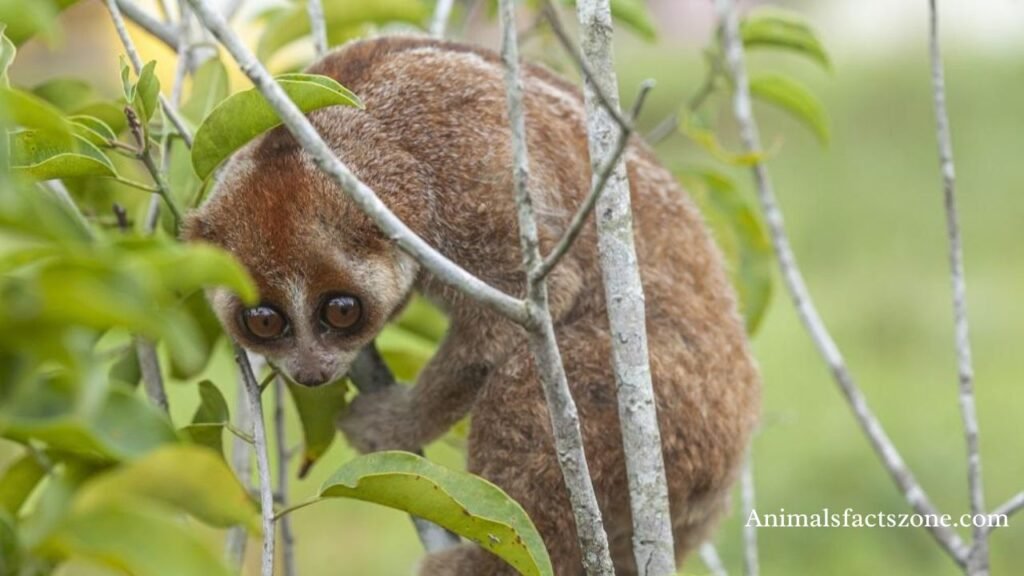
What truly sets slow lorises apart is their intriguing defense mechanism — one that surprises many. Unlike typical animals that flee, slow lorises secret a toxin from their elbows, mixing it into their bite. This natural adaptation not only protects them from predators but also adds a layer of complexity to their apparently gentle demeanor. When considering their plight, conservation efforts become crucial. Despite their irresistible charm, slow lorises face significant threats from habitat loss and illegal wildlife trade, challenging us to wonder: how can such captivating creatures remain safe in a world that often overlooks their vulnerability?
Readmore: Explore Top 17 Thickest Skin Animals In The World.
Goldfish Telescope
Scientific Name: Carassius auratus
Class: Actinopterygii
Diet: Omnivore
The Goldfish Telescope is a mesmerizing spectacle in the aquatic world, known for its striking bulging eyes that can captivate any onlooker. These unique physical traits aren’t just about aesthetics; they offer interesting insights into the adaptability and evolution of goldfish. Originally bred in China over a thousand years ago, these fish demonstrate how selective breeding can yield astonishing variations within a single species. Their prominent eyes not only enhance their visual acuity for spotting movement but also create an enchanting appearance that draws enthusiasts and casual observers alike.
Caring for Goldfish Telescope requires a nuanced approach due to their delicate structure. Unlike their more conventional fish counterparts, these goldfish can be vulnerable to various environmental factors, including water quality and tank mates. Observing them in a well-maintained aquarium reveals a startling fusion of grace and quirkiness as they navigate their watery realm; they seem to be constantly in search of hidden treasures among the pebbles and plants. By fostering a stable environment, enthusiasts can ensure these charming fish thrive and continue to delight observers with their wide-eyed wonder.
Tree Frogs
Scientific Name: Hylidae
Class: Amphibia
Diet: Carnivore
Tree frogs, with their vibrant colors and oversized eyes, are nature’s enchanting acrobats. These small amphibians, found in various habitats across the globe, offer a unique lens into the delicate balance of ecosystems. Their bulging eyes not only serve as a striking visual feature but also enhance their night vision, enabling them to navigate the complexities of their arboreal homes seamlessly. This adaptation plays a critical role in their survival, allowing them to evade predators while hunting smaller insects under the cloak of dusk.
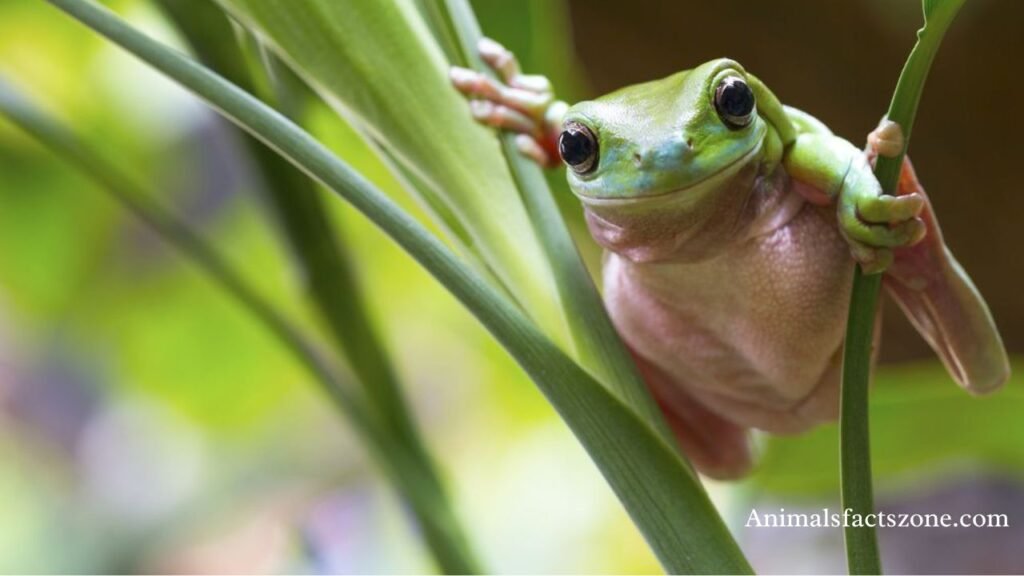
In addition to their remarkable eyesight, tree frogs exhibit fascinating behaviors that reveal their complex social lives. During mating seasons, males engage in a chorus of calls, transforming the nighttime landscape into a symphony. These vocalizations are not just for attraction; they also establish territory and foster communication among competing males. Interestingly, some species even display color changes during courtship, showcasing their adaptive capabilities not only as survival tactics but also as a form of expression in the animal kingdom. In a world where small creatures often go unnoticed, tree frogs invite us to appreciate the intricate artistry of nature.
You can also read: Explore Top 13 Most Agile Animals in the World.
Gecko
Scientific Name: Gekkonidae
Class: Reptilia
Diet: Carnivore
The gecko, a small reptile with disproportionately large eyes, embodies an enchanting blend of adaptability and charm. These captivating creatures possess a unique set of adaptations, with their striking eyes offering more than just aesthetic appeal. Known for their exceptional night vision, geckos utilize their large eyes to navigate the nocturnal landscape, showcasing a type of eyesight that rivals even some mammals. This keen vision allows them to detect the slightest movement, making them efficient hunters of insects, which is essential for their survival in diverse environments.
Beyond their biological prowess, geckos symbolize resilience and ingenuity within their ecosystems. Their large eyes are not merely for show; they play a pivotal role in their ability to thrive in harsh habitats, from arid deserts to lush rainforests. The agile gecko can also shed its tail to evade predators, demonstrating an extraordinary survival tactic that reflects its adaptability. By appreciating these small animals with big eyes, we gain insight into the intricate web of life they inhabit and the crucial roles they play in their environments. The next time you encounter a gecko, consider the remarkable adaptations that enable its survival and marvel at the beauty of its design.
Tarsiers
Scientific Name: Tarsiidae
Class: Mammalia
Diet: Carnivore
Tarsiers, the tiny primates endemic to Southeast Asia, possess eyes that seem almost disproportionately large compared to their petite bodies. This striking feature isn’t merely for aesthetic allure; their eyes, which can be bigger than their brains, are adapted for their nocturnal lifestyle, allowing them to detect even the faintest movements in the dark. This exceptional vision is crucial as they rely on a diet primarily composed of insects and small vertebrates, making them skilled night hunters.
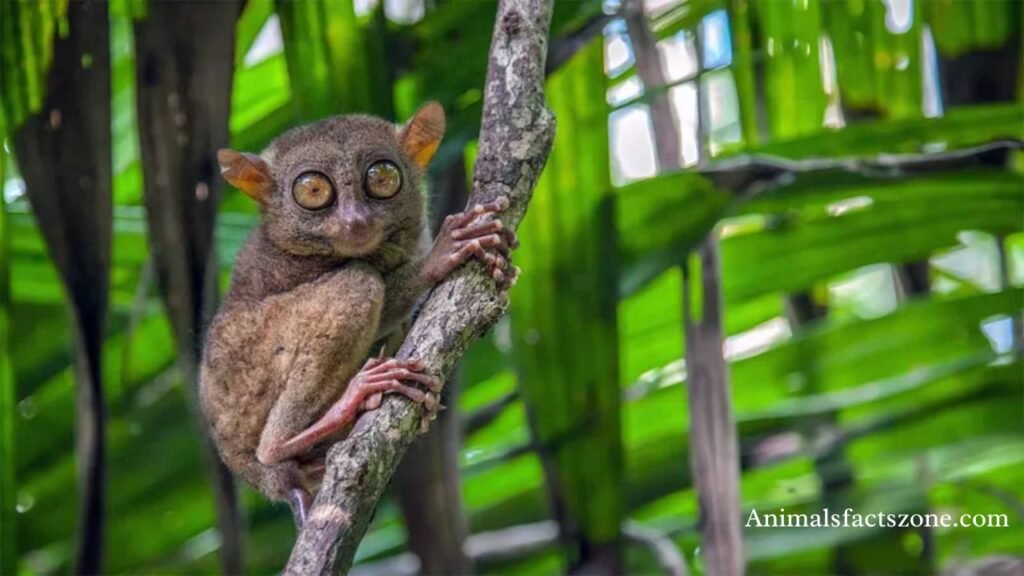
One remarkable aspect of tarsiers is their ability to rotate their heads nearly 180 degrees, compensating for their immobile eyes. This unique combination of large eyes and flexible necks creates an almost haunting appearance, evoking fascination in anyone fortunate enough to observe them in the wild. Beyond their enchanting looks, tarsiers demonstrate complex social behaviors, often engaging in vocalizations that strengthen their social bonds and communicate with one another in dense forests. In a world that often overlooks the hidden wonders of nature, these small animals remind us that greatness can come in unexpected packages.
Also read: Explore Top 19 Most Muscular Animals in the World.
Zebra Hind Spiders
Scientific Name: Salticus scenicus
Class: Arachnida
Diet: Carnivore
Zebra hind spiders, with their strikingly large eyes, offer a fascinating glimpse into the world of small predators. These arachnids, often found in grassy and bushy areas, possess not only remarkable vision but also a unique hunting strategy. Their oversized eyes enhance depth perception, allowing them to expertly gauge distances as they leap to capture unsuspecting prey. This extraordinary adaptation transforms them into skilled ambush hunters, utilizing their keen eyesight to spot movement from afar.
Their bold black and white striped patterns mimic the appearance of wasps, serving as an effective form of camouflage and deterring potential threats. Yet, it’s their captivating gaze that truly sets them apart — each pair of eyes narrating a story of evolution and adaptation. As they scurry across the landscape, one can’t help but wonder about the intricate balance these small creatures maintain in their ecosystems, showcasing the profound beauty and complexity of life on a miniature scale. In a world that often overlooks the minute, zebra hind spiders remind us to appreciate the dynamic roles even the smallest creatures play in our environment.
Chameleons
Scientific Name: Chamaeleonidae
Class: Reptilia
Diet: Carnivore
Chameleons are remarkable not just for their color-changing abilities but also for their captivating, oversized eyes that can rotate independently. This unique feature allows them to survey their surroundings in a panoramic view, providing an evolutionary advantage when hunting insects or spotting potential predators. With their vibrant hues and dynamic visual capabilities, they transform the dreary image often associated with small creatures, reminding us that size doesn’t dictate impact.
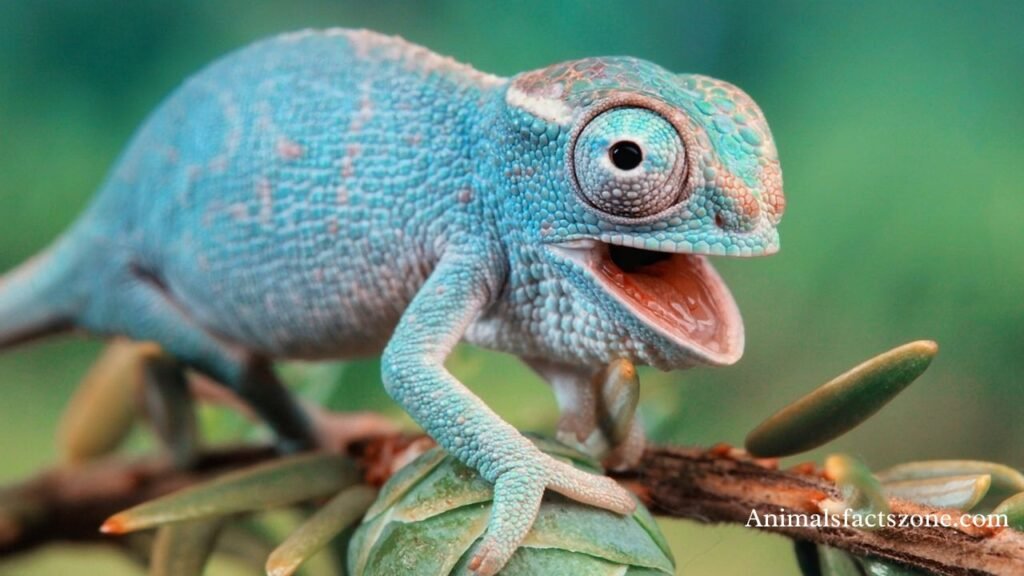
Beyond their distinctive appearance, chameleons possess a fascinating set of behaviors tied to their eye prowess. When threatened, they can rapidly adjust their eyes’ focus, honing in on danger while simultaneously preparing for a swift escape. Their eyes reflect a complex relationship with their environment, acting not just as tools of survival but also as a form of communication; changing colors can signify moods and intentions. Observing a chameleon navigate through its habitat, darting its tongue with precision, showcases the extraordinary blend of art and biology in these small but mesmerizing creatures.
Readmore: Explore Top 12 Animals That Have Quills.
Little Owls
Scientific Name:Athene noctua
Class: Aves
Diet: Carnivore
Little owls embody a perfect blend of charm and mystery. These petite raptors have developed oversized eyes that not only enhance their night vision but also contribute to their expressive demeanor. Observing a little owl during twilight reveals an enchanting dance of emotions, where curiosity and caution intermingle as they scout their surroundings. The intense gaze of these feathered hunters captivates both avid birdwatchers and casual observers alike, prompting a deeper appreciation for their role in the ecosystem.
Interestingly, these small but mighty birds have adapted remarkably well to urban environments, often residing in old buildings and parks. This shift showcases their remarkable resilience and versatility, making them a symbol of nature’s ability to coexist alongside human development. Their enchanting presence in cities serves as a reminder that wildlife often thrives in unexpected places. So, next time you spot a little owl perched quietly, take a moment to admire not just its big eyes, but the wider story of adaptation and survival they represent.
Sugar Glider
Scientific Name: Petaurus breviceps
Class: Mammalia
Diet: Omnivore
The sugar glider, a small marsupial native to Australia and New Guinea, captivates all who catch a glimpse of its oversized, luminous eyes. These adorable creatures possess not just remarkable vision but also an endearing charm that makes them irresistible companions. Their large eyes are specially adapted for nocturnal life, allowing them to navigate the night with ease, making them perfect for avid night owls who wish to forge a bond with an equally spirited friend.
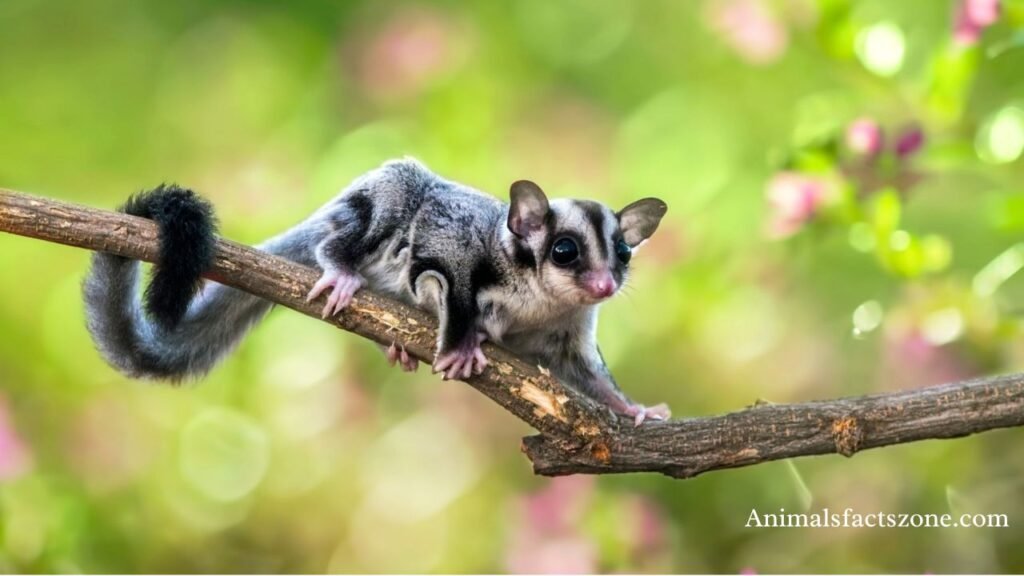
Beyond their captivating appearance, sugar gliders are highly social animals with intricate communication skills. They glide gracefully from tree to tree using the patagium, a membrane that stretches between their limbs, creating an enchanting spectacle that mirrors the freedom of flight. This remarkable ability to glide — sometimes over distances of 150 feet — serves as a vivid reminder of their connection to the vast natural landscapes of their homeland. For pet owners, this means providing ample vertical space and opportunities for exploration, fostering a stimulating environment that encourages their natural behaviors.
Margay
Scientific Name: Leopardus wiedii
Class: Mammalia
Diet: Carnivore
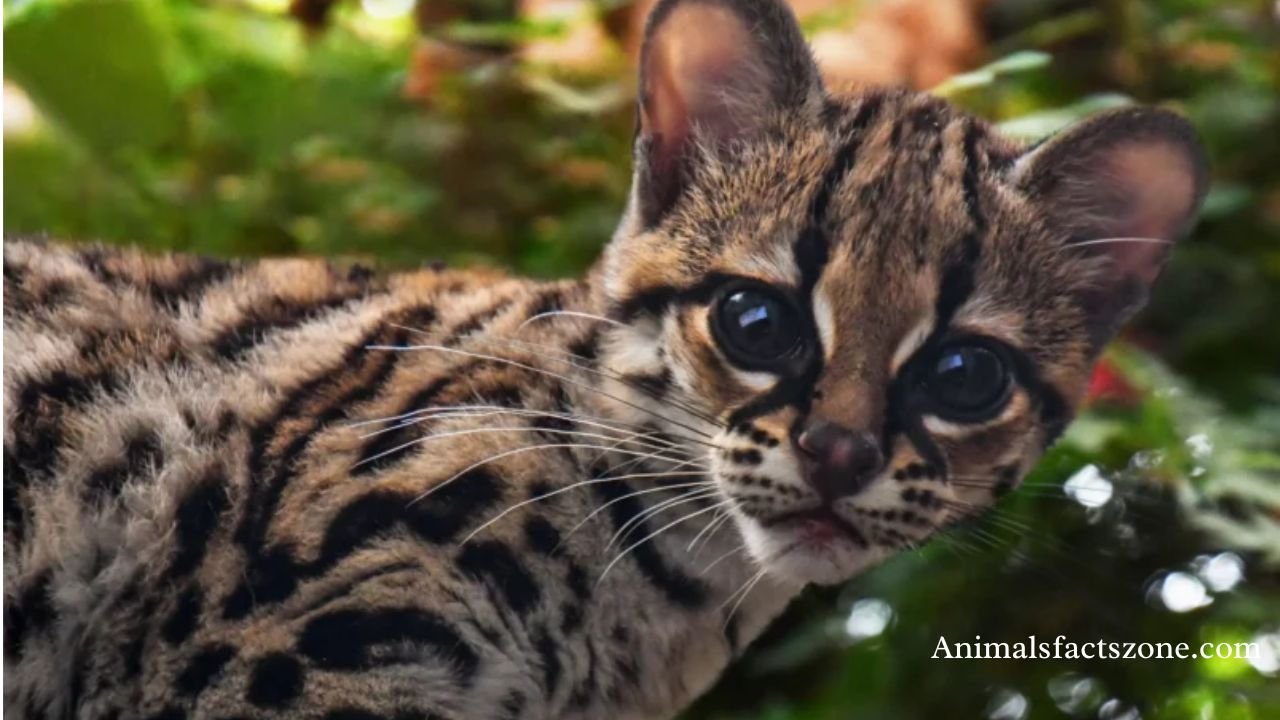
The margay, a small wild cat native to Central and South America, is a true marvel of evolution. With its striking, large eyes, the margay isn’t just an adorable sight; those expressive orbs are essential for its lifestyle. These captivating eyes, adapted for low-light environments, amplify its vision, allowing it to hunt nocturnal prey with utmost precision. This arboreal hunter has an incredible agility that rivals even the most skilled acrobats, effortlessly navigating through the dense canopies of its rainforest home.
Beyond its physical prowess, the margay also boasts a repertoire of vocalizations that communicate in a surprisingly complex manner. The rich tapestry of sounds includes melodious chirps and eerie calls that echo through the trees, making their presence felt despite their elusive nature. This elusive feline is often underestimated due to its small size, but it plays a crucial role in maintaining the ecological balance of its habitat by controlling rodent populations. As humans encroach more into its territory, the margay’s fascinating world serves as a reminder of the importance of preserving the intricate relationships within our ecosystems.
Japanese Dwarf Flying Squirrel
Scientific Name: Pteromys momonga
Class: Mammalia
Diet: Herbivore
The Japanese dwarf flying squirrel, with its enchanting large eyes, encapsulates the essence of charm in the animal kingdom. These nocturnal creatures, native to the lush forests of Japan, have developed adaptations that allow them to glide gracefully between trees. Their oversized eyes not only enhance their night vision, enabling them to navigate in low light, but also contribute to their endearing appearance, making them a favorite among wildlife enthusiasts.
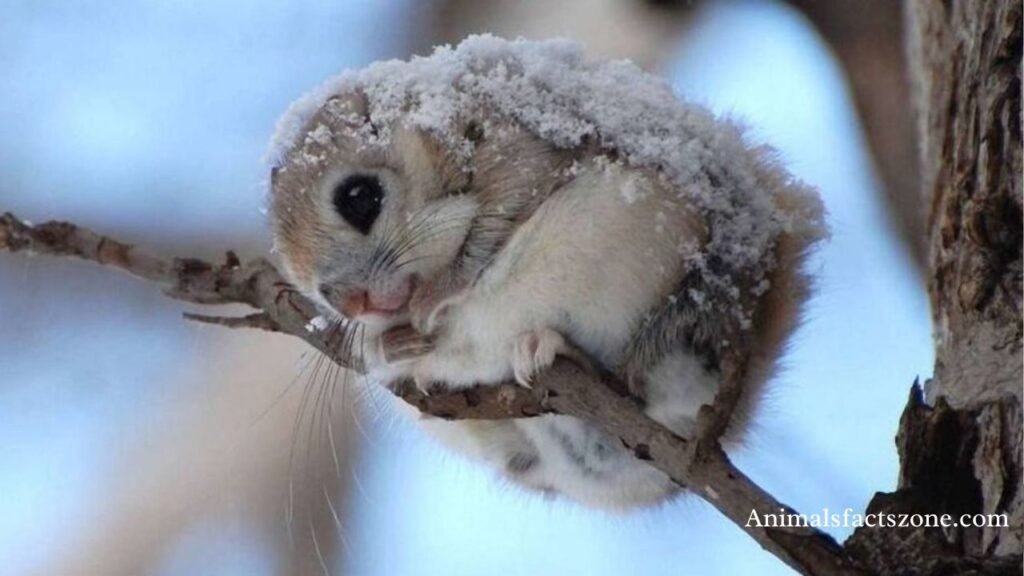
Beyond their captivating looks, these squirrels play a crucial role in their ecosystem. By aiding in seed dispersion, they promote forest regeneration and biodiversity. Observing them in their natural habitat unveils a world of whimsical behaviors — like their playful gliding and social interactions — that challenge preconceived notions of small animals. As more people become aware of these fascinating creatures, it highlights the importance of conservation efforts to preserve their unique environment, ensuring these little acrobats continue to thrive amidst Japan’s stunning landscapes.
Readmore: Explore Top 13 Animals that Sleep the Most.
Final Thoughts
Small animals with big eyes often capture our hearts and imaginations with their unique charm and aesthetic appeal. These creatures, from adorable tarsiers to the playful bush babies, showcase the fascinating adaptations of nature, allowing them to thrive in their environments. Their large eyes not only enhance their cuteness but also serve vital roles, such as improved night vision and keen awareness of their surroundings. As we learn more about these remarkable animals, we must also consider the importance of their conservation and well-being. Let’s celebrate these enchanting beings by supporting wildlife initiatives and advocating for their habitats.
FAQs
Which animal has huge eyes?
One of the most notable animals with huge eyes is the owl. Their large eyes are adapted for excellent night vision, allowing them to see clearly in low-light conditions. Owls can’t move their eyes like humans, so their large, forward-facing eyes also give them binocular vision, which is essential for depth perception when hunting.
What animals have 360 vision?
Several animals possess the ability to see nearly 360 degrees around them, primarily due to their eye placement and anatomy. One of the best examples is the chameleon, which can move its eyes independently, allowing it to spot predators and prey simultaneously. Their unique vision helps them navigate their environment effectively, providing a significant advantage in survival. Another notable example is the horse, whose eyes are positioned on the sides of its head. This placement grants them a nearly panoramic view of their surroundings, which is essential for detecting threats.
What animal is small with big eyes?
Tarsiers are small primates known for their huge, expressive eyes. These adorable creatures are native to Southeast Asia and are primarily nocturnal, which is why their eyes are so large — they help them see well in the dark. Despite their small size, typically around 4 to 6 inches tall, tarsiers are known for their remarkable agility, allowing them to leap between trees with ease. Their big eyes, combined with their unique ability to rotate their heads nearly 180 degrees, make them fascinating animals to observe!