Top 13 Animals That Sleep The Most (Images Included)
Animals that sleep the most can make even the sleepiest human envious. For certain animals, this is a daily reality, and their sleep habits play a crucial role in their survival. In this article, we’ll reveal the surprising species that top the charts for sleep duration and delve into why such extensive rest may be a key to their success. Get ready to discover the secrets of nature’s champions of slumber!
List of Animals That Sleep the Most
Here is the list of animals that sleep the most:
- Tiger
- Cat
- Lion
- North American opossum
- Sloth
- Koala
- Brown bat
- Giant armadillo
- Python
- Owl monkey
- Tree shrew
- Squirrel
- European Hedgehog
Tiger
Scientific Name: Panthera tigris
Class: Mammalia
Diet: Carnivore
Tigers are not just majestic predators; they are also champions of sleep, clocking in an impressive 16 hours a day. This extensive sleep time is essential for their survival in the wild, allowing them to conserve energy for hunting and territorial patrols. Unlike other big cats, tigers prefer to rest during the daylight, becoming more active during the cooler twilight hours when their prey is also on the move.
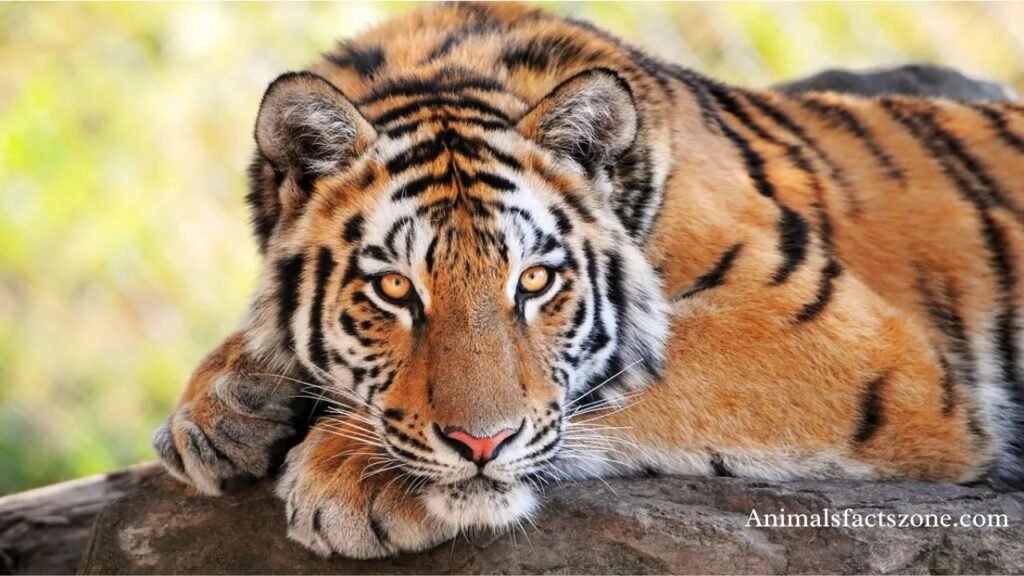
Interestingly, their sleeping habits can reveal much about their environment and well-being. In areas where human activity encroaches, tigers may alter their sleep patterns, adapting to avoid danger and maximize their hunting success. These patterns of rest not only illustrate their adaptability but also highlight the delicate balance of ecosystems where they thrive. Understanding how such magnificent creatures utilize sleep invites us to appreciate the hidden complexities of their lives, reminding us that even the most powerful animals need their rest.
Cat
Scientific Name: Felis catus
Class: Mammalia
Diet: Carnivore
Cats are renowned for their impressive sleep time, clocking in an average of 12 to 16 hours a day. This seemingly luxurious lifestyle isn’t just for indulgence; it serves important evolutionary and biological purposes. As natural predators, cats have evolved to conserve energy for hunting, making their extended periods of slumber not only a quirk of their nature but a survival strategy.
Interestingly, the composition of a cat’s sleep differs from that of humans. While we cycle through different sleep stages, a cat experiences a unique blend of REM and non-REM sleep that allows them to react quickly to potential dangers, even while dozing. This capability is a testament to their wild ancestry, as those who could rest lightly were more likely to survive in the wild. So, the next time you find your feline companion stretched out in a sunbeam, remember: they’re not just lazy; they’re practicing an age-old art of rest that has helped their species thrive for thousands of years.
Lion
Scientific Name: Panthera leo
Class: Mammalia
Diet: Carnivore
Lions are known for their majestic presence, but their sleep habits are equally fascinating. These apex predators can spend up to 13.5 hours a day sleeping, a luxury that might seem counterintuitive for such powerful animals. Their sleep time is crucial for conserving energy, which they need for hunting and socializing within their prides. Unlike the solitary lifestyle of some big cats, lions adapt their rest patterns to the dynamics of a family group, leading to a communal sleep experience that strengthens social bonds.
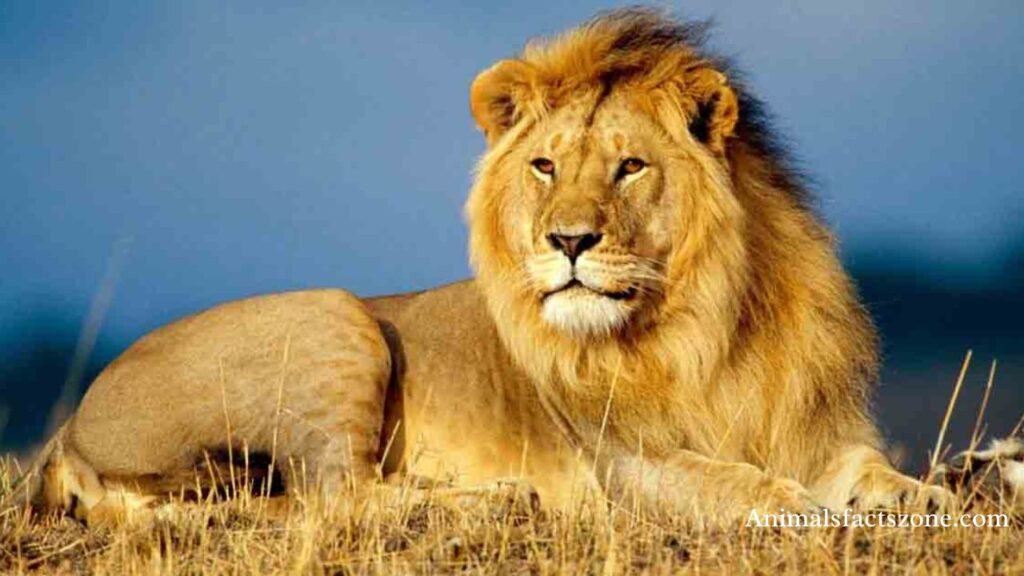
Interestingly, lions are crepuscular, which means they tend to be most active during the dawn and dusk hours. This behavior allows them to hunt effectively while avoiding the intense heat of midday, leading to more restful sleep in the cooler hours. While it may appear that lions are just lounging around, their sleep time is strategic; it’s during these hours of rest that they recharge for the next hunt, conserving energy to ensure the pride’s survival and success. So, the next time you observe a lion basking in the sun, remember — it’s not just laziness; it’s a masterclass in energy management.
Readmore: Explore Top 12 Animals With Shells.
North American Opossum
Scientific Name: Didelphis virginiana
Class: Mammalia
Diet: Omnivore
The North American opossum is a surprising contender in the animal kingdom’s sleep stakes, clocking in at an impressive average of 18 hours of sleep daily. This extreme slumbering habit serves not just as a way to recharge but as a critical survival technique. By remaining inactive for most of the day, opossums minimize their exposure to predators, blending into their surroundings and relying on their unique abilities to play dead when threatened. This fascinating defense mechanism, known as thanatosis, shows how their extensive sleep not only nurtures their health but also aids in their survival.
The opossum’s deep sleep is facilitated by its very distinct brain structure, which allows for a unique sleep cycle unlike most mammals. Their REM sleep, vital for memory and cognition, is less frequent than in other species, hinting at an evolutionary trade-off for their lifestyle. Observing these creatures may lead one to appreciate how the balance between alertness and rest has shaped their behavior and adaptability. As these marsupials snooze away in tree hollows or dense underbrush, they optimize their energy and enhance their chances of thriving in North America’s diverse ecosystems.
Sloth
Scientific Name: Folivora
Class: Mammalia
Diet: Herbivore
The sloth, a master of leisure, clocks an astonishing average of 15 to 20 hours of sleep each day. This remarkable habit isn’t just laziness; it’s a survival strategy fine-tuned by evolution. Their slow metabolism and low-energy diet, primarily consisting of leaves, mean that they conserve energy by sleeping extensively. This long snooze allows them to digest food efficiently and minimize the need for frequent movement in their treetop habitats.
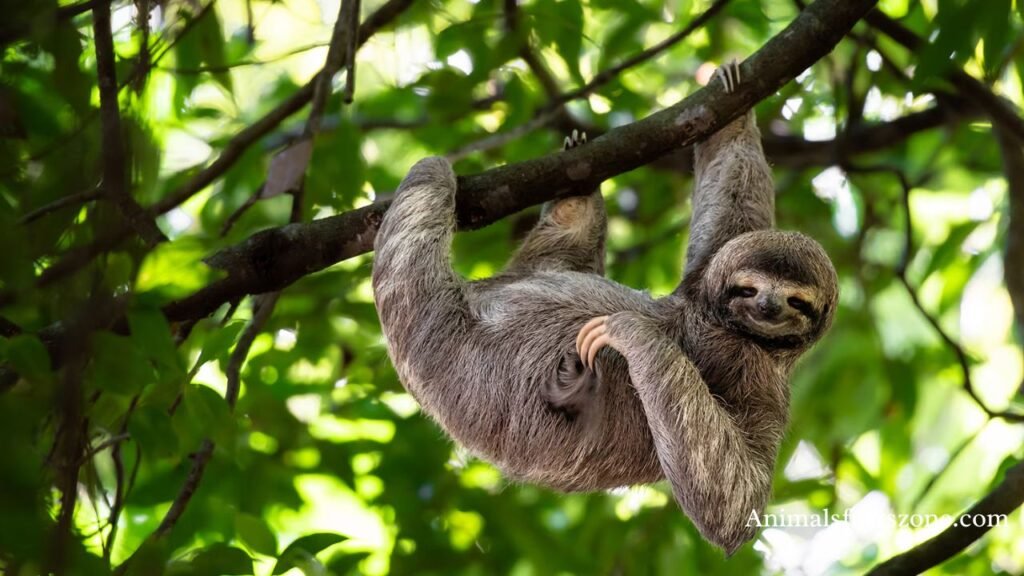
But sloths have a unique sleep cycle that introduces a fascinating twist: they often sleep while clinging to branches, appearing almost comatose. This hefty dose of rest not only ensures their energy capacity but also serves as a defense mechanism, as their dormancy camouflages them from potential predators. Their slow, deliberate movements and prolonged sleep rhythms also emphasize a different kind of adaptation to life in the jungles of Central and South America, where life moves at a distinctly relaxed pace. In the grand scheme of the animal kingdom, the sloth challenges our perception of productivity and prioritizes the art of rest as a crucial component of survival.
Koala
Scientific Name: Phascolarctos cinereus
Class: Mammalia
Diet: Herbivore
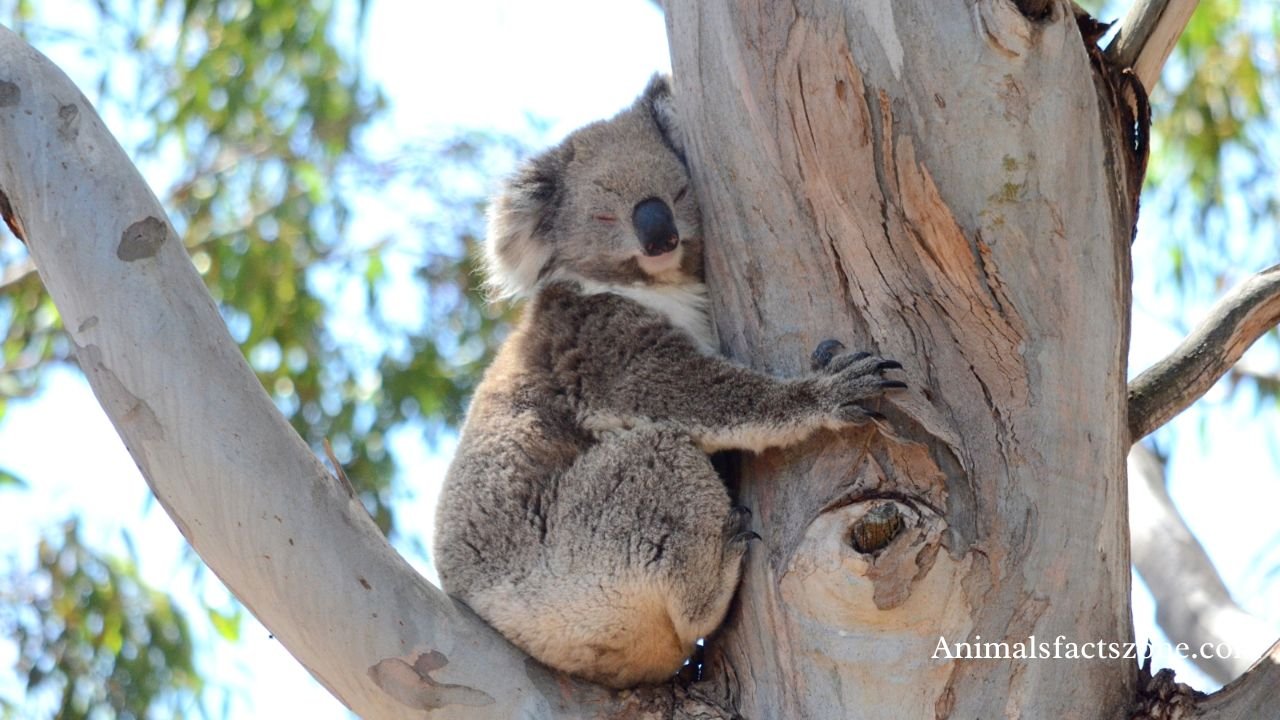
Koalas are the ultimate sleep champions of the animal kingdom, clocking in an astounding 18 to 22 hours of sleep daily. This extensive rest is not merely a luxurious indulgence; it serves a critical purpose. The koala’s diet, primarily composed of eucalyptus leaves, is low in nutrients and high in fibrous content, making digestion a slow and energy-consuming process. As a result, these marsupials conserve energy through their lengthy slumbers, allowing their bodies to efficiently process the tough foliage they consume.
Moreover, sleep is essential for koalas to maintain optimal health and functionality. During their extended hours of slumber, their bodies undergo crucial restorative processes, strengthening their immune systems and keeping them resilient against disease. Interestingly, the sleep patterns of koalas are also influenced by the time of year and availability of food, adding an adaptive element to their lethargy. Their penchant for prolonged rest not only highlights their unique evolutionary adaptations but also raises awareness about the delicate balance of their habitat, making the preservation of eucalyptus forests critical for their survival.
You can also read: Explore Top 17 Thickest Skin Animals In The World.
Brown Bat
Scientific Name: Myotis lucifugus
Class: Mammalia
Diet: Insectivore
The brown bat, a fascinating nocturnal creature, holds the title for one of the sleepiest animals in the world. These remarkable mammals can snooze for an astounding 20 hours a day, primarily to conserve energy for their nightly foraging. With their tiny bodies requiring rest to manage the metabolic demands of flight, one can’t help but marvel at the efficiency of their lifestyle.
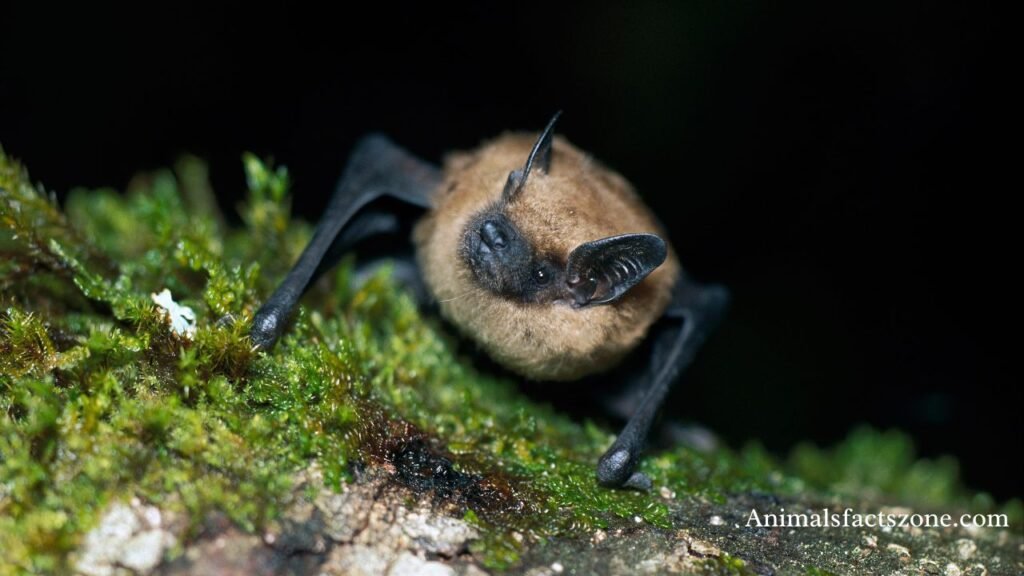
While many animals rely on instinctive patterns to regulate their sleep, brown bats showcase a unique adaptability, altering their sleep schedules based on environmental factors such as temperature and food availability. This resilience allows them to thrive in diverse habitats, whether in the crevices of caves or attics. Their extensive slumber not only aids their survival but also emphasizes the significance of restorative sleep across species, raising intriguing questions about the evolutionary advantages of such lengthy downtime.
Giant Armadillo
Scientific Name: Priodontes maximus
Class: Mammalia
Diet: Insectivore
The giant armadillo, an enigmatic creature of South America, spends a staggering 18 hours a day in slumber. This extensive sleep time isn’t just a quirky behavior; it plays a vital role in its survival. As nocturnal foragers, giant armadillos rest during the heat of the day, conserving energy for their nighttime escapades in search of insects, grubs, and other delectable morsels. Their dense, protective armor might suggest a formidable defense, but more often than not, they rely on their incredible ability to curl up and hide to evade predators.
The giant armadillo’s sleep patterns reflect a greater evolutionary strategy among many animals. While they doze, vital functions such as tissue repair and metabolic regulation occur, priming them for the rigorous foraging sessions under the night sky. This extended rest period emphasizes the delicate balance within ecosystems, showcasing how even the most lethargic lifestyles can be finely tuned to the demands of nature. By understanding the sleep habits of such unique creatures, we gain insight into their role in maintaining soil health and controlling insect populations, highlighting the interconnectedness of life in the wild.
Python
Scientific Name: Pythonidae
Class: Reptilia
Diet: Carnivore
Among the animal kingdom, the python stands out as an intriguing case study in the realm of sleep. While many creatures boast extensive sleep times, pythons can rest for up to 18 hours a day, especially after consuming a large meal. This extended period of rest allows their bodies to focus on digestion, which can take several days, depending on the size of the prey. The slow metabolic rate during these sleepy phases contributes to their survival strategy, enabling them to remain hidden and conserve energy.
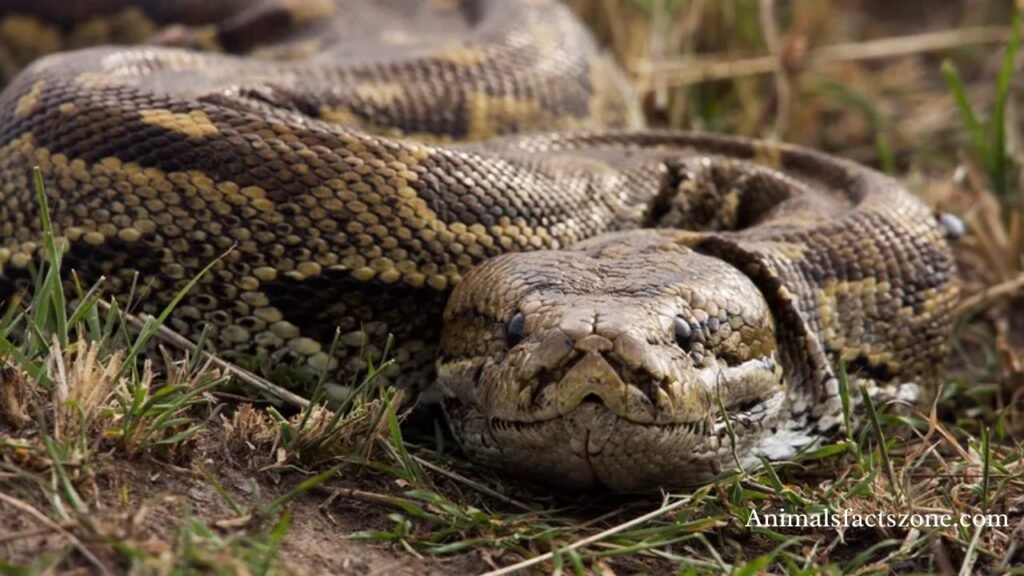
What’s fascinating about a python’s sleep is its unique biological rhythm. Unlike many mammals, pythons experience a form of deep sleep that enables them to regrow tissues effectively, preparing them for their next hunting adventure. During this downtime, their body temperature can fluctuate, allowing them to enter a state of lethargy that can deter potential predators. This clever adaptation underscores the importance of sleep not just for recuperation but as a critical survival mechanism in the wild. So, the next time you ponder the sleep habits of animals, remember that even the most formidable hunters, like pythons, rely on their extended sleep time to thrive.
Readmore: Explore How Strong Are Kangaroos?
Owl Monkey
Scientific Name: Aotus
Class: Mammalia
Diet: Omnivore
The owl monkey stands out as one of the most remarkable creatures when it comes to sleep time. These nocturnal primates can indulge in an astonishing 17 hours of sleep each day, exhibiting a lifestyle that might surprise many. This extended slumber allows the owl monkey to conserve energy for their nightly foraging escapades, when they become active and take advantage of their predatory edge in the darkness of the rainforest.
Interestingly, the owl monkey’s unique sleep patterns have evolved as a response to environmental pressures. Their extensive downtime aids in processing information and forming social bonds, since these primates often live in family groups. Their dreamy state not only enhances their cognitive functions but also prepares them for a life full of action during their limited waking hours. In a world where sleep varies dramatically across species, the owl monkey reminds us of the intricate balance between rest and activity in the grand tapestry of life.
Tree Shrew
Scientific Name: Scandentia
Class: Mammalia
Diet: Omnivore
Tree shrews, often overshadowed by more well-known creatures, are surprising champions in the realm of sleep. These small mammals can snooze for an astonishing 15.8 hours a day, a remarkable feat that highlights their unique physiological needs. Unlike many animals that experience sleep in short bursts, tree shrews enjoy long, uninterrupted periods of rest, allowing their bodies to conserve energy and recharge efficiently.
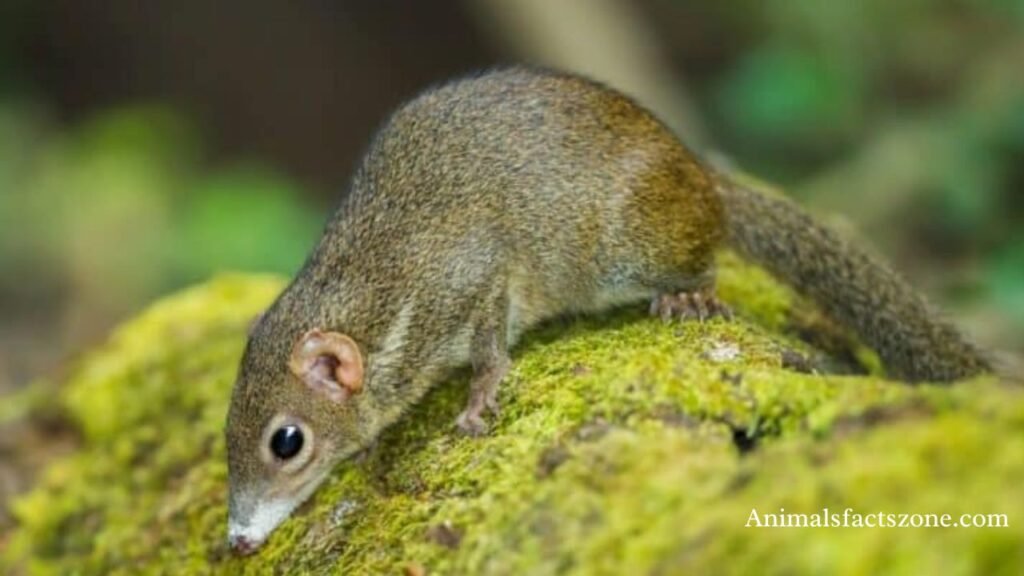
This extended sleep time may be linked to their diets and habitat. Tree shrews primarily feed on insects, fruits, and the occasional flower, which requires a high-energy intake for their small frames. By maximizing their sleep, they not only recover from exhausting foraging expeditions but also evade potential predators during daylight hours. Furthermore, their extended slumber serves as an intriguing adaptation to the tropical rainforests they inhabit, where the dense canopy creates an environment that favors those who can blend into the shadows — both asleep and awake.
You can also read: Explore Top 25 Birds With Long Legs.
Squirrel
Scientific Name: Sciuridae
Class: Mammalia
Diet: Omnivore
Squirrels, notorious for their lively antics in parks and backyards, possess a surprising secret: they can sleep up to 15 hours a day! This remarkable sleep time allows them to conserve energy and recharge for their essential foraging activities. During periods of deep slumber, these agile creatures enter a state of torpor, which is akin to hibernation but occurs in shorter bursts, especially during colder months or when food is scarce.
Interestingly, the quality of a squirrel’s sleep is just as crucial as the quantity. In the wild, they often seek out cozy, hidden nests, which provides them a sense of security against predators. These nests, coupled with their varied sleep cycles, illustrate the adaptability of squirrels — balancing their need for rest with the demands of survival. So the next time you spot a squirrel napping in a tree, remember that beneath those twitching noses is a finely-tuned strategy for thriving in nature.
European Hedgehog
Scientific Name: Erinaceus europaeus
Class: Mammalia
Diet: Omnivore
The European hedgehog, a nocturnal forager, is known for an impressive sleep time, often clocking in at around 18 hours a day. This extensive napping pattern is not just a quirk; it plays a crucial role in its survival strategy. By sleeping during daylight hours, hedgehogs minimize their exposure to predators and environmental hazards, allowing them to conserve energy for their nighttime foraging and exploration.
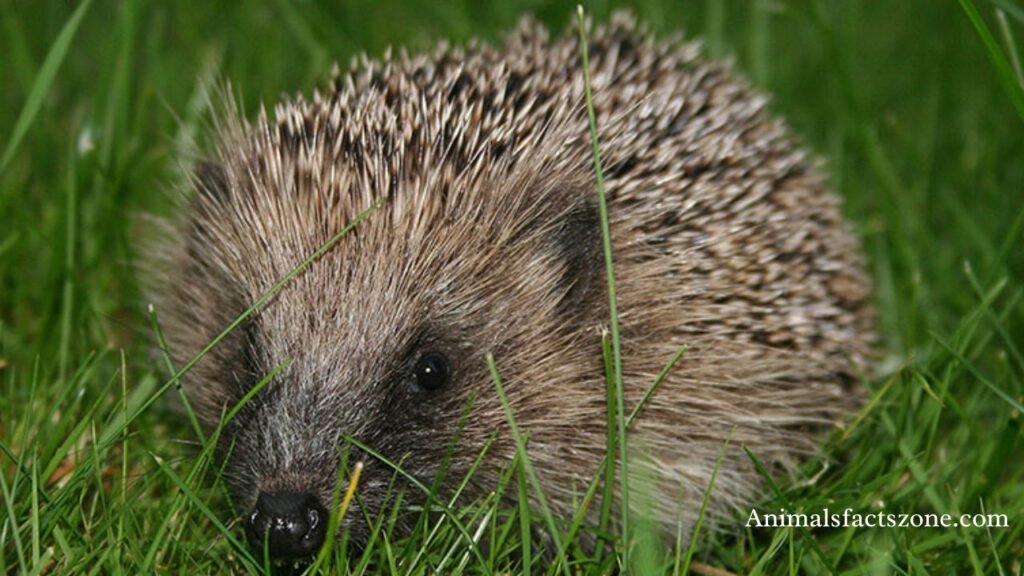
Interestingly, their sleep cycles are punctuated by brief periods of wakefulness to check on their surroundings and to keep their senses sharp. This adaptability is vital in the wild, as their natural habitats can be rife with dangers. Moreover, the hedgehog’s ability to curl up into a spiny ball while sleeping serves both as a defense mechanism and as a cozy, protective retreat, ensuring they remain undisturbed during their prolonged rest. In the grand tapestry of wildlife, the hedgehog’s unique sleep habits remind us of the importance of rest in achieving a balanced life, even in the animal kingdom.
Readmore: Explore Top 18 Animals That Have Stripes.
Final Thoughts
The sleeping habits of various animals reveal a fascinating spectrum of adaptation to their environments. From the slumbering koala to the elusive brown bat, these creatures find unique ways to balance rest and activity, ensuring their survival in the wild. Each species has evolved its own sleep patterns to meet its biological needs, highlighting the incredible diversity of life on our planet. Understanding the significance of sleep in the animal kingdom not only deepens our appreciation for these species but also sparks curiosity about the complexities of their lives. Let us continue to explore and protect these remarkable beings and their habitats, as knowledge is key to their conservation.
FAQs
What animal sleeps the most?
The animal that sleeps the most is the brown bat, which can sleep for up to 20 hours a day. This remarkable amount of sleep is essential for the bat’s survival, as it helps them conserve energy for foraging at night when they are most active. Their deep sleep patterns allow them to recover and prepare for the evening hunts that are crucial for their diet.
What animal sleeps 90% of its life?
The animal that famously sleeps around 90% of its life is the koala. These iconic marsupials are known for their high sleep duration, primarily due to their diet, which consists mainly of eucalyptus leaves. These leaves are low in nutrients and high in fibrous content, requiring koalas to conserve energy by sleeping for long periods.
What animals sleep the most?
Several animals are known for their extensive sleep patterns. One standout is the koala, which sleeps up to 22 hours a day. Their diet of eucalyptus leaves provides minimal energy, so they conserve it by snoozing almost all day. Another contender is the brown bat, which can sleep for about 20 hours daily. They’re nocturnal, so most of their time is spent resting and conserving energy for their nighttime activities.