Top 15 Cleanest Animals in The World (With Pictures)
In a world where hygiene is increasingly important for both health and environmental reasons, the cleanest animals in the world offer fascinating insights into nature’s best practices. From meticulous grooming habits to ingenious living arrangements, these creatures set standards that many of us could learn from. By exploring their unique behaviors, you’ll discover how cleanliness can influence survival and social interactions in the animal kingdom.
List of Cleanest Animals in The World
Below is the list of most cleanest animals in the world:
- Cats
- Polar Bears
- Deer
- Rabbits
- Raccoons
- Squirrels
- Sea Otters
- Beavers
- Hamsters
- Ants
- Badgers
- Songbirds
- Birds of Paradise
- Elephants
- Tigers
Cats
Scientific Name: Felis catus
Class: Mammalia
Diet: Carnivore
Cats are often celebrated for their meticulous grooming habits, but their cleanliness goes beyond mere aesthetics. Each cat spends a significant portion of its day licking its fur, a behavior that serves multiple purposes. Beyond keeping their coat clean and free of parasites, this grooming ritual helps regulate body temperature and can even have stress-relieving effects. The act of grooming promotes blood circulation and contributes to overall well-being, turning a seemingly simple task into a crucial aspect of feline health.
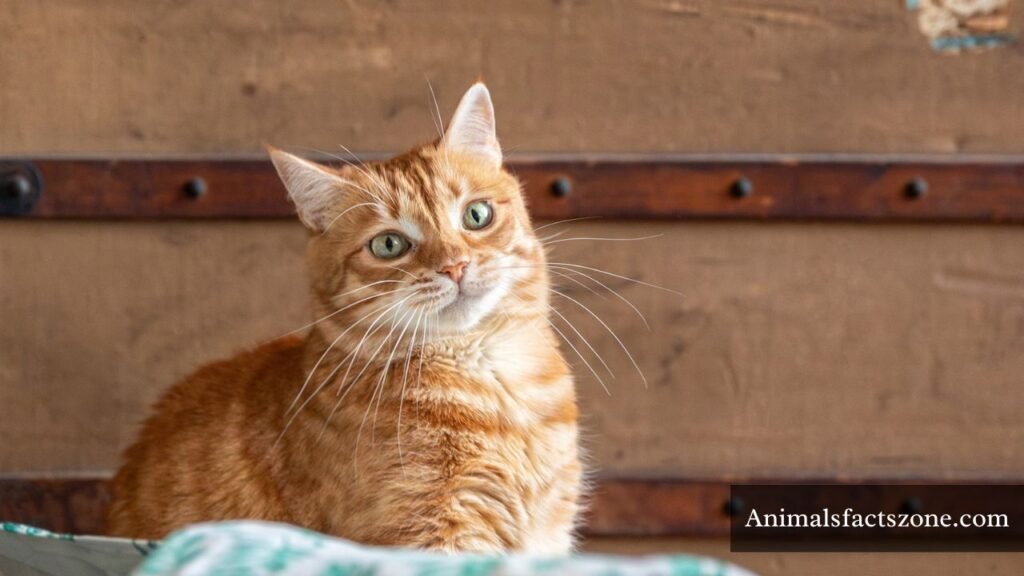
Interestingly, cats possess a special gland located in their tongues that produces tiny, hook-like structures. These structures act like natural combs, effectively removing dirt and loose hair while distributing natural oils. This unique feature not only keeps their fur pristine but also plays a role in scent-marking, allowing cats to reinforce their territory with their own distinct scent.
Polar Bears
Scientific Name: Ursus maritimus
Class: Mammalia
Diet: Carnivore
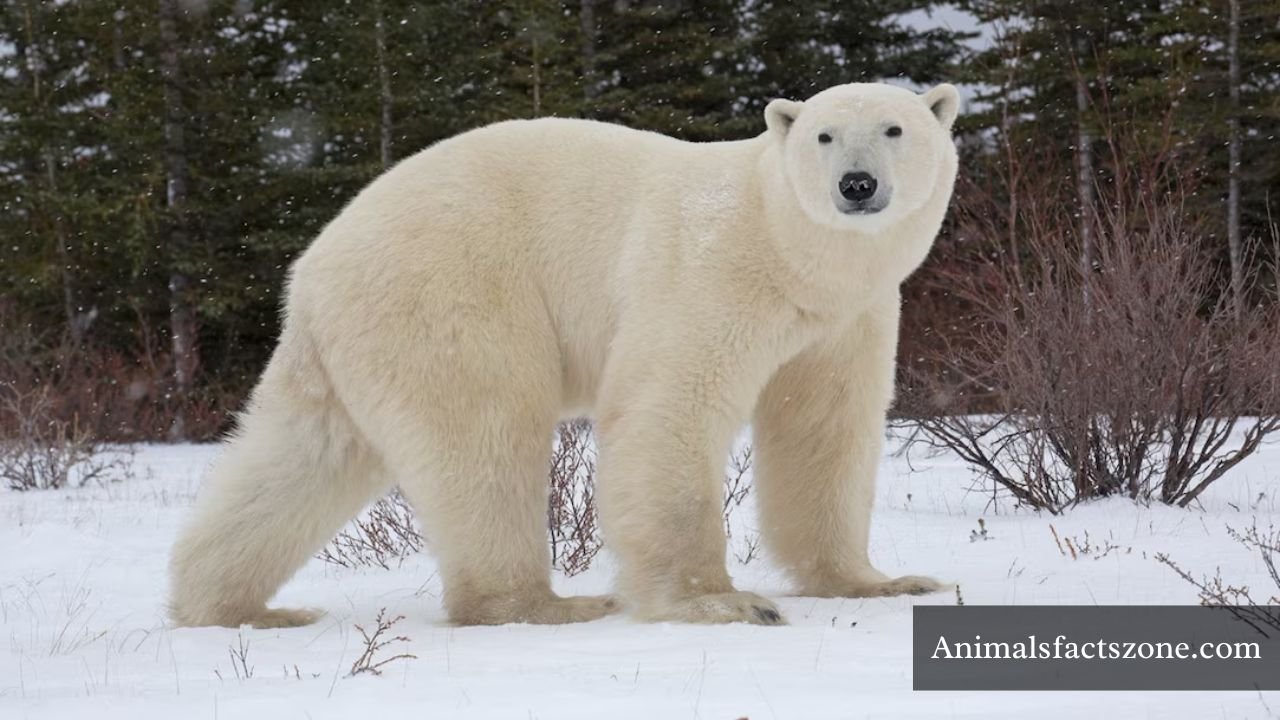
Polar bears, often regarded as the majestic titans of the Arctic, boast an unexpected trait: their remarkable cleanliness. These magnificent mammals are not just powerful predators; they exhibit a fascinating grooming behavior that sets them apart in the animal kingdom. With their thick fur and layer of blubber, polar bears have evolved to stay insulated in freezing temperatures, but they also engage in meticulous cleaning routines. They employ their paws and mouths to groom themselves, not only to maintain their presentation but also to remove parasites and debris that could compromise their fur’s insulating properties.
Interestingly, their cleanliness extends beyond personal grooming to their hunting practices. Polar bears have a unique method of utilizing the ice and snow around them to keep their hunting grounds tidy. They’ll often consume their prey in a deliberate manner, leaving behind minimal waste and ensuring the landscape remains undisturbed. This behavior highlights their evolutionary adaptation and respect for their harsh habitat.
Deer
Scientific Name: Cervidae
Class: Mammalia
Diet: Herbivore
Deer are remarkable not just for their graceful movements but also for their surprising cleanliness in the wild. Unlike many animals that can often be seen wallowing in mud, deer maintain a fastidious grooming routine that keeps their coats sleek and free from debris. This careful attention to personal hygiene isn’t just for aesthetics; it plays a crucial role in their survival. A clean coat helps to eliminate parasites and reduces the risk of diseases that can undermine their health and agility.
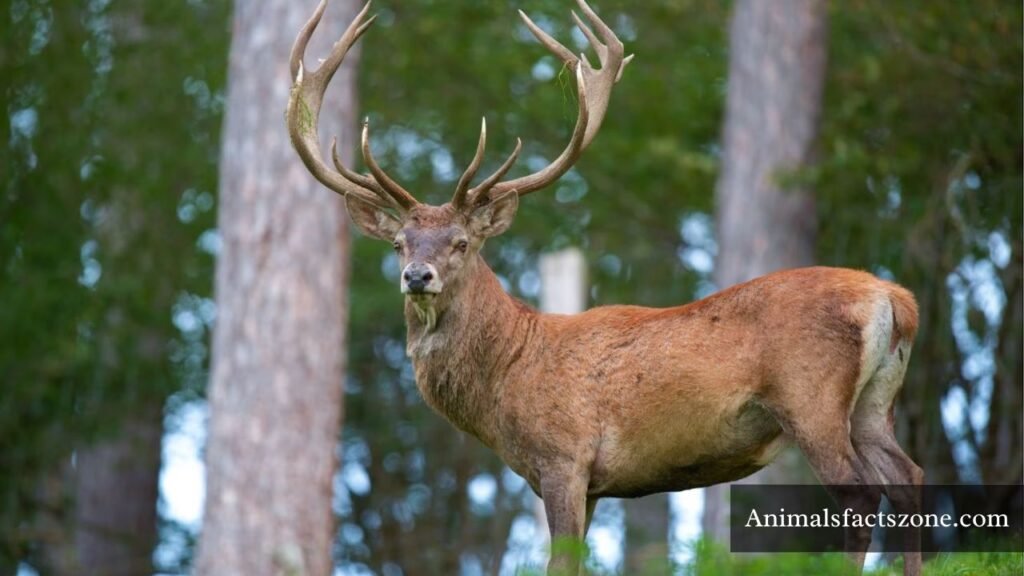
Moreover, the natural behavior of deer influences their habitats significantly. By regularly browsing on specific plants and avoiding others, they help maintain the balance of their ecosystems. This selective feeding not only promotes a diverse range of flora but also prevents overgrowth that could lead to forest fires or habitat loss.
Readmore: Explore Top 13 Down Syndrome Animals In The World.
Rabbits
Scientific Name: Oryctolagus cuniculus
Class: Mammalia
Diet: Herbivore
Rabbits are often celebrated for their endearing appearances, but one of their most charming traits is their remarkable cleanliness. Unlike many pets, rabbits are instinctively drawn to hygiene, often designating specific areas for elimination, which makes them incredibly tidy companions. This natural inclination helps reduce odors and makes it easier for owners to maintain a clean living environment. Observing a rabbit meticulously groom itself can be a mesmerizing experience, as they use their paws to clean their fur with precision, ensuring that every inch is well-kept.
Beyond physical cleanliness, rabbits also thrive in clean environments. They show signs of stress or discomfort if their habitat becomes dirty or cluttered, reinforcing the importance of regular care. In fact, a clean space contributes to their overall health, lowering the risk of infections or parasites. Rabbit owners often note that spending time with a clean, well-cared-for bunny can be a soothing and joyful experience — enhancing the bond between pet and owner.
Raccoons
Scientific Name: Procyon lotor
Class: Mammalia
Diet: Omnivore
Raccoons often get a bad rap for their nocturnal foraging habits and mischievous behavior, but few realize that these clever creatures are among the cleanest animals in the wild. In their natural habitats, raccoons exhibit fastidious grooming habits, spending considerable time tidying their fur. This meticulous self-care not only maintains their health by preventing parasites but also plays a crucial role in thermoregulation, allowing them to thrive in diverse climates.
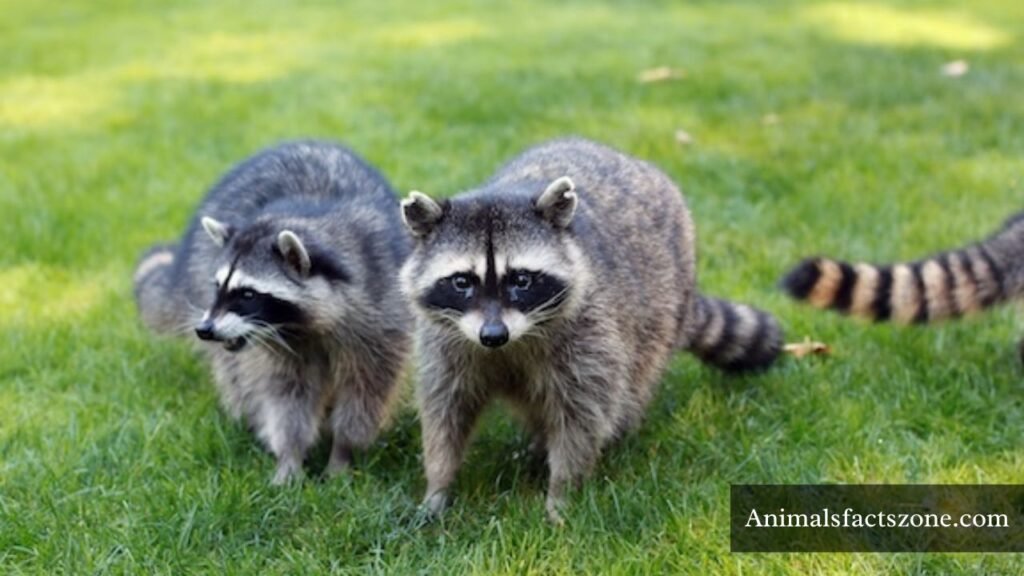
What sets raccoons apart is their unique approach to “washing” their food. Often seen dipping food items into water before eating, this behavior has led to the common myth that raccoons always wash their hands — though they’re not actually performing this act for cleanliness in the human sense. Instead, this behavior, referred to as “dousing,” enhances their tactile exploration of the world around them. It’s a fascinating reminder of how animals adapt their habits not merely for survival but also for sensory enrichment.
Squirrels
Scientific Name: Sciuridae
Class: Mammalia
Diet: Herbivore/Omnivore
Squirrels may be small and seemingly carefree, but their meticulous grooming habits reveal a hidden layer of intelligence and adaptability. These agile creatures dedicate significant time to maintaining their fur, which not only keeps them clean but also helps regulate body temperature and repel moisture. Observing a squirrel as it deftly brushes each section of its tail sheds light on nature’s ingenious design — each stroke isn’t merely for aesthetics; it’s a practical approach to survival in the wild.
Interestingly, their foraging behaviors also play a role in their cleanliness. Squirrels are known to locate specific food sources and often bury them, ensuring they can find clean nuts and seeds later. This meticulousness extends to their nesting habits; they often choose specific sites with minimal exposure to parasites, showcasing their instinctual drive for hygiene. In a world where dirty environments can harbor disease, these creatures remind us that cleanliness is not just a trait of urban animals but a fundamental aspect of life, even in the wild.
You can also read: Explore Top 20 Fish with Big Lips.
Sea Otters
Scientific Name: Enhydra lutris
Class: Mammalia
Diet: Carnivore
Sea otters are not just adorable; they are the epitome of cleanliness in the animal kingdom. Remarkably, these marine mammals have thick fur that packs up to a million hair strands per square inch, providing insulation and buoyancy. Unlike other animals that rely on blubber, sea otters maintain their body heat through this plush fur, which they keep immaculate through meticulous grooming. Regularly cleaning their fur ensures it remains waterproof, and this behavior is critical for their survival in frigid waters.
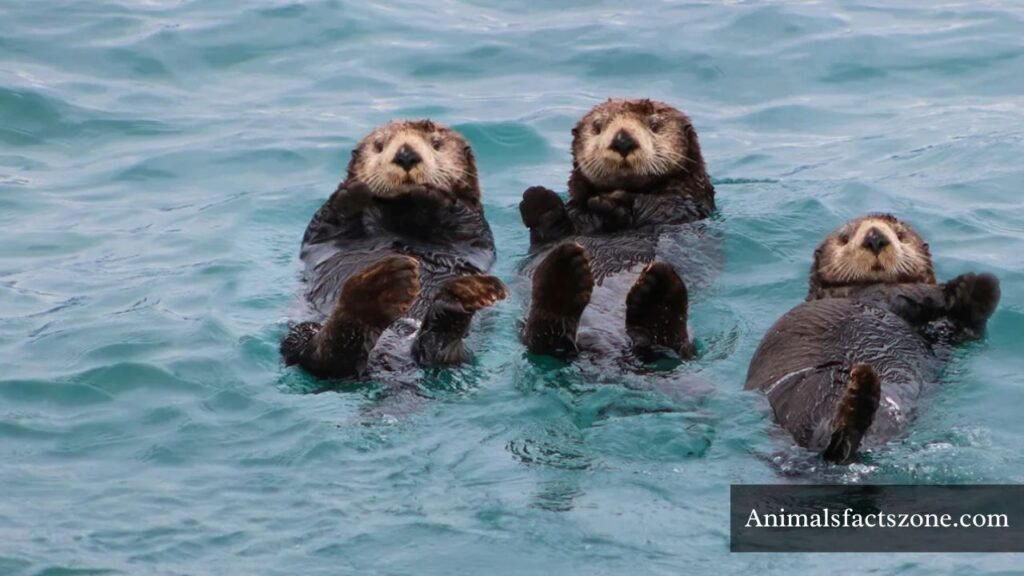
What’s truly fascinating is that sea otters have a unique social dynamic tied to their cleanliness rituals. They often groom each other, which not only reinforces social bonds but also fosters cooperation in their tight-knit communities. This communal effort helps them to maintain the health of their fur and, by extension, their overall wellbeing. Moreover, while many animals overlook personal hygiene, sea otters embody a lesson in self-care, reminding us that cleanliness can be both an individual responsibility and a collective endeavor.
Beavers
Scientific Name: Castor canadensis
Class: Mammalia
Diet: Herbivore
Beavers, often celebrated as nature’s landscape architects, surprisingly hold a reputation for hygiene that rivals many domestic pets. These industrious creatures meticulously maintain their aquatic homes, creating intricate lodges and dams that are not only efficient but also remarkably clean. Their grooming behavior is noteworthy; beavers regularly take to the water, using their paws to wash off dirt and debris, ensuring their fur remains insulative and sleek. This emphasis on cleanliness is essential for their survival in diverse habitats, as maintaining healthy fur helps regulate their body temperature in chilly waters.
Hamsters
Scientific Name: Mesocricetus auratus
Class: Mammalia
Diet: Omnivore
Hamsters are often underestimated when it comes to cleanliness, yet their grooming habits reveal a surprisingly meticulous nature. These small rodents have a unique way of maintaining their hygiene, dedicating a significant portion of their day to grooming their fur and keeping their living spaces tidy. They utilize their front paws to clean hard-to-reach spots, ensuring that they not only look good but also feel comfortable. This self-care routine is essential for their health, as it helps to distribute natural oils throughout their fur and keep parasites at bay.
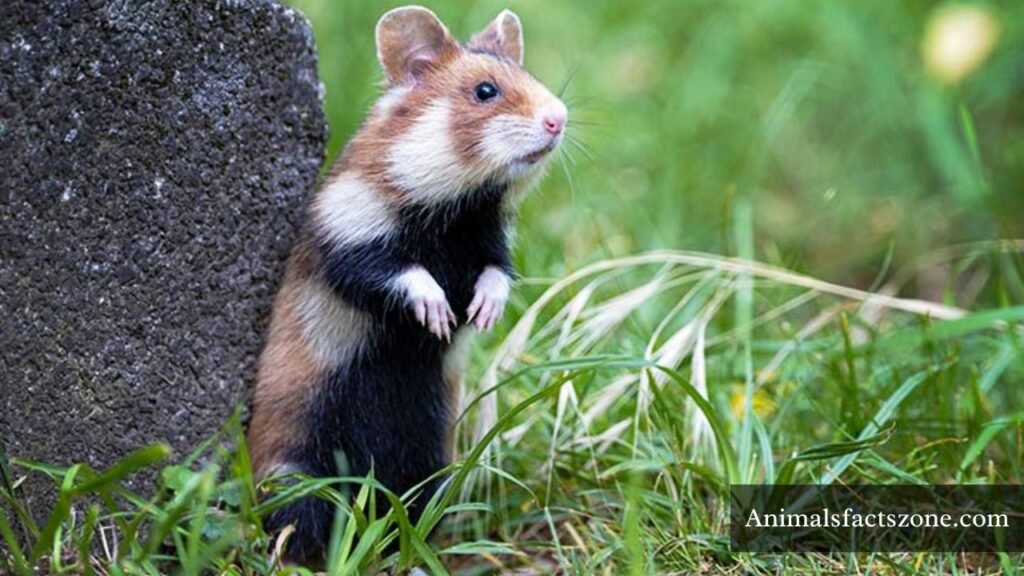
Beyond their personal grooming, hamsters exhibit an innate understanding of their environment. They instinctively choose to create nesting areas separate from their food stash, keeping their living quarters organized. This instinctual behavior helps prevent contamination and promotes a cleaner habitat. Furthermore, their waste elimination habits reveal a keen sense of spatial awareness; hamsters will often designate specific corners of their enclosure for this purpose, minimizing mess. All of these traits make hamsters not only clean companions but also fascinating creatures that highlight the wonders of natural instinct in the animal kingdom.
Also read: Explore Top 18 Animals That Walk On Two Legs.
Ants
Scientific Name: Formicidae
Class: Insecta
Diet: Omnivore
Ants are often seen as mere pests, but they possess a remarkable penchant for cleanliness that sets them apart in the animal kingdom. Living in intricate colonies, these tiny creatures engage in grooming behaviors that ensure both individual health and the overall hygiene of their community. By meticulously cleaning themselves and their nestmates, ants help prevent the spread of pathogens, showcasing an advanced understanding of communal living that rivals even some human practices.
One fascinating aspect of ant cleanliness is their use of specialized behaviors, such as “grooming chains,” where multiple ants work together to remove debris and parasites. This cooperative effort not only reinforces social bonds within the colony but also enhances survival rates, particularly in dense colonies where diseases can quickly spread. Moreover, certain species even exhibit farming behavior, cultivating fungi or tending to aphids while maintaining a clean environment to optimize their food sources. In these ways, ants demonstrate that cleanliness is not just about personal hygiene; it’s a fundamental part of their complex social structure and a key to thriving as a community.
Badgers
Scientific Name: Meles meles
Class: Mammalia
Diet: Omnivore
These nocturnal mammals carve out extensive burrow systems, known as setts, which they maintain with an impressive degree of hygiene. Inside these subterranean homes, badgers designate specific areas for waste, much like a litter box, helping to keep their living space remarkably clean. This behavior not only reflects their instinct for cleanliness but also helps minimize the spread of parasites, ensuring a healthier environment for their young.
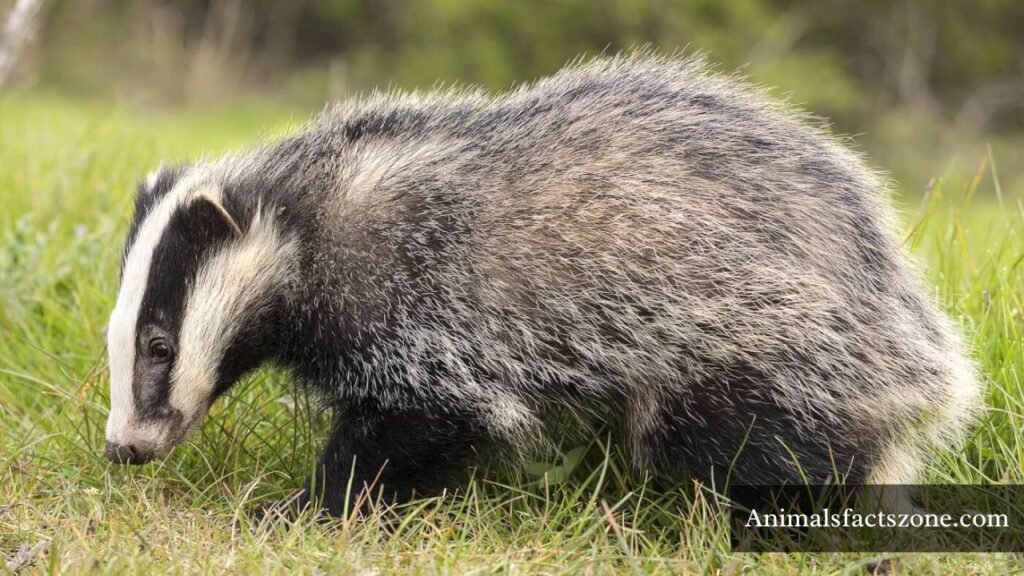
Another fascinating aspect of badger cleanliness is their role in the ecosystem. By maintaining their burrows and scavenging for food, they contribute to soil aeration and nutrient cycling, ultimately promoting plant growth in their habitats. Their grooming behavior, which includes rolling in certain herbs to mask their scent, serves dual purposes: it aids in camouflage and protects them from insects — an ingenious strategy that underscores their adaptability.
Songbirds
Class: Aves
Diet: Omnivore
Songbirds are not only celebrated for their melodious tunes but also for their surprising hygiene habits. These avian vocalists engage in a variety of behaviors that keep them impeccably clean. For instance, many songbird species engage in communal bathing, where they splash about in shallow water, a social activity that reinforces bonds while simultaneously ridding their feathers of dirt and parasites. This behavior highlights a fascinating balance between self-care and community interaction.
Moreover, songbirds utilize natural materials for grooming, often employing specific plants with insect-repelling properties. They’ll rub their bodies against the leaves of certain trees, which not only helps in keeping their plumage pristine but also acts as a natural pesticide. Such practices showcase their innate knowledge of the ecosystem, blending hygiene with survival — a testament to nature’s intricate web of life.
Also read: Explore Top 23 Most Chubby Animals.
Birds of Paradise
Scientific Name: Paradisaeidae
Class: Aves
Diet: Omnivore
Birds of Paradise are not only remarkable for their flamboyant plumage and mesmerizing courtship rituals but also for their astonishing cleanliness. These avian wonders can often be seen meticulously preening their feathers, an essential practice that keeps their striking colors vibrant and their aerial abilities intact. This grooming behavior isn’t just about aesthetic appeal; it plays a crucial role in their overall health by removing parasites and dead feathers, ensuring that they fly smoothly through their lush rainforest habitats.
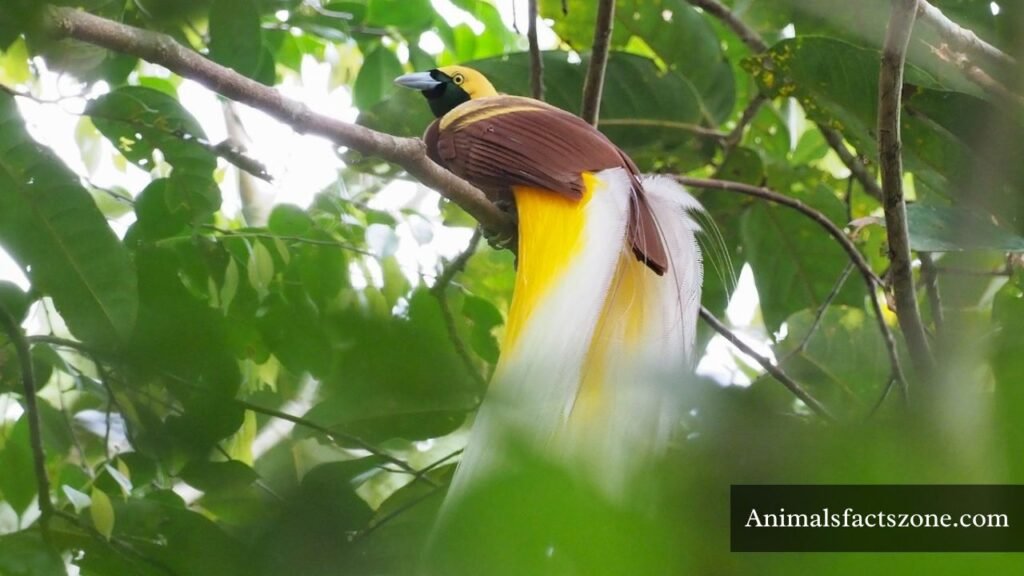
Interestingly, their commitment to cleanliness reflects a profound connection to their environment. In the dense foliage of New Guinea and surrounding islands, maintaining a clean appearance can enhance their mating success, as potential partners are drawn to the most immaculate displays of feather brilliance. Their hygienic habits extend beyond their feathers; these birds are also adept at finding and utilizing certain plants known for their insect-repelling properties, showcasing a fascinating relationship with their ecosystem.
Elephants
Scientific Name: Loxodonta africana (African elephant) / Elephas maximus (Asian elephant)
Class: Mammalia
Diet: Herbivore
Elephants, often celebrated for their majestic presence and deep emotional bonds, also possess a surprisingly meticulous approach to cleanliness. These gentle giants engage in social grooming rituals, using their trunks to clean each other’s skin, removing dirt, and even pests. This behavior not only fosters social connections but also enhances their skin health, showcasing a symbiotic relationship between hygiene and social bonding.
Moreover, elephants frequently dust themselves with various natural materials like fine sand or powdered mud. This practice serves multiple purposes: it helps protect their skin from harsh sunlight, soothes minor irritations, and wards off pesky insects. Interestingly, their ability to select specific dust types to suit their needs highlights their impressive understanding of their environment and its resources.
Tigers
Scientific Name: Panthera tigris
Class: Mammalia
Diet: Carnivore
Tigers are often portrayed as ferocious hunters in the wild, but their intrinsic cleanliness is a lesser-known aspect of their behavior. These majestic creatures practice meticulous grooming habits, using their rough tongues to remove dirt, parasites, and loose fur. This grooming not only maintains their health but also plays a crucial role in regulating their body temperature, as their sleek, clean fur helps in staying cool during the sweltering heat of their native habitats.
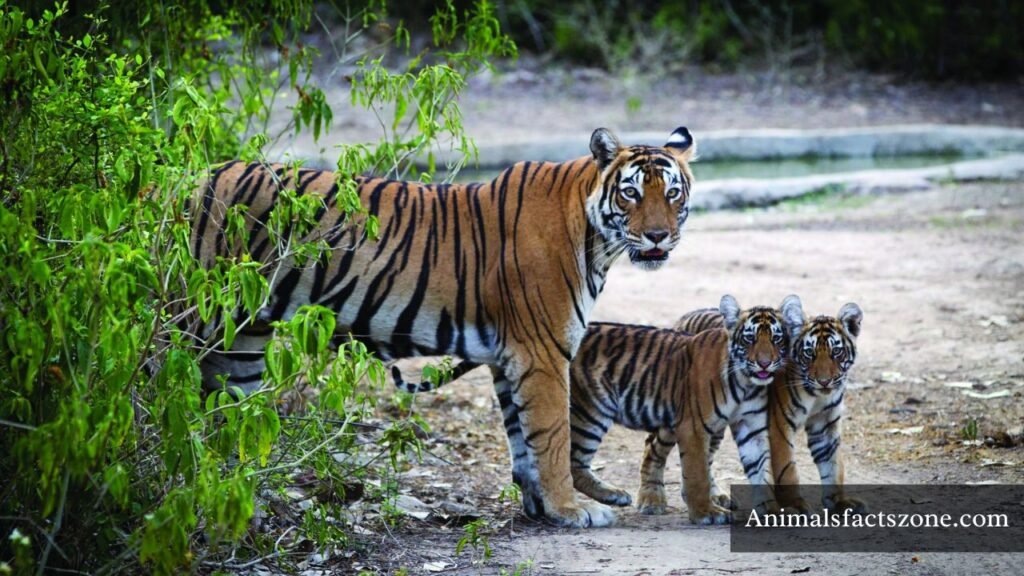
In addition to personal hygiene, tigers also create clean spaces for their young. They designate specific areas for resting and feeding, often free of debris and remain vigilant in keeping those spaces tidy. This instinctual behavior showcases their nurturing side and plays a vital role in the early development of cubs, allowing them to thrive in their natural environment. Through these fascinating practices, tigers embody a balance of strength and meticulous care, further deepening our understanding of their complex nature.
Readmore: Explore Top 24 Most Skinny Animals.
Final Words
The world of the cleanest animals showcases an incredible diversity of species that prioritize hygiene and health in remarkable ways. From the meticulous grooming rituals of cats to the consistent bathing habits of elephants, these creatures embody cleanliness as a survival strategy. Their behaviors not only enhance their own well-being but also contribute positively to their ecosystems. By learning from these animals, we can gain insights into the importance of hygiene and environmental stewardship. Let us strive to adopt cleaner practices in our own lives, inspired by the natural world’s most fastidious inhabitants.
FAQs
What is the cleanest animal in the World?
Domestic cats are often considered the cleanest animals in the worl. They spend a significant portion of their waking hours grooming themselves, using their rough tongues to remove dirt and loose fur. This self-grooming habit not only keeps them tidy but also helps regulate their body temperature. Cats are quite particular about their hygiene. They instinctively bury their waste, which not only minimizes odors but also promotes a clean environment. Their natural instinct to keep themselves and their living areas clean makes them stand out among other animals.
Which dog is cleanest?
When it comes to cleanliness, Basenjis often take the top spot. Known as the “barkless dog,” they are naturally inclined to groom themselves much like cats. They have a short coat that doesn’t trap dirt, and they typically have low odor, making them a great option for those worried about maintaining a clean home.
Which is the cleanest pet?
Cats are often considered the cleanest pets due to their natural grooming habits. They spend a significant amount of time each day licking their fur, which helps remove dirt and keeps them looking tidy. Their self-sufficient grooming means they typically require less upkeep from their owners compared to dogs.