Top 15 Animals That Eat Corns (With Pictures)
Did you know that corn, a staple in human diets, is also a favorite snack for many animals? In the article “Animals That Eat Corns,” we’ll explore the fascinating range of creatures — from insects to mammals — that indulge in this golden grain. Understanding these animals not only reveals the diversity of corn’s consumers but also highlights its significance in ecosystems. By the end, you’ll gain insight into how these animals interact with their environment and the role corn plays in their diets.
List of Animals That Eat Corns
Below is the list of animals that like to eat corns:
- Chipmunks
- Pigs
- Deer
- Squirrel
- Black Rat
- Cows
- Chickens
- Horses
- Goats
- Common Raven
- Buffalo
- Rabbit
- Deer Mouse
- American Crow
- Guinea pigs
Chipmunks
Scientific Name: Tamias
Class: Mammalia
Diet: Omnivore
Chipmunks are often seen as charming little critters, darting through gardens and woodlands, but their penchant for corn can reveal much about their behavior and survival instincts. These small mammals are not just foragers; they are strategic planners. Chipmunks possess cheek pouches that allow them to store food for winter, and corn kernels become a prized treasure in their hoarding activities. Observing them actively gather corn can provide a glimpse into how they prepare for seasonal shifts, demonstrating their resourcefulness.
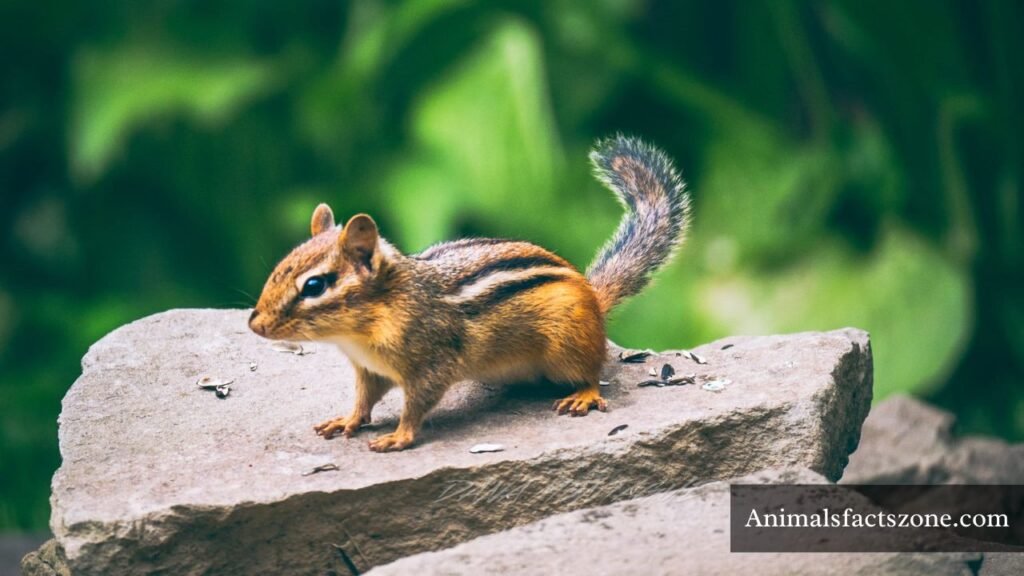
Moreover, chipmunks play a critical role in their ecosystems by dispersing seeds, including those from corn plants. As they carry away kernels to their burrows, they inadvertently plant new crops and contribute to soil health with their foraging habits. This makes them an integral participant in agricultural and woodland settings, bridging the connection between wildlife and plant life. Understanding their relationship with corn not only paints a picture of their dietary habits but also highlights the ecological balance in which they contribute.
Pigs
Scientific Name: Sus scrofa domesticus
Class: Mammalia
Diet: Omnivore
Pigs are often seen as the ultimate omnivores, and corn is a star player in their diet. These intelligent animals have a knack for foraging and can devour nearly anything, but corn brings out their playful side. Whether it’s sweet corn on the cob or dry kernels, pigs relish the crunch and sweetness, often rooting through fields to find their favorite treats.
Interestingly, corn doesn’t just fuel their bodies; it enhances their overall health too. Packed with carbohydrates, it provides pigs with essential energy, helping them thrive in both farming and natural settings. The digestibility of corn also means that pigs benefit from its nutrients quickly, allowing them to grow strong and lively. Farmers often note that pigs fed a corn-rich diet tend to have better muscle development and overall vitality, making them a popular choice for livestock diets.
Moreover, corn has a fascinating role in pig psychology. Foraging for corn becomes a stimulating activity, helping to reduce stress and promote natural behaviors. This playful pursuit not only keeps them entertained but also encourages social interactions among the herd, showcasing their inquisitive nature and emotional depth. In the world of pigs, corn is much more than just food; it’s a source of joy and well-being.
Deer
Scientific Name: Cervidae
Class: Mammalia
Diet: Herbivore
Deer are notorious for their appetite for corn, making them both a joy and a challenge for farmers and wildlife enthusiasts alike. These graceful creatures are attracted to cornfields not just for the nutrient-rich kernels but also for the succulent plants that surround them. A typical deer can consume a significant amount of corn in a single sitting, often leading to overconsumption that may affect their health, particularly in the winter months when natural forage is scarce.
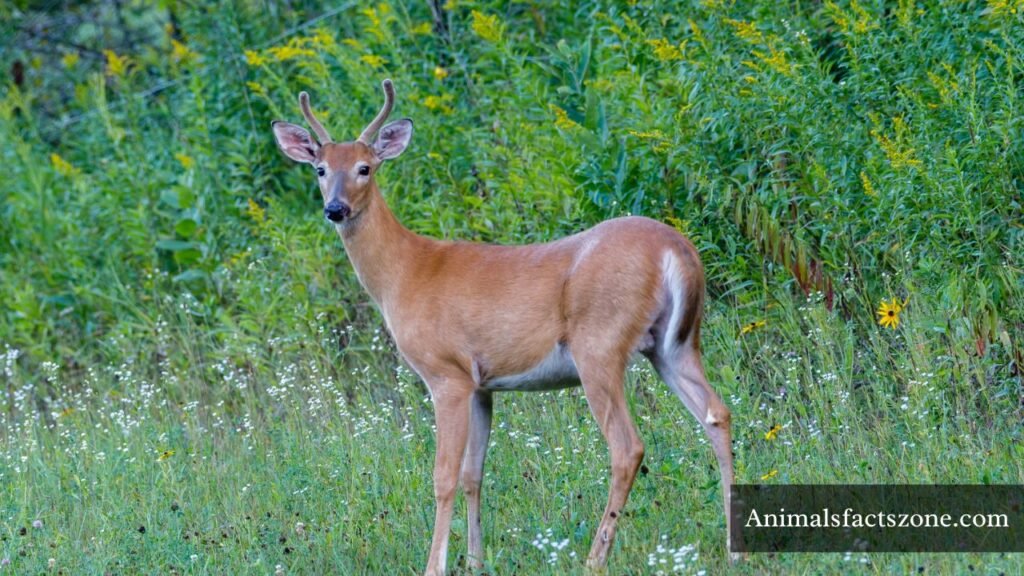
Interestingly, deer have developed a sophisticated palate, making them selective eaters. They often choose corn based on its ripeness and flavor, indicating a level of discernment that might surprise many. Observing deer in cornfields can offer a fascinating glimpse into their social structures as well; they don’t just graze alone; you’ll often find them in small groups, which may reflect their need for safety and social interaction while feeding. This behavior highlights the deer’s adaptability and intelligence in navigating their environment, making corn an integral part of their diet and social life.
Squirrel
Scientific Name: Sciuridae
Class: Mammalia
Diet: Omnivore
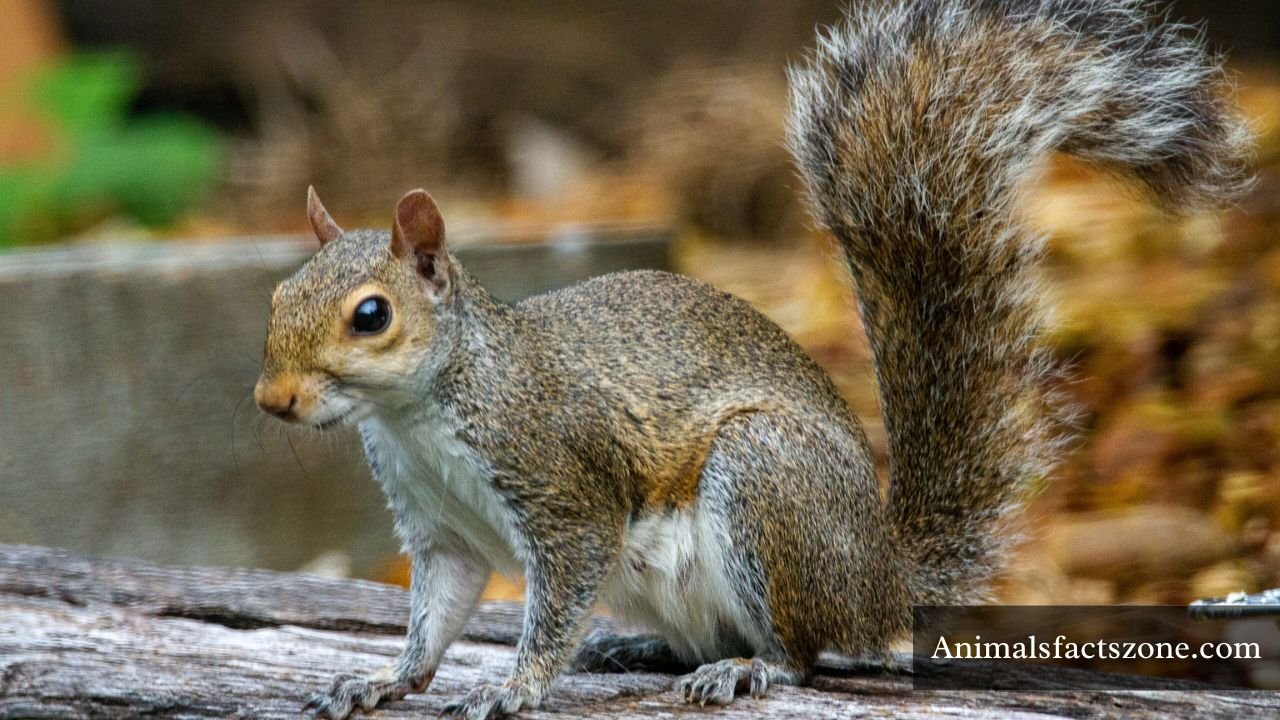
Squirrels possess an undeniable knack for foraging, and corn is a favorite treasure in their culinary repertoire. When they spot an ear of corn, their eyes light up with curiosity and excitement. With those agile paws and sharp teeth, they can expertly peel back the husk, revealing the tender kernels inside. This not only showcases their intelligence but also highlights their adaptability — squirrels can turn a simple seed into a feast, demonstrating their resourcefulness in nature.
Moreover, the relationship between squirrels and corn goes beyond sheer enjoyment; it plays a significant role in their social behavior and survival strategies. During autumn, when corn is abundant, squirrels often engage in competitive displays, darting through fields and clashing with neighbors for prime feeding spots. This rivalry not only helps strengthen their physical conditions as they grow rapidly in preparation for winter but also galvanizes their social networks.
Black Rat
Scientific Name: Rattus rattus
Class: Mammalia
Diet: Omnivore
The black rat, often overlooked in discussions about agricultural pests, has a surprisingly diverse diet that prominently features corn. Known scientifically as *Rattus rattus*, these rodents are adept at infiltrating crop fields, particularly in warmer climates where corn is a staple. With their agile bodies and keen sense of smell, black rats can navigate dense foliage, making them formidable foragers. Their ability to consume not just the kernels but also the leaves and husks of corn plants can have significant economic repercussions for farmers, affecting crop yields and quality.
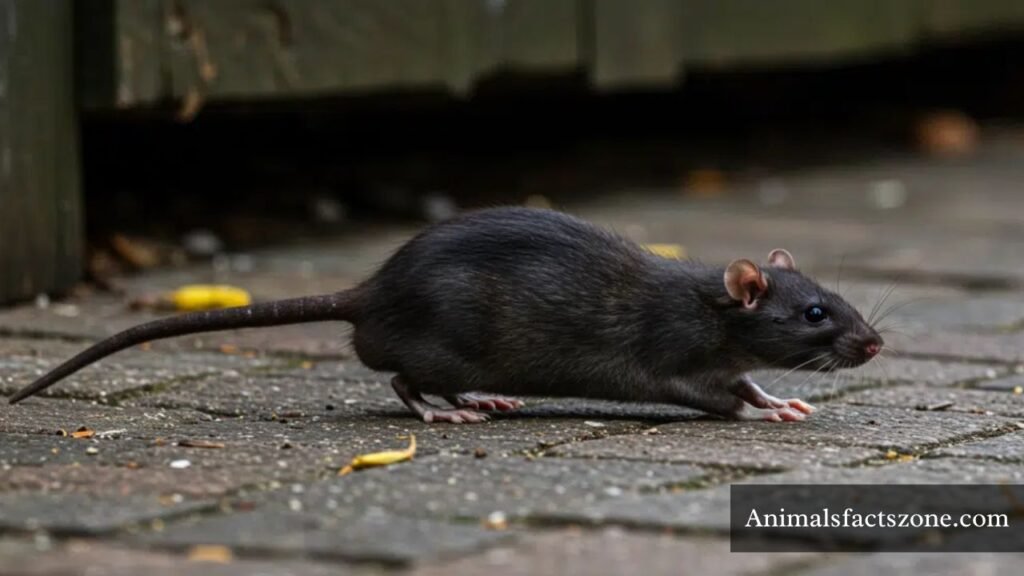
Black rats are not merely adversaries in the agricultural landscape; they also play an essential role in seed dispersal. By eating corn and other grains, these rodents facilitate the spread of various plant species, inadvertently contributing to the ecological balance. Their gnawing habits can aerate the soil, promoting nutrient cycling and potentially enhancing growth conditions for surrounding flora. Thus, while they can be considered pests from a farming perspective, black rats also embody the complexities of ecosystem interactions, illustrating how one species can impact both agriculture and ecology in profound ways.
Cows
Scientific Name: Bos taurus
Class: Mammalia
Diet: Herbivore
Cows are remarkable creatures, and their relationship with corn showcases both their adaptability and their crucial role in agriculture. Corn, often considered a staple in livestock diets, provides essential carbohydrates that help cows efficiently gain weight and produce milk. Its high energy content is ideal for dairy cows, which require substantial nutrients to support lactation. Corn also plays a role in the fermentation process in a cow’s rumen, where beneficial microbes break it down into digestible components, transforming what could be just a basic grain into a powerhouse of nutrition.
Beyond its nutritional value, corn can influence a cow’s productivity in fascinating ways. Research indicates that the type of corn, whether it’s silage or grain, can affect not only weight gain but also milk fat content. Moreover, the flavors and textures of corn-based feeds can make mealtime a more enjoyable experience for cows, potentially boosting their overall well-being.
Chickens
Scientific Name: Gallus gallus domesticus
Class: Aves
Diet: Omnivore
Chickens are not just cute cluckers strutting around the farm; they are omnivorous marvels that thrive on a diversified diet, and corn has a special place in their hearts. Packed with essential carbohydrates, corn fuels their energetic lifestyle, supporting everything from foraging to feather-preening. Interestingly, chickens also have a taste for the natural sweetness of corn, which can significantly boost their mood and vitality.
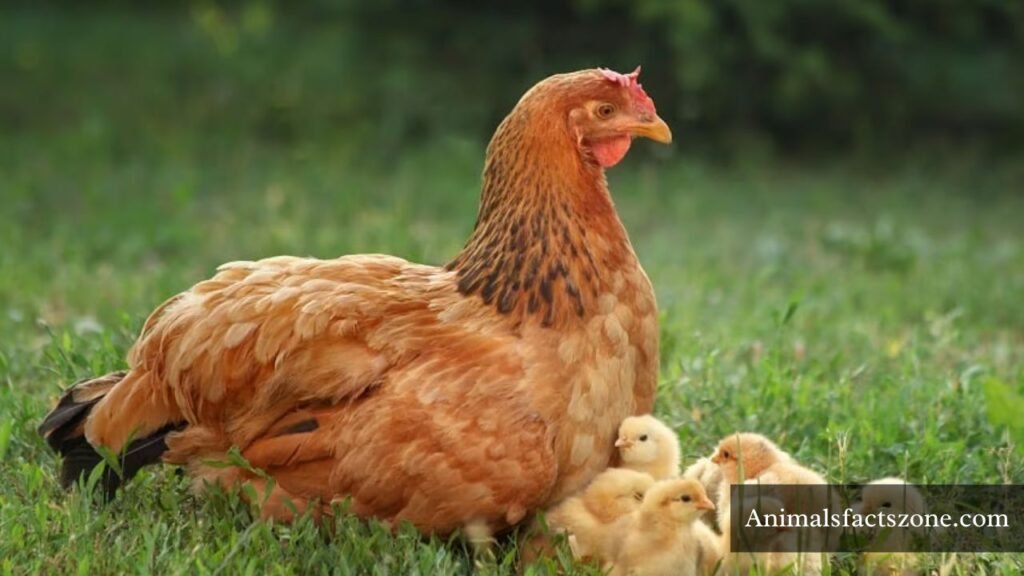
One fascinating aspect of chickens eating corn is how it affects their egg production. Rich in nutrients, corn can enhance the yolk’s color and improve the overall quality of eggs. Farmers who add corn to their chickens’ diet often report not just increased production but also a noticeable improvement in the taste and nutritional profile of the eggs. Corn serves as a social catalyst among flocks, with its enticing aroma drawing them together, fostering communal feeding behaviors that can create stronger social bonds.
Moreover, incorporating corn — especially in its whole form — into a chicken’s diet can mimic natural foraging behavior, promoting healthier digestive processes. Whether it’s tossed in the coop or scattered in a free-range garden, the joy of pecking at corn can contribute to a more fulfilling life for these feathered companions, making their daily existence not just about survival, but also about enjoyment.
Horses
Scientific Name: Equus ferus caballus
Class: Mammalia
Diet: Herbivore
Horses have a surprisingly diverse diet, and corn has long been a staple for many equestrians. Rich in carbohydrates, corn serves as a quick energy source, making it especially beneficial for hardworking horses, such as those in competitive disciplines or heavy labor. However, it’s essential to understand that moderation is key; overfeeding can lead to health issues like colic or metabolic disorders.
Horses seem to enjoy the sweet crunch of corn, often engaging in a game-like enthusiasm when foraging for it. This fun aspect not only makes feeding time enjoyable but also promotes natural foraging behaviors that are crucial for their mental stimulation. When combined with hay or mash, corn can enhance a horse’s overall nutrient intake, but it’s vital to ensure that it complements their regular diet to prevent nutritional imbalances.
Goats
Scientific Name: Capra aegagrus hircus
Class: Mammalia
Diet: Herbivore
Goats are often underestimated when it comes to their dietary preferences, but their love for corn is a delightful surprise. While they are famous for munching on almost anything from shrubs to tin cans, corn provides a unique combination of energy and nutrition that these curious creatures relish. Not only does corn offer a significant calorie boost, but it also contributes essential vitamins and minerals, making it an ideal snack for goats, especially those involved in heavy work or lactation.
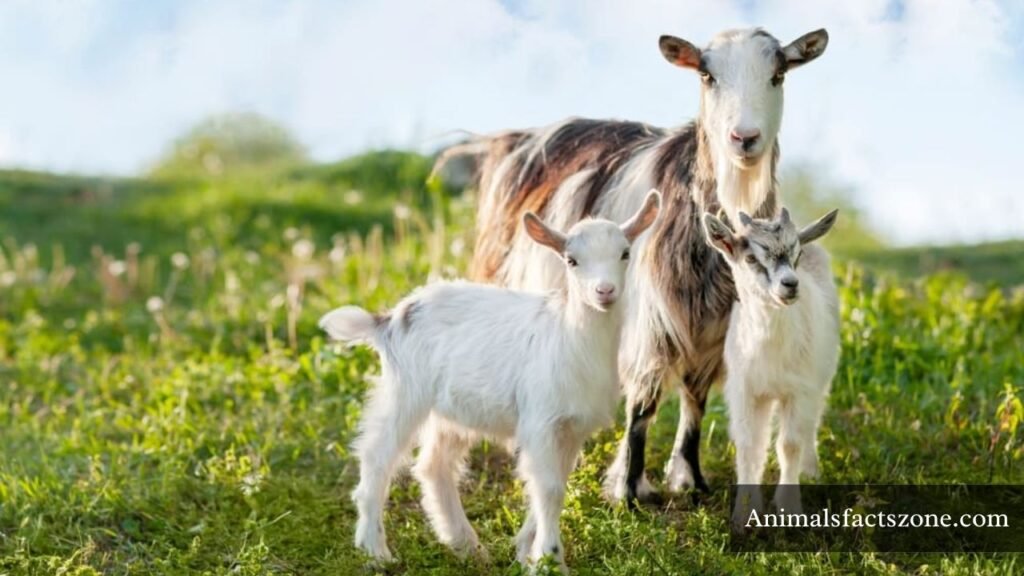
What sets goats apart is their selective foraging behavior. Unlike many animals that may gobble up food indiscriminately, goats will often choose their corn carefully, showcasing their discerning taste. Beyond simply enjoying the taste, goats also engage in social bonding during feeding — a herd will gather around to share a corn meal, promoting community among them. This behavior underscores their social nature and highlights how simple food sources can facilitate stronger relationships within a herd.
However, moderation is key. While corn provides beneficial energy, it should complement a balanced diet, rich in fibers from hay and grasses. Goat owners must be mindful of how much corn they supply, ensuring that it never overshadows their natural foraging instincts. With the right balance, a little corn can be a fantastic treat that not only energizes these quirky animals but also fosters a deeper connection within the herd.
Common Raven
Scientific Name: Corvus corax
Class: Aves
Diet: Omnivore
Common ravens are remarkable scavengers that have developed a taste for a variety of foods, including corn. These intelligent birds are often found in agricultural areas, where they cleverly exploit vast fields of corn during the harvest season. Their resourcefulness in locating and consuming this nutritious grain not only provides sustenance but also showcases their adaptability to changing environments and food sources.
What sets the common raven apart is its social behavior; they are known to communicate and collaborate while foraging. Observing a group of ravens as they work together to locate a hidden stash of corn can feel like witnessing a well-orchestrated performance of nature’s ingenuity. Their capacity to remember individual locations where food is buried demonstrates their exceptional cognitive abilities, making them one of the smartest birds in the avian world. Their presence can indicate a balance in the ecosystem; while they may munch on crops, they also help control pest populations, acting as nature’s pest managers.
Buffalo
Scientific Name: Bubalus bubalis
Class: Mammalia
Diet: Herbivore
Buffalo are not just majestic creatures grazing on vast plains; they also have a surprising affinity for corn. These large herbivores indulge in corn not only as a treat during harvest but also for its high-energy benefits, particularly during the colder months. Their robust digestive systems can efficiently process the starches and sugars found in corn, converting them into energy that supports their hefty frames.
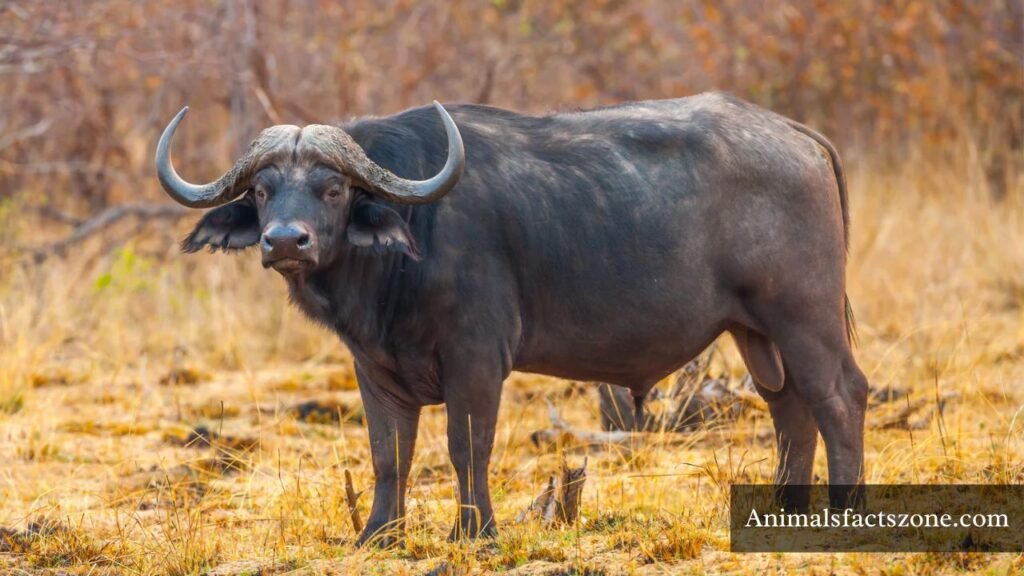
In many farming communities, buffalo are valued for their dual role as both producers and consumers. As they munch on corn silage, they help manage crop residues, effectively recycling nutrients back into the soil through their waste. This symbiotic relationship showcases the adaptability of buffalo and reinforces their importance in sustainable agriculture.
Rabbit
Scientific Name: Oryctolagus cuniculus
Class: Mammalia
Diet: Herbivore
Rabbits are often seen as the charming garden dwellers, but beneath their adorable exterior lies a discerning palate, particularly favoring corn. These furry foragers are naturally inclined to seek out tender, sweet kernels, making corn a delightful, albeit occasional, treat in their diet. Surprisingly, not all corn is created equal — while fresh corn on the cob can be a delectable snack, dried corn or corn products should be avoided due to their high starch content, which can upset a rabbit’s delicate digestive system.
The appeal of corn to rabbits goes beyond mere taste; it also offers a sensory experience. The crunchiness of a fresh kernel provides natural stimulation, encouraging chewing and promoting dental health. However, it’s essential to keep in mind that rabbits are creatures of habit and moderation; too much corn can lead to obesity and other health issues. By offering small amounts as an occasional treat, owners can enrich their rabbit’s diet and cater to their natural foraging instincts, ultimately fostering a healthier, happier pet.
Deer Mouse
Scientific Name: Peromyscus maniculatus
Class: Mammalia
Diet: Omnivore
The deer mouse, a small rodent with a big appetite, is a frequent visitor to cornfields. While primarily foraging for seeds and fruits, they undoubtedly have a soft spot for the sweet, golden kernels of corn. This affinity can lead them to become a significant pest for farmers, as their nibbling can rapidly escalate into a full-blown feast, leaving behind empty cobs and frustrated growers. Yet, there’s a fascinating aspect of their corn consumption that goes beyond mere hunger.
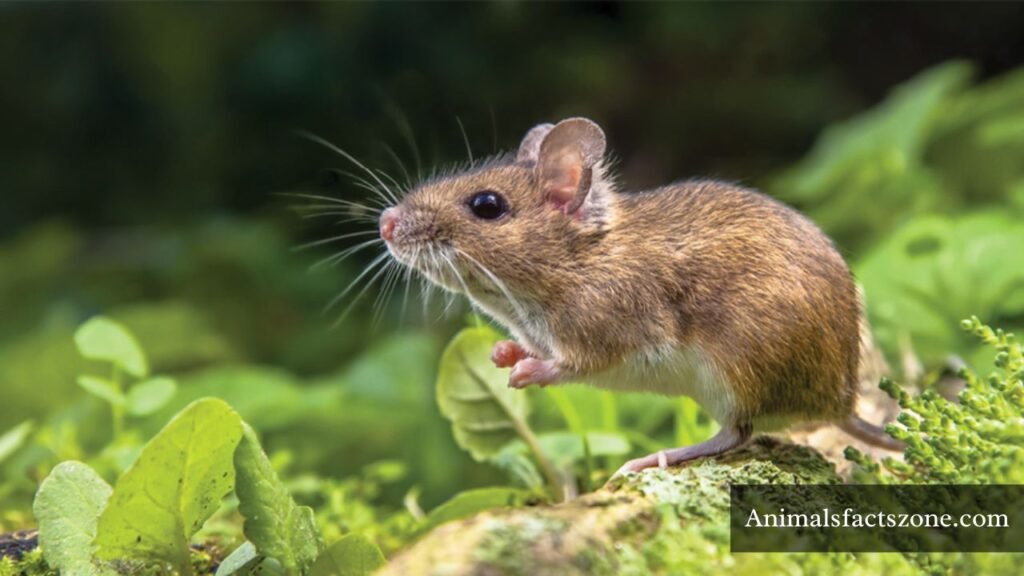
In their quest for corn, deer mice play a crucial role in seed dispersal. As they scavenge for kernels, they inadvertently spread corn seeds into new areas, contributing to ecosystem diversity. This behavior helps create a mosaic of growth, benefiting other wildlife and plant species. Moreover, their foraging habits keep the cornfields dynamic, ensuring that the land remains vibrant and teeming with life.
American Crow
Scientific Name: Corvus brachyrhynchos
Class: Aves
Diet: Omnivore
The American Crow is not just a master of intelligence in the avian world; it also has a sophisticated palate, with corn being one of its favored treats. These resourceful birds can be spotted pilfering kernels from agricultural fields or scavenging through gardens, showcasing their adaptability and keen problem-solving skills. What many might overlook is the significant role crows play in controlling crop pests, as their corn-foraging habits can help maintain a natural balance in the ecosystem.
Interestingly, crows have developed a remarkable relationship with farmers. While they may be seen as pests, they can also act as unintended allies in pest control. Their presence often indicates a thriving environment, and when farmers embrace this relationship, they can benefit from both crop protection and biodiversity.
Guinea pigs
Scientific Name: Cavia porcellus
Class: Mammalia
Diet: Herbivore
Guinea pigs are not just delightful companions; their dietary habits make them fascinating little creatures, especially when it comes to their love for corn. While guinea pigs thrive primarily on hay and fresh veggies, corn holds a special place in their hearts — both as a crunchy snack and a source of carbohydrates. However, it’s important to note that this should be an occasional treat. Their digestive systems are quite sensitive, and too much corn can lead to health issues, making moderation key to their well-being.
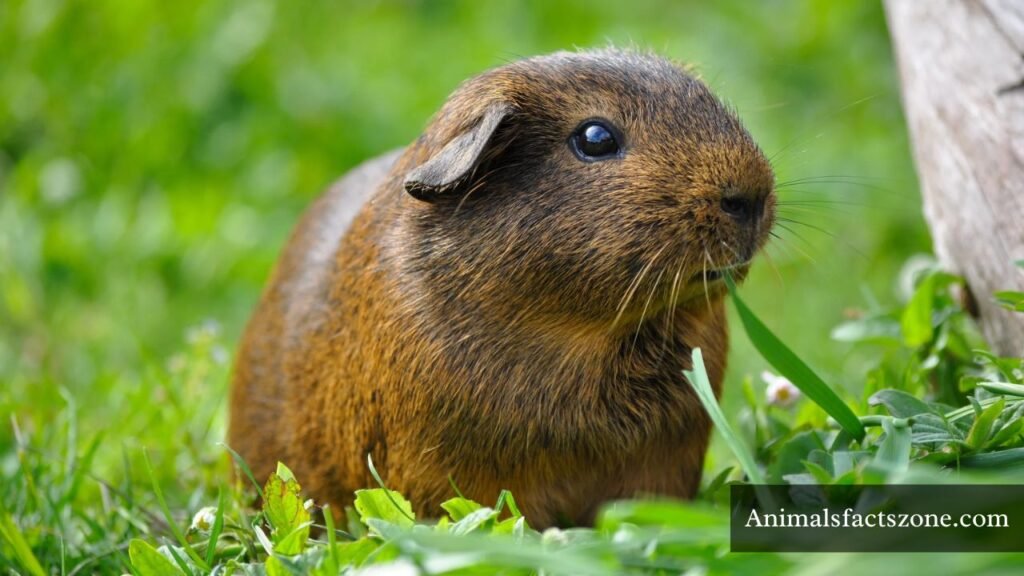
Guinea pigs possess a unique ability to enjoy the texture of corn in various forms. From fresh corn on the cob to dried corn kernels, they can appreciate different levels of sweetness and crunch. Watching them nibble and maneuver the cob is not only amusing but also provides insights into their foraging instincts. Moreover, incorporating corn into their diet can boost their enthusiasm for mealtime, adding variety that keeps them engaged and satisfied. Just remember, a balanced diet remains essential; the joy of munching on corn is best enjoyed amidst a colorful array of vegetables and hay!
Readmore: Explore Top 6 Animals That Are Deaf.
Final Thoughts
Corn is a staple that feeds a diverse array of animals, both domestic and wild, reflecting its significance in nature and agriculture. Whether it’s the playful squirrel or the majestic deer, these creatures showcase the essential role corn plays in their diets and survival. Understanding the interactions between these animals and their food sources can spark important conversations about responsible farming and conservation practices. As stewards of the land, we have a responsibility to support the ecosystems that sustain both our agricultural needs and the wildlife around us. Join the conversation on sustainable practices that can benefit both crop production and the animals that rely on corn as a vital food source.
FAQs
Which animal eats corn?
Many animals enjoy eating corn, both in the wild and on farms. Common feeders include deer, raccoons, and squirrels, which forage for ears of corn in fields. On farms, livestock like pigs and chickens are often fed corn as part of their diet, taking advantage of its high energy content. Birds such as ducks and geese will nibble on corn, whether it’s planted in the ground or scattered on the surface. Even insects, like corn rootworms, make a meal out of this staple grain, impacting crops significantly.
Do any animals eat corn cobs?
Yes, several animals eat corn cobs! Many farm animals, like pigs and cattle, enjoy munching on them as part of their diet. The cobs provide fiber and can be a nutritious addition. Wild animals, such as squirrels and raccoons, also find corn cobs appealing, especially in regions where corn is abundant. They often scavenge or forage for leftover cobs, making good use of every part of the corn plant.
What animals can eat whole corn?
Many animals can eat whole corn, including birds like chickens, ducks, and pigeons. These birds are particularly adept at cracking open the hard kernels to access the nutritious insides. Rodents, such as squirrels and mice, also enjoy corn, often storing it for later. Larger animals like deer and cattle can eat corn as well, either whole or in processed forms. It’s a common feed grain that provides energy and nutrients. However, it’s essential to be mindful of the quantities, as too much corn can upset their digestive systems.
Why do animals love corn?
Animals love corn primarily because it’s a high-energy food source. Rich in carbohydrates, it provides the quick energy they need. Whether it’s deer, squirrels, or farm animals, corn is easily digestible and packed with the calories necessary for their daily activities. Another reason is the taste. Corn is sweet and aromatic, which attracts many species. Its crunchiness and texture also make it enjoyable to eat.
Do squirrels eat corn?
Yes, squirrels do eat corn! They are known to munch on various types of corn, whether it’s fresh, dried, or from corn on the cob.