Explore Top 13 Animals Like Hamsters (With Pictures)
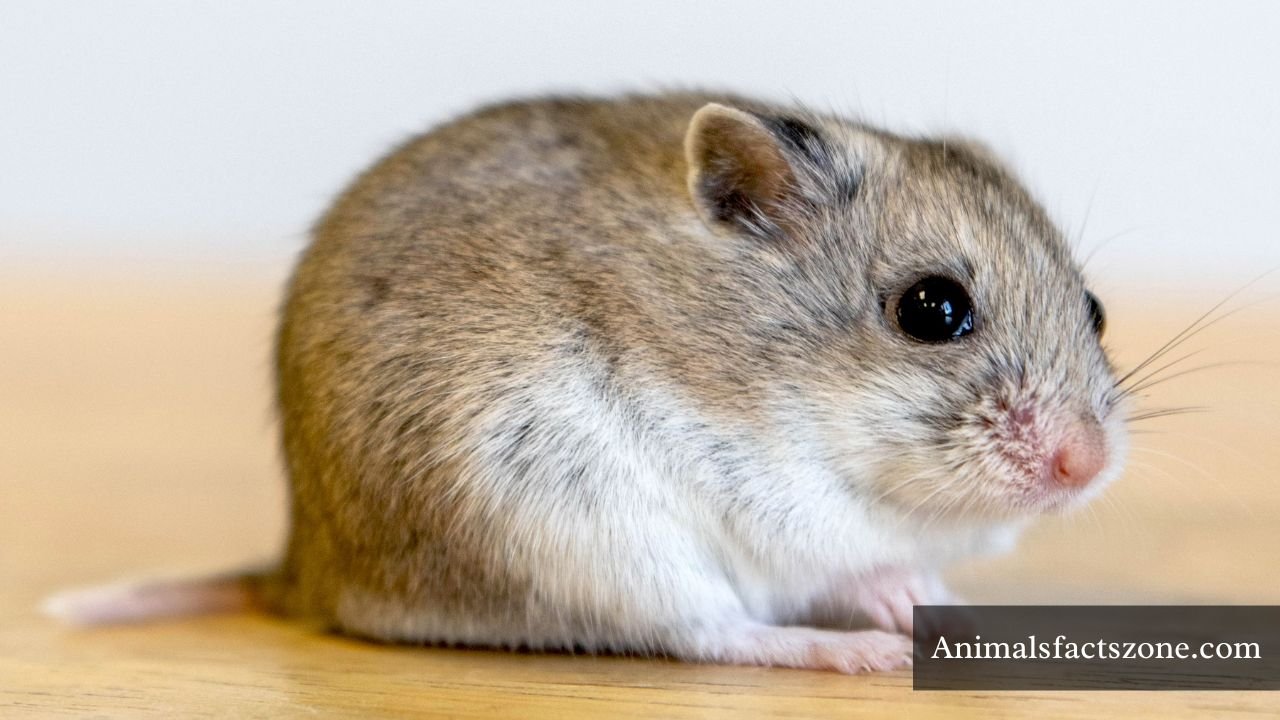
Did you know that hamsters are more than just adorable pets; they share fascinating traits with a surprising variety of animals? In this article, we will explore an array of animals like hamsters — creatures that exhibit similar behaviors and characteristics, from their burrowing instincts to nocturnal habits. Understanding these connections not only enhances our appreciation for hamsters but also sheds light on the rich tapestry of animal life. By the end, you’ll gain insights that could change your perception of pets and wildlife alike.
List of Animals Like Hamsters
Here is the list of animals that are like hamsters:
- Degu
- Chipmunk
- Vole
- Capybara
- Guinea Pig
- Prairie Dog
- Beaver
- Rat
- Gerbil
- Dormouse
- Mouse
- Chinchilla
- Squirrel
Degu
Scientific Name: Octodon degus
Class: Mammalia
Diet: Herbivore
Degus are small, social rodents that originate from the Chilean Andes, and they come with unique quirks that set them apart from their more commonly known relatives like hamsters. While hamsters are solitary creatures, degus thrive on companionship, often forming tight-knit groups in both wild and domestic settings. This intrinsic social nature can lead to a dynamic and lively home environment, making them delightful pets for those looking to bond with their furry friends.
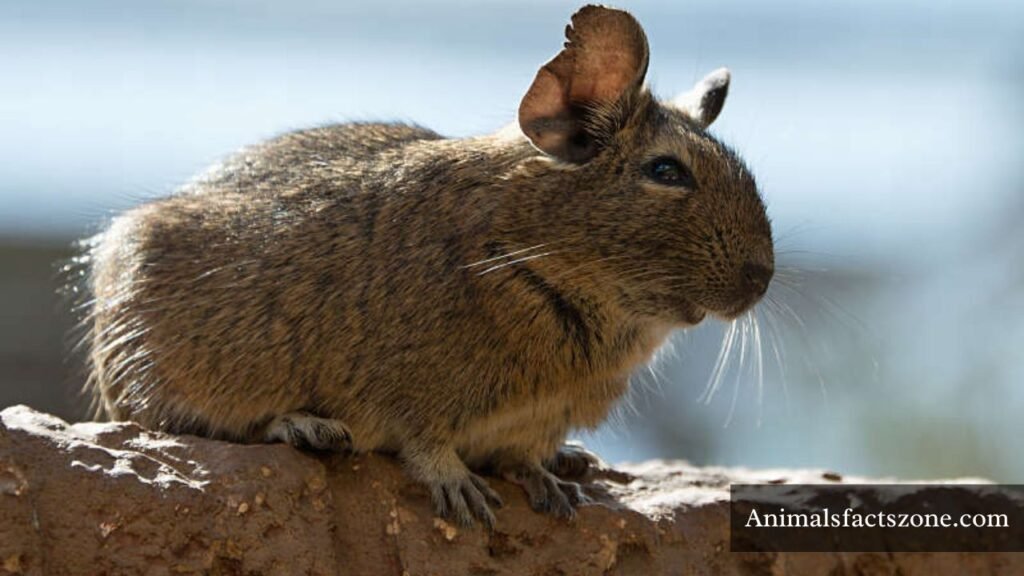
What truly distinguishes degus is their pronounced intelligence and playful demeanor. They love to explore and engage with their surroundings, often requiring interactive toys and mental stimulation to keep them satisfied. Unlike hamsters, degus are also diurnal, meaning they are most active during the day, which aligns better with human schedules. Their inquisitive nature not only fosters an engaging pet-owner relationship but also invites pet enthusiasts to delve deeper into their behavioral complexities, from their playful chases to their cunning escape attempts. Embracing a degu in your household promises not just companionship but a front-row seat to a fascinating display of rodent antics.
Chipmunk
Scientific Name: Tamias
Class: Mammalia
Diet: Omnivore
Chipmunks, often overshadowed by their more popular cousins like Hamsters, are little bundles of energy and charm that deserve more recognition. These small rodents, with their distinct stripes and lively demeanor, add a splash of vibrancy to our natural world. Unlike hamsters, which are predominantly nocturnal, chipmunks are diurnal and fill the daytime with their playful antics, chasing each other through the underbrush or deftly darting up trees in search of snacks.
What truly sets chipmunks apart is their fascinating foraging behavior. Their cheek pouches, capable of storing an impressive amount of food, allow them to collect and transport seeds, nuts, and berries back to their burrows. This not only aids their survival during harsh winters but also benefits the ecosystem by inadvertently planting seeds and promoting plant diversity. Observing a chipmunk scurry about, collecting food with such zeal, reveals a world of industriousness and efficiency that often goes unnoticed in the busy rhythms of nature.
Vole
Scientific Name: Microtus
Class: Mammalia
Diet: Omnivore
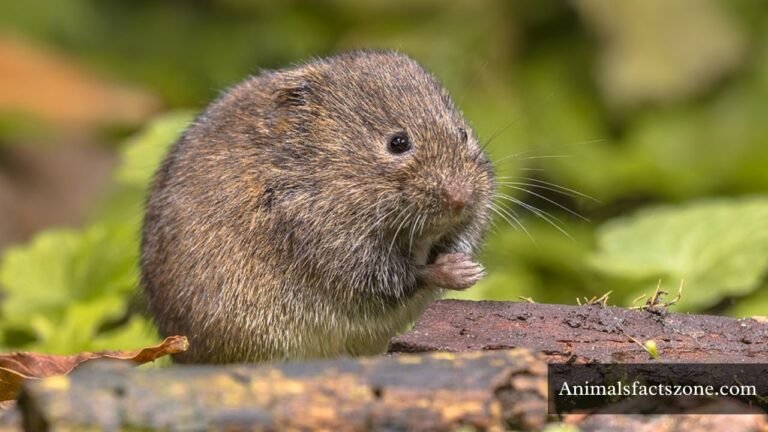
Voles bring a unique charm that deserves recognition. Known for their round bodies and short tails, these small mammals are incredibly adaptable, thriving in various habitats — from grassy fields to dense woodlands. Unlike hamsters, voles are social creatures, often found in groups, which adds an intriguing layer to their behavior. Their complex burrowing systems not only help them escape predators but also facilitate nutrient cycling in the soil, showcasing their ecological importance.
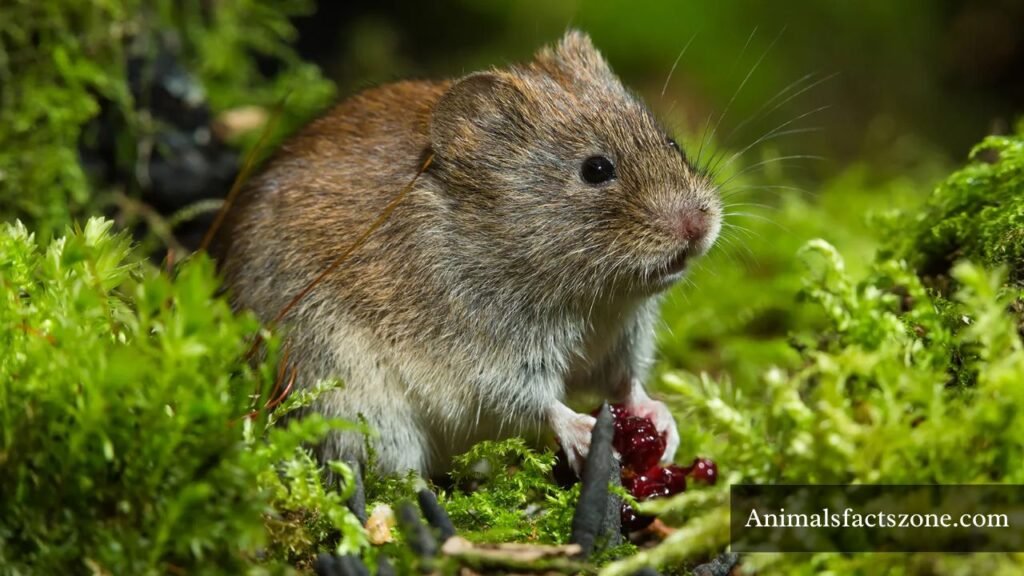
Interestingly, voles exhibit different behavioral patterns based on their environment. For instance, the meadow vole is known to create intricate tunnel networks that serve as both foraging pathways and protection from harsh weather. This adaptability highlights their intelligence and resourcefulness — traits that mirror those of house pets like hamsters. Voles communicate through a range of vocalizations and scent markings, which establishes complex social hierarchies within their communities. By observing these small yet dynamic creatures, one can appreciate the remarkable adaptations that shape their lives, turning the attention back to the beauty and significance of the natural world that often goes unnoticed.
Readmore: Explore Top 15 Animals that Look Like Muskrats.
Capybara
Scientific Name: Hydrochoerus hydrochaeris
Class: Mammalia
Diet: Herbivore
Capybaras, the world’s largest rodents, are captivating in their own right, offering a unique blend of sociability and personality that sets them apart from smaller pets like hamsters. These gentle giants typically weigh between 75 to 150 pounds and thrive in groups, reflecting their inherently social nature. Unlike hamsters, who may prefer solitude, capybaras enjoy the company of their kind and often engage in playful interactions, making them fascinating companions for those willing to embrace the care and commitment they require.
Moreover, capybaras have a surprisingly laid-back demeanor that can be both soothing and entertaining. They are known for their affinity for water, frequently seen lounging in ponds or swamps, and they even have webbed feet that aid their swimming prowess. Their diet consists mostly of grasses and aquatic plants, emphasizing their natural role in maintaining the ecosystem. For those intrigued by the idea of a companion that not only offers affection but also provides a window into the wild, capybaras can be an extraordinary choice, encouraging owners to connect not just with an animal, but with the rhythms of nature itself.
Guinea Pig
Scientific Name: Cavia porcellus
Class: Mammalia
Diet: Herbivore
Guinea pigs, often mistaken for small hamsters, are charming pets that offer a rich tapestry of personality and interaction. Originating from the Andes Mountains, these social creatures thrive in pairs or small groups, reflecting a deep-rooted need for companionship. Unlike solitary hamsters, guinea pigs communicate through a symphony of chirps, whistles, and purrs, creating an engaging auditory experience for their owners.
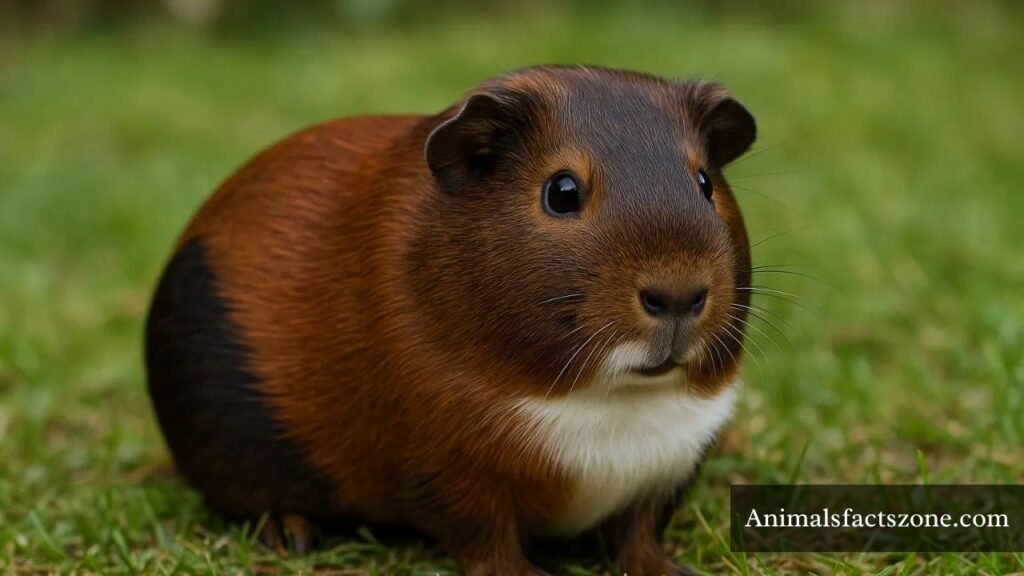
Living in a spacious cage enriched with tunnels and toys can significantly enhance their well-being. These intelligent animals love to explore and will often showcase a delightful “popcorn” behavior, jumping joyfully in the air when excited. They also have a surprisingly varied diet; incorporating fresh vegetables and hay not only keeps them healthy but allows owners to forge a bond through regular feeding and interaction. Observing a guinea pig’s social dynamics and individual quirks provides a window into their vibrant world, making them not just pets, but beloved family members.
Prairie Dog
Scientific Name: Cynomys
Class: Mammalia
Diet: Herbivore
Prairie dogs are fascinating social mammals that thrive in complex, sprawling colonies known as towns. Unlike their solitary furry counterparts, hamsters, prairie dogs exhibit intricate social behaviors and communication styles. They communicate through a series of barks and chirps, each sound conveying specific information about danger or food sources, turning their underground burrow systems into bustling hubs of social interaction. This advanced social structure showcases the richness of their lives, emphasizing the importance of community in the animal kingdom.
Their burrows are not just homes but functioning ecosystems filled with diverse species, from burrowing owls to various insects. In a way, prairie dogs serve as nature’s architects, shaping their environment in a manner similar to how beavers create wetlands. This role in the ecosystem helps maintain grassland health, as their foraging encourages plant growth, ultimately supporting a variety of wildlife. Observing prairie dogs offers valuable insights into the balance of nature, revealing how interconnected life is and reminding us of the importance of preserving these vibrant communities.
Beaver
Scientific Name: Castor
Class: Mammalia
Diet: Herbivore
Beavers, often overshadowed by their cuddly counterparts like hamsters, are striking examples of ecological engineering. With their impressive incisors, these rodents don’t just gnaw on wood; they reshape whole landscapes. By constructing intricate dams, beavers create wetlands that serve as crucial habitats for countless other species, enhancing biodiversity. Their ability to transform simple streams into vibrant ecosystems illustrates a fascinating interplay between singular species and their environment, revealing the profound impact an animal can have on nature.
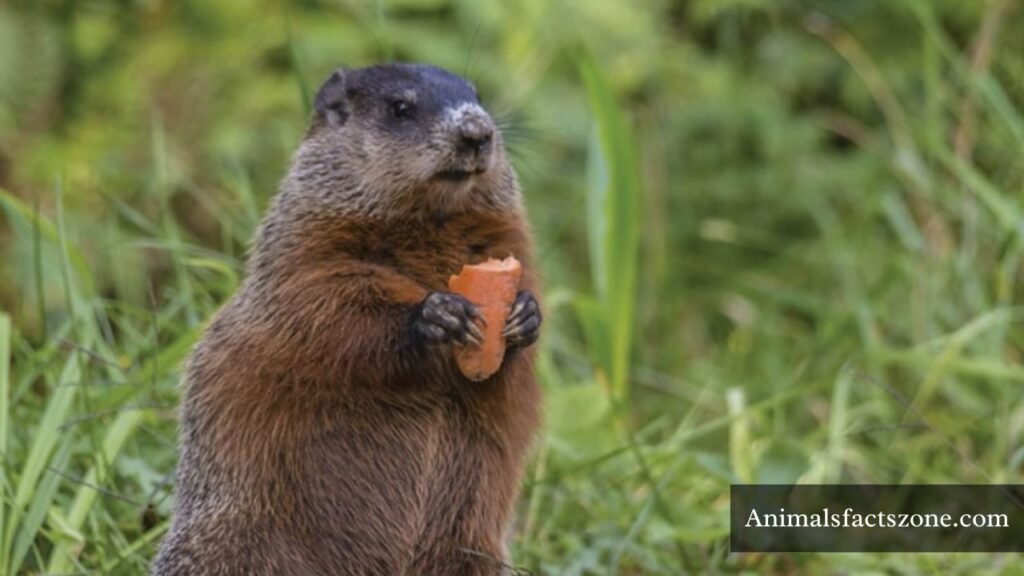
Moreover, the social structure of beavers is captivating. They live in family units, showcasing a level of cooperation rarely seen in the animal kingdom. Each member plays a role, from gathering materials to repairing the dam, emphasizing teamwork and communication. This dynamic not only strengthens familial bonds but also offers a glimpse into how cooperation can lead to thriving communities, much like the intricate social circles formed by pet owners and their beloved hamsters. Understanding beavers’ contributions encourages us to appreciate the interconnectedness of all living beings and the vital roles they play in sustaining our planet.
You can aslo read: Explore Top 13 Animals Like Groundhogs.
Rat
Scientific Name: Rattus rattus
Class: Mammalia
Diet: Omnivore
Rats, often overlooked in the realm of small pets, are incredibly sociable and intelligent creatures. Unlike the stereotypical image of a rat as a mere pest, they can form deep bonds with their owners, showcasing affectionate behaviors much like those of hamsters. These furry companions can recognize their names and even respond to commands, making them delightful little friends that engage their human counterparts in unique ways.
Moreover, rats possess an extraordinary capacity for problem-solving. They genuinely thrive when presented with challenges, whether it’s navigating mazes or engaging in interactive toys. This curiosity and intelligence not only keep them entertained but also foster a stimulating environment that strengthens their bond with their owners. Even more fascinating, researchers have observed that rats display empathy, often showing signs of distress when they see a fellow rat in trouble. This emotional depth provides an enriching perspective on their social structures and reinforces their potential as affectionate pets.
Gerbil
Scientific Name: Meriones unguiculatus
Class: Mammalia
Diet: Omnivore
Gerbils, often compared to their more ubiquitous cousins, hamsters, offer a fascinating alternative for small pet enthusiasts. These small rodents boast an energetic temperament and sociable nature, making them ideal companions. Unlike hamsters, which are predominantly nocturnal and may prefer solitude, gerbils thrive in pairs or small groups, fostering a lively and interactive atmosphere in their habitats. Their inquisitive nature can transform any living space into a miniature adventure park, as they burrow, dig, and explore.
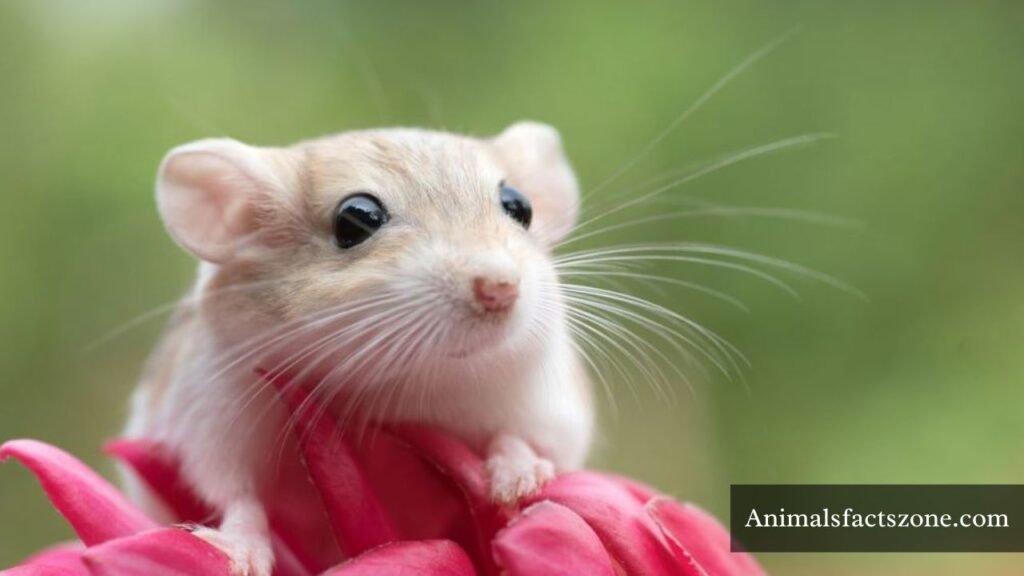
One of the most captivating aspects of gerbils is their unique adaptation to arid environments. Originating from the deserts of Mongolia, their specialized diet enables them to extract moisture from the seeds they consume, requiring minimal water compared to other small pets. This remarkable adaptation makes them relatively low-maintenance and perfect for pet owners who may worry about water spillage. Their gentle demeanor and low grooming needs also make them an ideal choice for families, especially those with young children eager to learn about responsible pet care. With their vibrant personalities and captivating behaviors, gerbils are not just pets; they are a window into the wonders of nature.
Dormouse
Scientific Name: Glis glis
Class: Mammalia
Diet: Omnivore
Dormice might often be overlooked when discussing charming small mammals, but they offer a world of fascination that rivals even the most popular pets. These nocturnal creatures, belonging to the family Gliridae, showcase an extraordinary array of behaviors and adaptations. Unlike hamsters, which are often known for their energetic, simple lifestyle, dormice exhibit a remarkable form of hibernation that can last for several months, allowing them to thrive in challenging environments. Their torpid state is a survival mechanism that highlights nature’s ingenuity in conserving energy when food sources dwindle.
Beyond their hibernation habits, dormice possess an incredible sense of touch and smell, enabling them to navigate through dense foliage and locate food with ease. Their fur, varying from golden-brown to gray, provides a natural camouflage against predators, adding to their allure. A key feature is their large, expressive eyes, which not only enhance their night vision but also contribute to their adorable appearance. Those intrigued by the behaviors of small mammals may find dormice to be a delightful alternative, offering insights into the wonder of evolution and adaptation in the animal kingdom.
Mouse
Scientific Name: Mus musculus
Class: Mammalia
Diet: Omnivore
Mice are often seen as the charming neighbors of the animal kingdom, showcasing an impressive mix of intelligence and adaptability. Unlike their larger rodent relatives, these petite creatures possess a unique sense of curiosity that drives them to explore their surroundings. This inquisitive nature is not just endearing; it’s also essential for their survival as they learn to navigate various environments. For those who have the opportunity to observe them, it’s fascinating to see how they interact with their habitat, using their whiskers to sense changes in their surroundings.
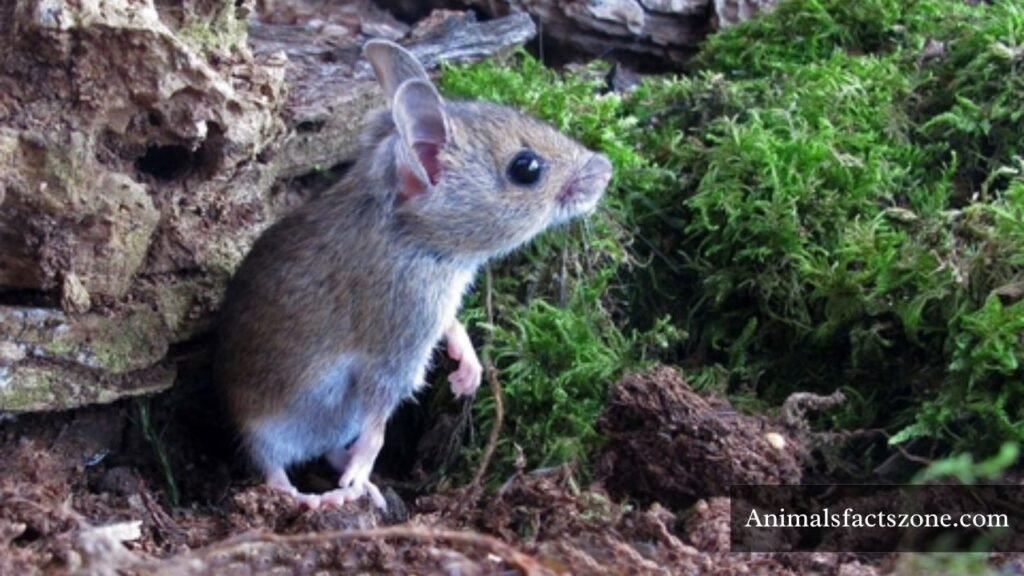
In terms of companionship, mice can make wonderful pets, providing a lively alternative to the more common hamster. Their sociable behavior and playful antics can bring joy to any household. Mice thrive in pairs or small groups, showcasing a sense of community that’s equally captivating in the wild and in domestic settings. Beyond their playful demeanor, keeping mice can offer valuable lessons about animal care and responsibility, as these creatures require thoughtful attention to their environment and diet. Ultimately, adding a mouse to your home can be as rewarding as adopting a hamster, revealing layers of personality that are sure to delight.
Chinchilla
Scientific Name: Chinchilla lanigera
Class: Mammalia
Diet: Omnivore
Chinchillas are fascinating little creatures that bring a unique charm to the world of small pets. With their incredibly soft fur — often described as the softest of any land mammal — they offer an entirely different tactile experience compared to hamsters. This delightful coat serves a practical purpose: it helps them thrive in their native Andean environments by providing insulation against extreme temperatures. As a pet, their fluffiness becomes a comforting presence as you interact with them, reminding us of the beauty of nature’s design.
Beyond their exquisite appearance, chinchillas are known for their playful and curious personalities. They are highly social animals, often thriving in pairs or small groups, which makes them an engaging addition to your household. Unlike the nocturnal habits of hamsters, chinchillas tend to exhibit more active behaviors during the evening hours, allowing for fun playtime sessions after a long day. Their inquisitive nature not only encourages strong bonds with their owners but also stimulates mental engagement through interactive toys and activities.
Squirrel
Scientific Name: Sciurus
Class: Mammalia
Diet: Omnivore
Squirrels, often seen darting through parks and backyards, are fascinating creatures that share a playful spirit similar to hamsters. These agile little acrobats are wonderfully adaptable, thriving in various environments, from urban areas to dense forests. Their lively antics and bold personalities can make them a delightful presence in any landscape. Like hamsters, they gather food, storing nuts and seeds for winter — a behavior that speaks to their resourcefulness and survival instincts.
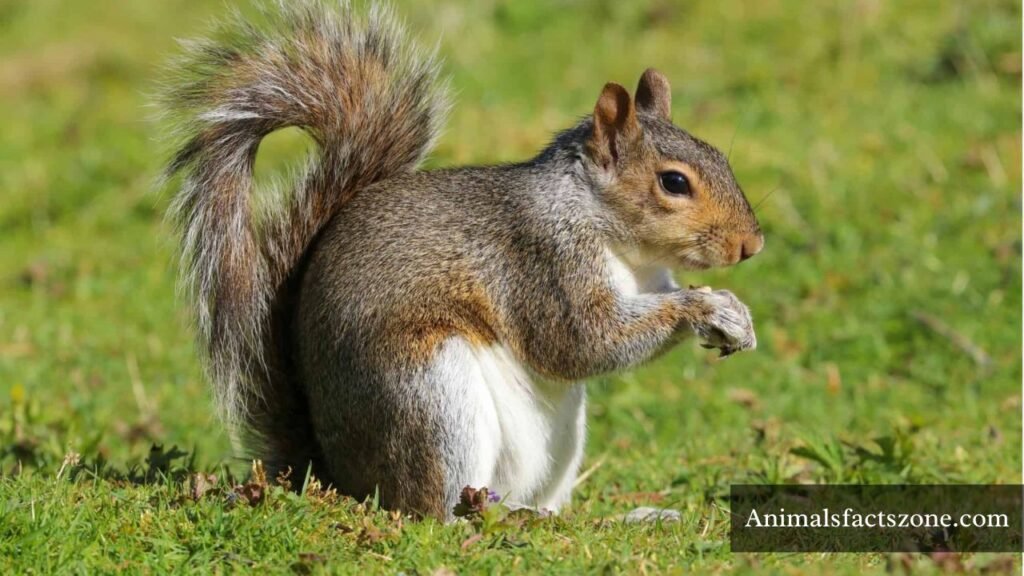
Observing squirrels can provide insights into their complex social structures. They communicate through a series of chirps and tail flicks, demonstrating a rich vocabulary that helps them navigate their relationships. Moreover, their impressive problem-solving abilities rival those of some much larger animals. For instance, squirrels can skillfully navigate intricate obstacles to access food, showcasing their intelligence and determination. This blend of charm and ingenuity invites a closer appreciation of nature’s more nimble critters, reminding us that even the smallest creatures have a big story to tell.
Readmore: Explore Top 15 Animals Like Ferrets.
Final Thoughts
The diverse world of small animals that resemble hamsters offers a wealth of companionship and joy for pet enthusiasts. From gerbils to mice, each species brings unique traits and personalities that can fit into various lifestyles. These animals are not only adorable but often come with lower maintenance needs, making them ideal for first-time pet owners or those with limited space. Furthermore, understanding their care requirements is crucial for fostering a healthy and happy environment.
FAQs
What pets are similar to hamsters?
If you’re looking for pets similar to hamsters, consider gerbils. They have a similar size and structure, are easy to care for, and are known for being active and entertaining. Gerbils also have a friendly temperament and can be quite social, making them great for handling and interaction. Another option is mice. They’re small, relatively low-maintenance, and can be quite playful. Mice enjoy exploring and can be housed in similar setups as hamsters. Both gerbils and mice bring that same small-pet charm to your home, making them good alternatives if you’re a fan of hamsters.
What are the 5 species of hamsters?
There are several species of hamsters commonly kept as pets, but five of the most popular include the Syrian hamster, the Russian dwarf hamster, the Campbell’s dwarf hamster, the Roborovski dwarf hamster, and the Chinese hamster.